
What's the Number: A Python ML Project to Guess Handwritten Digits
Inspiration
Handwritten digit recognition is a classic problem in machine learning and computer vision, particularly useful in fields like postal sorting, bank check processing, and form digitization. This project draws inspiration from the widely known MNIST dataset, which has helped advance techniques in image recognition. The goal was to create a simple yet effective model to recognize handwritten numbers, providing a hands-on introduction to deep learning concepts and neural networks.
What It Does
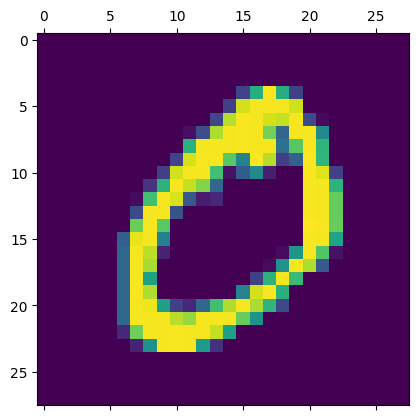
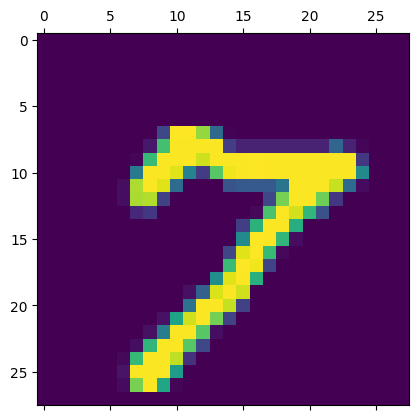
"What's the Number" is a machine learning model that can recognize and predict handwritten digits (0-9) based on image inputs. Users can input an image of a digit, and the model will analyze it and output the predicted number. This project is particularly beneficial for understanding how neural networks process image data and make predictions based on learned patterns.
How We Built It
The project was built using Python and the following technologies:
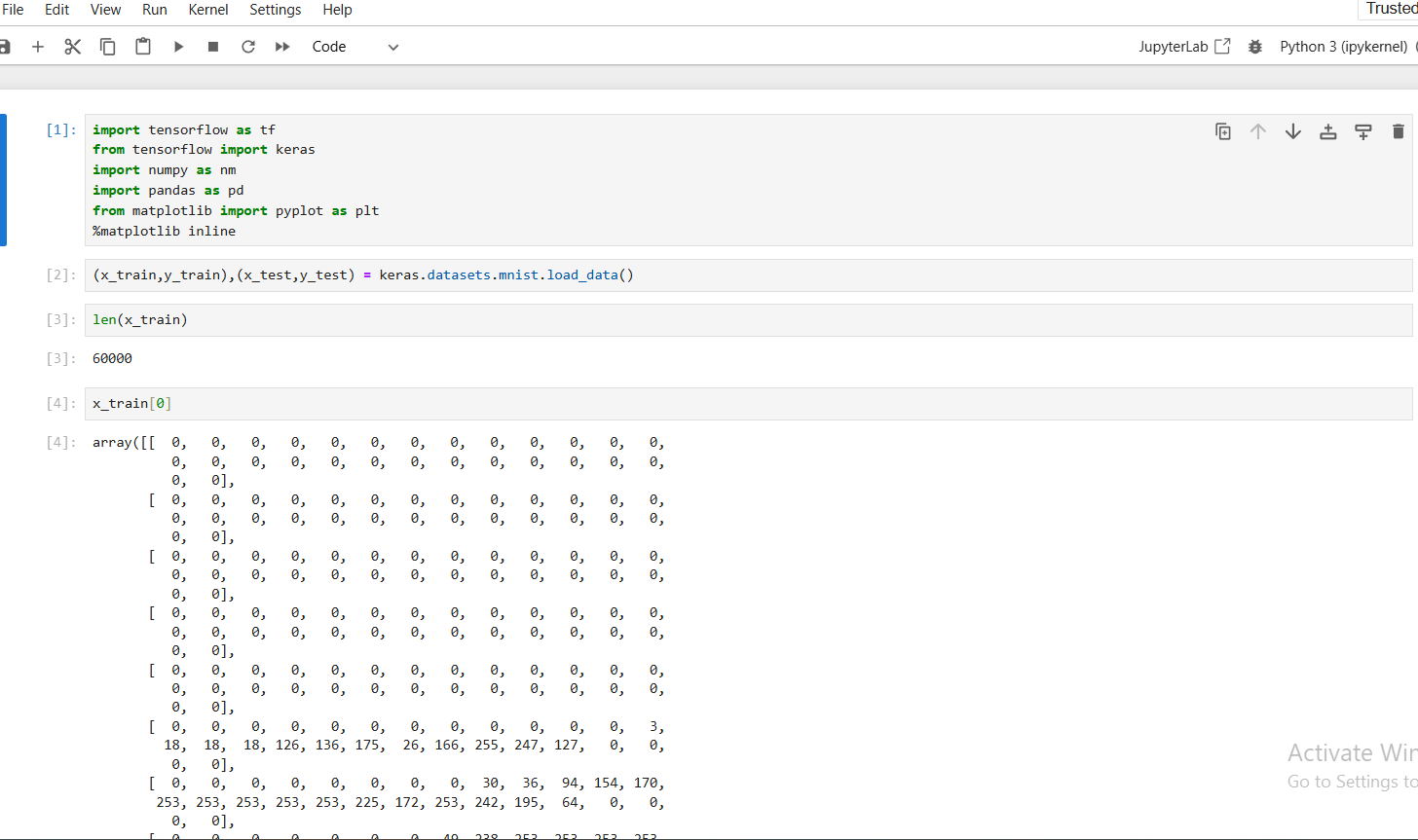
- Data: We used the MNIST dataset, which contains thousands of labeled images of handwritten digits, to train and test our model.
- Model Architecture: A Convolutional Neural Network (CNN) was chosen due to its effectiveness in image recognition tasks. Layers included convolutional, pooling, dropout, and dense layers to ensure accuracy and prevent overfitting.
- Libraries: We leveraged libraries like TensorFlow and Keras for model building, NumPy for data manipulation, and Matplotlib for visualizing results.
Challenges We Ran Into
- Data Preprocessing: Ensuring that images were correctly formatted and normalized before feeding them into the model was essential to achieve accurate predictions.
- Overfitting: During training, the model initially overfitted the data, performing well on the training set but poorly on the validation set. We addressed this by adjusting the network’s complexity and implementing dropout layers.
- Hyperparameter Tuning: Finding the optimal learning rate, batch size, and number of epochs was challenging and required extensive experimentation.
Accomplishments That We're Proud Of
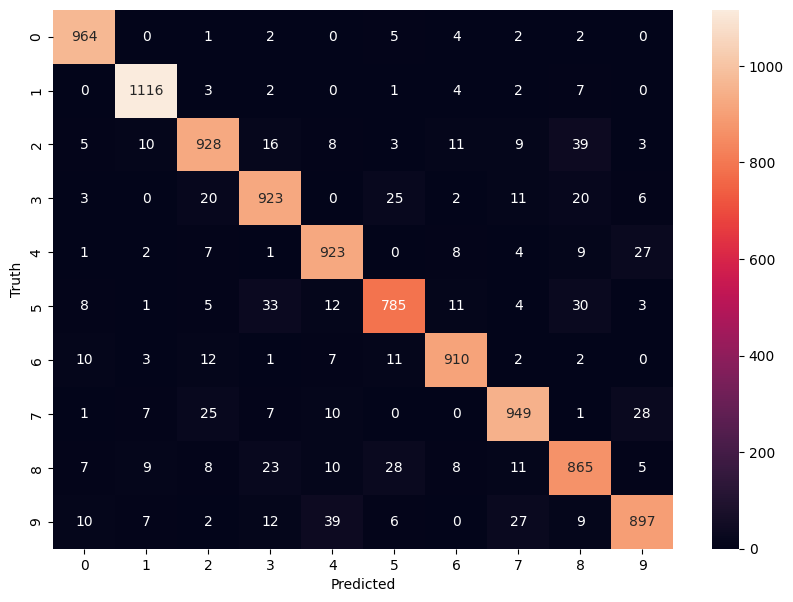
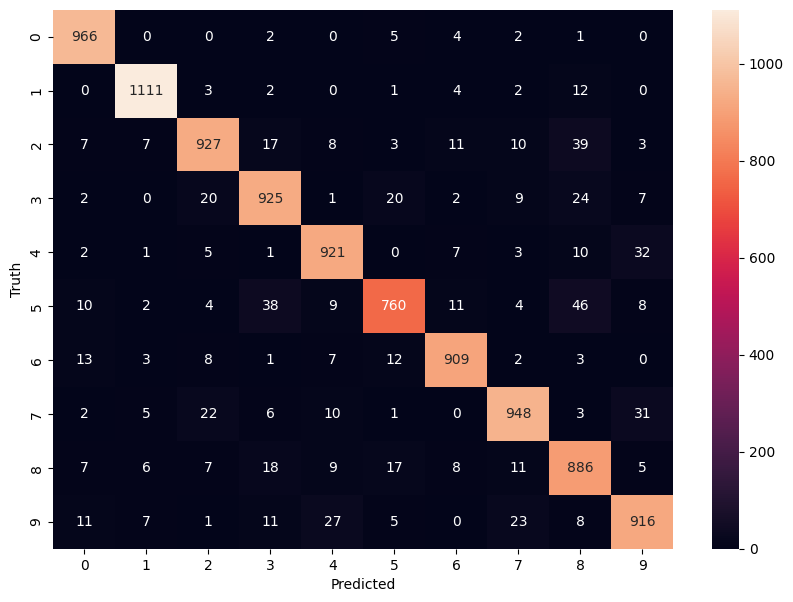
- Successfully building a CNN that achieves high accuracy in recognizing handwritten digits.
- Implementing a user-friendly interface that allows users to input their own handwritten digit images for real-time predictions.
- Understanding and effectively handling issues related to overfitting and model optimization.
What We Learned
- The importance of data preprocessing, especially when working with image data.
- How to construct and train convolutional neural networks for image classification tasks.
- Techniques to mitigate overfitting, such as using dropout layers and tuning hyperparameters.
What's Next for What's the Number
In future iterations, we plan to:
- Expand the Dataset: Integrate more handwritten digit datasets to make the model robust against varied handwriting styles.
- Deploy the Model: Create a web app using Flask or a similar framework to make the model accessible online.
- Enhance Accuracy: Experiment with more complex architectures, such as ResNet or VGG, to improve prediction accuracy further.
By continuing to improve "What's the Number," we aim to build a versatile, high-performing tool for digit recognition and demonstrate the practical applications of machine learning in real-world scenarios.


Log in or sign up for Devpost to join the conversation.