Problem Statement Many elderly and differently-abled individuals face challenges in adhering to their medication schedules. Missed or incorrect doses can lead to severe health complications, hospitalizations, and reduced quality of life. The lack of accessible and user-friendly medication management systems exacerbates this issue, creating a significant gap in healthcare accessibility.
Inspiration The inspiration for this project stems from the need to bridge healthcare inequalities and enhance the quality of life for individuals with disabilities or age-related challenges. Our goal was to create an intuitive, accessible, and affordable solution to ensure that no one misses critical medication doses due to physical, cognitive, or sensory limitations.
What Makes Our Solution Unique? Our Accessible Smart Pillbox stands out because it integrates hardware and software solutions tailored to the diverse needs of users:
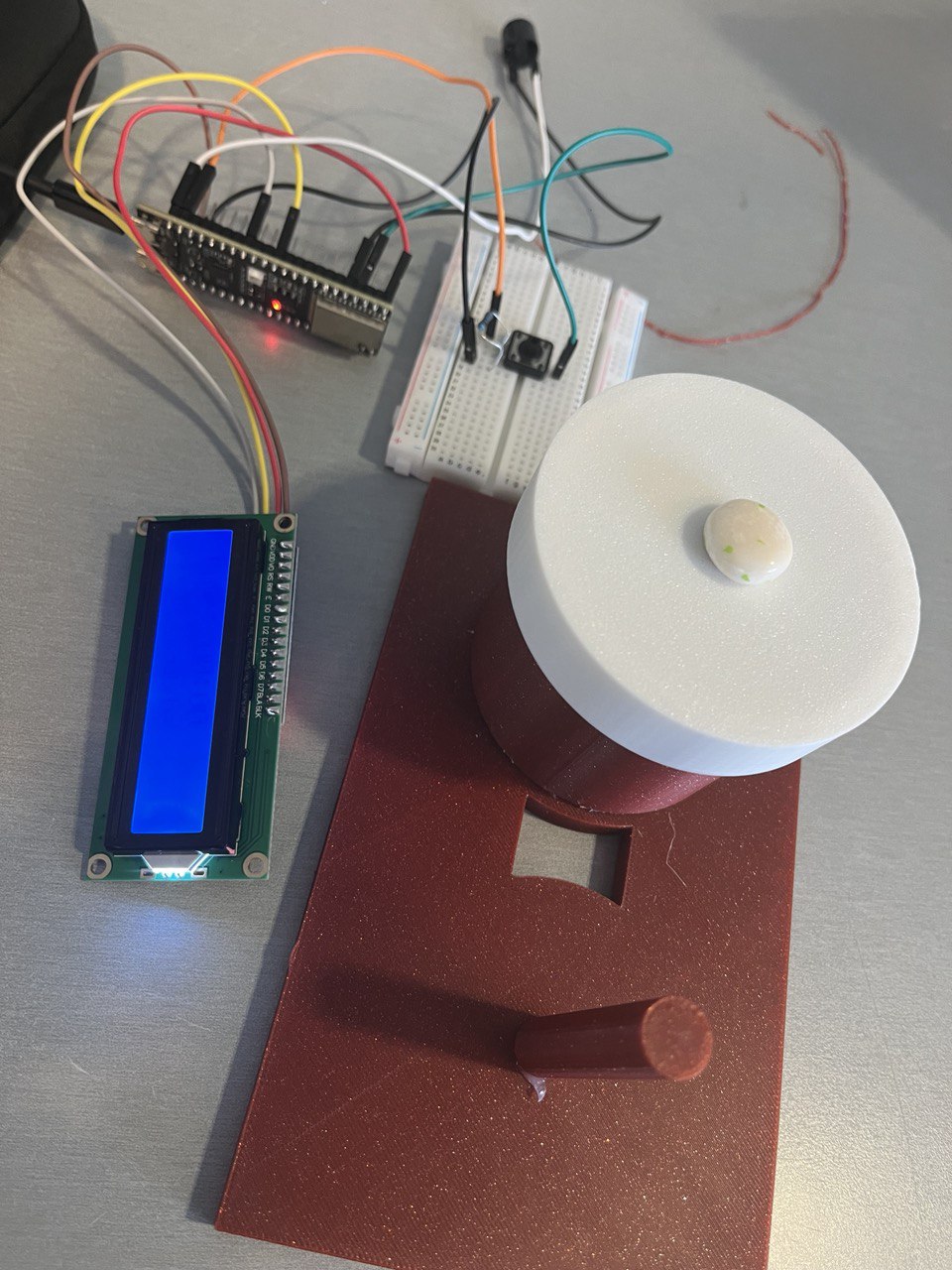
Accessibility-first Design: Vibrating alerts for the hearing impaired, audio reminders for the visually impaired, and high-contrast, large-font displays ensure usability across all demographics. Proactive Caregiving: A dedicated mobile app allows caregivers to monitor adherence, receive alerts for missed doses, and update medication schedules remotely. IoT Integration: The combination of an ESP32-S3 microcontroller, LCD, and IR sensors creates an intelligent, connected device that is both functional and user-friendly.
How the Product is Meant to Be Used Users: Elderly individuals, people with disabilities, or anyone needing structured medication management. Caregivers: Use the app to set schedules, check logs, and receive notifications about missed doses. Process: Users load medication into compartments. At the scheduled time, the pillbox alerts the user via sound, vibration, or display notifications. The IR sensor detects if a compartment is opened, marking the dose as taken in the app. Caregivers are notified of missed doses for immediate action.
Technologies Used Hardware:
ESP32-S3: Enables Wi-Fi/Bluetooth connectivity between the pillbox and the mobile app. LCD Screen: Displays medication details, ensuring clarity. IR Sensors: Detects compartment openings to confirm dose adherence. Breadboard/Wires: For assembling the prototype.
Software:
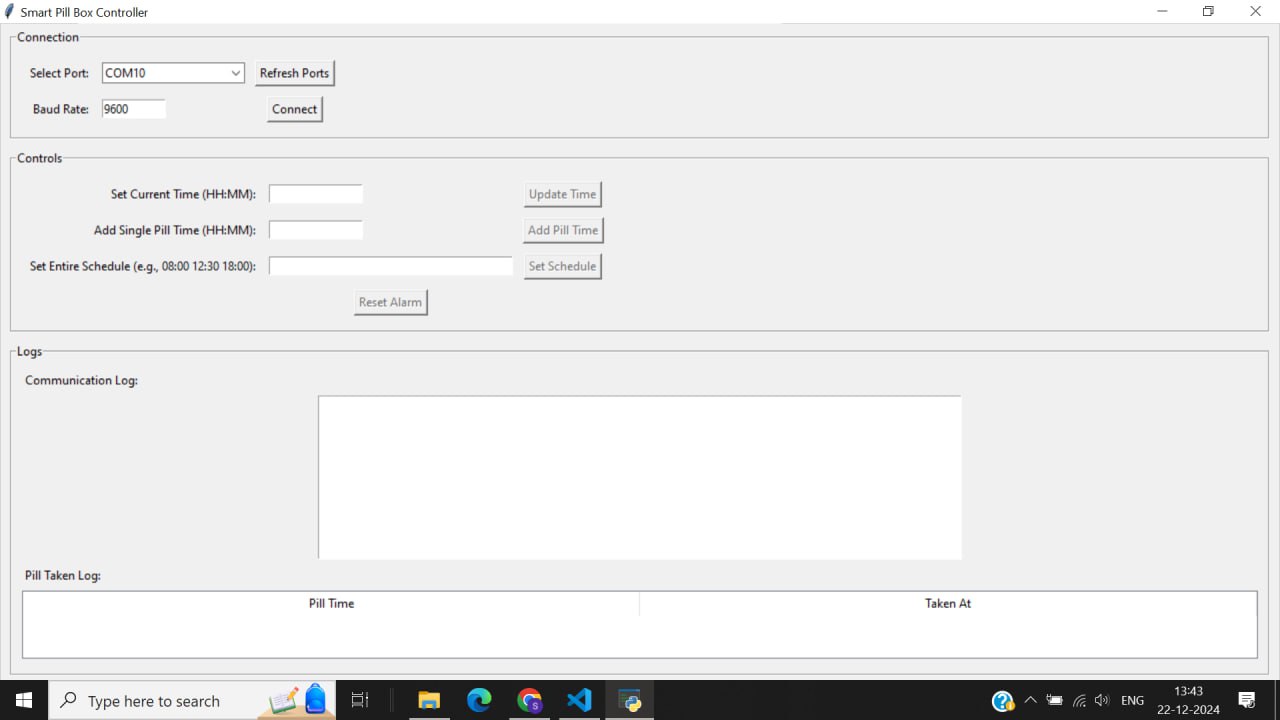
Mobile App: Facilitates schedule management, notifications, and adherence tracking. Microcontroller Code: Handles device functionality, communication, and scheduling.
Key Challenges Hardware Assembly: Ensuring seamless integration of components like the ESP32-S3, LCD, and IR sensors into a compact design. Accessibility Features: Developing diverse alert mechanisms that cater to users with sensory disabilities. IoT Synchronization: Establishing reliable communication between the pillbox and the mobile app, particularly in environments with limited connectivity. Prototyping for a Hackathon: Delivering a functional prototype within a limited timeframe and budget.
Market Opportunities:
Elder care facilities, healthcare providers, and individual users could benefit from this product. Potential partnerships with pharmacies and insurance companies for integration into healthcare plans. Future Enhancements:
Adding voice recognition for hands-free operation. Expanding the app with multilingual support and AI-powered medication adherence analytics. Creating a larger version for users with complex medication regimens. Business Model:
Product Sales: Offer the Smart Pillbox as a one-time purchase or subscription-based service. App Monetization: Provide premium features like advanced caregiver analytics or cloud storage for adherence data.

Log in or sign up for Devpost to join the conversation.