-

Cryptocurrency
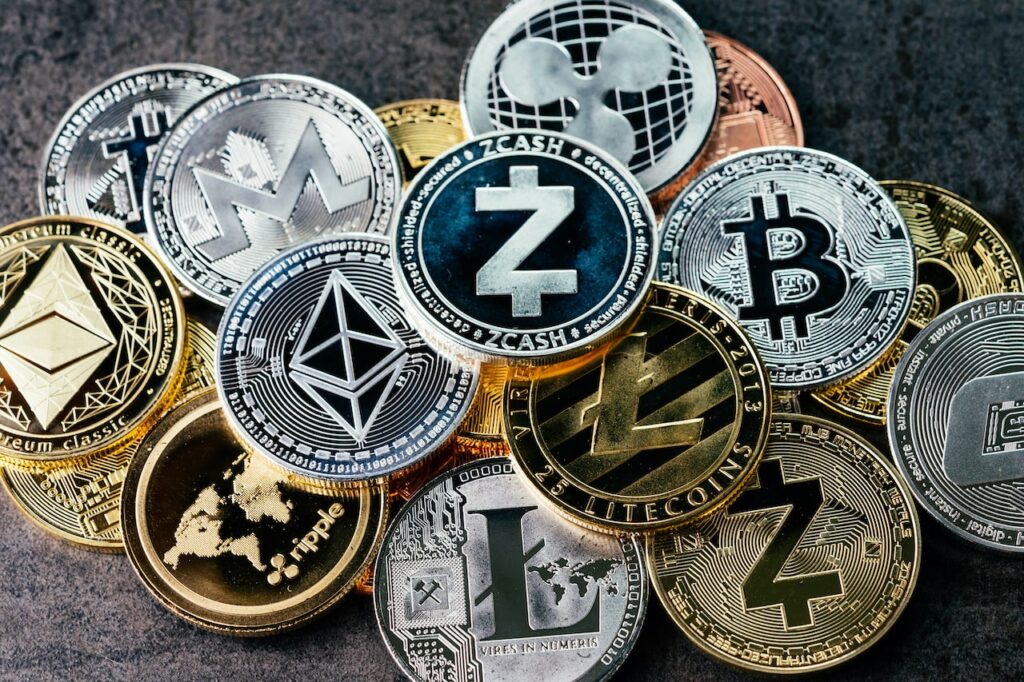
Cryptocurrency is a digital or virtual form of currency that uses cryptography for security. Unlike traditional currencies issued by governments and central banks, cryptocurrencies are decentralized and typically operate on a technology called blockchain. This revolutionary technology ensures transparency, security, and the integrity of transactions, making cryptocurrencies an innovative financial tool in the digital age.
The Basics of Cryptocurrency
At its core, cryptocurrency functions as a medium of exchange, much like traditional money. However, its decentralized nature sets it apart. Instead of relying on a central authority to manage and regulate the currency, cryptocurrencies use a distributed ledger system. This ledger, known as the blockchain, records all transactions across a network of computers, making it nearly impossible to alter or hack.
More about crypto mining here: https://1plus-smart.com/blog/cryptocurrency-mining-2024
Key Features of Cryptocurrencies
- Decentralization: Most cryptocurrencies are not controlled by any single entity. This decentralization reduces the risk of corruption and increases security.
- Transparency: All transactions are recorded on a public ledger, allowing anyone to view the transaction history of any given cryptocurrency address.
- Security: Cryptocurrencies use advanced cryptographic techniques to secure transactions, making it difficult for unauthorized parties to alter transaction data.
- Anonymity: While transaction details are public, the identities of the individuals involved in transactions can remain anonymous, providing privacy to users.
- Limited Supply: Many cryptocurrencies, such as Bitcoin, have a capped supply, which can protect against inflation and increase value over time.
Popular Cryptocurrencies
- Bitcoin (BTC): Launched in 2009 by an anonymous entity known as Satoshi Nakamoto, Bitcoin was the first cryptocurrency and remains the most widely recognized and valuable.
- Ethereum (ETH): Introduced in 2015, Ethereum goes beyond currency use by providing a platform for decentralized applications and smart contracts.
- Ripple (XRP): Known for its digital payment protocol, Ripple aims to facilitate real-time cross-border payments.
- Litecoin (LTC): Often referred to as the silver to Bitcoin's gold, Litecoin offers faster transaction times and a different hashing algorithm.
In summary, cryptocurrency represents a significant shift in how we think about and use money. Its decentralized, secure, and transparent nature offers numerous advantages, making it a compelling alternative to traditional financial systems. As the technology matures, its impact on the global economy and everyday transactions is likely to grow, heralding a new era of digital finance.
Built With
- blockchain
- criptocurrency


Log in or sign up for Devpost to join the conversation.