-
-

Concept Poster
-

Character
Inspiration
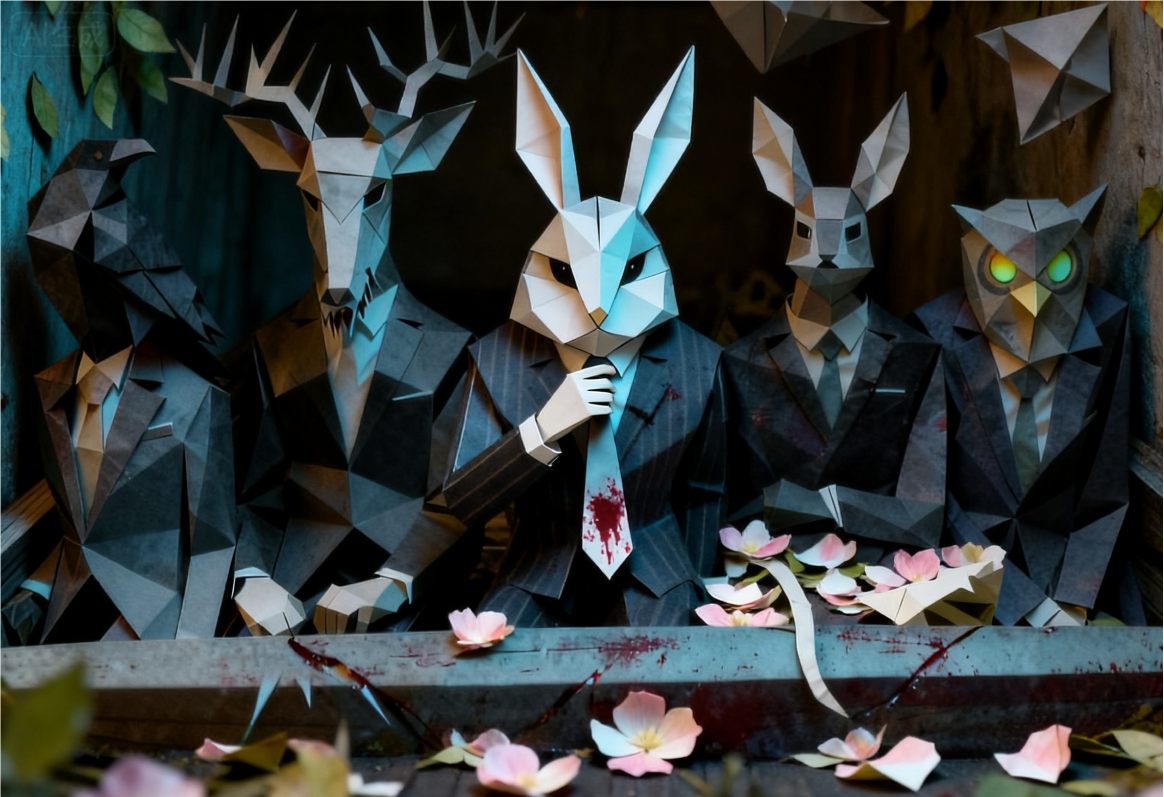
Be Like Me was inspired by the complexity of human being and the invisible struggles people carry within. The idea that everyone has both light and shadow—strengths and fears, virtues and flaws—and that true harmony comes from seeing both. We wanted to create a surreal experience where players could step into another perspective, confront inner conflict, and explore the mind as a living maze and gain a better understanding of empathy.
What it does
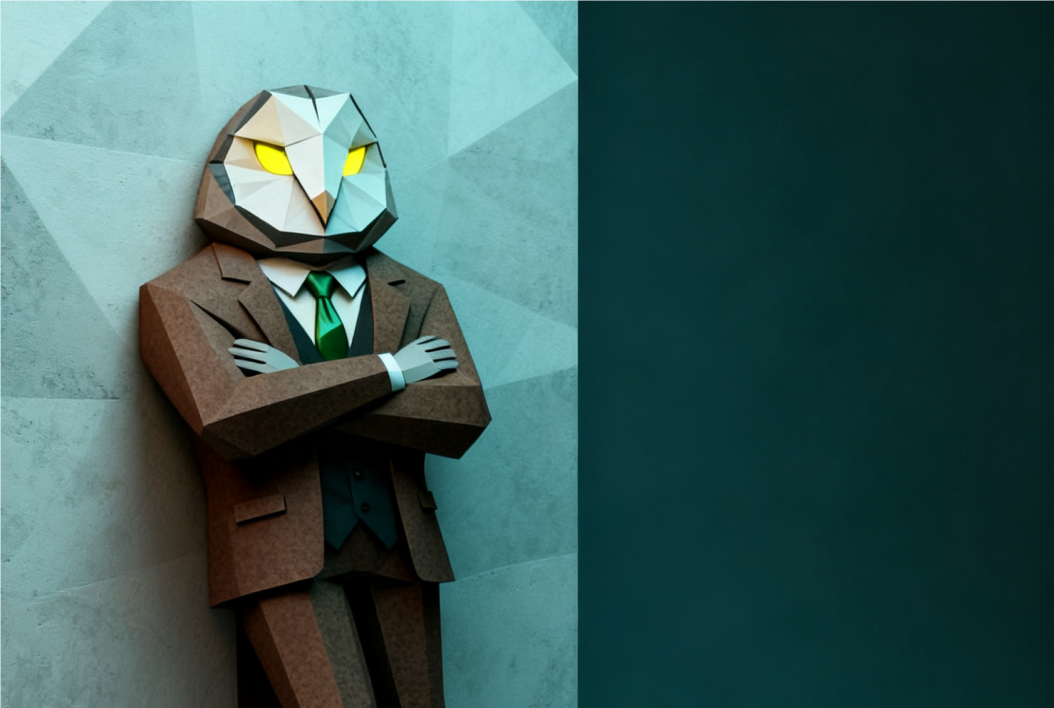
Be Like Me is a narrative puzzle-adventure game that takes players into a dreamlike labyrinth born from the protagonist’s subconscious. Players interact with hybrid human-beast NPCs, each embodying a dual nature with both helpful and harmful abilities. Depending on the player's choices, NPCs may open paths, create barriers, or tell you about their stories. Through exploration and puzzle-solving, the player uncovers the story behind a fractured friendship—ultimately realizing they’ve been chasing a fragmented reflection of their own inner self, and learned to co-exist with it along the way.
How we built it
We built Be Like Me as an AI-driven narrative puzzle-adventure using Unity, combining traditional game development with a suite of powerful AI tools provided by our sponsors to speed up our development process and enhance game mechanics. Our core game loop relies on AI-powered mechanics—especially our NPC system, where each character has two contrasting behaviors (light and shadow). These behavioral states are dynamically selected based on the player’s interactions, making AI central to both storytelling and gameplay. To bring the world to life, we used DreaminaAI and Freepik to rapidly generate concept art, moodboards, and early visual references based on our written description that shaped the maze’s surreal aesthetic. FAL helped us produce high-quality textures, creature variations, and environmental assets that matched our dual-nature theme. For character personality and voice delivery, ElevenLabs allowed us to prototype emotional voice lines that adapt to each NPC’s positive or negative state, helping reinforce the psychological tone of the world. We used Google Cloud for storing and managing our assets, project files, and shared builds, making collaboration smooth and efficient throughout development. For our demo trailer and in-game cutscene prototypes, CapCut enabled quick, polished video editing so we could communicate the emotional tone of the game clearly. Inside Unity, we integrated these AI-powered assets with custom C# systems handling NPC state-switching, maze logic, player choices, and puzzle interactions. Together, the AI-assisted visuals, voices, and dynamic behaviors allowed us to build a world that feels symbolic, reactive, and emotionally alive—all within the hackathon time frame. AI plays a major role in generating different character features and ability metrics based on user interaction.
Challenges we ran into
One of the biggest challenges was harmonizing narrative depth with gameplay clarity. Because the game world reflects the protagonist’s mind, we needed puzzles and mechanics that felt symbolic without confusing players. Designing NPCs with two contrasting abilities—both beneficial and disruptive—also required careful balancing. Finally, representing abstract emotions through architecture, lighting, and character behavior took significant iteration to avoid being too literal or too vague.
Accomplishments that we're proud of
We’re proud of creating a world that feels emotionally alive. Our NPC dual-ability system became a powerful gameplay metaphor for inner conflict, and the maze structure grows more meaningful as players uncover the protagonist’s truth. We’re also proud of the visual atmosphere—dark, surreal, and symbolic—crafted in a way that supports both storytelling and gameplay. Most importantly, we successfully built a cohesive experience that encourages players to reflect on empathy and self-understanding.
What we learned
Design is not a linear path, it comes with rounds and rounds of iteration.
What's next for Be Like Me
We’ve completed the MVP of our game, including the core concept and the first narrative quest. Moving forward, we plan to expand our roster of representative characters to enhance player flexibility and overall playability. Our guiding prompts will become dynamically generated, offering more AI-powered options such as procedural game objects, in-game assets, and character variations that better reflect each player’s choices and identity. The player avatar will support a wider range of customizable combinations, and future environments will be generated adaptively based on player decisions. As large-model capabilities continue to evolve, we will integrate those advancements into the game to further strengthen our AI-driven systems and elevate the overall gameplay experience.
Built With
- c#
- chat-gpt
- cursor
- dreamina
- elevenlabs
- fal
- figma
- google-cloud
- luma
- unity


Log in or sign up for Devpost to join the conversation.