-
-

-
-
-
-
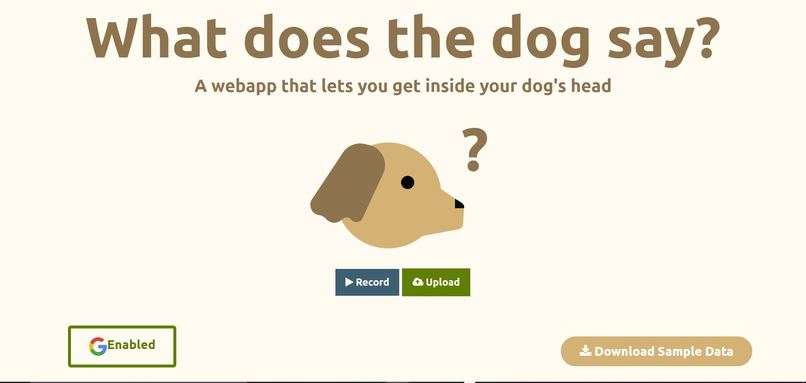
Home Page
-
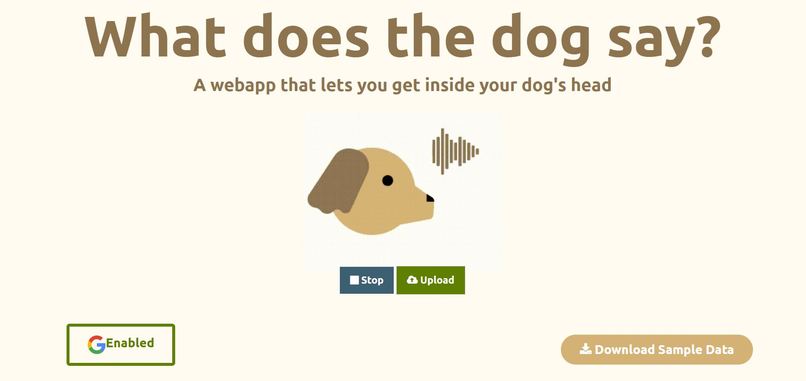
Recording Page
-
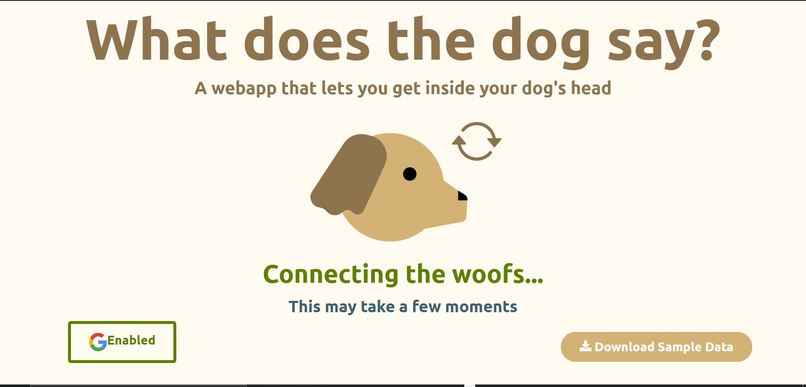
Processing Page
-
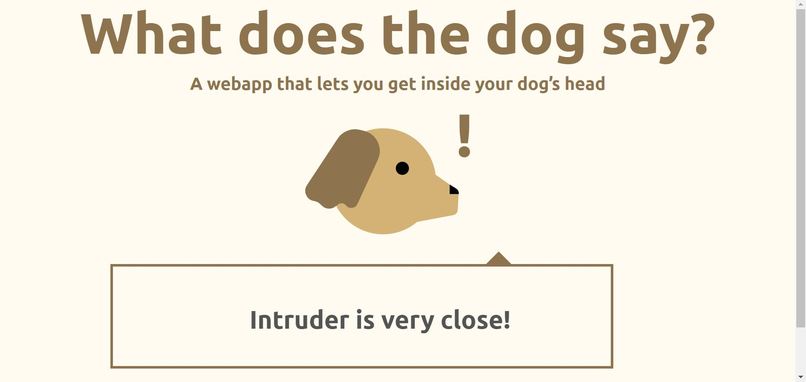
Results Page (p1)
-
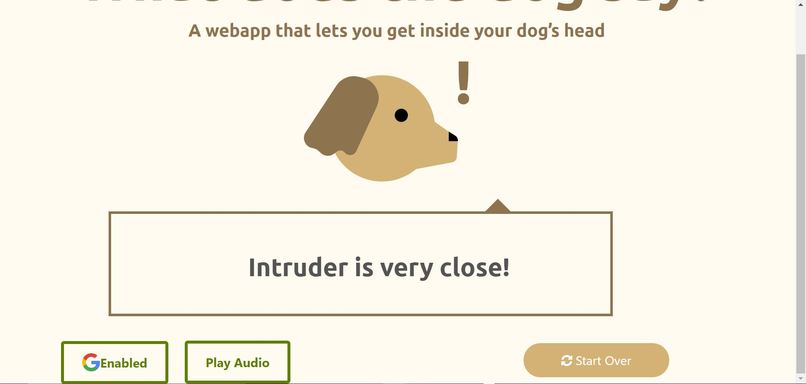
Results Page (p2)



Inspiration
A dog is a man's best friend. Machine learning is the perfect solution to get a better understanding of what your best friend is trying to tell you. There have been so many times where we felt that dogs really understood what we were saying - we want to understand them as well. Who knew owning a pet could get any better?
We believe this technology could be used by: -Pet owners and veterinarians: to get a better sense of whether a dog is in pain, anxious, or feeling depressed. -Pet stores: what better way to market toys or food than to have the dogs say that they want them? -Children: many children are scared of dogs; if they understood what the dog was actually trying to say, maybe they wouldn’t seem quite as scary.
The name is inspired by the viral hit: What does the fox say? 🦊
What it does
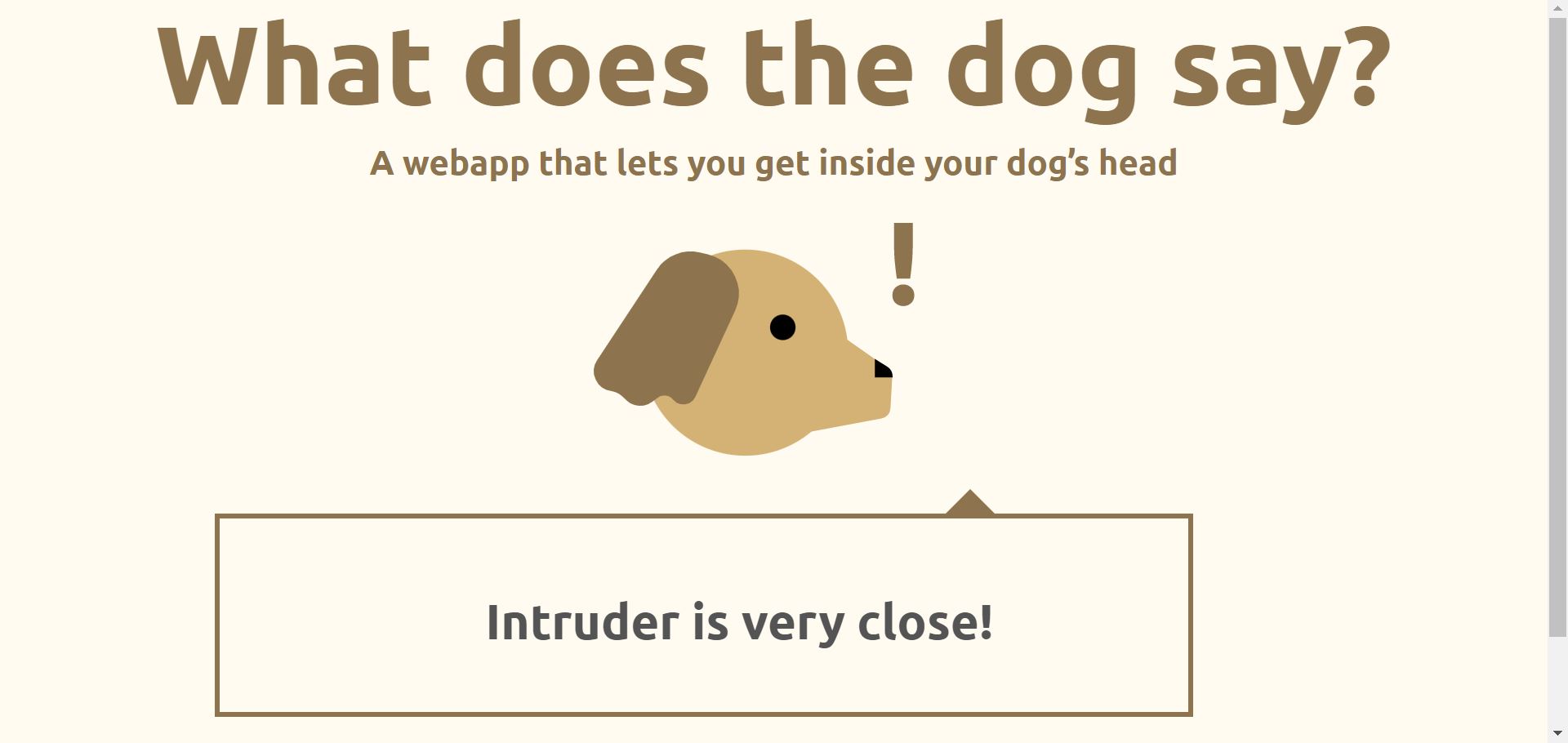
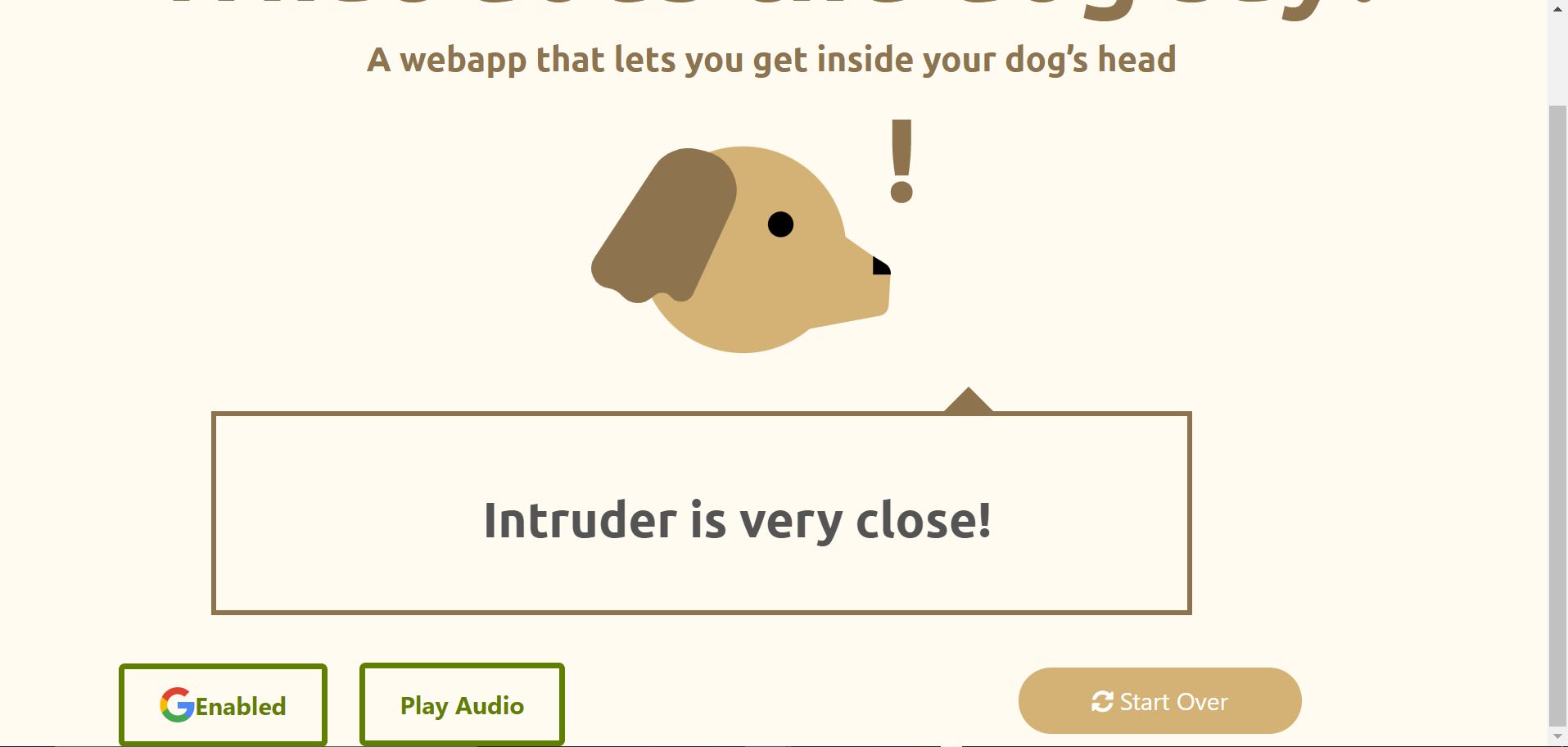
Similar as to how we can translate Spanish to French or German to Bulgarian, this webapp translates barking into the English language. The process is simple: 1) The user either records audio of their dog or submits an audio clip. 2) The website uses our machine learning models to narrow down what the dog may be trying to communicate trained on previously categorized data. 3) The website outputs this response to the user. If the user wants a more interactive experience, the website will output the translation using text-to-speech.
Business Viability
We see this as an entrepreneurship opportunity as this is a very unique idea, that no one has thought of so far. It uses our current research and technology to fill a gap in the society between communication to animals. Dogs have proved themselves in many fields as a service dog, used for investigations, security and much more, if they have proven to be so useful by not even being able to clearly communicate, then the potential they can have by able to make themselves understand is very high. Some opportunities we see include, 1) By having features like text to speech, the translation can be heard by anyone who has a service dog for instance someone who is blind, and their dog is able to guide them properly and beware them of any hazards 2) Trained Dogs can help investigate and solve cases by being able to communicate with the police department and be more clear about their findings 3) Dogs who face depression, are lonely, sad or even sick will be able to tell their owners about how they feel, this can be helpful for Veterinarians or pet stores to market and sell their products 4) Next time a dog barks at you, you will be able to tell if they are actually warning or making them beware of something, or are they thinking you of as an intruder, or are they just saying Hi 5) To make the translation process more seamless, our vision is that What Does the Dog Say? will be supported on Google Home and/or Alexa. In this process, once your dog barks, howls, or whimpers, the voice assistant will be able to refer to access our translation service and output the translation as your dog is communicating. 6) We would also like to explore the reverse translation: taking human speech and outputting something a dog might understand. With this addition, nothing is stopping you from trying to have a conversation with your dog! Can you imagine gossiping with your dog?
How we built it
The website was designed using Figma. It was built using HTML and CSS for the frontend, JavaScript and JQuery for the functionality, and Flask to run the website and to connect it to the machine learning algorithms. In order to train our models, we labelled audio clips of dogs barking to certain categories of sentiments based on the tone, type of sound (bark, howl, whimper, etc.), repetitiveness, and tempo of the audio clip.
How it works
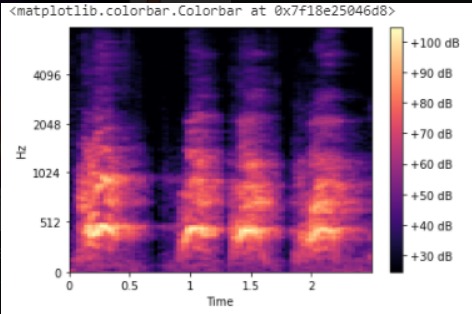
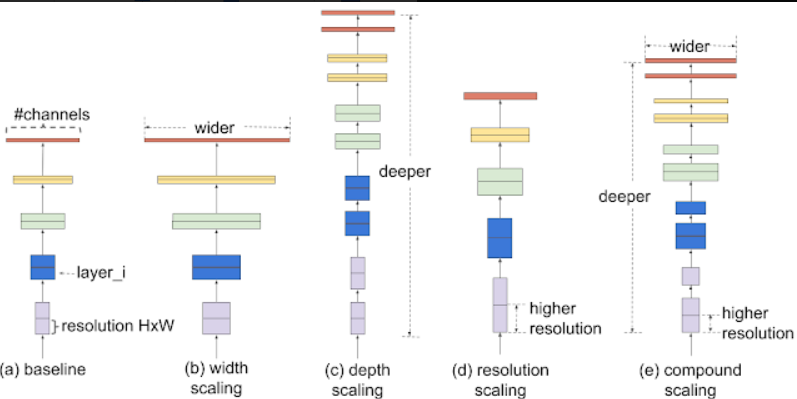
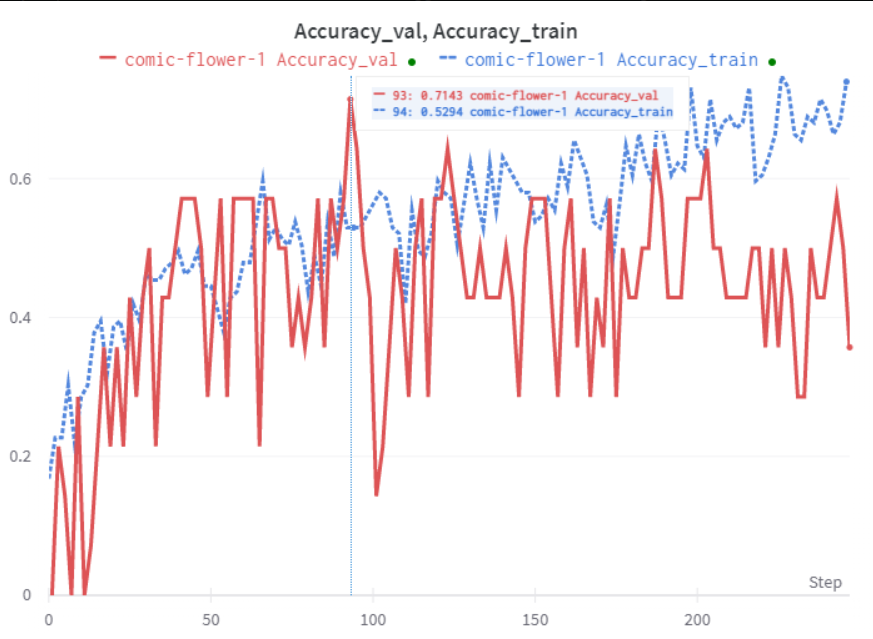
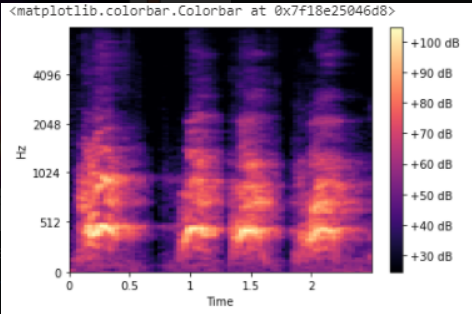
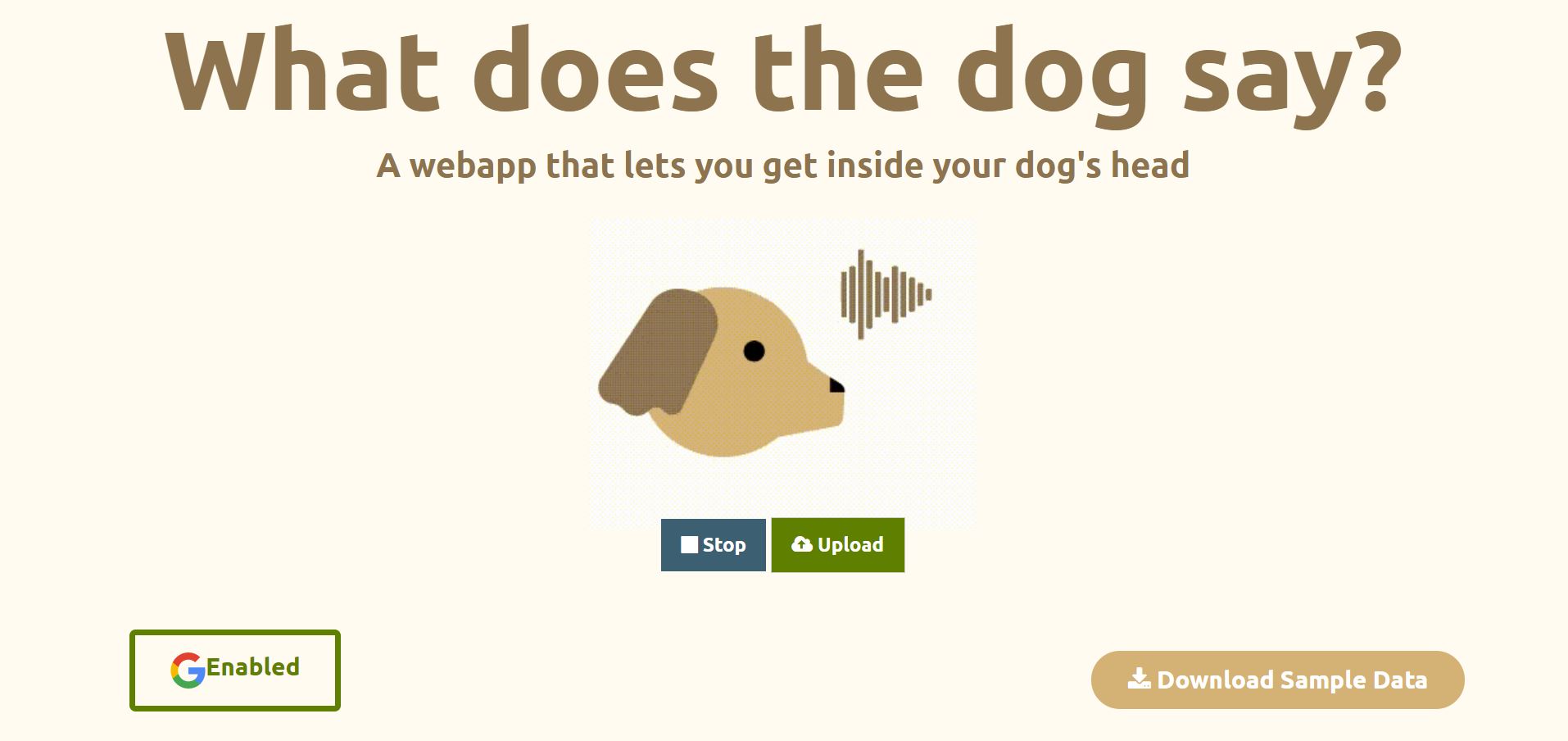
The way the program works is by taking the audio files and convert into images. Then these spectrums are fed into a Model trained on Azure ML using GPU and the model predicts what class it belongs to and based on the class it predicts what the dog is saying and outputs that. Azure ML was used to build ml pipeline. It allowed us to train faster and experiment using their GPUs. Using Machine Learning, natural language processing, data collected from many dogs, scenarios and classifications of which categories the data falls under, we have created a model, that is able to identify what your dog is saying. Integrated with flask, we created a webapp which allows you to record your dog live and translate what they are saying or upload a recording of their sound and get the translation.
User Guide
- The user either records audio of their dog or submits an audio clip.
- The website uses our machine learning models to narrow down what the dog may be trying to communicate trained on previously categorized data.
- The website outputs this response to the user. If the user wants a more interactive experience, the website will output the translation using text-to-speech.
Challenges we ran into
One challenge we faced was finding a good variety of audio clips, in order to increase the accuracy of our model. Another setback we encountered was related to development environments - we had worked on some of our frontend code in Repl but it was not able to translate as well to Flask so we had to re-do some of this work.
Accomplishments that we're proud of
We are proud that we were able to work on a ML project in such a short period of time. We are also proud of the team effort that went into the project - everyone was eager to contribute and able to ask each other for help.
What we learned
We learned that Flask is an efficient solution to combine Python and web development. We also learned a lot about machine learning, such as the data classification process for training models. This was the first time some of us had used these technologies!
What's next for What does the dog say?
To make the translation process more seamless, our vision is that What Does the Dog Say? will be supported on Google Home and/or Alexa. In this process, once your dog barks, howls, or whimpers, the voice assistant will be able to refer to access our translation service and output the translation as your dog is communicating. We would also like to explore the reverse translation: taking human speech and outputting something a dog might understand. With this addition, nothing is stopping you from trying to have a conversation with your dog! Can you imagine gossiping with your dog? :)


Log in or sign up for Devpost to join the conversation.