-
-
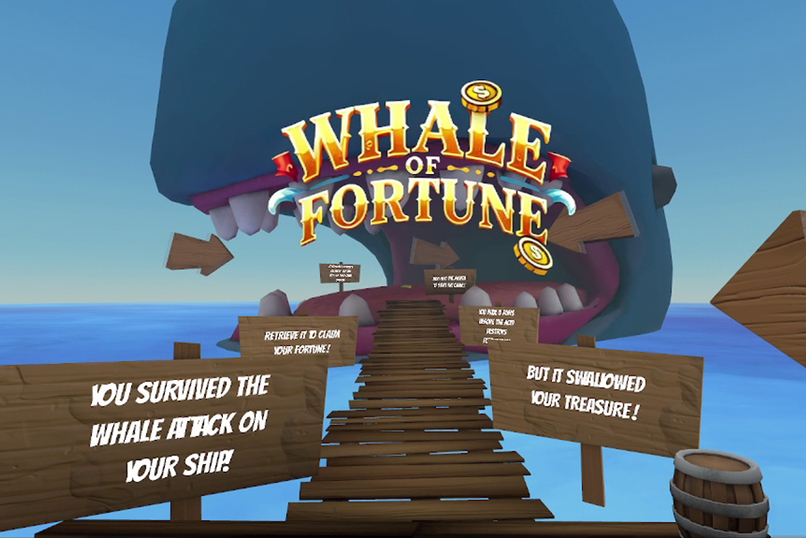
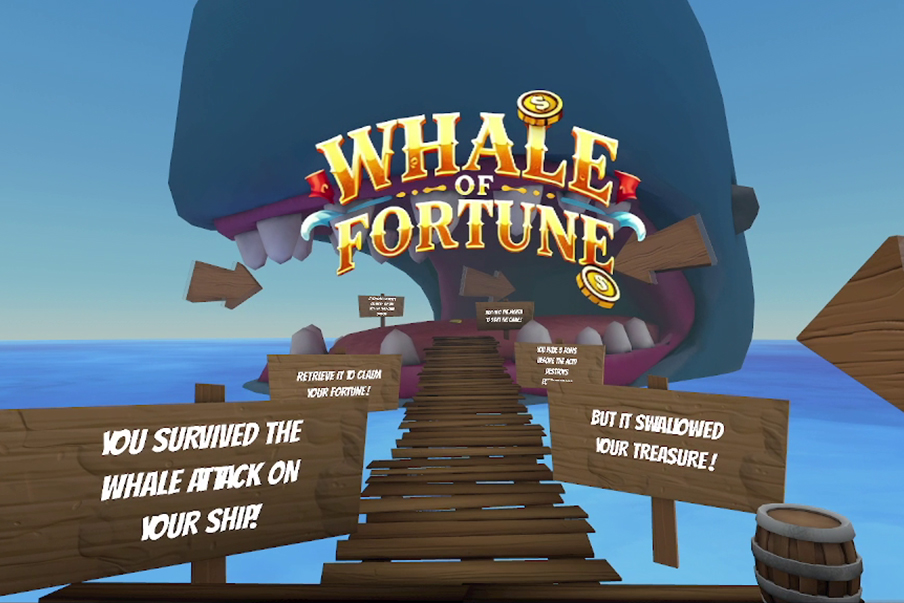
Whale of Fortune!
-
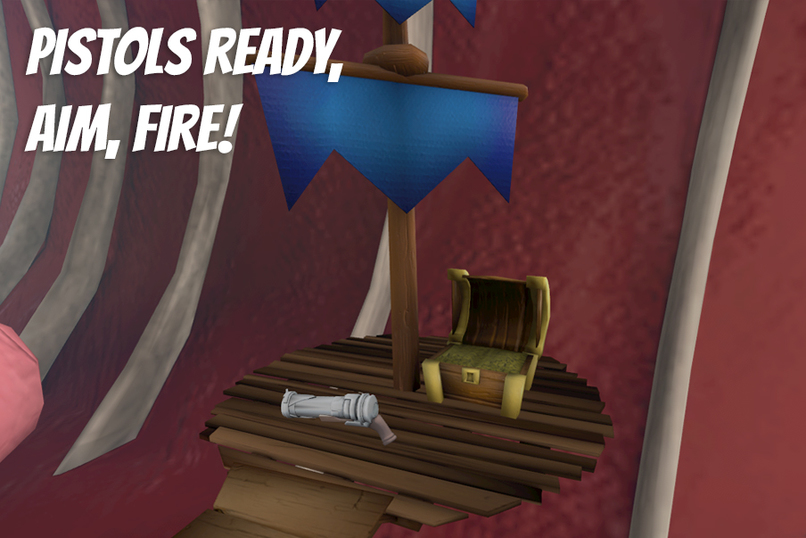
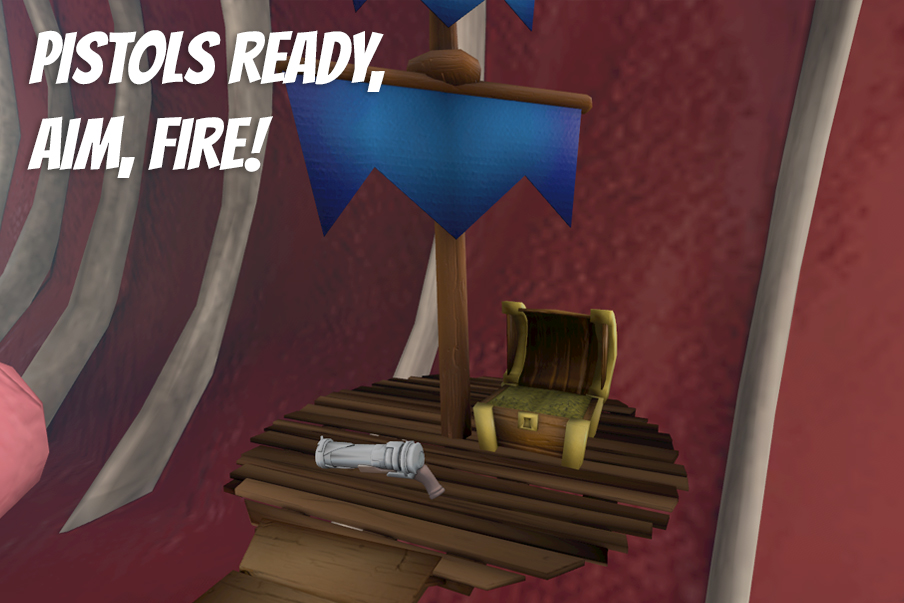
Pistols ready, aim, fire!
-
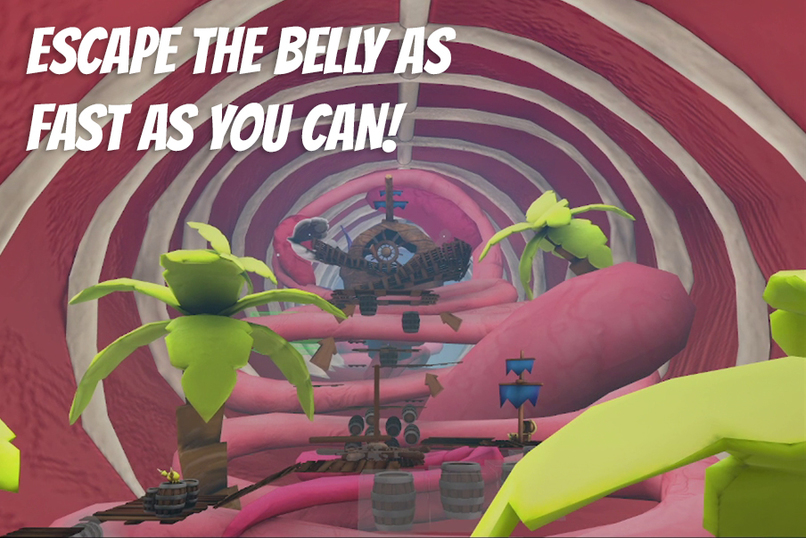
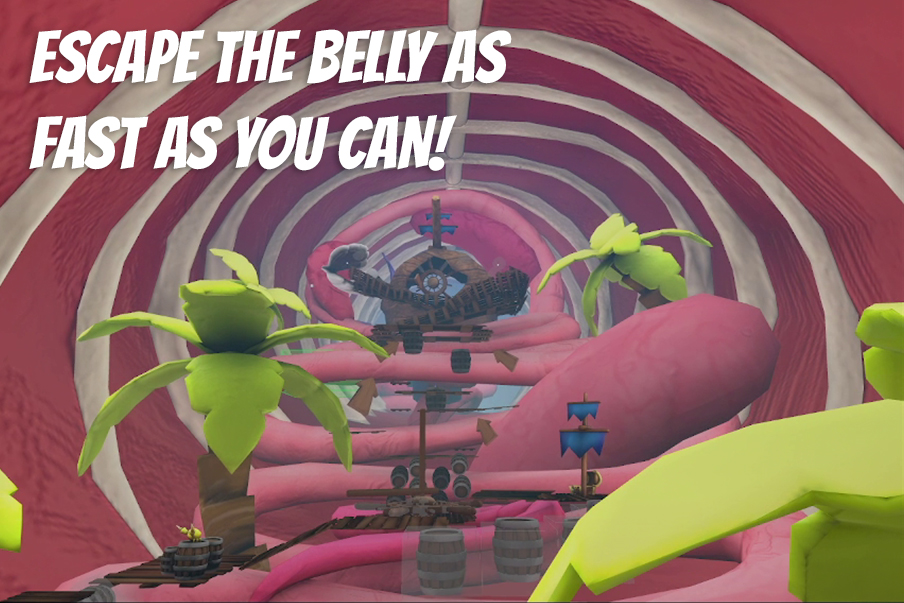
Escape the belly as fast as you can!
-
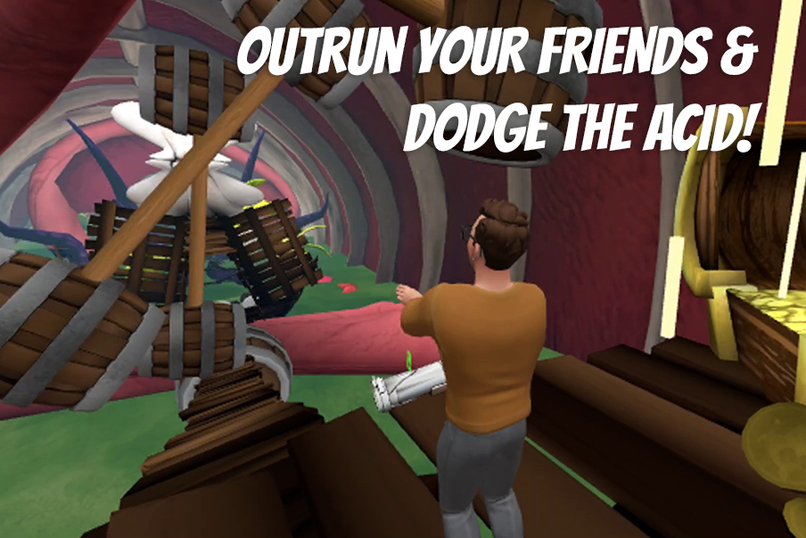
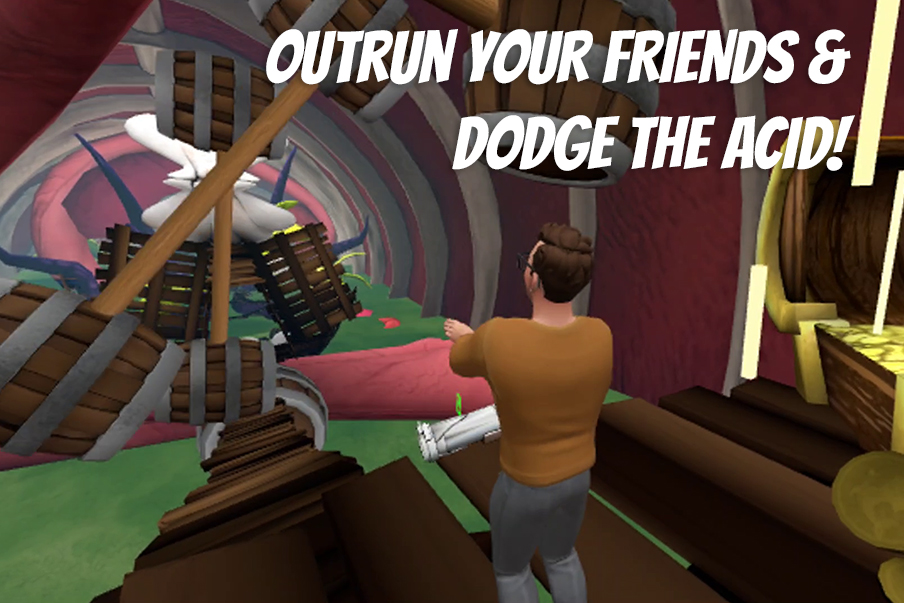
Outrun your friends and dodge the acid!
-
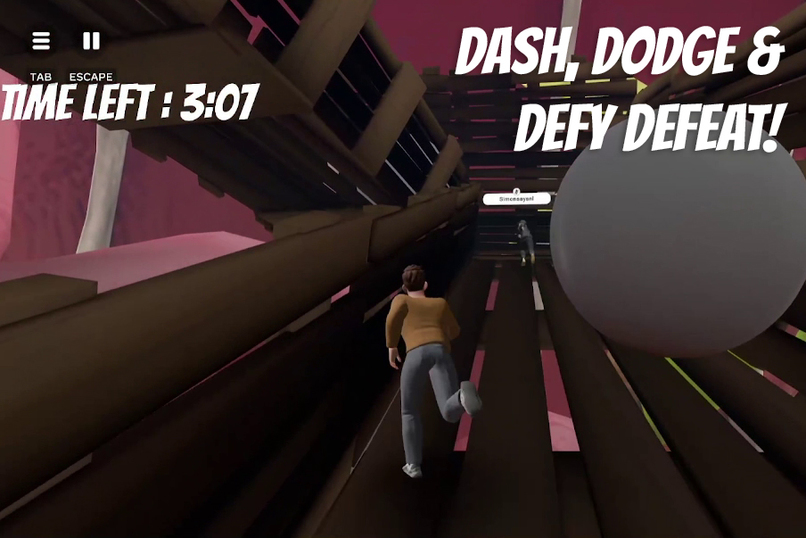
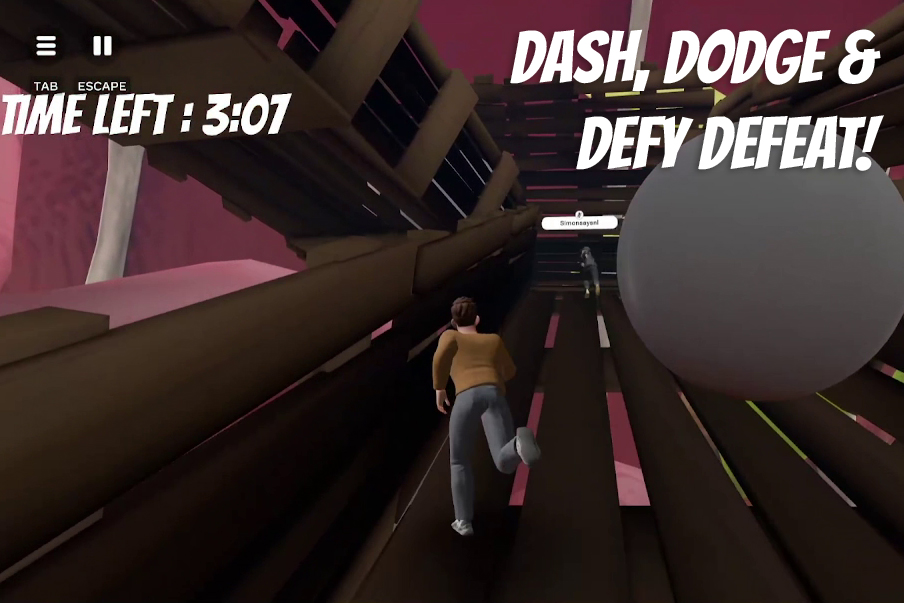
Dash, dodge and defy defeat!
-
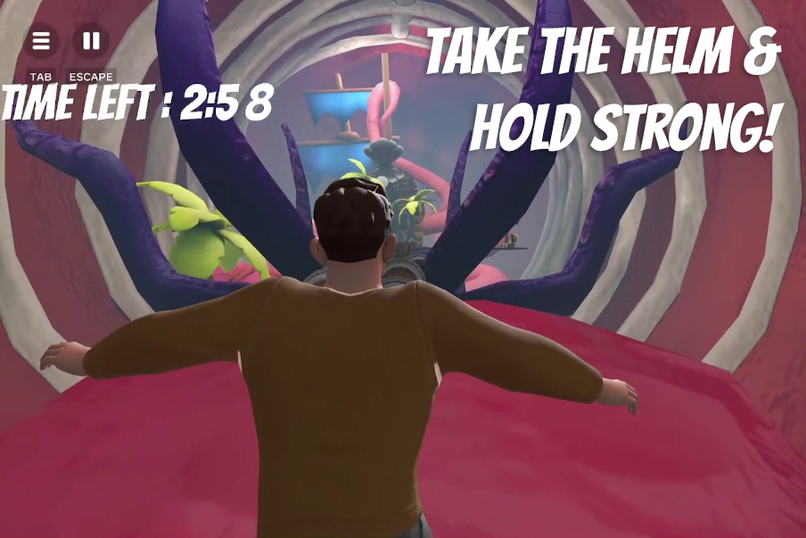
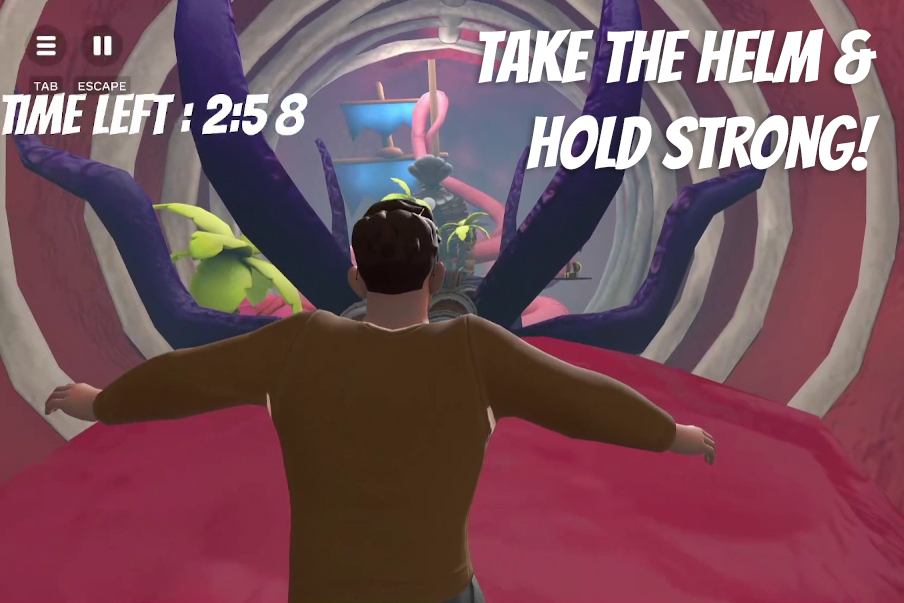
Take the helm and hold strong!
Inspiration
The inspiration for this world stemmed from a desire to create something in the metaverse that sparks curiosity and takes people to a place they’ve never been before. While many metaverse spaces lean into futuristic or real-world themes, I wanted to explore something unexpected, whimsical, and memorable. This led to the question: What if you could run around inside a whale?
Building on this concept, I introduced an obstacle course to add a competitive element with a pirate theme. This combination of exploration and competition creates a space that draws people in with curiosity and keeps them engaged with dynamic, interactive gameplay.
What it does
Whale of Fortune: Dive into the belly of the beast in Whale of Fortune! Dash through a wild obstacle course inside a massive whale while rising stomach acid snaps at your heels. Snag epic weapons to trip up your rivals, dodge danger at every turn, and fight to be the first to escape. Outsmart, outpace, and outplay your friends—who will claim the fastest escape, and who will get swallowed by defeat? The race is on!
How we built it
This world was built using a combination of tools and workflows designed to bring the vision to life while optimizing for performance:
Concept and Design:
The initial design was created in Gravity Sketch, allowing for intuitive exploration of scale and form directly in VR. This made it easier to conceptualize the whale’s interior and ensure it felt immersive and playful.Optimization Workflow:
Once assets were designed in Gravity Sketch, they were optimized using Blender and textured in Substance Painter to ensure they met the performance requirements of Horizon Worlds.
This optimization process included:Reducing polygon counts.
Baking lighting.
Creating efficient textures to strike a balance between visual quality and platform constraints.
Integration and Testing: After optimization, assets were imported into Horizon Worlds to build the interactive experience.
The desktop editor played a key role during this phase, providing a streamlined way to organize and manage assets while maintaining an overview of the world.
The VR editor was essential for detailed placement and ensuring the experience felt immersive when viewed from a user’s perspective.
Constant testing was conducted to ensure smooth performance for both mobile and VR users, including adjustments to geometry, asset placement, and interactions to accommodate the platform’s technical constraints.
Interactive Elements: The world was brought to life with gameplay mechanics that combined exploration with competition.
Features such as spinning barrels, moving platforms, and pulsing organs added dynamic challenges.
Interactive cannons and leader boards amplified the competitive aspect.
Care was taken to align these elements with the overall whimsical theme, ensuring the world felt cohesive and engaging.
Challenges we ran into
Building this world required adapting to the platform’s tools and technical constraints while maintaining the creative vision.
Learning Curve:
Getting used to the Horizon Worlds platform presented a learning curve, particularly balancing the unique requirements of building for both mobile and VR users. This required careful consideration of which functionality to implement, performance optimization, asset decimation, and the testing process to ensure smooth gameplay across VR and mobile devices.Technical Limitations:
Working within Horizon Worlds’ technical limitations, such as file size and geometry restrictions, meant optimizing the world without sacrificing the richness of the design. Finding that balance between performance and visual fidelity was a significant part of the process.Workflow Efficiency:
Ensuring that the workflow from design to implementation ran efficiently was another challenge. This involved streamlining the process of creating assets in Gravity Sketch, optimizing them in Blender and Substance Painter, and then integrating them into Horizon Worlds.
Accomplishments that we're proud of
Despite the challenges, the project led to several rewarding accomplishments:
- I developed a workflow that balanced creative vision with technical feasibility, allowing me to maintain the playful and imaginative design while ensuring smooth performance on both VR and mobile platforms.
- I became proficient with Horizon Worlds’ tools, including the desktop editor, which was instrumental in maintaining an overview of the world. While the VR editing tool was vital for precise placement and immersive design, the desktop editor allowed for efficient organization and management of assets.
- I successfully translated a whimsical concept into an engaging, interactive experience with functional gameplay elements like moving obstacles, organs, and competitive features such as cannons and leader boards.
What we learned
As this was my first real attempt at building a full experience in Horizon Worlds, especially with custom asset importing, I can see this being for first of many interactive worlds for players to explore, have fun and socialise in! I learned the desktop editor, Type Script and the visual scripting tools to be able to build this experience. Having a background in Unity, Unreal and AR platform tools the learning curve wasn't very steep at all!
What's next for Whale of Fortune
Looking ahead, I want to continue exploring creative and unexpected spaces for metaverse experiences. The goal is to design worlds that capture curiosity and offer unique opportunities for interaction and play. There is also plenty to do to upgrade Whale of Fortune, some potential directions include:
- Adding more mechanics and opportunities for players to knock their competitors off the obstacle course, such as interactive traps and player-triggered mechanisms that add an extra layer of strategy and fun.
- Introducing seasonal or thematic updates to the world to keep it fresh and engaging. For example, decorating the whale’s interior elements with holiday or event-themed assets, like snow-covered pirate ship pieces for winter.
- Adding pirate hats, additional activities for players to enjoy between rounds and achievements.
- Continuing to refine workflows for creating polished, detailed environments within platform constraints, leveraging tools like the desktop editor to streamline asset management and ensure a seamless user experience.
- Designing spaces that encourage users to work together creatively, exploring and interacting with the world in surprising ways.
This project has been a great journey of creativity and technical learning. It began with a simple idea—exploring the inside of a whale—and evolved into a dynamic, pirate obstacle course that merges curiosity with competition. Overcoming the learning curve of Horizon Worlds and navigating its technical constraints has been both challenging and rewarding, leading to a deeper understanding of how to balance art and functionality.
I am excited to continue building more and seeing what can be created in the metaverse, crafting spaces that spark joy, encourage play, and take users on new adventures.
Built With
- blender
- gravitysketch
- substancepainter
- typescript


Log in or sign up for Devpost to join the conversation.