Inspiration
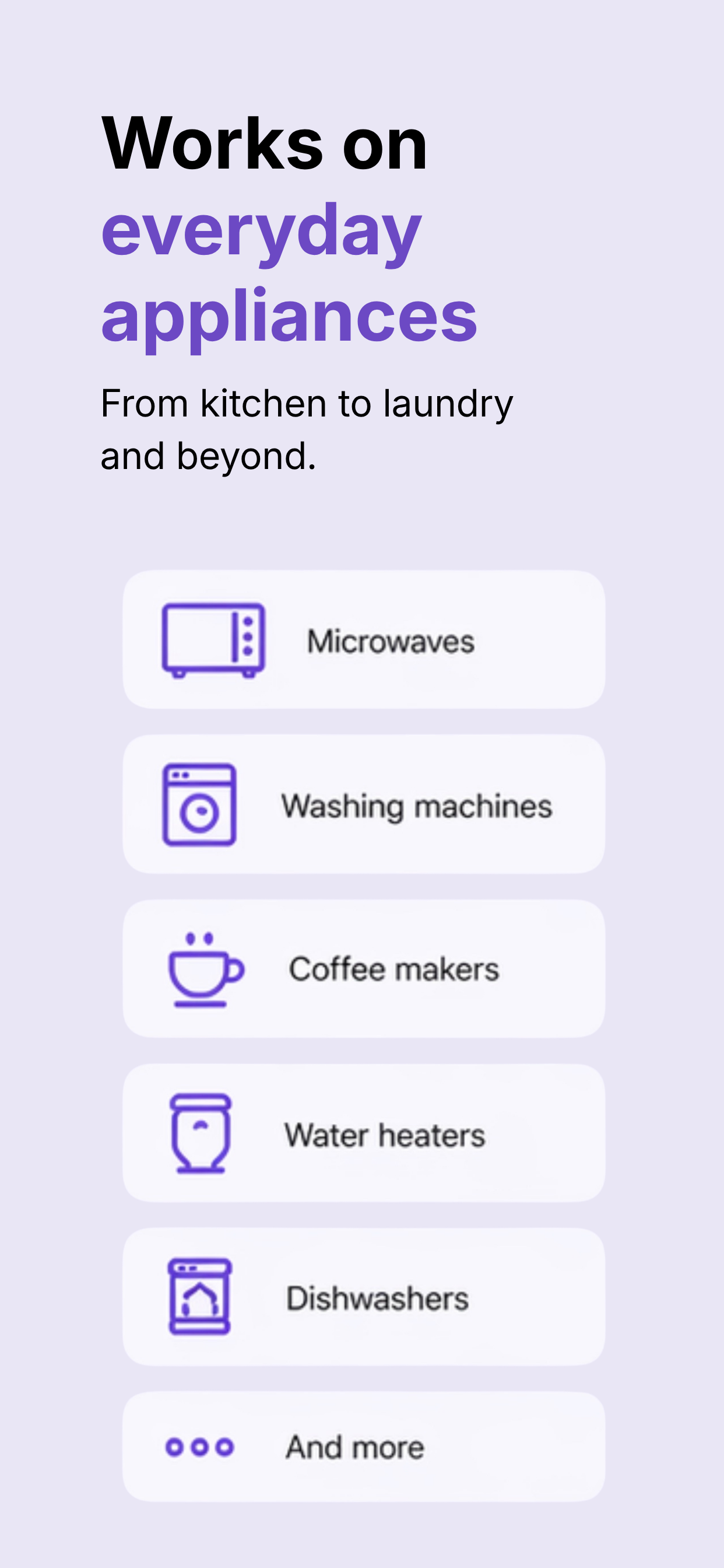
This project was inspired by a 10-year-old girl I met named Wesla who is low vision. She had very little independence at home because she could not read the labels on everyday appliances like microwaves, ovens, and washing machines. I wanted to build something specifically for her that would give her more confidence and independence in her daily life.
What it does
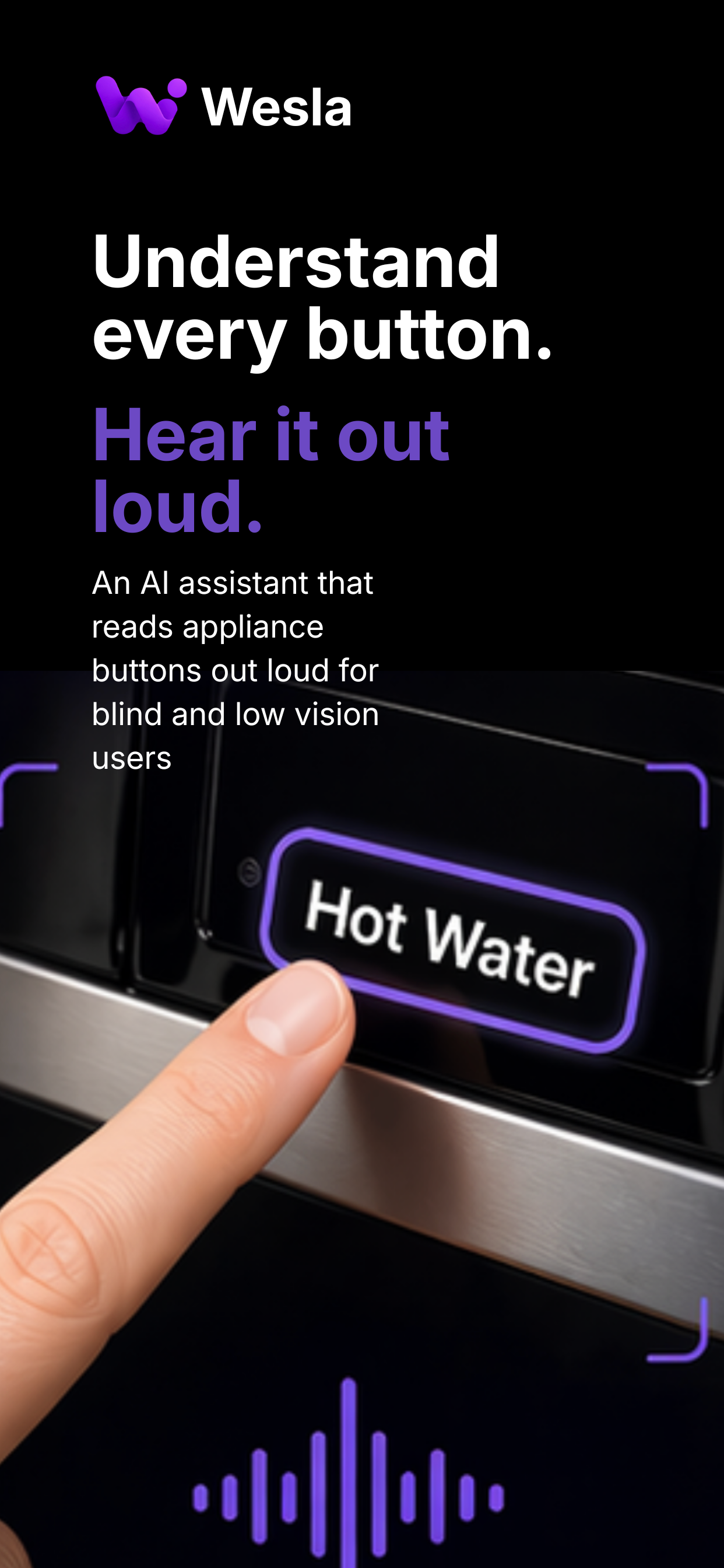
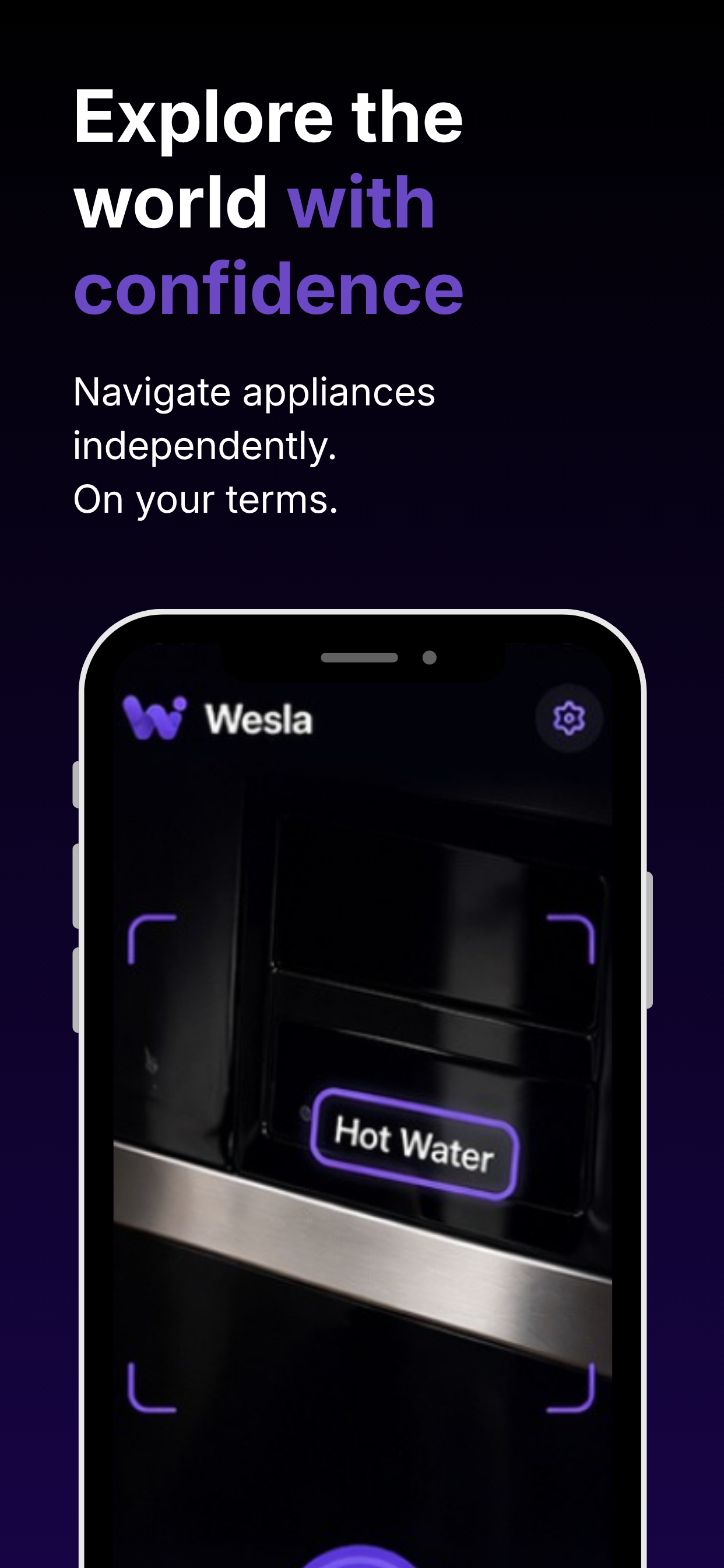
Wesla is an AI accessibility app that helps users with visual challenges interact with physical appliances. The user simply points at a button or dial on a device, and the app detects exactly what they are pointing at and reads it out loud. This allows users to understand appliance controls one button at a time instead of trying to interpret an entire panel.
How I built it
I built Wesla using Emergent as the development platform. The app uses real-time computer vision to track finger pointing and identify the specific area of an appliance the user is targeting. It then applies text recognition and AI interpretation to convert that information into clear audio output. The interface is designed to be minimal so users can immediately open the app and start using it without any setup.
Challenges I ran into
One of the biggest challenges was making the finger tracking accurate enough to reliably identify small buttons on different appliance designs. I also had to work on reducing latency so the audio feedback feels instant and natural. Lighting conditions, camera quality, and inconsistent appliance layouts all made detection more difficult than expected.
Accomplishments that I’m proud of
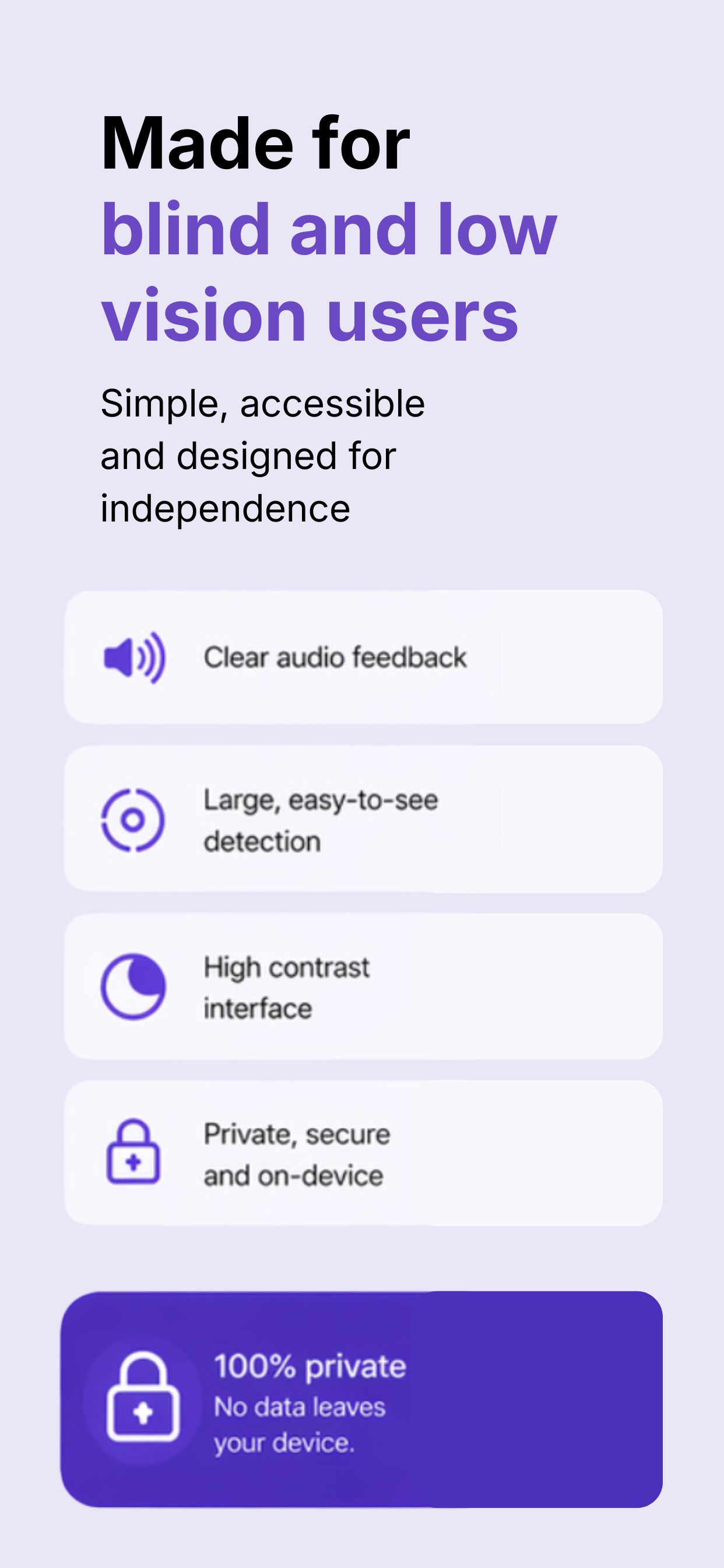
I am proud that I was able to build a working prototype that gives real time, button level audio feedback. The app is simple to use and does not require any learning curve, which was very important for accessibility. Most importantly, it works in a way that could genuinely improve independence for someone like Wesla.
What I learned
I learned how important it is to design technology around real human needs rather than assumptions. Building for accessibility required careful attention to simplicity, speed, and reliability. I also learned how to combine computer vision and AI in a way that works in real time under imperfect conditions.
What’s next for Wesla - Ai Accessibility App
Next, I plan to improve detection accuracy across more appliances and environments, expand functionality to include full appliance instructions, and make the system more robust in low light conditions. I also want to explore offline support and potential integrations with wearable devices to make the experience even more seamless.
Built With
- emergent

Log in or sign up for Devpost to join the conversation.