-
-
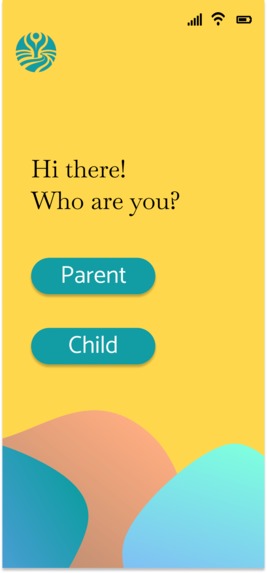
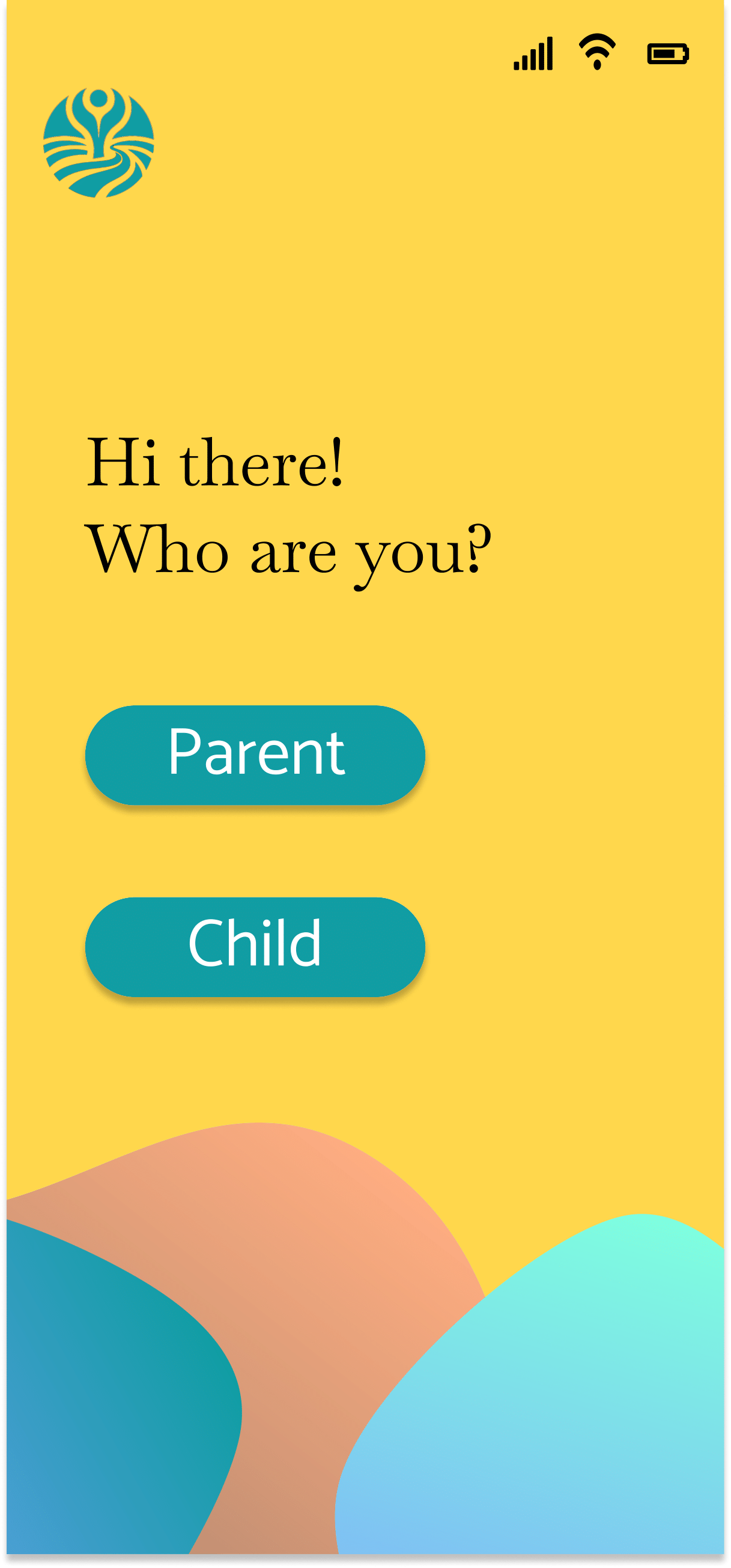
Welcome page
-
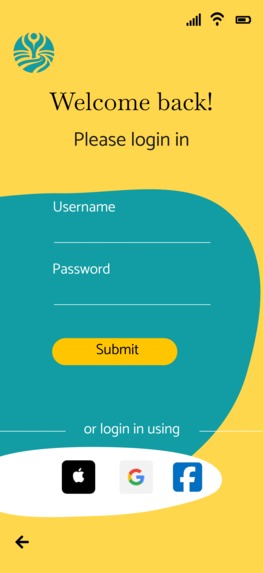
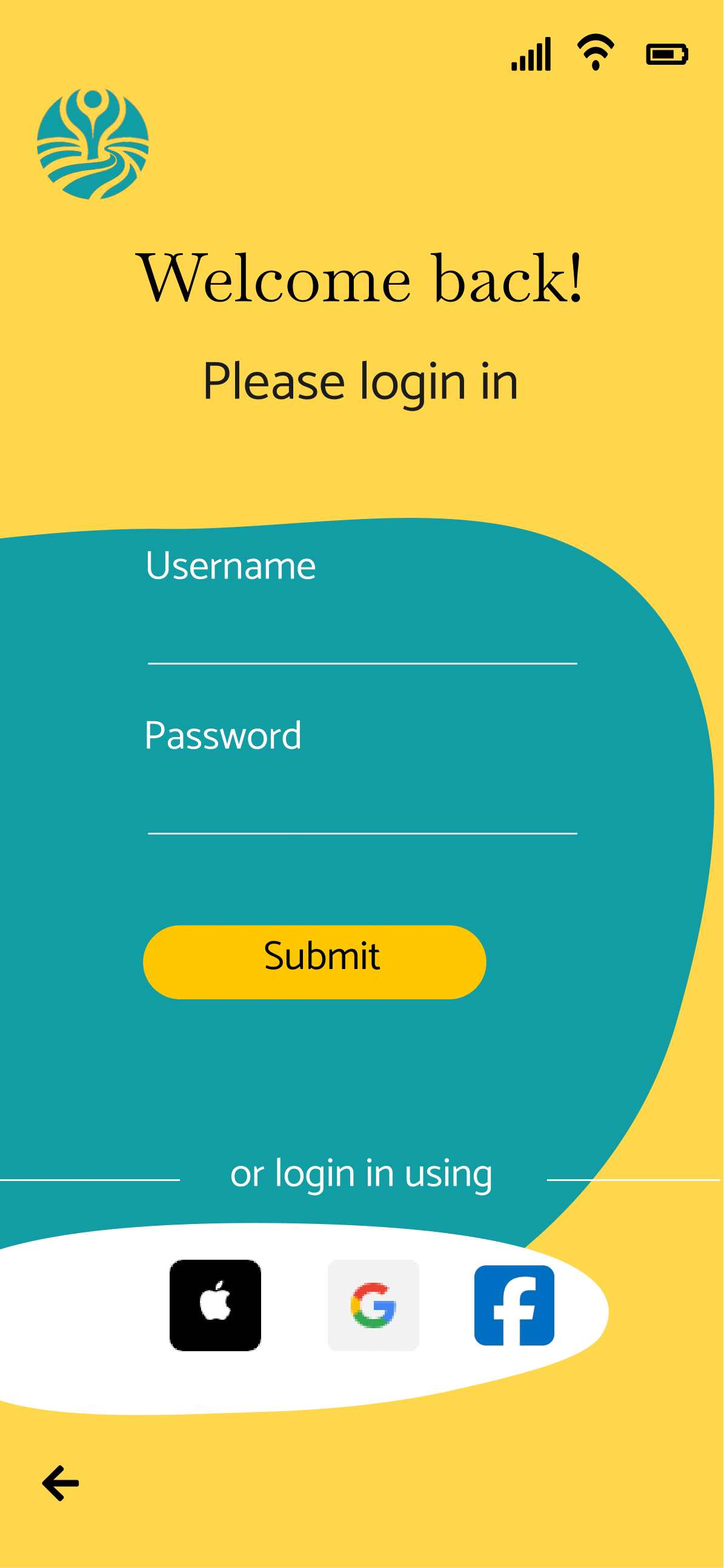
Parent Sign in
-
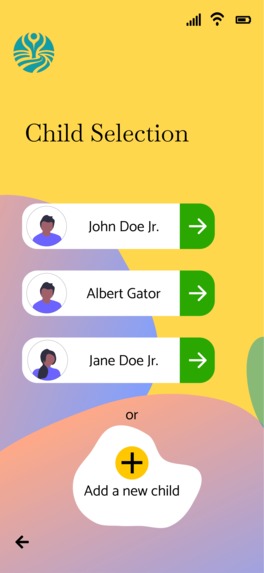
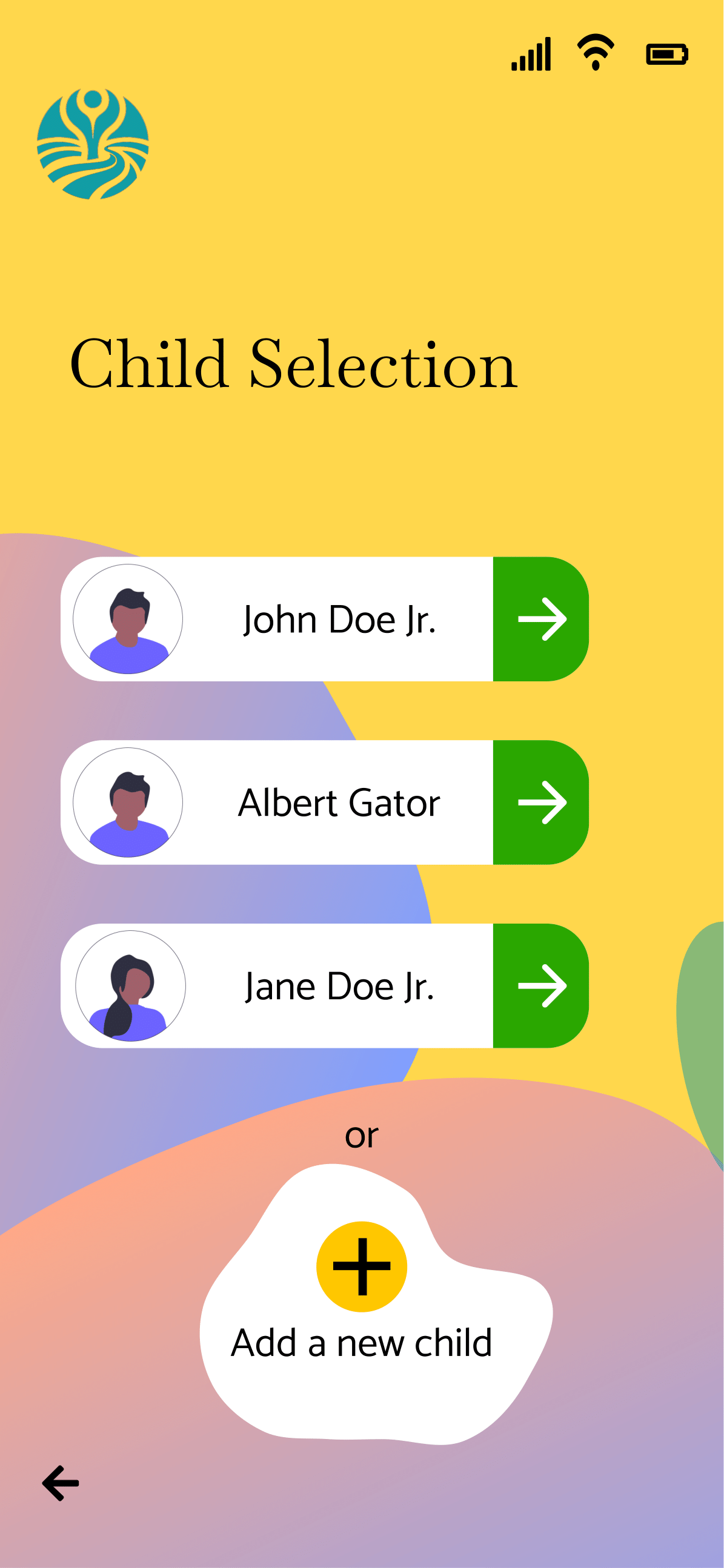
Selecting child
-
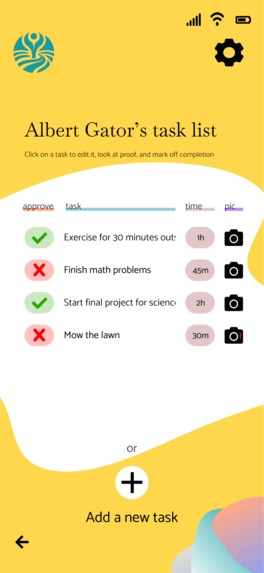
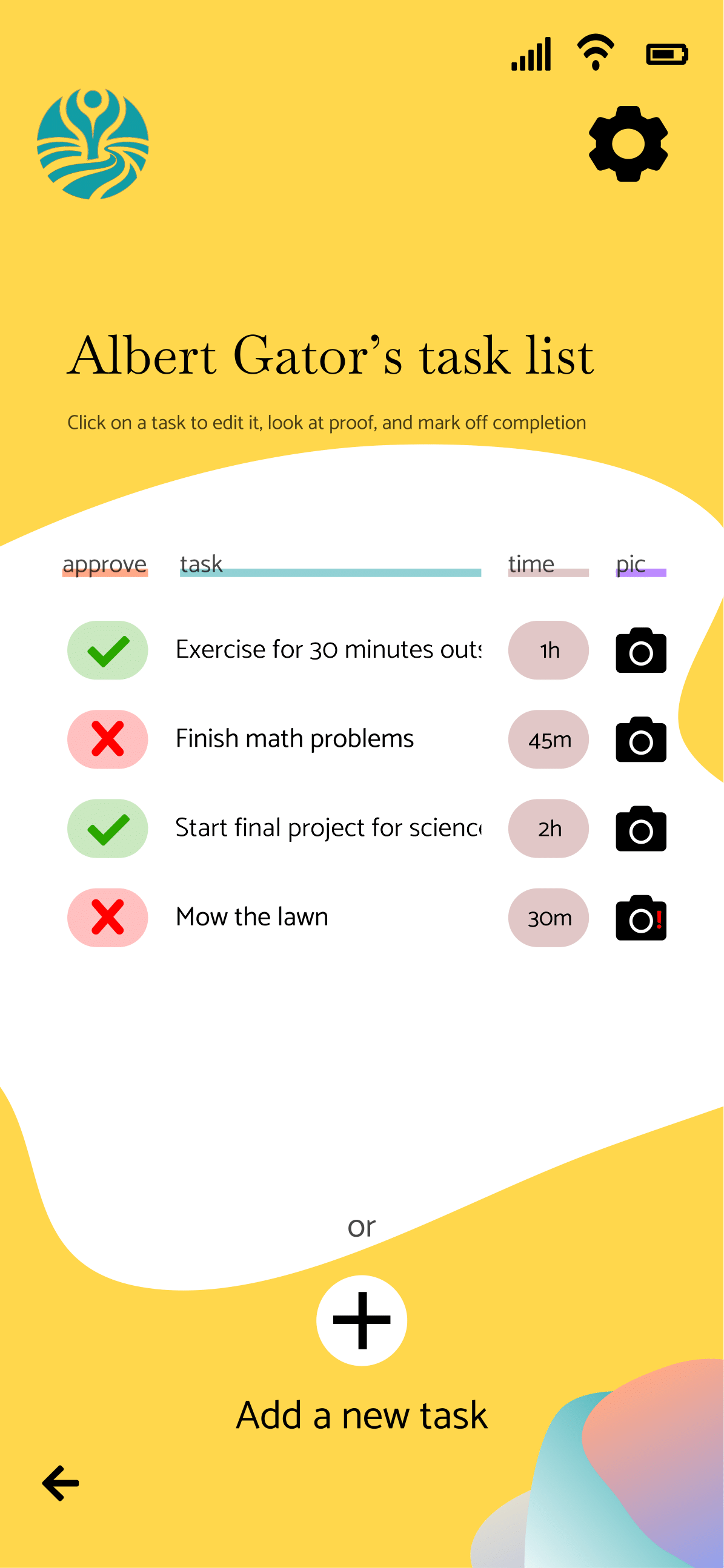
Working with tasks
-
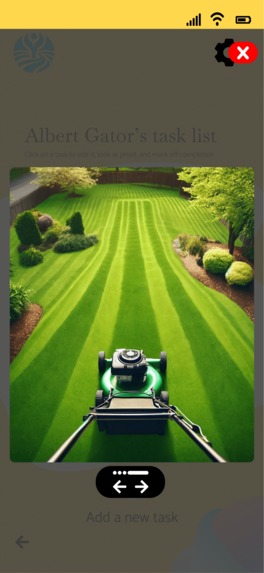
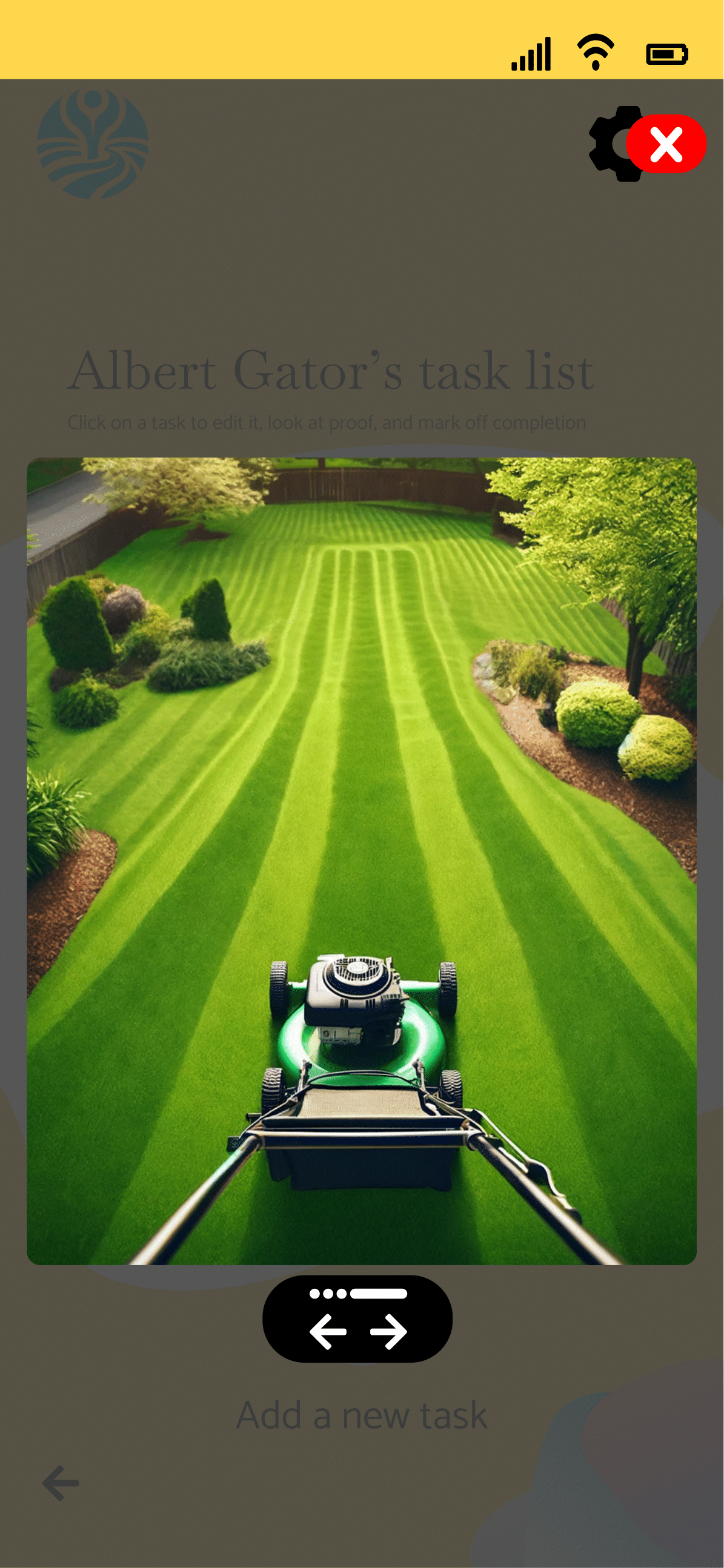
Viewing proof of task
-
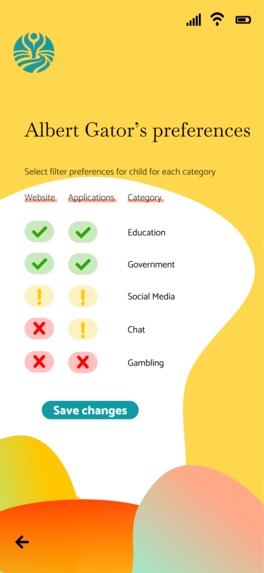
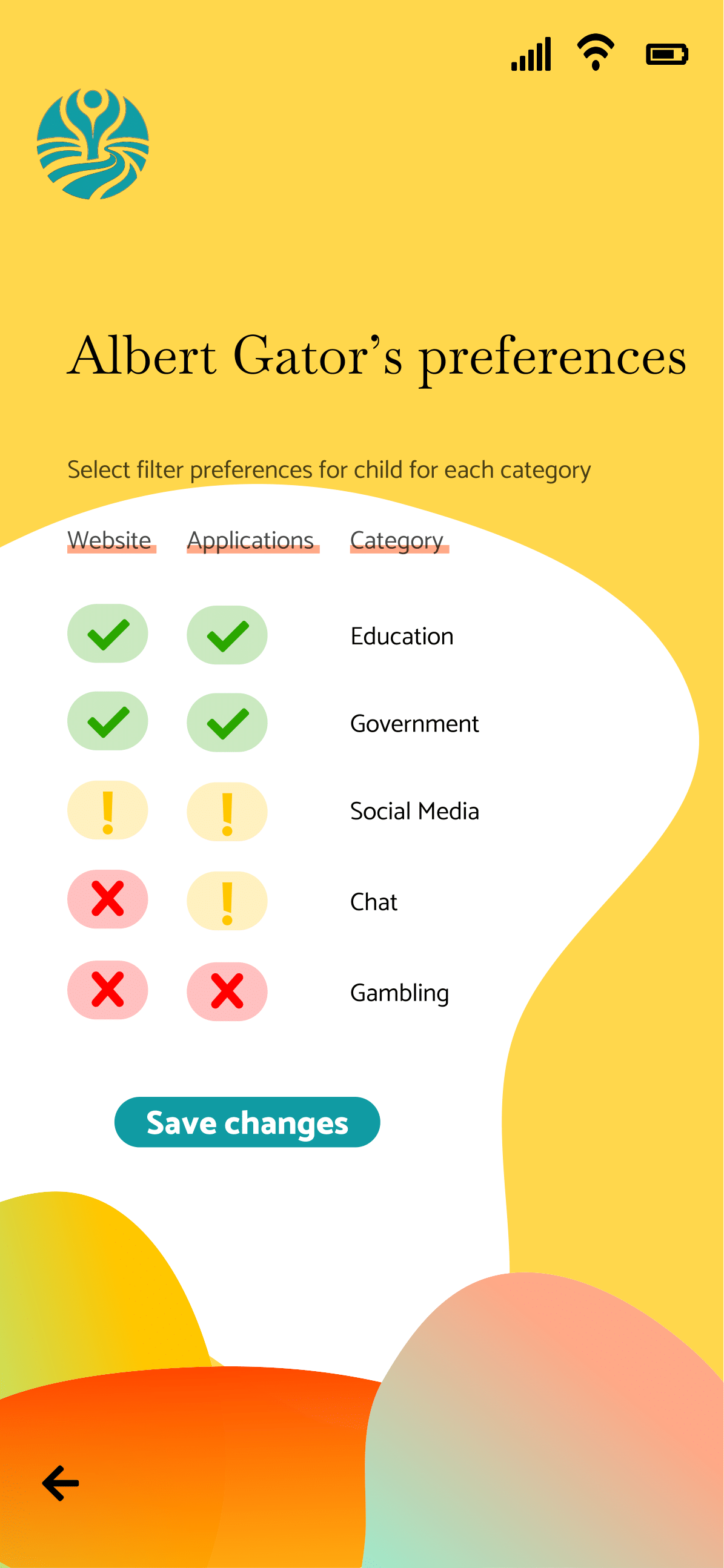
Editing preference/settings for child
-
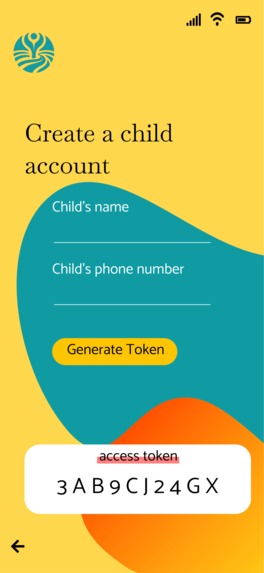
Generating child token
-
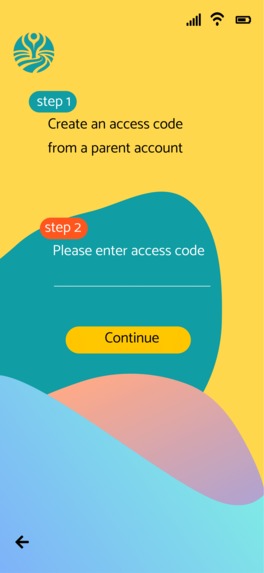
Login for child
-
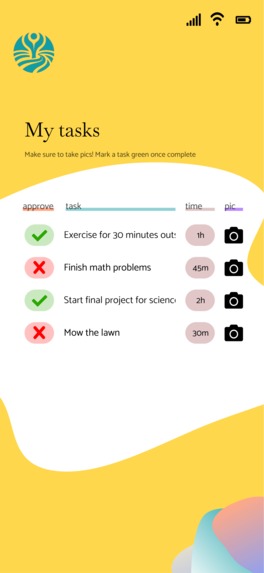
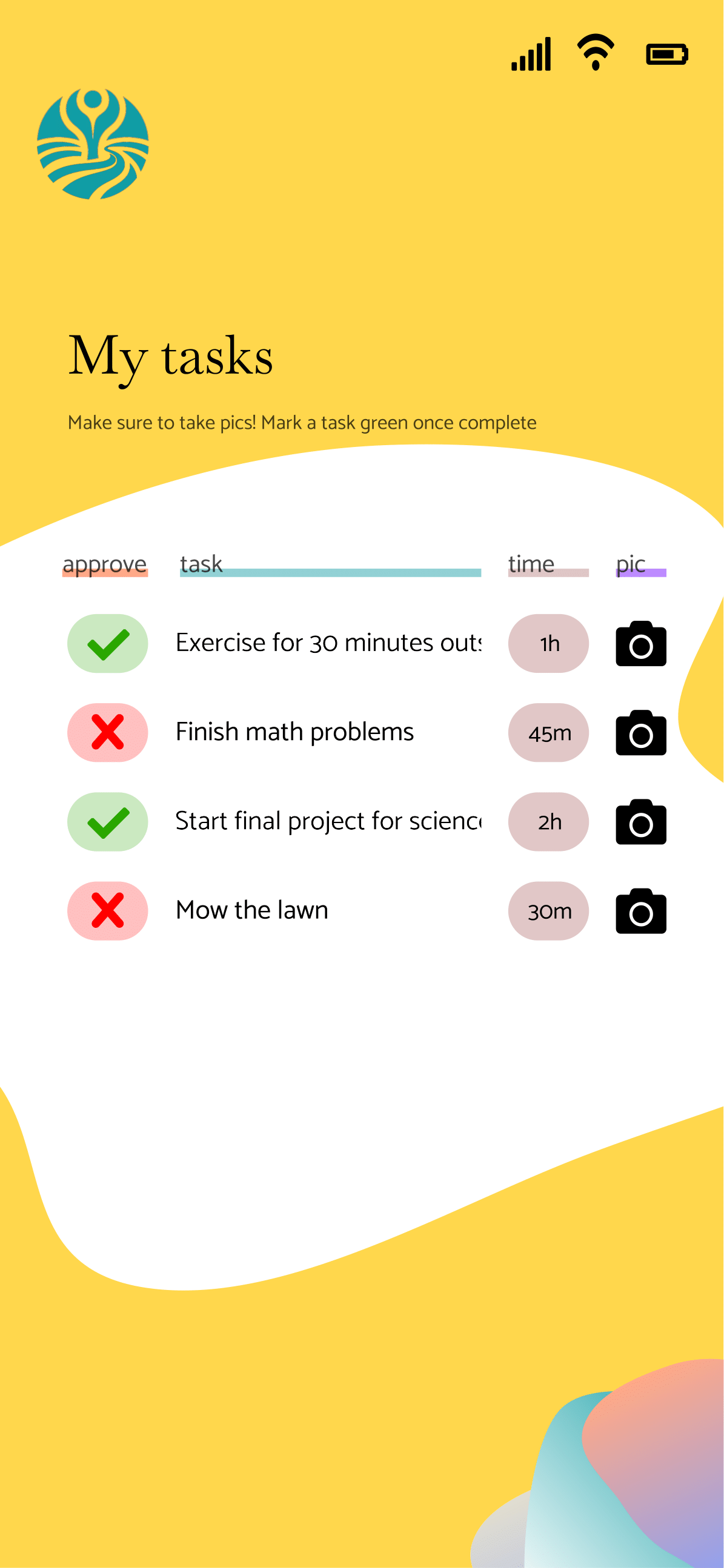
Child's task screen
-
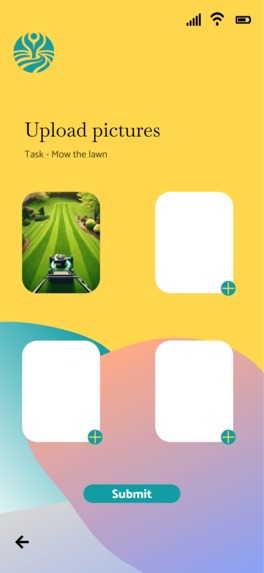
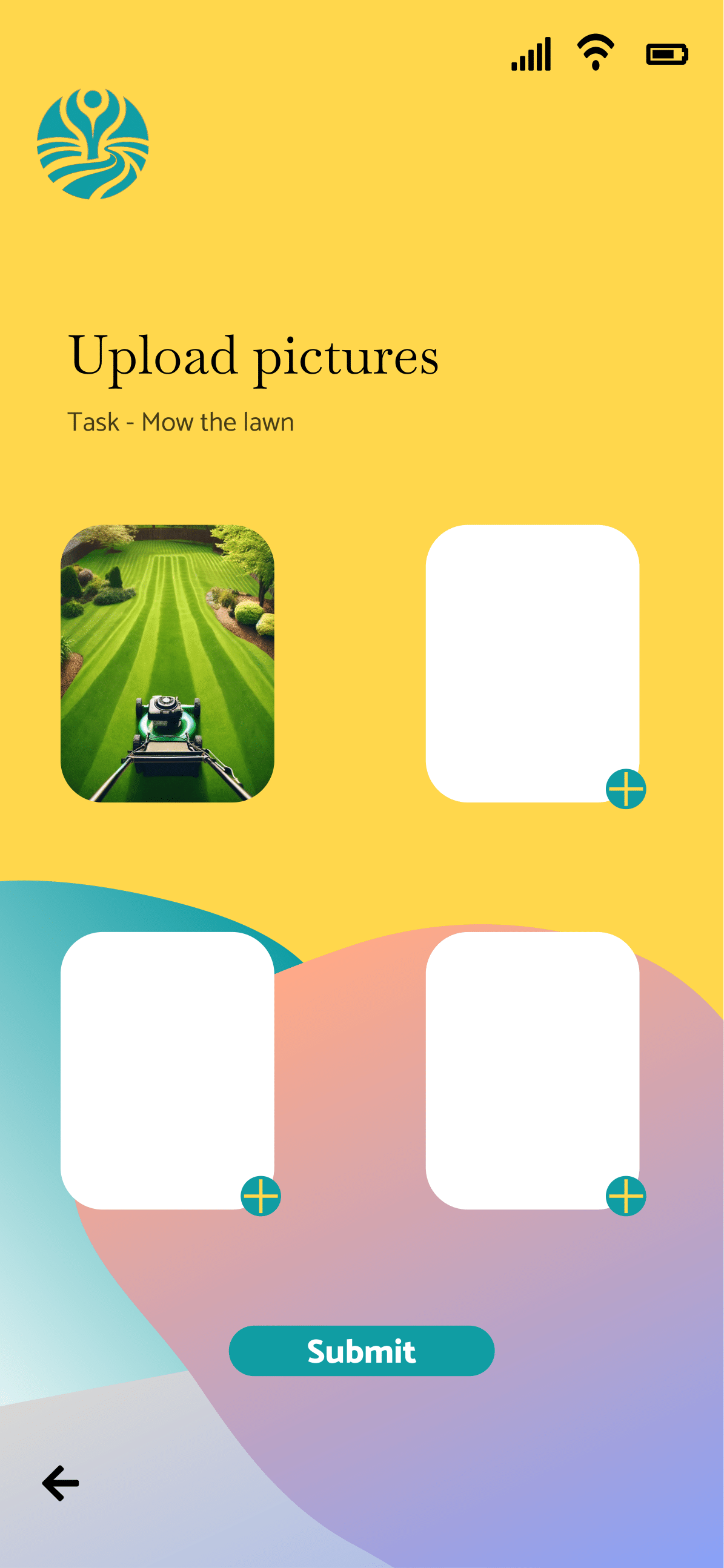
Child uploading proof of work
-
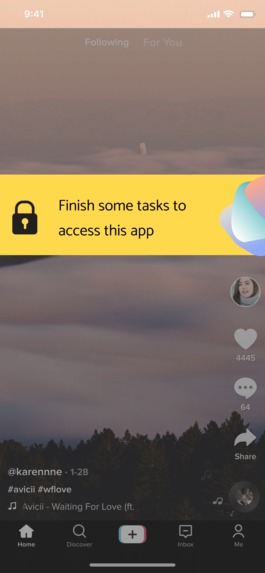
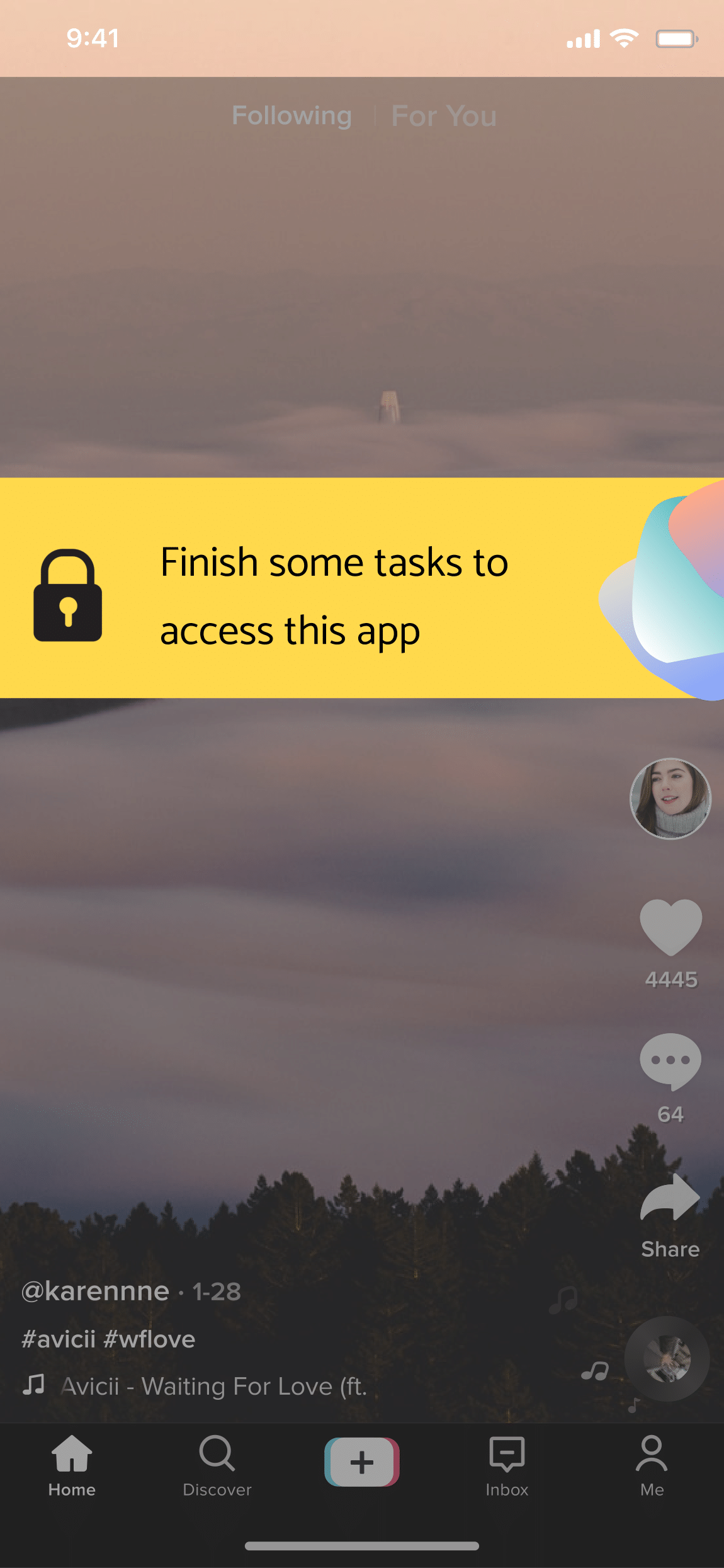
Blocked application on child's phone


Inspiration
The inspiration for this app stems from the growing concern among parents about their children's excessive screen time and the impact it has on their development and well-being. Recognizing the need for a solution that not only limits screen time but also encourages productive behavior, the idea was born to create an app that intertwines screen time with task completion. This approach not only helps in managing the amount of time spent on screens but also motivates children to engage in meaningful activities, thereby promoting a healthier, more balanced lifestyle. The goal is to empower parents to guide their children towards responsible digital habits while fostering an environment where screen time is earned through productivity, leading to a healthier future for the next generation.
What it does
The app works in a step-by-step process to encourage healthier screen habits. First, parents set goals by creating tasks that fit into their children’s daily routines. These tasks are designed to be productive and beneficial. Then, children work to complete these tasks, and as they do, they earn screen time. This creates a rewarding system where children learn to associate completing tasks with gaining screen time.
Over time, this method helps build healthy habits, as children start to see the value in being productive and responsible. They learn to balance their screen time with other activities, leading to a more structured and positive use of technology. Ultimately, the app supports children's balanced growth, guiding them towards a future where they can use technology in a way that is healthy and enriching.
How we built it
We used Figma to design the app, starting with wireframes and moving to interactive prototypes.
Challenges we ran into
Navigating Figma presented a significant challenge for us. Our experience was limited. During user testing, participants suggested features that proved time-consuming and complex to implement in Figma, more so than in actual coding. This complexity increased our workload, as we had to balance refining the design in Figma with the technical demands of integrating user-suggested features, making the development process more intricate and challenging.
Accomplishments that we're proud of
Integrating User Feedback: We managed to incorporate essential features suggested by users into the app, reflecting our responsive approach to user needs.
Creating an Intuitive App: We developed an app that is straightforward and easy to use for both parents and children, emphasizing our focus on usability.
Adapting to Feedback: We consistently adapted and refined the design in response to user feedback, showcasing our commitment to continuous improvement.
What we learned
From this project, we learned two key lessons:
The Importance of User Feedback: We realized how vital it is to actively engage with users and integrate their feedback. This process was crucial in shaping the app to meet user needs and enhance its functionality effectively.
Adaptability and Continuous Learning: Working with Figma, especially with our limited initial experience, taught us the value of adaptability and the need for continuous learning in using new technologies. It underscored the importance of being flexible and willing to improve our skills to meet project demands.
What's next for WellWay
Our next steps for the project entail translating our vision into actionable steps. We believe this app has the potential to be beneficial and make a positive impact on the future. To move forward, we are planning to enter the development phase and begin coding the idea!
Built With
- figma
- gimp


Log in or sign up for Devpost to join the conversation.