Inspiration
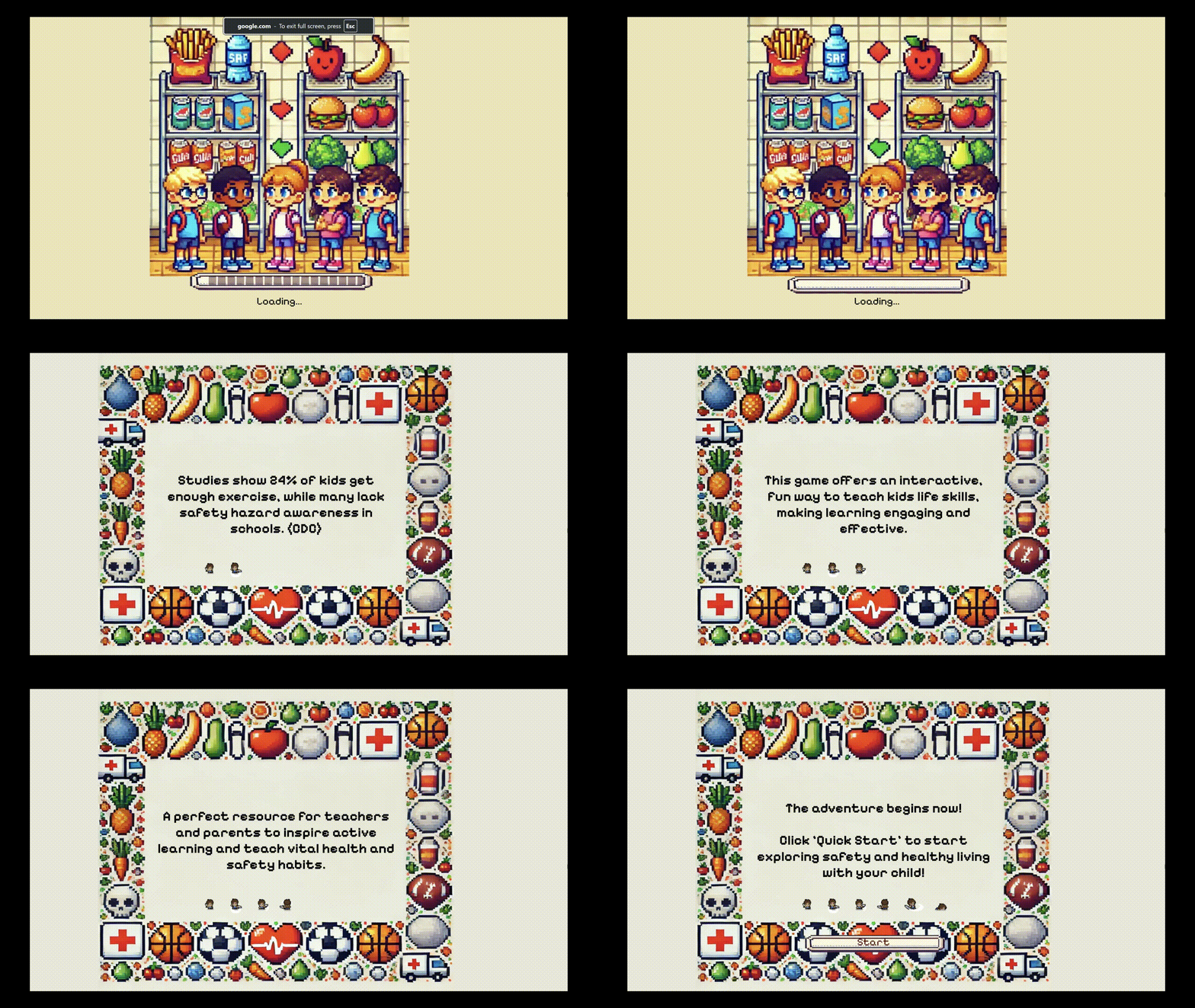
There's a rise in unhealthy eating among children—only 24% of kids meet daily physical activity guidelines, and many lack basic knowledge of healthy habits. (Source: CDC) It’s also challenging to teach kids about health and safety in an engaging way. We wanted to tackle this issue with an innovative, interactive solution that makes learning fun and impactful.
What it does
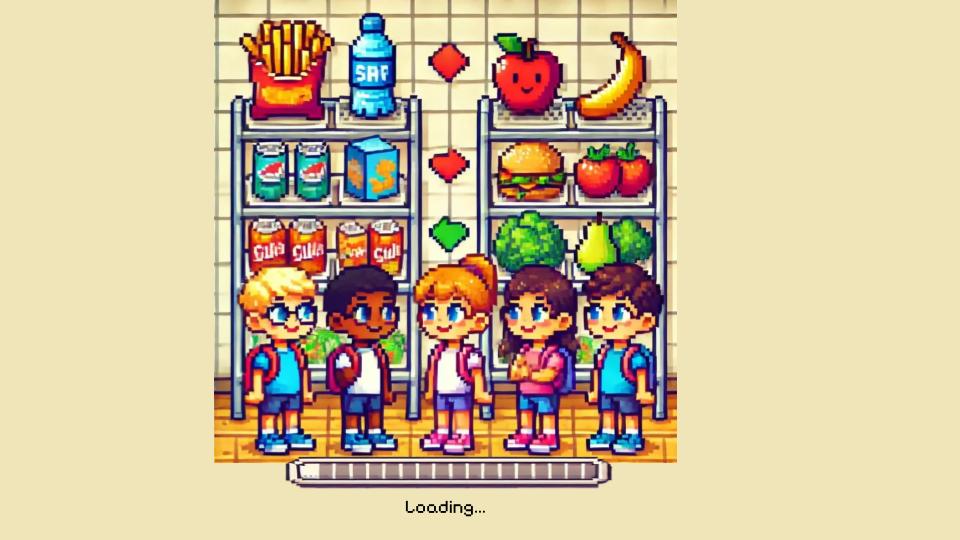
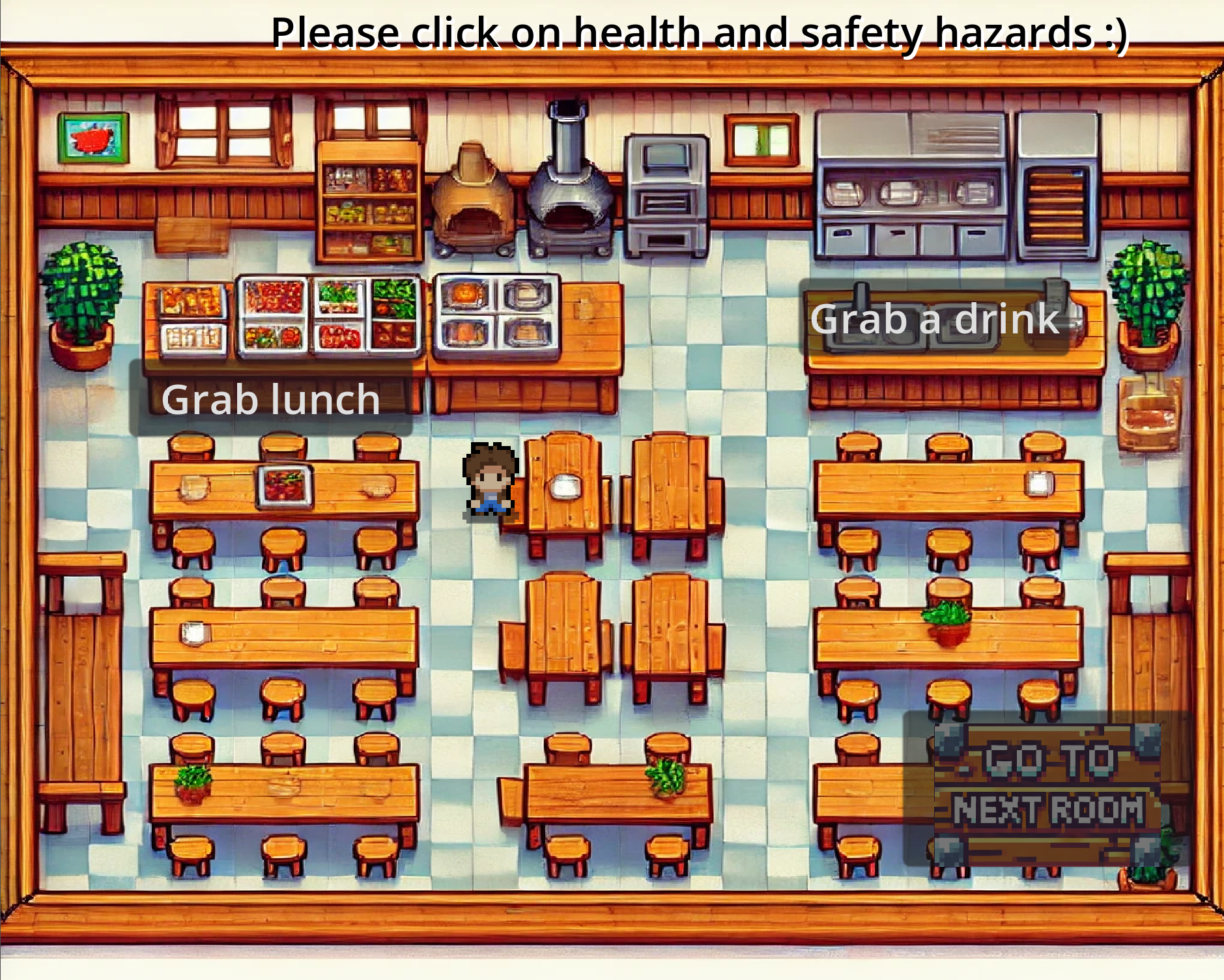
Our game, Wellness Warriors, educates kids about safety and healthy lifestyle practices through engaging mini-games and quizzes. Kids learn everything from identifying classroom hazards to making nutritious eating choices, all while enjoying a fun and interactive experience.
How We built it
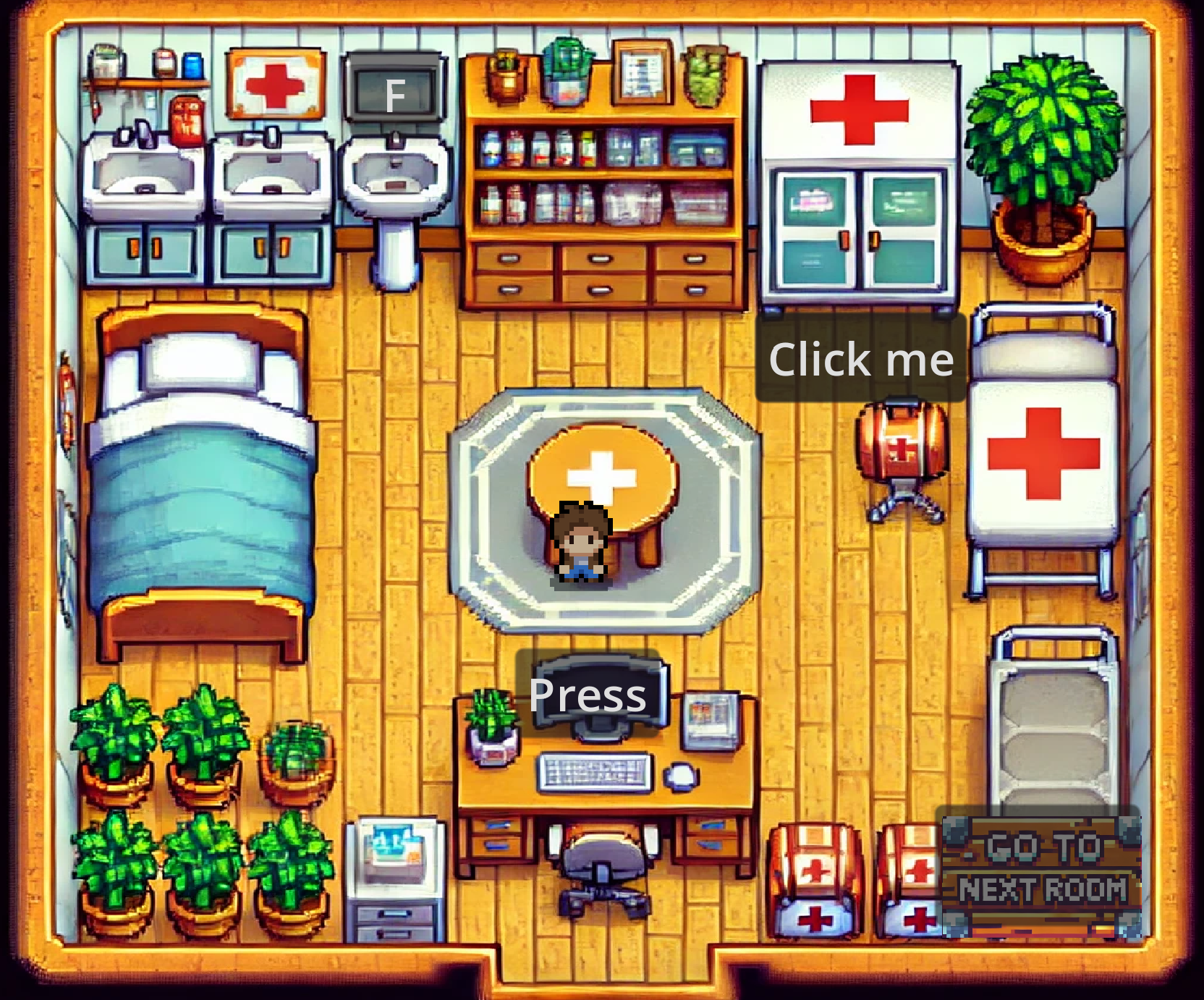
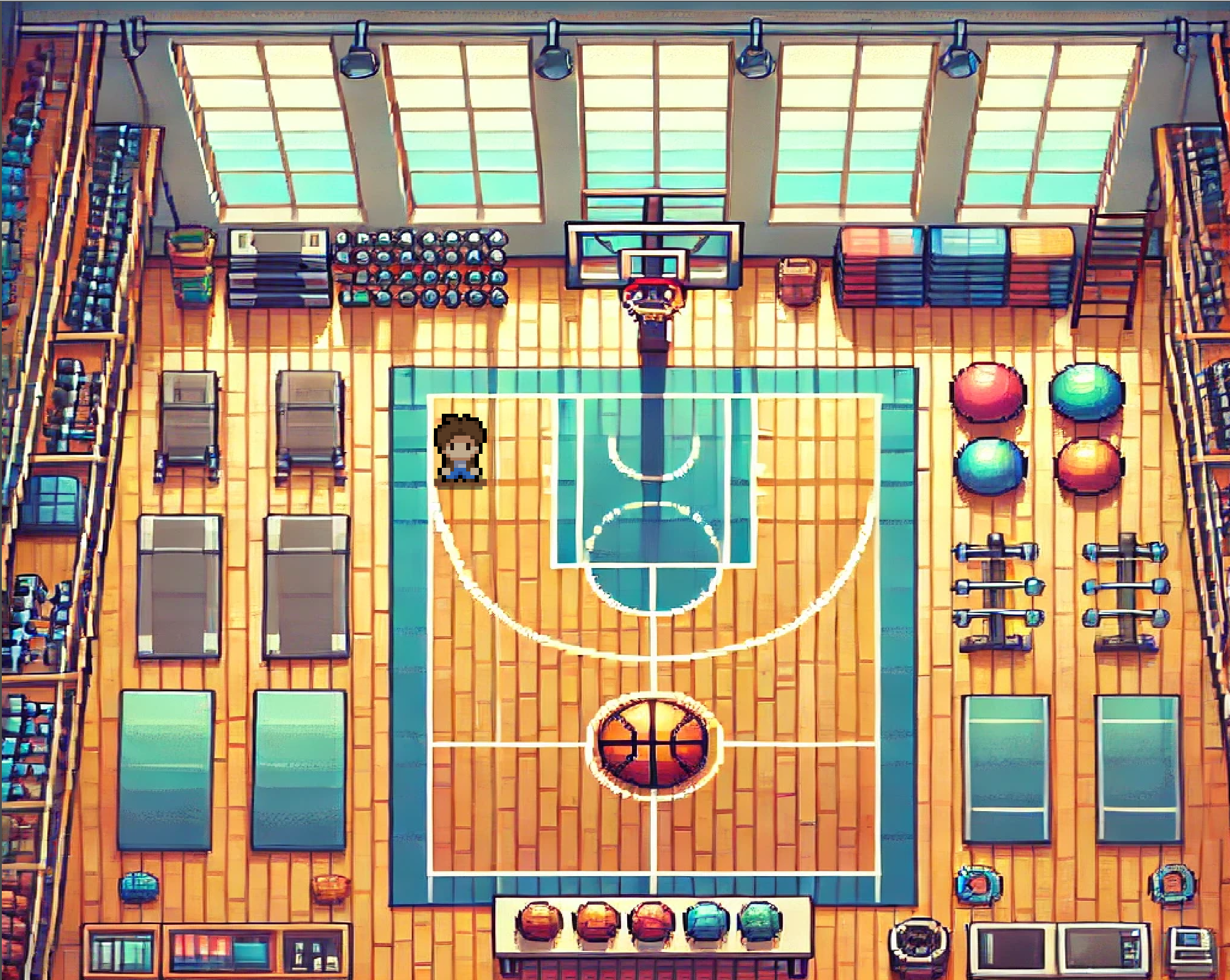
We used the Godot game engine for development. After brainstorming and ideation, we started designing key elements such as the game map, character animations, level backgrounds, and interactive gameplay mechanics. The coding process involved programming the levels, quizzes, and transitions, bringing the game to life.
Challenges We ran into
Collaboration was challenging due to limitations with the Godot file-sharing process. Since we couldn’t work on the same file simultaneously, we had to keep downloading, modifying, and re-uploading the game file. Additionally, the file wouldn’t open on some laptops, further slowing down progress.
Accomplishments that we're proud of
We’re proud of the meaningful idea behind Wellness Warriors, as it addresses a vital issue in an innovative way. Despite being beginners in game development, we successfully implemented the game concept within just 24 hours, overcoming multiple technical and collaborative hurdles.
What we learned
We learned how to use the Godot engine to design and build a game with multiple rooms, interactive elements, and dynamic learning experiences. It also taught us valuable lessons about teamwork and problem-solving under time constraints.
What’s next for Wellness Warriors
- Add more themed levels, such as outdoor safety, fire safety, and environmental awareness.
- Include customizable characters to personalize the gaming experience for kids.
- Integrate a leaderboard or achievement system to encourage progress and motivate players.
- Partner with schools or educational platforms to implement the game in classrooms.
- Expand the language options to make the game accessible to a global audience.
- Add a soundtrack to make the game more engaging
OpenAI. (2025). Image generated by ChatGPT using DALL·E. (for visuals only)
Built With
- gdscript
- godot

Log in or sign up for Devpost to join the conversation.