Inspiration
Small businesses handle customers, orders, payments, expenses and transaction evidence every day. Unfortunately, these records are often scattered across notebooks, spreadsheets, messaging apps and payment notifications.
This makes it difficult for business owners to understand their financial position, identify outstanding payments, trace transactions and make informed decisions.
We wanted to make financial operations simpler by bringing these activities into one intelligent workspace.
That idea became WELLCOME.
What it does
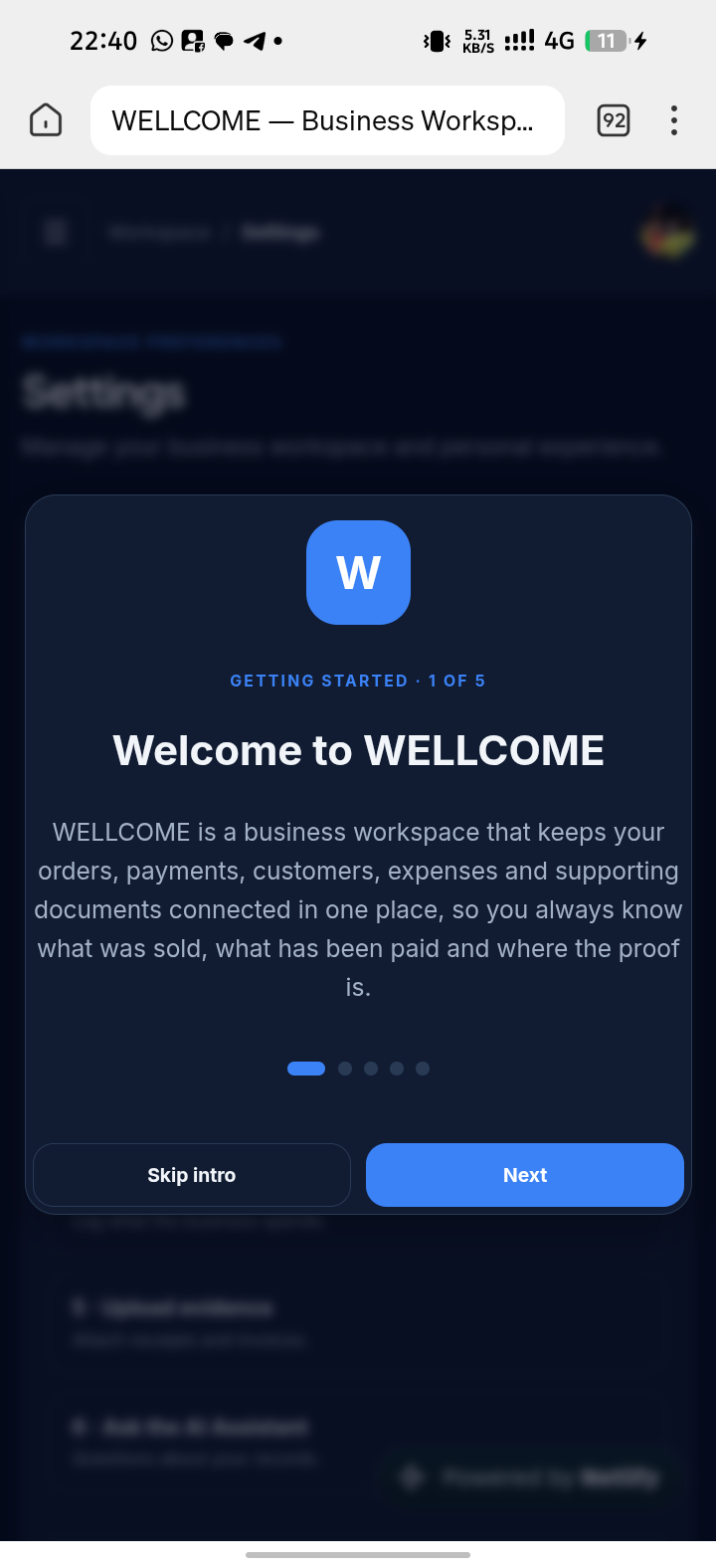
WELLCOME is an AI-powered financial operations platform designed to help small businesses manage their day-to-day business records and understand their financial activities.
With WELLCOME, business owners can:
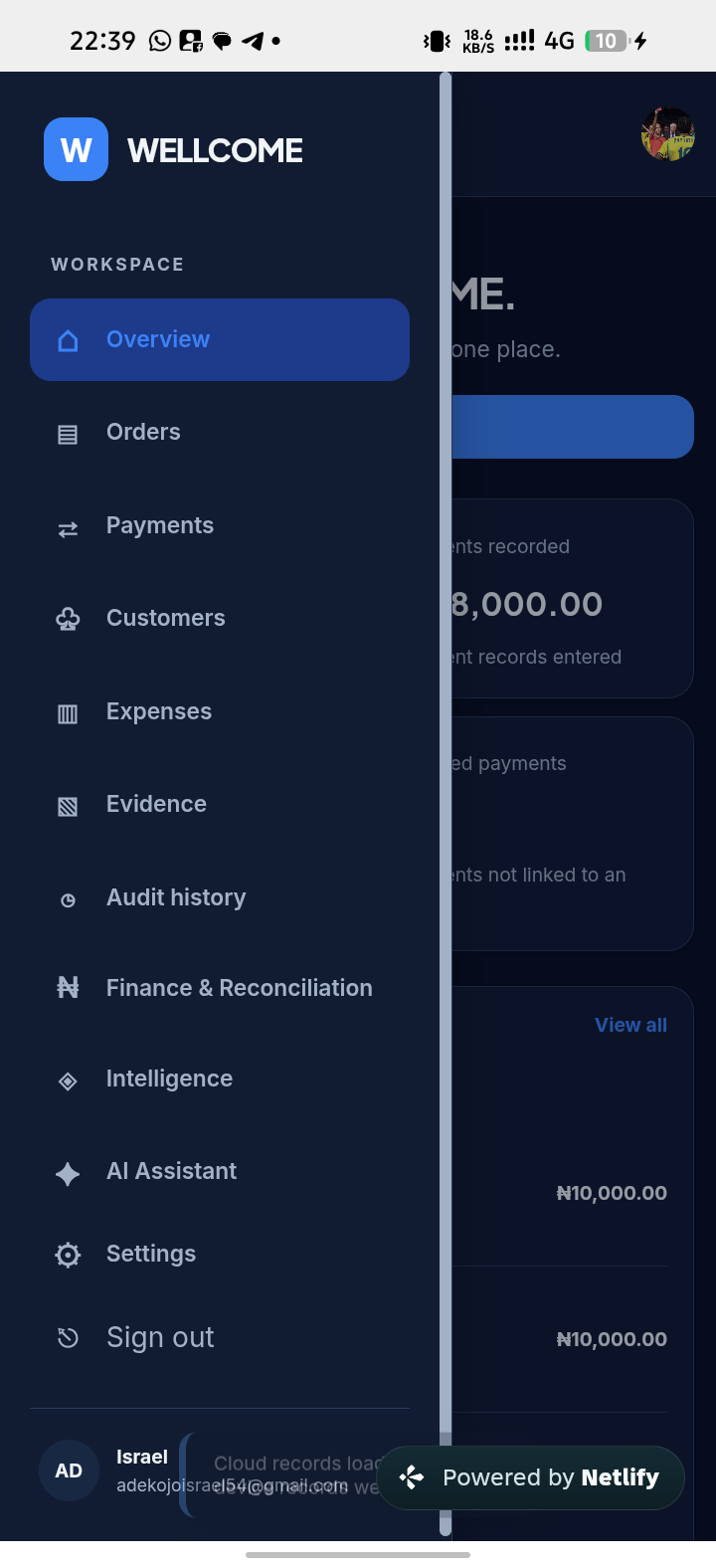
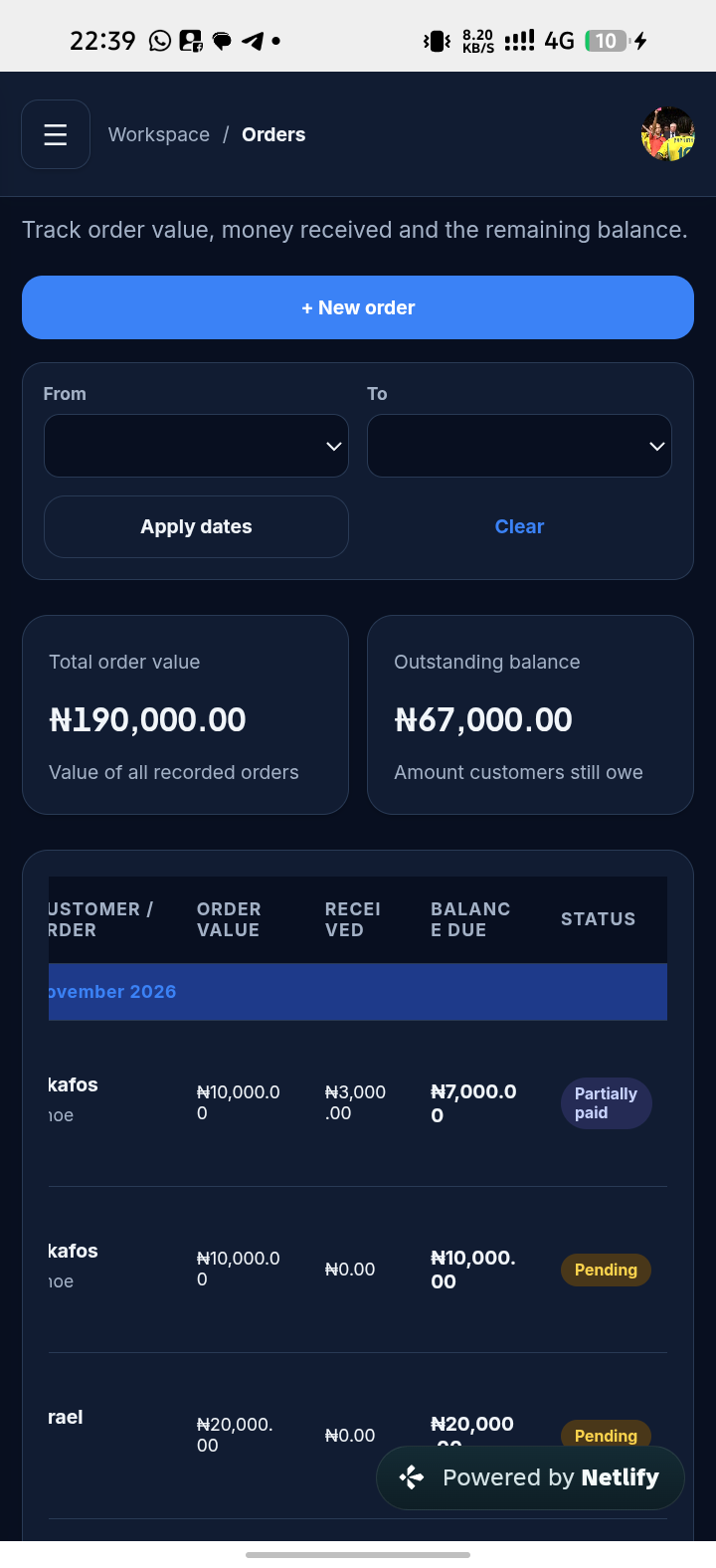
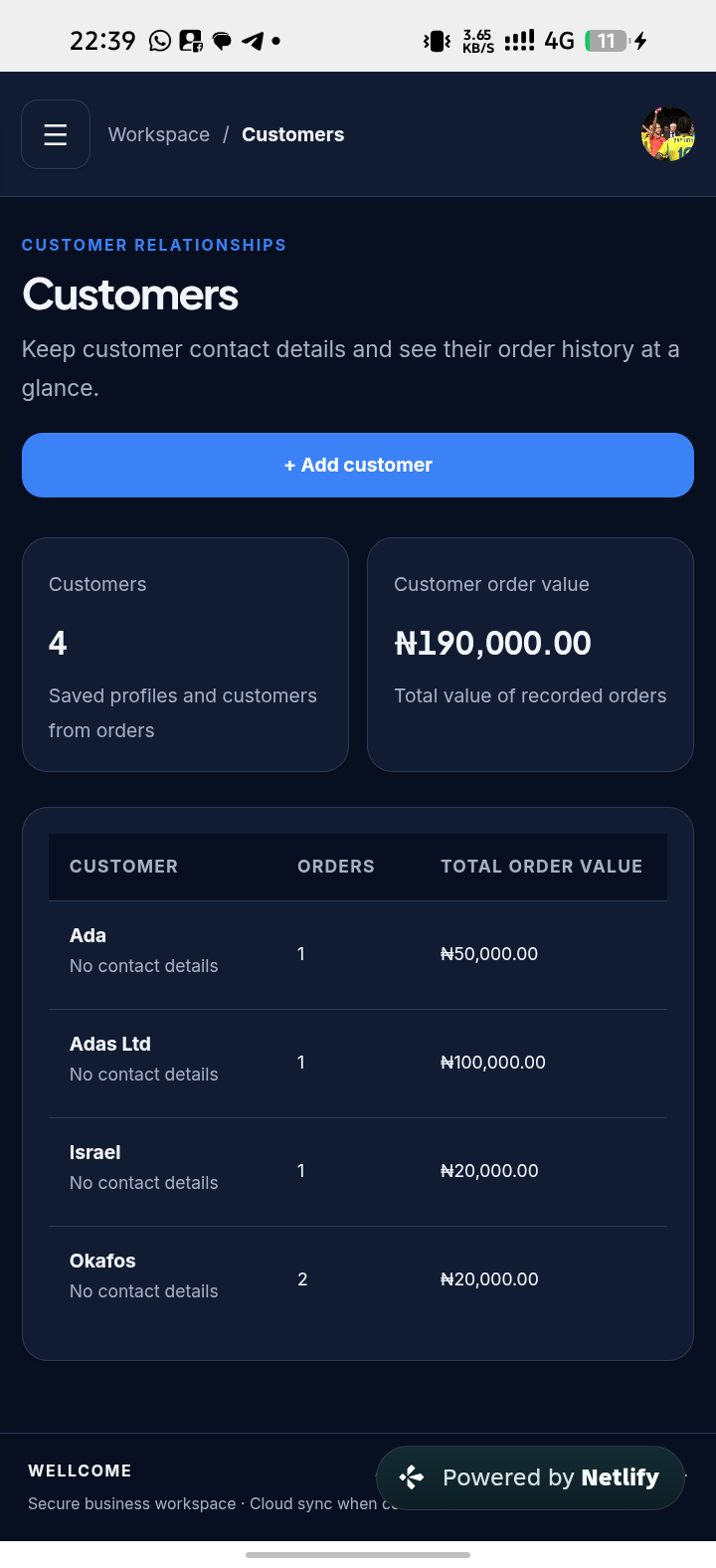
- Manage customers and orders.
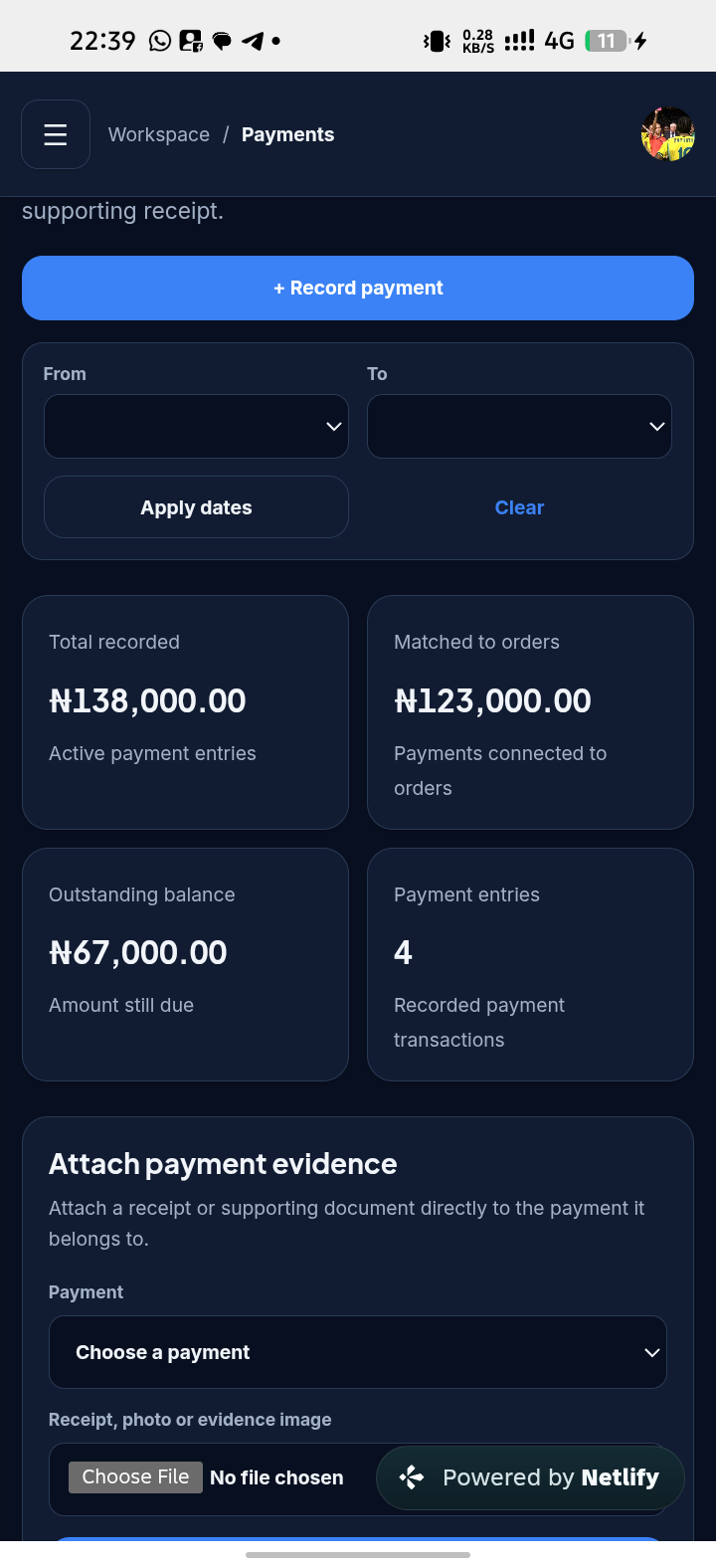
- Record incoming payments from different payment sources.
- Track outstanding balances and payment history.
- Allocate one incoming payment across multiple orders while preserving its transaction history.
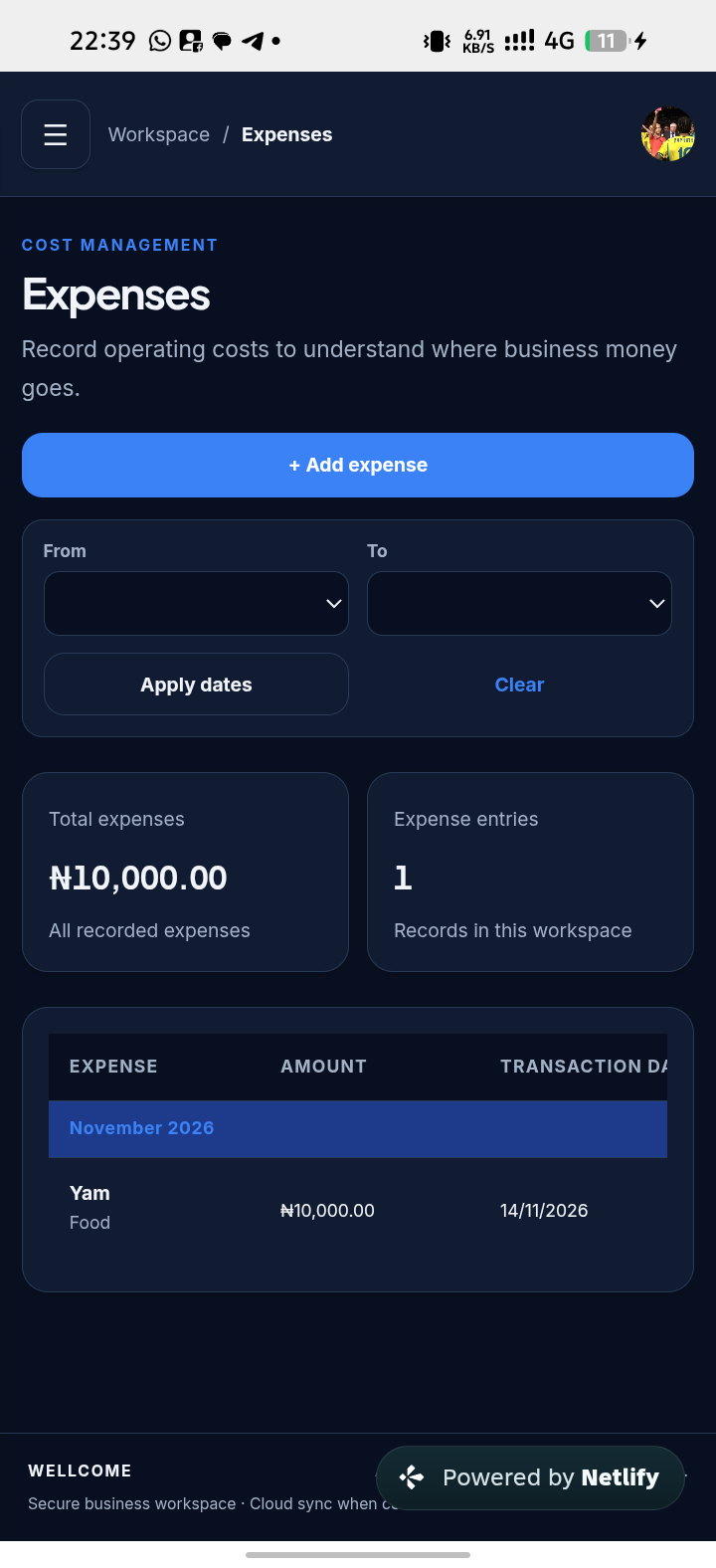
- Record and monitor business expenses.
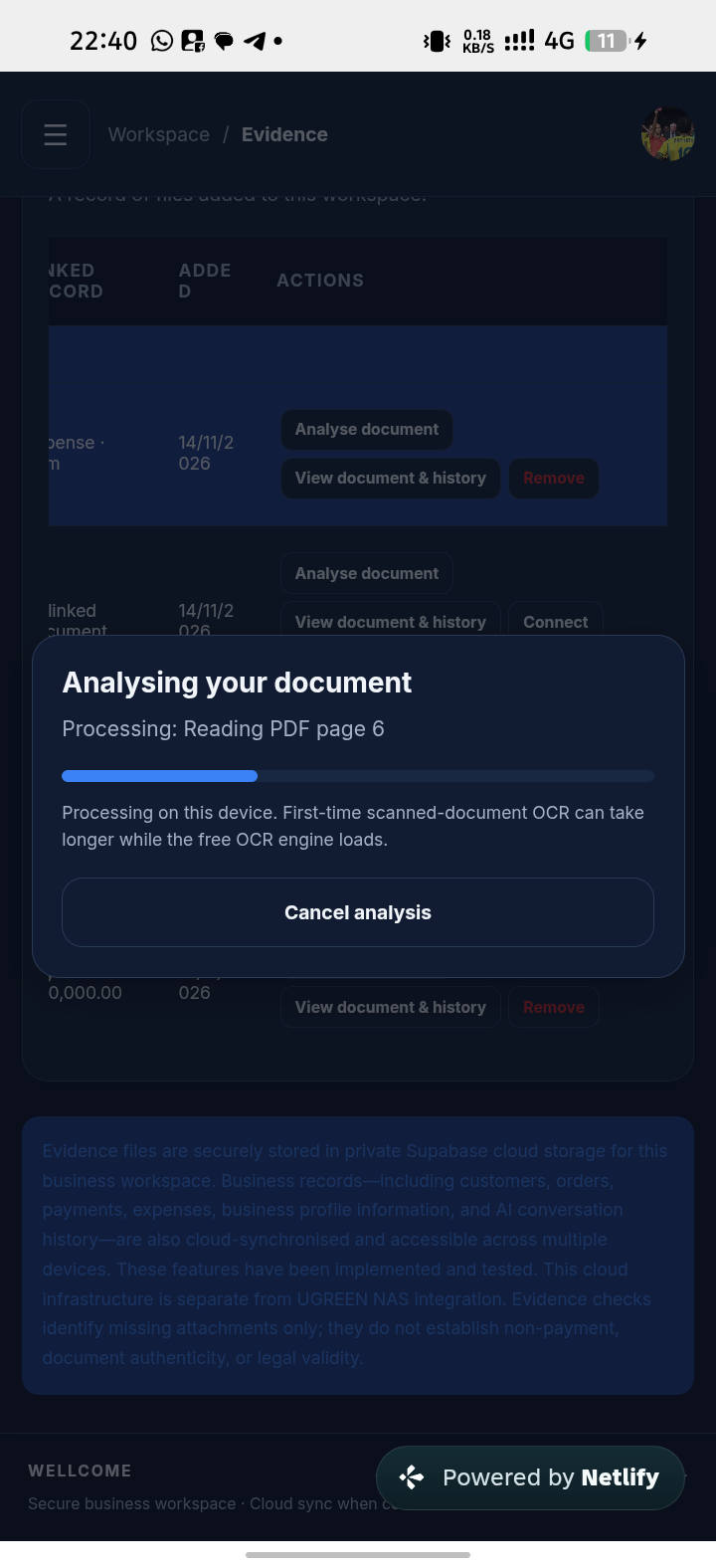
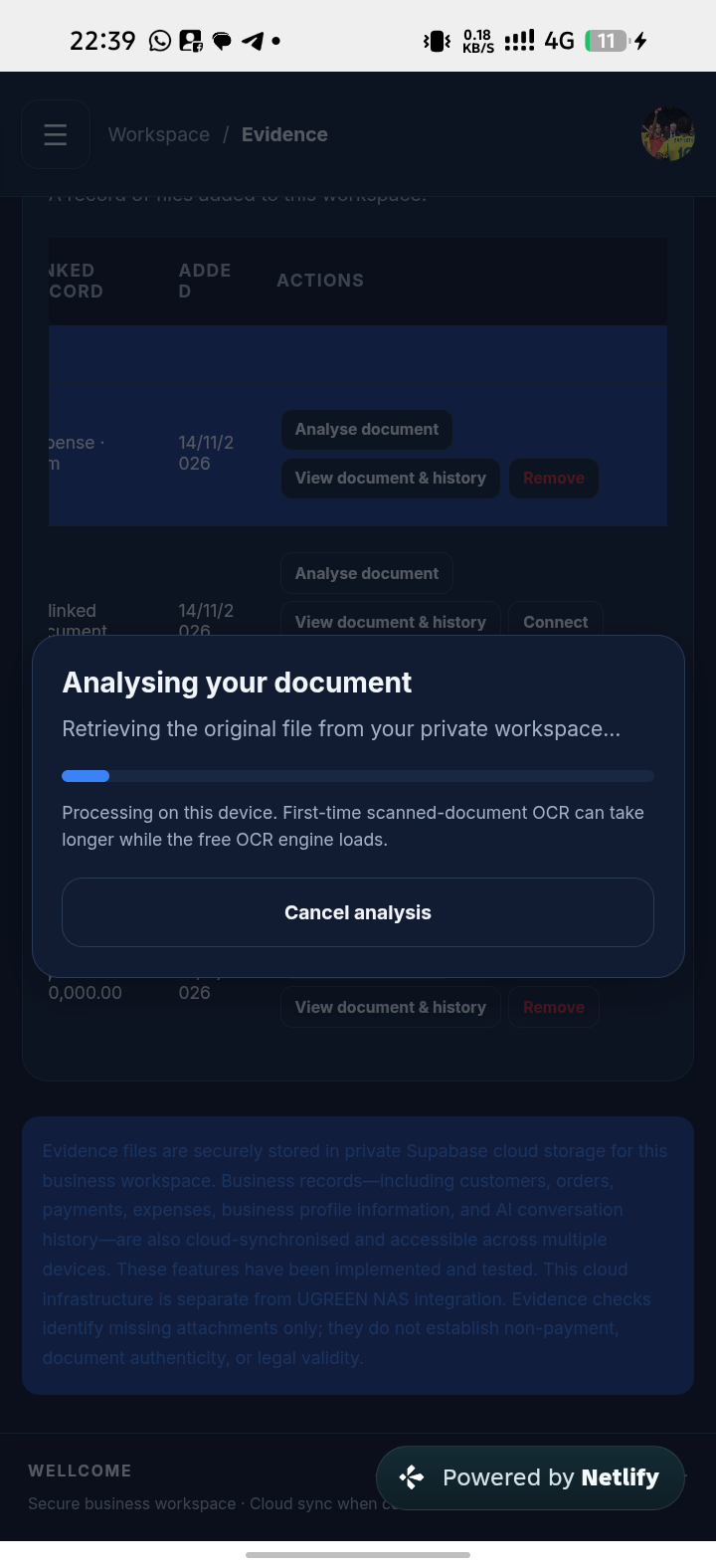
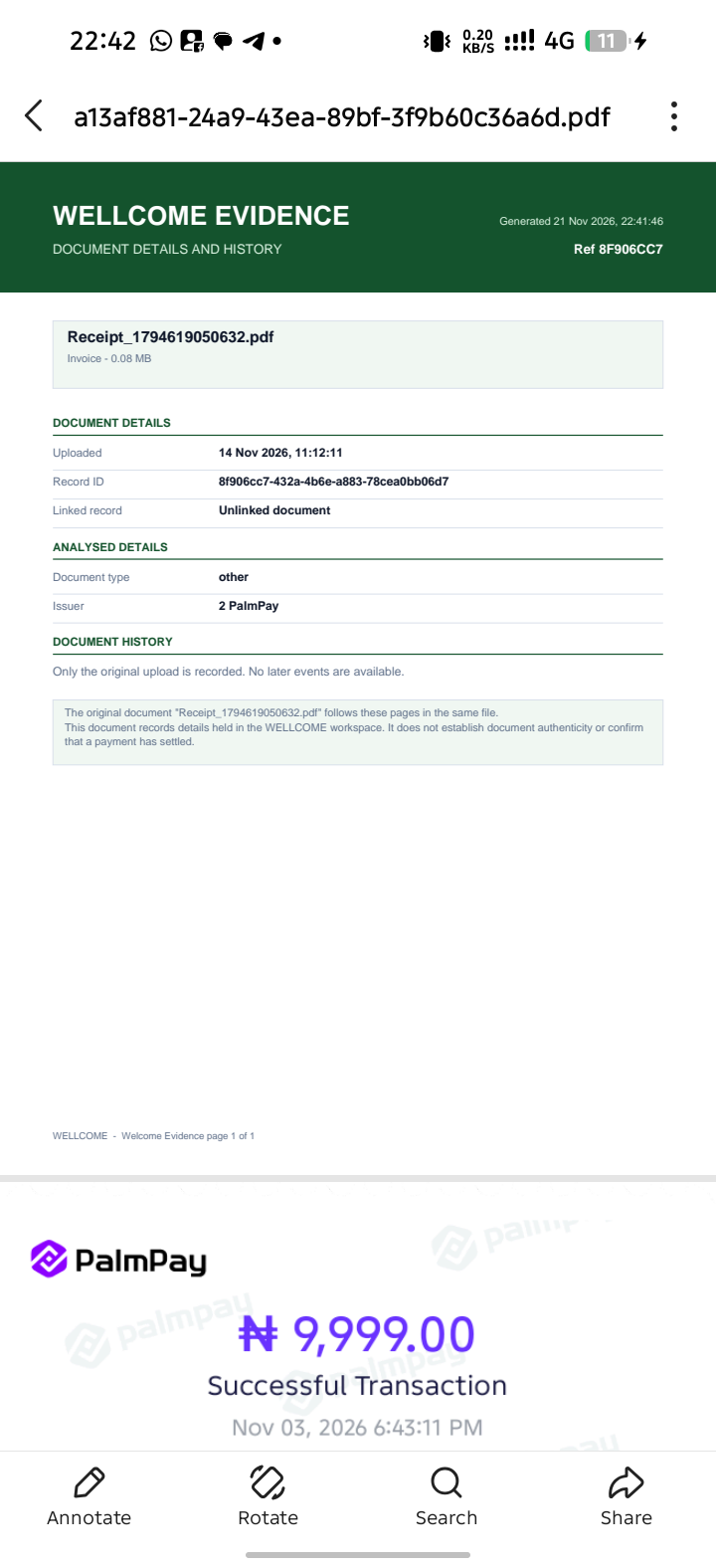
- Organize transaction evidence and business records.
- View financial summaries and business insights.
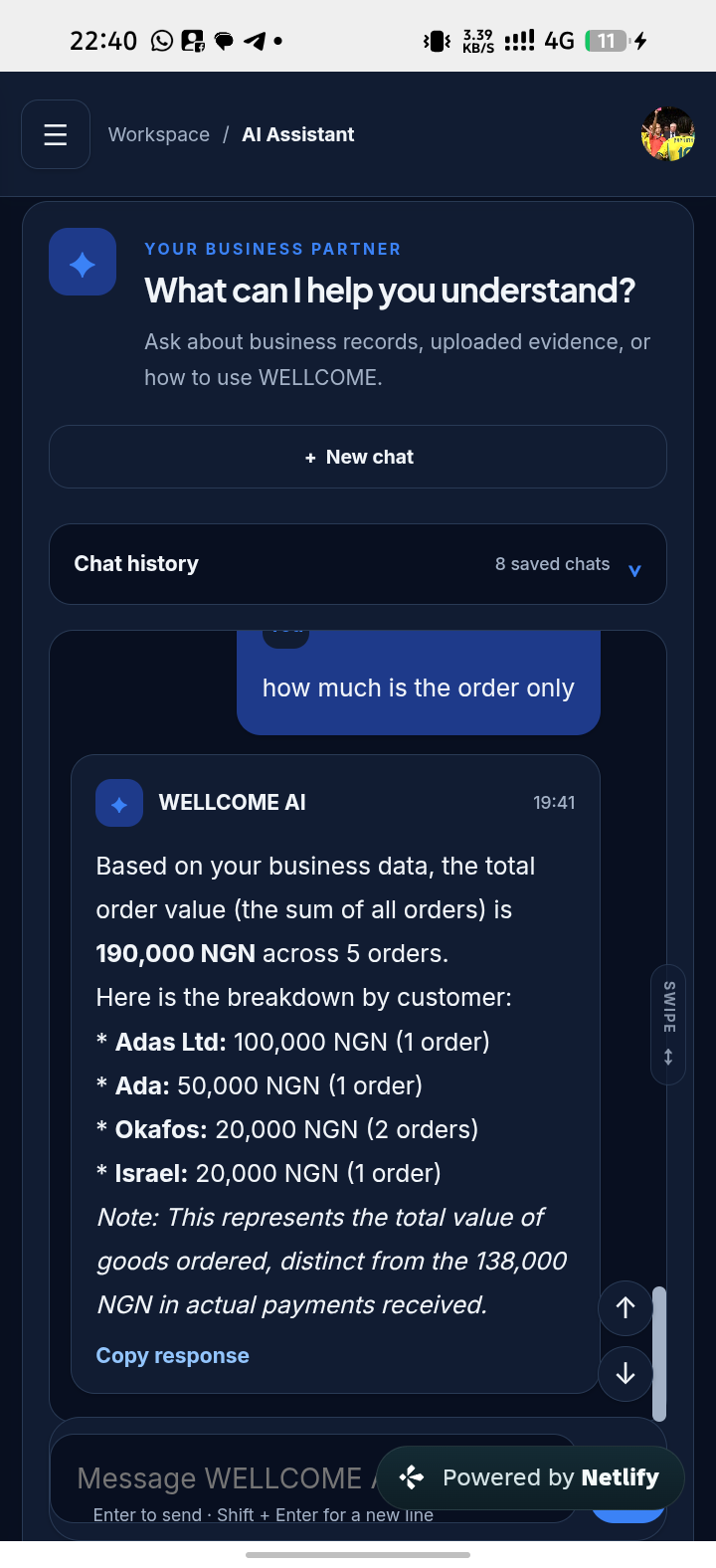
- Ask an AI assistant questions about their recorded business information.
WELLCOME's AI assistant uses workspace context to answer practical business questions, calculate financial figures from available records, explain outstanding balances and ask follow-up questions when information is missing.
How we built it
WELLCOME is built with HTML, CSS and JavaScript, with Supabase providing authentication, database services and cloud synchronization.
The application is hosted on Netlify.
For AI capabilities, WELLCOME integrates Google Gemini, with Groq configured as a backup provider through a Supabase Edge Function. This helps the assistant remain available when the primary AI provider is temporarily unavailable or reaches its limits, subject to the backup provider's own availability and usage limits.
We also developed a split-payment allocation workflow that preserves the original incoming transaction while tracking how portions of that payment are assigned to individual orders.
Challenges we faced
One major challenge was handling payments that do not correspond to just one order. A business owner may receive one transfer intended to settle several outstanding orders.
We addressed this by introducing payment allocation records, remaining balances and transaction history.
Another challenge was making the AI assistant useful beyond ordinary conversation. It needed to understand business questions and use actual workspace records rather than inventing figures.
We addressed this by supplying business context to the AI and introducing a secondary AI provider.
What we learned
Building WELLCOME reinforced the importance of accurate financial records, reliable data synchronization, transaction traceability and responsible AI.
We learned that an AI assistant for business operations must do more than generate convincing responses: it must use available records, acknowledge missing information and avoid presenting unverified transactions as confirmed settlements.
Project development and contribution
WELLCOME existed before this challenge. During this development period, we continued improving the existing platform, particularly its incoming-payment workflows, split-payment allocation and AI resilience.
The project is an ongoing effort to make practical financial-management tools more accessible to small businesses.
What we learned
Building WELLCOME taught us that small-business financial management is not simply about recording money coming in and going out. It is about maintaining accurate records, understanding relationships between customers, orders and payments, and being able to trace every transaction.
We learned the importance of:
- Financial accuracy: Business insights must be calculated from actual records, not assumptions.
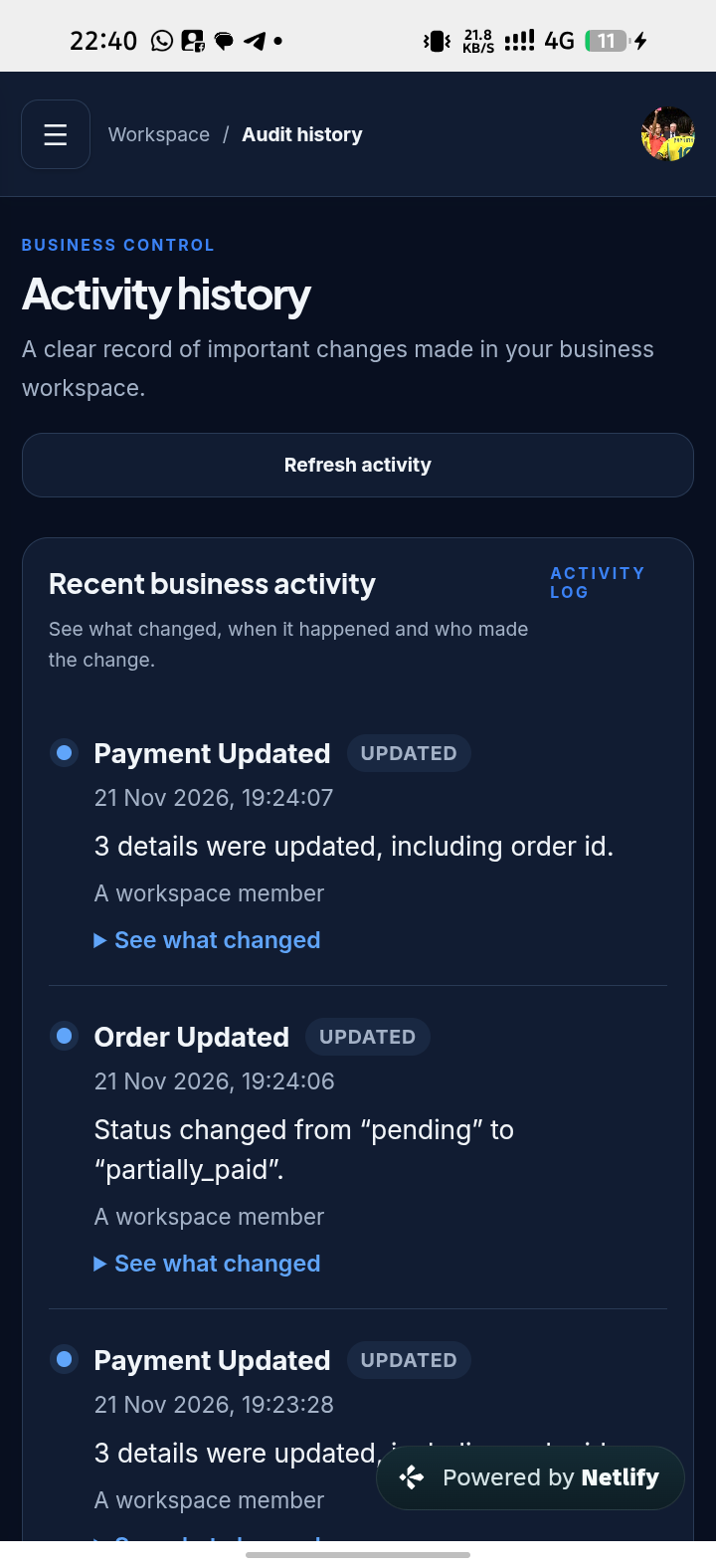
- Transaction traceability: Every payment and allocation should have a clear history.
- Cloud synchronization: Business owners need access to consistent records across their devices.
- Practical AI: An AI assistant should understand business context, answer useful questions and acknowledge when information is missing.
- Resilience: Depending on a single AI provider creates an availability risk, making backup providers valuable.
- Trust: Recording a payment is not the same as independently verifying that money has settled.
Most importantly, we learned that technology should reduce the complexity of running a business, not introduce more of it.
What's next for WELLCOME
Our vision is to make WELLCOME a more intelligent and dependable financial operations companion for small businesses.
Our next priorities include:
- Smarter financial intelligence: More detailed business reports, cash-flow analysis, spending patterns and actionable recommendations.
- Inventory management: Stock tracking, product quantities, low-stock alerts and connections between inventory, orders and payments.
- Payment integrations: Exploring secure integrations with payment providers to reduce manual transaction recording and support payment verification.
- Advanced AI workflows: Enabling business owners to ask questions, generate reports, prepare orders and perform supported business tasks through guided conversations.
- Document intelligence: Improving receipt and invoice extraction, evidence matching and transaction reconciliation.
- Business growth insights: Helping owners identify outstanding payments, understand expenses and make better-informed decisions.
Our long-term goal is simple: give small businesses better visibility, control and confidence in their financial operations, with intelligent technology working behind the scenes.
