-
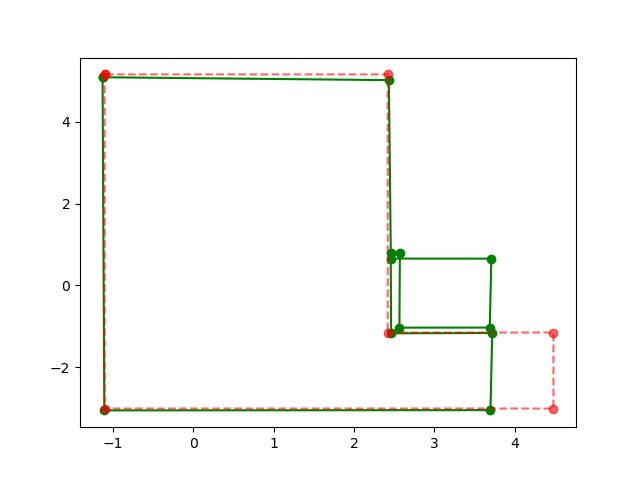
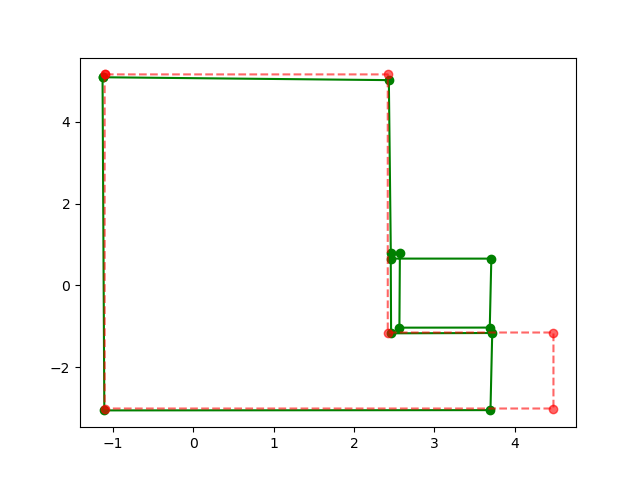
2D layout
-
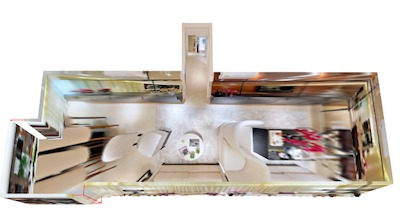
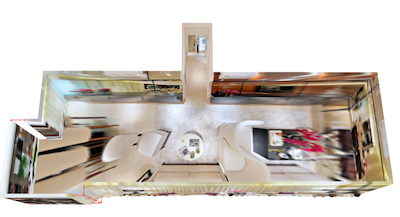
Room reconstruction
-
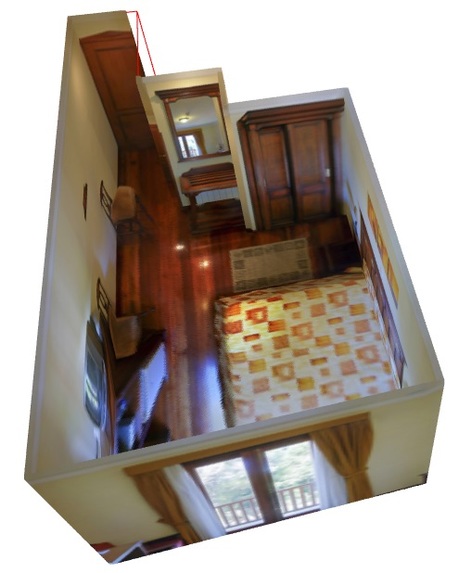
Room reconstruction
-
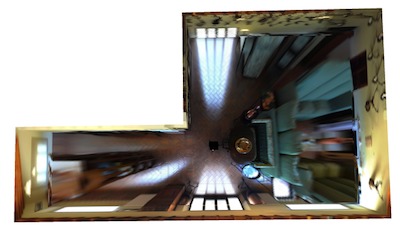
Room reconstruction
-
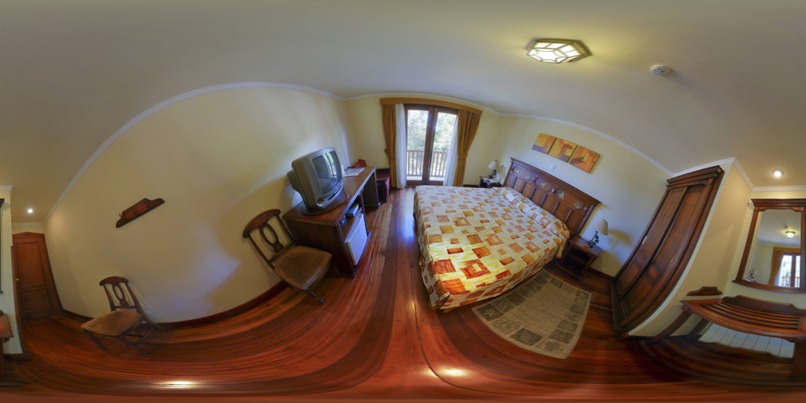
Pano image as input
-
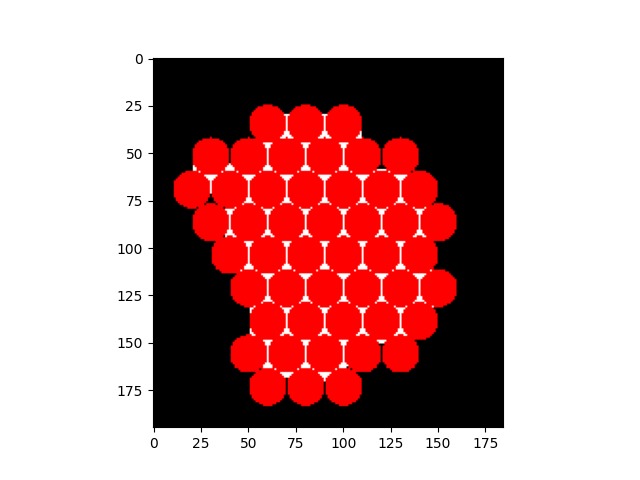
Circle packing algorithm
Inspiration
Inspired by our school’s ineffective system of social distancing - our limited classroom space was not being optimised - we decided to combine machine learning networks with mathematical algorithms to create a software that automatically generates seating layouts in any room.
What it does
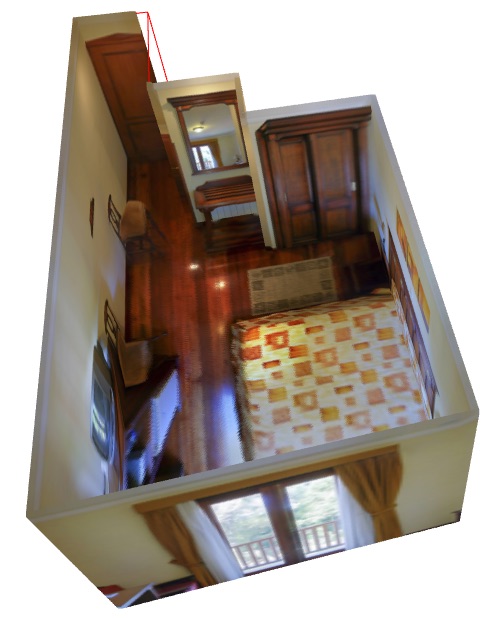
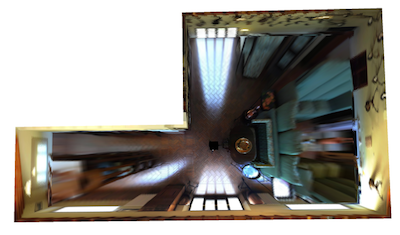
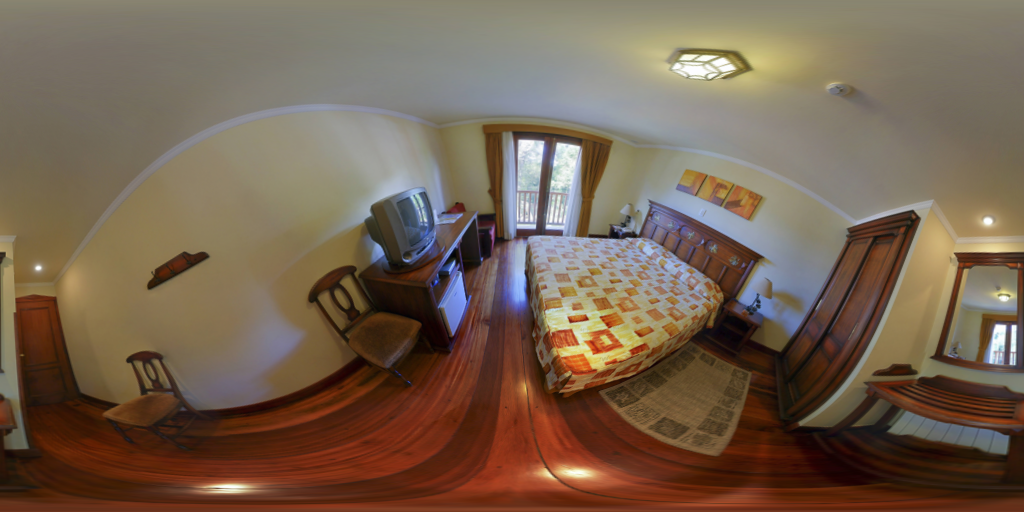
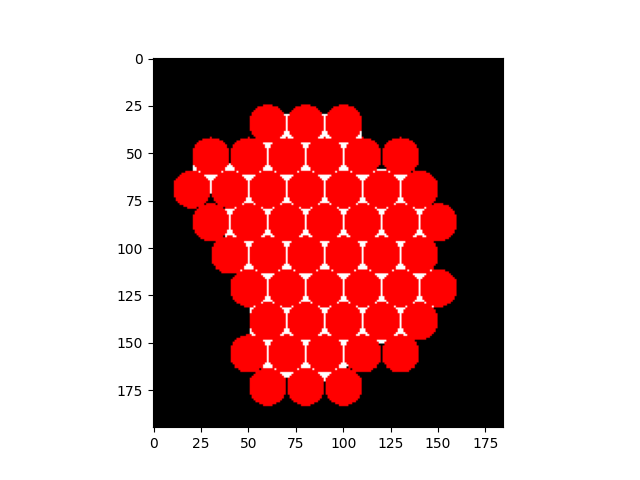
The software first processes a pano image of the room, using the HorizonNet's Pano Stretch Data Augmentation feature. Then, the room's 2D layout is generated based on the augmentation result. Lastly, A circle packing algorithm is applied to produce seating arrangement based on parameters such as distance between seats.
How I built it
We first implemented a scene reconstruction machine learning network HorizonNet in inferring the room layout from a pano image of the room.
As social distancing between seats can be represented geometrically by packing circles with a set radius, we decided to feed the result generated from the machine learning prediction into a circle packing algorithm to help us solve the problem for optimal seating.
Challenges I ran into
We faced difficulties finding a suitable machine learning model that could generate a 2D floor plan from photos of the room. We came across several, but many were outdated and used deprecated libraries and functions which we were not able to solve.
Accomplishments that I'm proud of
What I learned
We learnt about the power of using machine learning to apply mathematical algorithms to solve real world problems.
What's next for WeDistance
The seating algorithm can be made much more useful by incorporating various factors to decide the optimal arrangement. For example, vaccinated and unvaccinated people should be evenly distributed to minimise the chances of transmission amongst unvaccinated people. Friendship groups can also be considered to create a lively classroom that is enjoyable for everyone.
Built With
- circle-packing
- convolutional-neural-network
- machine-learning
- python
- pytorch


Log in or sign up for Devpost to join the conversation.