Inspiration
WeBuyBack was inspired by the frustration of trying to sell used items on traditional platforms—cluttered interfaces, spam messages, and slow listing processes. We asked: What if selling something locally was as easy as talking? That single question sparked the idea: a voice-powered resale platform built for speed, simplicity, and trust.
What it does
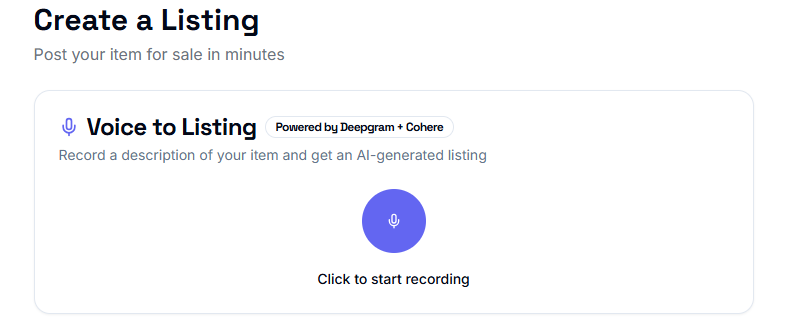
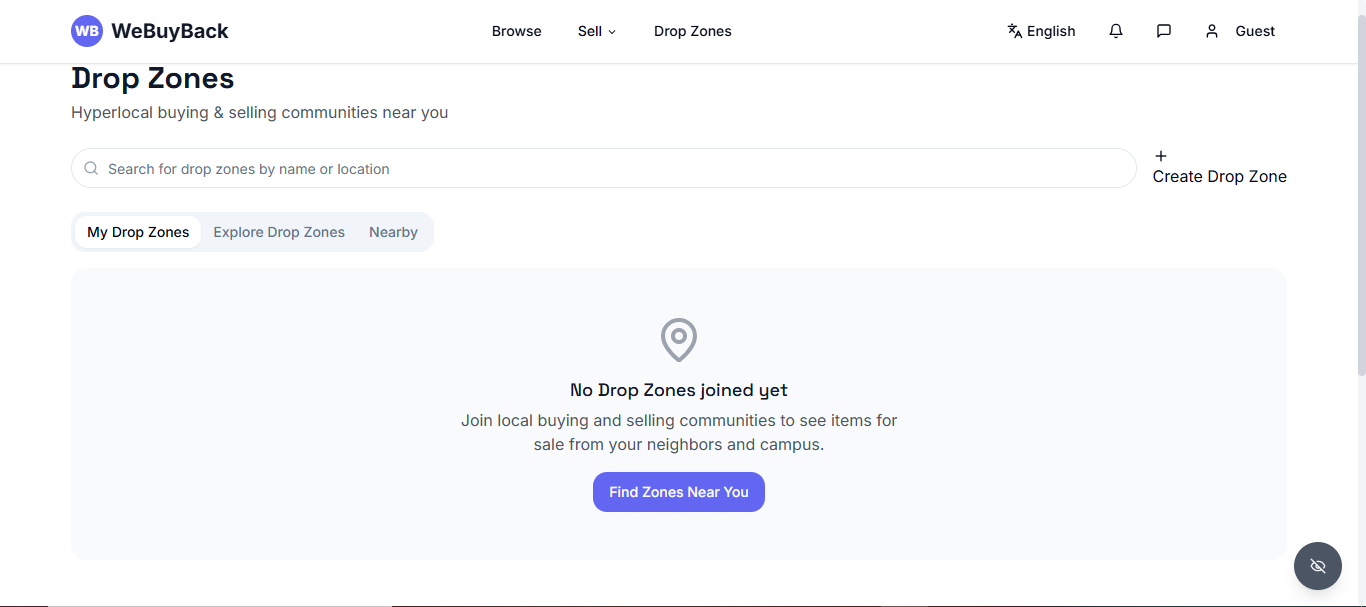
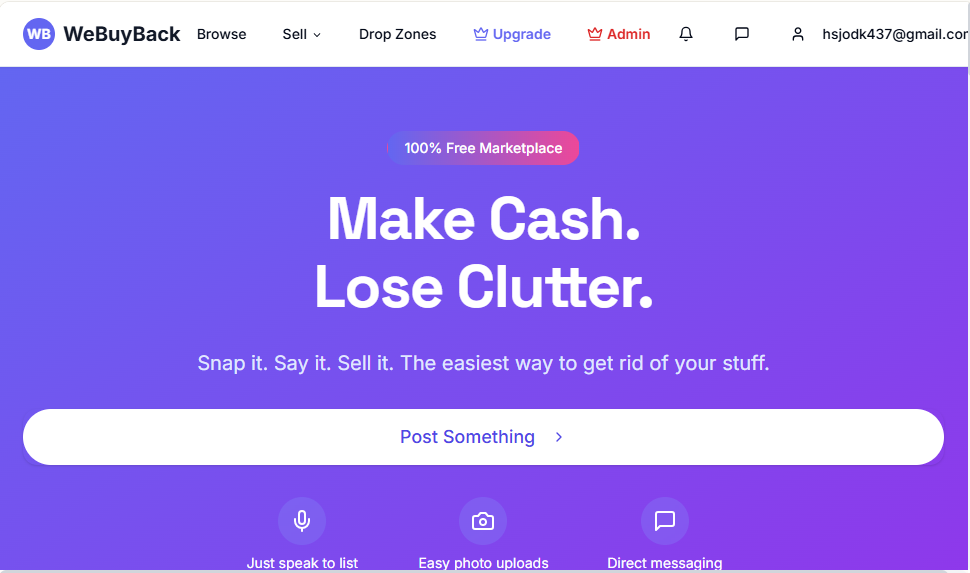
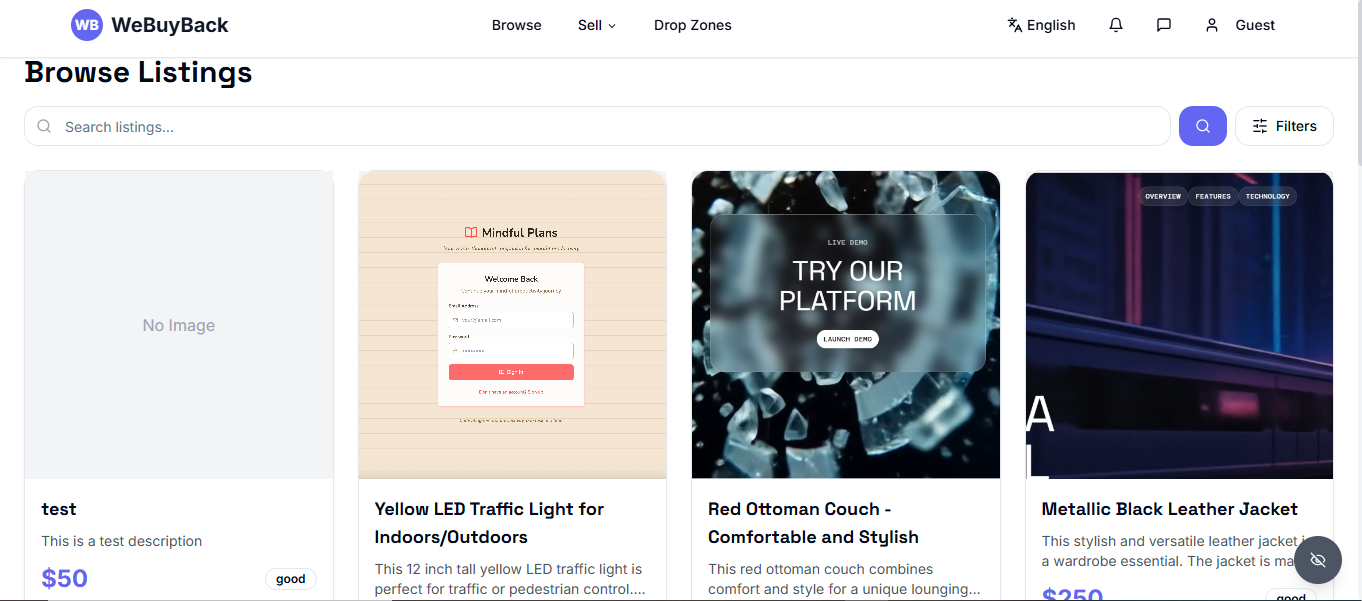
WeBuyBack allows users to list used items for sale using just their voice. Instead of typing out a full description, users can record a quick voice note, and our system transcribes and posts it instantly. Buyers nearby can browse listings, contact sellers, and arrange local pickups—all through a clean, user-friendly interface. We're blending voice tech with local commerce to make secondhand selling faster and more accessible.
How we built it
We built WeBuyBack using the following stack:
- Frontend: Next.js and Tailwind CSS for a fast, responsive UI
- Backend: Supabase for real-time data, authentication, and storage
- Voice Transcription: Deepgram API for converting voice recordings into clean text
- Payments: Stripe for gating premium features and handling subscriptions
- Guest Access: Custom ID + PIN login system for temporary users without full accounts
We focused heavily on clean UX, minimal steps to list, and reliable voice transcription. We integrated Deepgram for speech-to-text and connected it directly with our Supabase backend to store listings and transcriptions in real time.
Challenges we ran into
- Voice Transcription Accuracy: Making sure Deepgram handled different accents, background noise, and varying speech speeds was tricky.
- Guest Session Handling: Implementing a secure, frictionless way for guests to use voice features without signing up took some careful logic with ID + PIN handling.
- Gating Features: Stripe integration wasn’t just about payment—it had to also smartly toggle premium features in the UI without breaking the guest/user experience.
- Latency & Load Times: Ensuring fast uploads and real-time syncing between audio, transcription, and listing updates was more complex than expected.
Accomplishments that we're proud of
- Fully functional voice-to-listing feature with real-time transcription
- Guest user system that works seamlessly without requiring full sign-ups
- Clean UI that’s intuitive and responsive across devices
- Built an entire resale platform in a short timeframe with integrated AI and payment systems
What we learned
- How to integrate real-time voice transcription into a live marketplace
- The value of keeping UX simple—voice input can remove huge friction from traditional forms
- How to work with API rate limits, guest authentication logic, and payment gating
- Designing for trust and safety in a local selling environment is critical, especially for first-time users
What's next for WeBuyBack
- Voice Credits System: Instead of subscriptions alone, users will earn or buy voice credits to list items
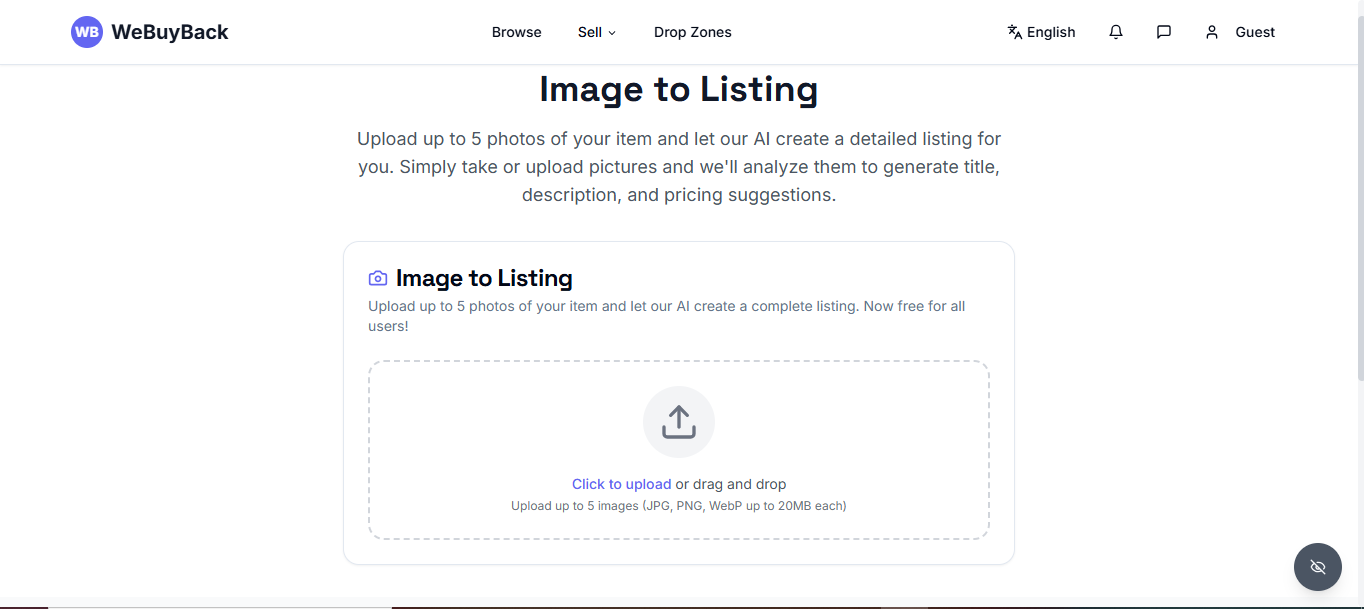
- AI Listing Enhancer: Auto-generate better titles, categories, and prices using AI from voice descriptions
- Featured Listings: Let users pay to boost their listings locally
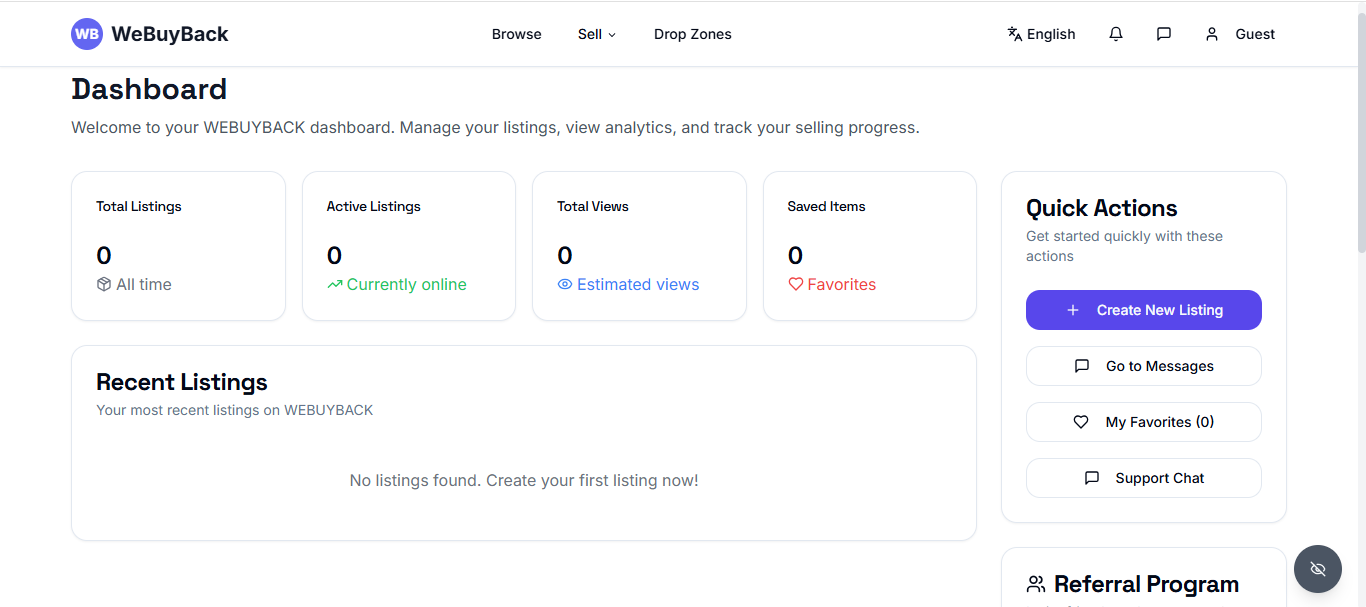
- Analytics Dashboard: Show sellers insights like average prices, trending items, and buyer demand
- Mobile App Launch: Extend the experience beyond web with push notifications and camera integration
- Local Business Partnerships: Connect with repair shops, movers, or thrift stores to create win-win affiliate systems
WeBuyBack is just getting started, but we're already rethinking what local resale should feel like in 2025; fast, personal, and voice-first.
Built With
- cohere
- deepgram
- lovable
- supabase
- vercel


Log in or sign up for Devpost to join the conversation.