Inspiration
Our inspiration came from the need to enhance online security. We recognized the importance of identifying sensitive information leaks on websites, leading to the development of WebSentinel.
What it does
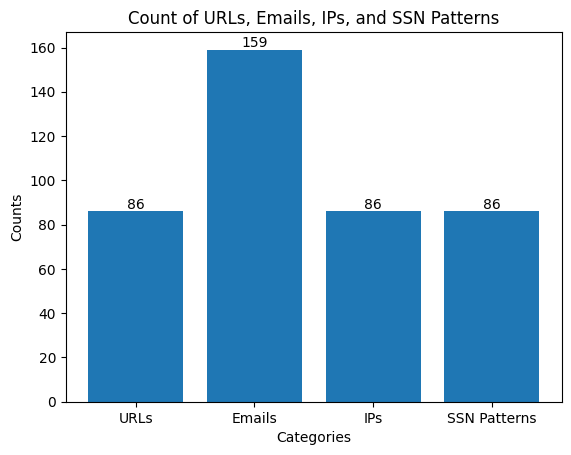
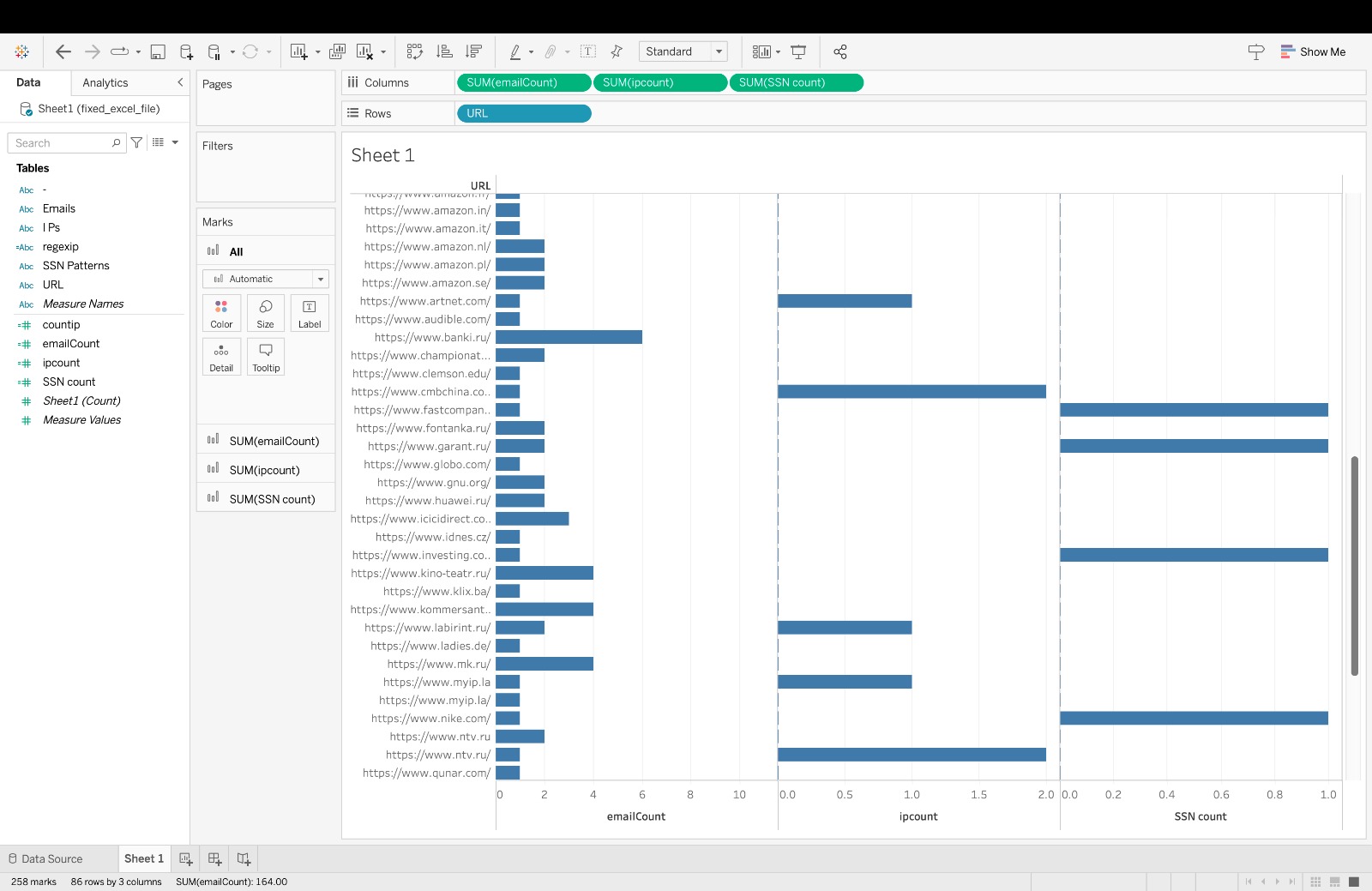
WebSentinel meticulously traverses website source codes, extracting comments and detecting sensitive data such as emails, IP addresses, and SSNs. This automated process, powered by Python and bash scripting, ensures that public disclosure of private information is prevented. Using Tableau, we visualize this data through detailed bar graphs, highlighting the leaked information and its source website.
How we built it
We initiated the project by scraping websites using Python, implementing automation with bash scripting, and incorporating advanced filtering techniques in Python. These technologies enabled us to extract valuable data from diverse sources efficiently.
Challenges we ran into
We faced challenges in optimizing the scraping process, ensuring accuracy in data extraction, and implementing effective filtering techniques. Overcoming these hurdles required meticulous problem-solving and collaboration.
Accomplishments that we're proud of
We take pride in developing an automated solution that safeguards sensitive information from public exposure. The seamless integration of Python, bash scripting, and Tableau resulted in a comprehensive vulnerability analyzer.
What we learned
Through this project, we developed our skills in web scraping, automation, data filtering, and visualization. We gained valuable insights into website vulnerabilities and information leakage, deepening our understanding of online security.
What's next for WebSentinel: Website Vulnerability Analyzer
In the future, we plan to expand WebSentinel’s capabilities to identify additional sensitive information, such as API keys, access tokens, and credit card details. Our ongoing efforts aim to enhance the tool’s accuracy, efficiency, and scope, contributing to a safer online environment.


Log in or sign up for Devpost to join the conversation.