-
-
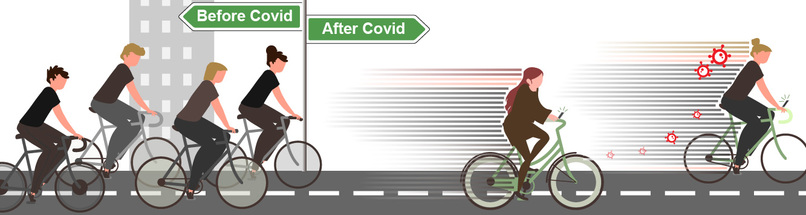
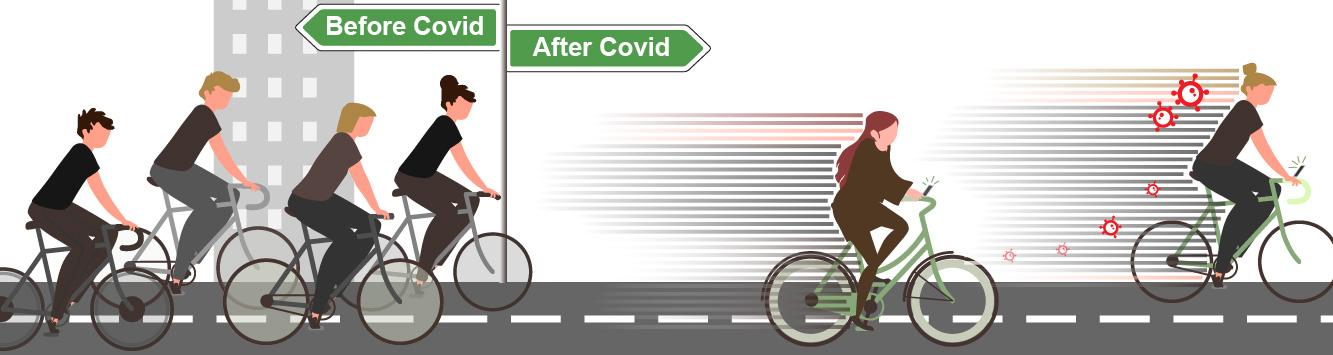
Infected cyclists would leave a trail of COVID-19 virus - according to recent research findings
-
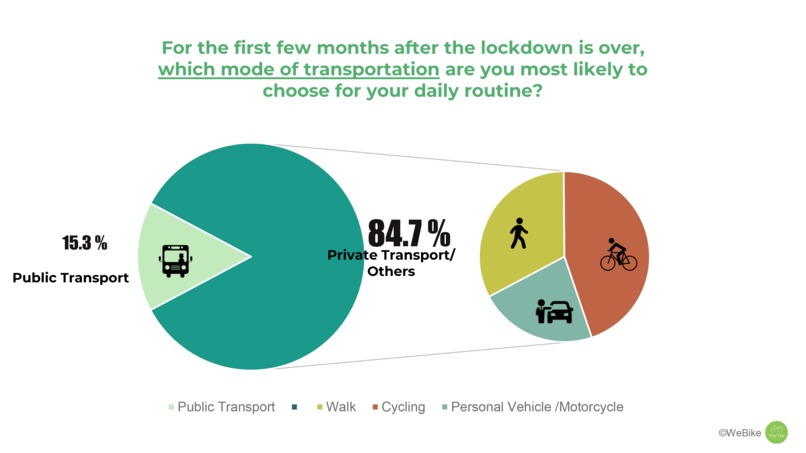
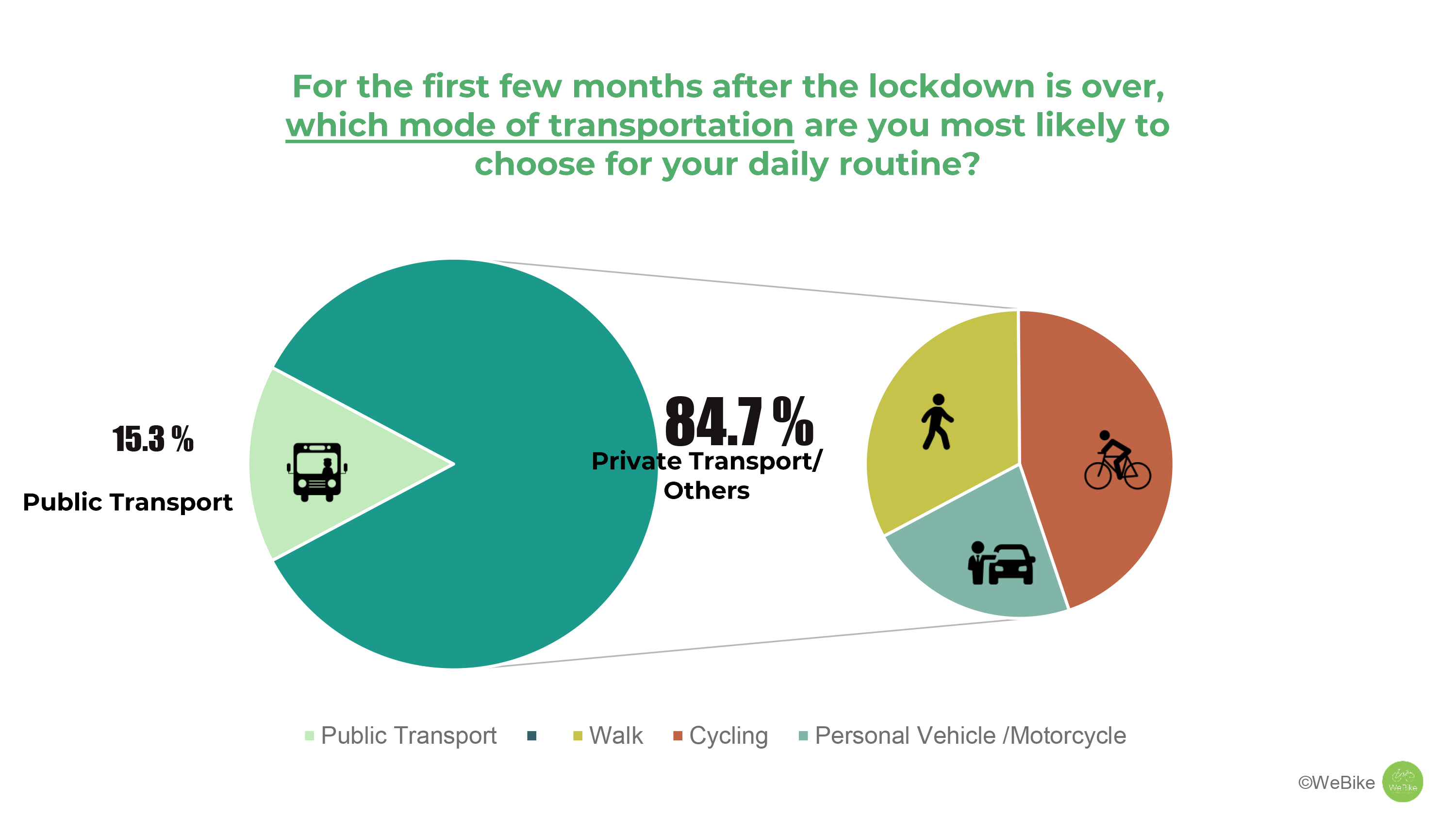
Findings from our survey
-
 GIF
GIF
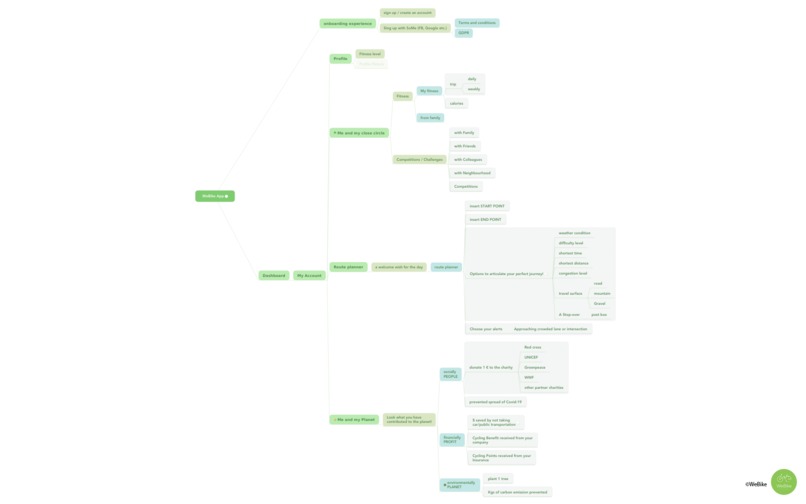
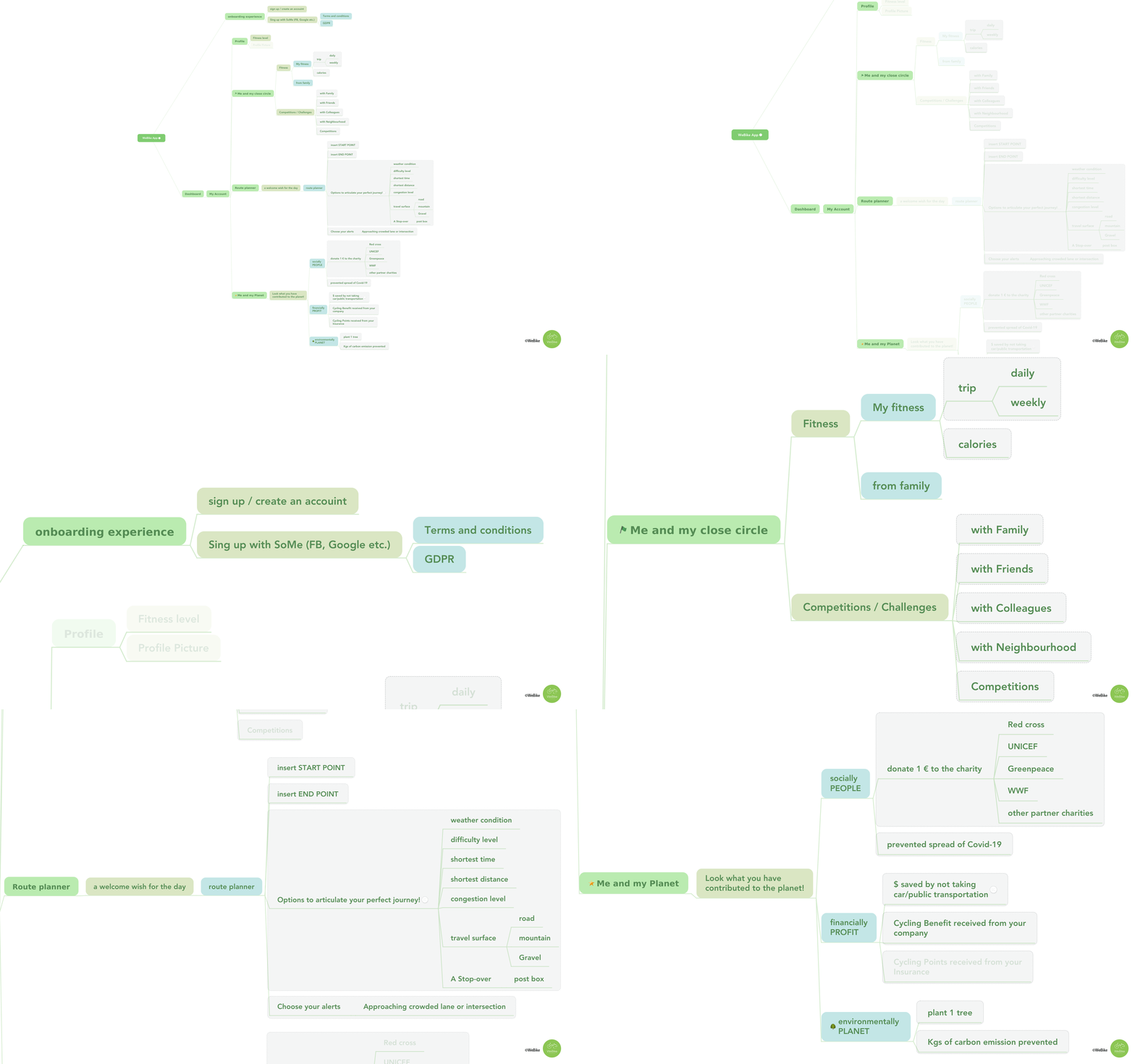
a Mapping of WeBike User Flow (gif)
-
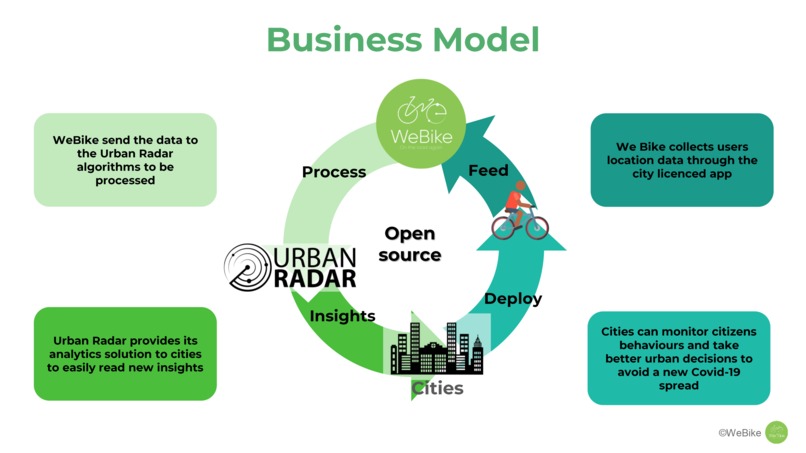
WeBike business model
-
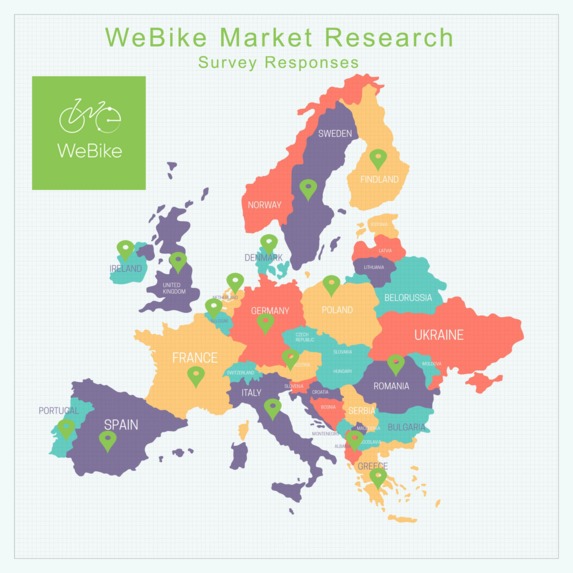
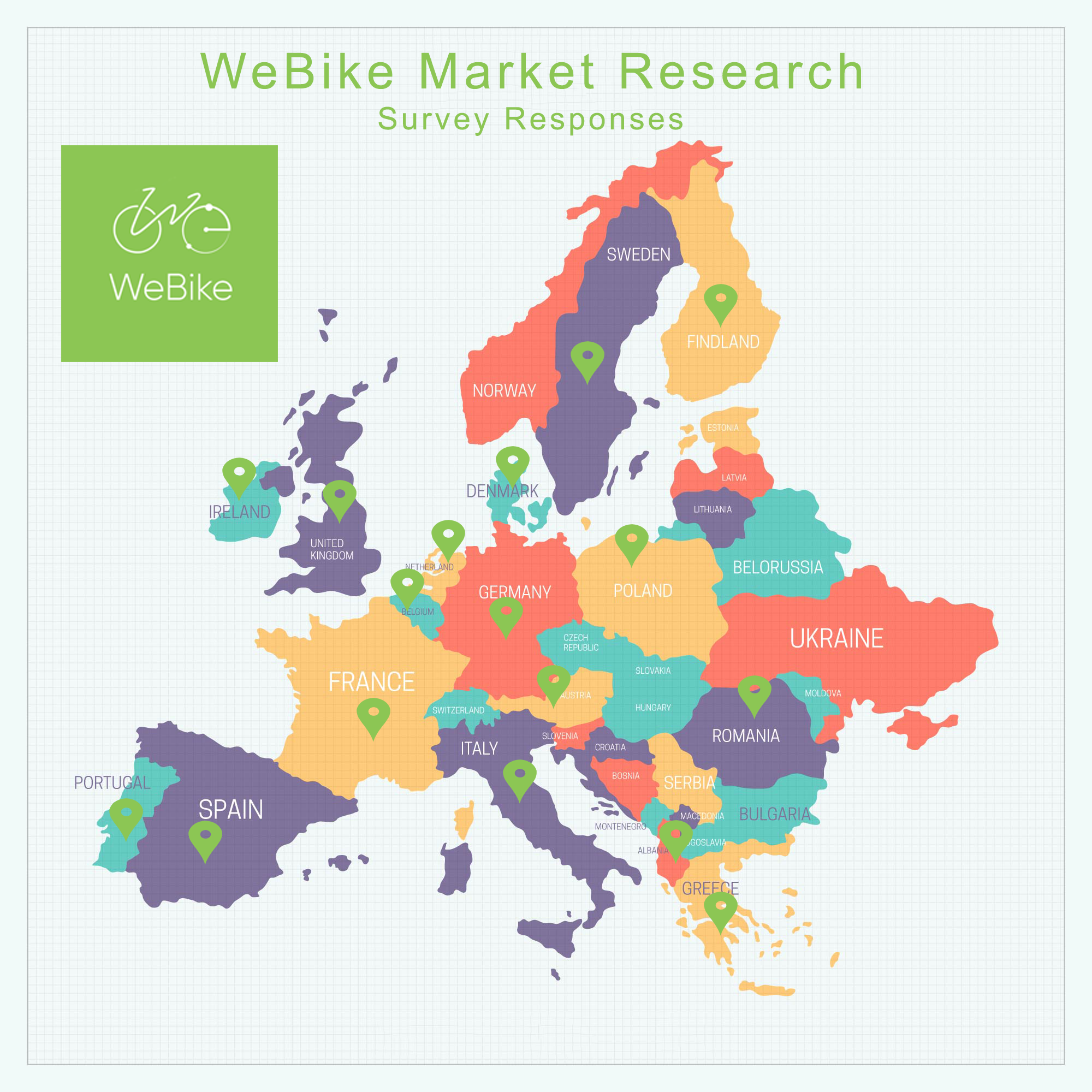
Locations for future scalability - identified via polls and contacts
-
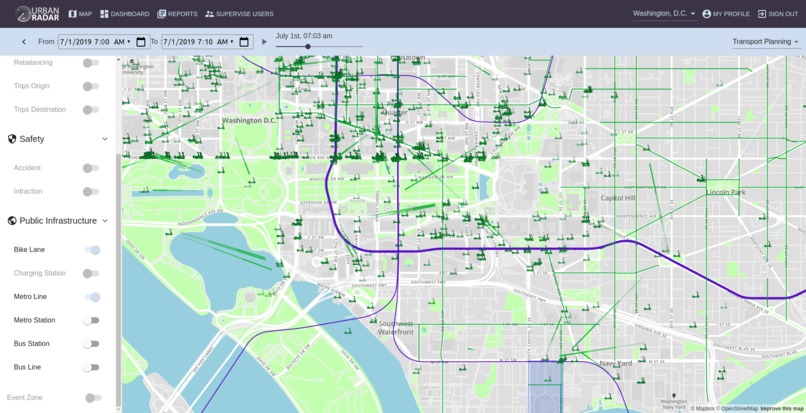
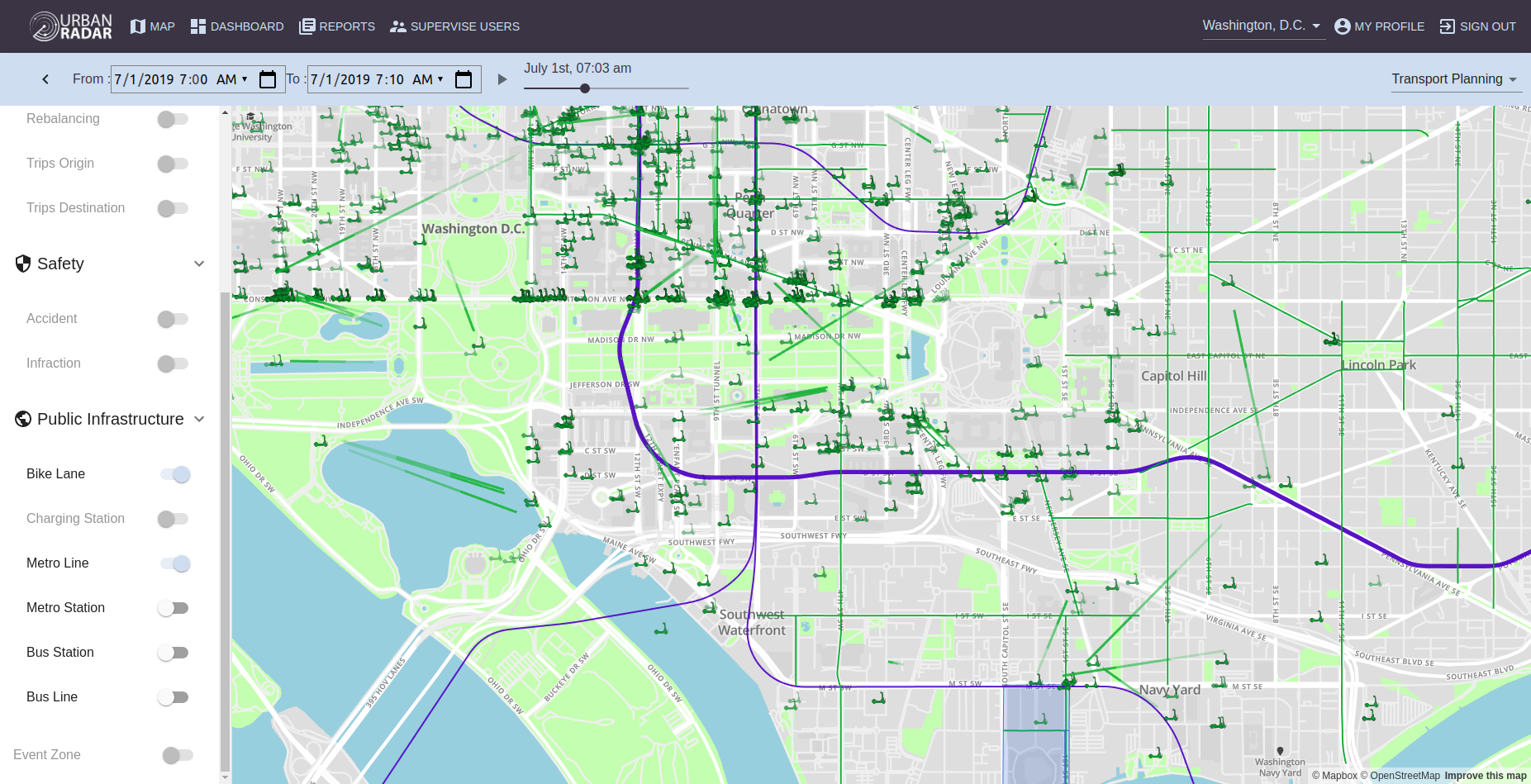
Example of mobility analytics from Urban Radar
-
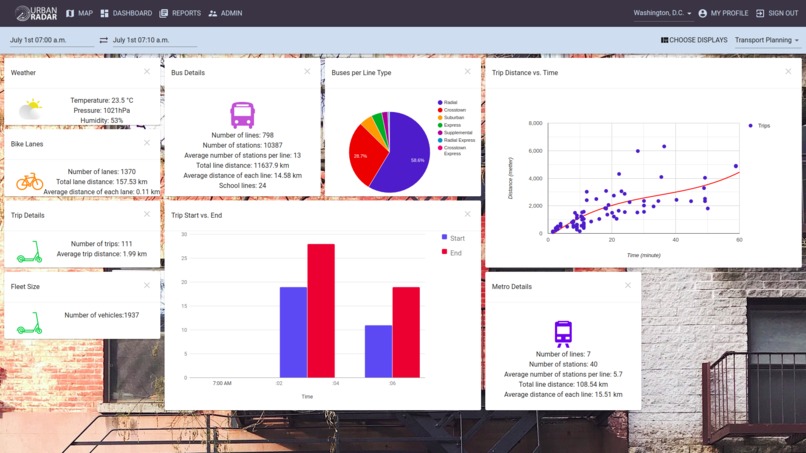
Example of mobility analytics from Urban Radar


Introduction
When society reopens we need to rethink urban mobility. Many people would be looking towards their personal cars or bicycles for their daily commute. There would be a surge in car traffic and crowded cycle lanes could become hot spots for infection. Our goal is to prevent that from happening.
What it does
For users:
Problem - Our ongoing user research across Europe shows that a lack of safety and fear of accidents keeps people from using their bikes more frequently. Crowded lanes and intersections have become a bigger concern for some due to Covid-19, and people would choose to commute via personal cars to protect themselves. Many others who would choose to cycle more are unaware of how cycling without maintaining adequate distance between cyclists, could potentially cause a rise in the number of Covid-19 infections [1]. Each of these options would give rise to new problems - public health risk, and severe traffic and pollution problems.
Solution - WeBike app empowers the users to plan their bicycle commute in a way that reduces their risk of contamination. Before beginning their commute, users will be able to select a route tailored to their specific needs. They will also have the option to receive alerts and alternative route suggestions to avoid crowded cycle lanes and intersections.
For the cities:
Problem - Before Covid-19, cities across the world were already struggling to fight pollution and increasing car traffic. With this outbreak, they face the additional challenge of adapting and rethinking urban mobility while keeping the spread of infection in check.
Solution - The cycling data, anonymously collected by WeBike app, gets processed by Urban Radar[2] to provide meaningful mobility insights to the city. The city would utilize these insights and analytics to make the city's bicycle infrastructure better and safe. These analytics could prove to be immensely useful for cities in adapting urban mobility to fight the current pandemic. Cities can, for example, help cyclists maintain social distancing by widening cycle lanes at strategic positions according to the insights they receive.
For the companies:
Problem - Economic recovery is critical for many companies now and preventive measures to ensure good health of employees would be instrumental. Companies are also very willing to promote the health and well-being of their employees and also are on the constant lookout for ways to boost social interaction between employees.
Solution - The WeBike app allows its partner companies to promote ‘safe’ cycling to its employees when society reopens. It can be used as a part of their sustainable mobility policy and also to boost social interactions between employees by means of fun challenges. For example, the companies can choose to support NGOs and charities based on their employees’ cycling stats - thereby contributing to the companies’ sustainability values and corporate social responsibility.
Accomplishments from this weekend that we're proud of
- We built a prototype of the app which WeBike and the Urban Radar team are ready to develop. The mockup includes all those features that enhance the safety of bicycle commuting during the Covid-19 recovery and contribute to our cities sustainability and environmental goals. And we are extremely proud that we did it while learning the software.
- We built the website which will provide useful information to all cycling enthusiasts and friends of WeBike app.
- Additionally, our team has developed the business plan, the company structure model, and has identified potential partners and collaborators in Europe with the help of incredible mentors and resources from this hackathon.
- We also published the survey this weekend, which we have been working on since #HacktheCrisisDK to validate our proposed features and understand the needs and concerns of our users, cities, and companies better. The survey is receiving a very promising response from numerous European cities.
Scalability
The experience and technical know-how of Urban Radar along with the established back-end and front-end tools for data analytics, ensure that WeBike can accommodate an increasing number of users. This strengthens our ability to provide better service and more accurate analyses to our partners (cities and companies) towards improving safety and urban cycling infrastructure as well as building on their environmental agendas and corporate responsibility.
The value of your solution after the crisis
- Liberation from crowded cycle lanes combined with motivation from friends, colleagues, and employers can encourage many to cycle more, thereby having a great impact on people’s mental and physical health.
- Our solution also empowers its users to help their city in building better bicycle infrastructure and furthering green agenda.
- It enables cities to encourage people to cycle more and further the city's green agenda and offers support in contributing to UN’s SDG 3 (targets 3.3, 3.6, 3.D) and 11 (targets 11.2 and 11.6)
- Support for charity and NGOs
- Opportunity to companies for engaging employees and contribution to CSR
The necessities in order to continue the project
- Establish connections with interested parties from the public and private sectors.
- Complete our ongoing extensive market and user research to identify user preferences, and potential business opportunities and future collaborations.
- Financial support to grow our team, develop the product further, marketing, communications, and community engagement
What's next for WeBike
- Update and fully utilize our website for community engagement.
- Build the product, partner with a city and test the pilot
[1] Research source: http://www.urbanphysics.net/Social%20Distancing%20v20_White_Paper.pdf
[2] Urban Radar is a company specializing in data analytics and AI solution to provide cities with mobility insights


Log in or sign up for Devpost to join the conversation.