-
-
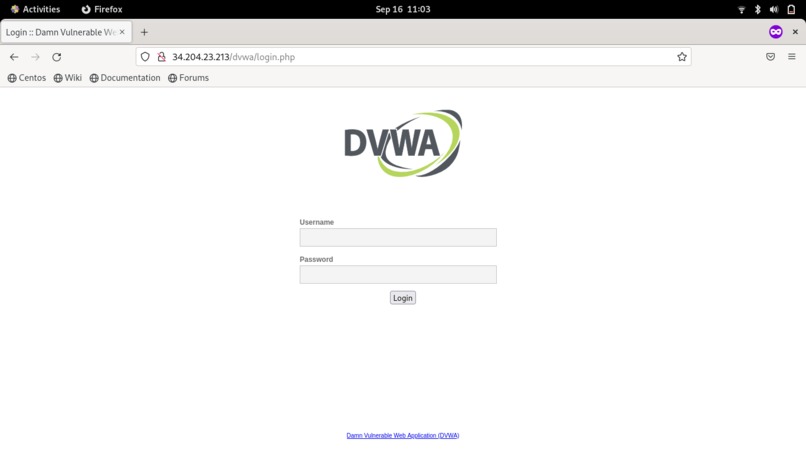
Login Page
-
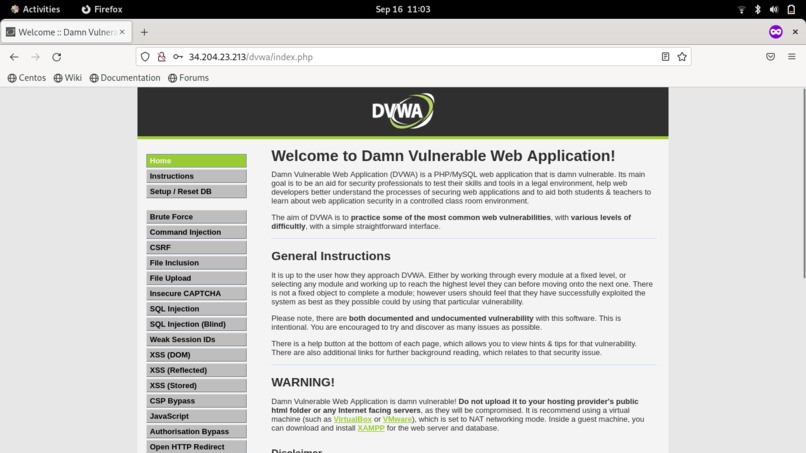
Dashboard
-
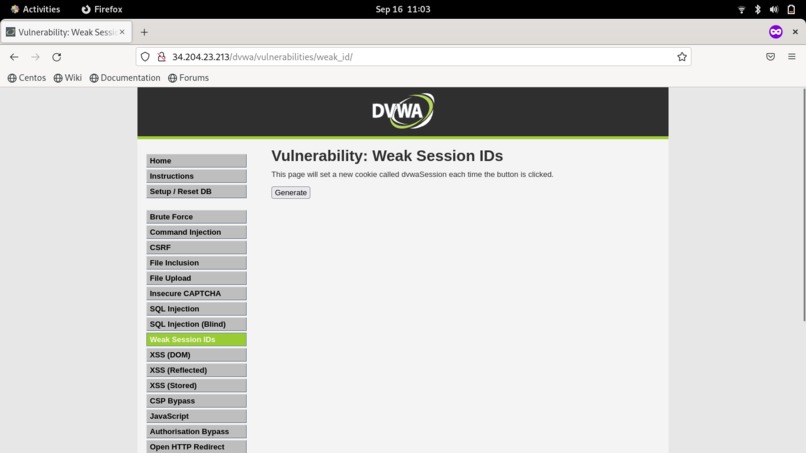
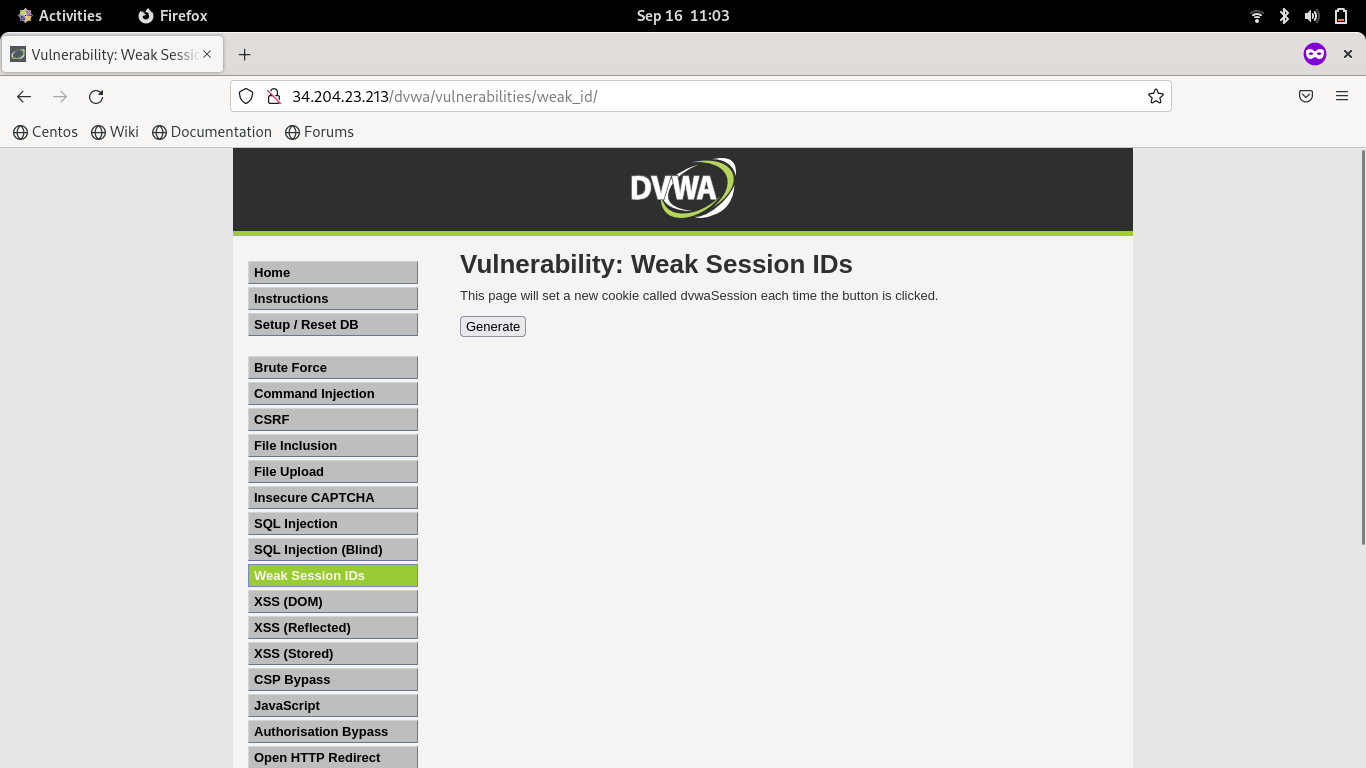
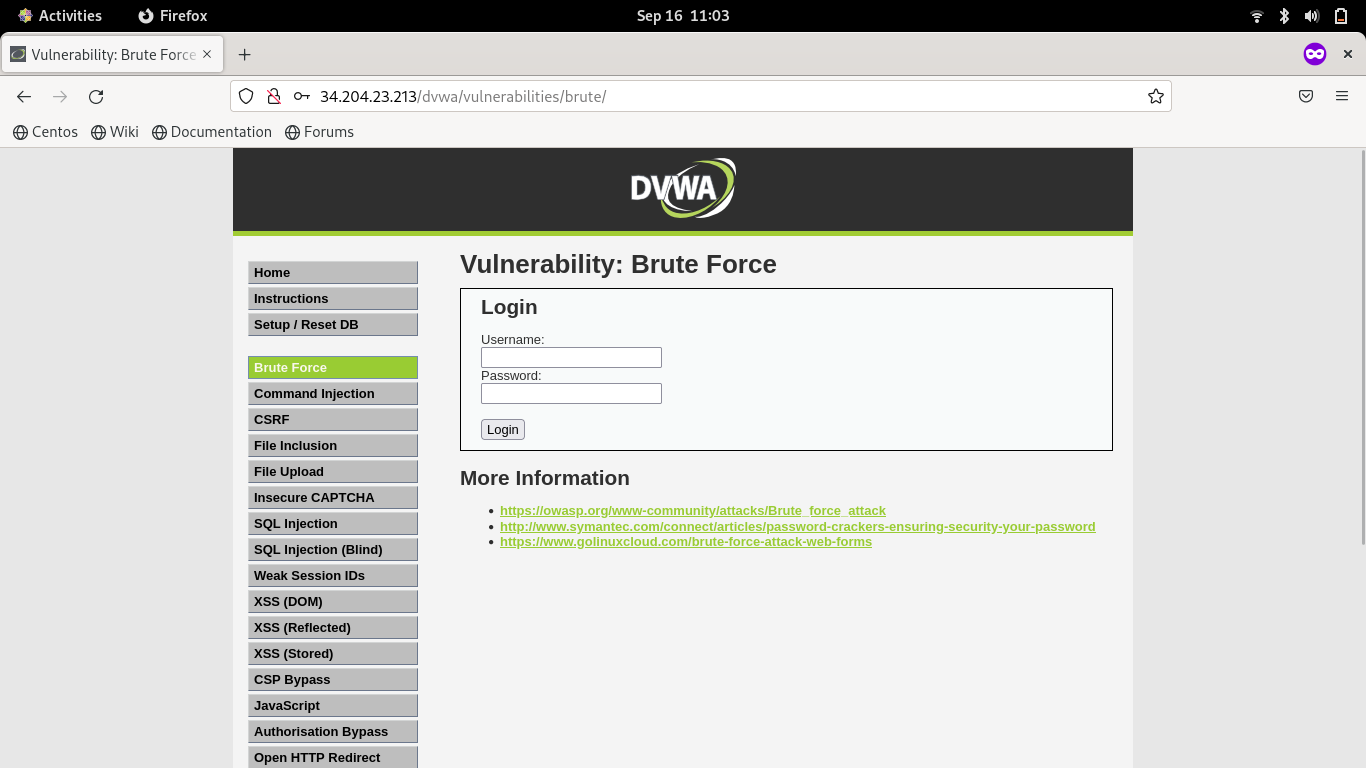
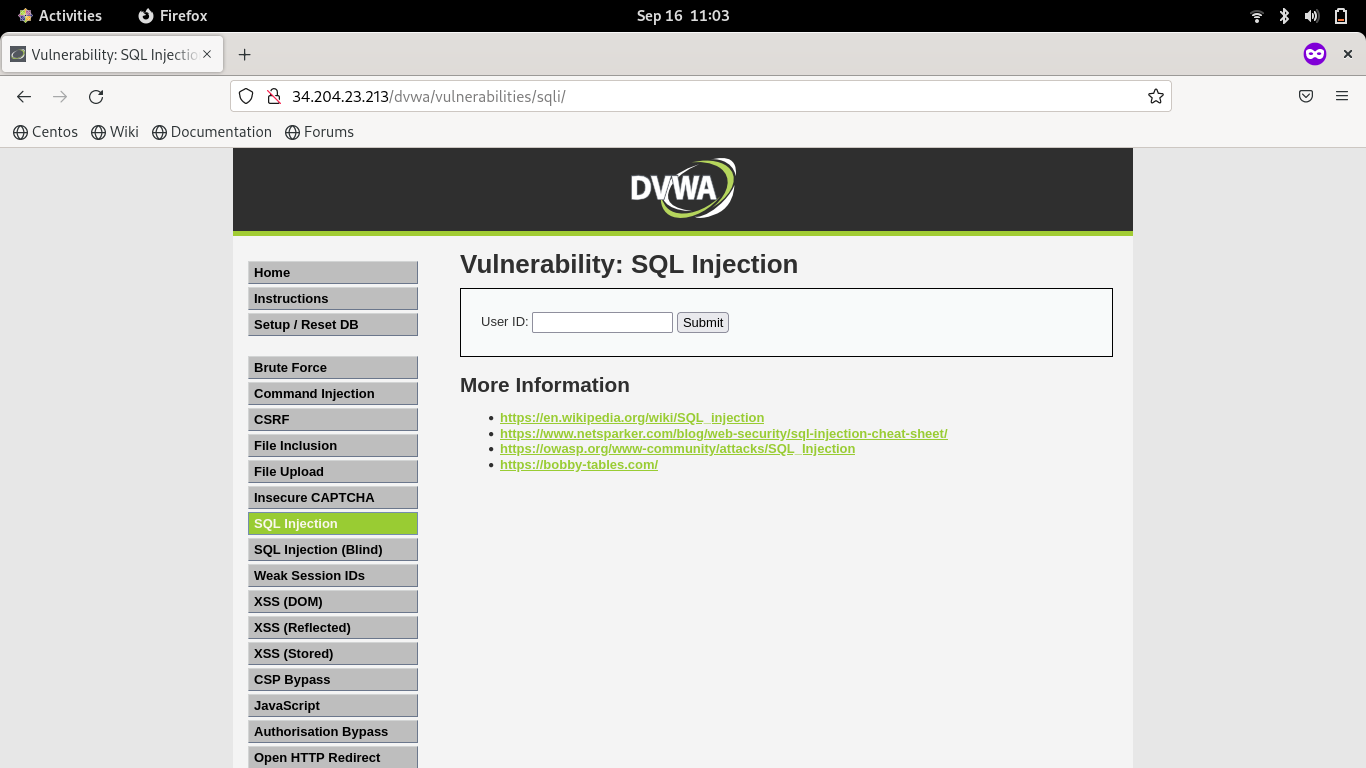
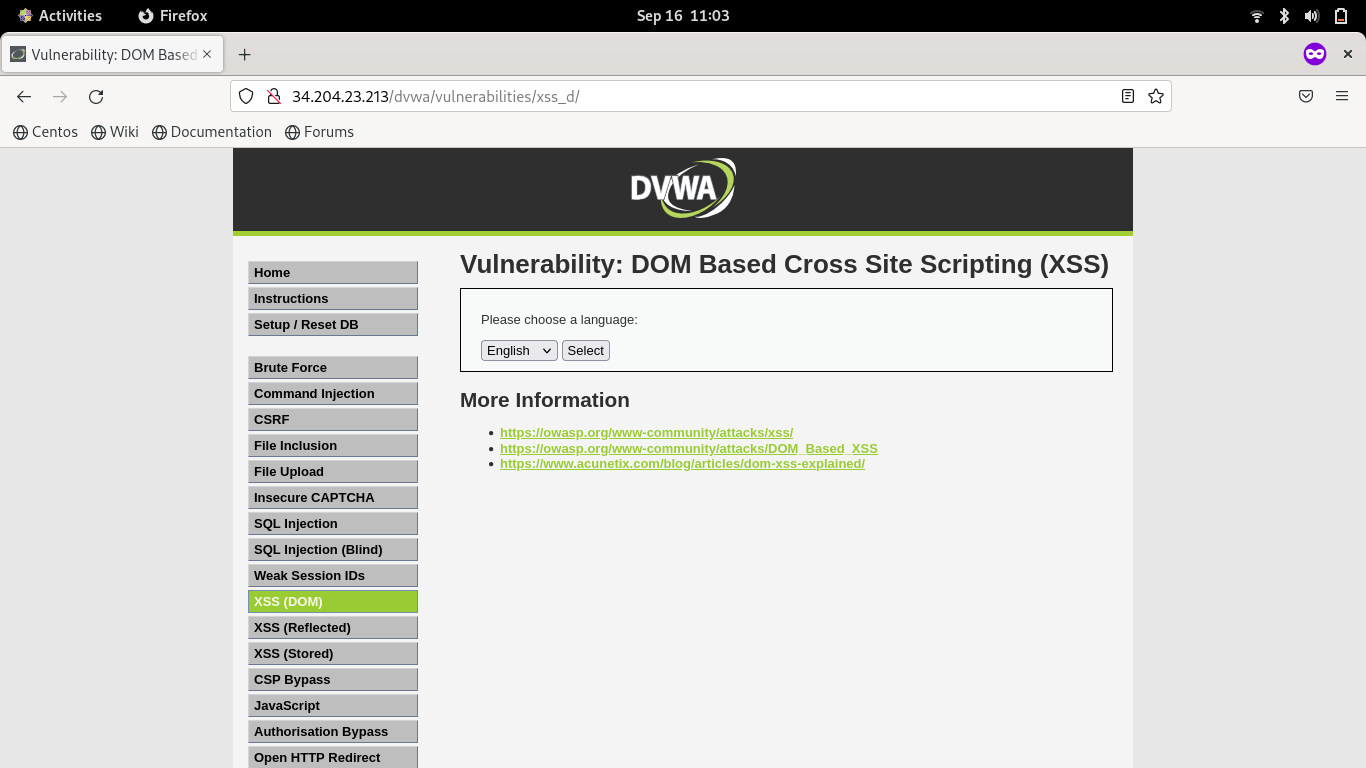
Vulnerability Assesment 3
-
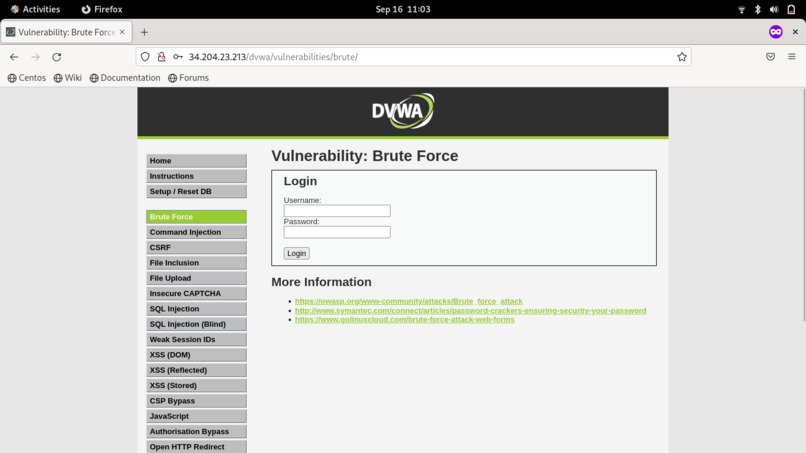
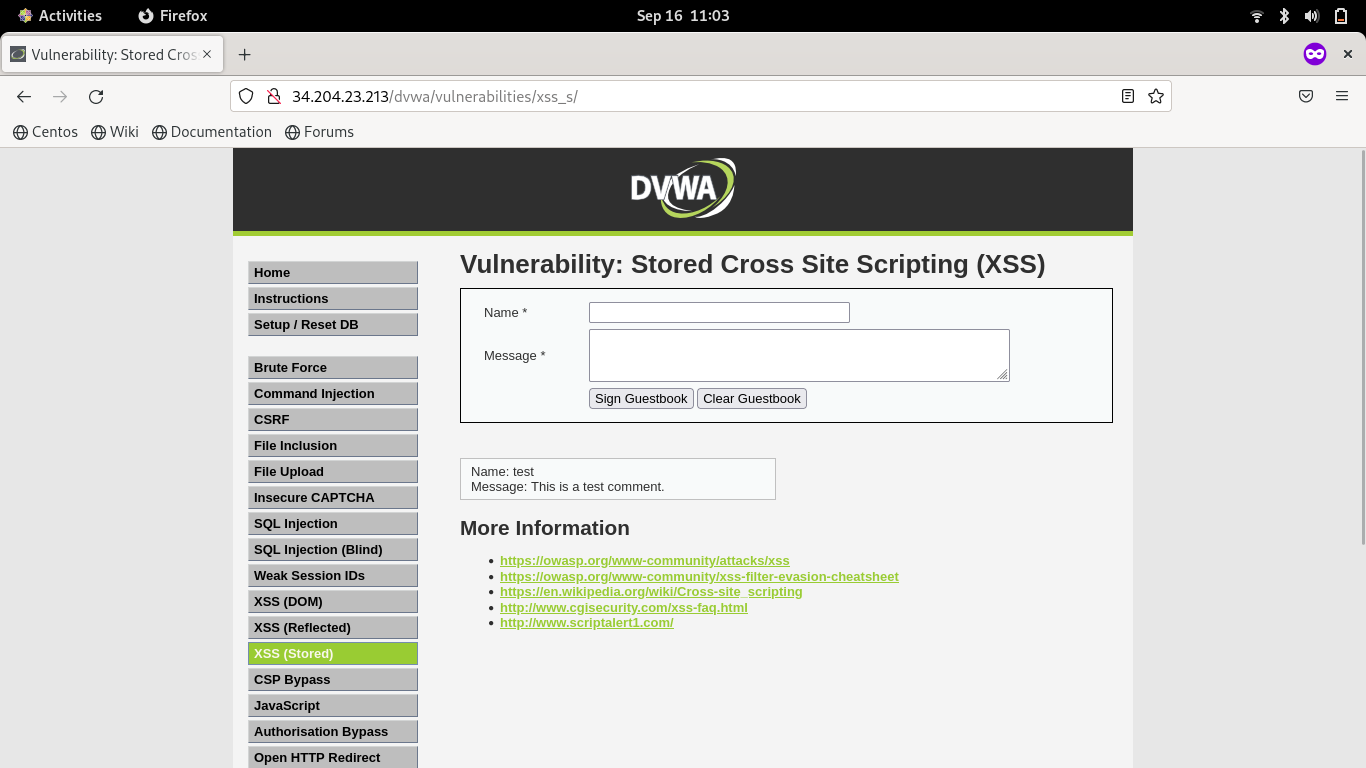
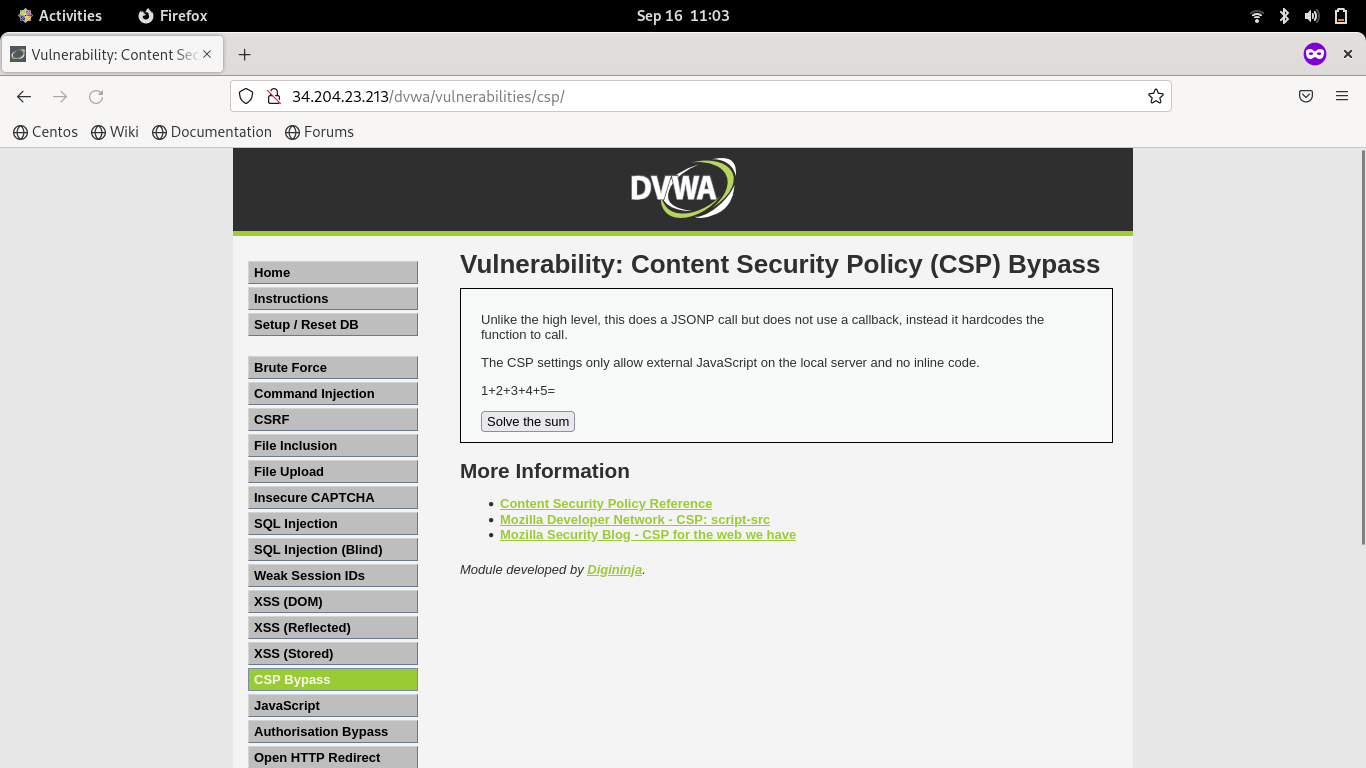
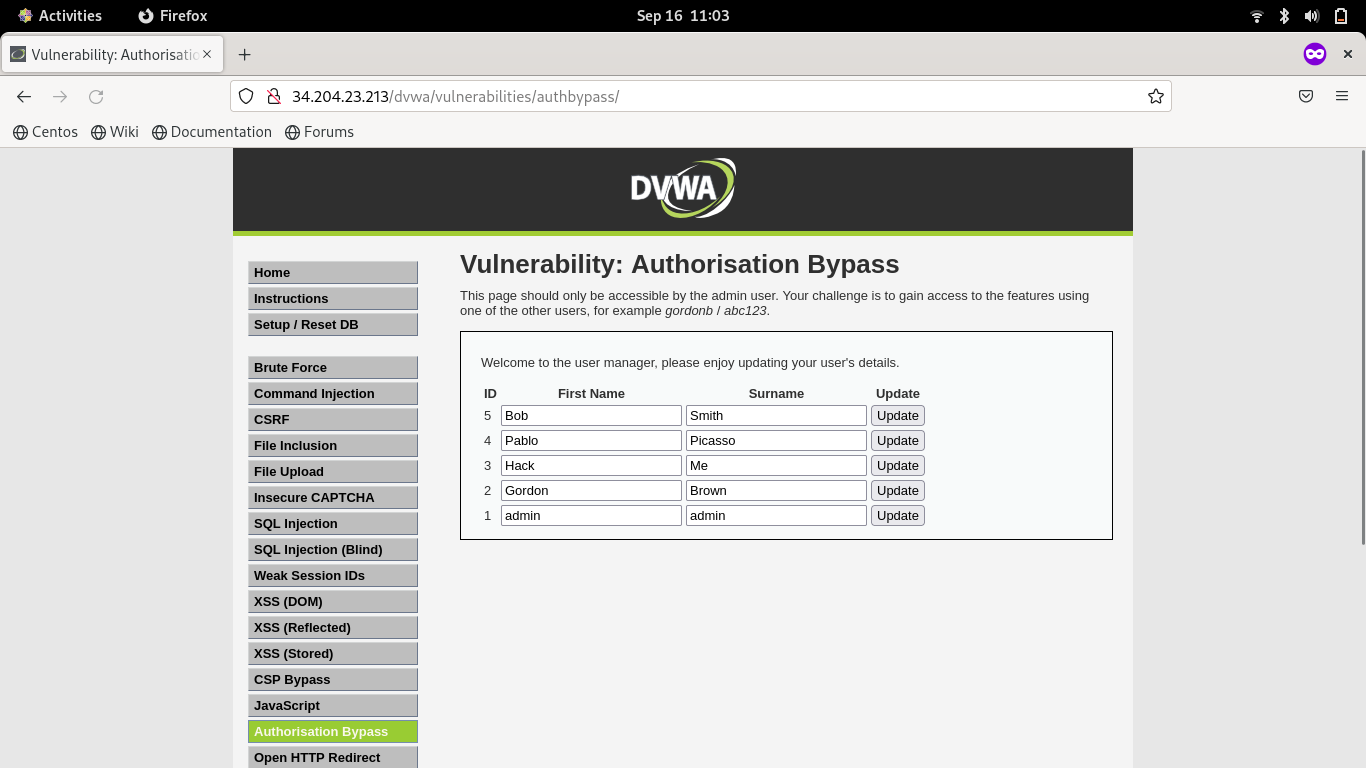
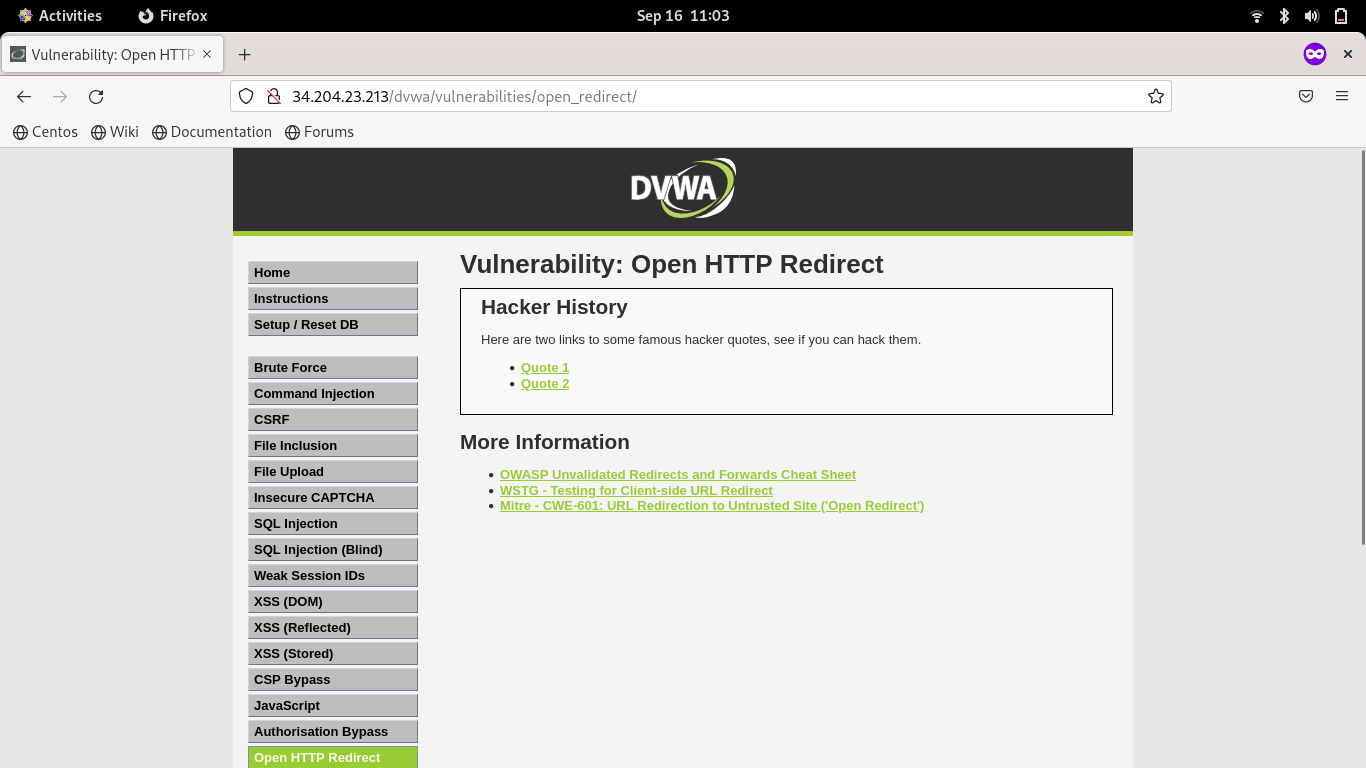
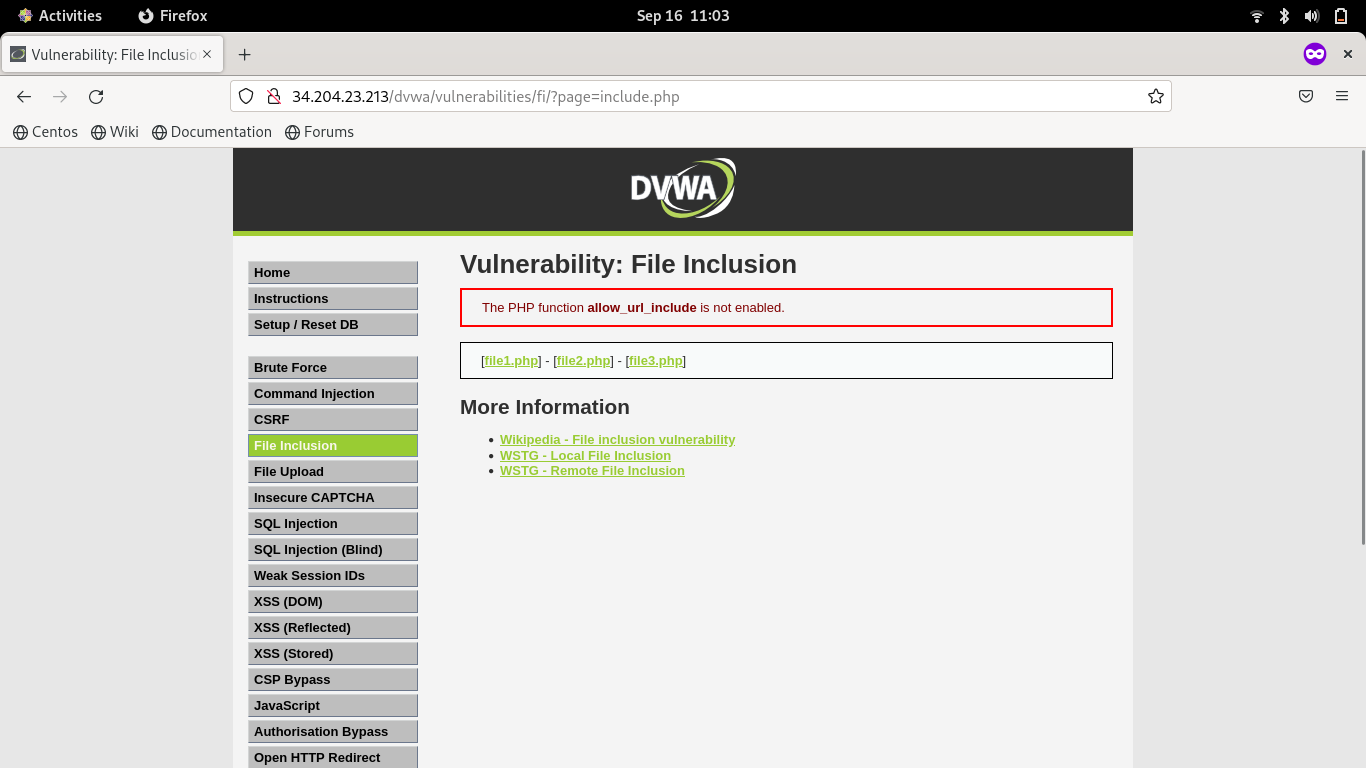
Vulnerability Assesment 1
-
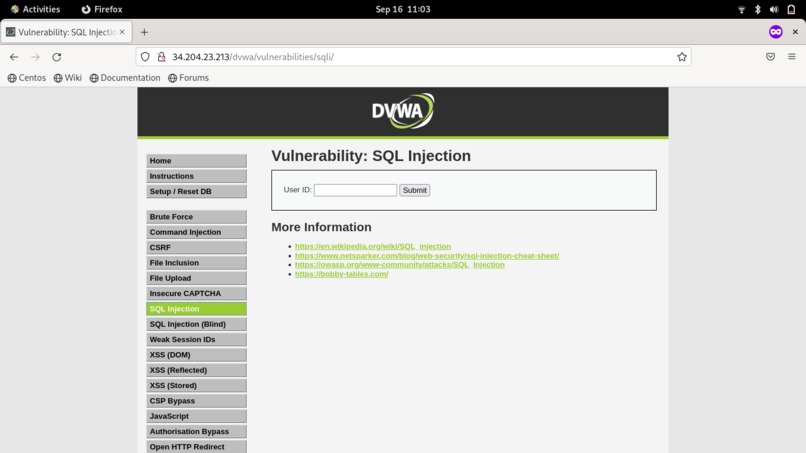
Vulnerability Assesment 2
-
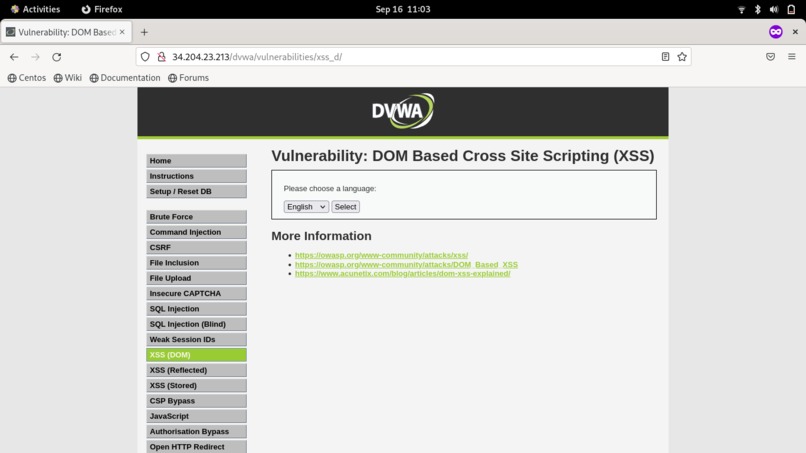
Vulnerability Assesment 4
-
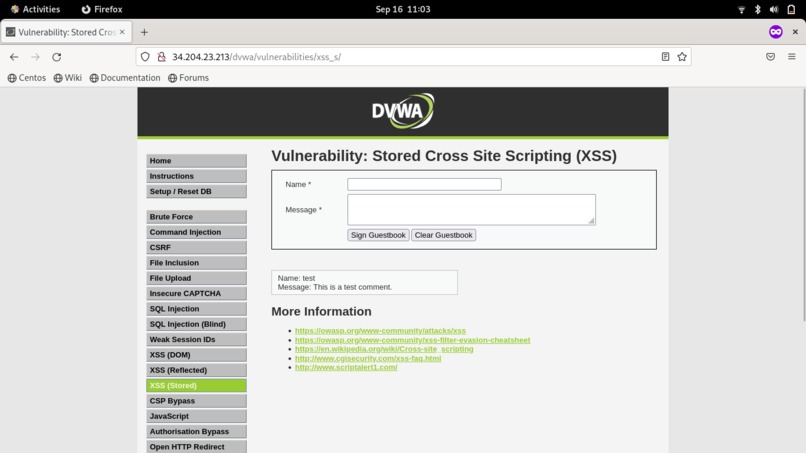
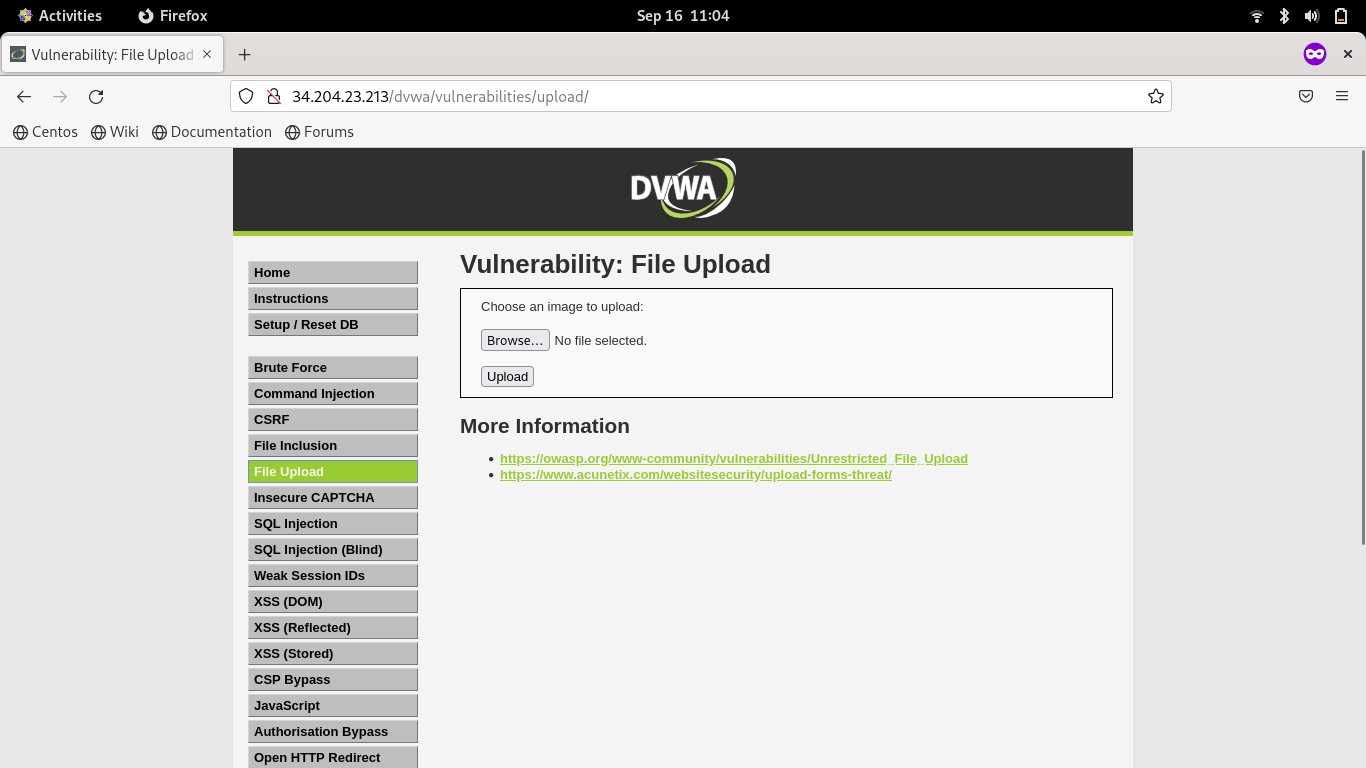
Vulnerability Assesment 5
-
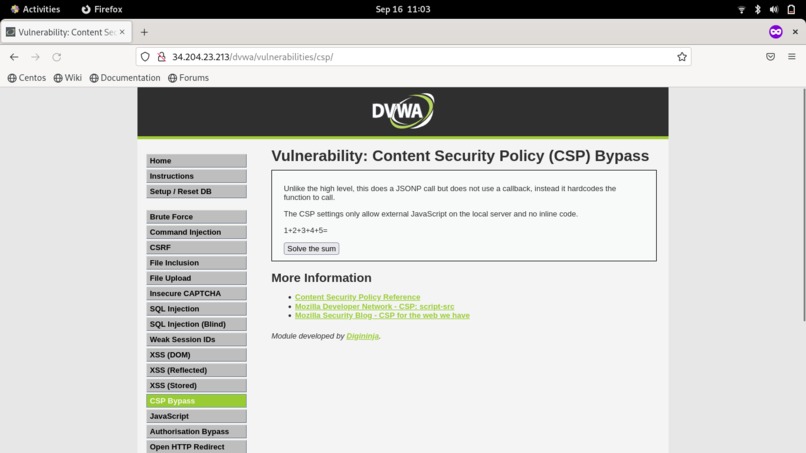
Vulnerability Assesment 6
-
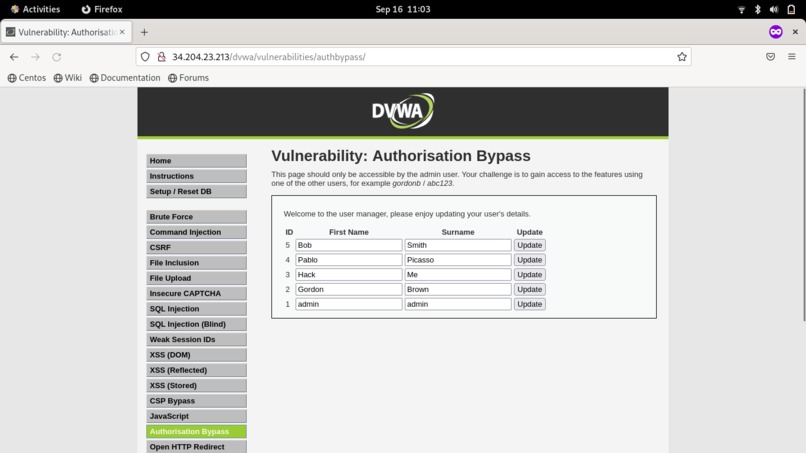
Vulnerability Assesment 7
-
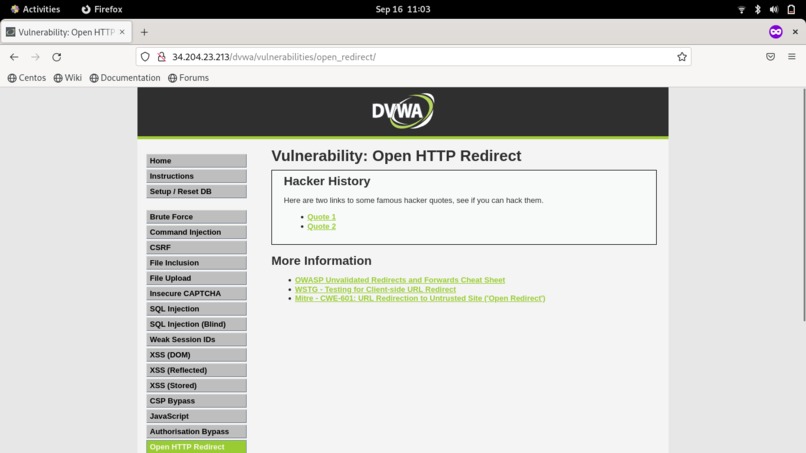
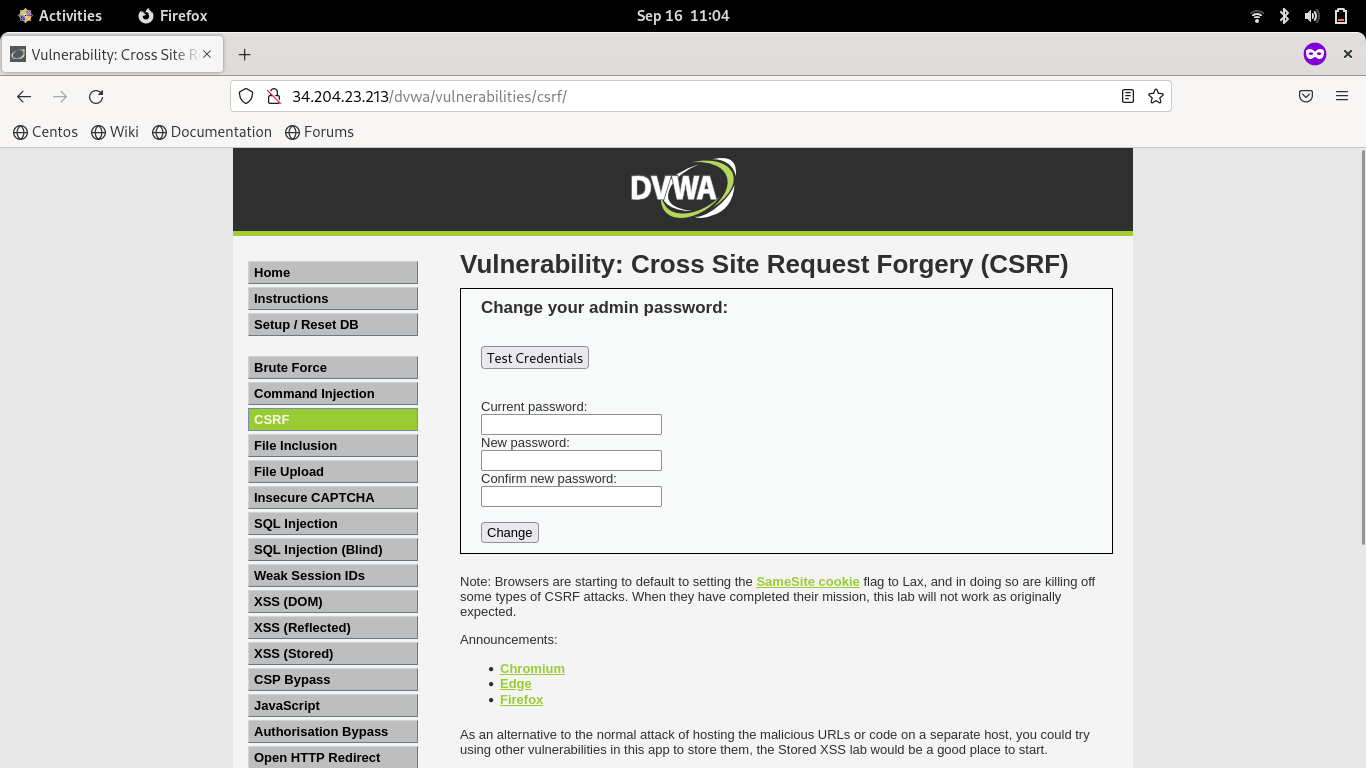
Vulnerability Assesment 8
-
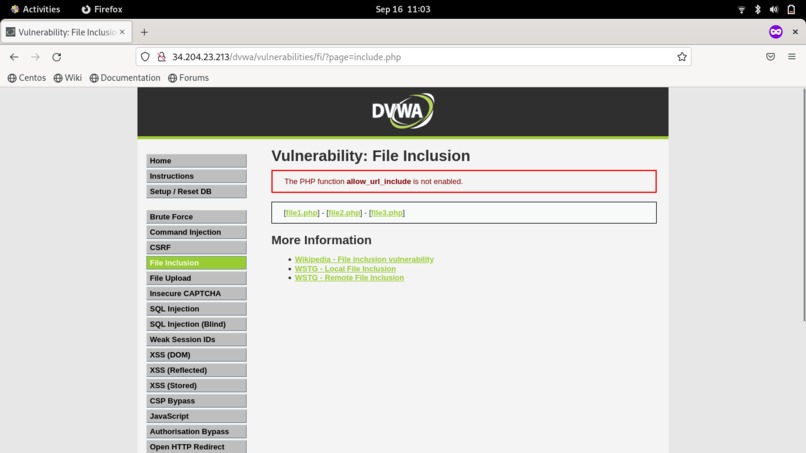
Vulnerability Assesment 9
-
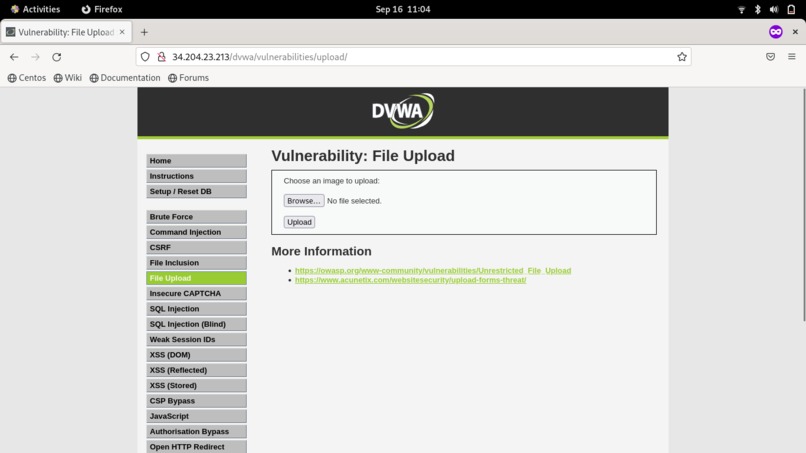
Vulnerability Assesment 10
-
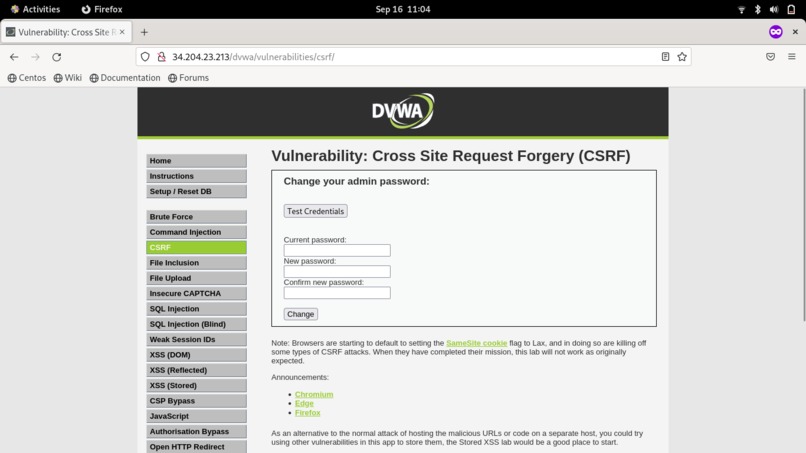
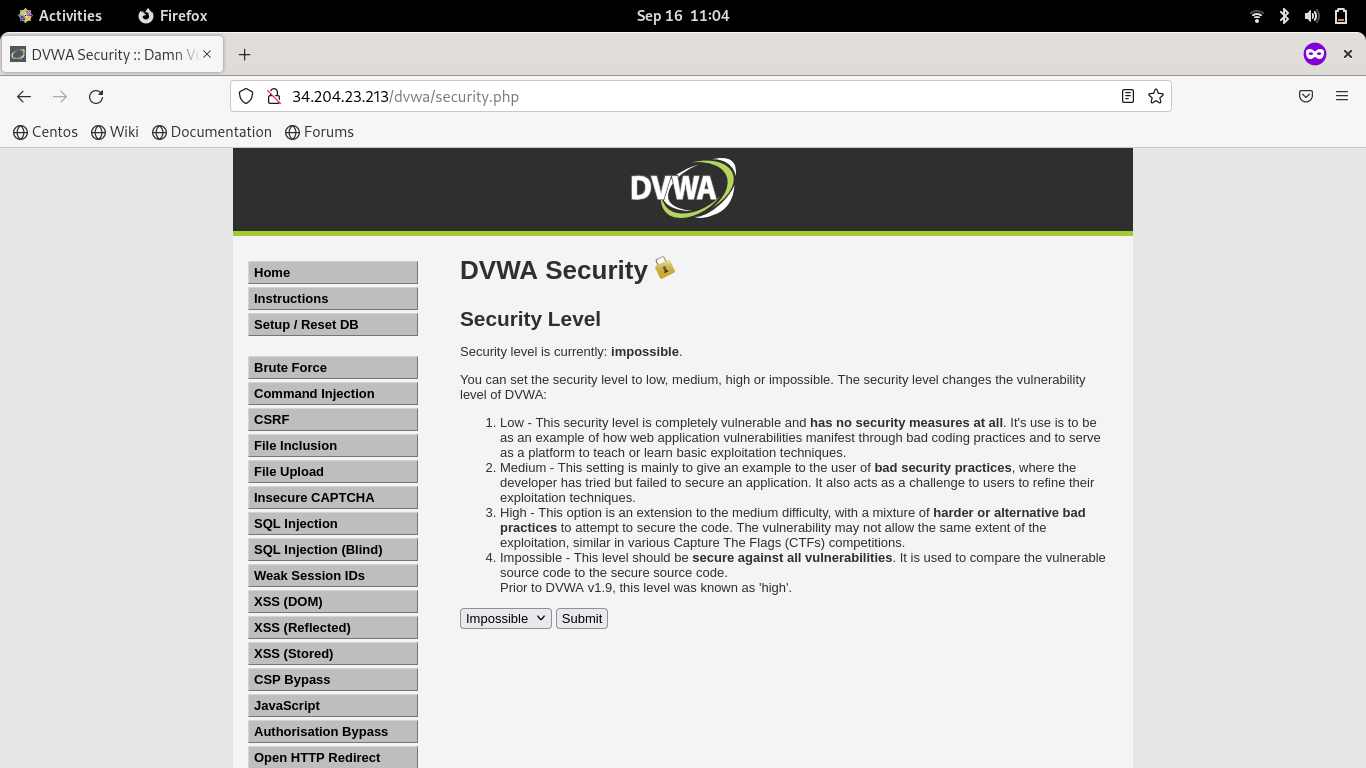
Vulnerability Assesment 11
-
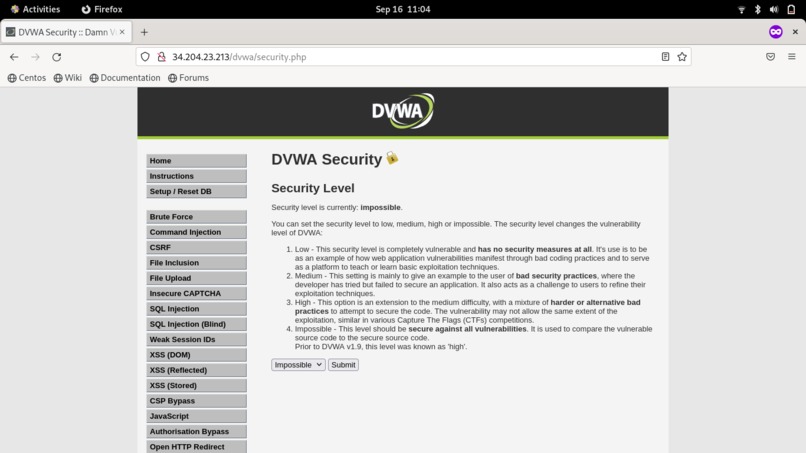
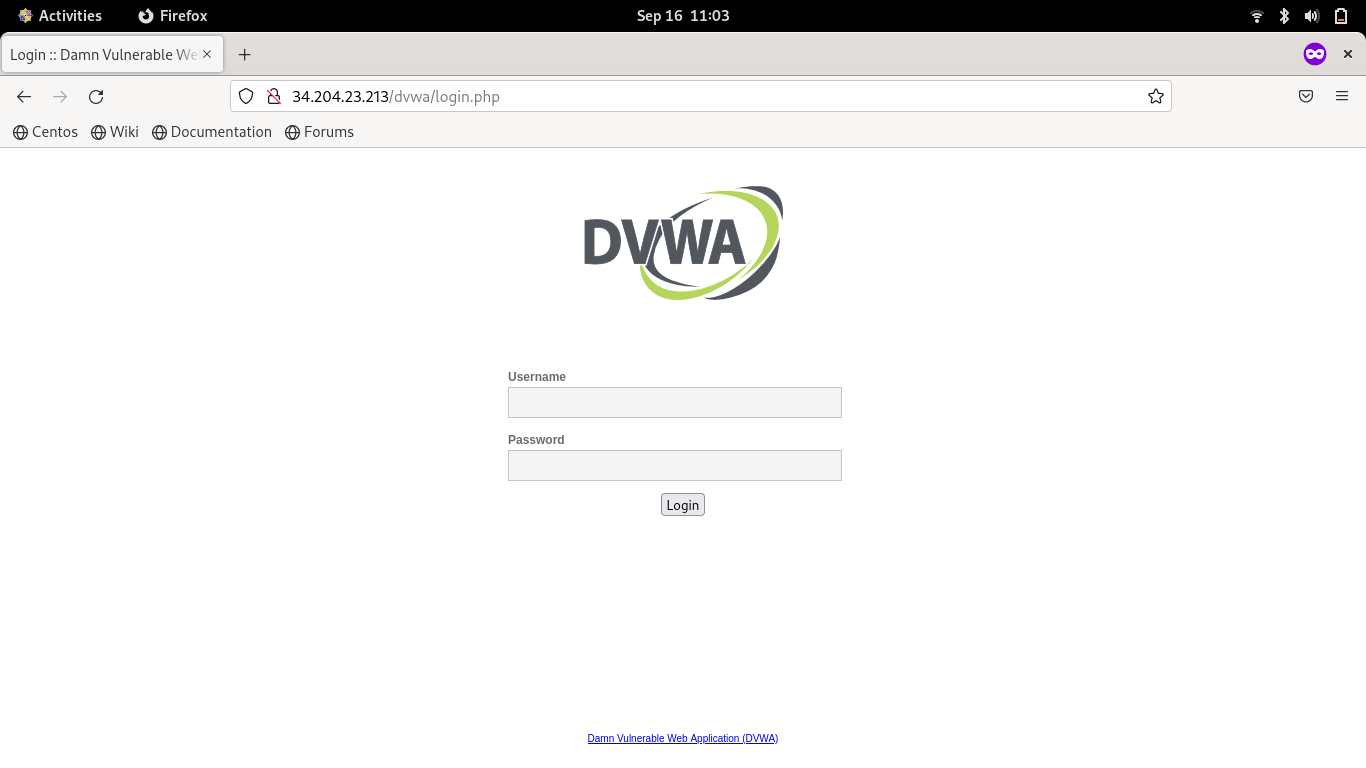
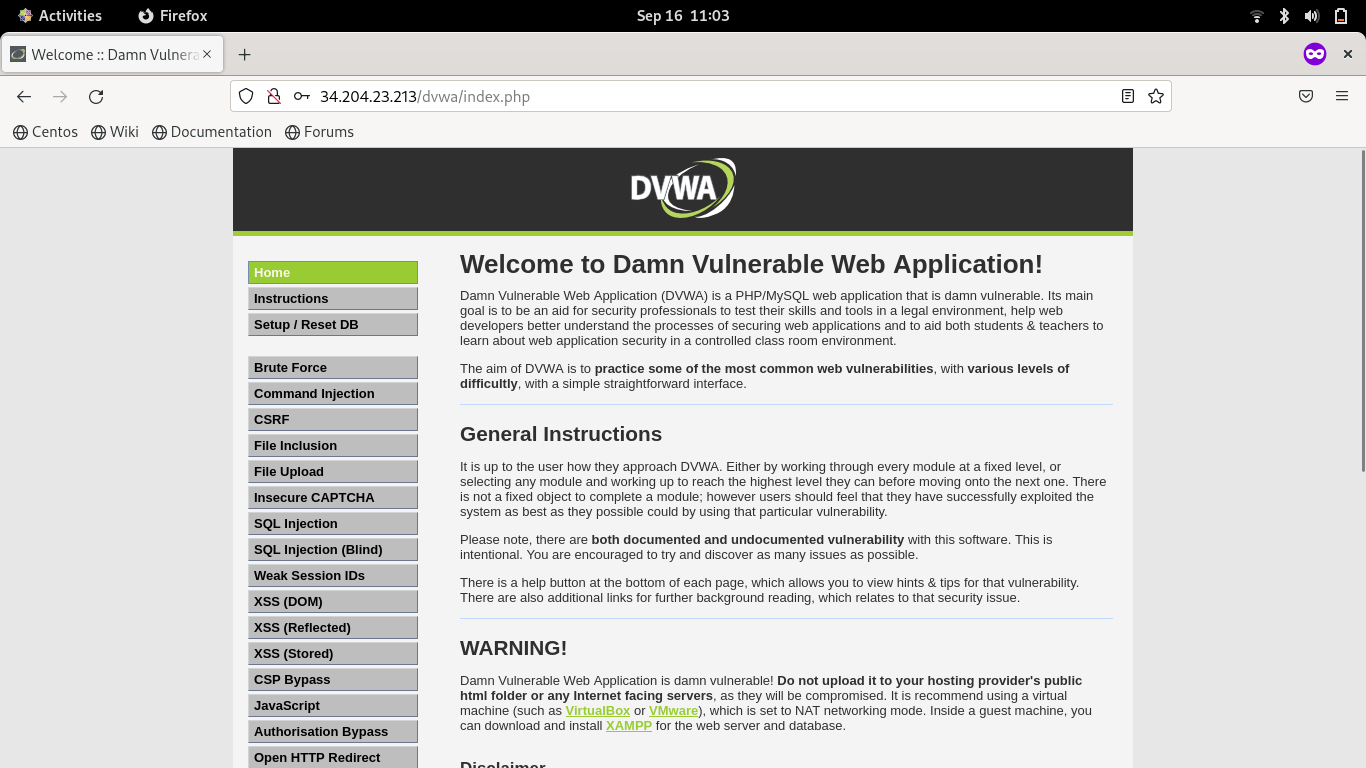
Vulnerabile Web Application Security
-
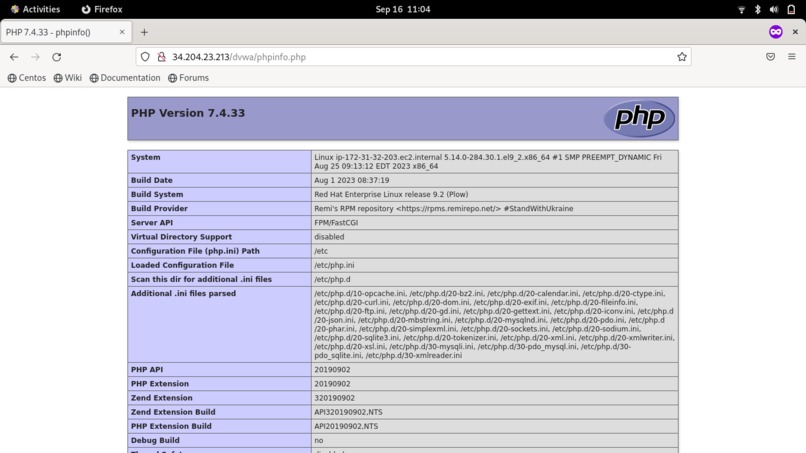
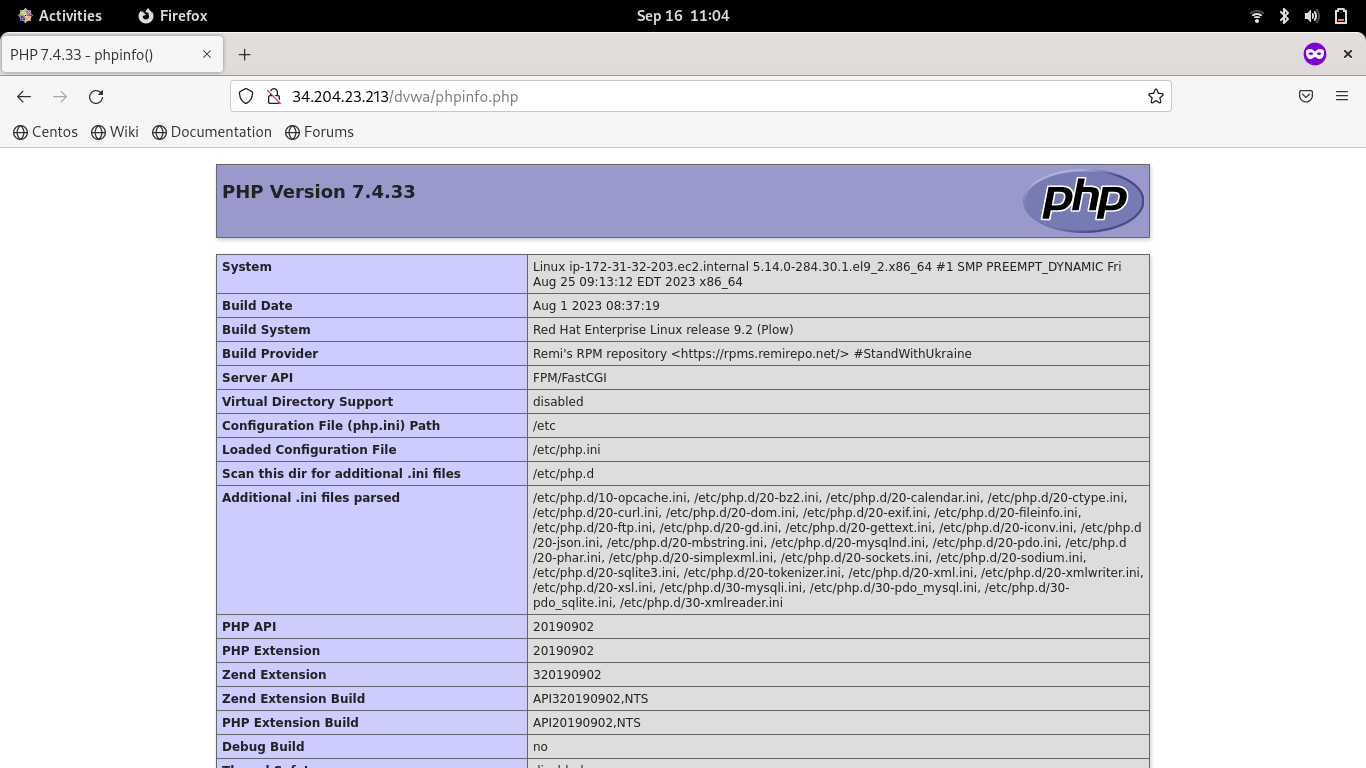
PHP Information
-
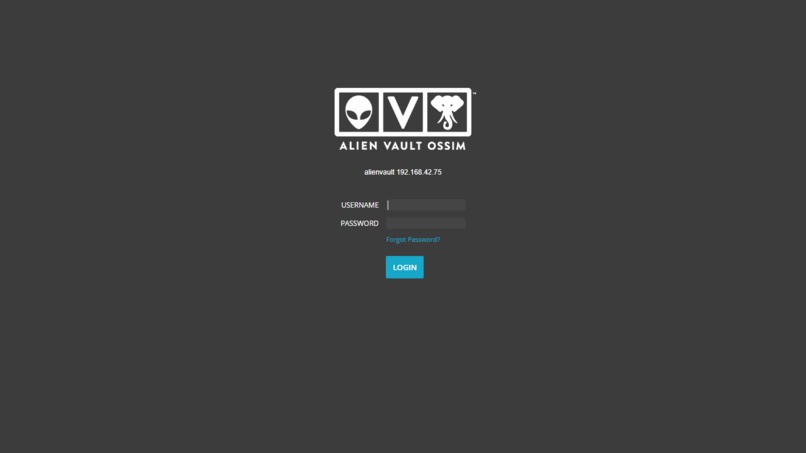
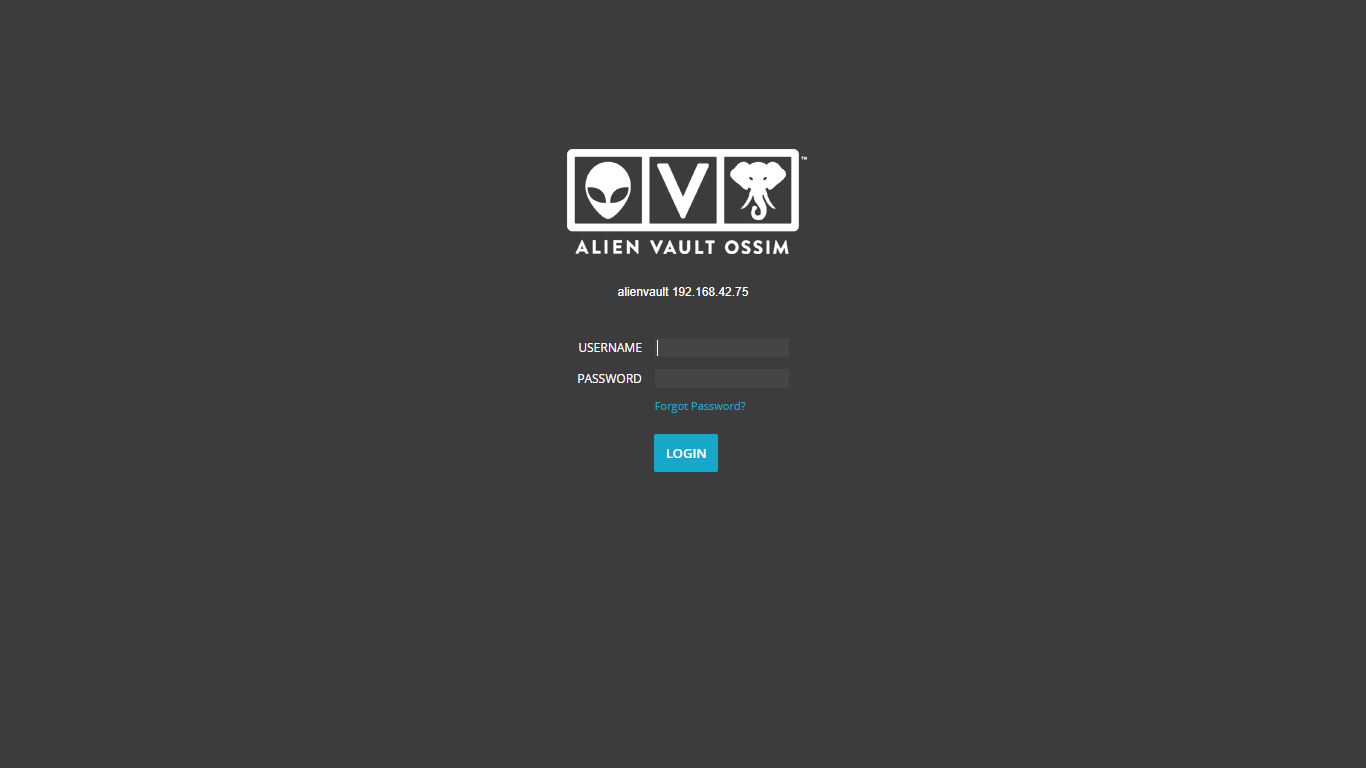
SIEM login portal
-
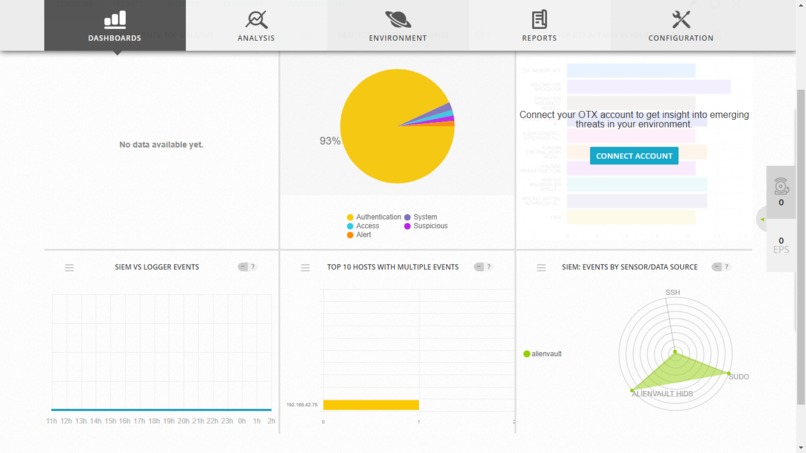
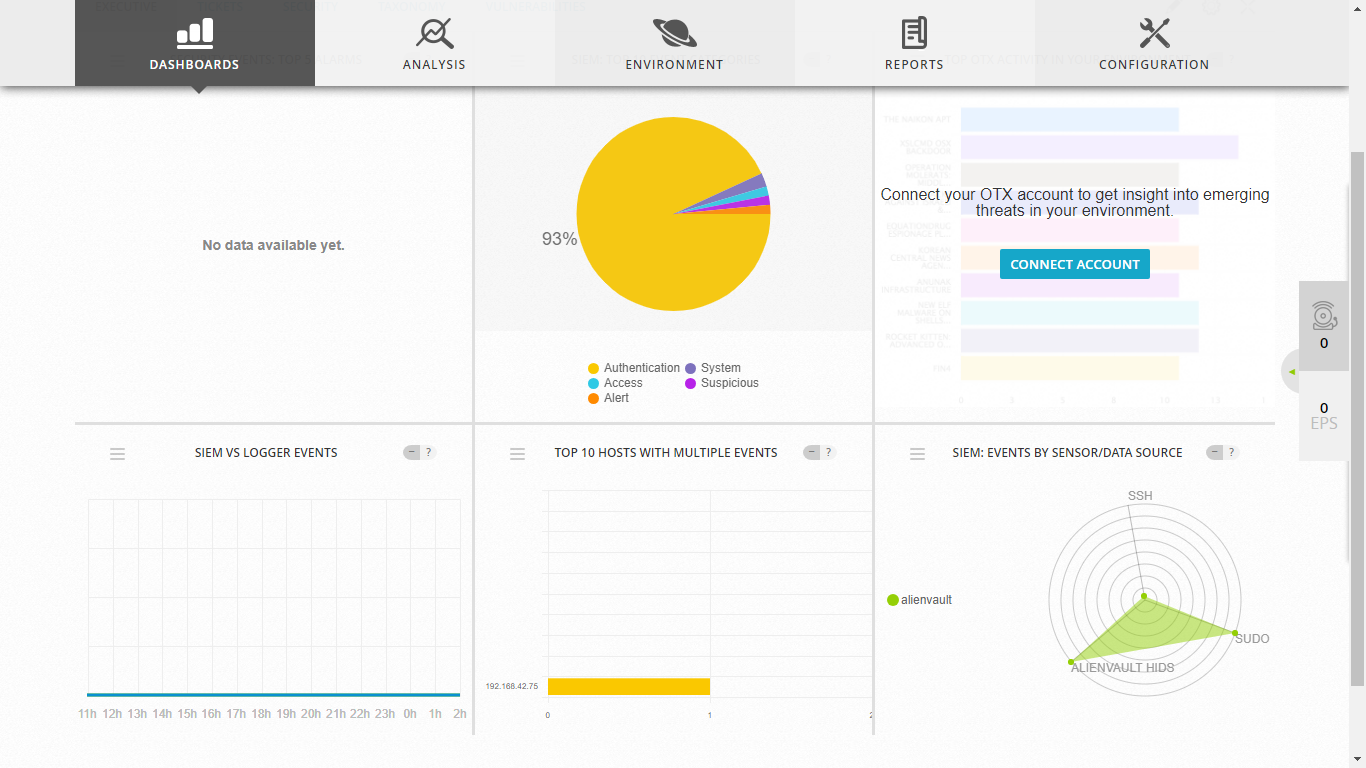
SIEM Dashboard
-
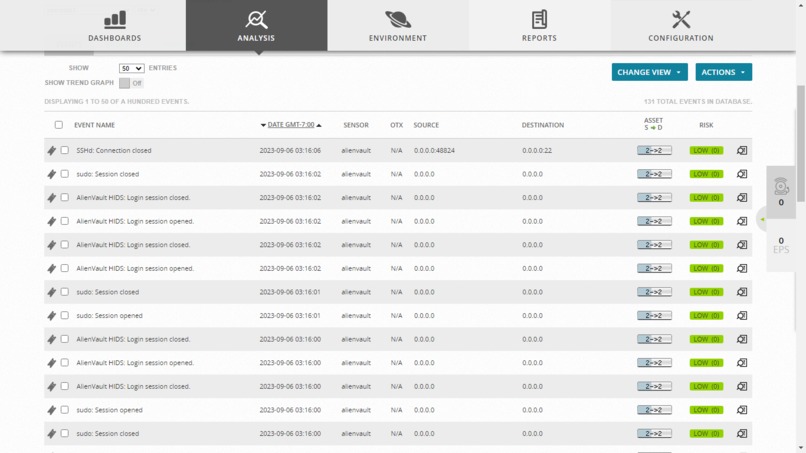
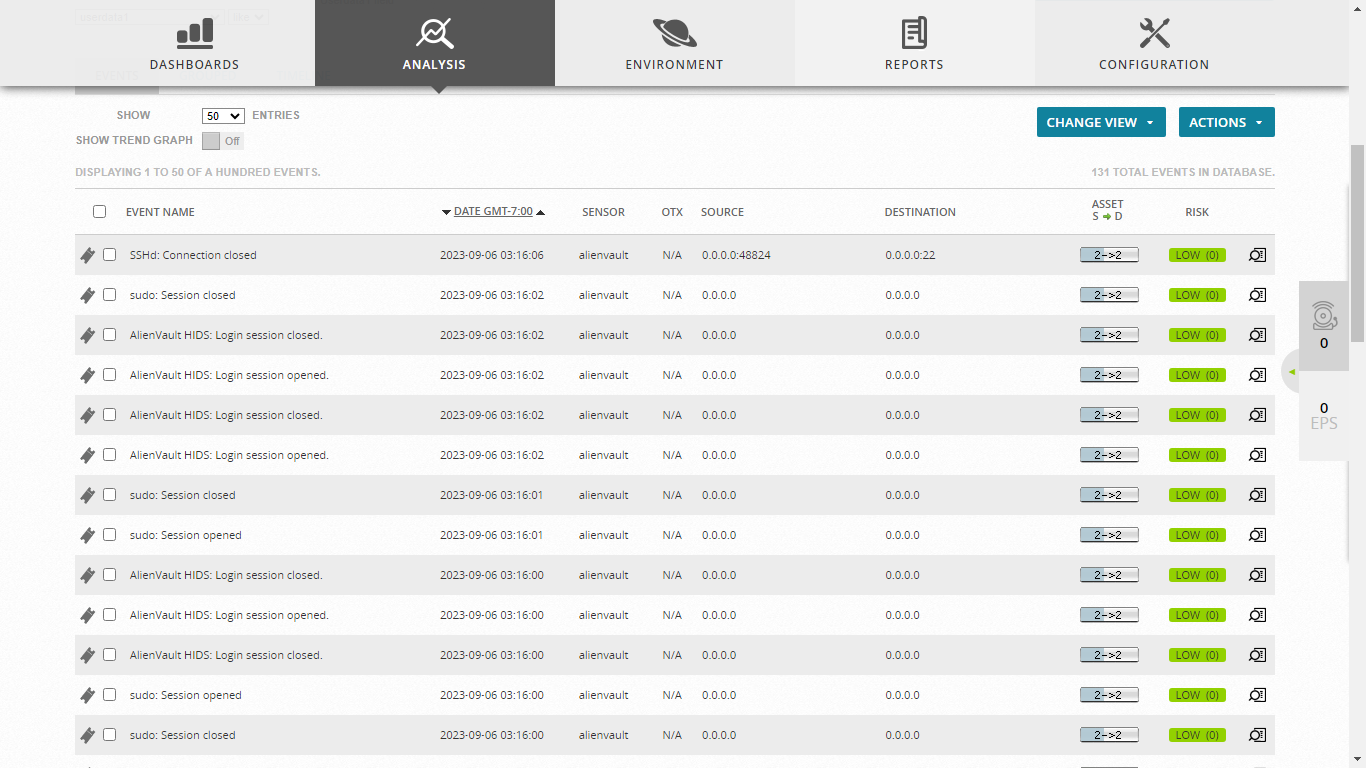
Event Management on SIEM
-
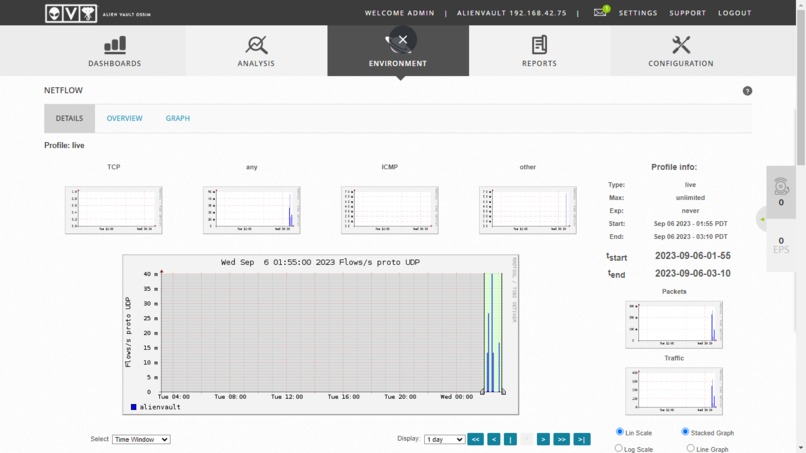
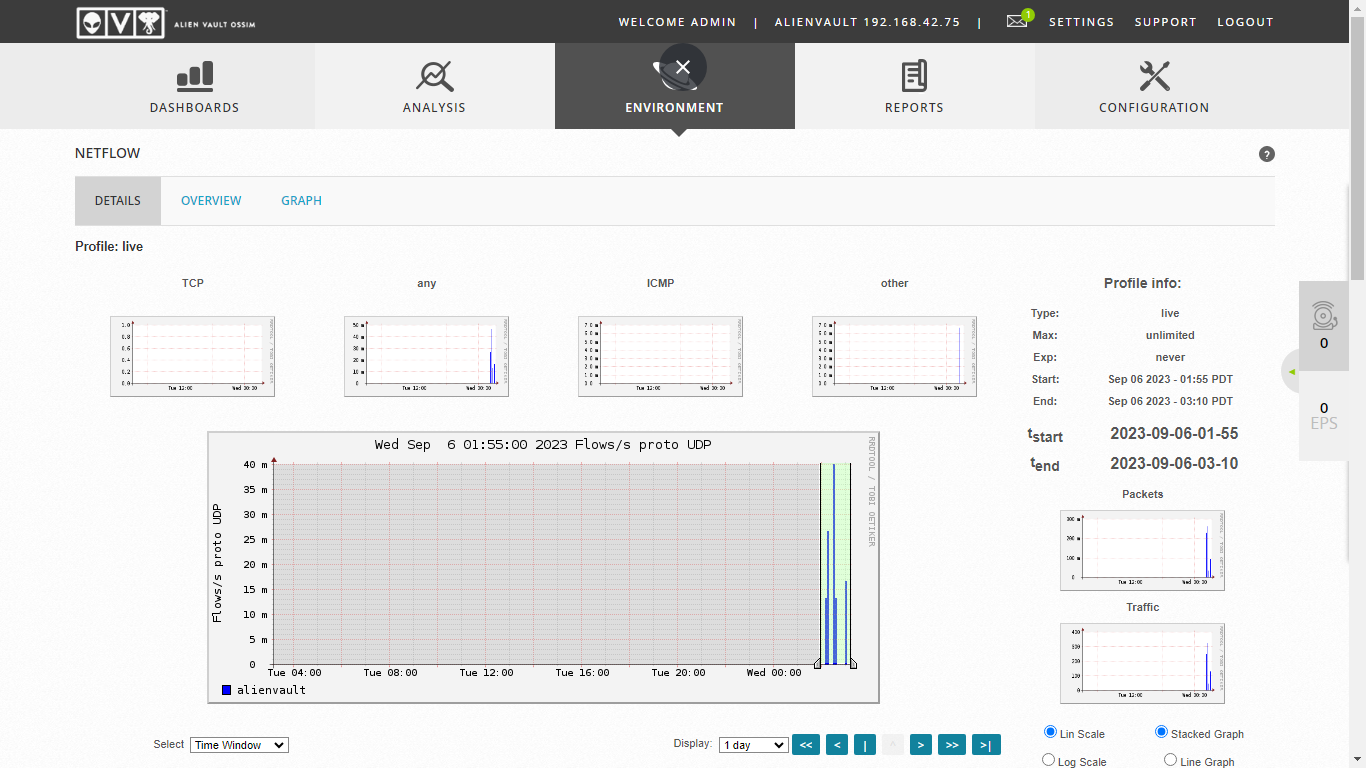
Traffic monitoring from TCP/UDP on SIEM
-
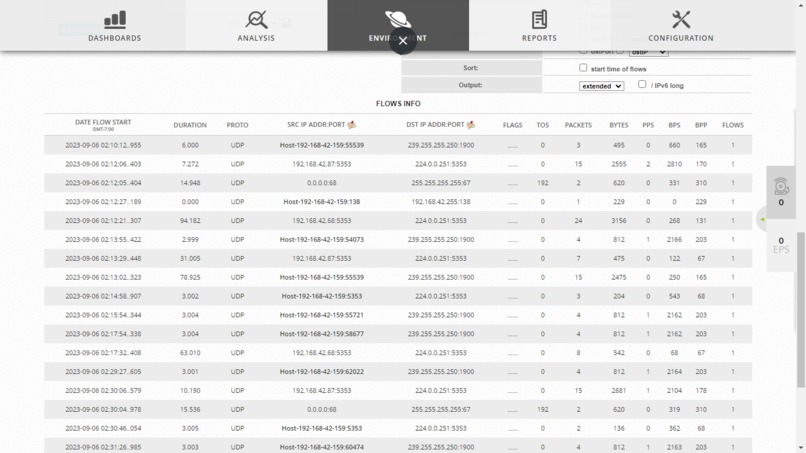
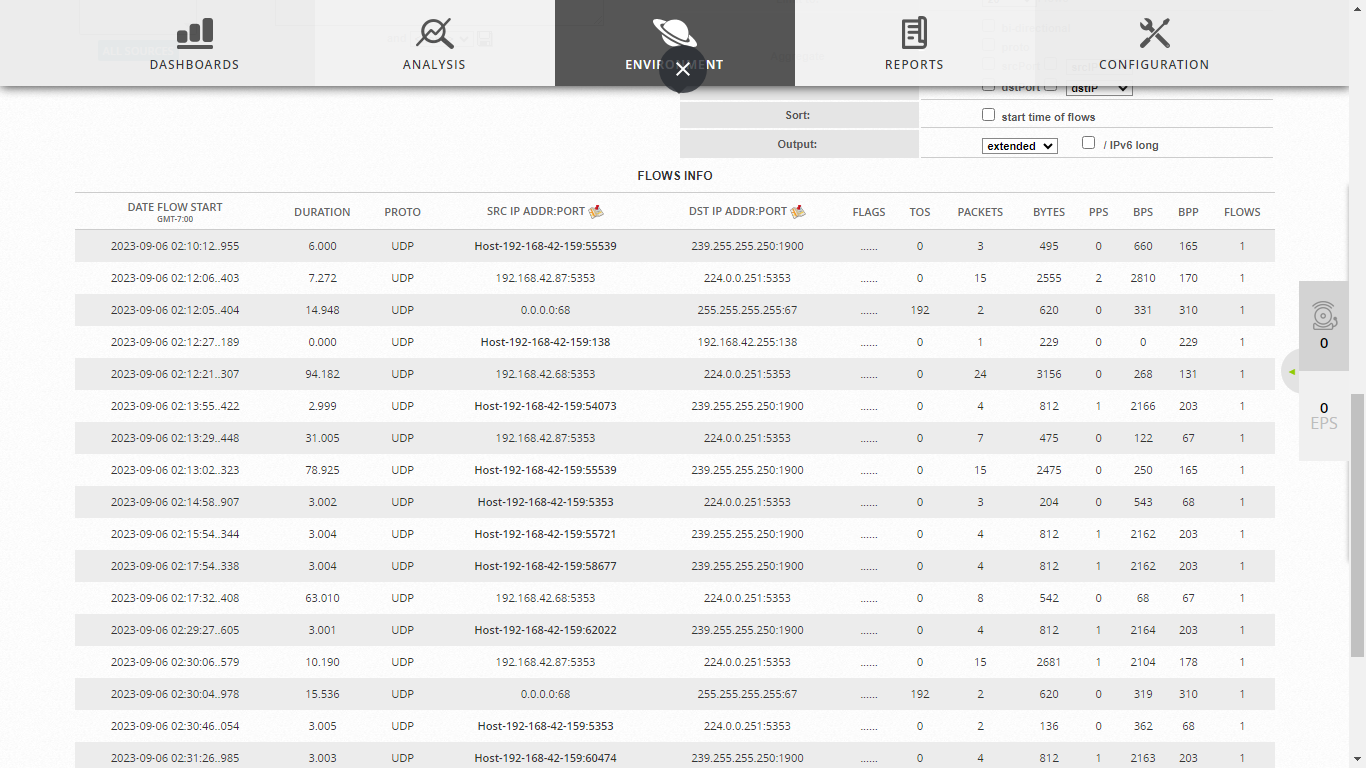
Logs of WAF integrated with SIEM
-
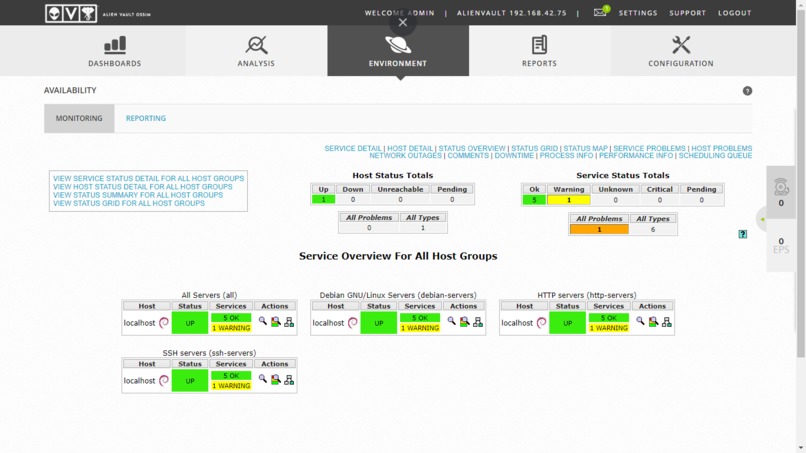
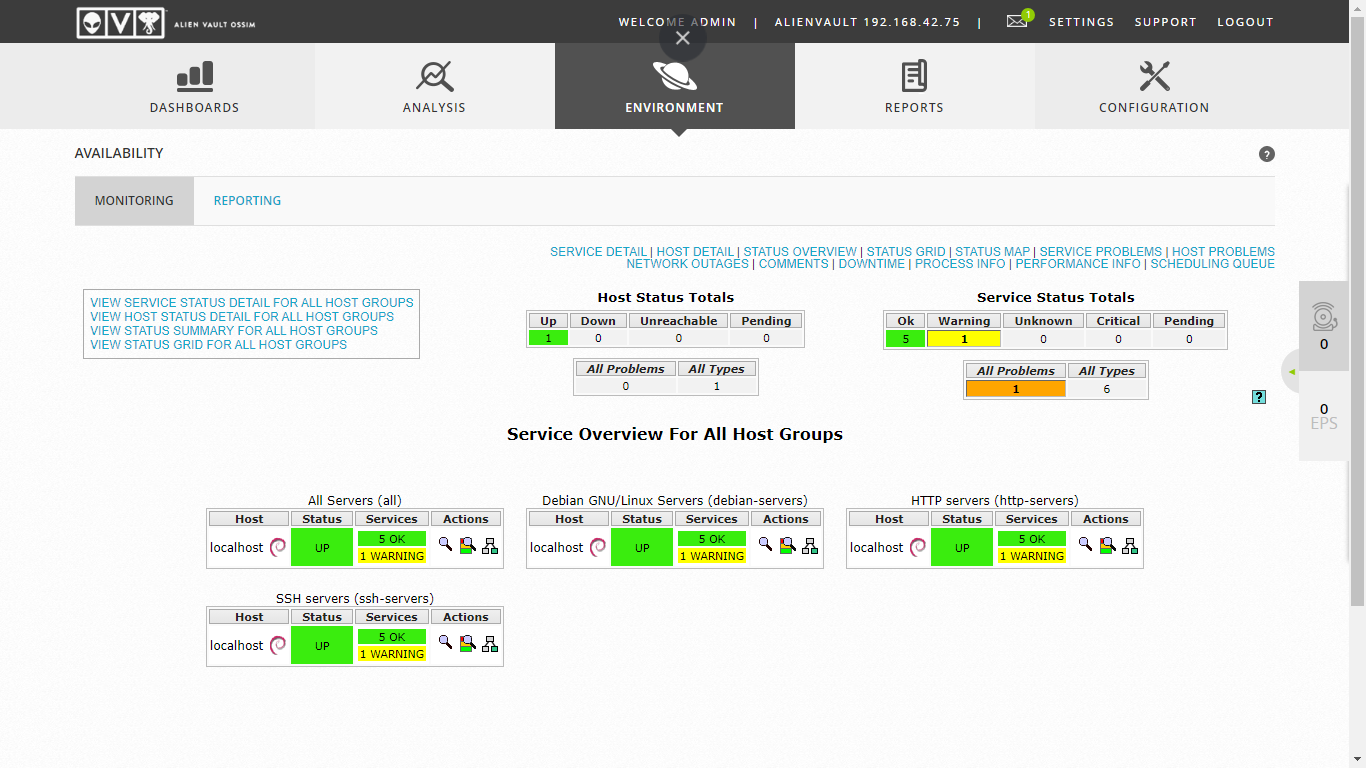
Active Ports on SIEM
-
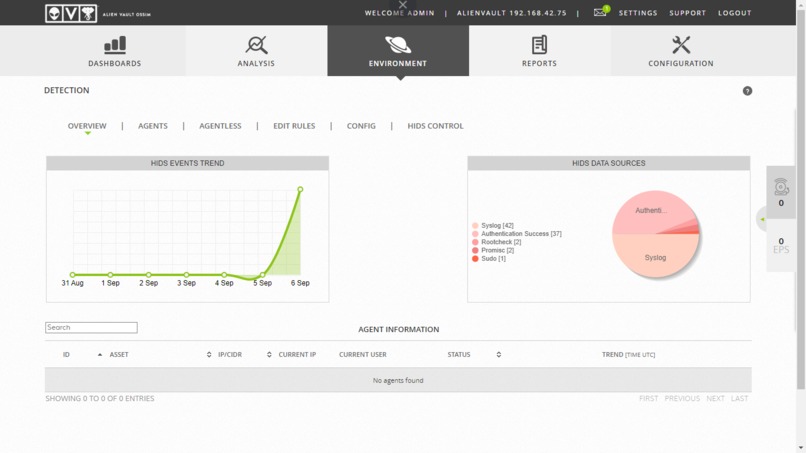
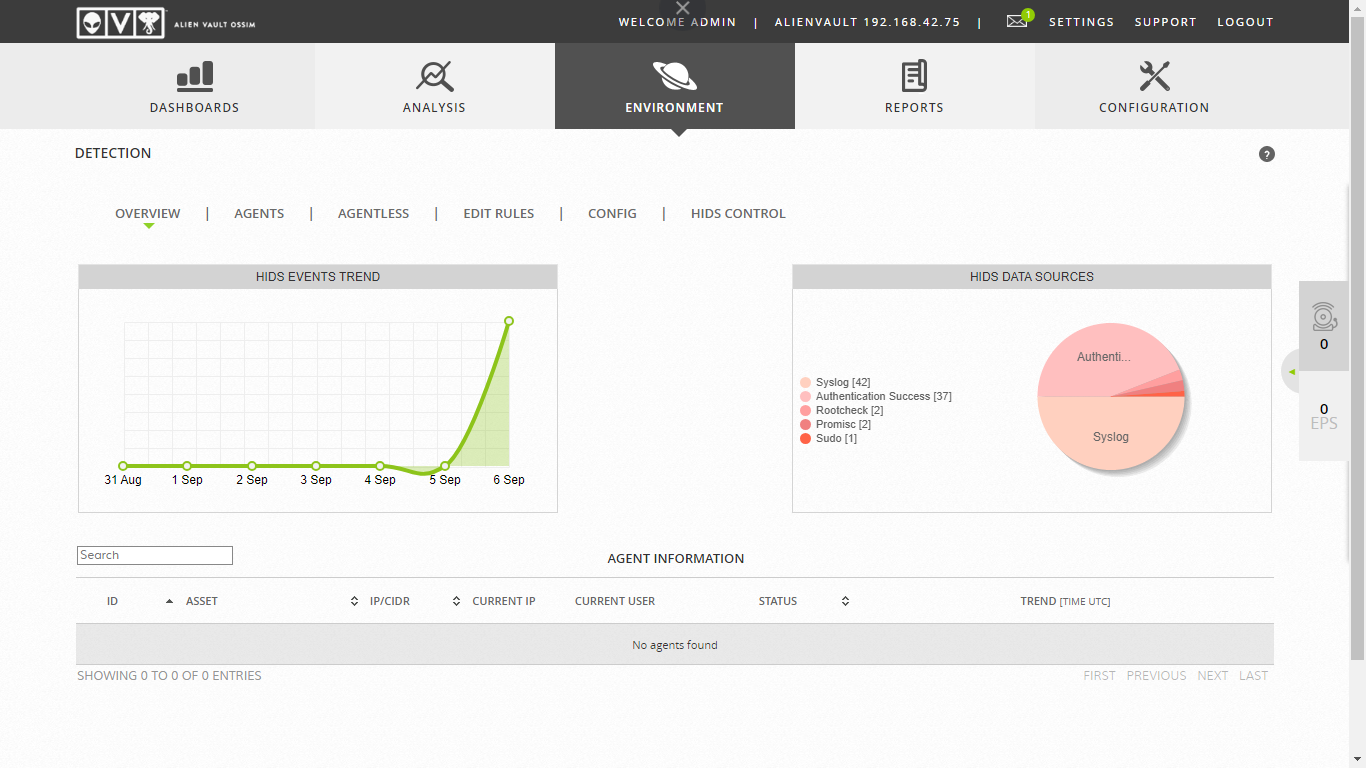
Detection representation on SIEM
The inspiration for this project stemmed from the ever-growing importance of web
security in today's digital landscape. With the proliferation of online services and the increasing sophistication of cyber threats, it became evident that a proactive defense mechanism was crucial.
It acts as a shield for web applications, intercepting and filtering incoming traffic. It uses a
set of rules and policies to identify and block malicious requests, thereby safeguarding against a wide range of attacks. It is specifically configured to recognize and respond to the most critical web application vulnerabilities identified by OWASP. This includes common issues like SQL injection, cross-site scripting (XSS), and others, providing a robust defense against these known threats.
To set up and configure a Web Application Firewall (WAF) to detect the OWASP Top Ten
vulnerabilities and integrate it with OSSIM (Open Source Security Information and Event Management), begin by selecting a WAF solution compatible with OWASP detection and install it on your web server. Configure the WAF rules to focus on the OWASP Top Ten vulnerabilities, and conduct thorough testing to ensure its effectiveness. Next, install and set up OSSIM, then integrate it with the WAF by configuring log forwarding or using integration plugins. Define the WAF as an event source in OSSIM and set up correlation rules to analyze the logs. Customize alarms and notifications to receive alerts for suspicious activity. Regularly monitor and fine-tune the system, and implement security policies based on the gathered insights. Keep both the WAF and OSSIM updated, and document the entire configuration for future reference and troubleshooting.
The challenges encountered during the setup and integration of the Web Application
Firewall (WAF) to detect OWASP Top Ten vulnerabilities and its integration with OSSIM included ensuring compatibility between the chosen WAF solution, web server, and OSSIM platform. Fine-tuning the WAF rulesets to effectively detect OWASP vulnerabilities while minimizing false positives proved to be a delicate task. Additionally, configuring seamless log integration between the WAF and OSSIM, as well as accurately defining correlation rules within OSSIM, required careful troubleshooting. Resource allocation for optimal performance, thorough testing, policy definition, and documentation for future maintenance were also significant challenges that were addressed during the process.## Accomplishments that we're proud of
The process of setting up and integrating a Web Application Firewall (WAF) to detect
OWASP Top Ten vulnerabilities and linking it with OSSIM provided several key learnings. We gained a deeper understanding of the intricacies involved in configuring WAF rulesets to effectively target specific vulnerabilities while minimizing false positives. Additionally, we honed our skills in log integration, troubleshooting compatibility issues, and defining accurate correlation rules within OSSIM. It became evident that regular monitoring and fine-tuning are essential for maintaining an effective security infrastructure. Moreover, documentation emerged as a critical aspect, underscoring the importance of comprehensive records for future reference and troubleshooting. Overall, this project reinforced the importance of a holistic approach to web application security, encompassing both WAF and SIEM integration for comprehensive threat detection and mitigation.
The future for WebGuardian: Next-Gen Protection & Vulnerability Detection holds
promising opportunities for further advancement and impact in the realm of web application security. The team envisions incorporating machine learning algorithms and artificial intelligence to enhance the WAF's ability to adapt and respond to emerging threats in real-time. Additionally, there are plans to expand compatibility with a wider range of web server platforms and integrate seamlessly with other leading SIEM solutions beyond OSSIM. Continuous research and development will focus on staying ahead of evolving attack vectors and refining the OWASP vulnerability detection capabilities. Collaboration with cybersecurity communities and staying updated on industry best practices will remain a cornerstone of WebGuardian's evolution. Ultimately, the goal is to provide an even more robust, intelligent, and user-friendly solution that empowers businesses to safeguard their web applications in an ever-changing threat landscape.


Log in or sign up for Devpost to join the conversation.