-

site2spec: Turn any website (live or dead) into detailed specs, ready to be implemented by your favourite vibe coding tools.
-
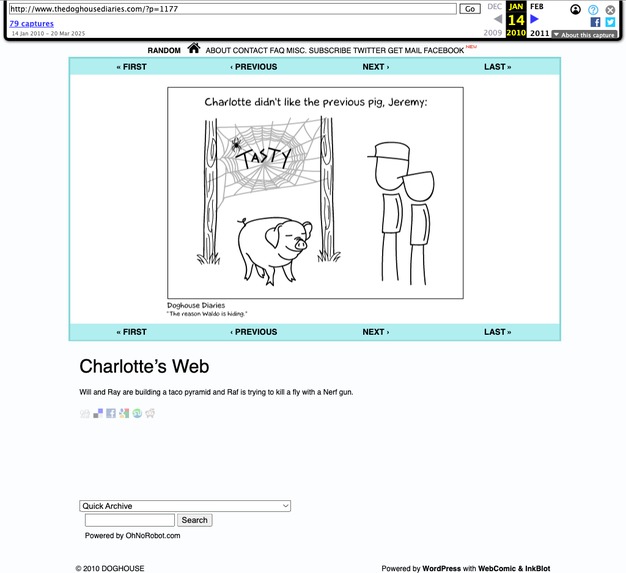
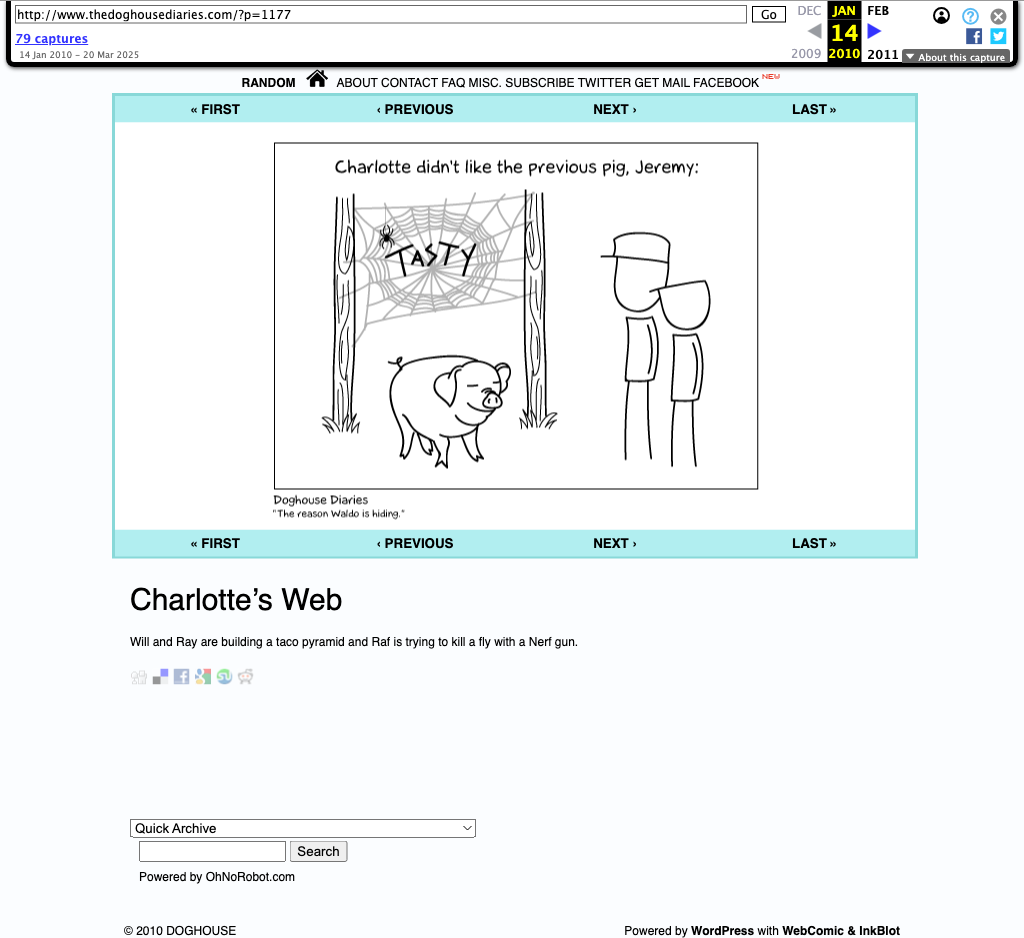
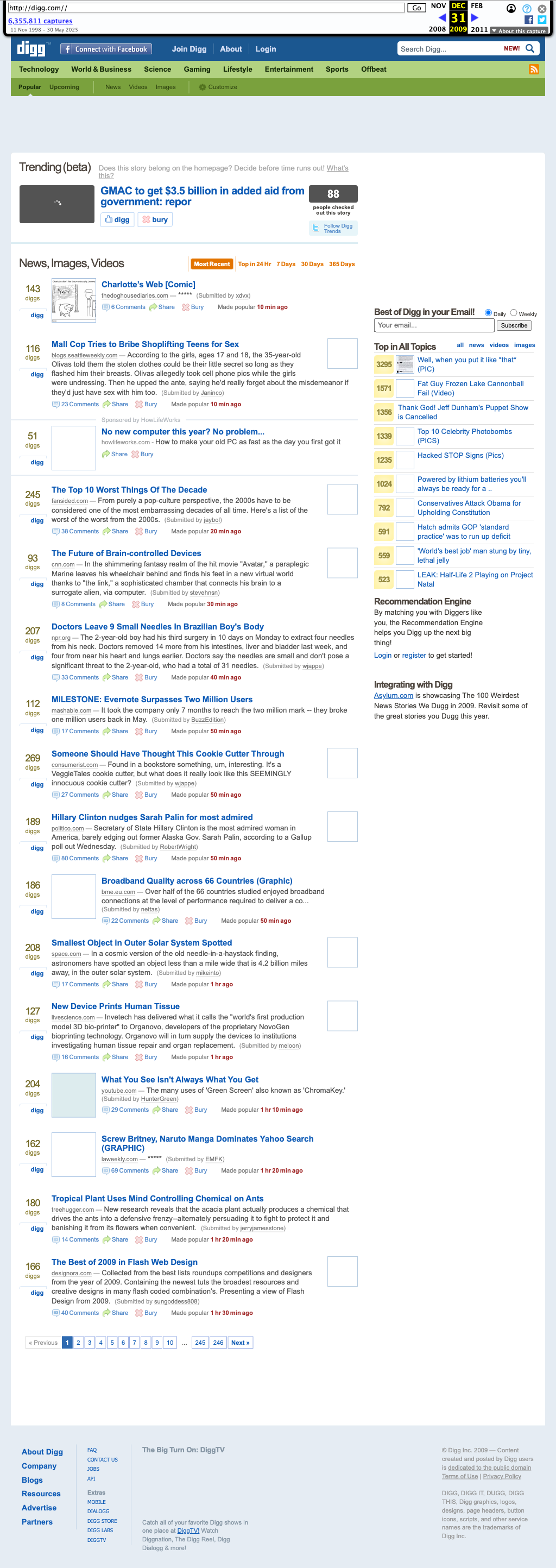
Our browsing agent crawling through Wayback Machine to find the most feature-complete version of a site before it shut down.
-
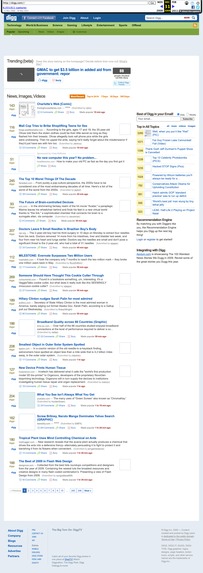
Spec-sniping Digg circa 2009.
-
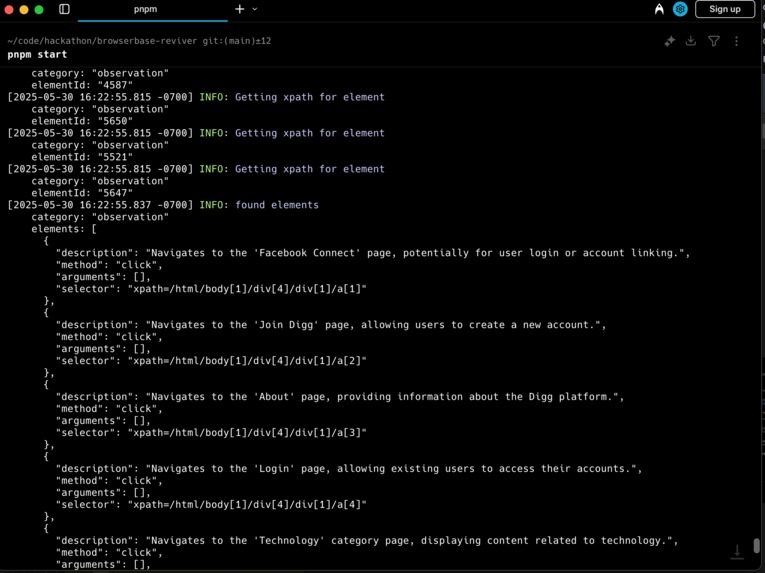
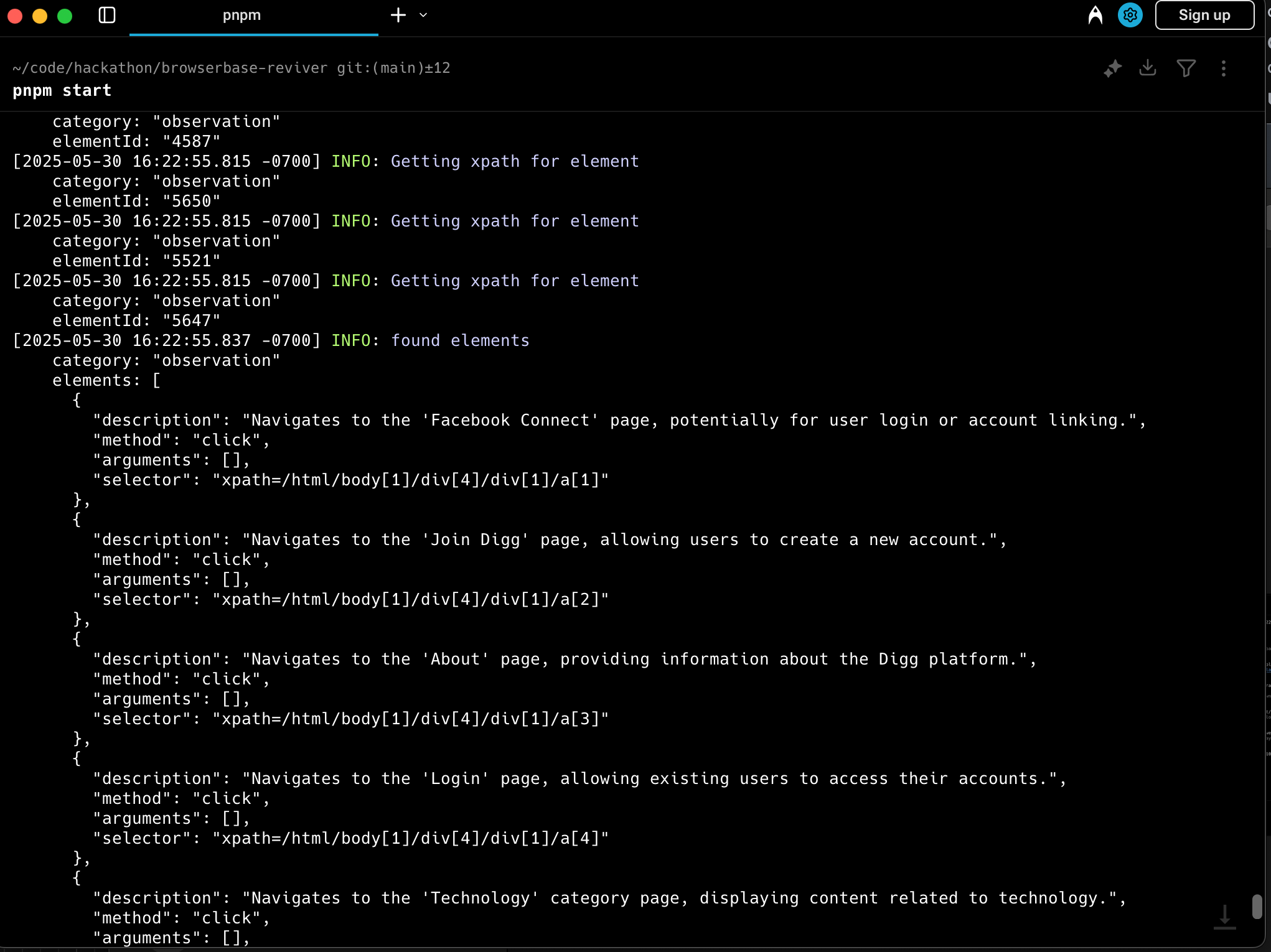
Agent reasoning trace

Inspiration
The internet loses countless beloved websites each year - Ask.fm, StumbleUpon, Yahoo Answers - taking with them unique communities and features. We realized that while the Wayback Machine preserves snapshots, there's no easy path from archived HTML to functional revival. site2spec bridges this gap, transforming digital archaeology into actionable blueprints that modern AI website builders can instantly implement.
What it does
site2spec analyzes defunct websites through Wayback Machine snapshots, automatically generating comprehensive product requirement documents. Our AI agent navigates archived versions, captures UI patterns, reconstructs user flows, and produces deployment-ready specifications complete with database schemas, API mappings, and frontend designs. It transforms "I miss this old website" into "Here's exactly how to rebuild it with modern tools."
How we built it
We orchestrated five powerful tools: AgentKit coordinates our multi-agent pipeline, Browserbase provides intelligent web browsing for contextual analysis, Apify extracts structured data from archived pages, bem.ai transforms findings into professional PRDs, and Auth0 secures the platform. Our agents work in parallel - one discovers the best snapshot, another analyzes features, and a third generates implementation-ready documentation.
Challenges we ran into
Wayback Machine snapshots often have broken JavaScript and missing assets. We solved this by focusing on observable behavior rather than code inspection. Time-based snapshots sometimes captured sites mid-update, requiring intelligent selection algorithms. Converting legacy features (e.g. Yahoo account sign-in) to modern equivalents (Auth0) demanded extensive API mapping research. Balancing analysis depth with processing speed for real-time demos was crucial.
Accomplishments that we're proud of
We successfully reverse-engineered complete feature sets of defunct beloved websites & apps, producing a PRD detailed enough for immediate implementation. Our agent correctly identified and mapped 15+ deprecated APIs to modern alternatives. The system works on any defunct site - from social networks to discovery platforms - proving its versatility as a true digital archaeology tool.
What we learned
Digital preservation requires more than screenshots - it needs structural understanding. Many "dead" features have superior modern equivalents waiting to be connected. The combination of specialized tools (browsing, extraction, documentation) outperforms monolithic solutions. Most importantly, there's immense value in making internet history actionable rather than merely viewable.
What's next for site2spec
We envision site2spec becoming the standard for digital preservation and revival. Next steps include: building a community marketplace for PRDs, creating specialized agents for different site categories (forums, social networks, marketplaces), adding version control to track site evolution over time, and partnering with website builders for one-click deployment from PRD to production.
Built With
- agentkit
- apify
- auth0
- bem
- browserbase
- nextjs
- typescript

Log in or sign up for Devpost to join the conversation.