-
-
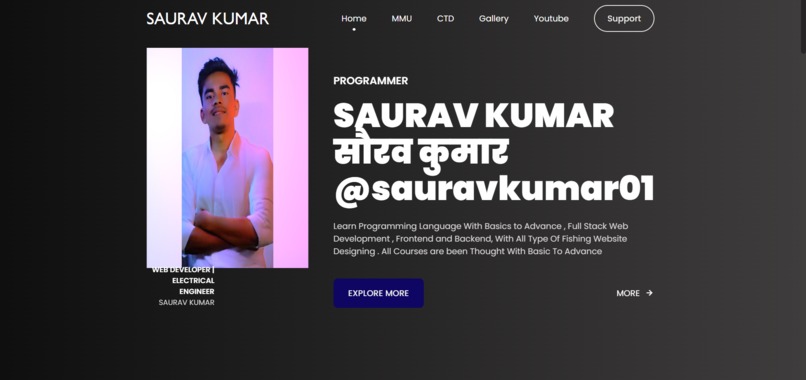
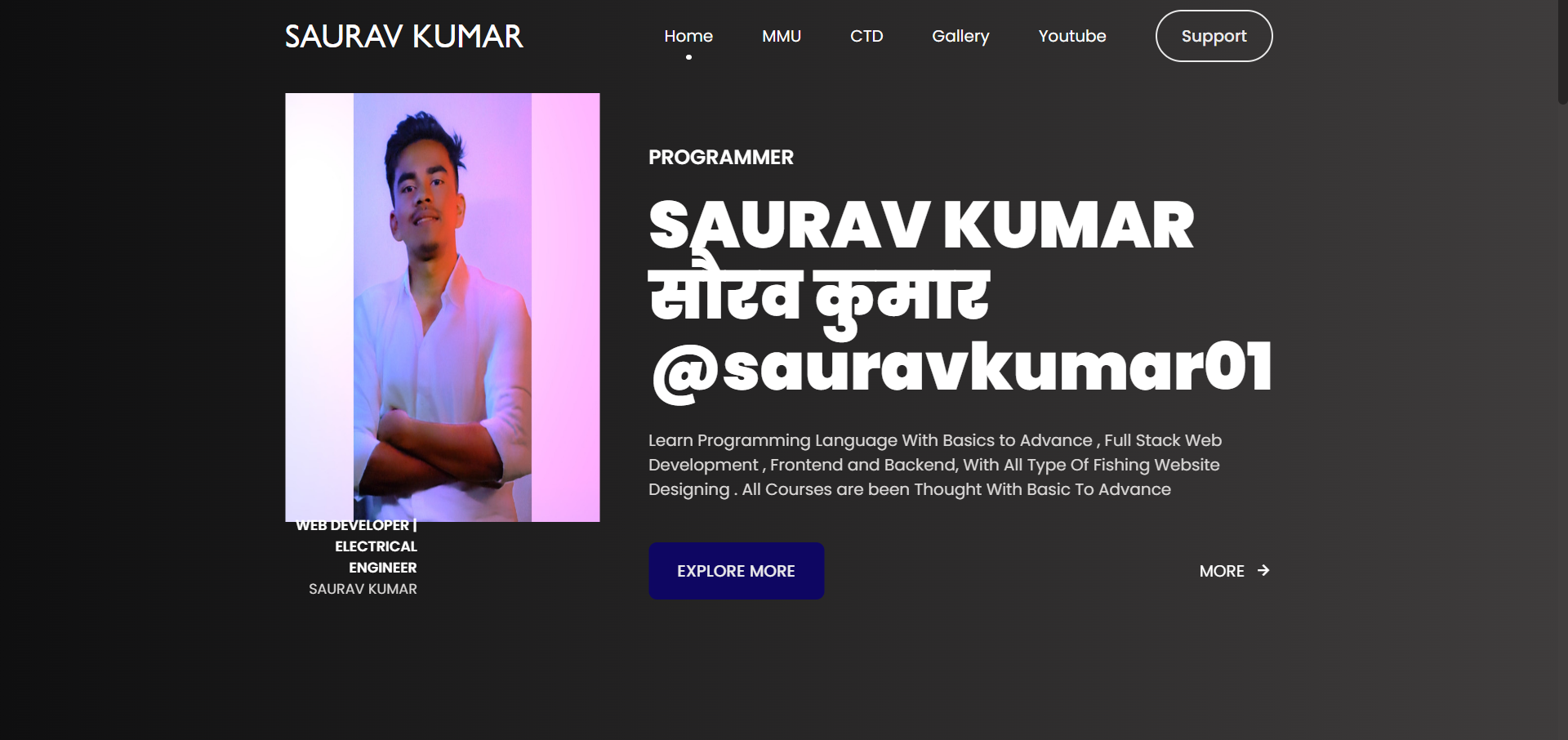
Portfolio web site Design
Inspiration
Web design hackathons bring together talented individuals like us who are passionate about creating exceptional digital experiences. It is a space where innovation, collaboration, and rapid prototyping merge to push the boundaries of what is possible in web design.
What truly amazes me about hackathons is the energy and enthusiasm that permeates the atmosphere. The collective determination to solve challenges and craft unique solutions is contagious. It's an opportunity to step outside our comfort zones, unleash our creativity, and experiment with cutting-edge technologies and design trends.
As we embark on this exhilarating journey, let's embrace the spirit of collaboration. Together, we can combine our diverse skills, knowledge, and perspectives to create something truly remarkable. The synergy that arises from working alongside like-minded individuals is often the catalyst for groundbreaking ideas.
What it does
A web design hackathon is an event where designers, developers, and other creative individuals come together to collaboratively design and build web-based projects within a specified timeframe, typically ranging from a few hours to a couple of days.
The primary purpose of a web design hackathon is to foster creativity, innovation, and teamwork in the field of web design. Participants form teams or work individually to create functional prototypes or fully developed websites based on a given theme or problem statement.
How we built it
Building a web design hackathon involves several key steps. Here's a general outline of the process:
Define the Purpose and Goals: Determine the purpose of the hackathon and establish clear goals. Are you aiming to promote creativity, solve specific challenges, or explore new technologies? Define the objectives that will guide the event's structure and focus.
Plan the Logistics: Determine the logistics of the hackathon, including the duration, venue (physical or virtual), and the number of participants. Consider factors such as necessary equipment, internet access, refreshments, and any other requirements to ensure a smooth and productive event.
Challenges we ran into
Limited Timeframe: Hackathons typically have tight timelines, which can be challenging for participants to ideate, design, and develop their projects fully. To address this, ensure that the challenge or theme is well-defined, provide participants with clear guidelines and resources, and encourage them to prioritize key elements of their designs to make the most of the available time.
Technical Constraints: Participants may face technical difficulties or limitations, such as inadequate hardware, software compatibility issues, or slow internet connections. To mitigate these challenges, ensure that participants have access to the necessary resources and tools. Test the infrastructure in advance, provide technical support or mentors to assist with troubleshooting, and encourage participants to have backup plans in case of technical setbacks.
Accomplishments that we're proud of
Successful Execution: Organizing and hosting a hackathon itself is an achievement. Bringing together a community of designers, developers, and creatives in a collaborative environment demonstrates effective planning, coordination, and execution.
Inspiring Creativity: A significant accomplishment of a hackathon is fostering creativity and inspiring participants to push their boundaries. Encouraging participants to think innovatively, explore new design approaches, and challenge the status quo leads to the development of unique and imaginative web designs.
Collaboration and Networking: Hackathons provide an opportunity for participants to collaborate, network, and learn from each other. Creating an environment that promotes teamwork and knowledge sharing contributes to building lasting connections among participants, which can lead to future collaborations and professional relationships.
What we learned
Collaboration and Communication: Hackathons emphasize the importance of effective collaboration and communication within teams. Participants learn how to work together, leverage each other's strengths, and communicate their ideas and progress clearly. Collaboration skills acquired during the hackathon can be applied to future projects and professional settings.
Time Management and Prioritization: The time constraints of a hackathon teach participants the importance of efficient time management and prioritization. They learn to focus on key tasks, make quick decisions, and allocate time wisely to deliver a functional and visually appealing web design within the given timeframe.
Agile and Iterative Design: Hackathons encourage an agile and iterative design approach, where participants create prototypes, gather feedback, and make iterative improvements. This iterative process teaches the value of incorporating user feedback, testing assumptions, and continuously refining designs to create better user experiences.
What's next for Web / APP Design
Responsive and Adaptive Design: With the proliferation of various devices and screen sizes, designing responsive and adaptive interfaces will continue to be crucial. Designers will focus on creating seamless and consistent user experiences across different devices, including smartphones, tablets, wearables, and larger screens.
User-Centered Design: User-centered design will remain a top priority. Designers will continue to emphasize understanding user needs, conducting user research, and incorporating user feedback into the design process. Personalization and customization will play a significant role in tailoring experiences to individual users.
Microinteractions and Animation: Microinteractions and subtle animations add depth and interactivity to user interfaces. Designers will increasingly leverage microinteractions to provide feedback, guide users, and enhance engagement. Thoughtful and purposeful animations will create more intuitive and delightful user experiences.

Log in or sign up for Devpost to join the conversation.