-
-
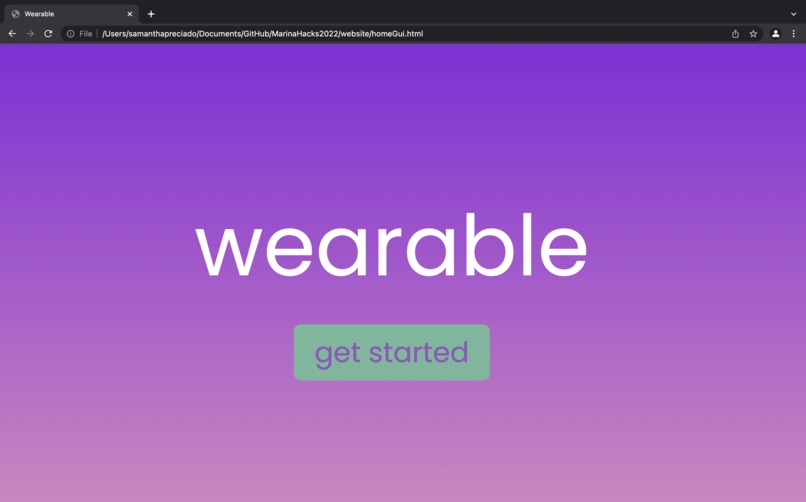
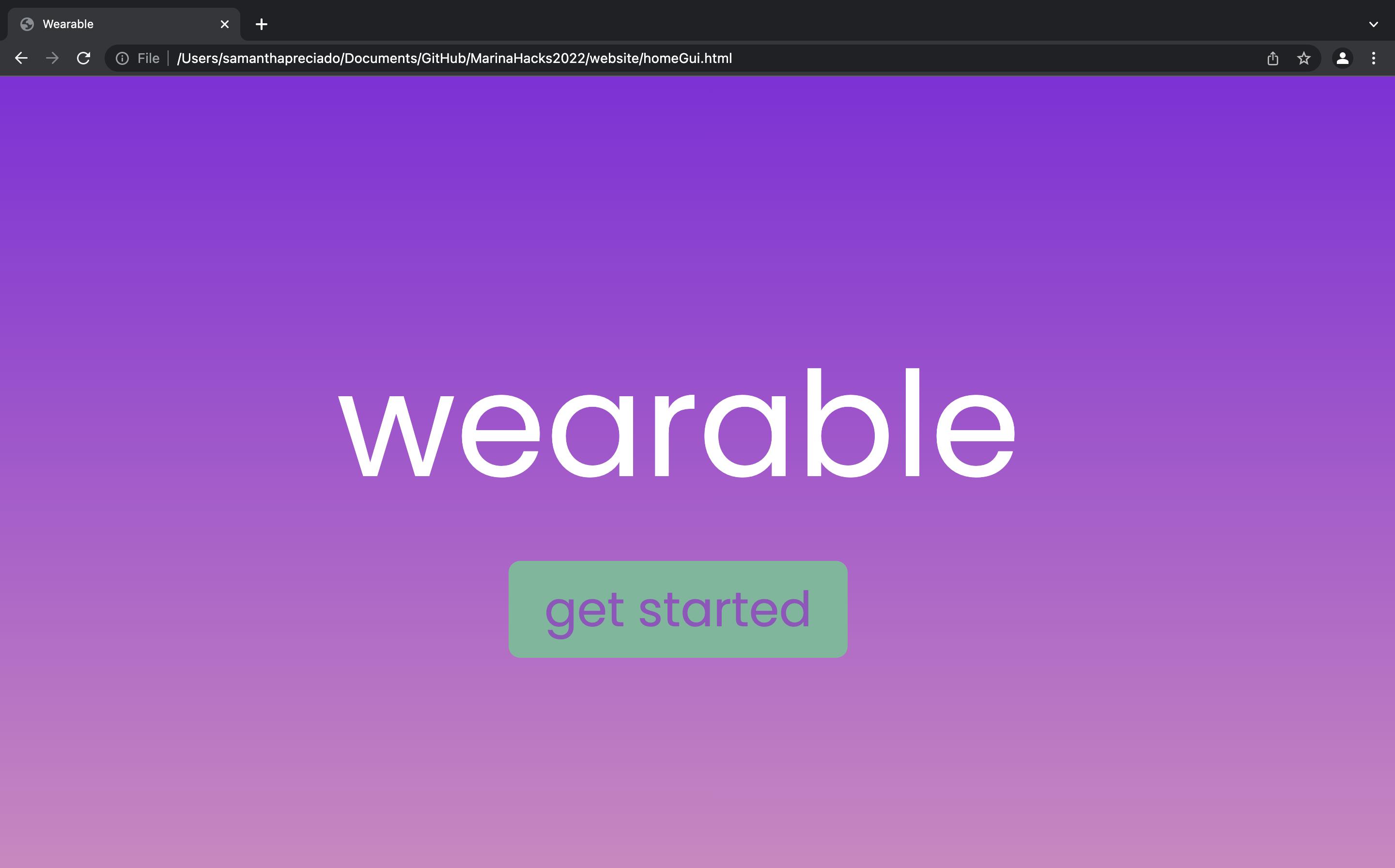
Graphical User Interface
-
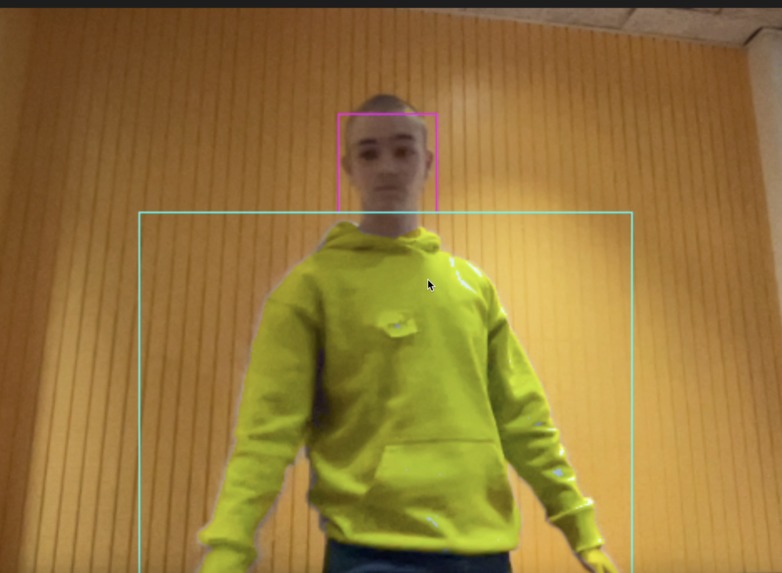
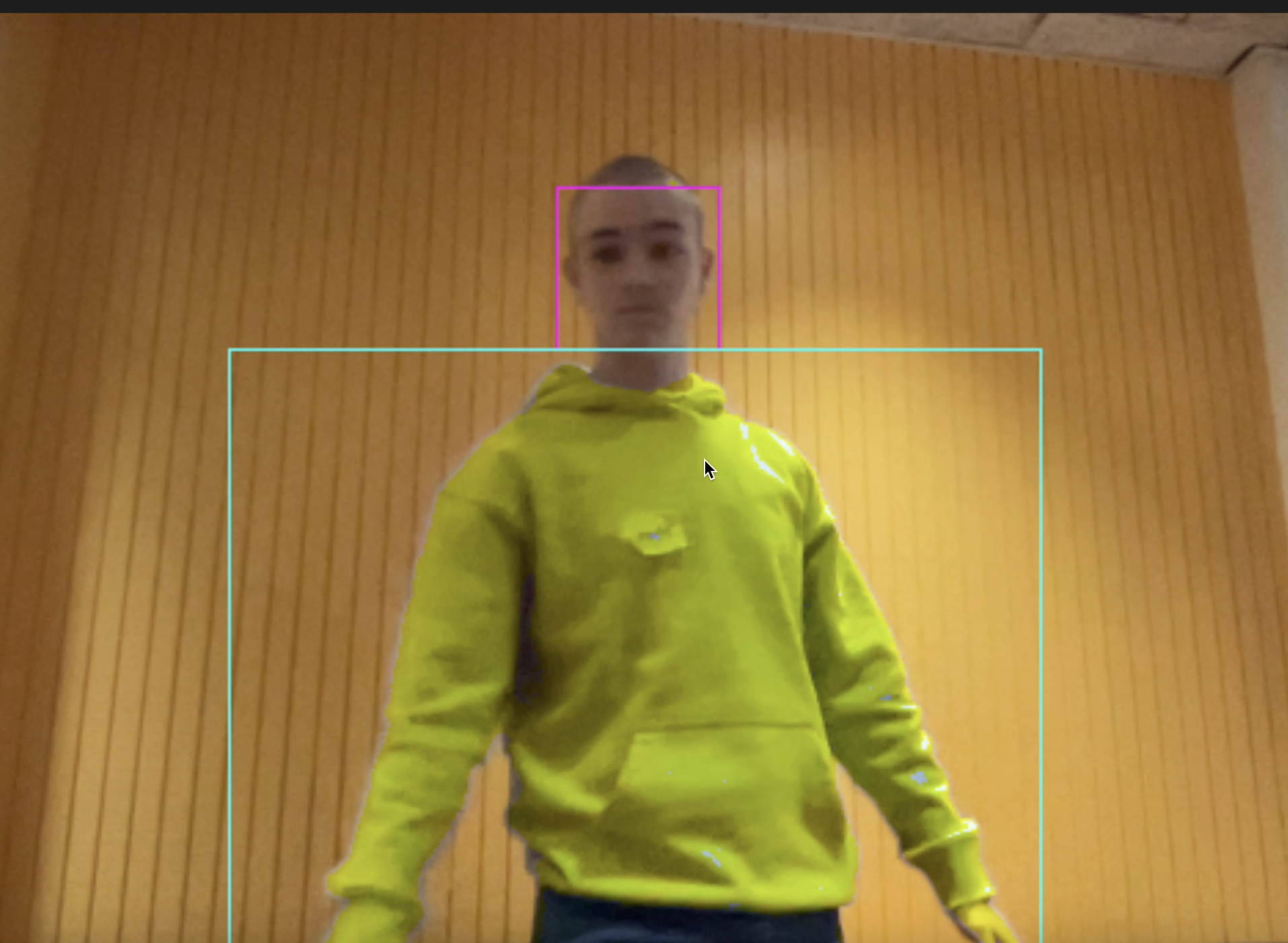
Changing hoodie color to yellow with minimal background interference.
-
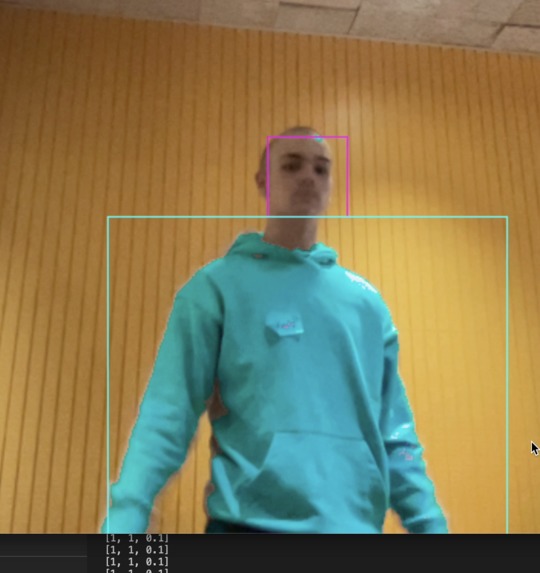
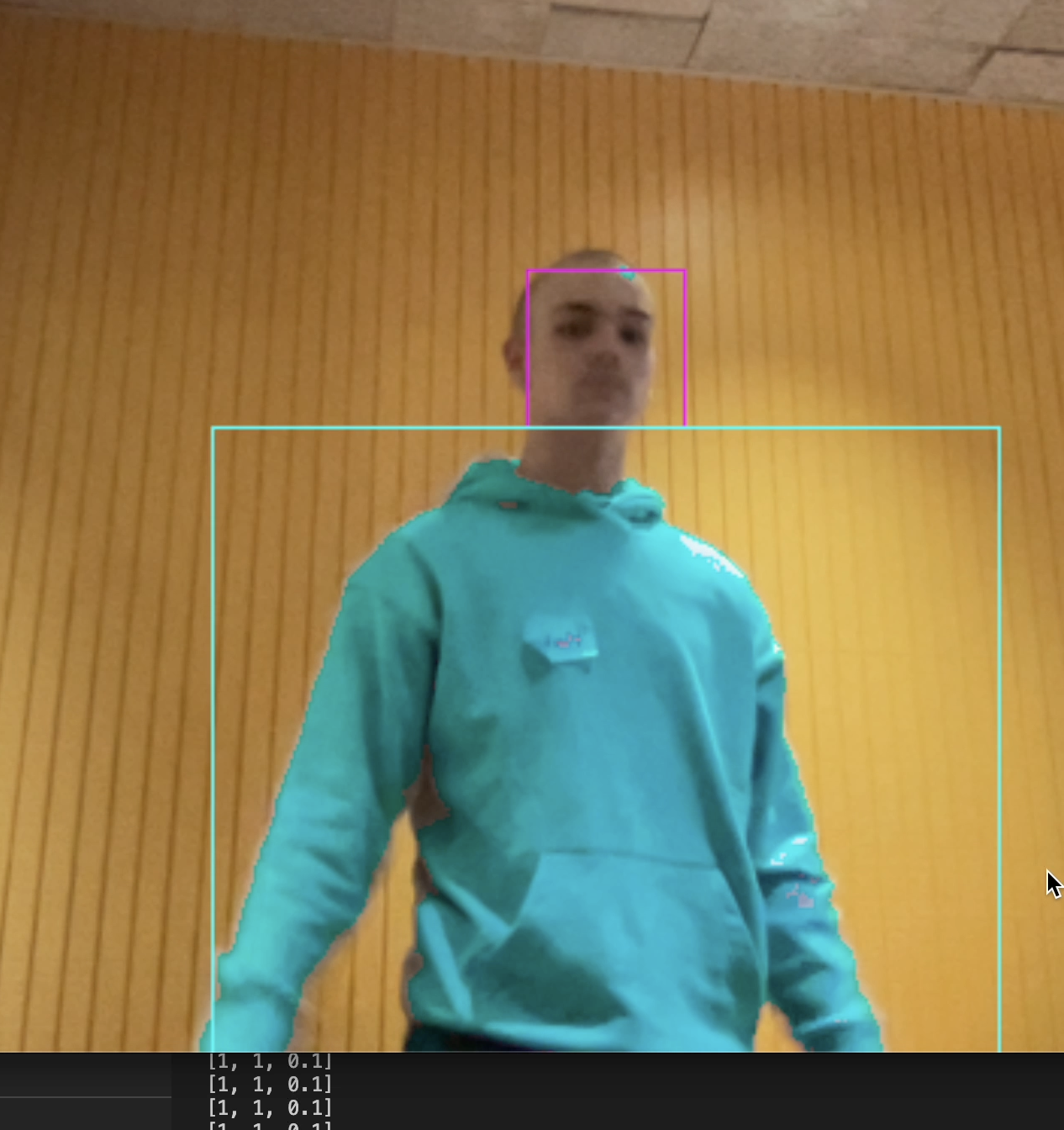
Cyan hoodie (looks good on me, right?!)
-
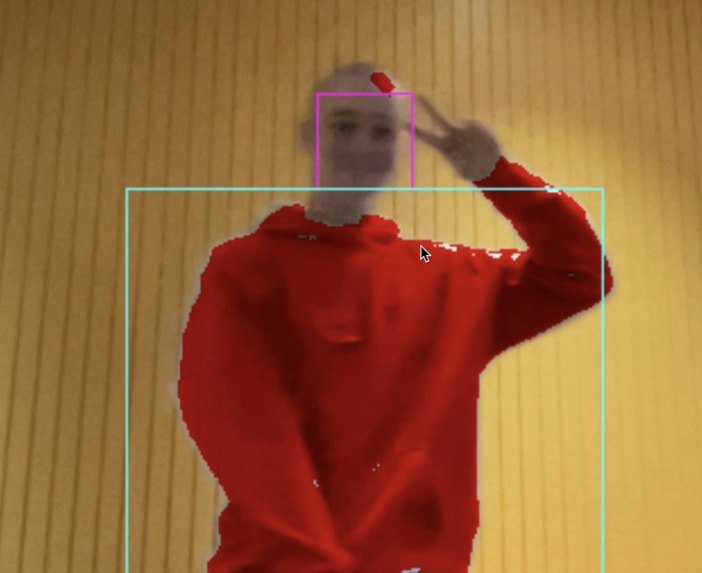
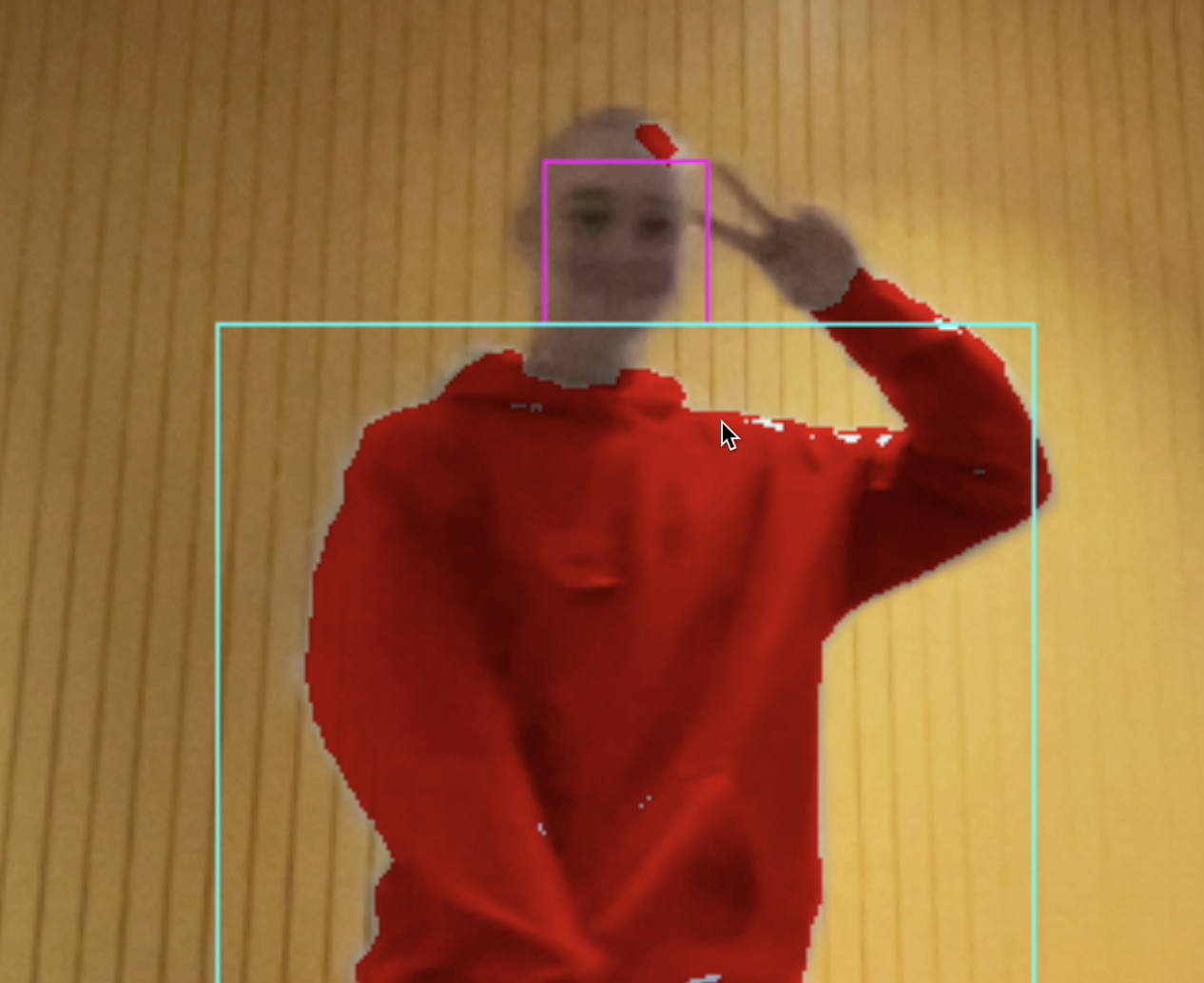
Stunning in red ;)
Inspiration
During the pandemic, our favorite clothing stores closed their fitting rooms making it difficult to try on clothing items before committing to buying them. In an attempt to make it easier to visualize how a particular clothing item may look while being worn, Wearable makes it possible.
What it does
Wearable is a desktop app that allows its users to stand in front of their webcam and virtually try on different colors of their clothing items.
How we built it
Using the Open Computer Vision library with Python and Haar cascades for image recognition, we are able to get the color of a subjects shirt and mask over it using numpy, with minimal influence to the background. Our project, Wearable, uses facial recognition to identify a person and typical body ratios to find a reasonable sub image to mask over.
Challenges we ran into
The back-front end integration process is always troublesome. Being able to stream OpenCV images into an HTML DOM was a difficulty, and we ended up scrapping the idea of having a GUI in HTML. Although developed, it isn't integrated into the functions of our Python program.
Accomplishments that we're proud of
We are incredibly proud of the design we chose and the functionality of the app. The isolation of the shirt was a fun hill to tackle, and the mask effect we developed makes the color changes look real -- not layered on in MS Paint.
What we learned
Python is a wonderful tool, and our group learned a lot about GitHub/version control, as well as working as a team. We had fun with this project and would like to revisit it someday.
What's next for Wearable
We would love to set up blocking for pants, and possibly transition into a mobile app. It would be more preferable to eventually train Haar cascades specifically for clothing items, but that is a large and computationally heavy undertaking.

Log in or sign up for Devpost to join the conversation.