-
-

logo
-
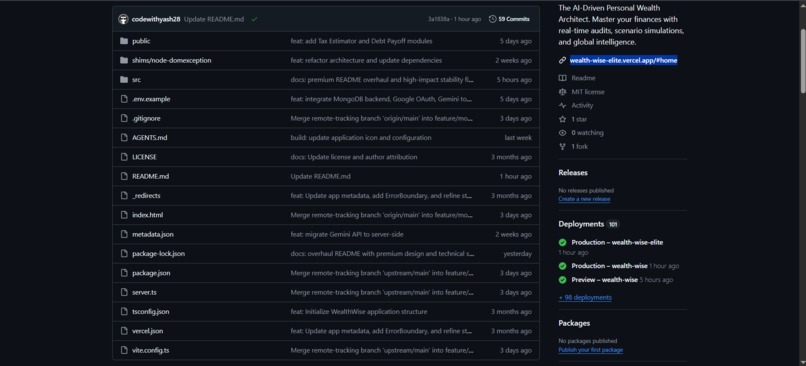
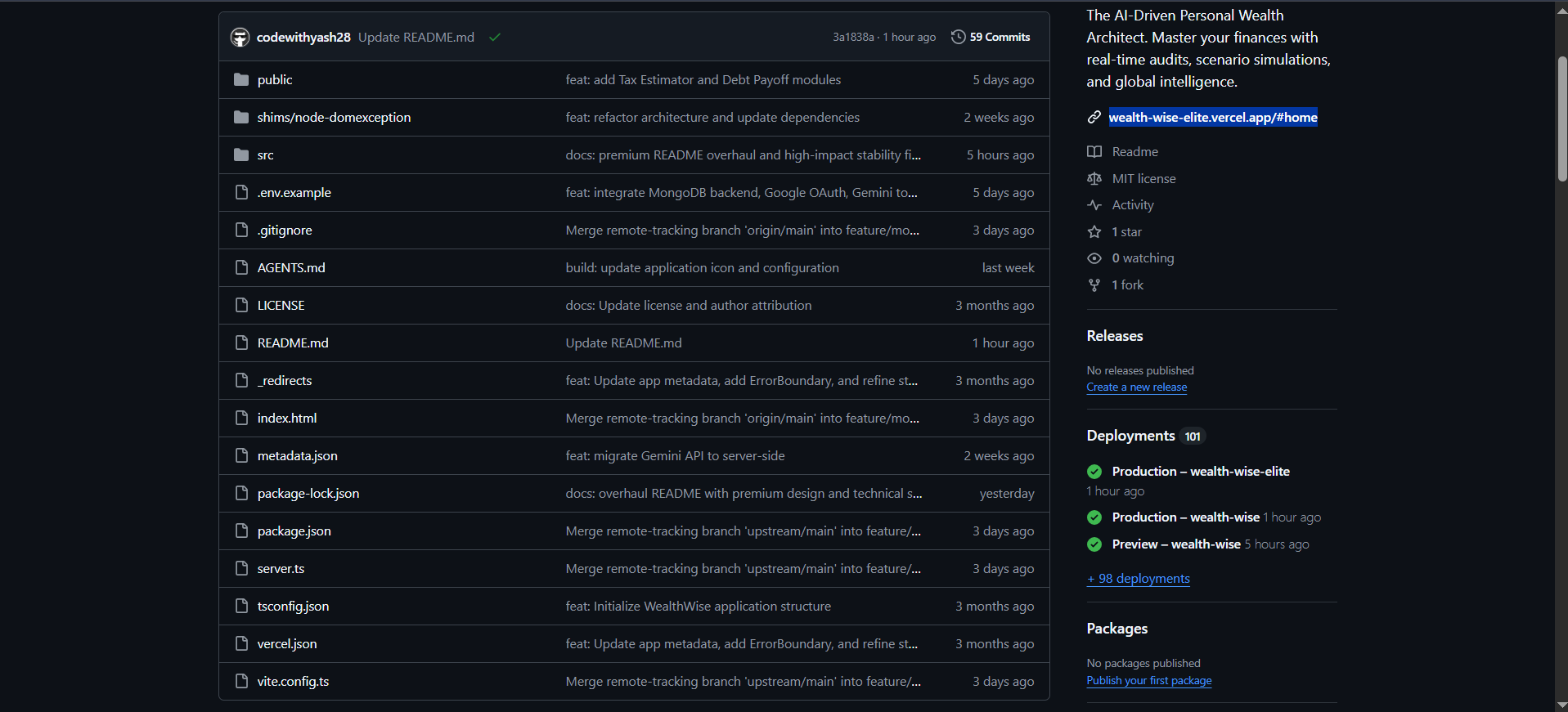
github repo
-
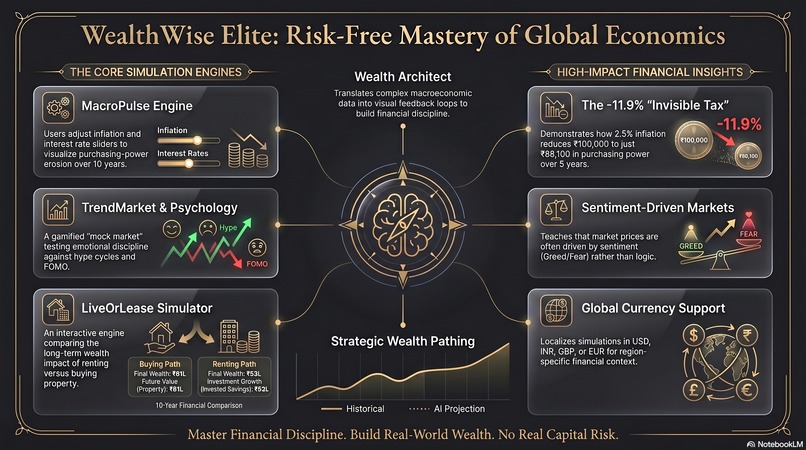
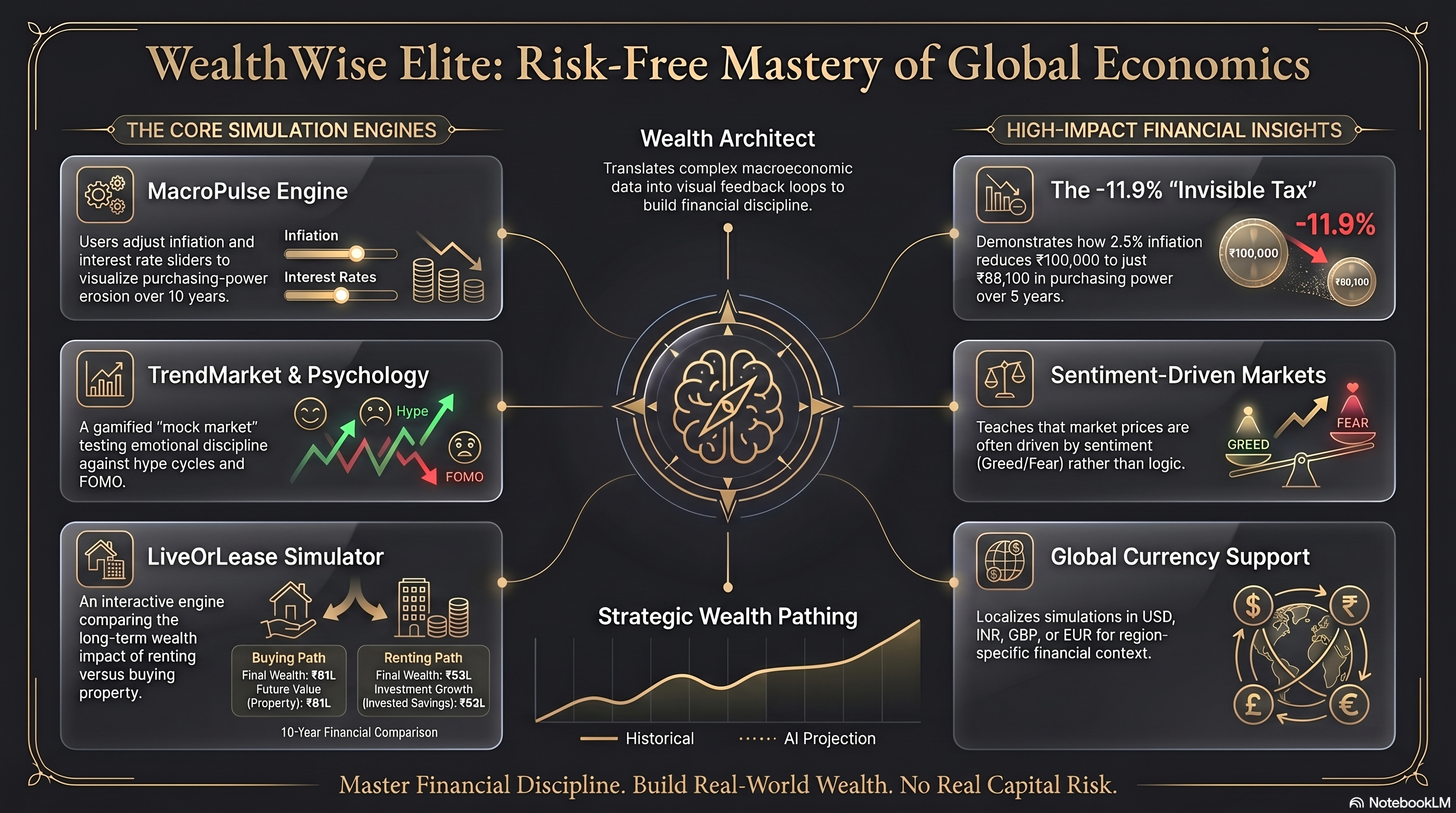
inforgraphic
-
1
-
2
-
3
-
4
-
5
-
6
-
7
-
8
-
9

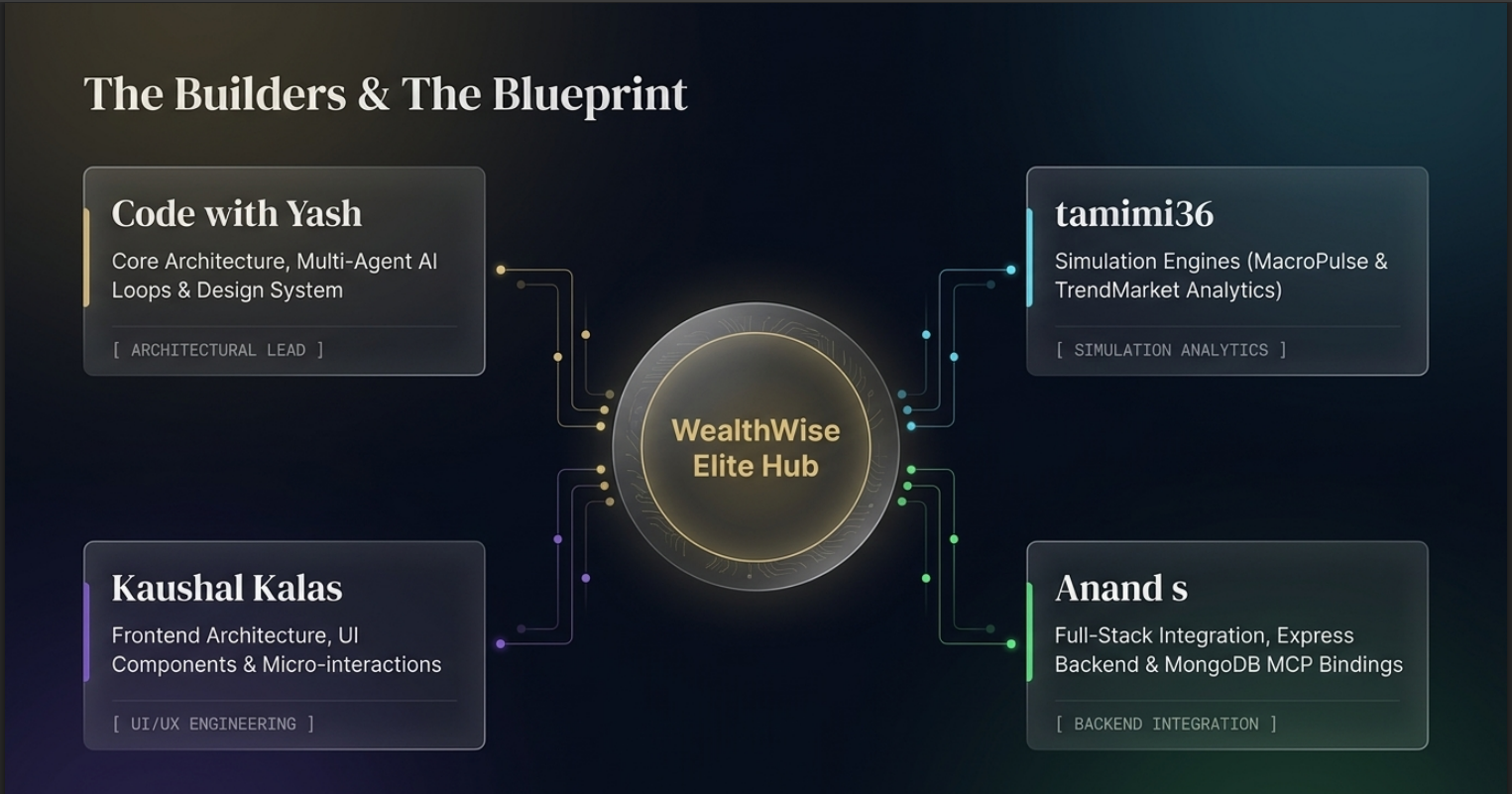
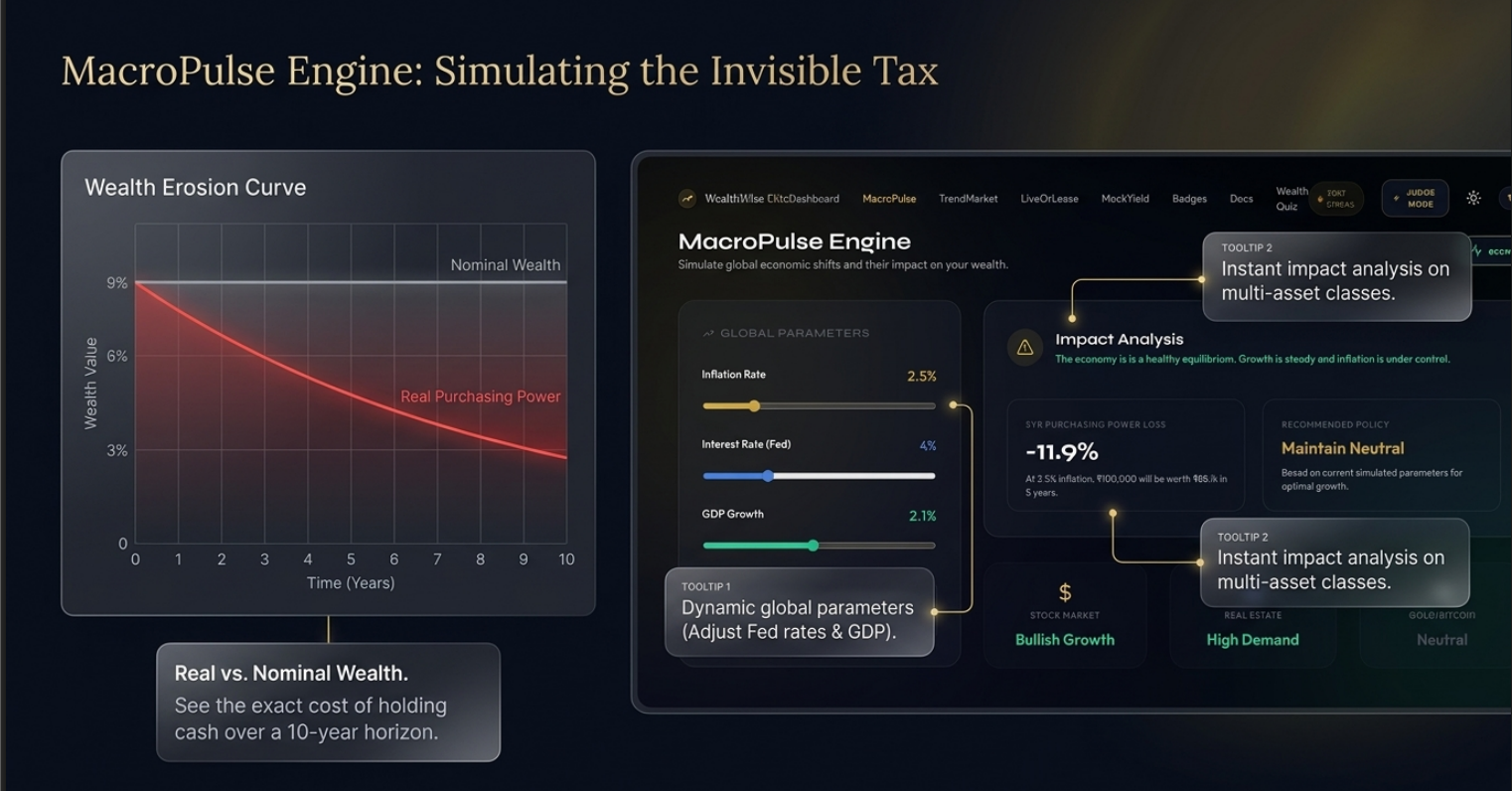
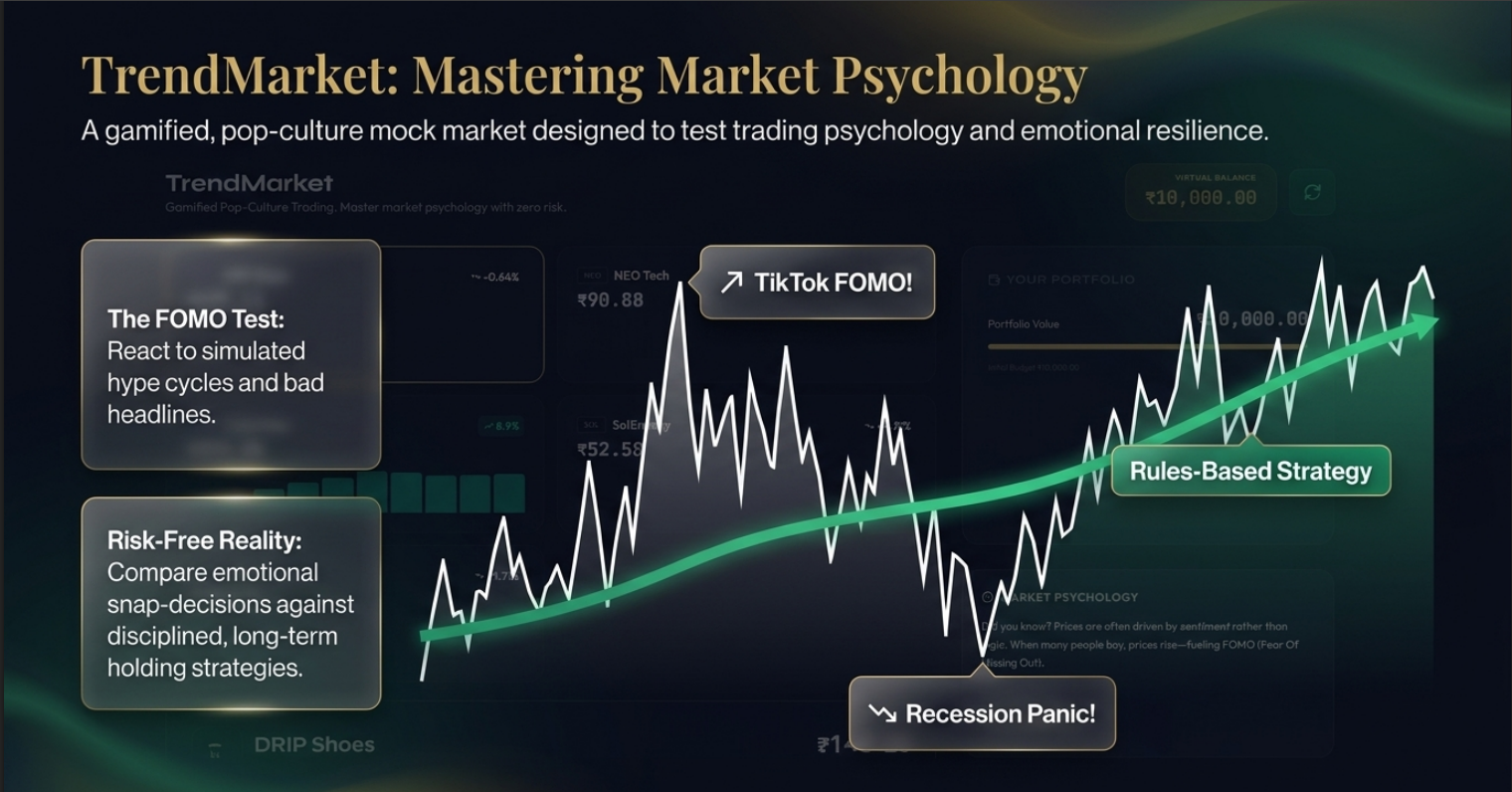
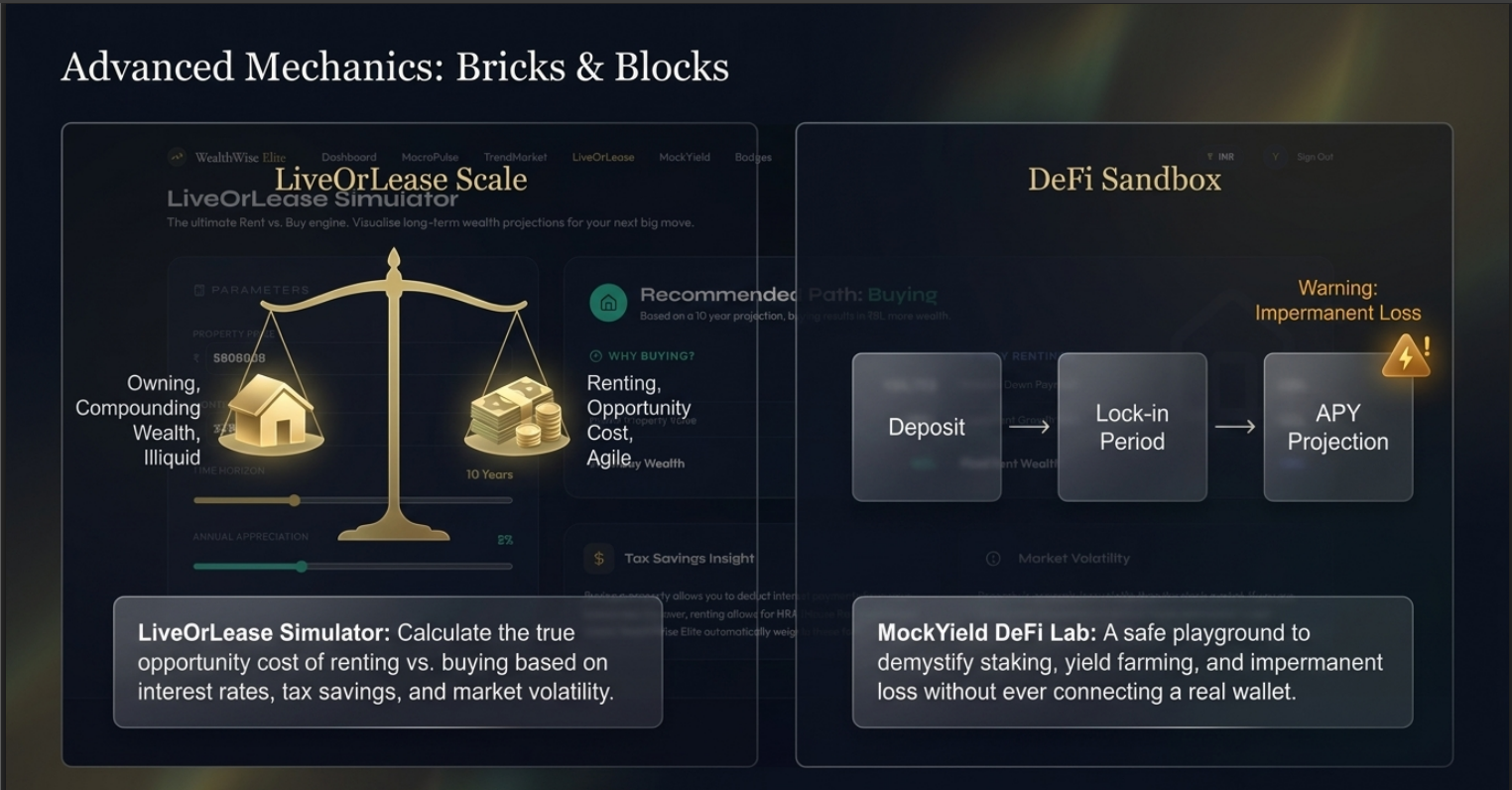
Here is a highly polished, hackathon-ready README.md project description structured specifically for WealthWise Elite 2.0. It balances your technical depth with strong product narrative.
Inspiration
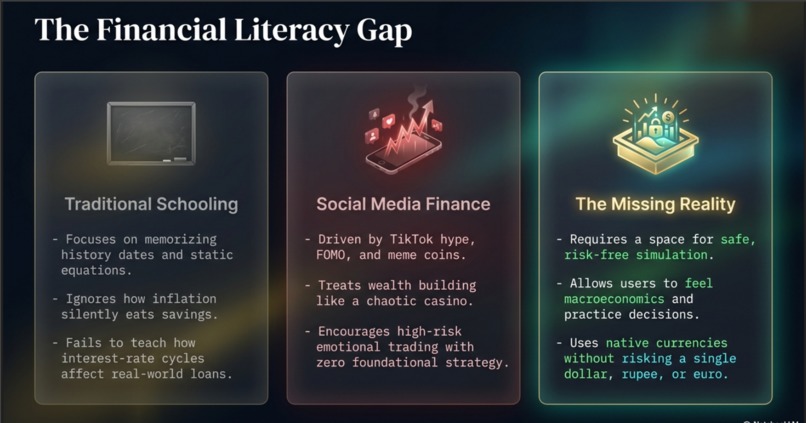
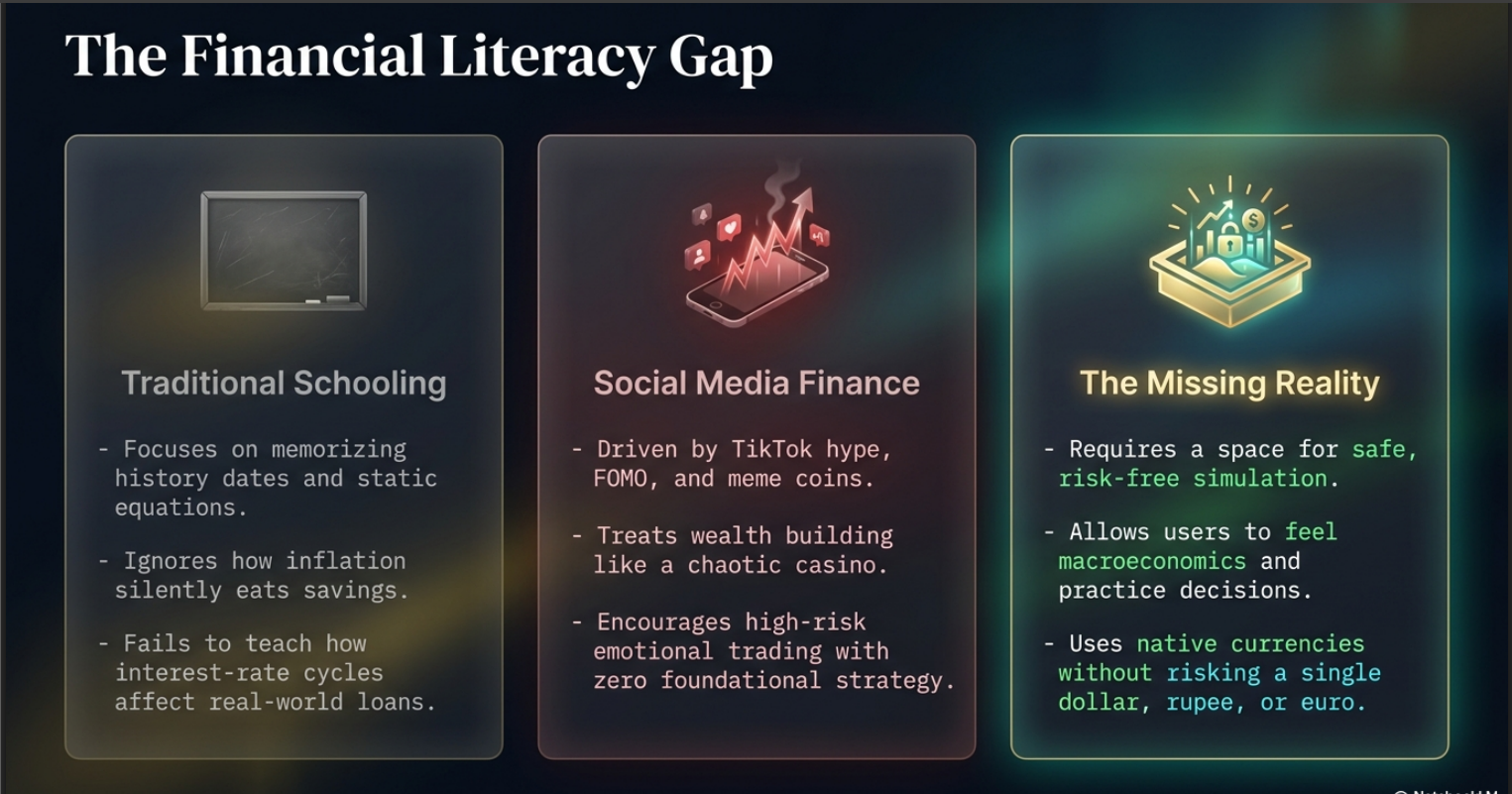
Most traditional financial planning tools feel like static spreadsheets—they are reactive, rigid, and tedious to maintain. As developers, we manage complex software states effortlessly using Git, infrastructure-as-code, and automation pipelines. We asked ourselves: Why can’t we manage personal finance the same way?
This sparked the concept of "Wealth-as-Code"—an ecosystem where financial strategies are version-controlled, simulated via advanced algorithmic engines, and autonomously audited and optimized by AI agents rather than generic, single-prompt chat boxes.
What it does
WealthWise Elite 2.0 is an enterprise-grade, interactive educational and financial simulation platform that bridges the gap between developer workflows and macroeconomic planning. It features:
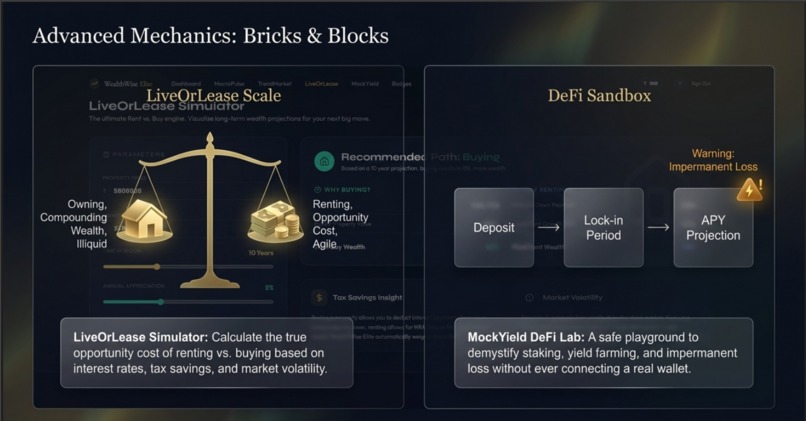
7 Advanced Simulation Engines: Dynamic modules covering progressive multi-national tax slabs, complex debt payoff strategies (Avalanche vs. Snowball), localized inflation impacts, and long-term asset compound trajectories.
Agentic Wealth-as-Code Workflow: Instead of just outputting text, an intelligent server-side AI agent coordinates with background repositories. Financial state adjustments can be committed as code configurations.
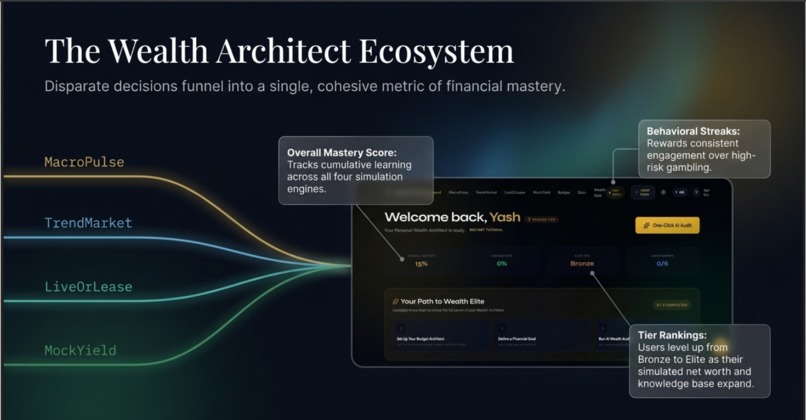
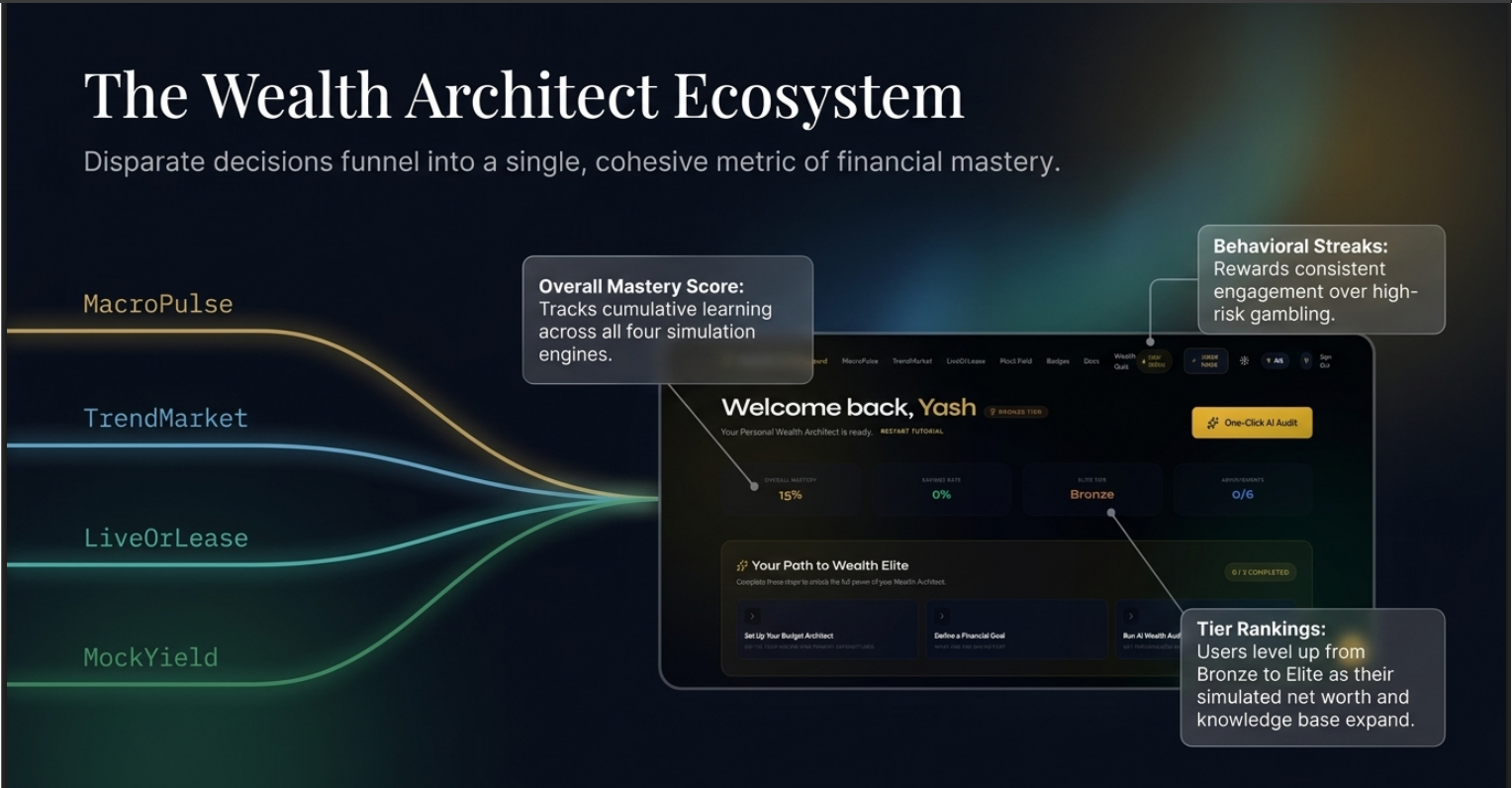
Gamified Retention Hub: Features a sleek dashboard with streak tracking, milestone achievement badges, and interactive visual data projections to turn a dry subject into an engaging experience.
How we built it
We engineered the platform with a strict, performance-first full-stack architecture:
Frontend: Built with React, Vite, and TypeScript for type safety across complex mathematical structures. Data visualization is handled through responsive, highly optimized D3.js and Recharts wrappers. Smooth UI micro-interactions are managed via motion/react.
Design Identity: Designed from scratch using a modern premium startup aesthetic featuring an Obsidian Charcoal and Metallic Gold visual hierarchy.
Backend & AI Orchestration: Powered by an independent Node.js/Express server (server.ts) that isolates the heavy Google Gemini API multi-step reasoning loops from the main UI thread.
Ecosystem Sync: Integrated a Model Context Protocol (MCP) data pipeline using GitLab and MongoDB to handle versioned configuration tracking, achieving a fast 2.4-second Time to First Simulation.
Challenges we ran into
State Synchronization vs. Rendering: Passing extensive 20-to-40-year simulation arrays into heavy local D3 graphs while simultaneously pushing GitOps commits in the background initially created visible UI stuttering. We resolved this by implementing aggressive state memoization and web workers to handle calculations asynchronously.
Dependency & API Volatility: Orchestrating cutting-edge agent tools across rapid ecosystem updates meant dealing with highly volatile packages. Hardening the type system with strict interfaces ensured our data payloads remained stable even when underlying APIs evolved.
Math Edge Cases: Formatting the mathematical models to correctly compute compounding frequencies alongside overlapping progressive tax brackets required meticulous validation to prevent minor rounding errors from cascading into massive multi-year projection discrepancies.
Accomplishments that we're proud of
Breaking the Chatbot Box: Moving past cookie-cutter API wrappers to build a genuine, multi-step agent workflow that executes actual infrastructure-like changes (Wealth-as-Code).
Production-Grade UI Polish: Achieving a fluid, premium visual aesthetic that looks and feels like a market-ready fintech platform.
Rapid Iteration Cycle: Successfully managing over 90+ continuous Vercel deployment builds while maintaining clean branch separation and highly stable build metrics throughout intense development sprint windows.
What we learned
The Power of Server-Side Isolation: Keeping heavy AI reasoning steps and prompt payloads off the client client-side dramatically improves application performance, security, and response reliability.
Designing for Skimmability: When presenting high-density data like tax matrices or investment horizons, UX micro-interactions and strict layout hierarchies are just as crucial as the accuracy of the underlying algorithms.
Agentic Architecture Maturity: Building with Model Context Protocols requires strict error boundaries and fail-safes to prevent background automation loops from introducing breaking changes into saved user states.
What's next for WealthWise Elite
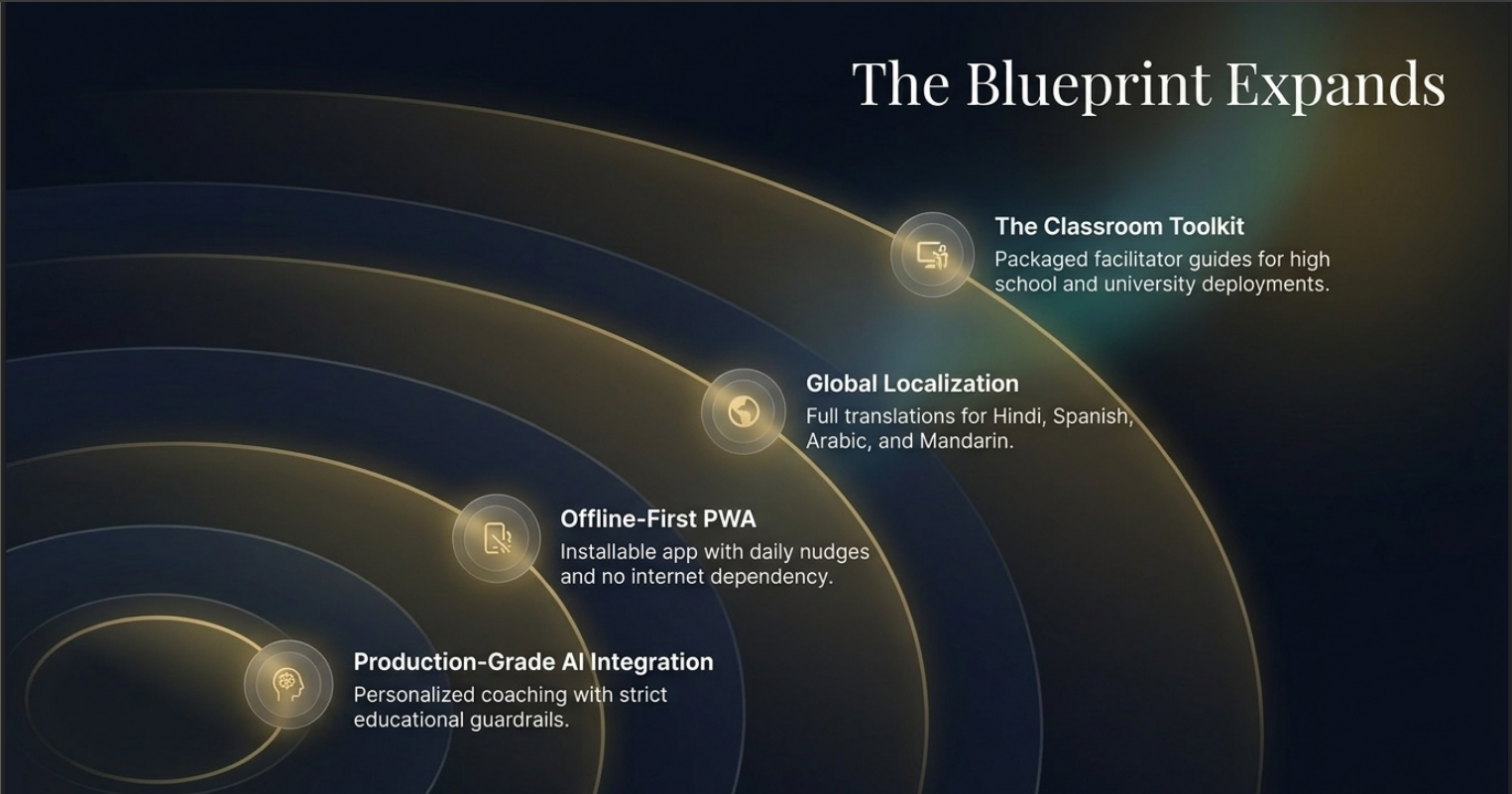
Predictive Volatility Testing: Integrating real-world historical market datasets (e.g., simulating the 2008 crash or 2000 dot-com bubble) to stress-test user portfolios against historical macroeconomic anomalies.
Automated Security Hardening: Injecting autonomous code-gatekeeper pipelines (similar to our FluxCore AI patterns) to audit financial configuration states for privacy leaks before they ever reach repository commits.
Multi-Agent Collaborative Planning: Introducing specialized micro-agents (e.g., a dedicated "Tax Agent" debating a "Real Estate Investment Agent") to provide users with multi-perspective fiscal summaries.
Built With
- d3.js
- express.js
- gitlab
- google-gemini-api
- model-context-protocol-(mcp)
- mongodb
- node.js
- react
- recharts
- typescript
- vercel
- vite


Log in or sign up for Devpost to join the conversation.