-
-
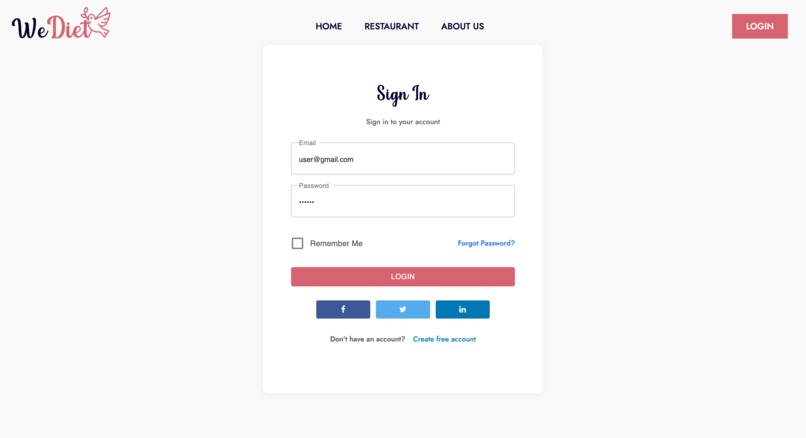
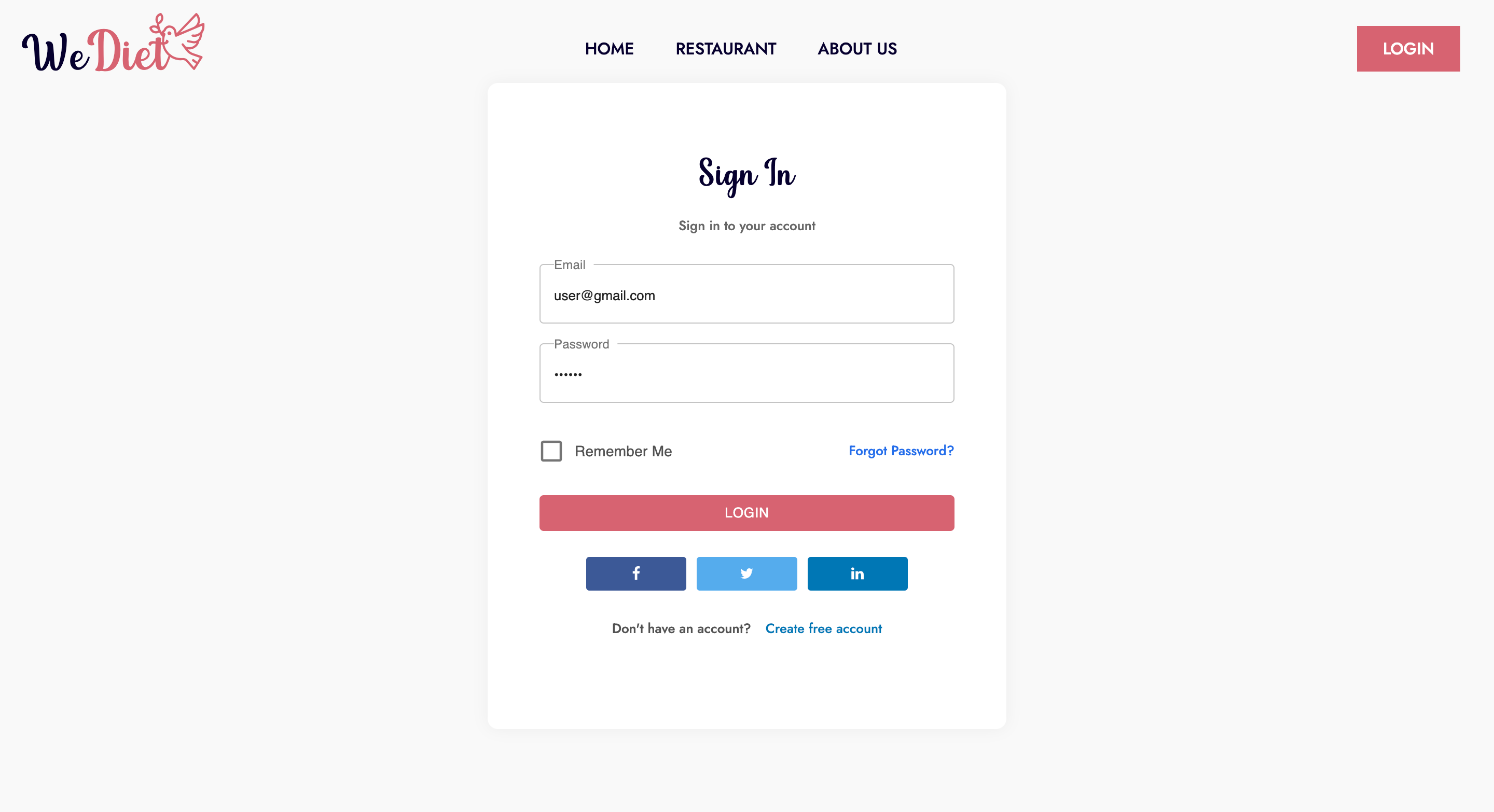
Login Page
-
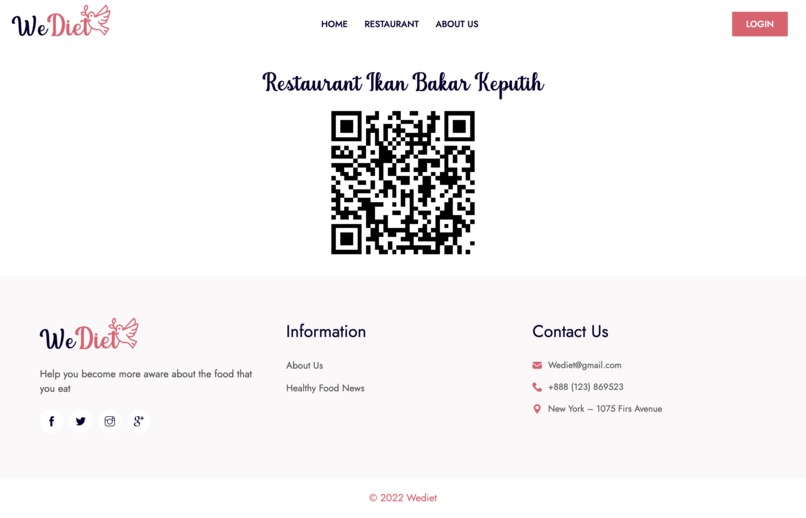
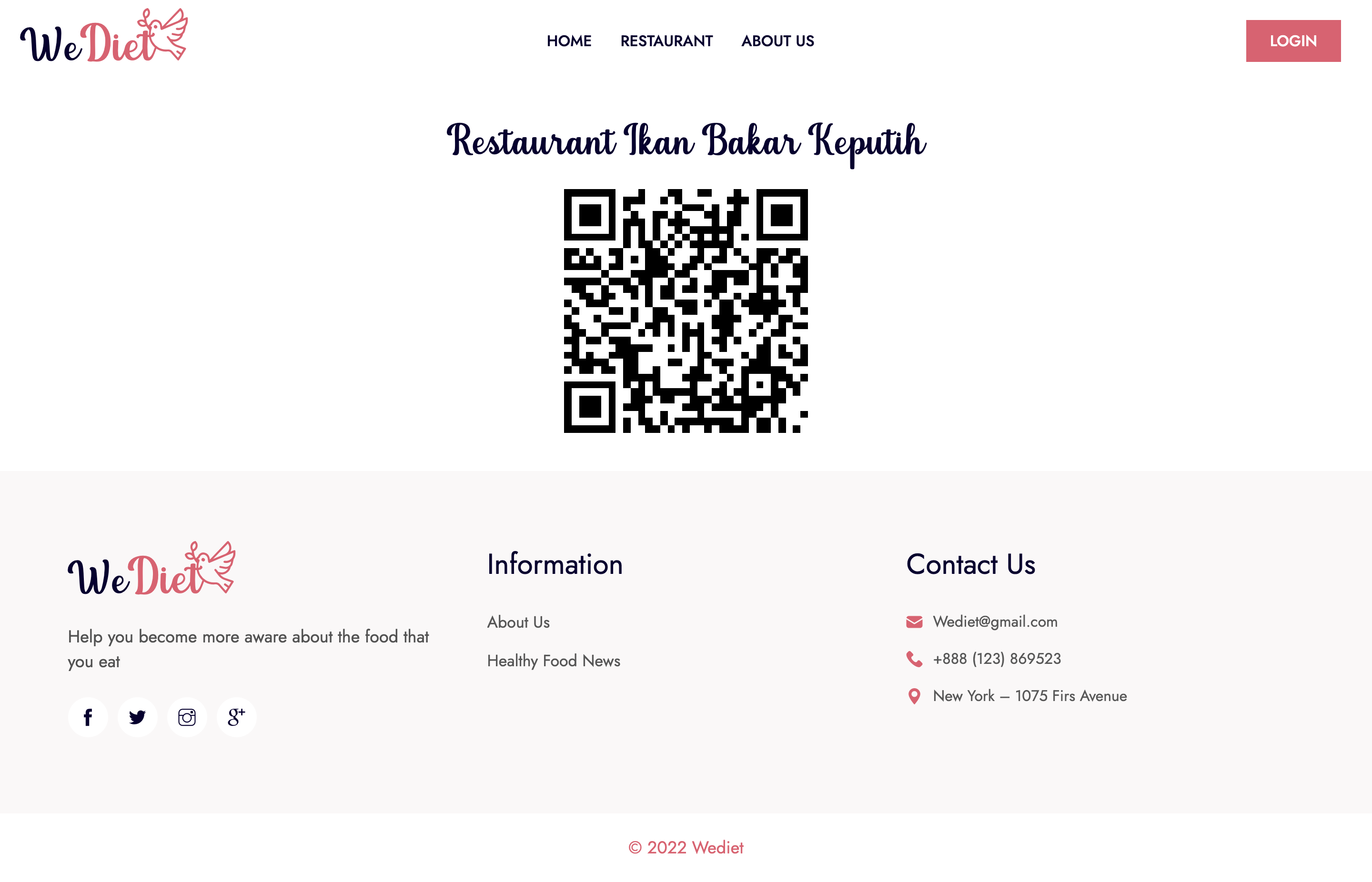
QR Code Page
-
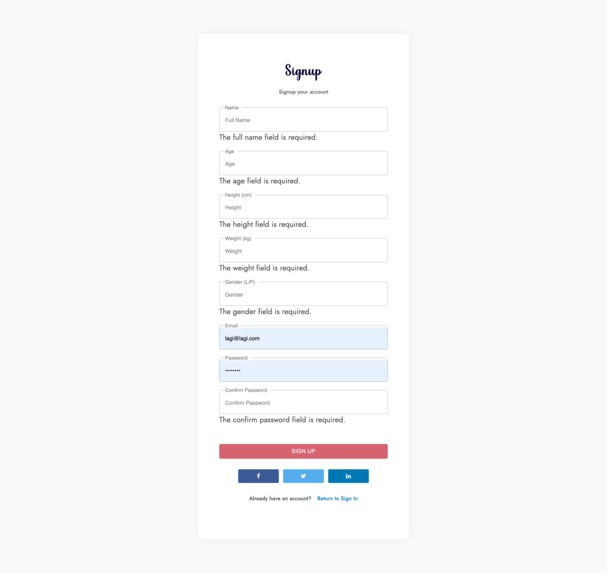
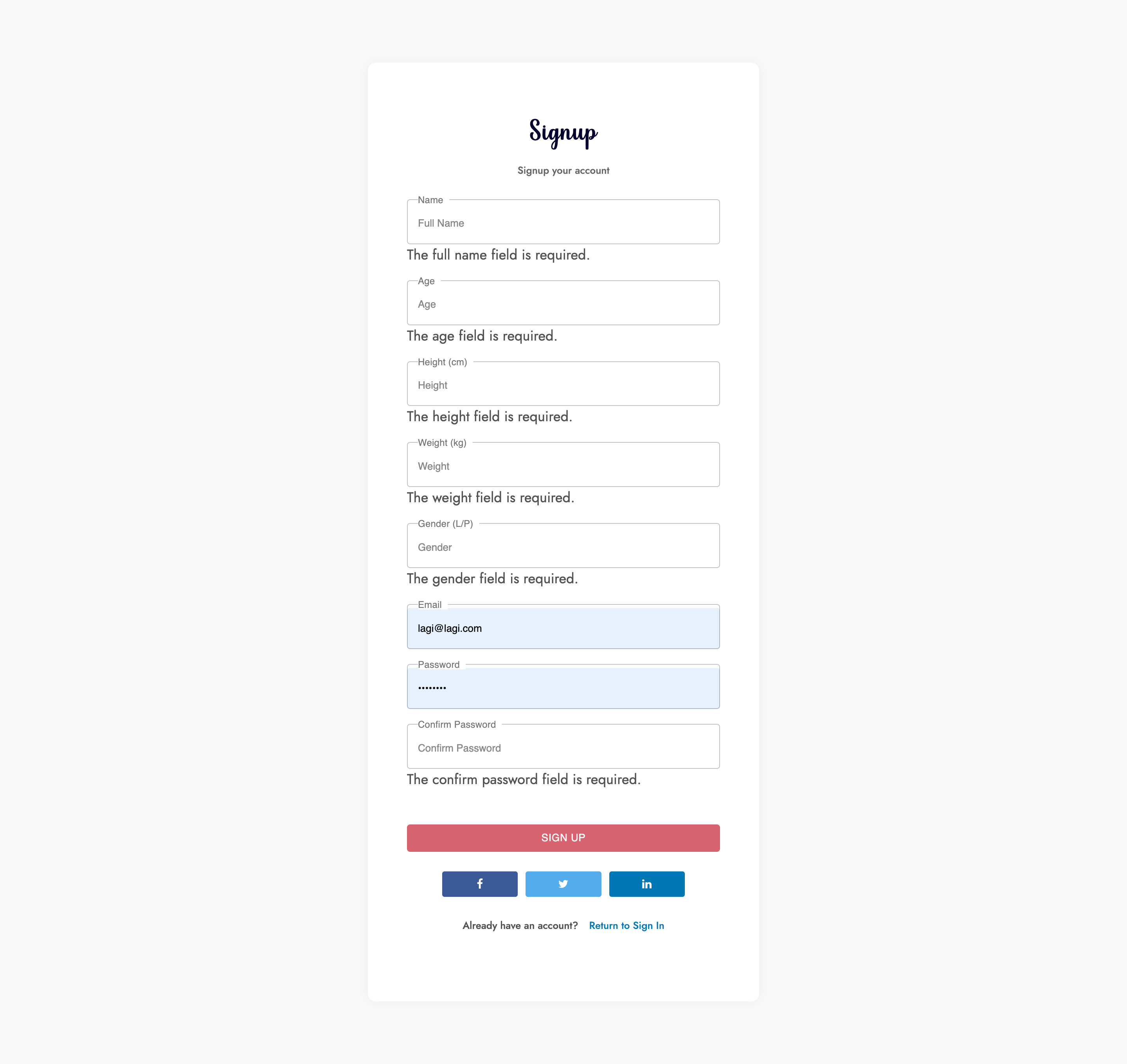
Register Page
-
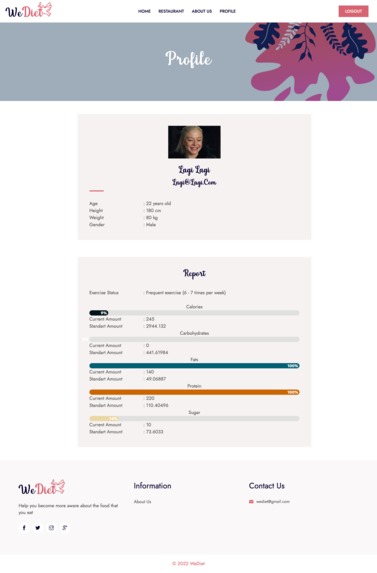
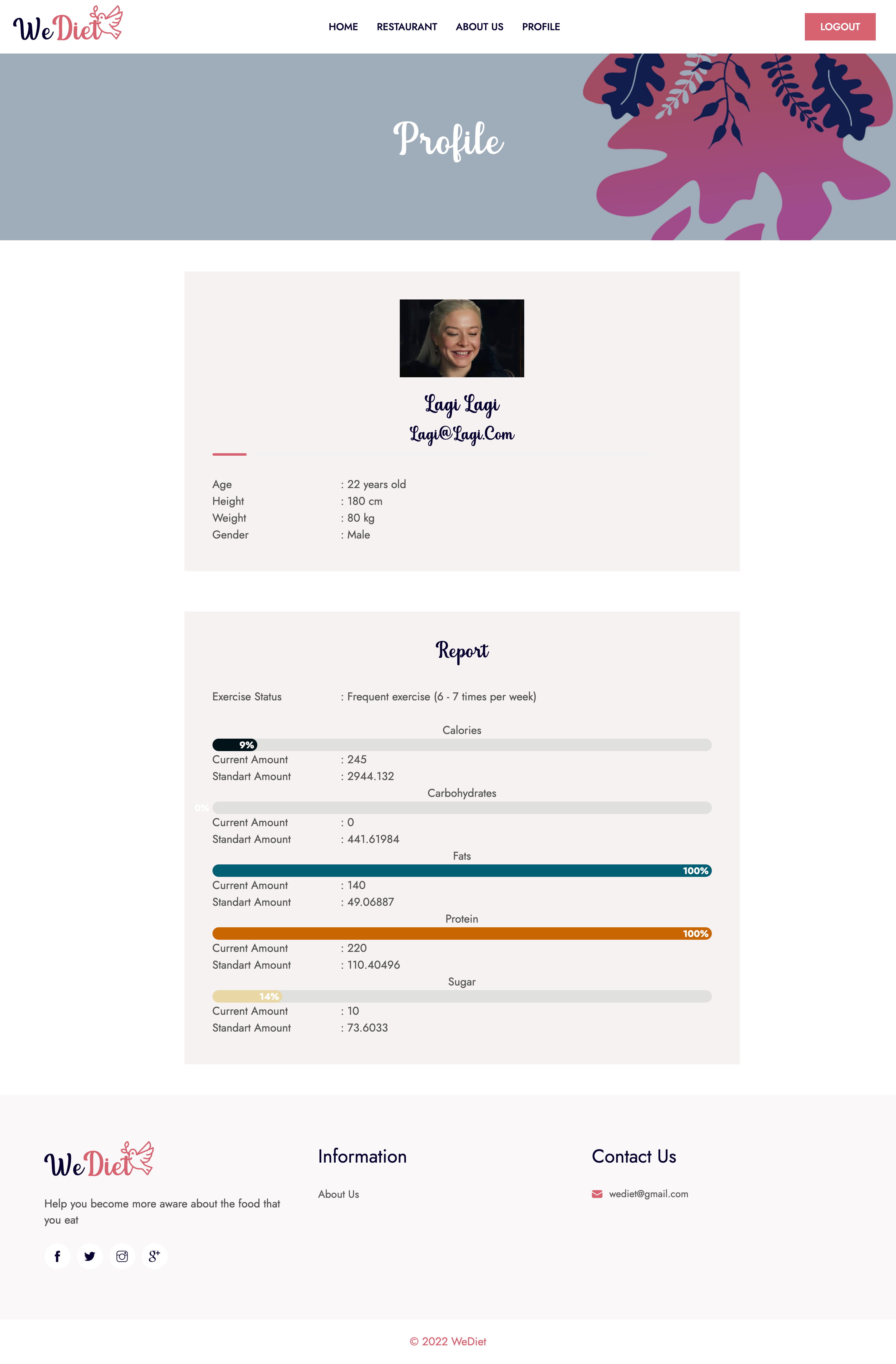
Profile Page
-
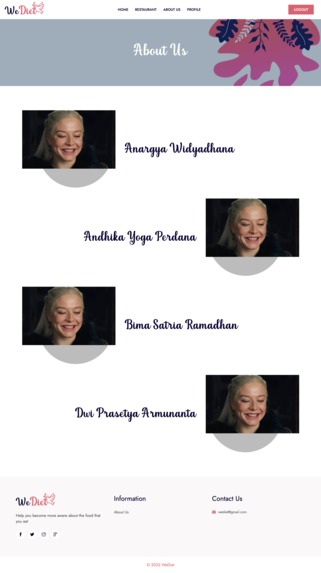
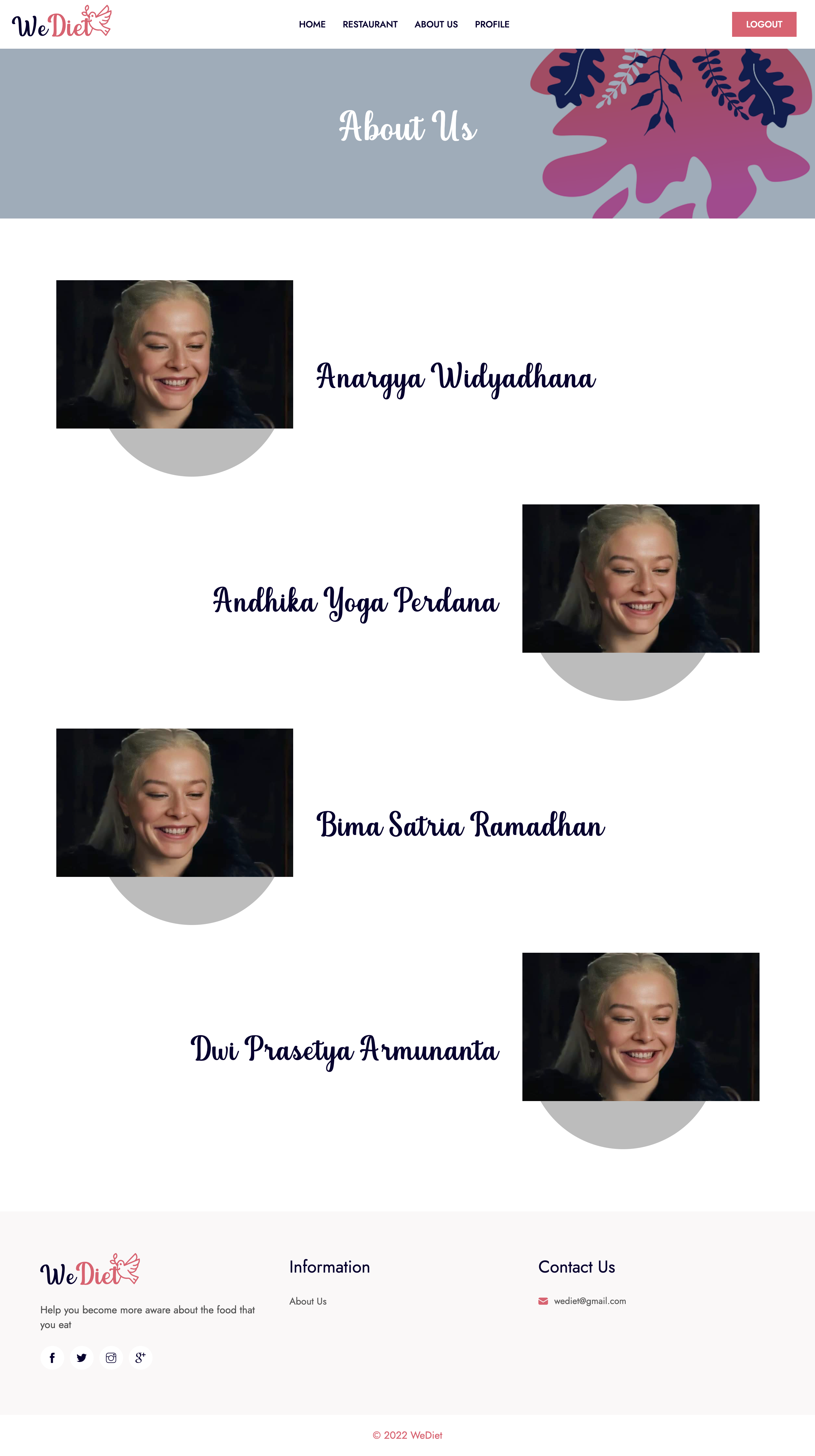
About Page
-
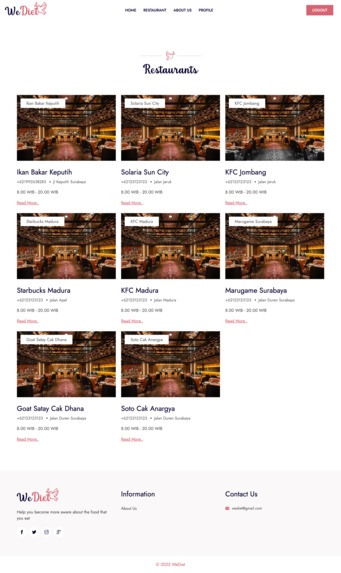
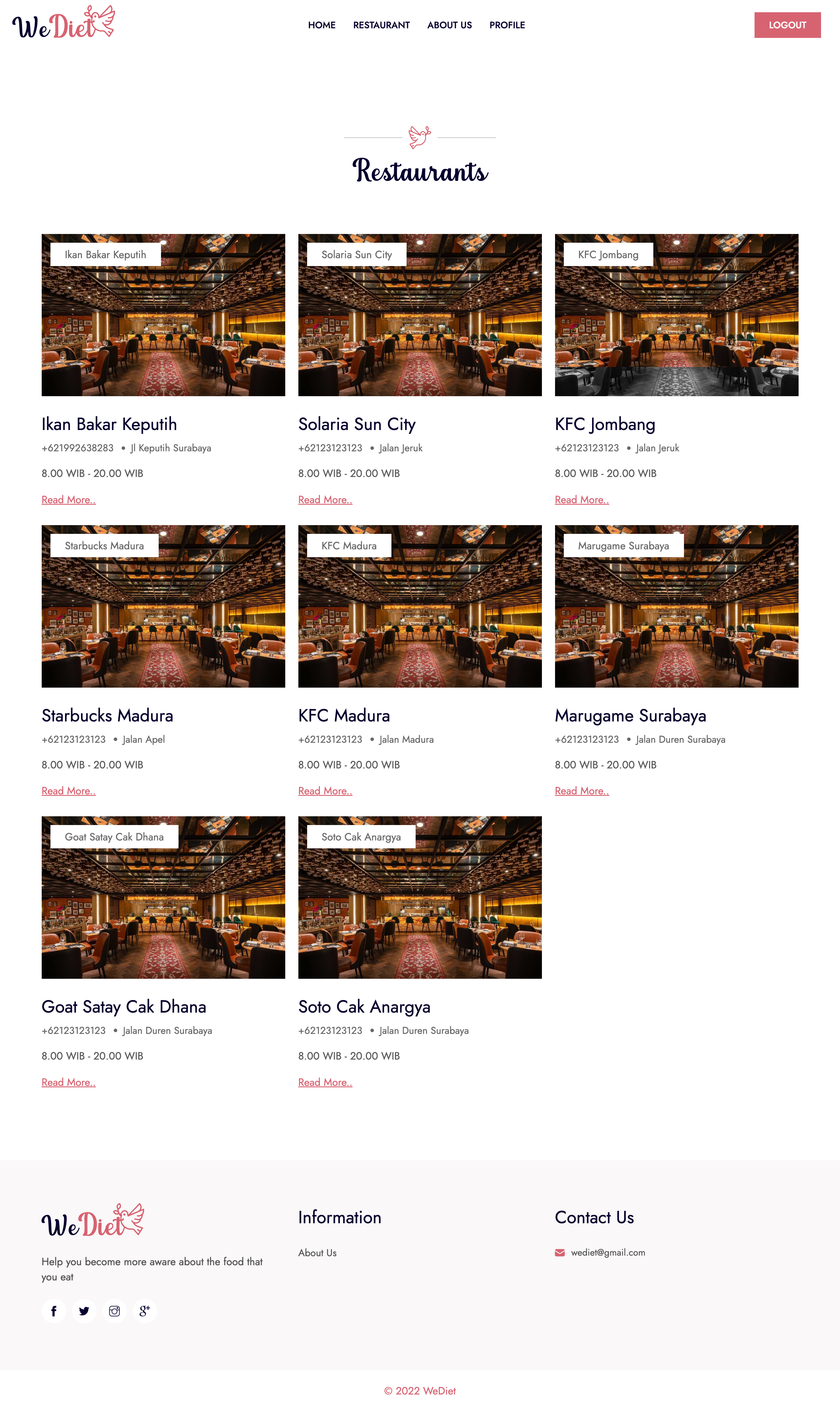
Restaurants Page
-
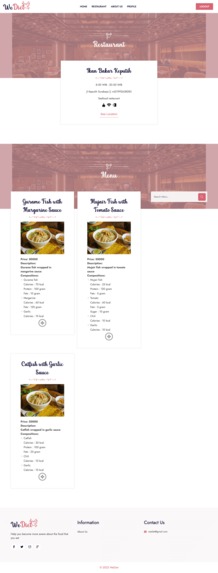
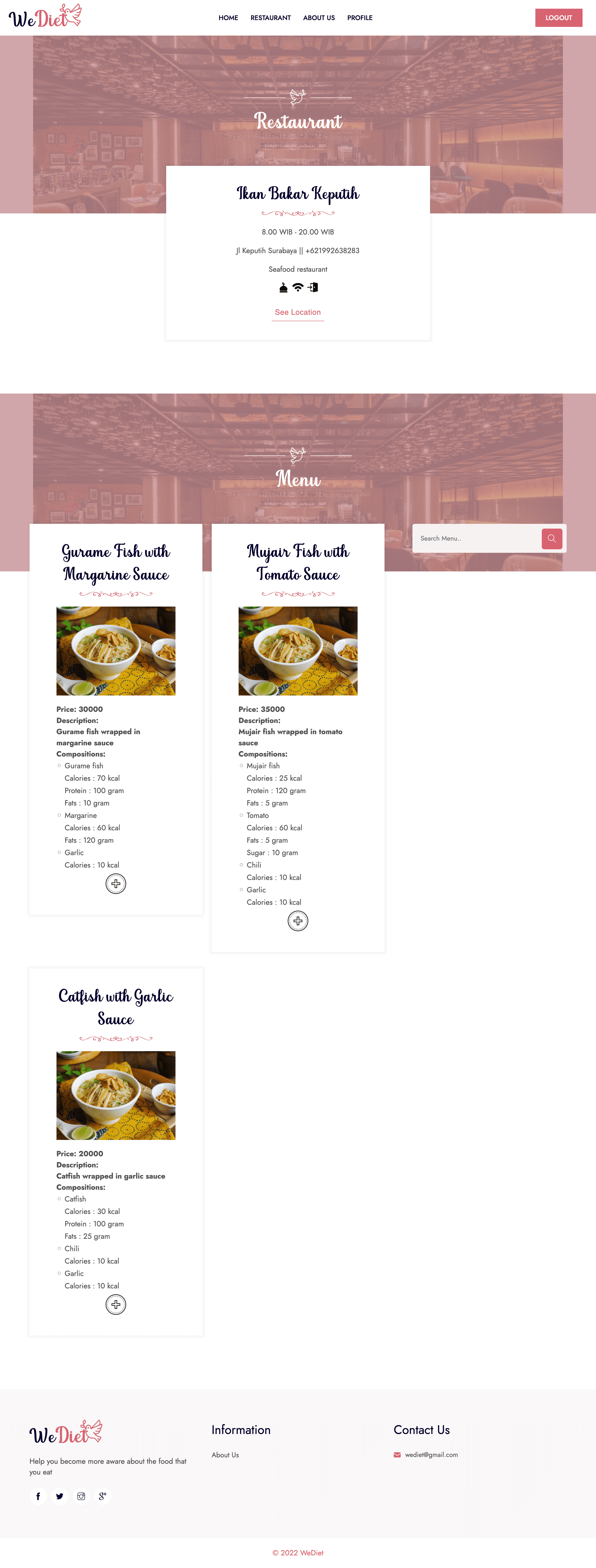
Menu Page
-
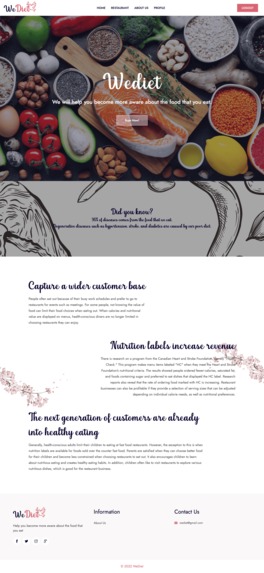
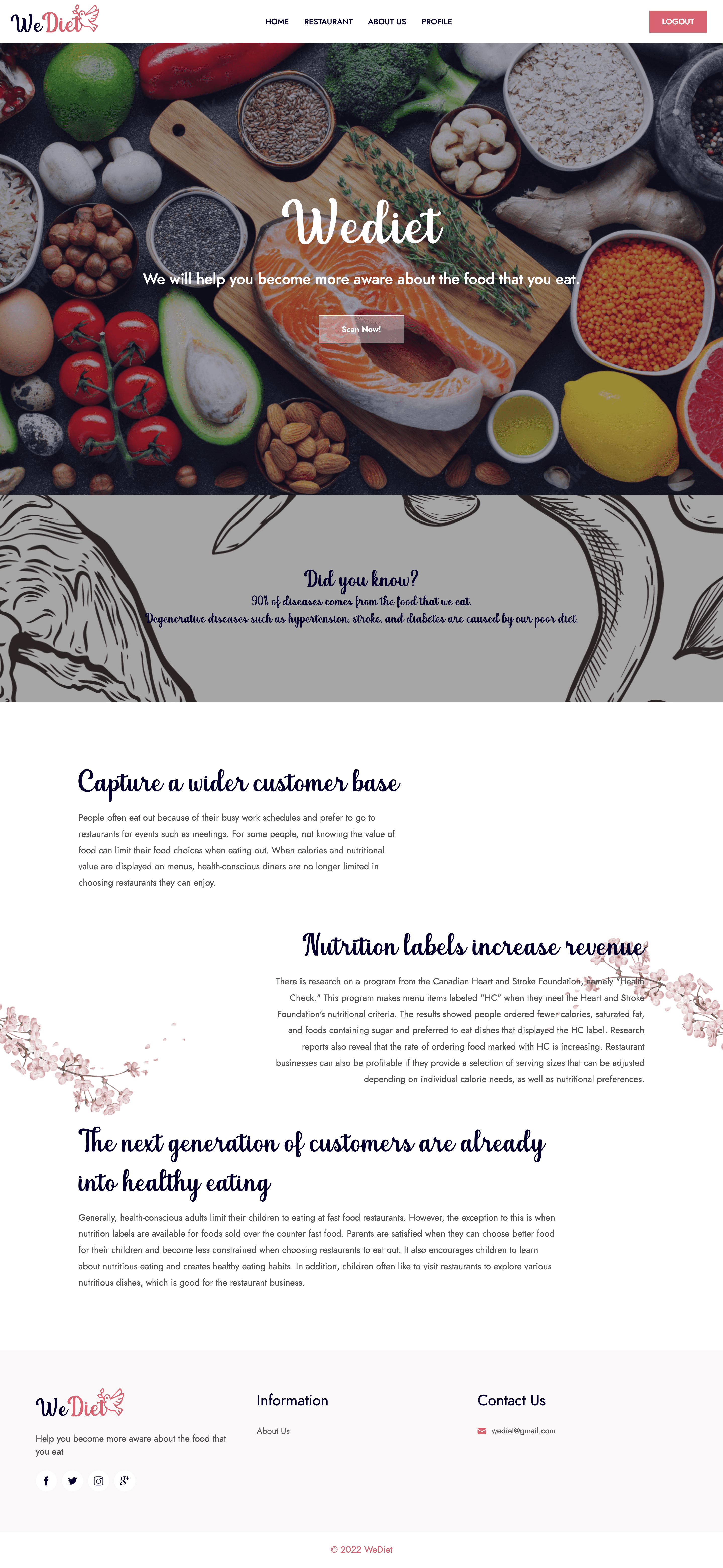
Home Page
Inspiration
The government is preparing a new policy for restaurant businesses. Not only concerned with taste, culinary business people in the future must also include the nutritional value of each menu dish. Presented by Yusra Egayanti, S.Si, Apt, MP. as Head of the Sub-Directorate for Standardization of Certain Processed Foods of the Food and Drug Supervisory Agency (BPOM), this provision is currently being prepared by the Ministry of Health. BPOM is indeed tasked with overseeing nutrition labels in packaged processed foods according to the mandate of the Act. If the policy has been issued, the BPOM will also oversee the ready-to-eat food in restaurants. This is also in line with SDGs No. 2 regarding Zero Hunger with the aim of continuing the development of nutrition in Indonesia and SDGs No. 3 regarding Good Health and Well-Being with the aim of ensuring a healthy life and promoting well-being for all all ages. Where Indonesia targets by 2030 to end all forms of malnutrition, including achieving the 2025 international target to reduce stunting and wasting in children under five and address the nutritional needs of adolescent girls, pregnant and lactating women, and the elderly. Government initiatives and consumer health trends are now changing the position of restaurants in society to become part of the solution to nutritional disorders for both children and adults. These programs show that when restaurants are active in promoting healthy eating then people become more dependent on restaurant food service, which will increase the overall business.
What it does
WeDiet will help you become more aware about the food that you eat. Every restaurant can also register to help achieve a healthy world. You can start by scan the QR code of the restaurant, and WeDiet will show the menus that each of it has composition and nutritional fact of the food. If you login to our app, you will get your personalised daily calories intake. When your daily calories exceed the limit, WeDiet will show the recommended exercise that can burn your calories.
How we built it
We use React for the front end, Golang for back end, and MongoDB for the Database. (RGM Stack).
Challenges we ran into
Time constraint as many from us it’s our first time participating in a virtual hackathon. Choose the right database, at first we plan to use a relational database (MySQL), but the data doesn't suit the relational concept (there will be many JOIN clauses in the query). CORS Origin.
Accomplishments that we're proud of
We can build apps within 48 hours that already feature restaurant menu nutritional facts, personalised daily calorie intake, and exercise recommendations based on the daily calories intake.
What we learned
We learn to work in a group on strict deadline, also project coordination and time management from each member. And of course learn about nutrition facts in a food which really useful for us.
What's next for WeDiet
Prerequisite: WeDiet must detect menu purchases from the restaurant, so WeDiet can provide:
- Space availability of the restaurant (if restaurant is full or not)
- Cooking time of each menu in restaurant, group by each hour and each day
- Food review (can be both for the food taste and nutritional suitability)


Log in or sign up for Devpost to join the conversation.