Inspiration
The spark for World Cup Legends came from a simple realization: most football games force you to play within the lines of existing history. I grew up loving deep management sims, but I always felt like a guest in someone else's world. I wanted to build something where the player wasn't just a manager, but a founder. I wanted a game that combined the high-stakes strategy of a professional draft with the creative freedom to build a nation from the ground up—starting with the very first stroke of color on its flag.
What it does
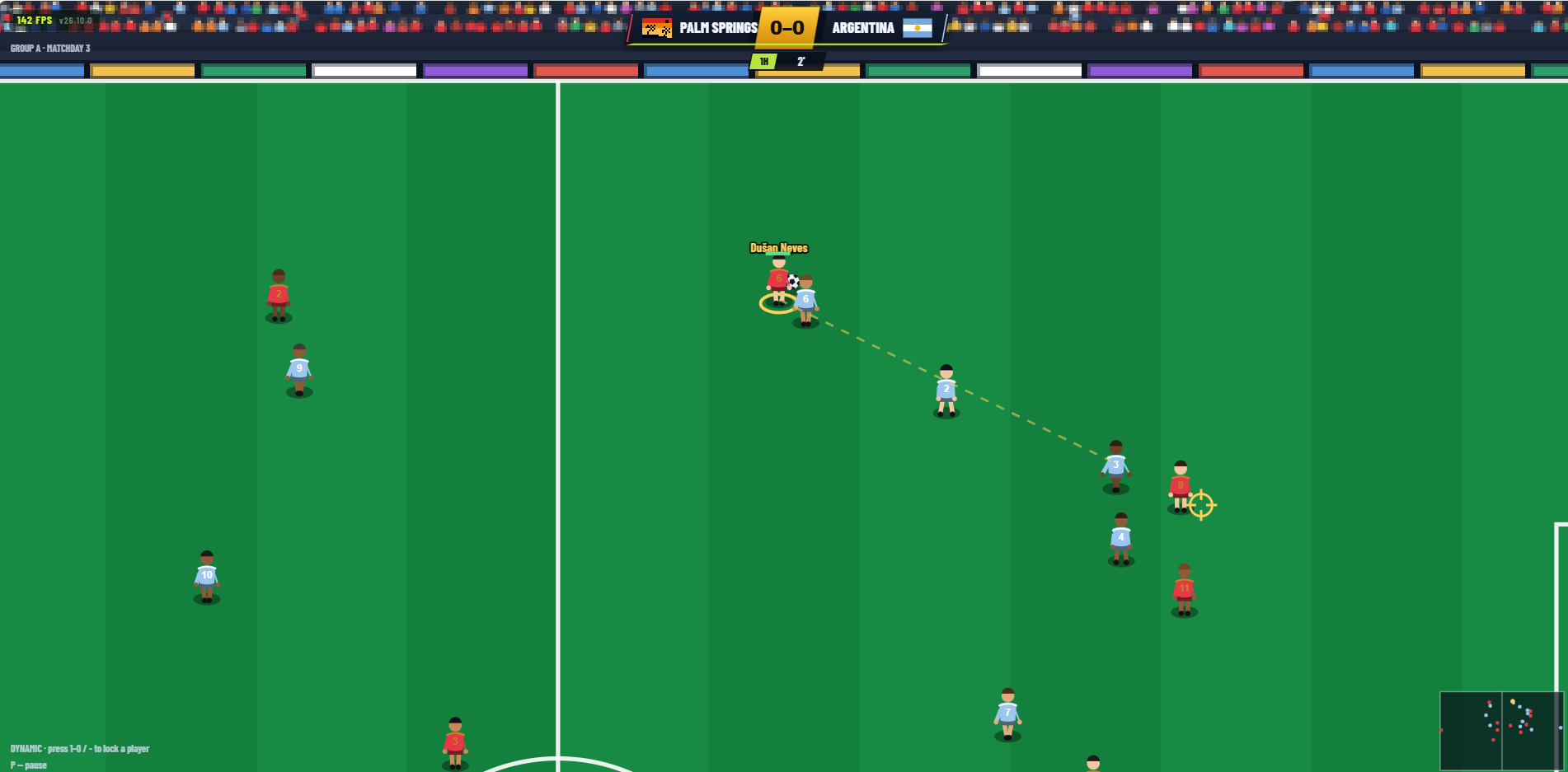
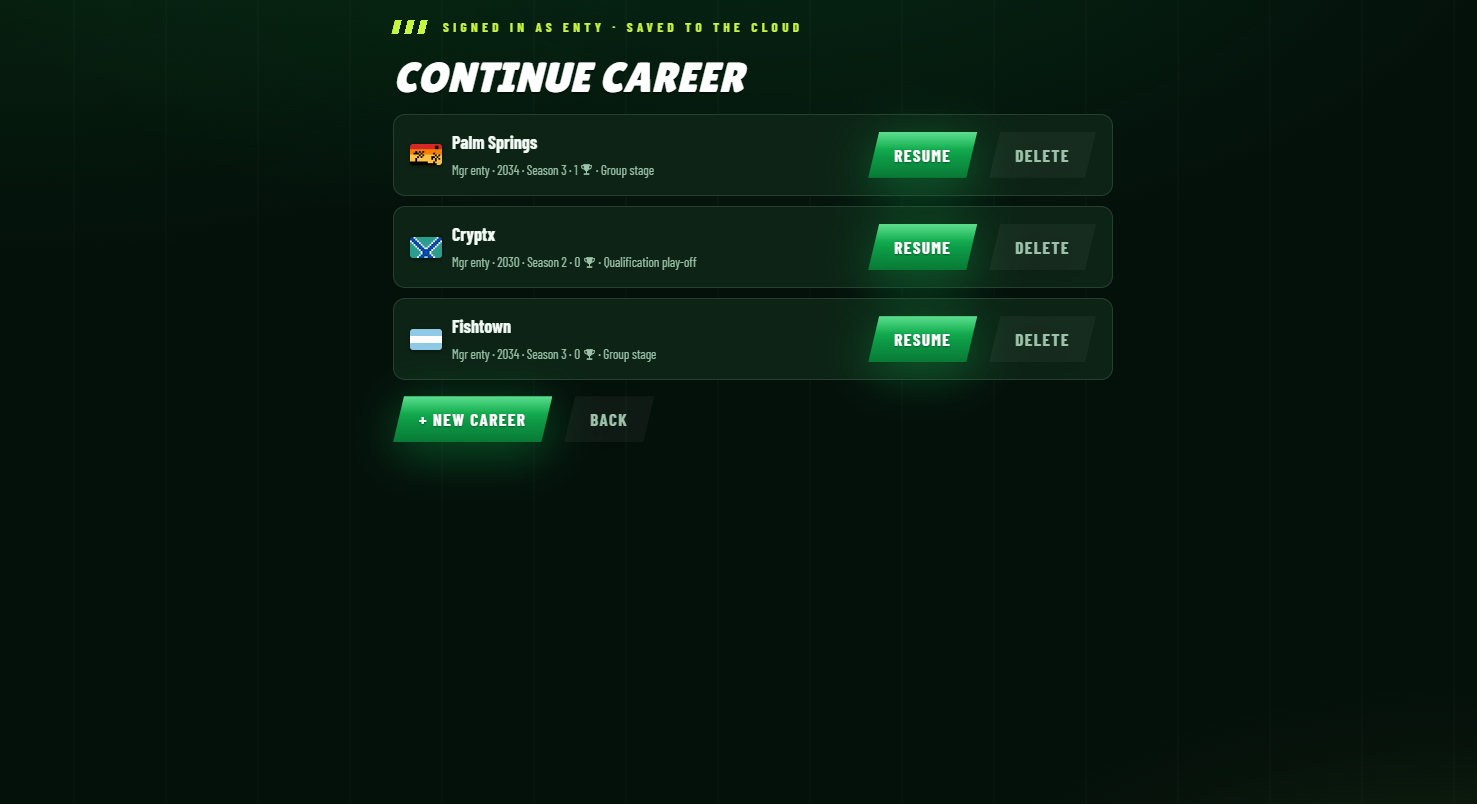
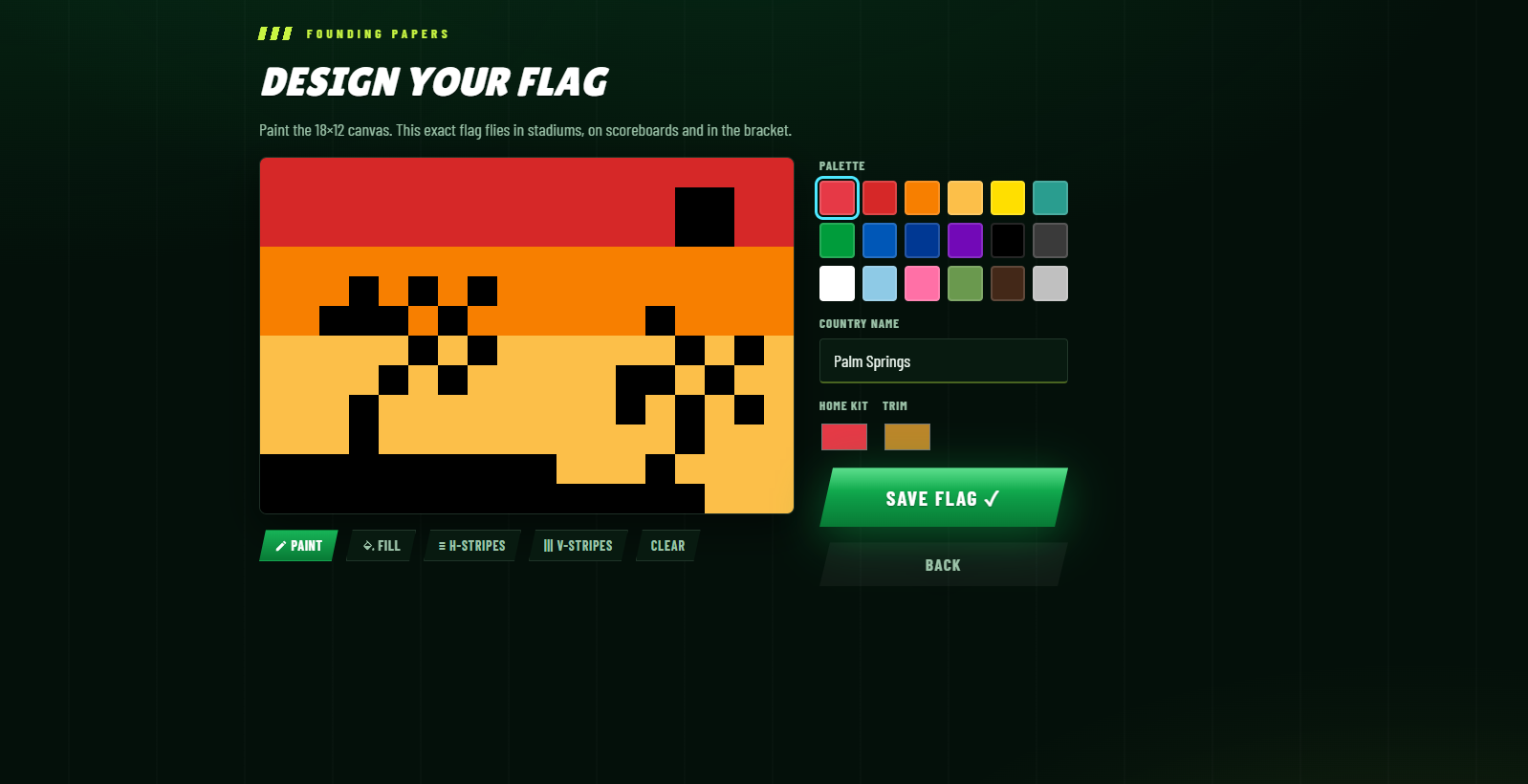
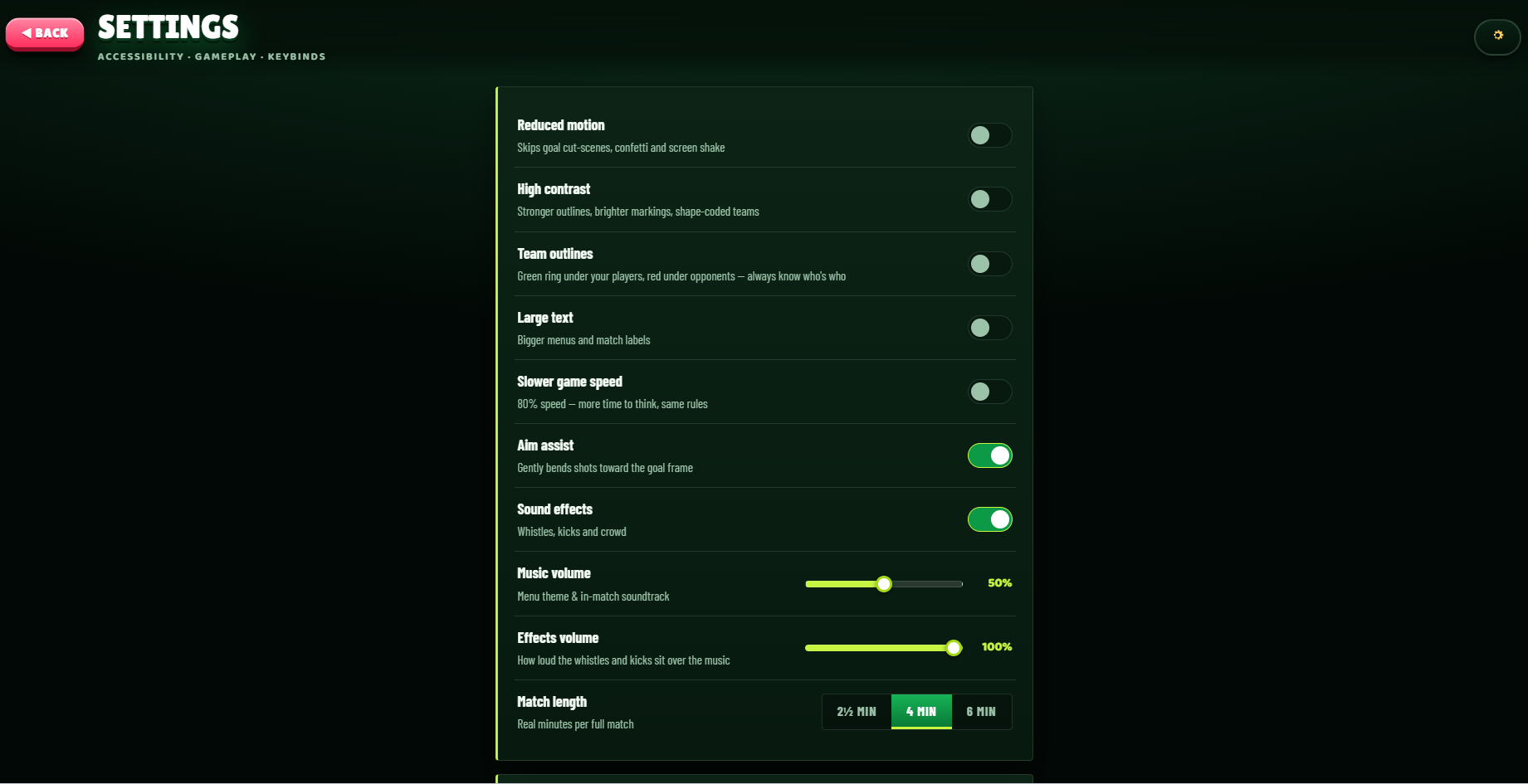
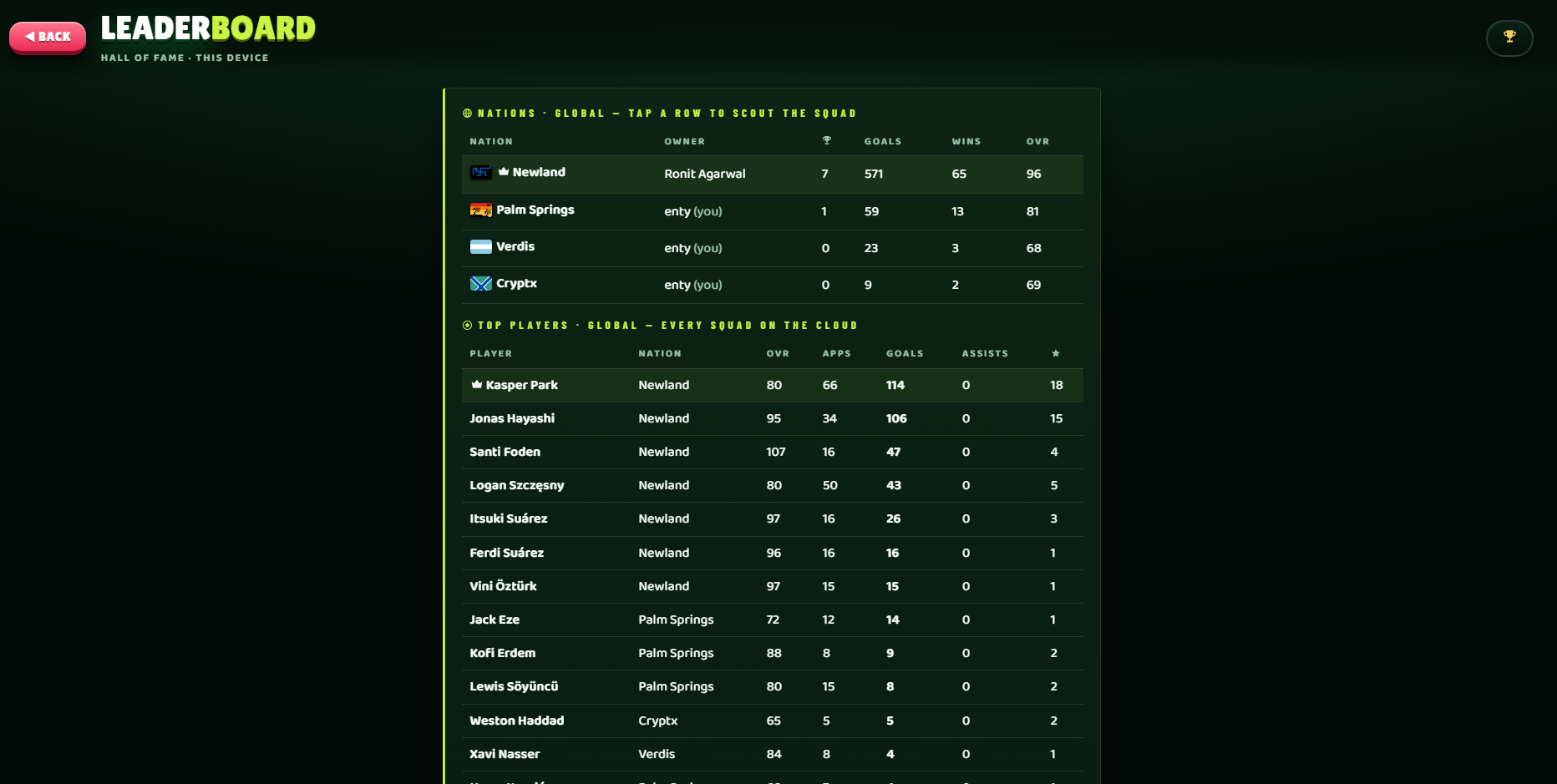
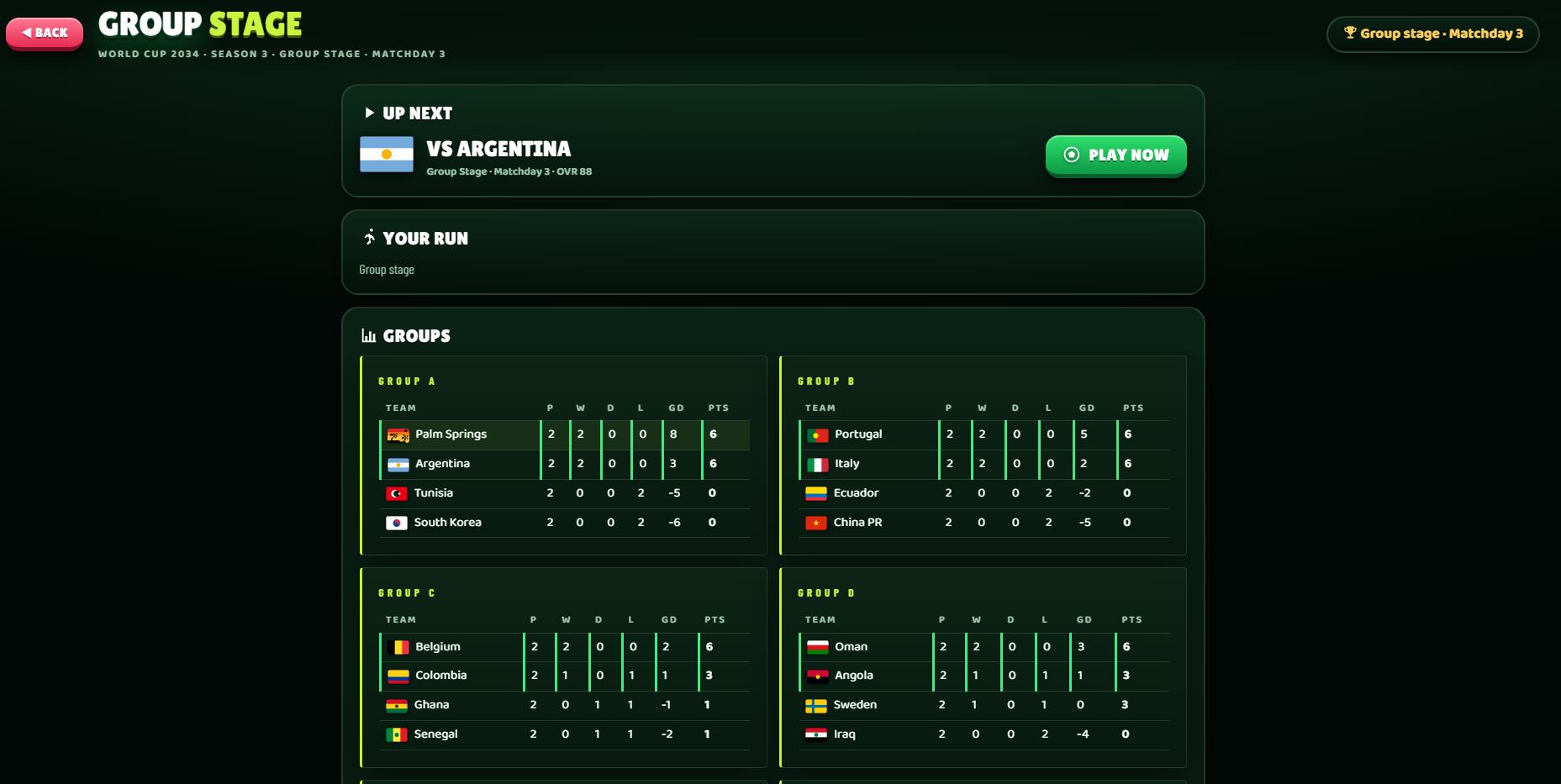
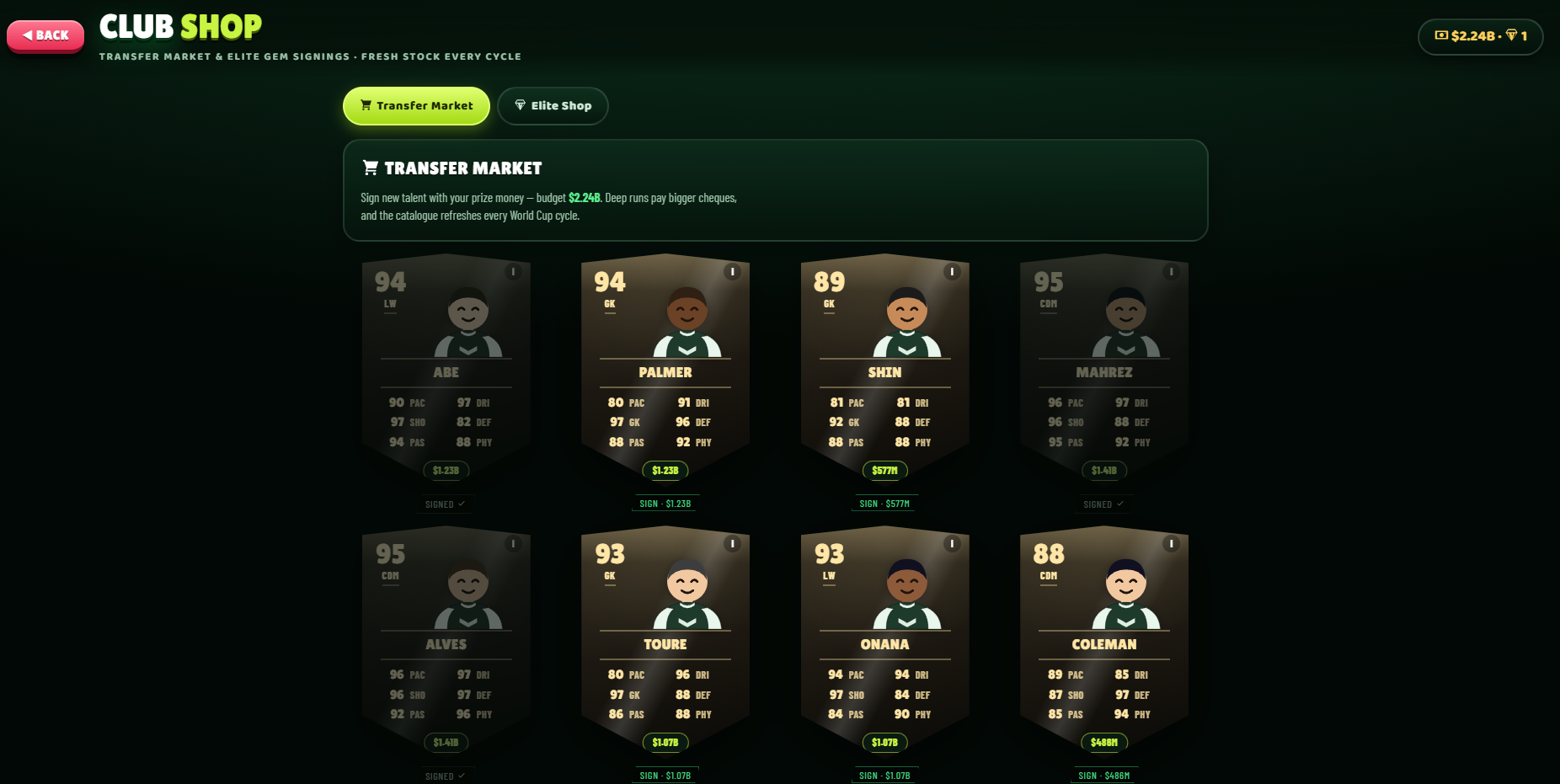
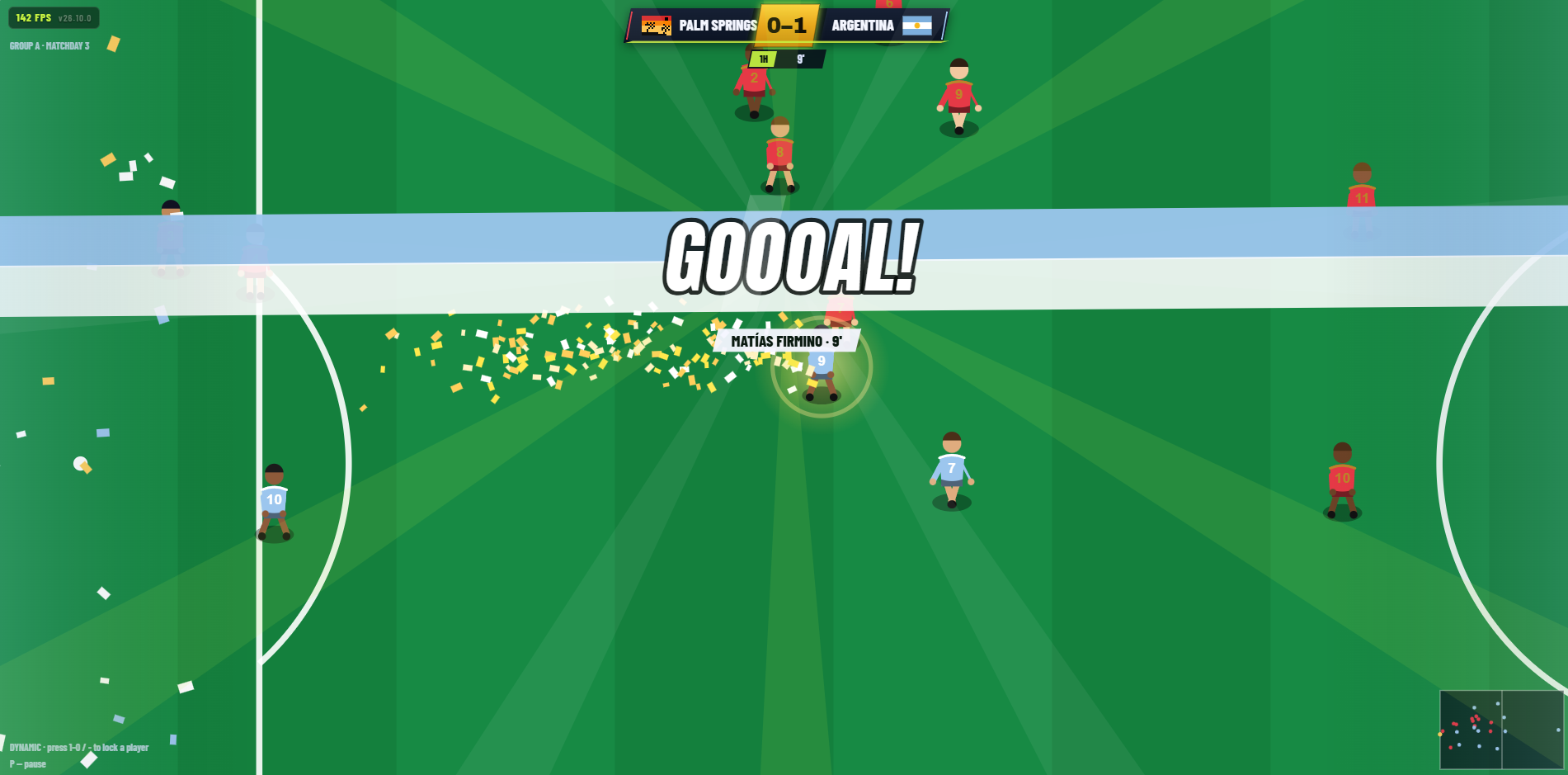
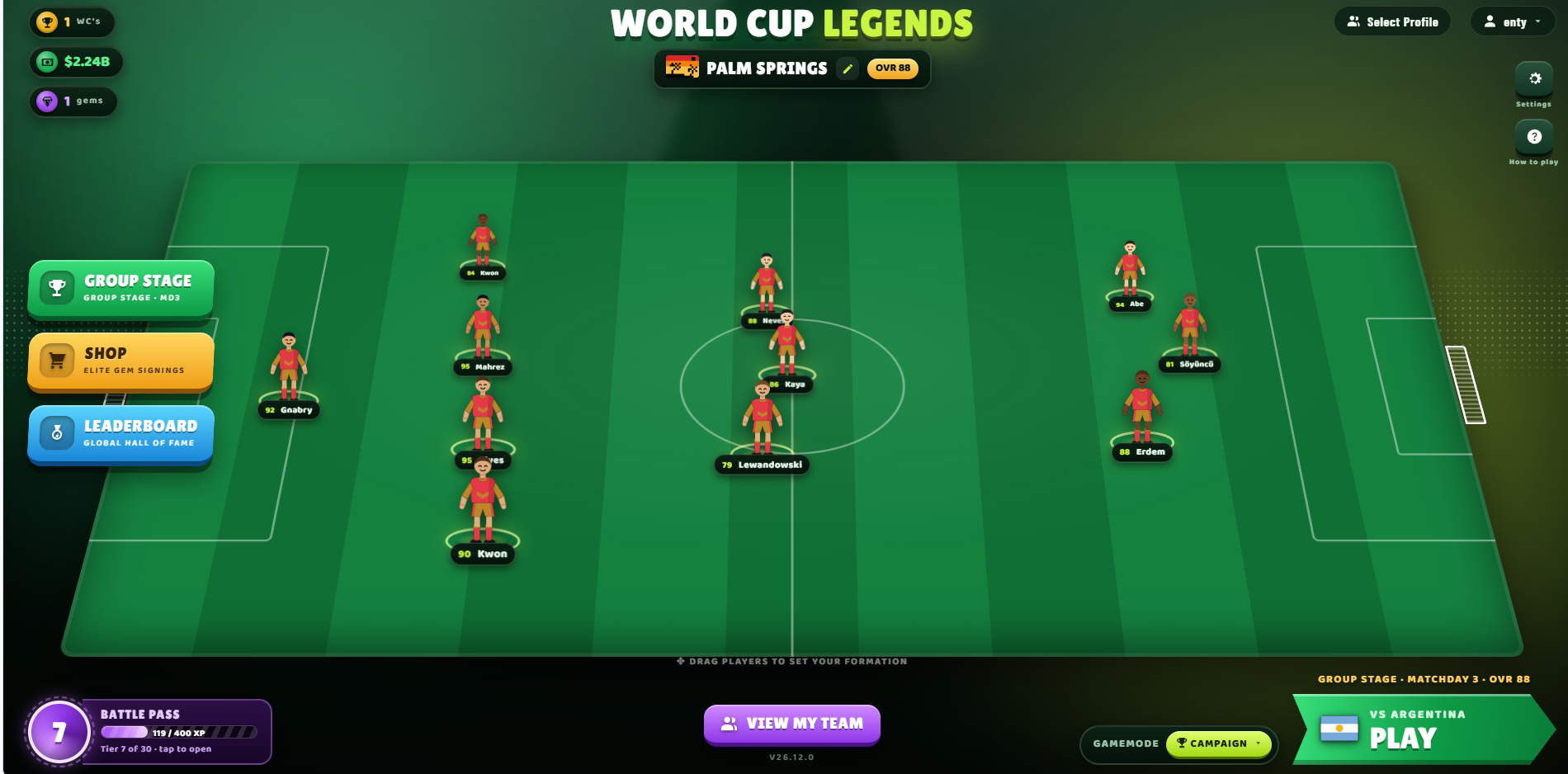
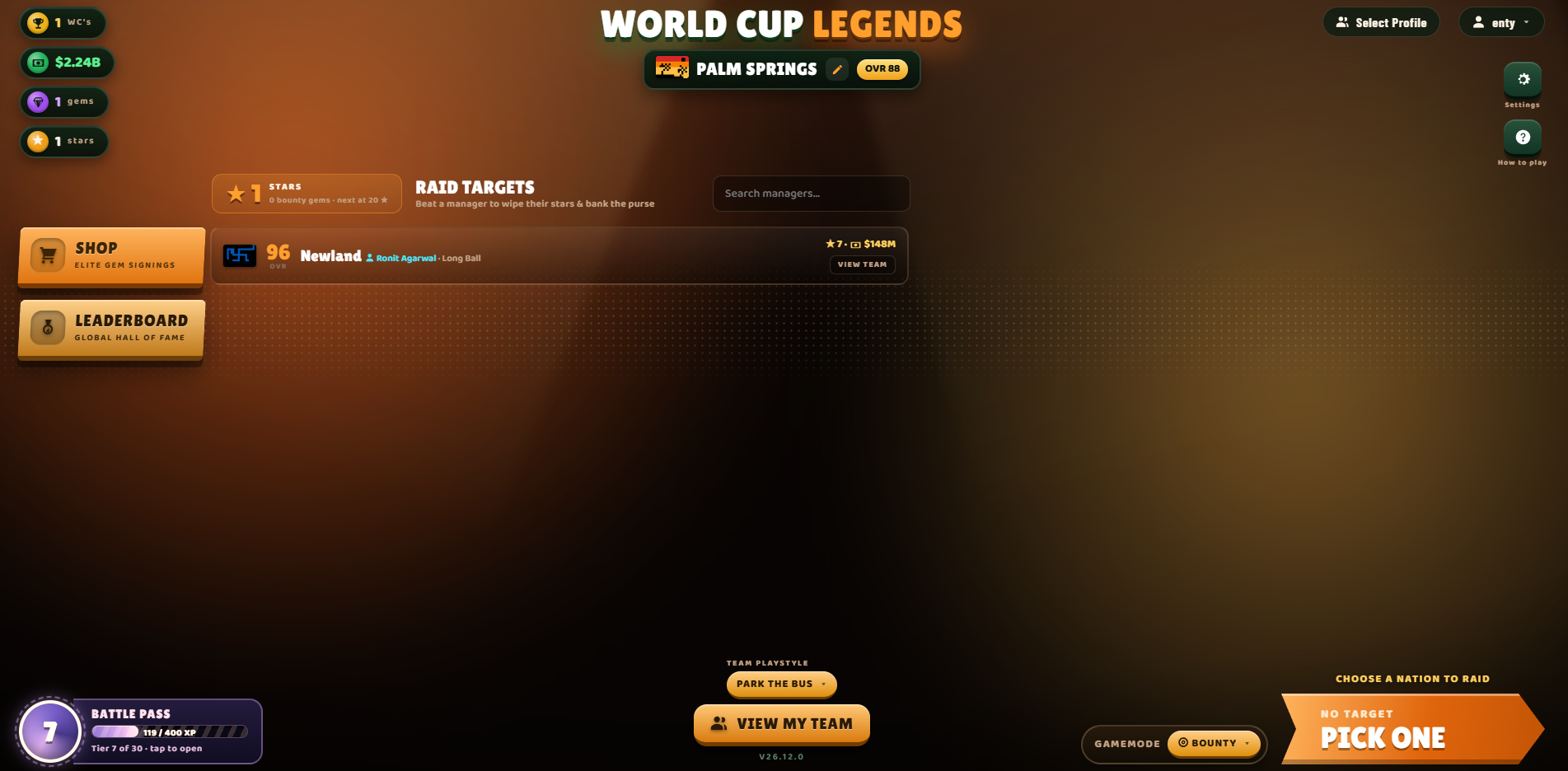
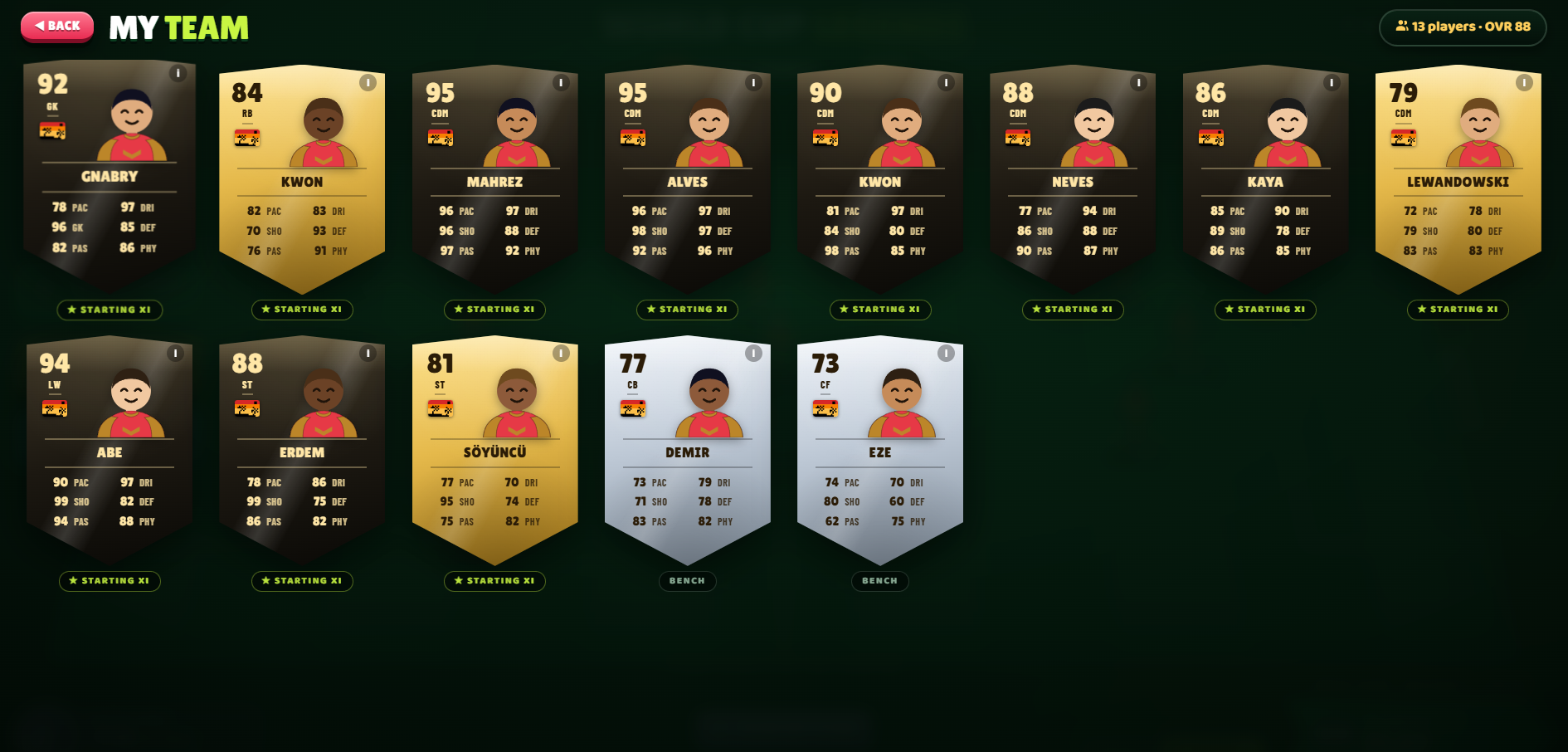
World Cup Legends is a polished, web-based soccer management experience. It allows players to either take control of a real-world powerhouse or found a brand-new country. Players navigate a high-pressure drafting phase, managing a $525M budget to sign a squad of legends. Once the team is built, they compete through the group stages and knockouts of the World Cup. The game features a custom flag editor, a dynamic difficulty system that adapts to your squad's strength, and a global leaderboard where managers can cement their place in the "Hall of Fame."
How I built it
We built the game using a modern web stack centered around Firebase for its lightning-fast hosting and real-time database capabilities. The frontend was designed to feel like a native app, using a reactive architecture to handle the complex state of a 20-player draft in real-time. For the creative side, we implemented a custom Canvas API solution for the flag editor, giving players a smooth, tactile way to design their national identity directly in the browser.
Challenges I ran into
The biggest hurdle was "taming" the game's difficulty. We didn't want the AI to just have better stats; we wanted it to feel like it was reacting to the player's choices. If a manager spent their entire budget on a legendary attack but ignored their defense, the AI needed to "notice" and exploit that. Balancing this logic so that a custom nation could realistically pull off an underdog victory against a giant like Brazil required hundreds of simulated matches and constant fine-tuning of the underlying algorithms.
Accomplishments that I am proud of
We are incredibly proud of the Custom Flag Editor. It’s a small feature that adds a huge amount of heart to the game, making the "nation-building" aspect feel personal. We’re also proud of the overall "snappiness" of the interface—achieving a native-app feel on a web platform was a major goal, and seeing it run smoothly across different devices is a huge win for us.
What I learned
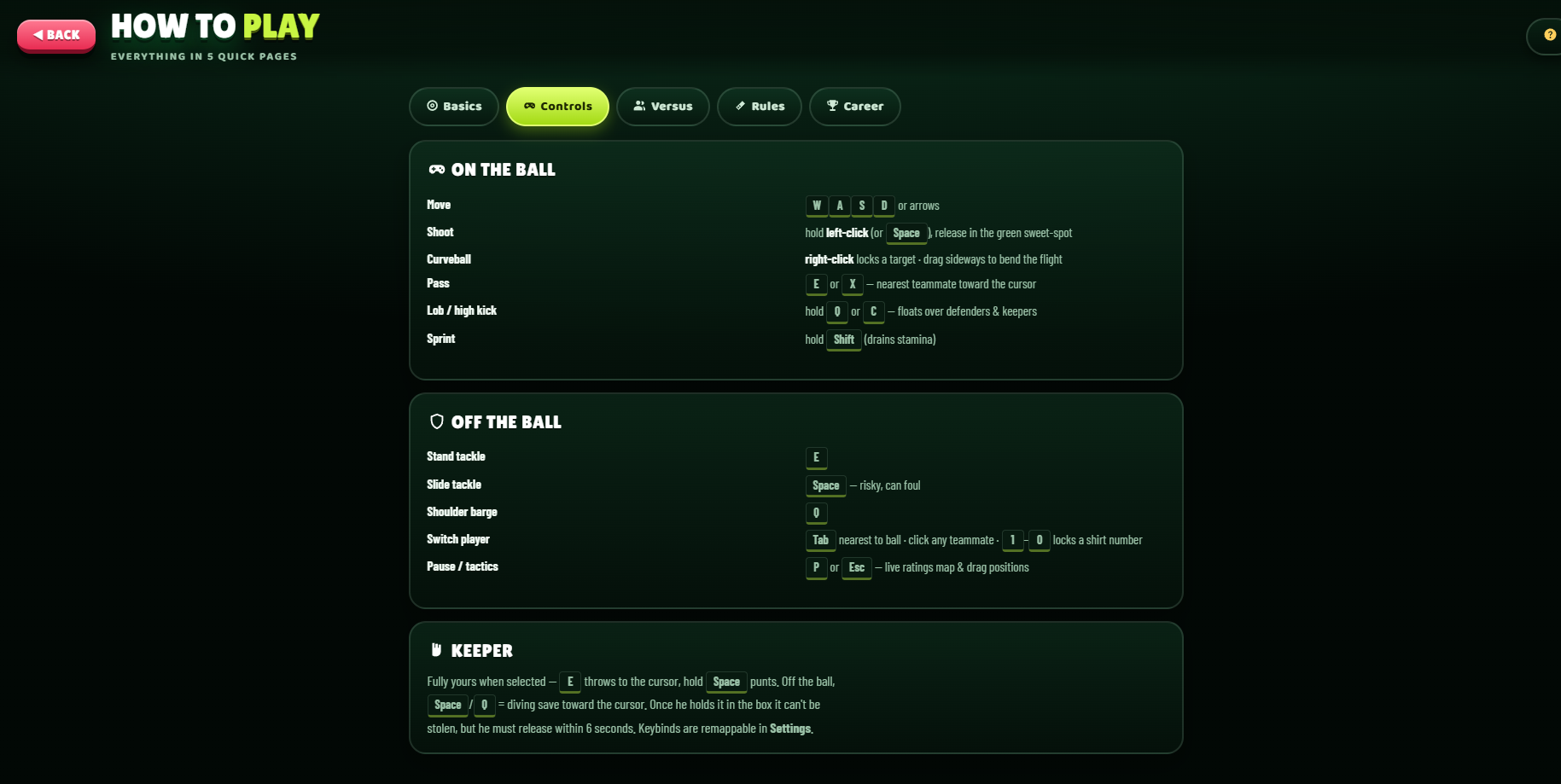
This project taught us that User Onboarding is everything. In early versions, the draft phase was overwhelming because we gave players too much information at once. We learned that good game design is about "progressive disclosure"—guiding the player through the basics before letting them dive into the deep strategy. We also gained a deep appreciation for the complexity of game balancing; even a small change in a player's Pace or Dribbling stat can ripple through the entire match experience.
What's next for WCLegends
The journey doesn't end with the trophy. We’re looking into expanding the game with more tournament formats beyond the World Cup and adding deeper player progression systems where your legends can grow over multiple "four-year cycles." We also want to enhance the social aspect, potentially allowing managers to "scout" and trade players from each other’s custom nations, making the global leaderboard even more interactive.

Log in or sign up for Devpost to join the conversation.