Video is on google drive link instead of Youtube due to an error (we got permission)
Inspiration
Research today means 40 open tabs, sources that quietly disagree, and AI answers that hide where their facts came from. Worse, every AI research tool searches through one search engine, so it only ever sees one slice of the web.
We wanted a research agent that searches the whole web the way a team of researchers would, using many engines at once, each one good at something different, and then shows its work: every source, every claim cross-checked, every contradiction flagged in red. Telem made that possible: one API that routes a query across dozens of search and fetch providers, tracks every agent's calls as a research tree, and keeps watching a topic after you close the tab.
What it does
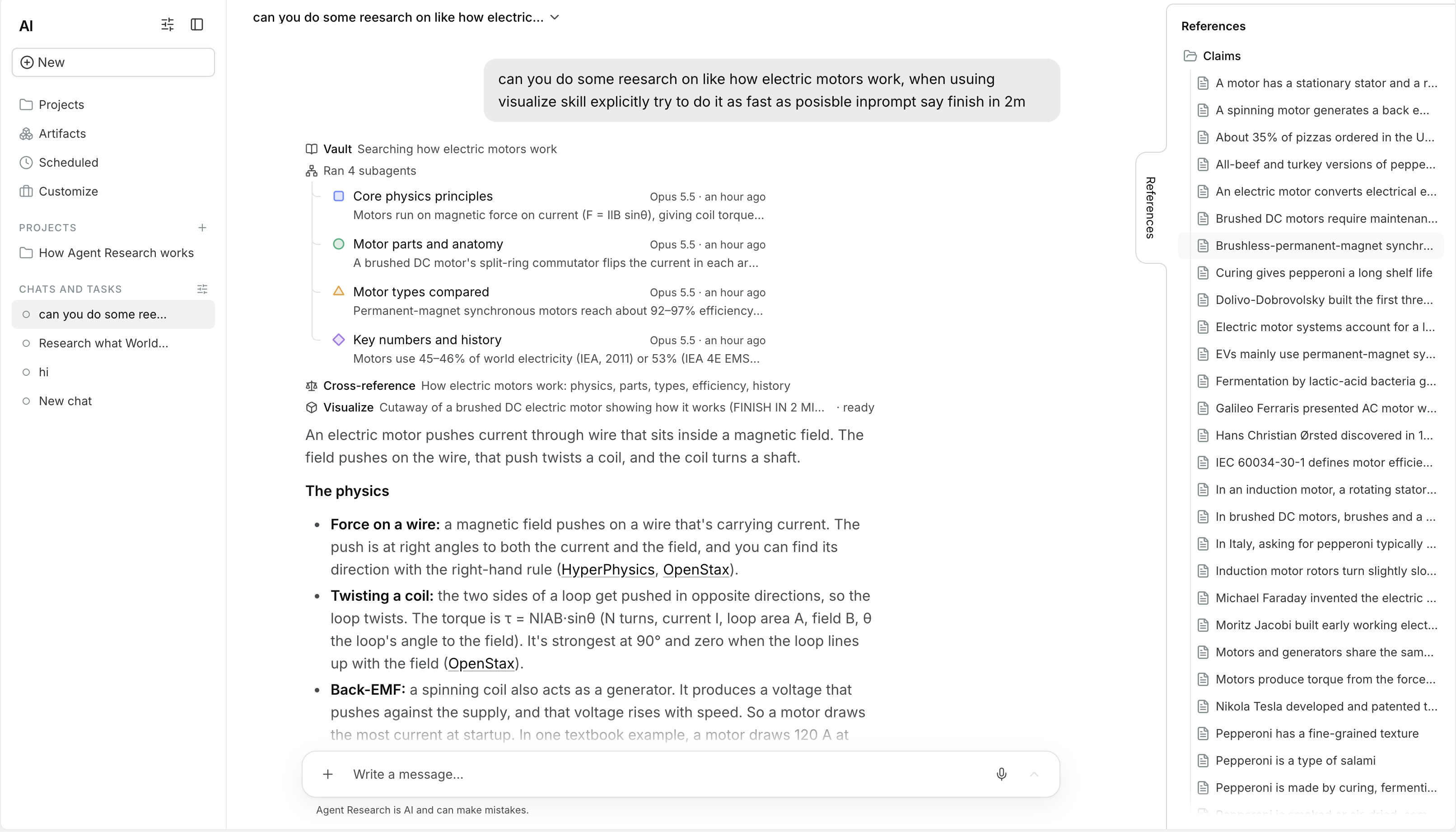
Ask a question. Waypoint Research sends out a team of AI researchers, all searching and reading the web through Telem, cross-checks what they find, and turns your research into something you can explore:
- Research chat with Telem-powered subagents: Claude Opus 5.5 plans the research and sends out parallel subagents. Each subagent is pinned to a different Telem provider family, so together they cover far more of the web than one engine could:
- Deep (papers, primary docs): Exa, Parallel, Seltz
- News: Perplexity, Linkup, Tavily
- Open web: Brave, You.com, Ceramic
- Social (what people are actually saying): X, YouTube, Substack and Reddit, through Telem's platform providers
- Cross-referencing on Telem fetch: every source page is read in full through Telem's fetch with automatic failover. Claims are extracted and each source is marked supports or contradicts with a direct quote. Contradictions show up in solid red.
- Knowledge base: every source the research found. Click one and it opens right in the panel, read by Telem. "Find more" runs a Telem search for sources the chat doesn't have yet.
- References vault: an Obsidian-compatible vault of Research, Source and Claim notes. "Read full page" pulls the page through Telem fetch and saves it into the note.
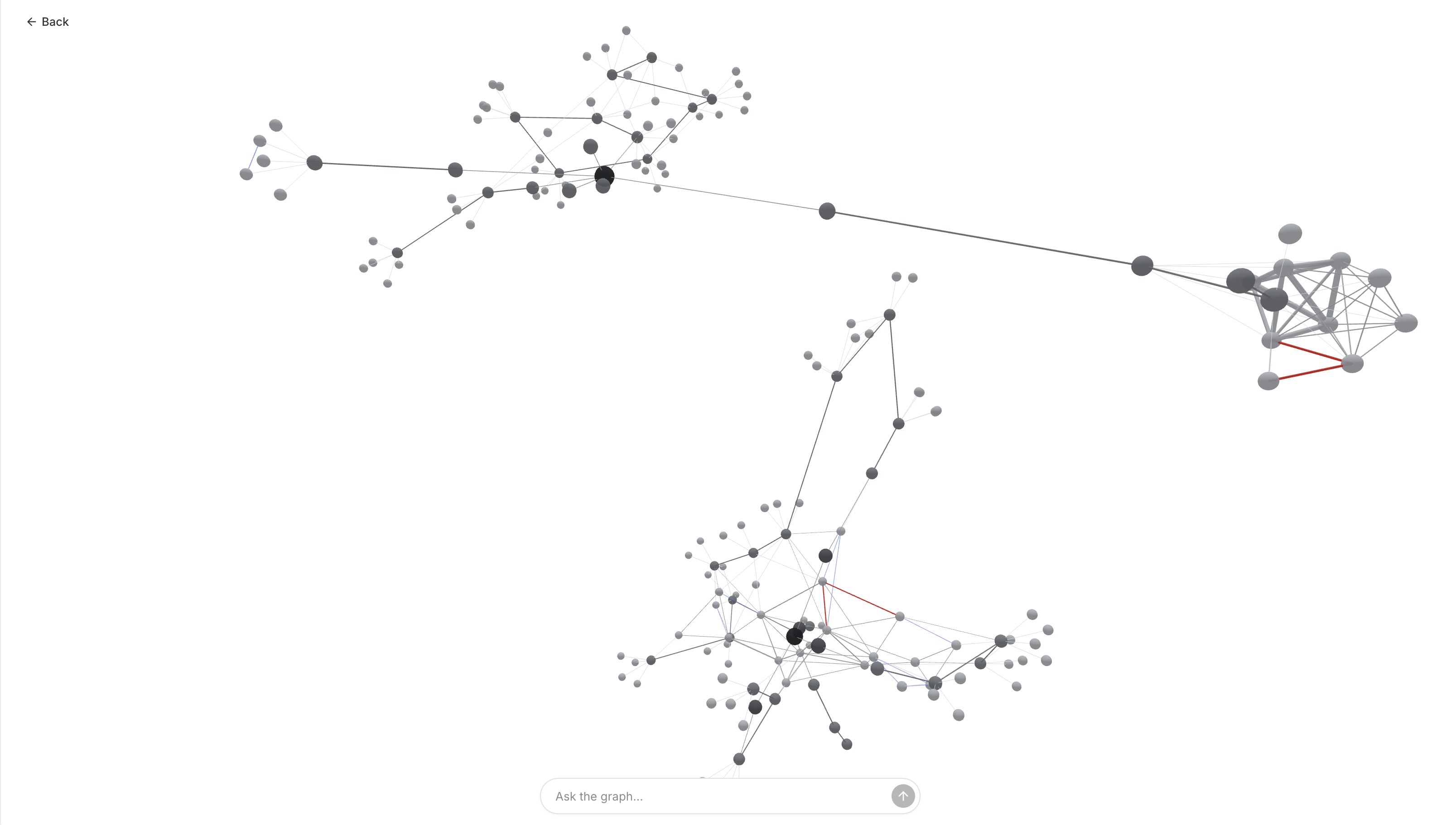
- 3D Force graph: sources and claims as a 3D web of support and conflict. Fly close to a node and it becomes the live webpage, and if a site blocks embedding, Telem reads it instead (YouTube links come back as full transcripts). The graph chat can "find more sources like this", which runs a Telem search from that node and grows the graph from it.
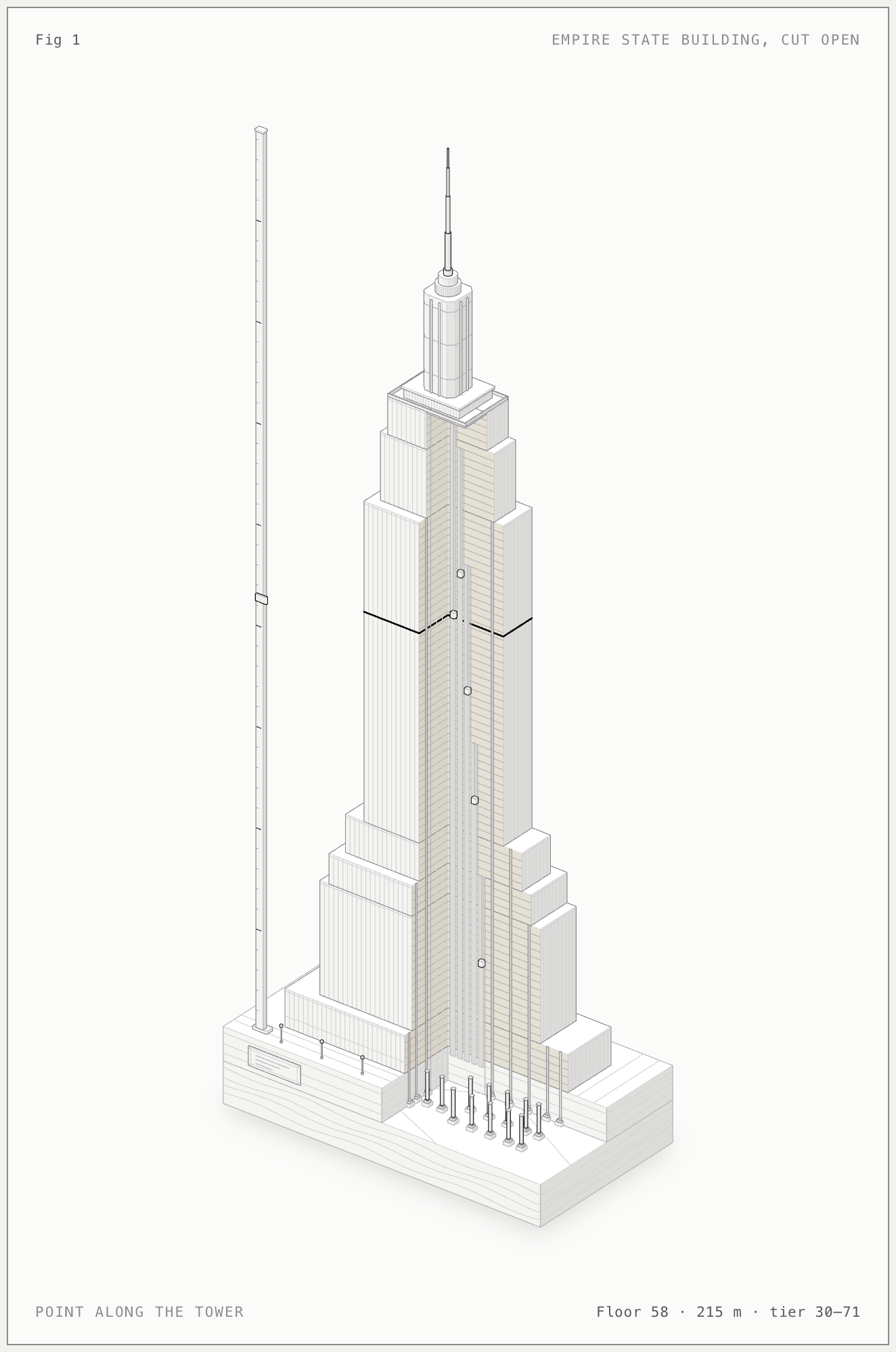
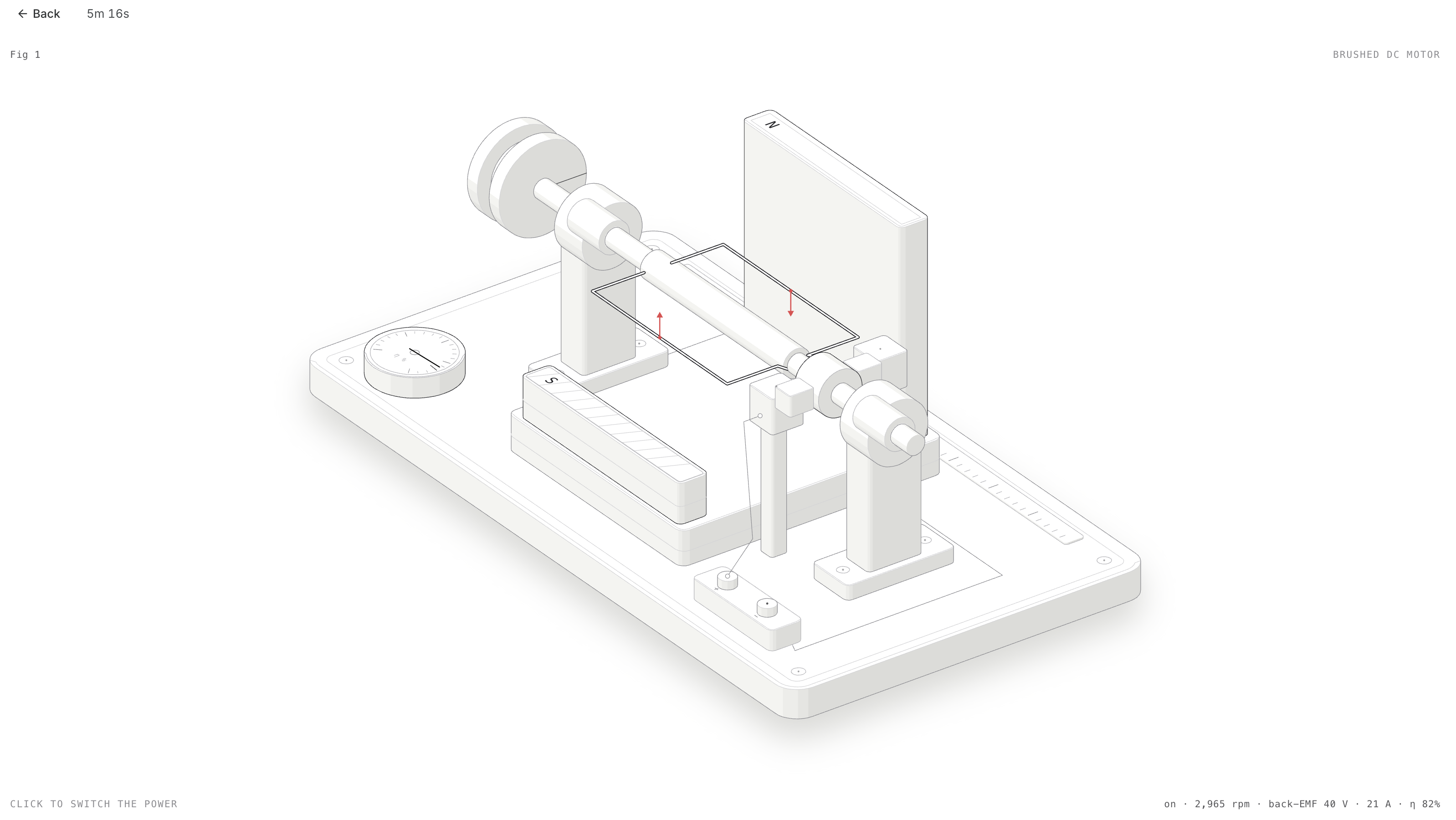
- Visualize: a background AI agent builds an interactive isometric figure of the topic (exploded view, hover-to-explain parts, parts list, 3D orbit) that you can message while it's building.
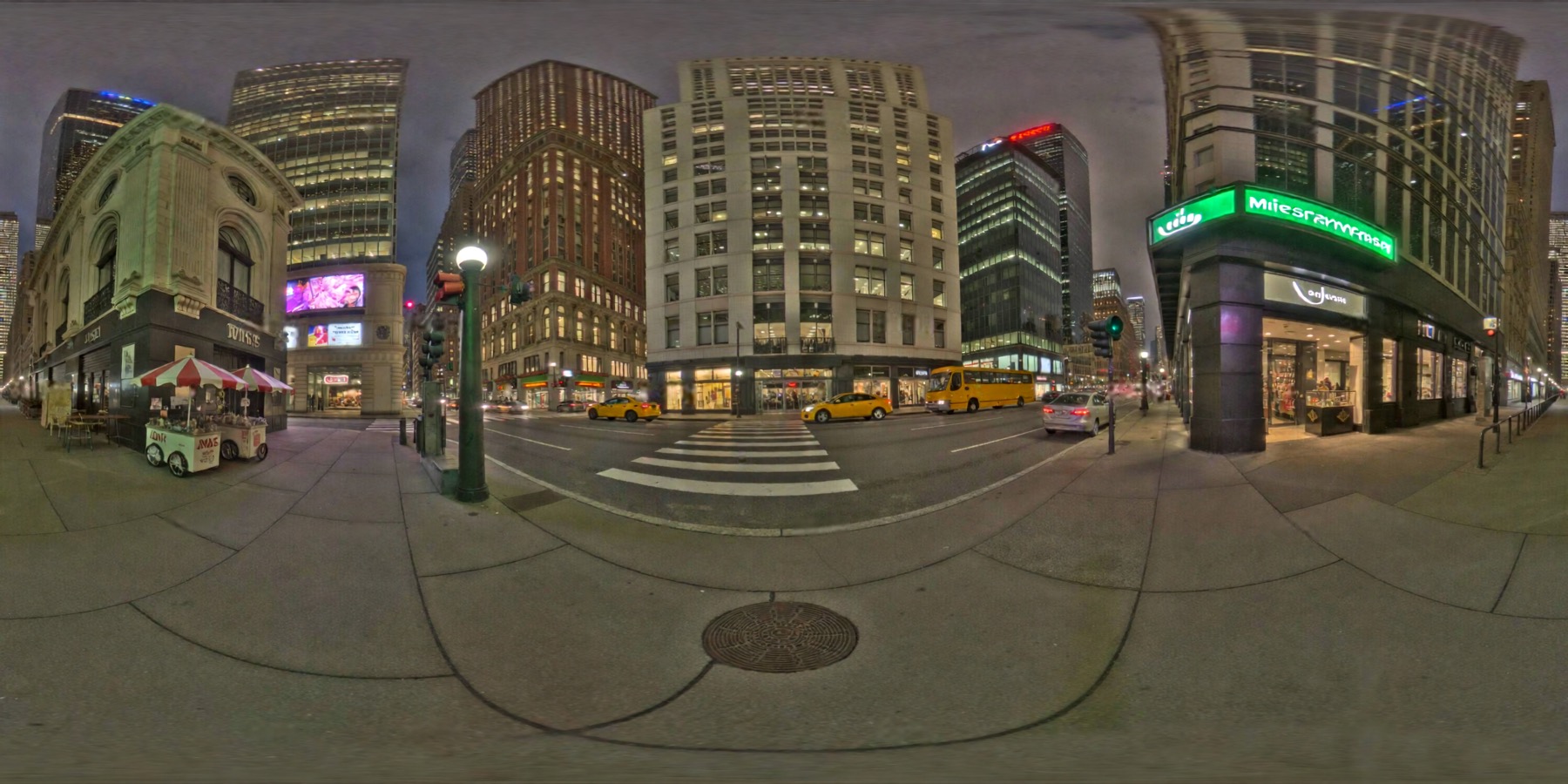
- World Labs research worlds: each chat's first research generates a walkable 3D world (World Labs Marble) with research on floating screens. Every screen runs its own four-step Telem search plan in parallel:
- a general overview,
- official sources (Telem
include_domainson government sites), - research (
include_domainson academic sources), - recent news (Telem
published_after, last 12 months).
Results are merged, trust-filtered and balanced across steps. A live Telem search trace panel shows which engines answered each step, how long they took, and how many results were found versus kept. The world's chat researches with telem_search and telem_fetch, streaming each Telem call into the scene.
- Telem tab, research that keeps going: every research question becomes a Telem Monitor that re-checks the topic daily for a week. A background poller pulls the monitor's new findings into the Knowledge base (marked New) and the vault, and a dot lights up on the tab. You can chat with the monitor's own agent, see what it found (values, verdicts, history), pause it, resume it or run it now. A usage panel breaks down every Telem call by provider, latency and estimated cost, next to what Claude cost.
How we used Telem
Telem isn't one feature here. It's the backbone of all search and reading in the app.
- Telem Search (auto-routed): every web search goes through Telem's
/v1/search. By default Telem auto-routes each query to the best providers, and we merge results across providers, ranking pages that several providers found first. We also use:- provider pinning, to give each subagent its own family of engines;
- platform routing for X, YouTube, LinkedIn, Maps, reviews, PubMed, SEC and patents;
include_domainsto aim world searches at official and academic sources;published_afterfor recency.
- Telem Fetch (failover): every page read (cross-referencing, the Knowledge base reader, the graph's fallback reader, vault "Read full page", the world's
telem_fetch) goes through Telem's fetch chain, so a page that one provider can't read is retried by the next. Platform links pin the right fetcher: YouTube becomes a transcript, and TikTok, Instagram, Amazon and LinkedIn each go to their own Telem provider. - Telem lineage, the research tree: every chat is one Telem session. Each search or read gets its own trajectory, and each subagent's calls carry a
parent_trajectory_idpointing back to the lead agent's turn. The whole research run (lead agent, then subagents, then every search and read) shows up as one connected tree in the Telem console. - Telem Monitors: auto-watch on every research question, with a per-run, per-chat and per-day budget cap so it can't run away. We read the monitor's changes, objects (its findings) and panels, and use Telem's monitor agent chat so users can ask the monitor directly. Pause, resume, run now and delete are all exposed in the UI. In the World Labs view, a Watch button puts an hourly monitor on any screen's topic.
- Telem per-provider results, observability: every call reports which providers answered, each one's status and latency, and whether Telem fell back. We record all of it per chat and per subagent and show it in the Telem tab.
- Built on the Telem JS SDK (
@telemai/sdk), behind one shared client used by every part of the app. If Telem itself is ever unreachable, we fall back to Tavily directly; in our real test runs it never had to.
How we built it
- Frontend: Next.js 16, React 19, Tailwind v4, shadcn/ui, Motion; Streamdown and KaTeX for Markdown and LaTeX answers.
- AI: Claude Opus 5.5 through the Claude Agent SDK, with our own in-process MCP tools:
web_searchandweb_read(Telem), cross-reference, vault, subagents, visualize, and the Telem monitor tools (watch_topic,ask_monitor,run_monitor_nowand more). Every tool call streams to the UI live over SSE, and hovering a search shows which Telem providers answered and how fast. - Telem: one shared client on
@telemai/sdkfor search, fetch, lineage and call events, a monitors client, and a usage recorder that listens to every Telem call. - 3D: 3d-force-graph and three.js, with
CSS3DRendererfor live webpages in 3D. World Labs Marble and the Spark splat viewer for research worlds, building on Prithvi's NYC World. - Visualize: a sandboxed background Claude agent running the open-source anatomy skill. It can't publish anything or reach the network, and its figures are served under a strict no-network content policy.
- How we worked: built by a fleet of parallel Claude Code agents, each on its own git branch, with continuous merges and 660+ automated tests.
Challenges we ran into
- Making many providers feel like one search: different Telem providers return different shapes, speeds and quality. We had to merge by normalised URL, rank pages several engines agreed on, trust-filter, and cap results per site so one domain can't dominate.
- Tracing agents that spawn agents: getting lineage right meant mapping our chats, turns and subagents onto Telem's sessions and trajectories, so the research tree is truthful down to the single search.
- Monitor budgets: monitors run on their own schedule and cost money, so we capped every monitor per run, per chat and per day, and handled runs Telem skips when the estimate is over budget.
- Live webpages in 3D: many sites refuse to be embedded. Telem's fetch became our fallback, so every node still shows real content.
- Letting an AI write and run code safely (Visualize): tool-use hooks, a macOS sandbox profile, and no network.
- Cost control across Telem monitors and World Labs worlds: one world per chat, one figure at a time, a budget cap on every monitor.
Accomplishments that we're proud of
- In one real run, a single question led to 15 Telem calls across 3 subagents and over a dozen providers (Exa, Parallel, Seltz, Perplexity, Linkup, Tavily, Brave, X, YouTube, Substack and Reddit) in about 3 minutes, all visible as one research tree in Telem's console.
- Telem latencies in that run:
- general searches: 2–4 s
- social searches: 6–11 s
- page reads: about 1 s
- One World Labs screen's Telem search plan pulled 61 results, dropped 21 untrustworthy ones, and kept 34, with the whole trace on screen.
- Research that keeps going after you leave: Telem Monitors feed new findings straight back into your Knowledge base and vault.
- Contradictions between sources are visible, not buried.
- 660+ passing tests on a hackathon project.
What we learned
- Provider diversity is the whole game. Exa finds papers, Perplexity finds news, X and YouTube find what people actually think. Routing across them through Telem gave us broader and more balanced research than any single engine.
- Lineage matters once agents spawn agents. Without Telem's session and trajectory tree, debugging multi-agent research would have been guesswork.
- Monitoring changes what research is. It stops being a one-off answer and becomes a living document.
- Showing disagreement between sources builds more trust than one confident answer.
What's next for waypoint-research
- Monitors that automatically re-run the research and update the graph, vault and world when Telem finds something new.
- Dedicated research modes built on more Telem platforms: papers (PubMed), patents, SEC filings, product reviews.
- Telem-powered source trust scores shown on every node and screen.
- Shareable, multiplayer research worlds, and a hosted public version.
Built With
- 3d-force-graph
- anthropic
- brave-search
- claude-agent-sdk
- claude-opus-5.5
- exa
- gaussian-splatting
- model-context-protocol
- next.js
- node.js
- obsidian
- particle
- perplexity
- react
- shadcn/ui
- tailwind-css
- tavily
- telem-ai
- telem-fetch
- telem-monitors
- telem-search
- three.js
- typescript
- world-labs-marble
