-
-
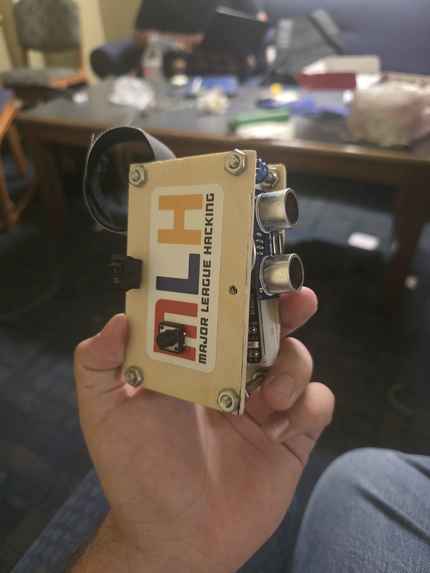
Just before the second sensor was added for increased accuracy
-
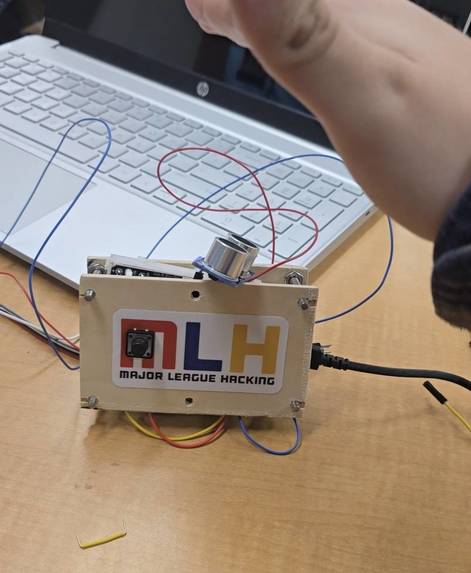
The first draft of the sensor testing
-
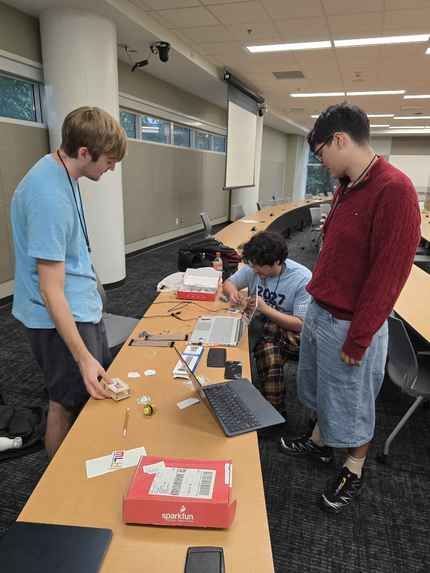
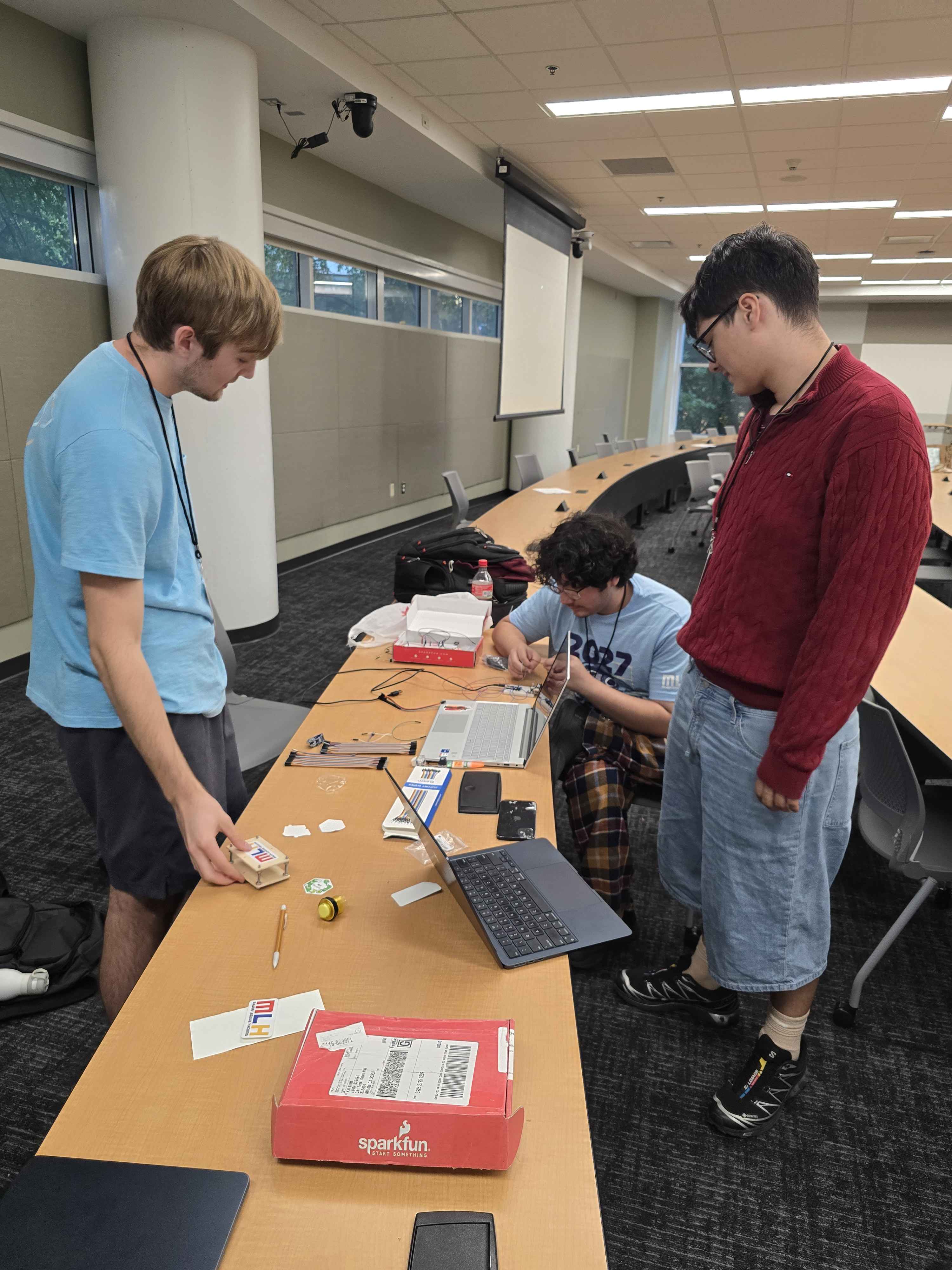
Working on the first draft
-
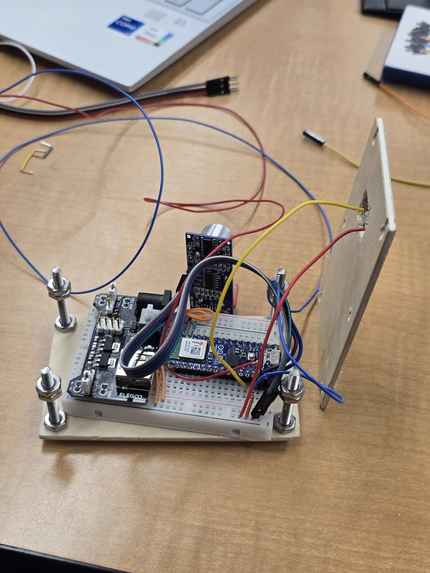
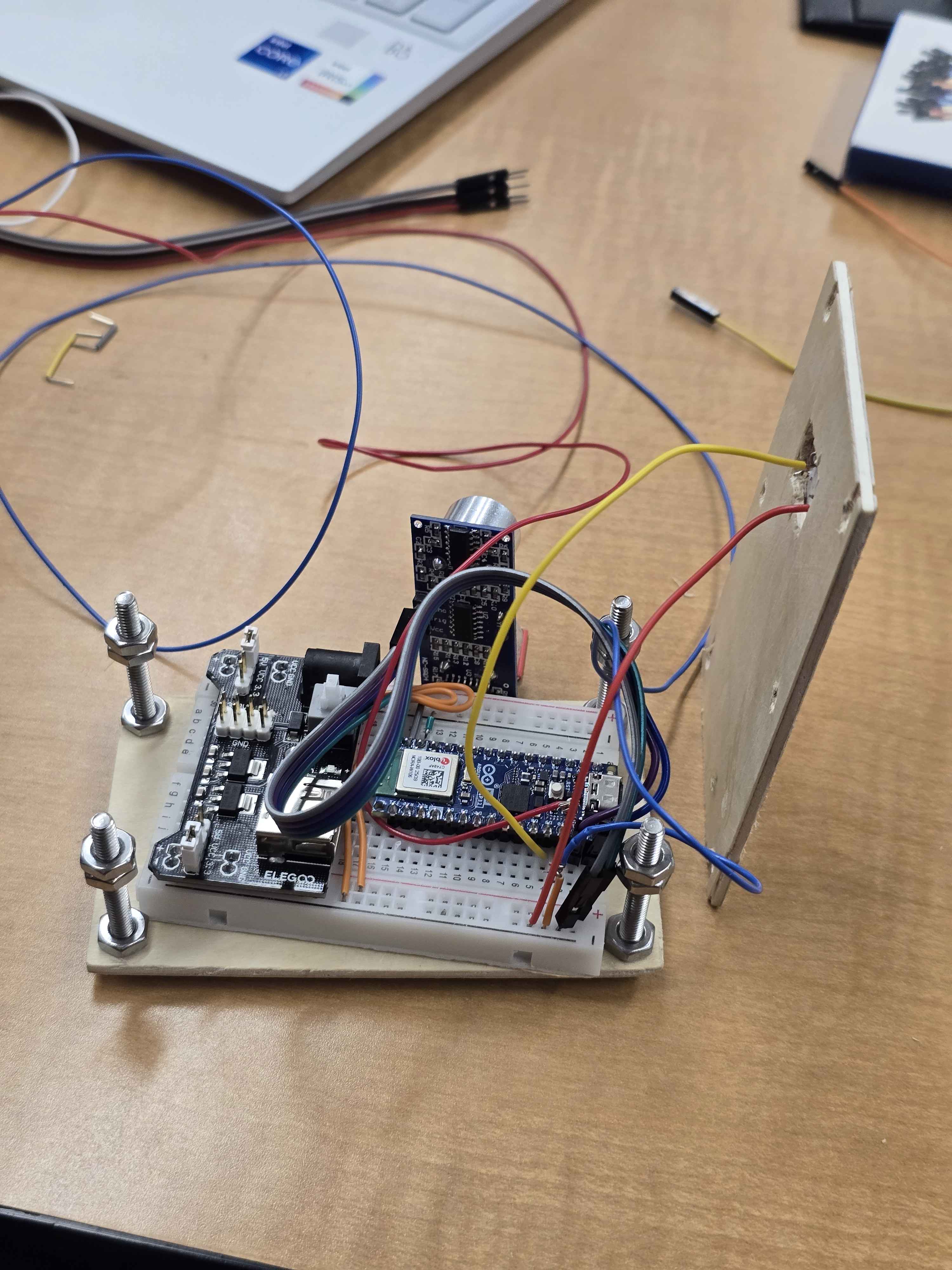
Testing the encasing and its ability to fit the breadboard
-
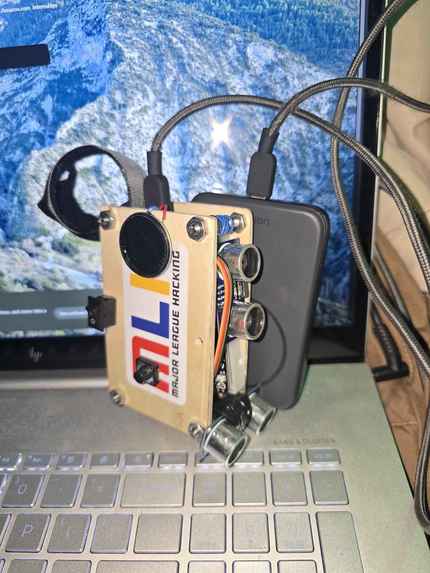
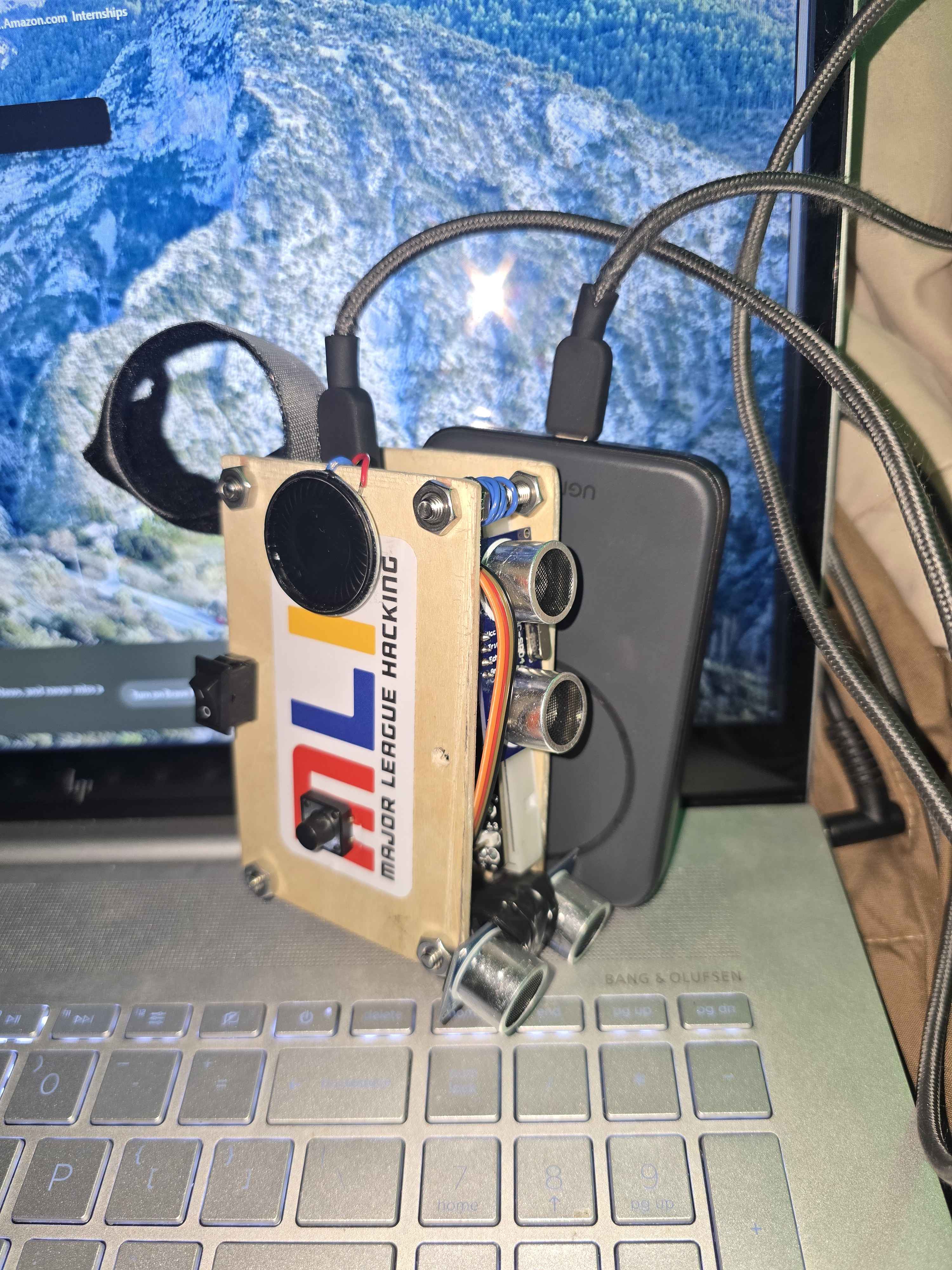
Final product - external
-
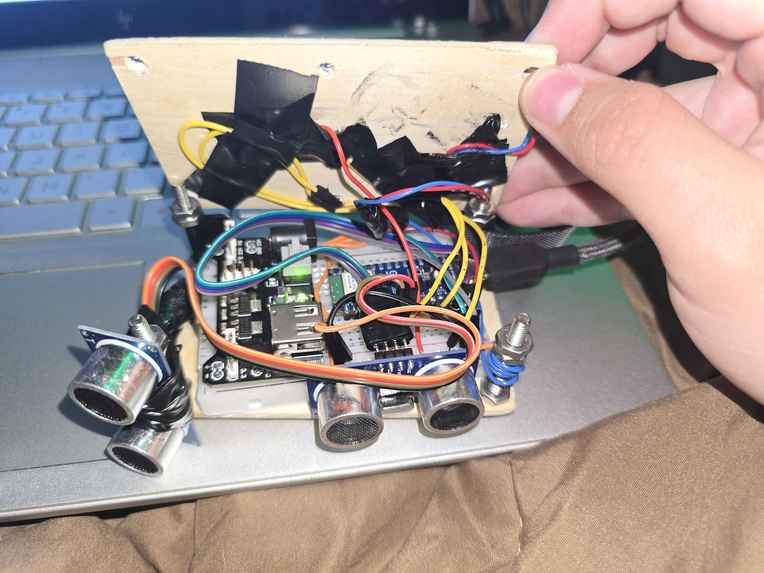
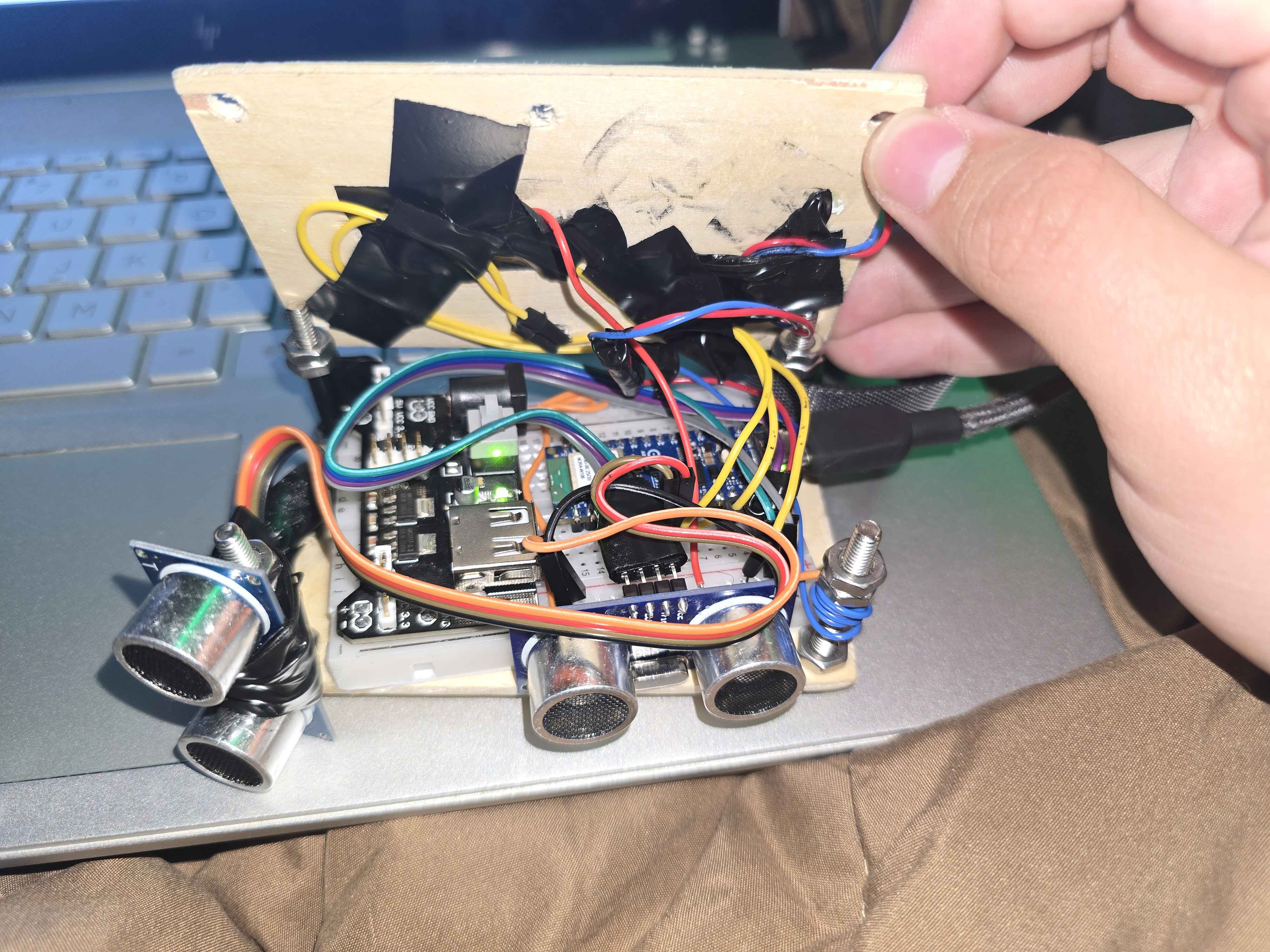
Final product - internal
Inspiration
Many of our group members close family members and friends are visually impaired. We wanted to improve their day to day capabilities and independence with an affordable solution so we created "WayFinder".
What it does
We created a snap on attachment for walking canes belonging to the visually impaired. A traditional walking cane only covers obstacles below the waist, so our attachment scans for all obstacles above the waist and reports them with an audio cue. The device also comes with a button you can hold to alert your inner circle if you're in danger. This was accomplished using the ESP32s wifi capabilities along with the Telegram API to send an emergency notification to a set of designated contacts.
How we built it
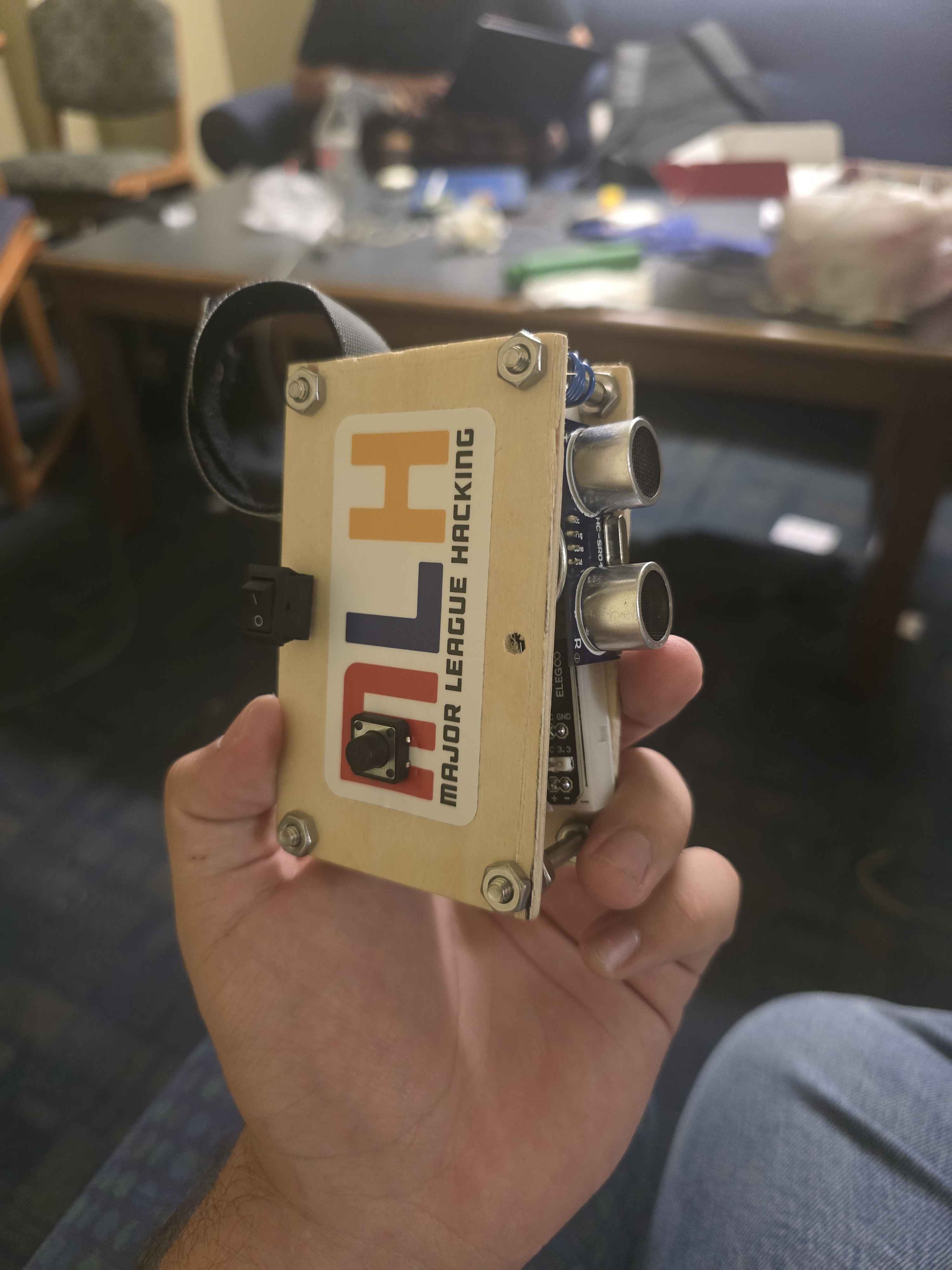
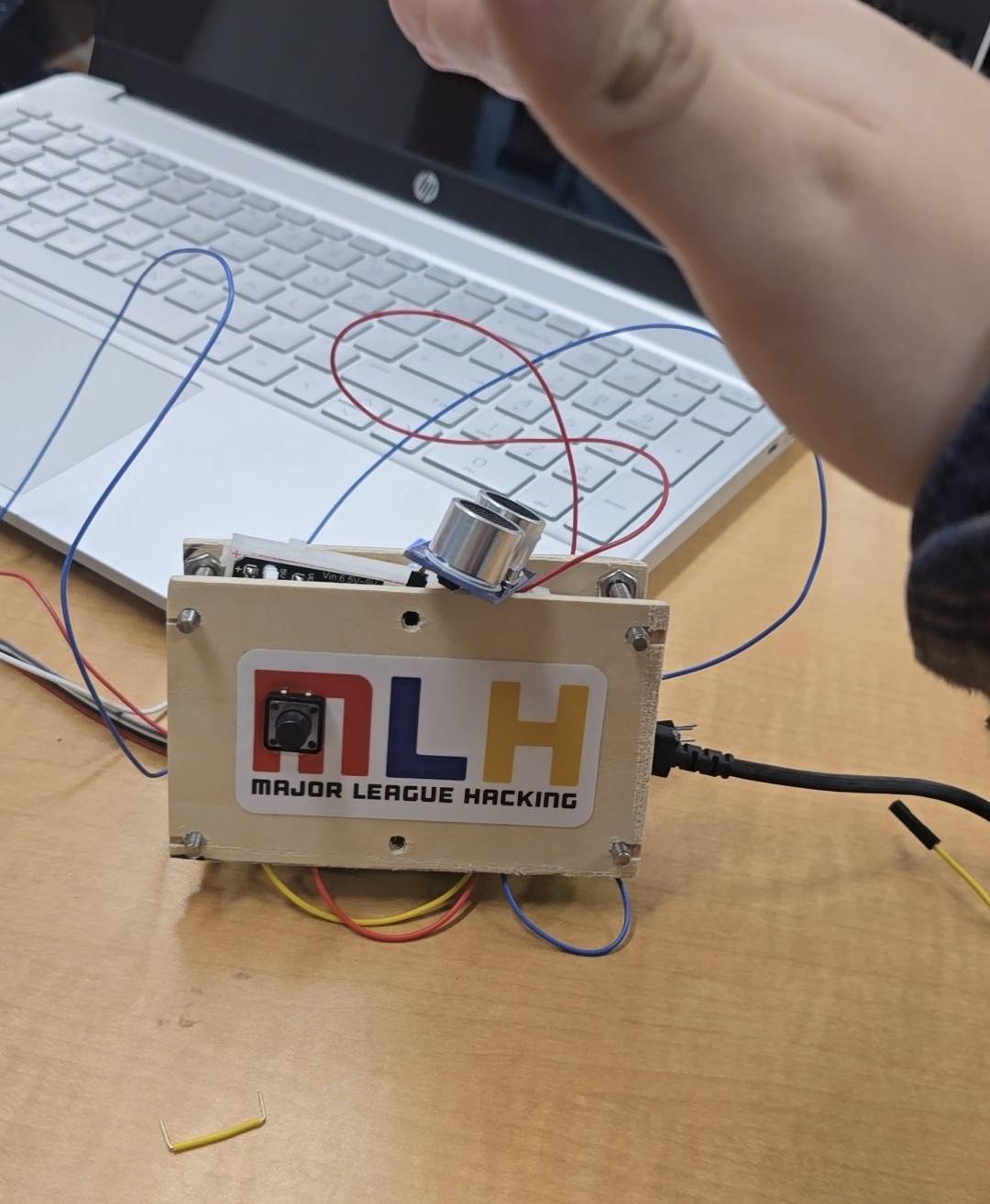
The "WayFinder" runs off an ESP32, we used the data from multiple ultrasonic sensors to find distance to the nearest obstacle and the microcontroller's wifi capabilities to send emergency SOS messages. We then defined a distance range to alert the cane holder of an obstacle with an audio cue from an onboard speaker. Our next objective was to make the device convenient and portable, We sawed out a case of balsa wood and standoff screws to house our device, adding magnets and velcro for easy installation.
Challenges we ran into
Our biggest challenge was working with hardware limitations, initial plans were to add haptic feedback instead of audio cues. In the future we would go out and buy the specific hardware we need to make the most ideal project. We also had considerably limited time due to the extensive time spent in ideation.
Accomplishments that we're proud of
We're extremely proud of the fact that we were able to put together an entirely functioning device that could be incorporated into daily use from scratch. The intersection of all our group member's skills across hardware, software, and even general carpentry is something well continue to feel proud of collectively.
What we learned
We learned how to develop a product from nothing into a fully functional device, and how to work through all the steps it takes to get there. The software guys learned a lot about microcontrollers and prototyping while the hardware guys got to develop their skills in C++ and we all got to learn a lil' soldering and carpentry.
What's next for Wayfinder
We look to fulfill our ideal vision for WayFinder by removing our hardware limitations. We'll likely replace audio cues with haptic feedback for the hearing impaired and make our power delivery more compact. And of course, we will be submitting WayFinder to Create-X.

Log in or sign up for Devpost to join the conversation.