-
-
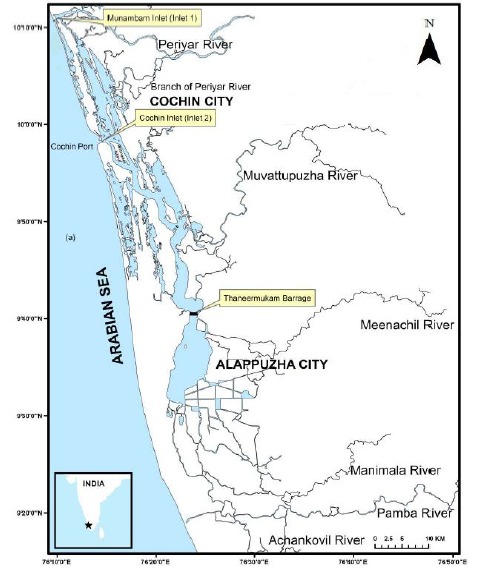
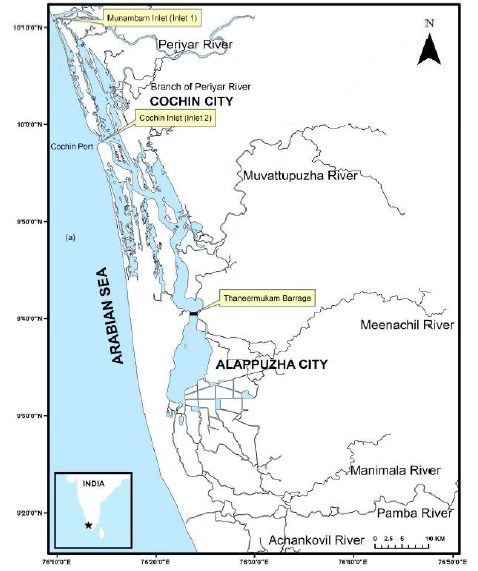
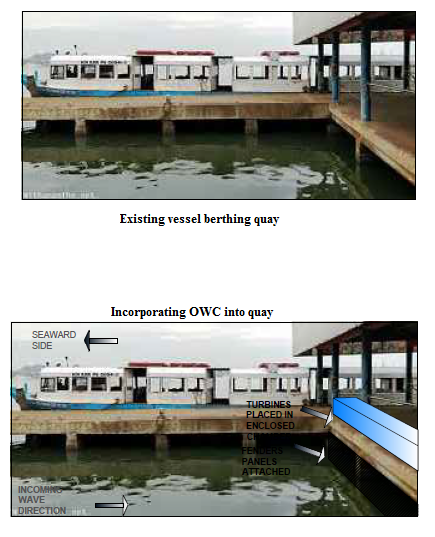
Fig.1 Layout of Cochin estuary
-
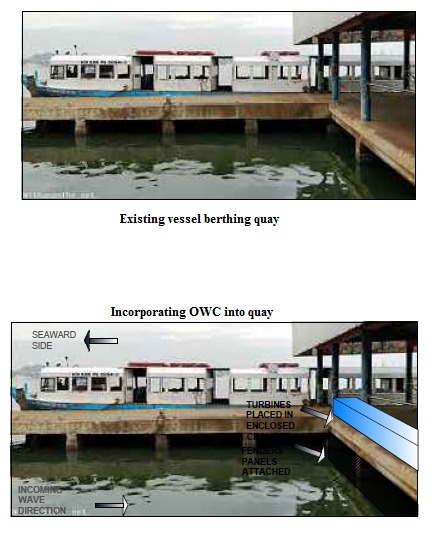
Fig.2 the plan of OWC
-
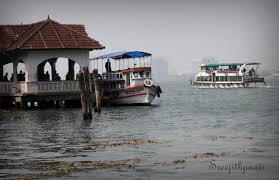
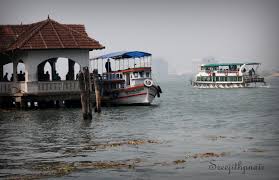
Fig 3: vessel berthed at the quay.
-
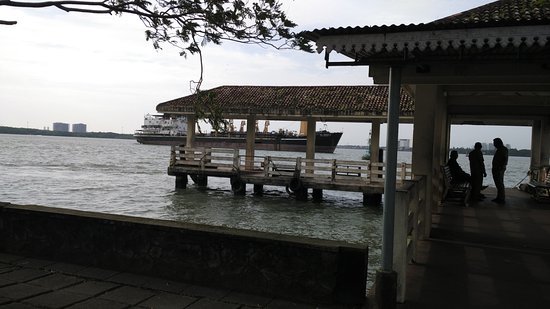
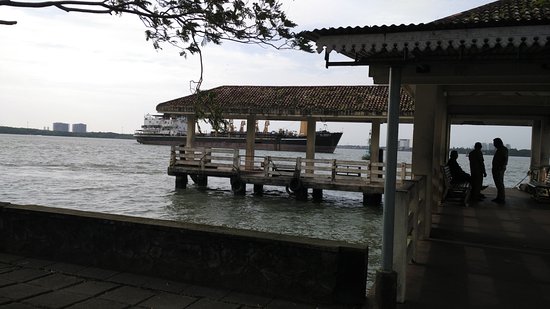
Fig 4. less busy hours
-
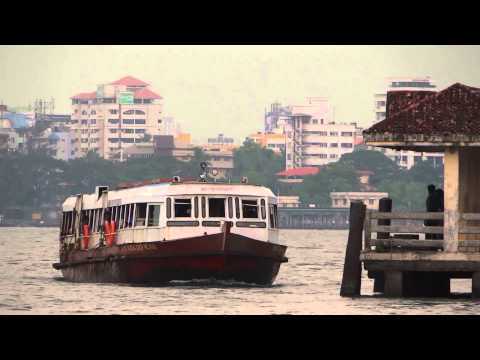
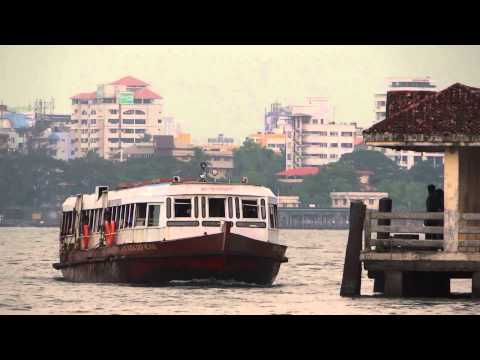
Fig .5 approaching vessel
-
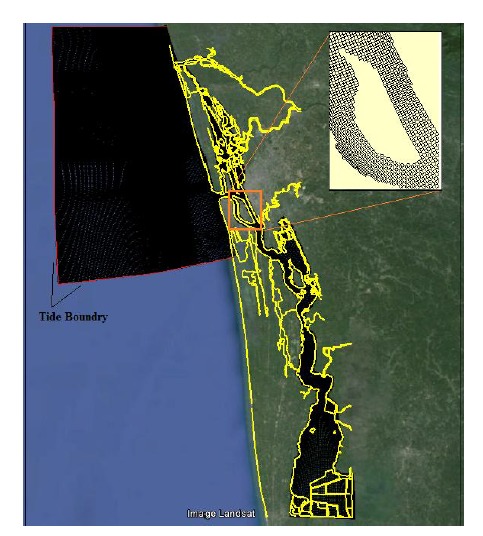
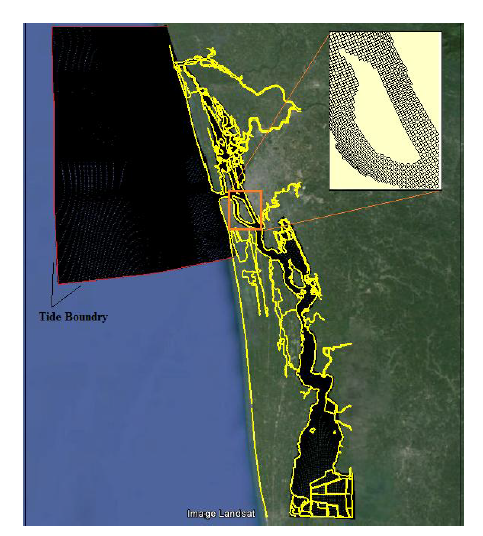
Fig 6: grid used in delft 3d
-
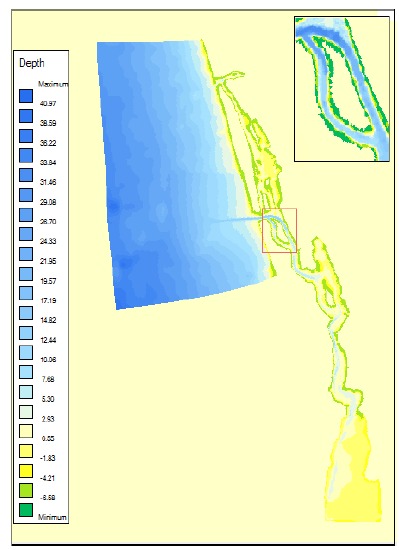
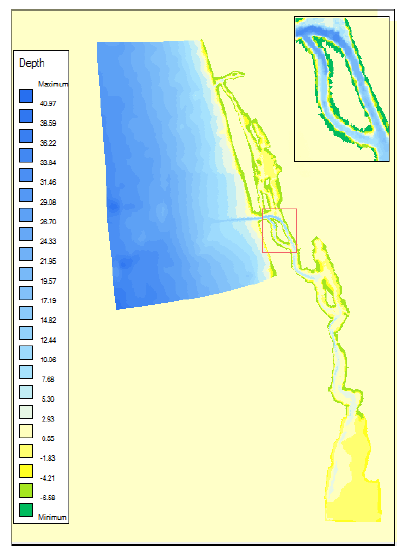
Fig. 7: bathymetry of Cochin estuary in Delft 3D (depth in metres)
-
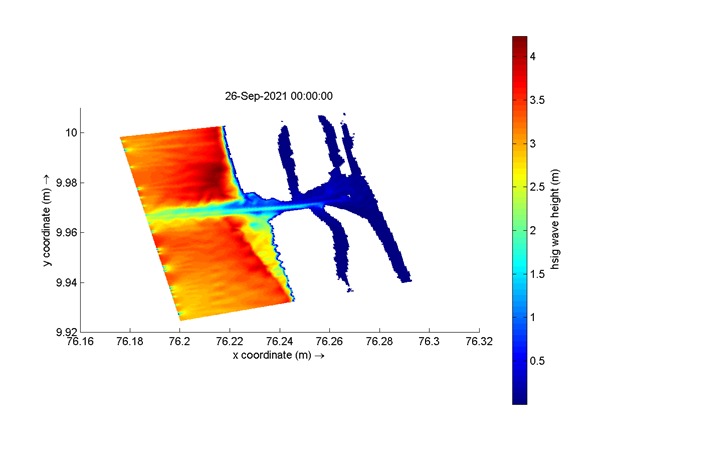
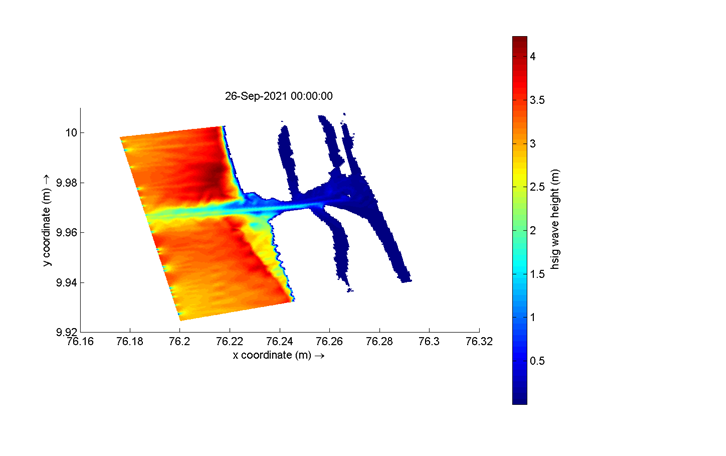
Fig.8: The wave height modelling in Delft-3D
-
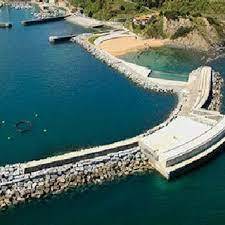
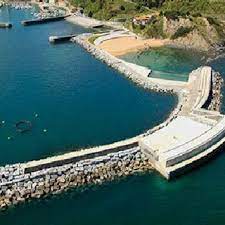
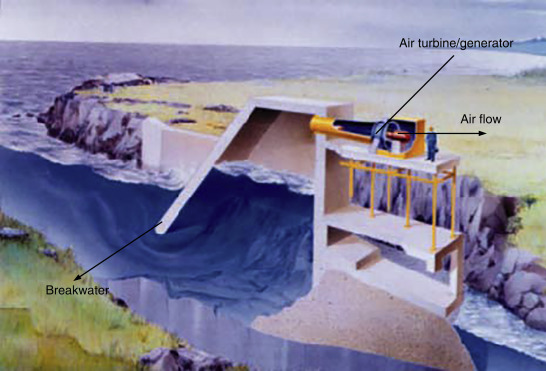
Fig 10 . owc at break water in Mutriku
-
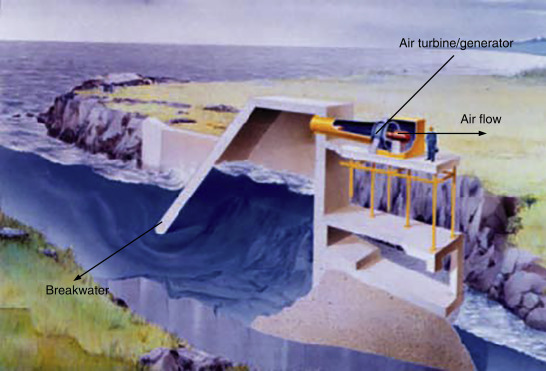
Fig. 9 OWC coupled with a breakwater
-
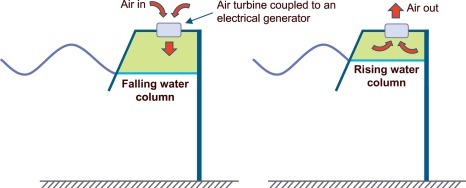
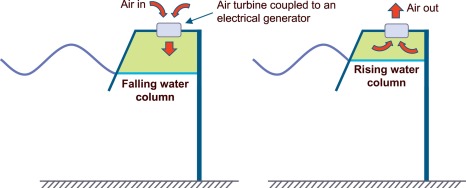
Fig.11: Working of an OWC
Inspiration
Ocean around the world are busy with vessel movement, new port construction , installation of energy plants and above all, the pollutants. It was found that there are energy rich and intensive environments with large scopes for incorporating greener energies with existing infrastructure. Minor add-ons can be designed and developed to generate energy to power localized areas. Utilization of wave energy (waves generated by vessels+tide) as a means of renewable energy is an advancing technique of energy harnessing, but due to its high constructional cost, many countries are not welcoming them, even if they have enough wave potential. But wait, how can one fetch the untouched energy by not stressing our waters? The idea of this project is visualized to reduce the pressure on the marine environment by construction of an energy converter incorporated into an existing coastal structure. The project proposes the feasibility study of energy generation from tides and vessel movement at a vessel handling quay combined with an oscillating water column (OWC). This can be implement on vessel berthing quay.To analysis the situation, case of Cochin, a complex estuary with many branches and low tidal range in South India is analysed which house country’s major port with many big and small vessel handling berths.
What it does
Wave energy generation nearshore is often associated with energy converters coupled with coastal protection structures or turbines fixed at tidal barrage or tidal turbines or fences installed within the seabed. The possibility of extracting energy at a vessel handling quay in an estuary has not been researched as extensively as other technologies to date. Harnessing of energy by tidal range or stream techniques are not feasible in estuaries where the tidal range is low, even if they have sufficient basin area and water depth. In this regard the project may be addressed with a typical example of a complex estuary- Cochin estuary (9°54’-10°00’N and 76°12’-76°19’E) situated on the 80km ( Fig .1)long coastline on the west coast of India with a peculiarity of having 4 river branches and home to six rivers which are mouthing into the Arabian Sea at the Cochin inlet. All the branches are densely populated and their means of transport is only through the water. So 24hr vessel movement is happening inside the estuary. This is a backwater system with a basin area of 198.26 m2 and has a throat width (inlet width) of 479m . Apart from the normal river discharges, the south-west and north –east monsoon brings the greatest fresh water inflow into the backwaters during the three well defined seasons of Kerala- high runoff of 875 cumecs (June to September), moderate runoff of 425 cumecs ( October- June) and low run-off of 12.6 cumecs (February –May). Within the estuary, the major port of Cochin is situated. As it is the prime area of water transport, there are many small and large berths for cargo handling, cruise ships, passenger vessels and berths for navy and customs department. There are three channels within the estuary- the outer channel is 16km in length with 15.95 m draft and width of 260m, while in the inner channel, 5.032km long and 13.2 m deep. So far there is no energy production at the place.
The idea is to attach an oscillating water column to the existing vessel berthing quays ( Fig.2 )within the port, where the mechanical energy from the waves are converted to electrical energy by coupling it with a generator. OWC coupling with coastal structures are not new ( fig .9,10),but the one envisaged here is an advancement. This energy which may be intermittent and small, can still be used to power sections of the ports, further leading the device paying for itself over the years it generates energy. For example the power can be used are for lighting, powering weather systems, phone/equipment charging stations. With an entire port infrastructure maximized with power generation add-on infrastructure, the cost of the technology will be reduced if investors see the benefit of this technology's use. The passengers quays are nothing but just a space for handling of loads and passengers.(fig. 3, 4,5) . There are several advantages in making use of a vessel berth for the power generation: -current velocity increases near the berth pile therefore the tidal power generation becomes more efficient, because the power is proportional to cubic of the current velocity. -Vessel traffic and other marine movements in a navigational channel will not be hindered and the local ecosystem is not damaged as no new construction is deposited inside the sea bed. -cost of Maintenance and easiness of access is low as it is places near shore. -Additional investment on superstructure can be reduced.
The energy converter will need 4 components namely: an oscillating water column, well turbine attached to the quay floor, generator and battery power storage. The quay will be covered by fenders on either side so as to make the oscillating water column chamber. Thus when waves hit the fenders, the air is pushed underneath the chamber compressing the air to run through the turbine and wave moving out of OWC chamber will create a vacuum inside , drawing the air from out side. (fig .11) The wells turbine used here is designed to rotate in the same direction regardless of the direction of the air stream. Thus, the wind turbine is generating power during both the ascending and receding actions of the water wave.(note that the foundational wall is the already existing port quays pier, thus saving on additional costs in this aspect).
We created a simple numerical wave model in Delft 3D which gave us a good indication of where we could build generation units.(Fig. 6) The model incorporated the average wind speed for the bay over a year and also the general direction of wind. All needed weather information was found at https://cochinport.gov.in/climate-tidal-info. The bathymetry data used was digitised using Arc-GIS (Fig .7)and used in the wave model. The wave model indicated that the waves were above 2 m outside the port and less than 2 m within the port.( Fig.8) A calculation/methodology (https://royalsocietypublishing.org/doi/10.1098/rsta.2011.0164) using these wave values were performed to determine the actual power that would result in actual and was found to generate 1 kW. This is a good starting point for further development of implementing this technology.
Built With
- autocad
- delft
- esri

Log in or sign up for Devpost to join the conversation.