WattWise started with a personal memory and a weighty question: What would happen when the under-served homes had a chance to receive access to and comprehend their energy usage and optimize it, without requiring continuous connectivity or the costly infrastructure? In our team, many people had encountered struggling in communities where blackouts were a norm and the energy bills came with anxiety as we were over-billed by distribution Companies. That personal experience informed our mission: to create an intelligent, autonomous tracking of energy at the homes that, most commonly, were excluded in advancing the clean energy revolution.
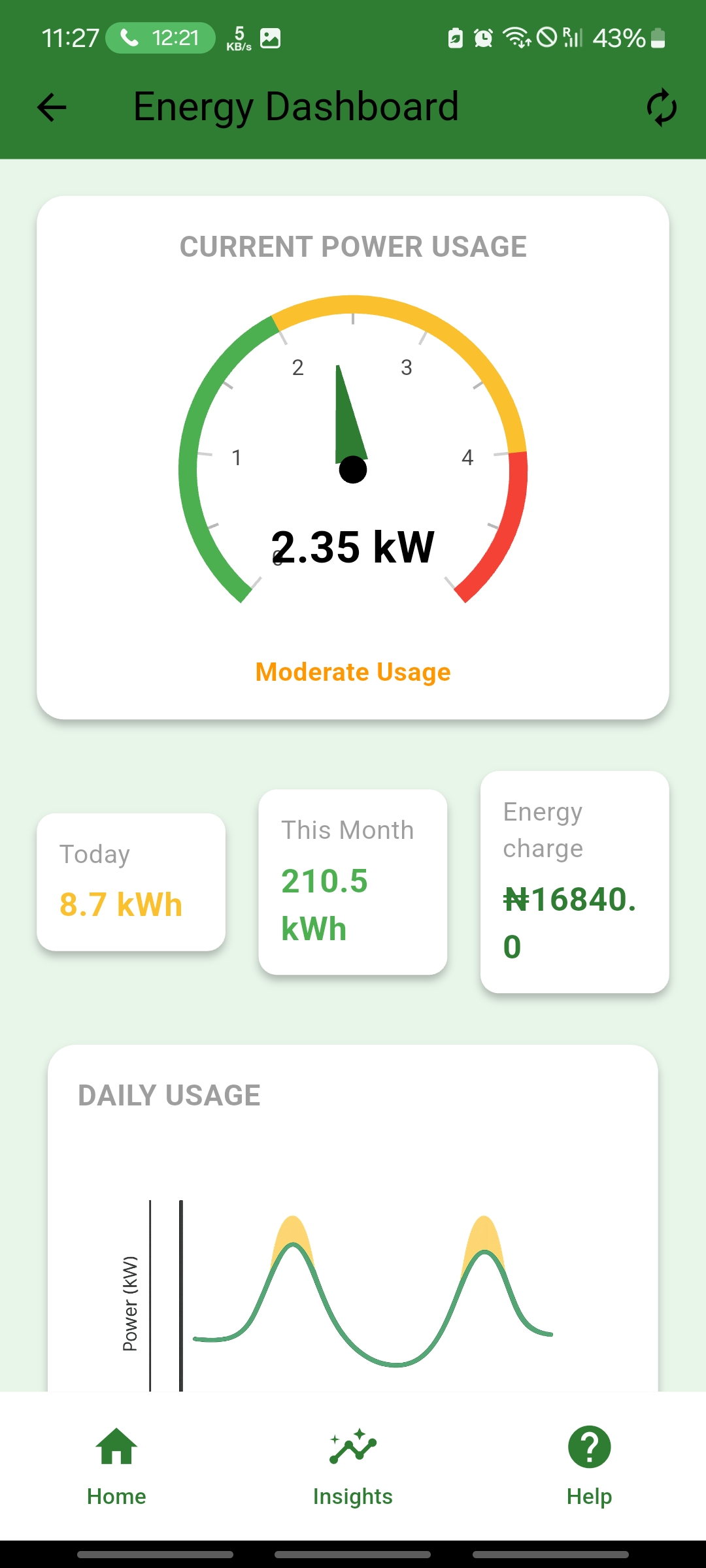
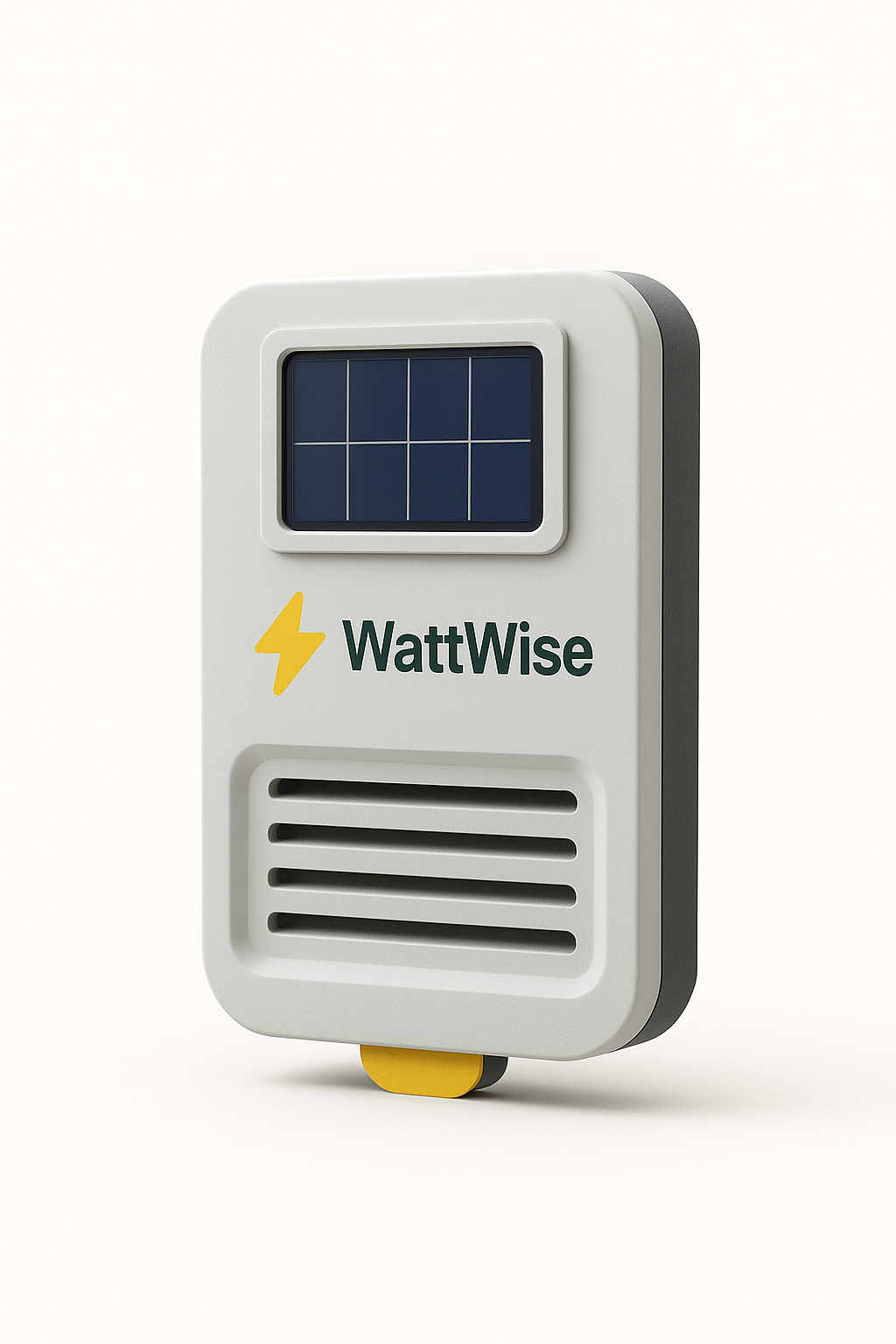
The vision of WattWise is to provide a smart energy monitoring system powered by solar, and enabled with Artificial Intelligence, providing real-time information and reducing emissions to a minimum. The basics of it is a small, low-cost IoT gadget manufactured with recyclable and low-impact materials that can be easily used in houses. It is equipped with a solar panel and sustainable battery to be off grid-connected, and therefore usable in off-grid or unreliable-grid locations.
Using the Scoping metholody and Human-centered design, we built our solution to include:
Energy locally processed using a low-compute AI model (TinyML) and reasonably propose efficiency suggestions.
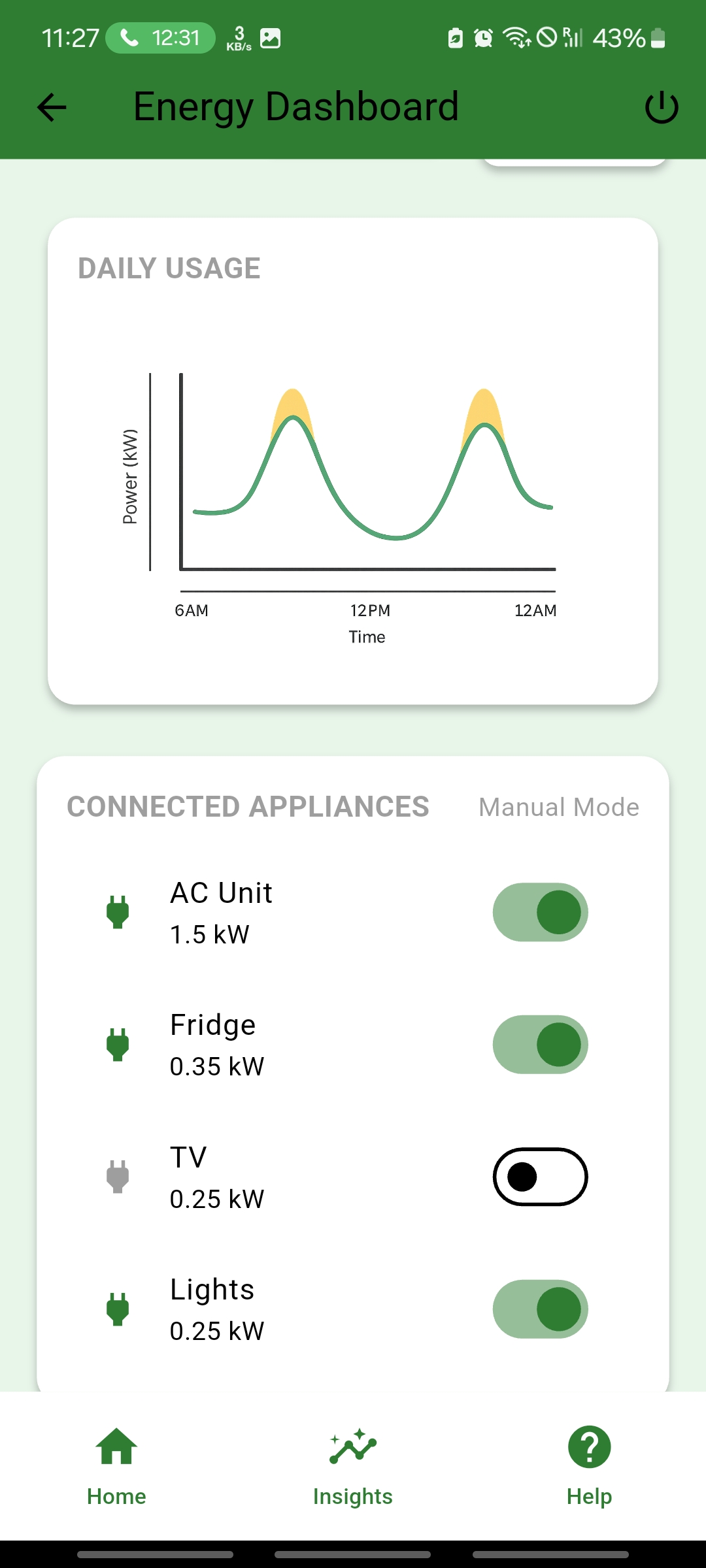
The offline mode in which the user can monitor and control their energy use without using the internet.
A light-saving display setting (the dark mode) that increases the lifespan of devices and uses less power.
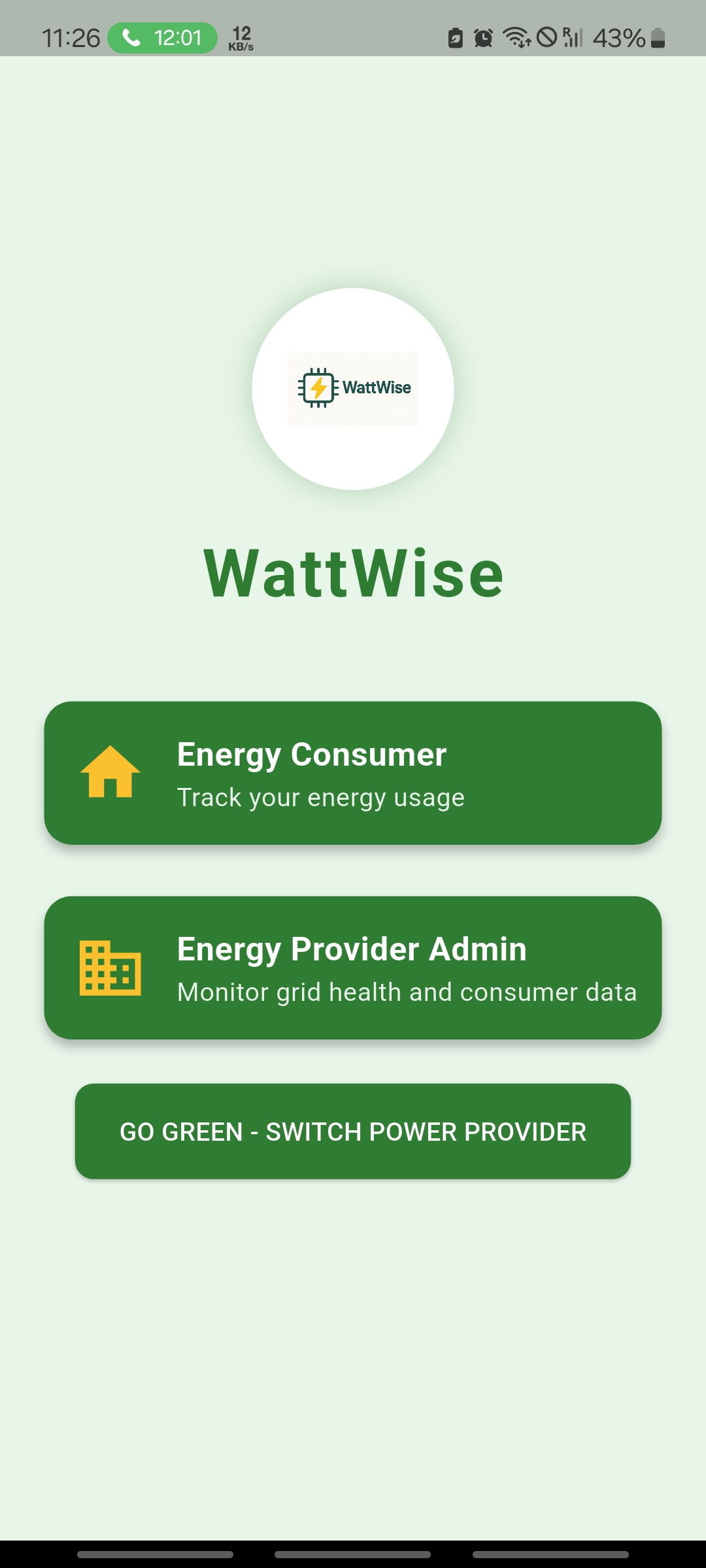
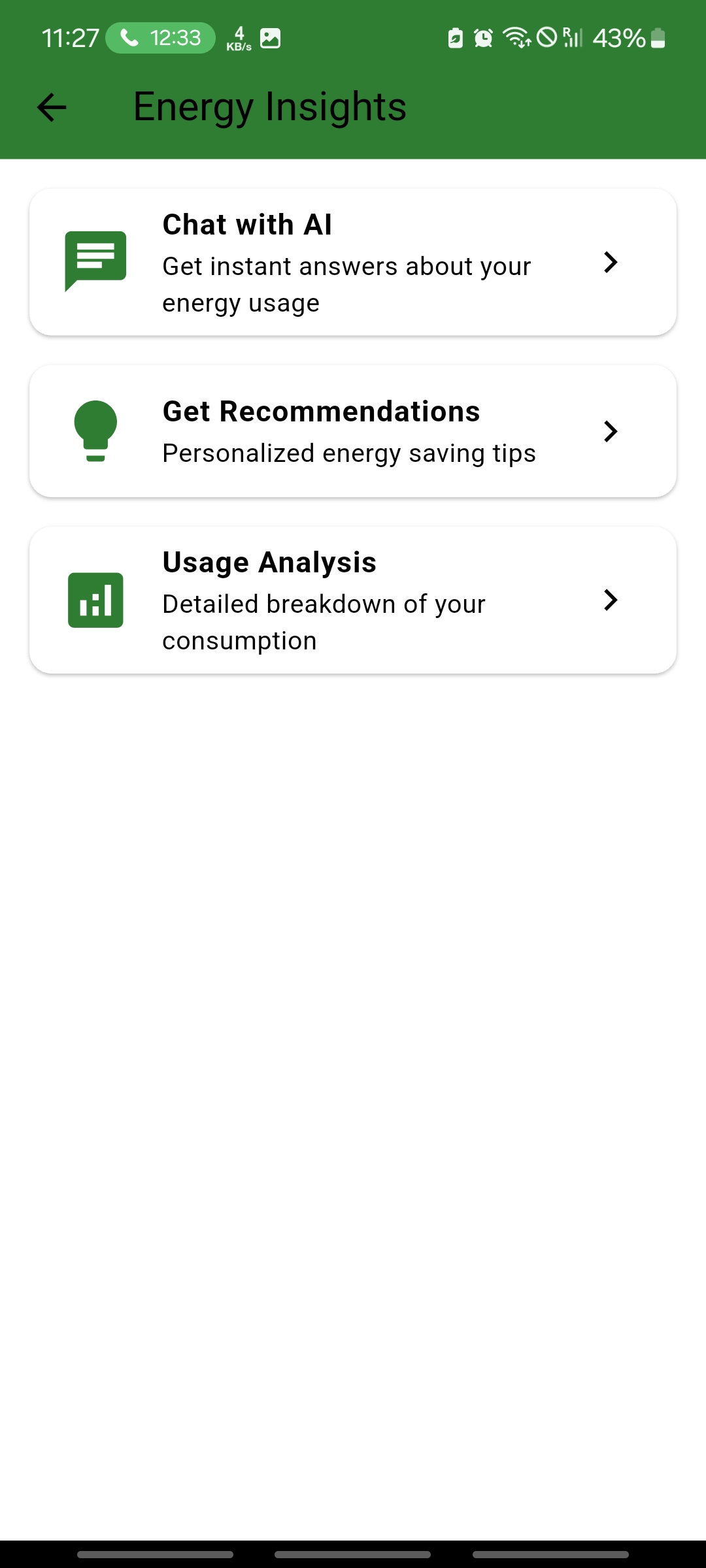
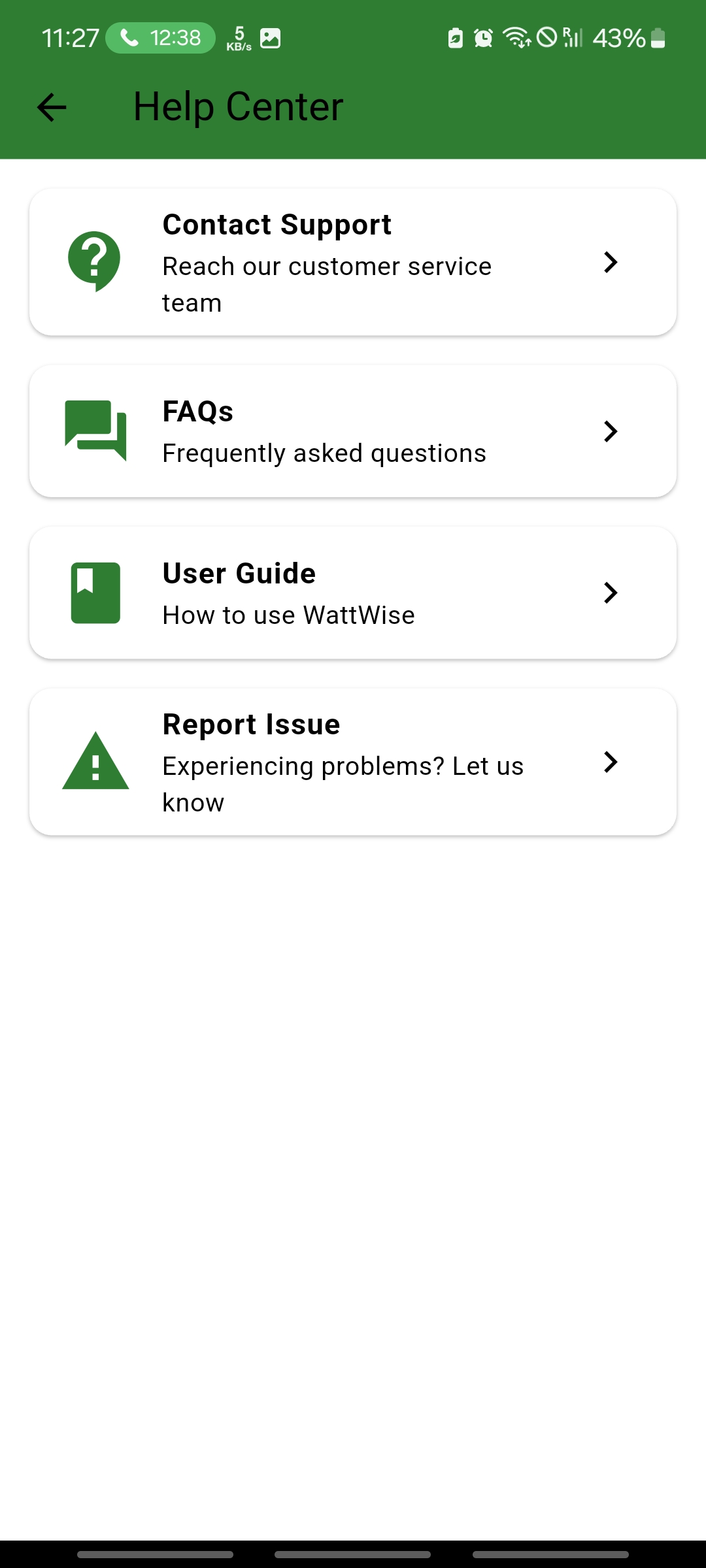
A simple interface, easy to understand, that is based on the user insights in the low-resource environment.
We discovered that things can be simple and still be powerful. Households did not wish to have technical dashboards, they needed to know what the next step was. This provided us with an understanding that we needed to focus on feedback and focused communication in the application and device interface.
The construction of WattWise was far from being easy. We had to go past optimizing solar under variable light conditions, keep the models accurate yet operate at a very low compute level and make it sustainable without spiraling the cost up in doing so. We too had limitation of accessing circular materials that would be able to meet durability standards.
These challenges notwithstanding we were not ready to give up on communities that we had gone to help. WattWise is also about energy justice, not just a product. It gives families the ability to control their consumption, save income and decrease the number of emissions on their terms.
This project gave us the lesson that it does not matter whether innovation is expensive or of high technology, but it has to be human- centred.


Log in or sign up for Devpost to join the conversation.