-
-
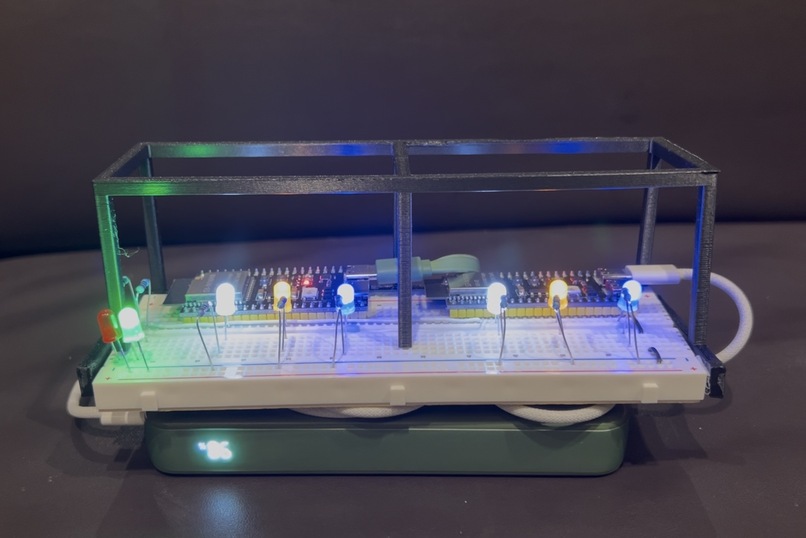
Overview Demo
-
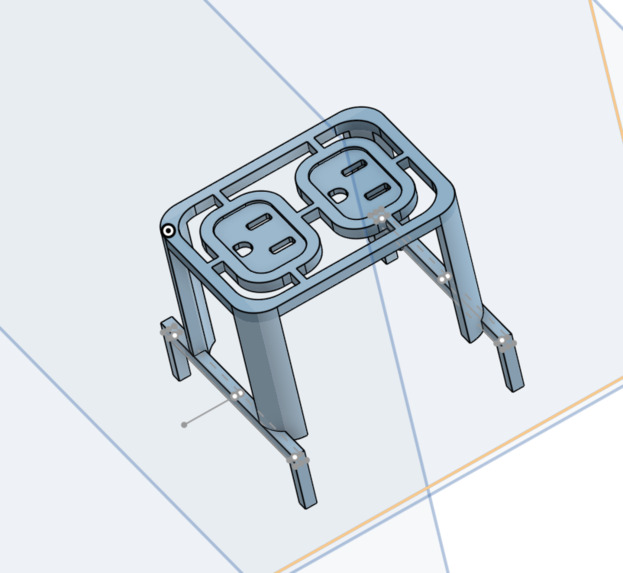
Power Negotiation Demo CAD
-
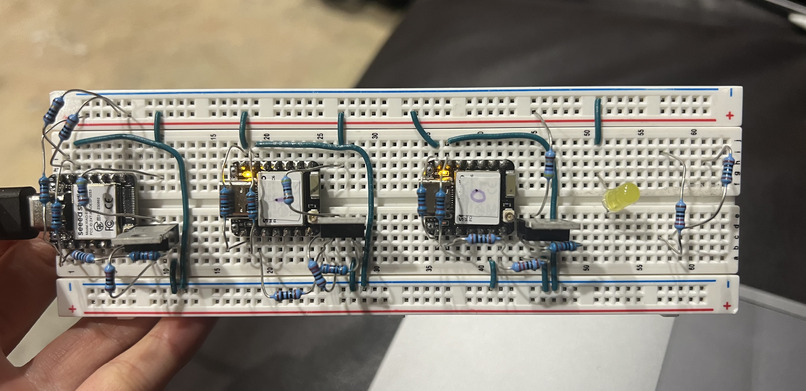
Power Negotiation Demo
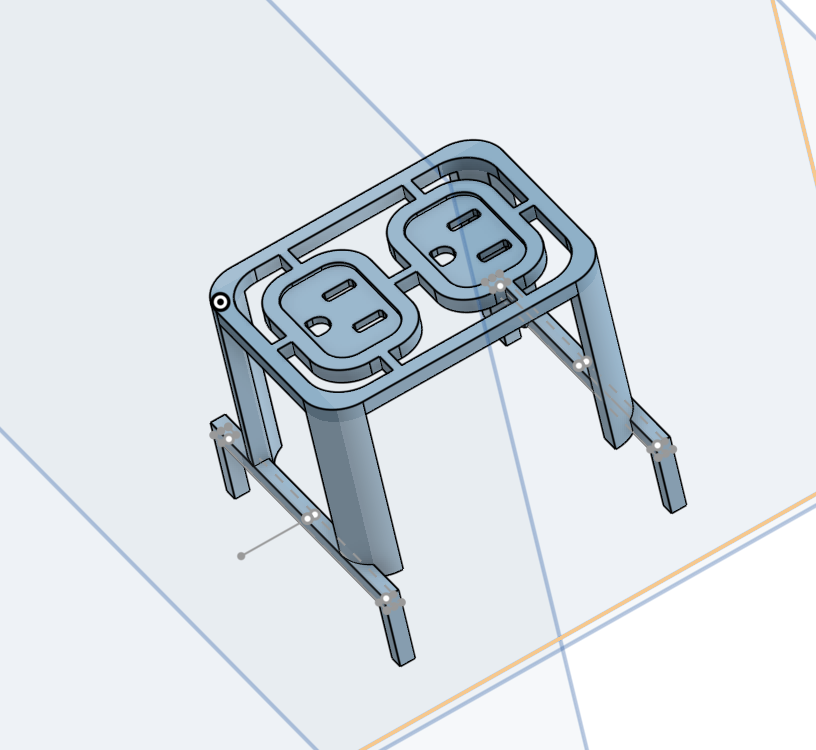
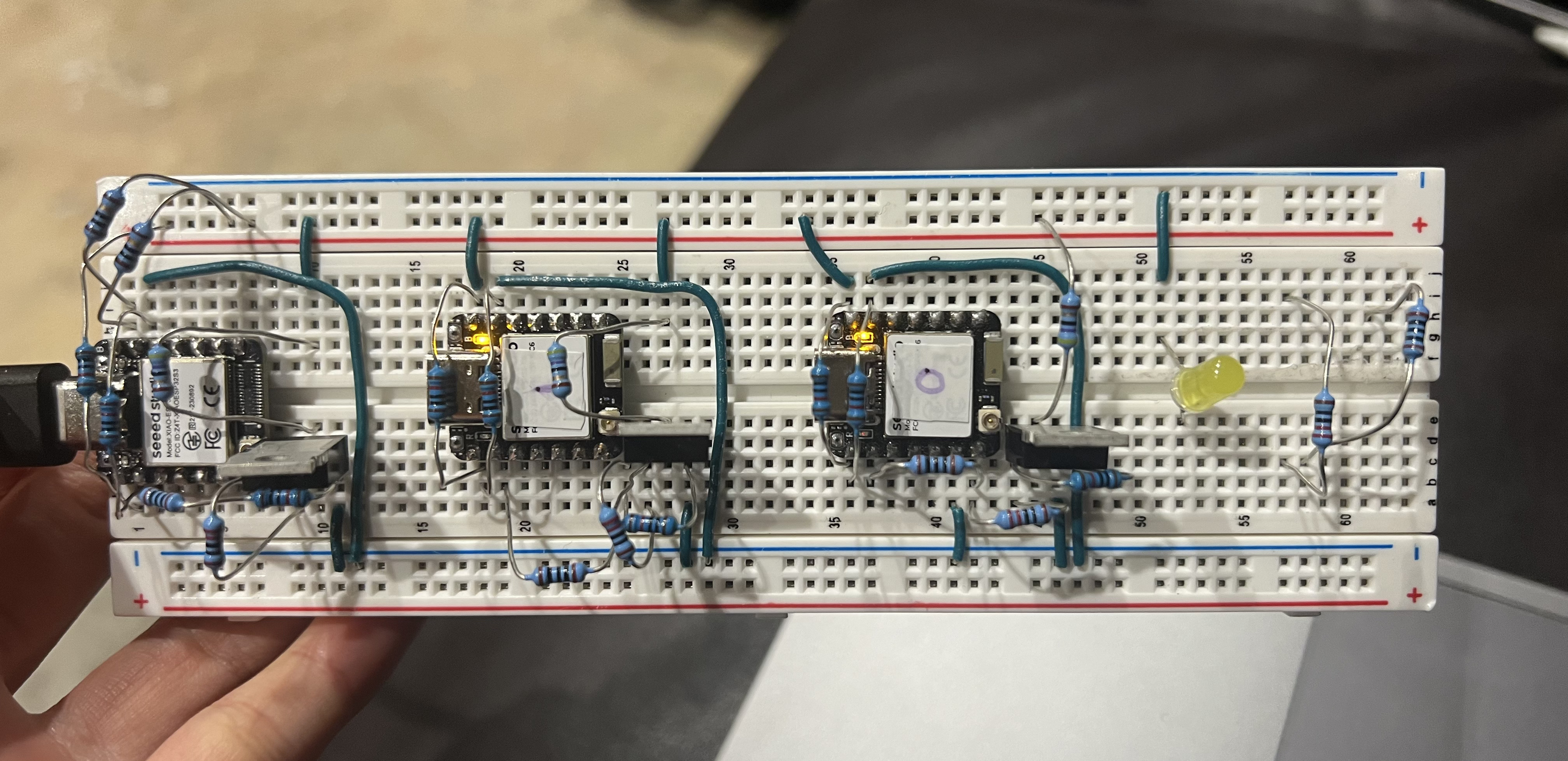
Inspiration
Many people cannot permanently modify where they live. We wanted to make energy resilience accessible through ordinary outlets, especially during outages and periods of limited power. We also realized that most smart home devices depend on Wi-Fi networks, complicated setup processes, or cloud connectivity, which can become unreliable when power and connectivity are limited. We wanted something that just works when you plug it in.
What it does
WattWise is a portable network of smart outlets that lets appliances negotiate for available power. It protects essential devices, pauses flexible loads, and reduces unnecessary phantom consumption. The system communicates via power rails without requiring Wi-Fi, internet access, or the cloud.
How we built it
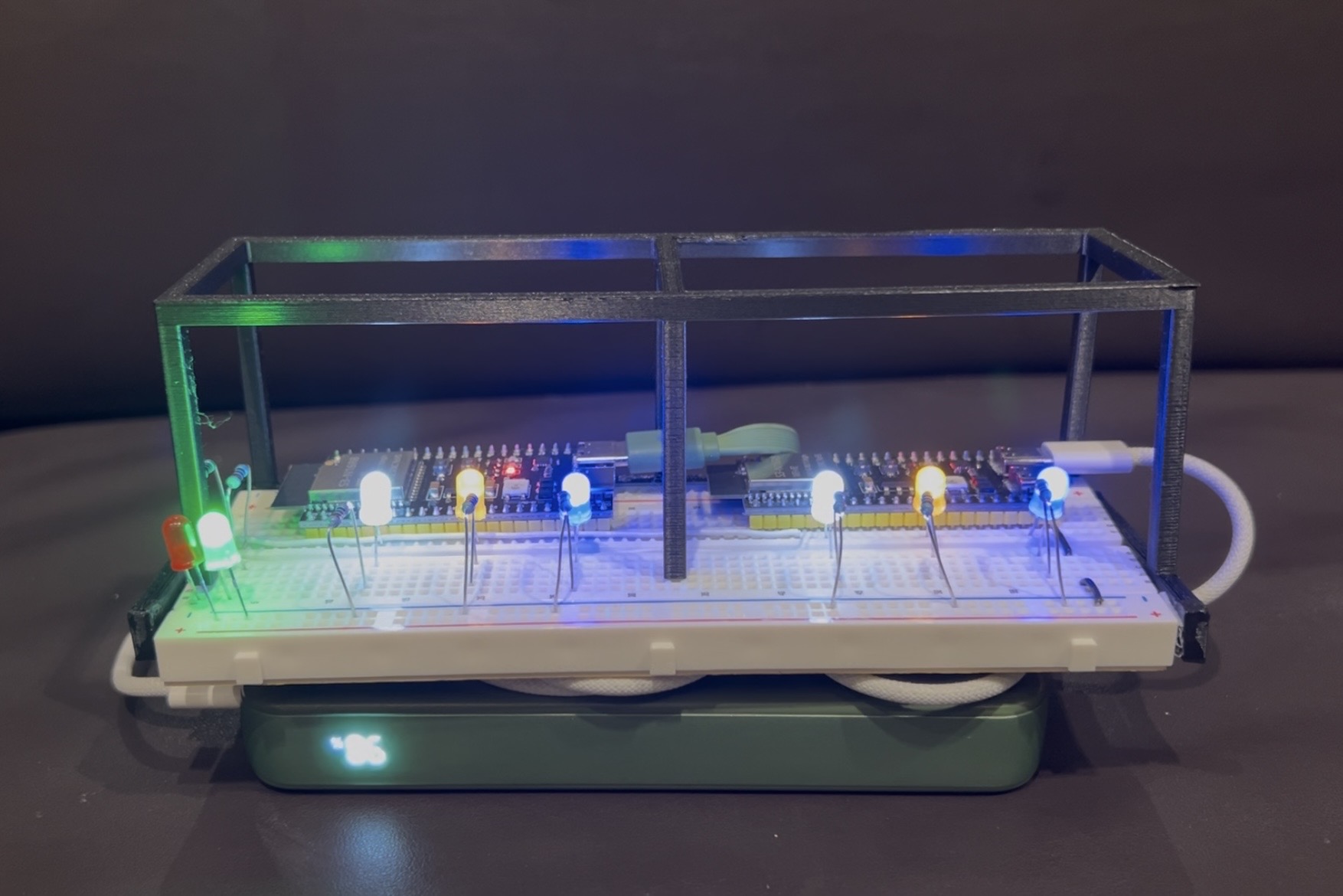
We built the prototype with ESP32-S3 boards communicating through ESP-NOW. A master node coordinates appliance priorities, hosts a local SoftAP dashboard, and continues operating offline. LEDs represent essential, flexible, and unnecessary loads across coordinated and uncoordinated homes.
Challenges we ran into
We had to operate ESP-NOW alongside the master’s local hotspot, troubleshoot GPIO and power-distribution issues, and translate complex energy behavior into a clear physical demonstration. We also designed around installation restrictions, electrical safety, regional AC differences, and resident overrides.
Accomplishments that we're proud of
We created a working, router-free energy network that visibly demonstrates how device coordination can extend limited power. We also developed an accessible interface, configurable load priorities, outage modes, and a portable product concept requiring no permanent installation.
What we learned
Energy resilience is not only about storing more electricity—it is also about using limited electricity intelligently. Local coordination can protect critical needs while keeping people in control. Safety, trust, and simple overrides are essential for any system managing household power.
What's next for WattWise
Next, we plan to integrate real energy metering and safely rated switching hardware, improve automatic load classification, add Bluetooth-assisted setup, and test the system with real appliances. We will also develop regional versions for different voltages, plugs, and safety requirements before beginning residential pilots.
Built With
- esp32
- esp32c6
- esp32s3


Log in or sign up for Devpost to join the conversation.