-
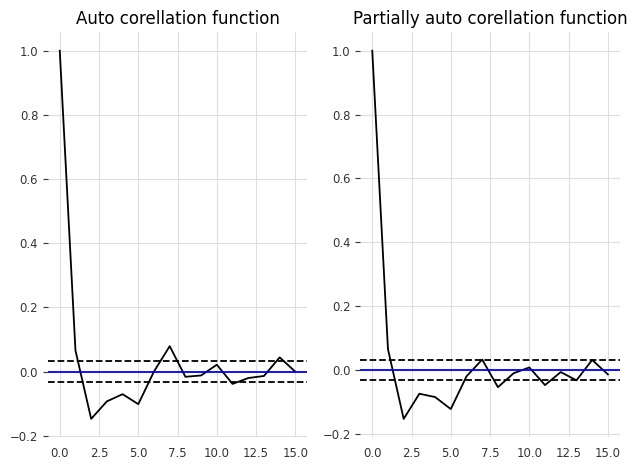
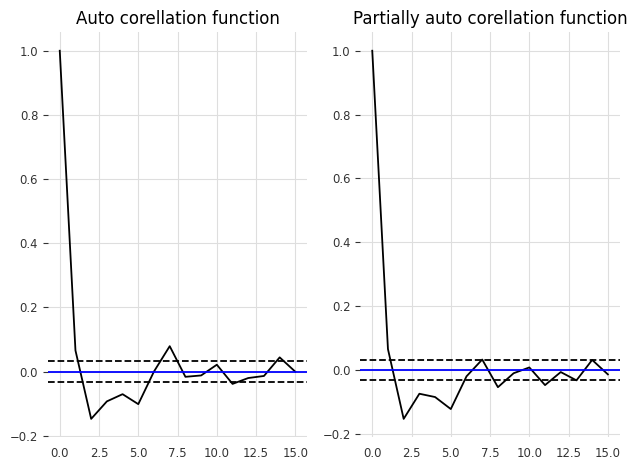
ACF and PACF analysis
-
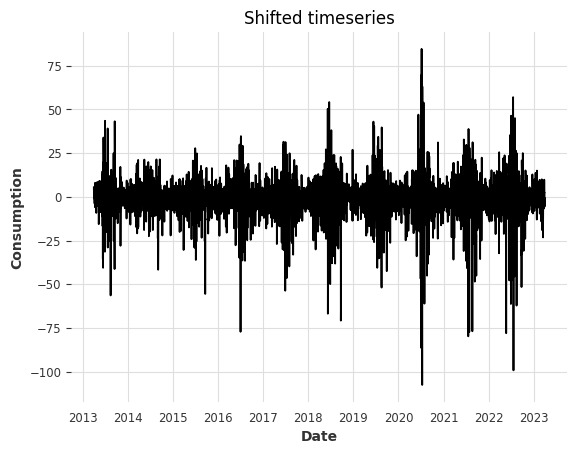
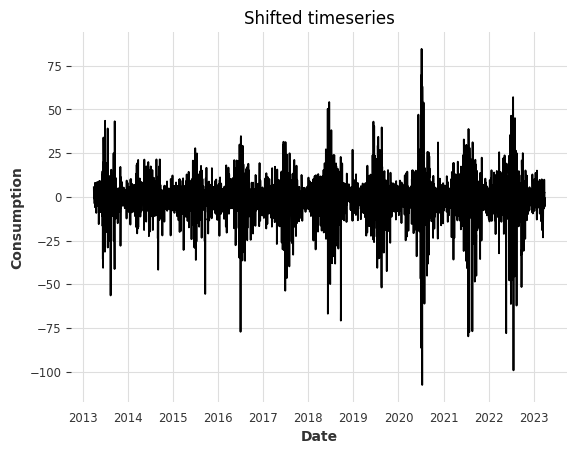
Shifted Timeseries
-
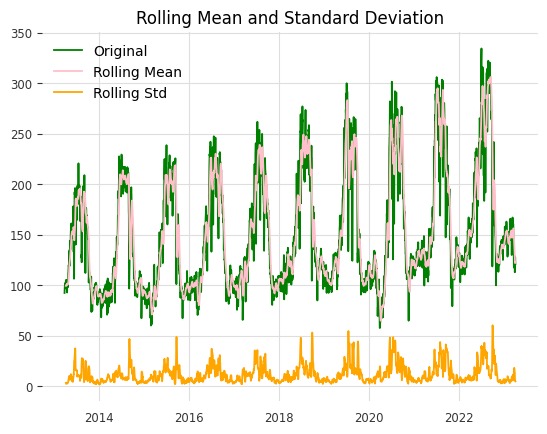
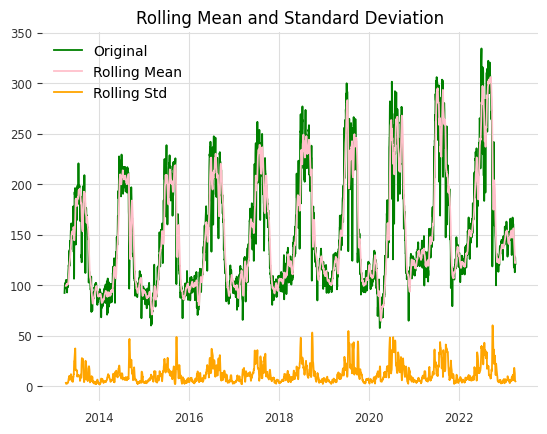
Rolling Mean and Standard Deviation
-
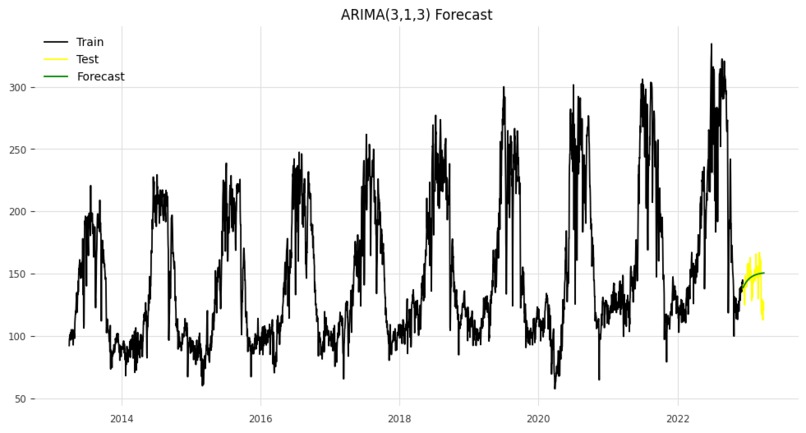
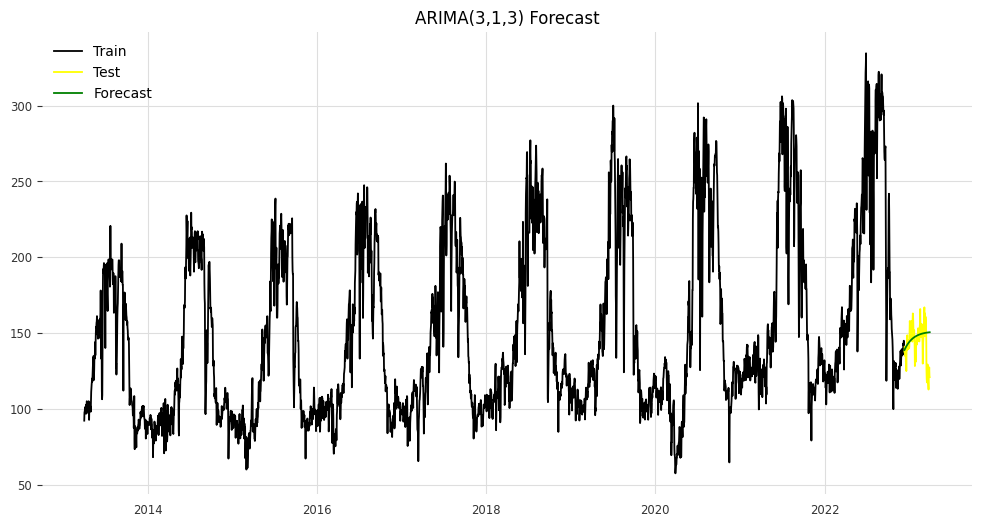
Forecasted Output
-
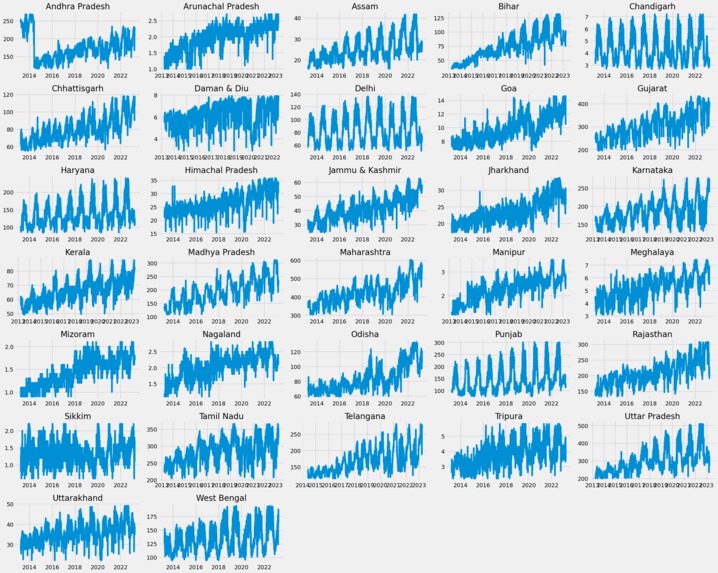
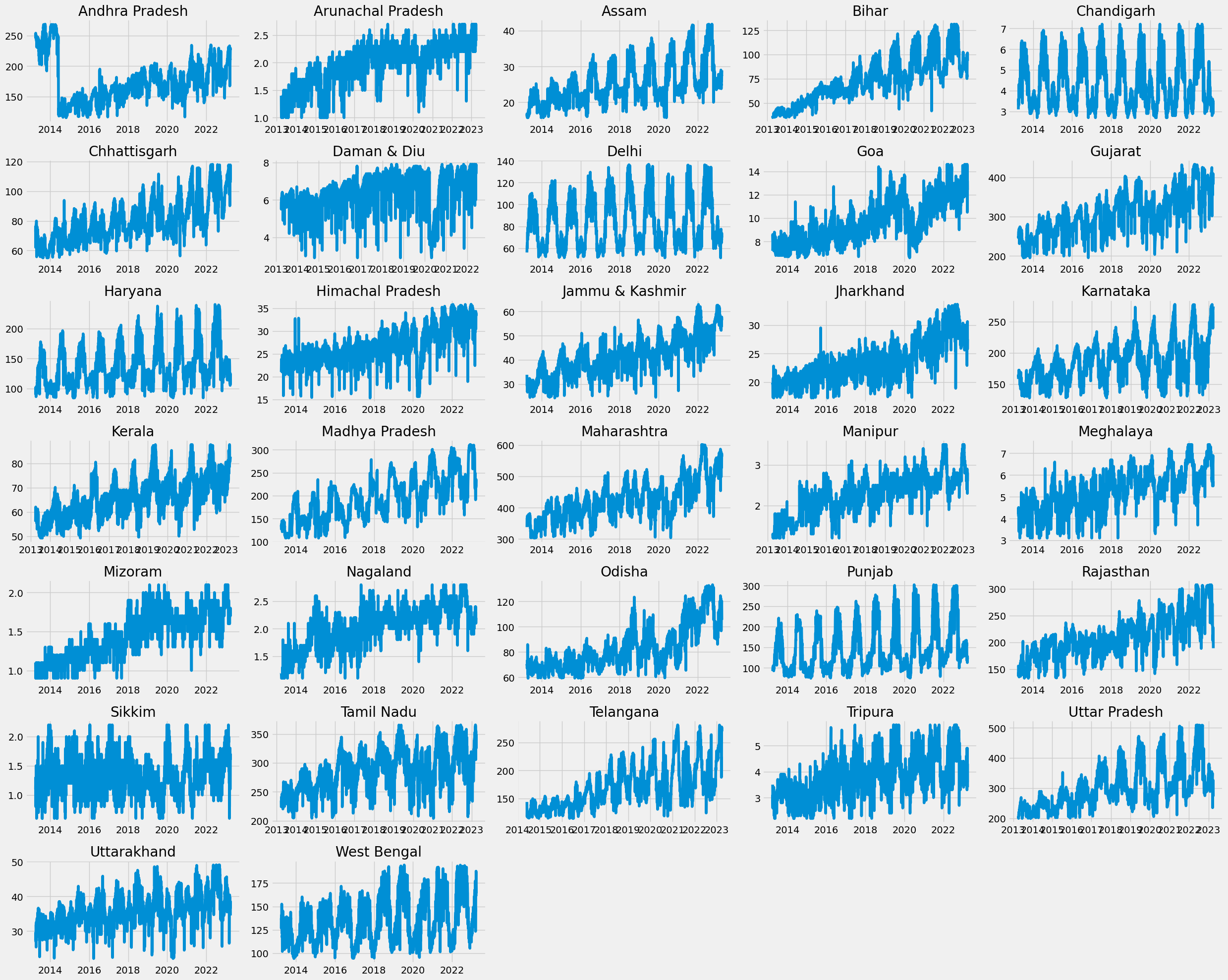
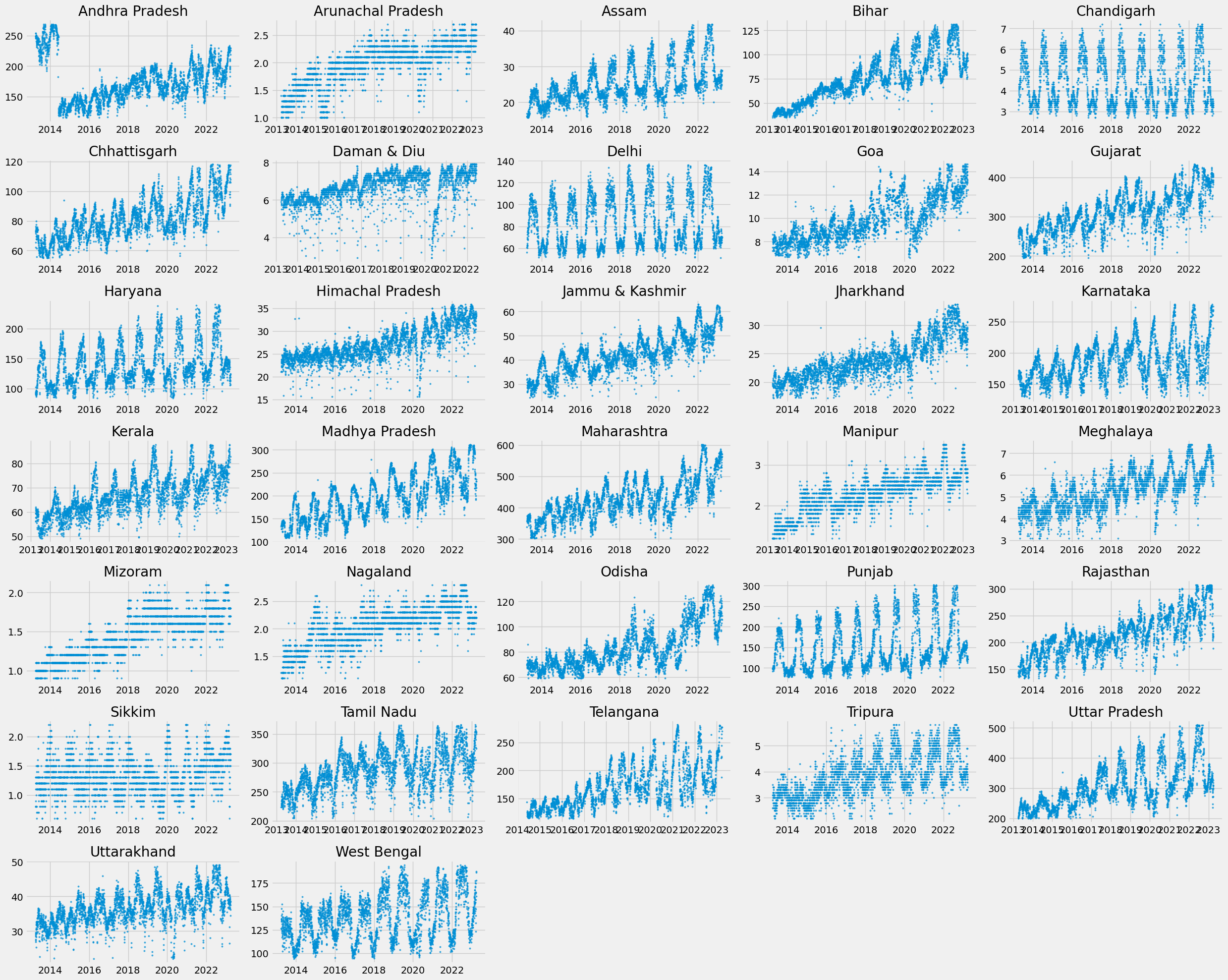
State-wise energy consumption
-
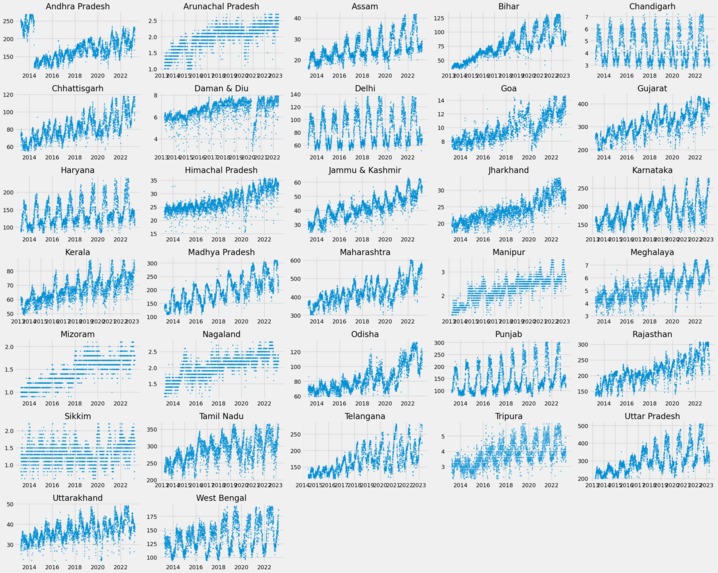
State-wise energy consumption
Inspiration
Energy consumption in buildings accounts for nearly one-third of the annual global energy use and emissions. Optimizing this energy demand is crucial to maintain a sustainable future. Inspired by the potential of short-term load forecasting in helping to integrate renewable energy and reduce fossil fuel reliance, we took up this track to help enable smarter building management. The real challenge was to integrate machine learning into a real-world problem that will directly impact sustainability and decarbonization.
What it does
WattsNext predicts short-term energy demand of a state by analyzing historical load data. Our model generates forecasts of future consumption trends, which can allow policy makers or building managers or grid operators to plan better, reduce waste and align demand with renewable energy availability.
How we built it
We began by exploring and cleaning a dataset we found on Kaggle, which listed the daily power consumption by each state in India from 2013 to 2023. We ensured stationarity and removed duplicates and outliers. We then experimented with statistical models like ARIMA to capture both local spiky fluctuations and global temporal patterns. We validated predictions using ACF/PACF analysis and rolling forecasts. We visualized the data and the outcomes to understand the data and to compare accuracy.
Challenges we ran into
- Handling the spiky nature of the data, where sudden up-downs made simple models overly smooth.
- Weak autocorrelation in the data which made it impossible for us to choose the right p, d and q values for ARIMA to get a proper prediction.
Accomplishments that we're proud of
Successfully creating a pipeline that goes from raw data - cleaning - modeling - forecasting.
Achieving stationary transformations and model fitting that is able to give interpretable results for energy forecasting.
Building an initial framework that can be scaled down or up accordingly.
What we learned
- The importance of stationarity checks (ADF test) in time-series forecasting.
- How to leverage ACF/PACF plots to tune ARIMA models.
- The strength and limitation of models for noisy, real-world data.
What's next for WattsNext
- Integrating TSFMs more deeply for transfer learning across different types of energy consumption.
- Extending the pipeline to perform real-time anomaly detection.
- Adding visual dashboards for building managers to track and check forecasts and anomalies.
- Ultimately, scaling WattsNext to support smart cities and net-zero initiative.


Log in or sign up for Devpost to join the conversation.