-
-
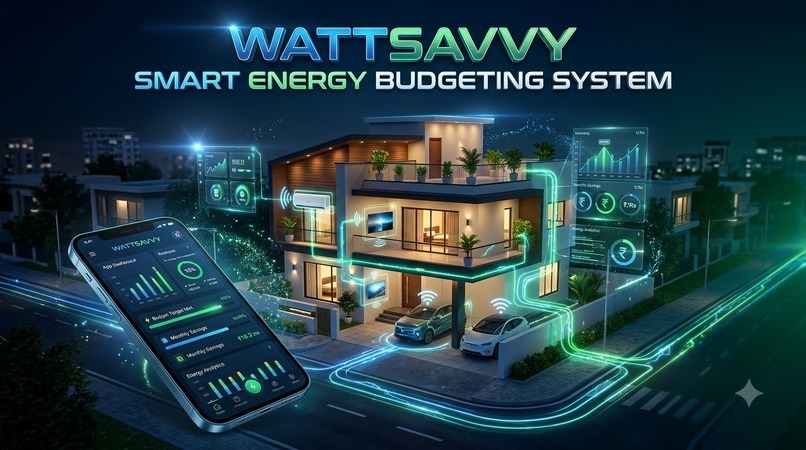
WattSavvy Poster
-
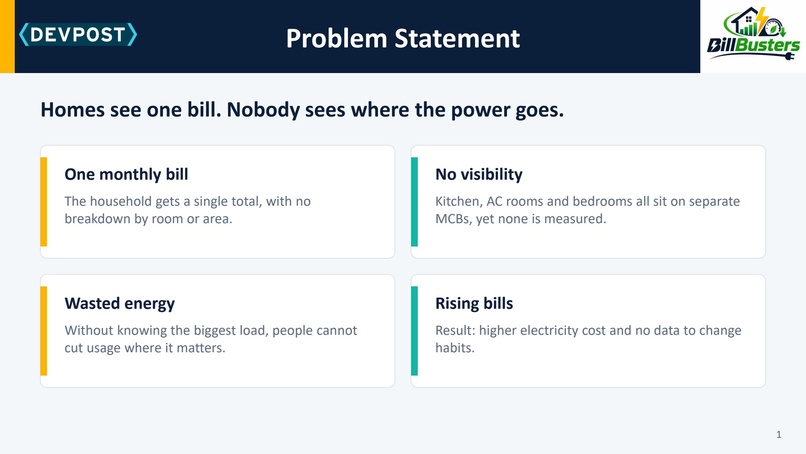
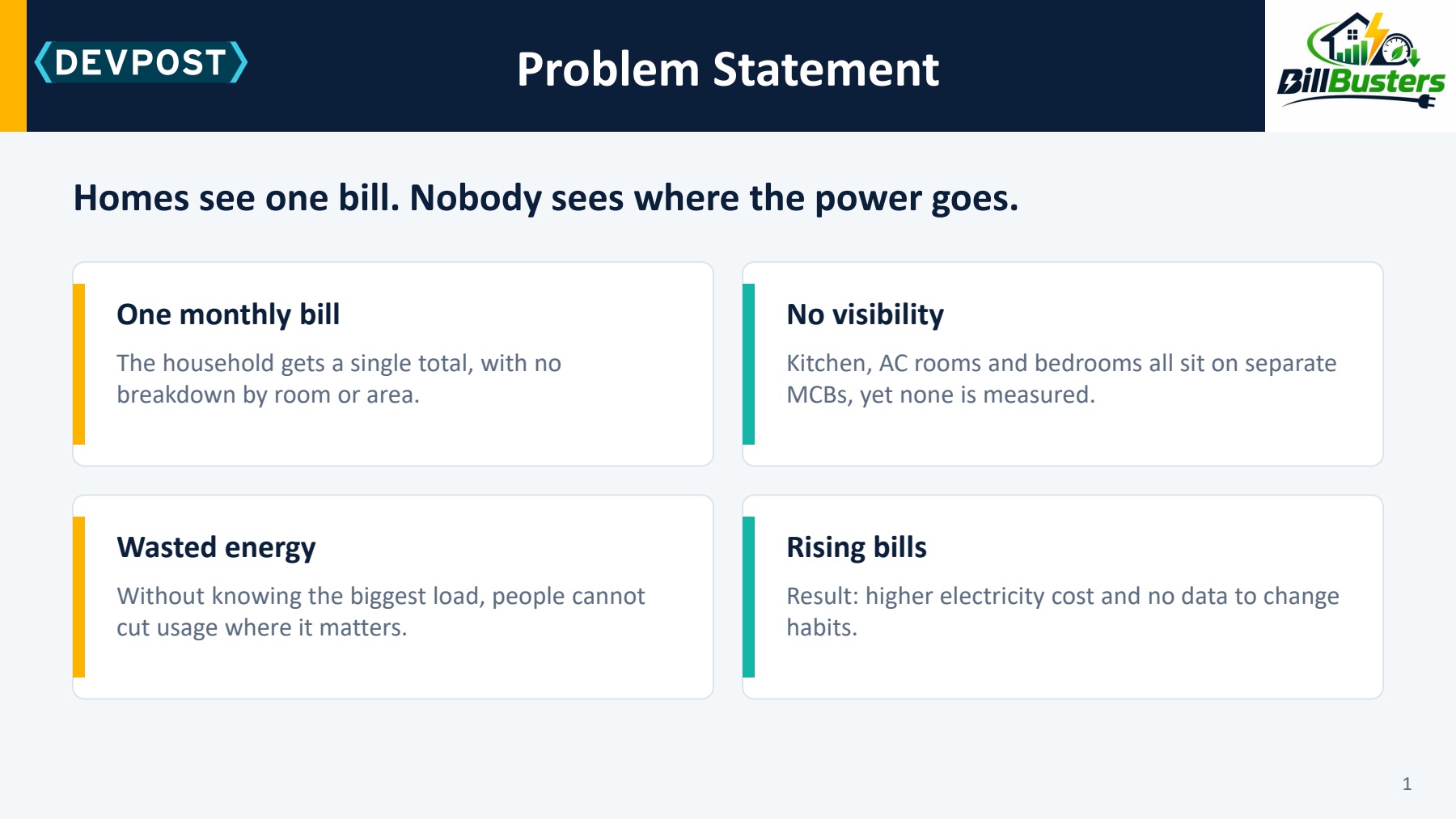
Problem Statement
-
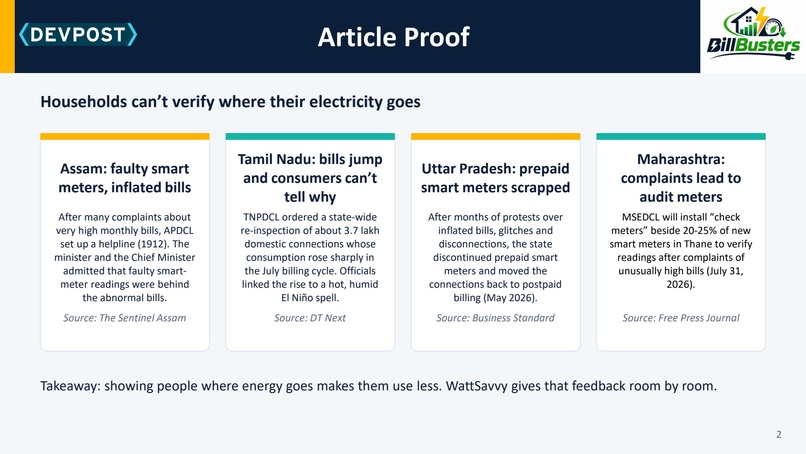
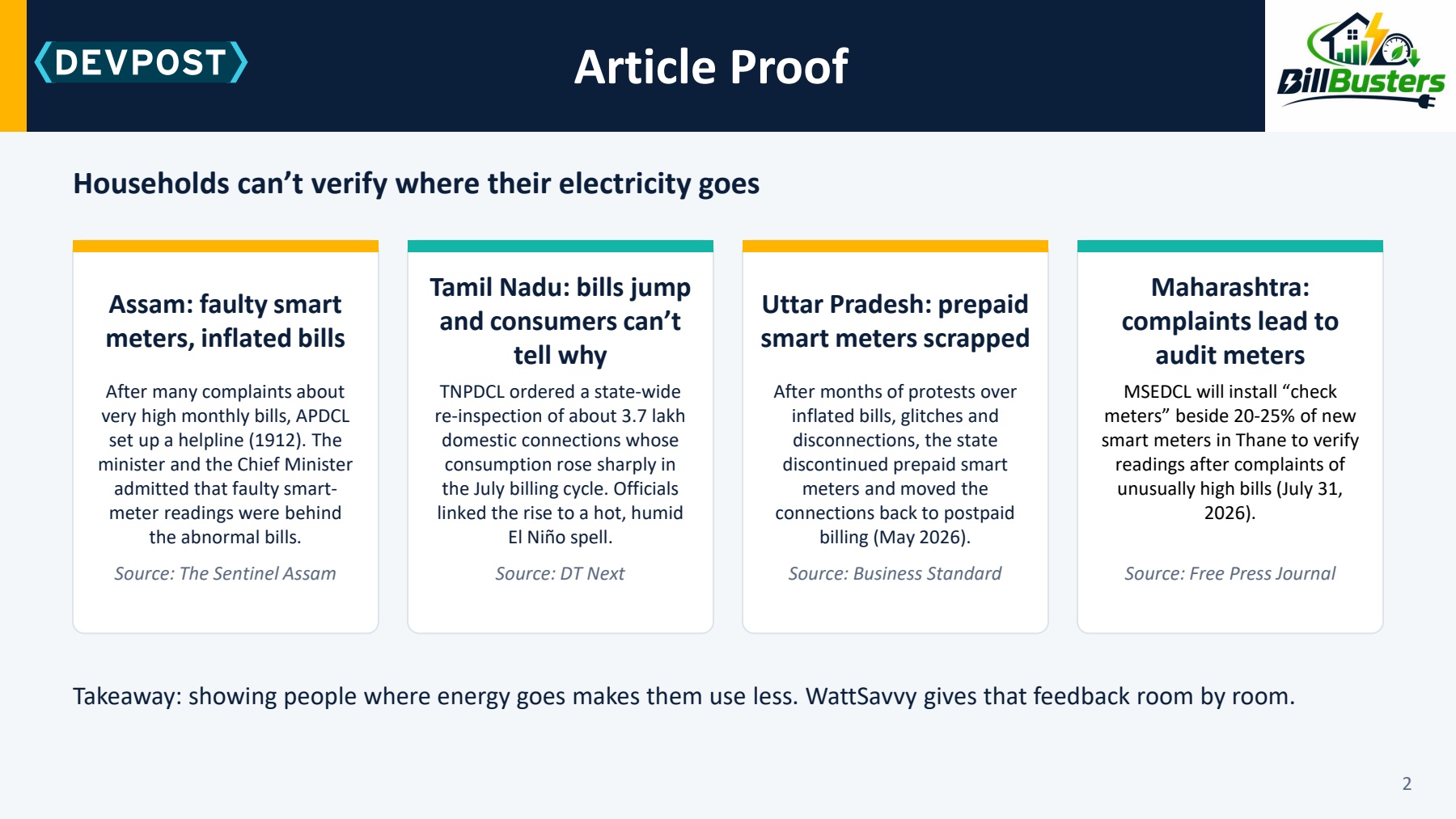
Article regarding this issue
-
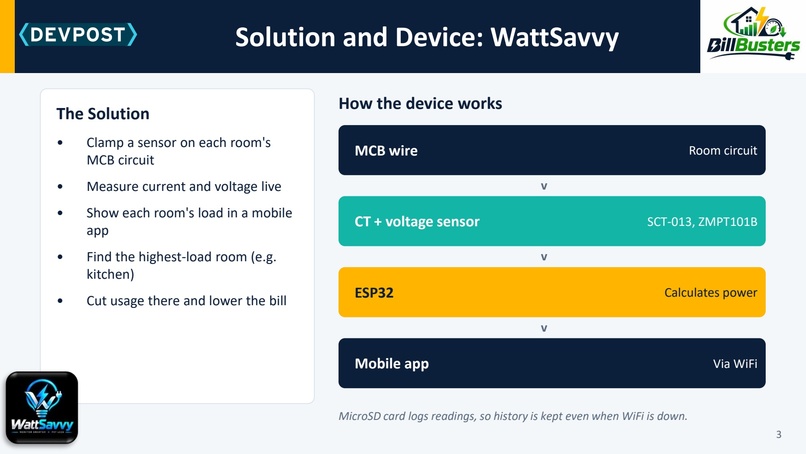
Our solution
-
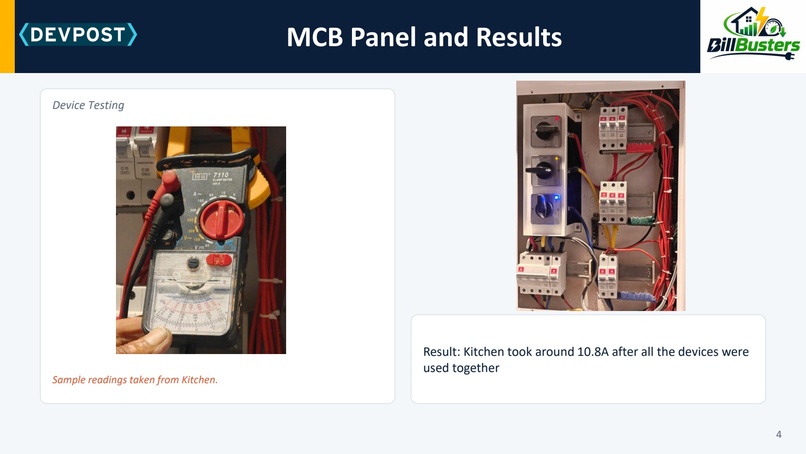
Working model and Solution
-
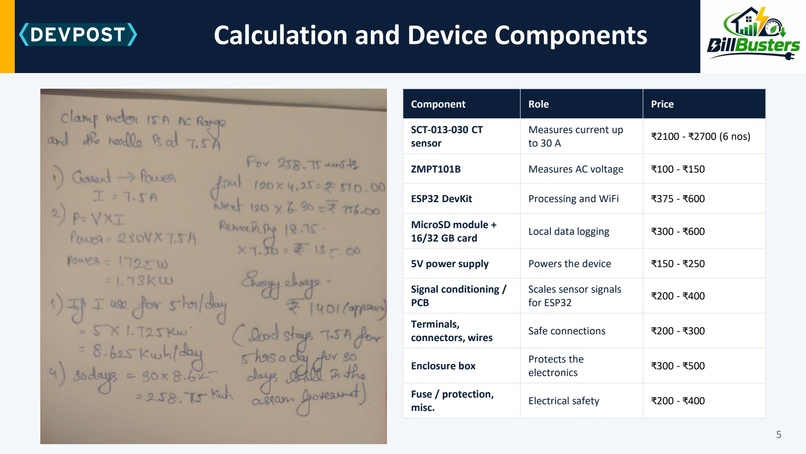
Calculations and device Details
-
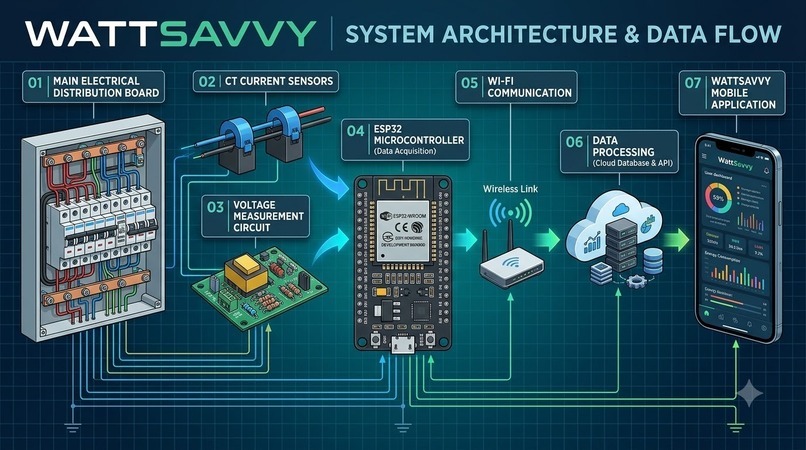
WattSavvy Components
-
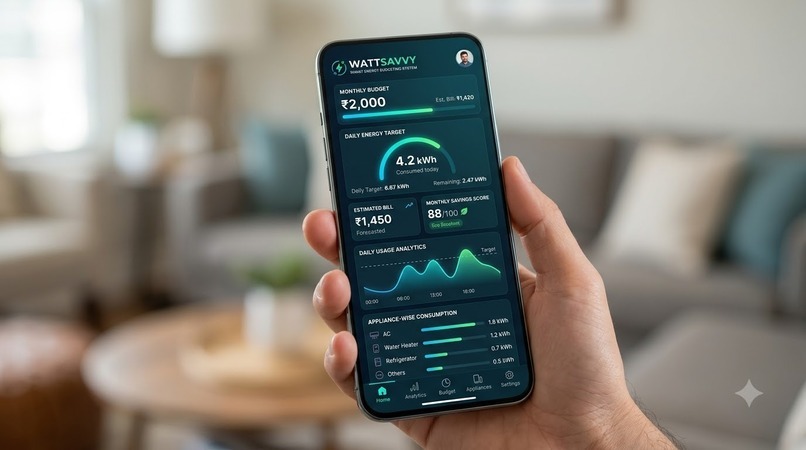
WattSavvy Mobile Application
-
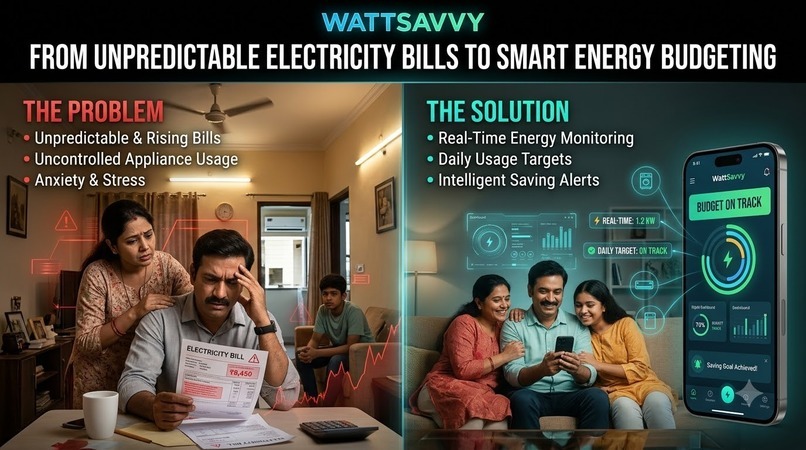
Before WattSavvy vs After WattSavvy

Inspiration
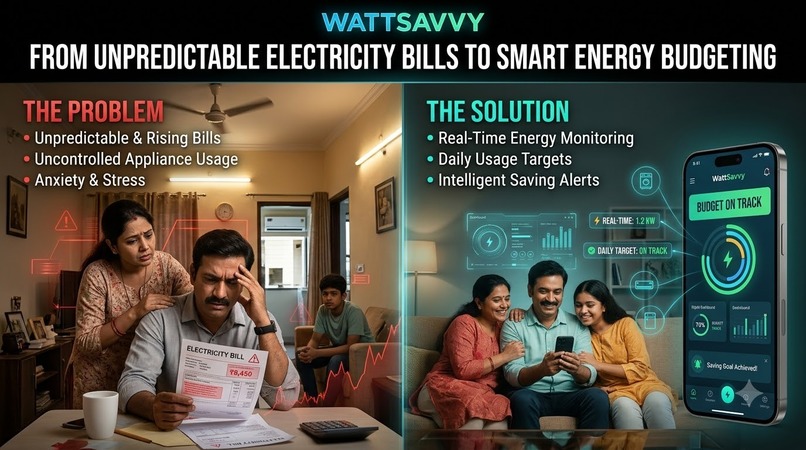
The idea for WattSavvy came from a simple thought during one of my computer science classes. While discussing a question related to whether something was static or dynamic, the word “static” immediately reminded me of static electricity. That small connection made me start thinking about how electricity is consumed in our everyday lives. Later that evening, I came across news and discussions about the significant increase in electricity bills in Tamil Nadu, with many households experiencing unexpectedly high bills. Around the same period, I also came across a video from VJ Sidhu Vlogs, where he spoke about his electricity bill reaching a very high monthly amount, reportedly around ₹10,000–₹15,000. This made me realize that high electricity consumption can become a significant financial burden for households. This led me to a simple question: What if people could monitor their electricity consumption before receiving the bill, rather than discovering the problem only after the bill arrives? That thought became the foundation of WattSavvy.
What it does
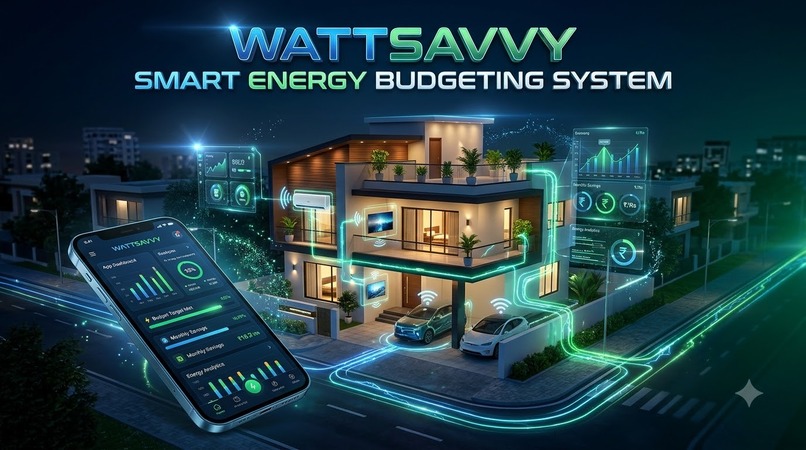
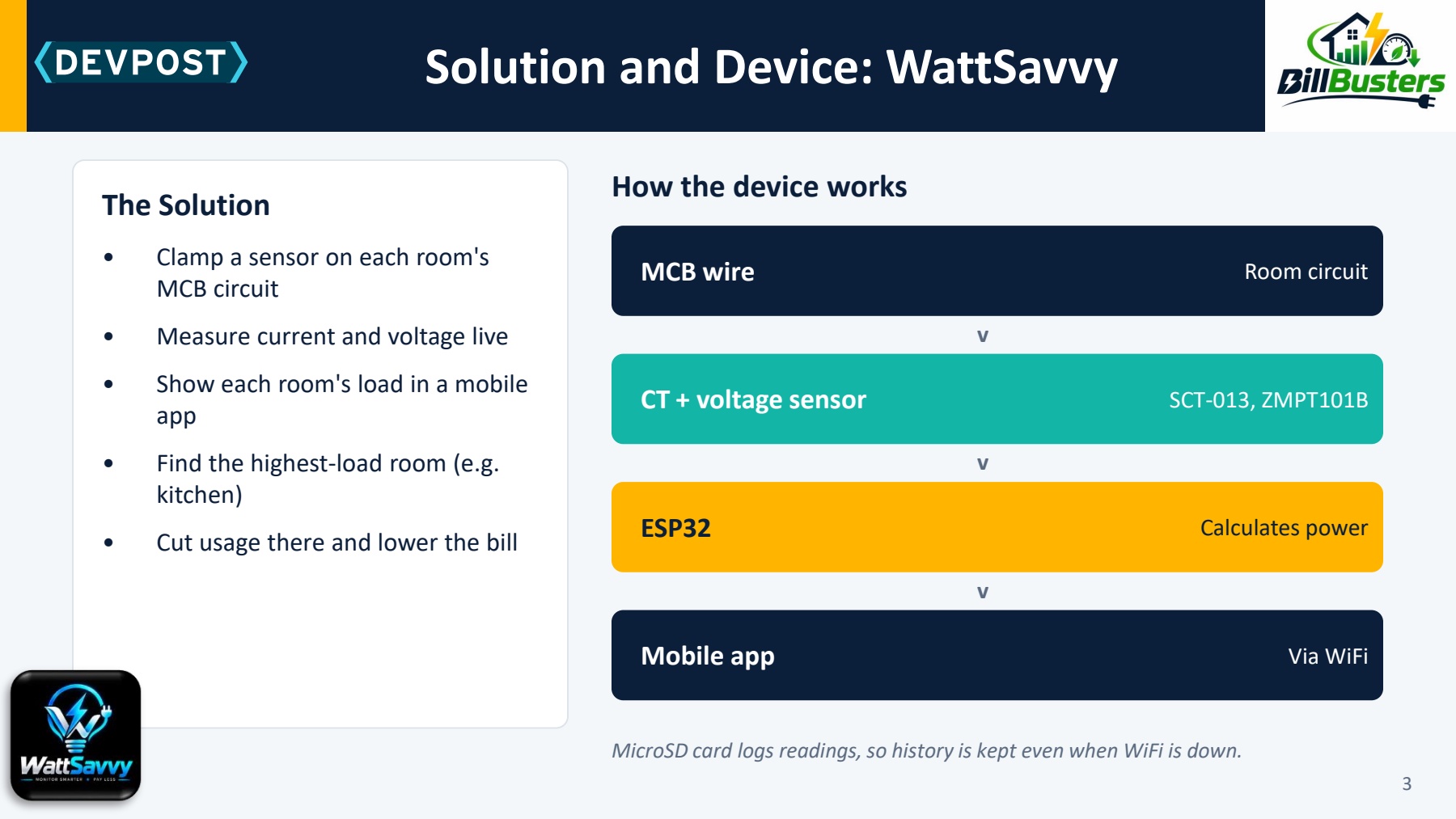
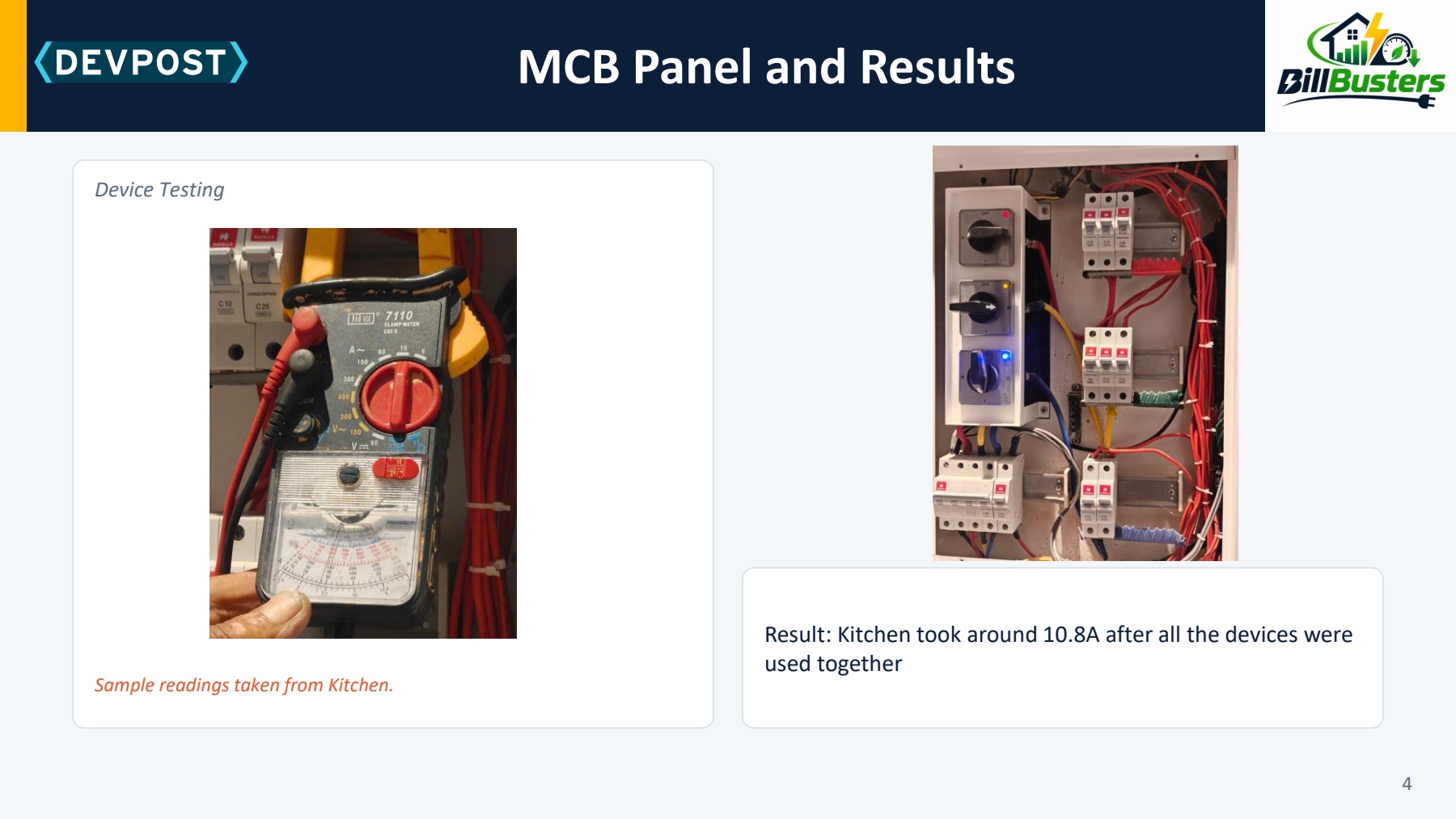
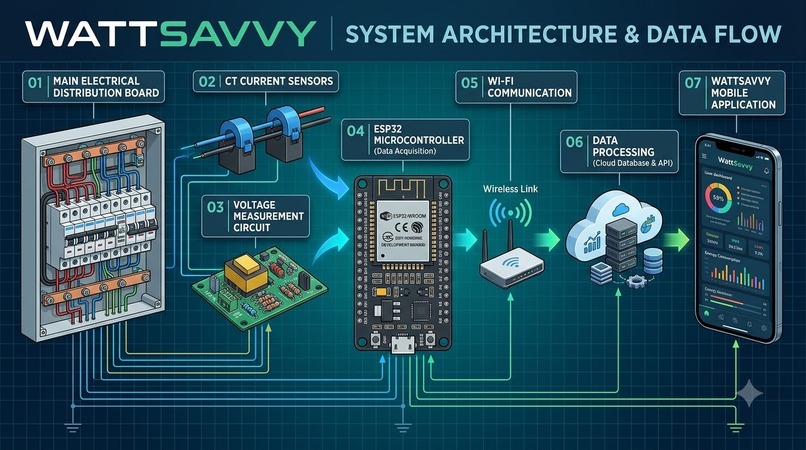
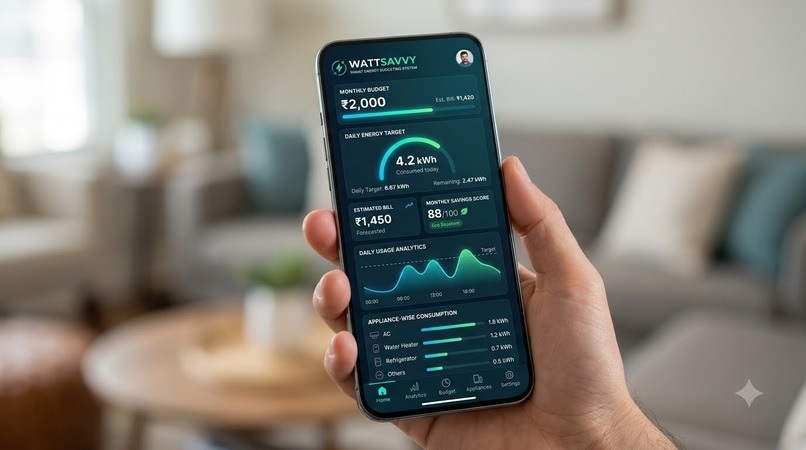
WattSavvy is a smart electricity-monitoring system that helps households track and manage their power consumption. A current sensor is installed for each MCB to measure how much current it is consuming. The sensor sends the readings through an ESP32 to the WattSavvy mobile app, where users can monitor the consumption of each MCB. The main feature is AI-powered budget planning. At the beginning of the month, users can set a target electricity bill, for example ₹2,000. Based on the target, WattSavvy analyzes the consumption and suggests how much electricity should be used daily and across different MCBs to help the user stay close to the chosen monthly budget. In simple words: WattSavvy helps users know how much electricity they are using and guides them on how to stay within their planned electricity bill.
How we built it
WattSavvy is built using: • ESP32 DevKit – main controller and Wi-Fi communication • SCT-013-030 Current Sensors – monitor current consumption from 3 MCBs • ZMPT101B Voltage Sensor – measure AC voltage • MicroSD Card Module + 32GB microSD Card – store energy-usage history • DS3231 RTC Module – maintain accurate date and time for data logging • 3.5mm Female Connectors – connect the SCT-013 sensors • 5V 2A Power Supply – power the system • Breadboard, jumper wires, screw terminals and prototype PCB – circuit connections • Resistors, capacitors and protection components – signal conditioning and protection • ABS Enclosure – house the complete WattSavvy hardware
Challenges we ran into
As a group of CSE students, our biggest challenge was moving from software development to hardware implementation. We were confident in software, but had limited experience with hardware components, sensors, wiring, and circuit connections. Understanding the devices we selected, connecting the components correctly, and making the hardware work together was initially difficult. Building WattSavvy helped us step outside our software comfort zone and learn how to integrate hardware with our existing software skills.
Accomplishments that we're proud of
Participating Devpost second hackathon.
What we learned
Different skills in hardware and software from our Teammates.
What's next for WattSavvy
The future scope of WattSavvy is to make it more than just an energy-monitoring system. The app can notify users about new government electricity schemes, subsidies, and important updates related to electricity. It can also provide information about upcoming planned power shutdowns in different areas and allow users to report electrical issues or outages in their locality. Another future feature is a monthly energy-efficiency credit score. Based on a user's electricity consumption and energy-saving habits, WattSavvy can generate a monthly score and reward responsible energy usage. This score could potentially be integrated with or recognized by electricity service providers such as EB in the future. We also plan to expand WattSavvy with more intelligent features, wider household coverage, and better recommendations to help users reduce electricity consumption and monthly bills.


