-
-
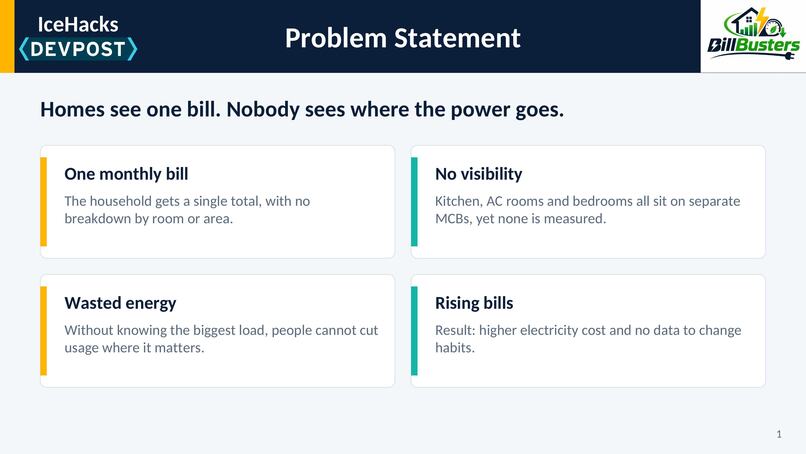
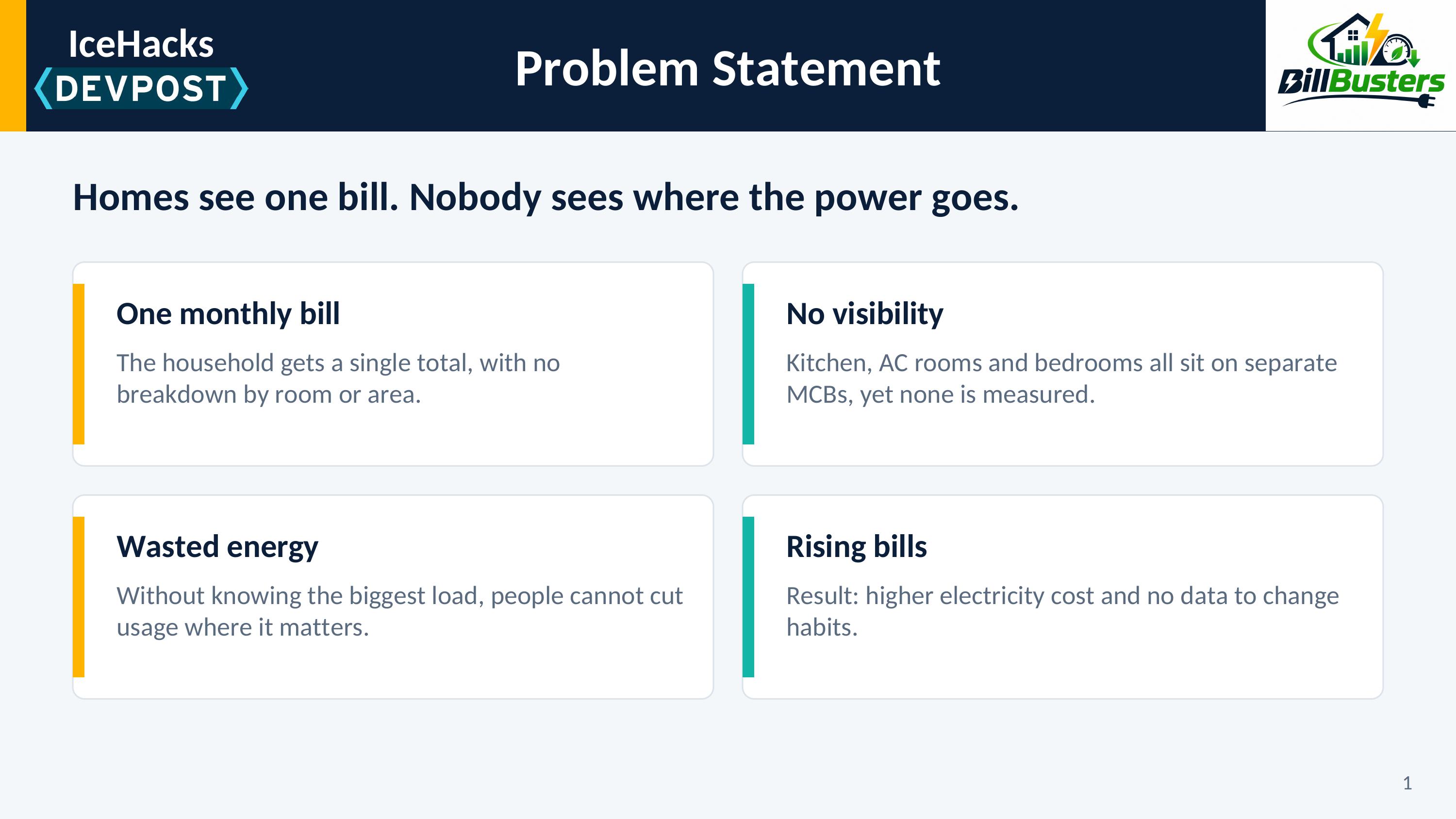
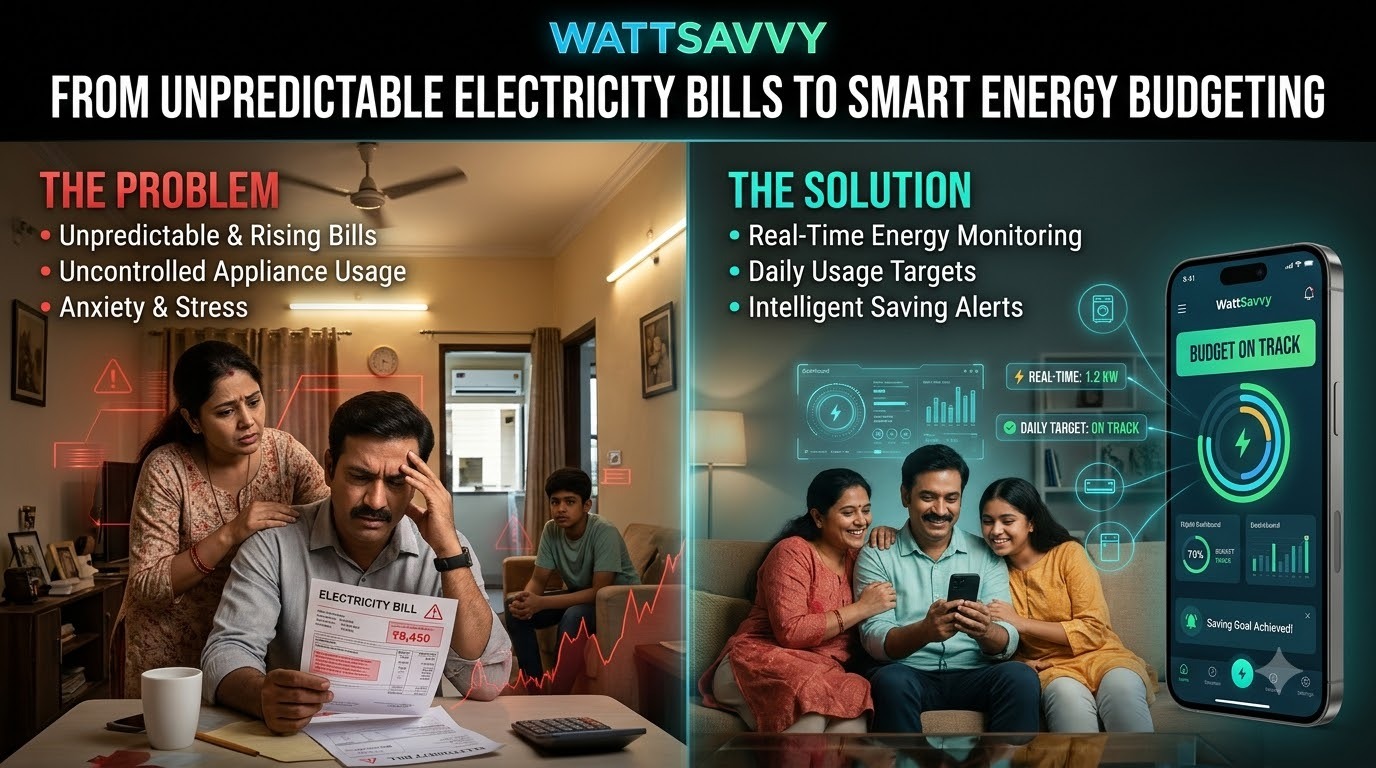
Problem Statement
-
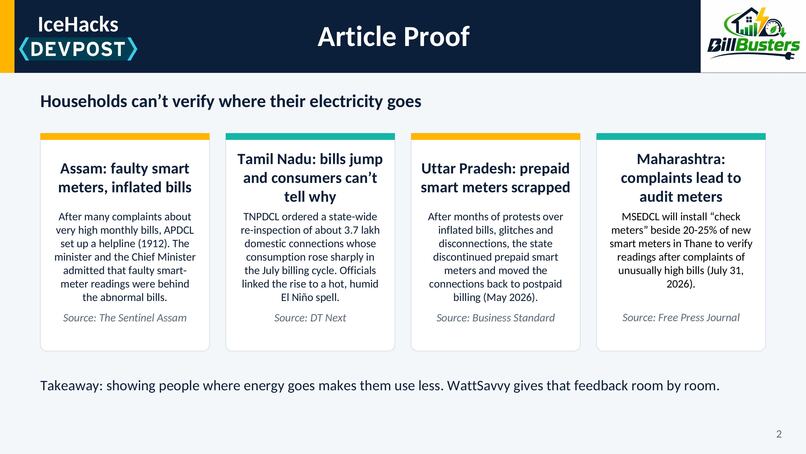
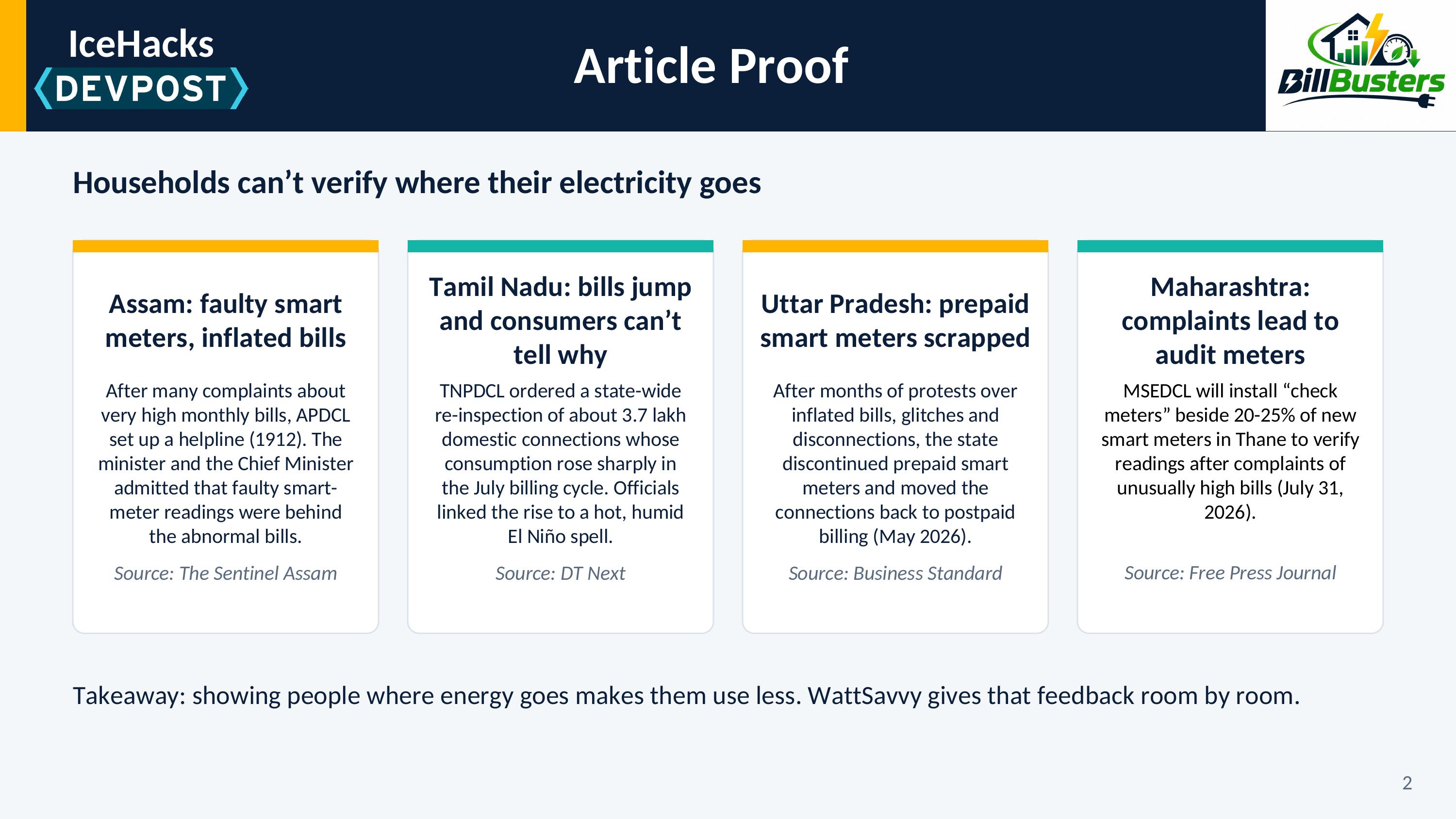
Articles regarding this issue
-
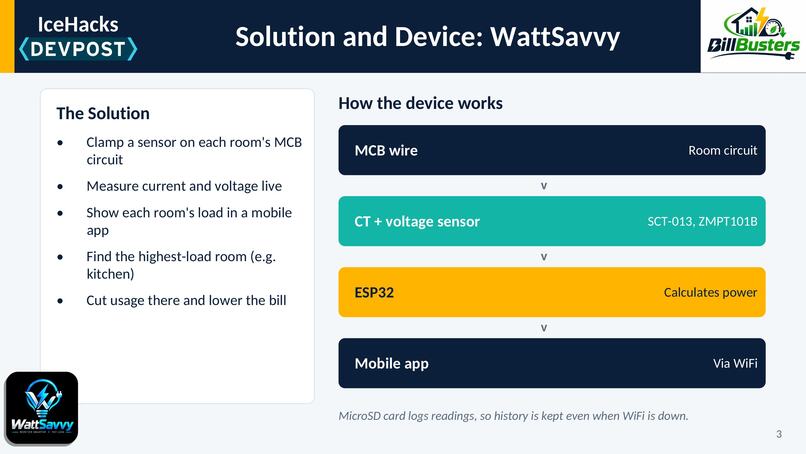
Our solution
-
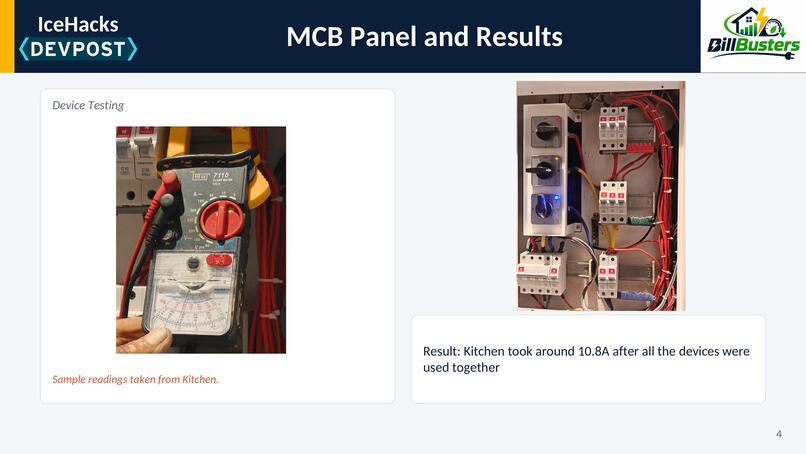
Working model and readings
-
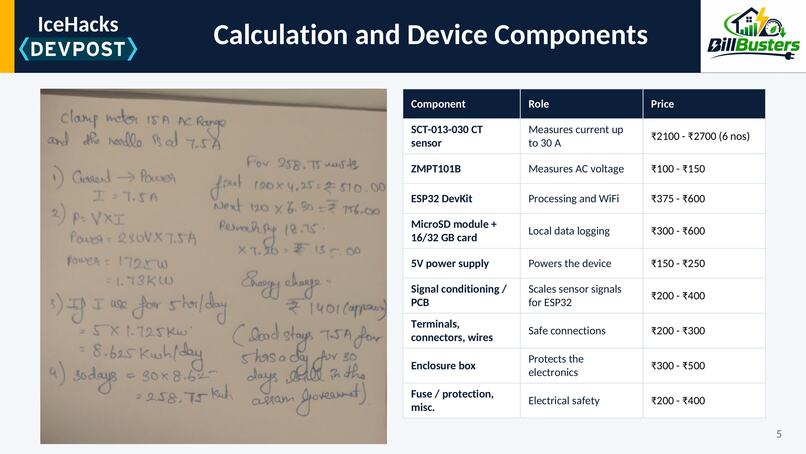
Calculation and device details
-
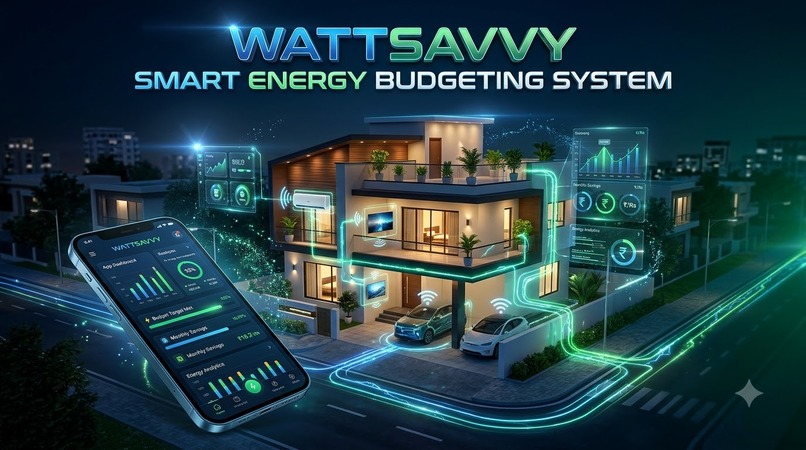
WattSavvy poster
-
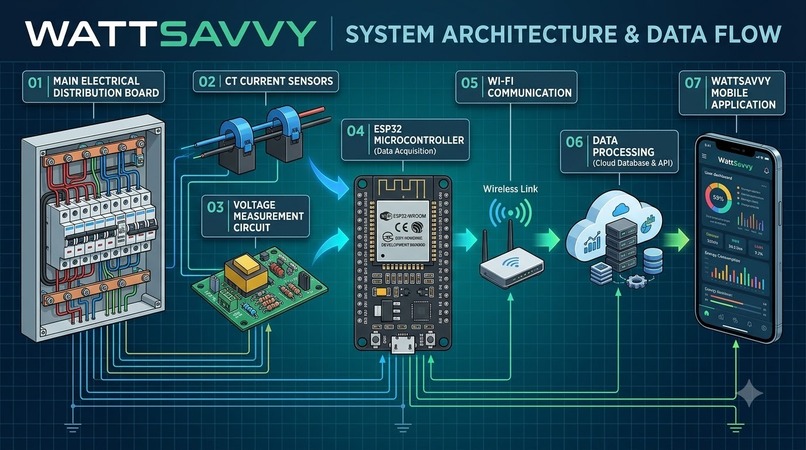
WattSavvy important components
-
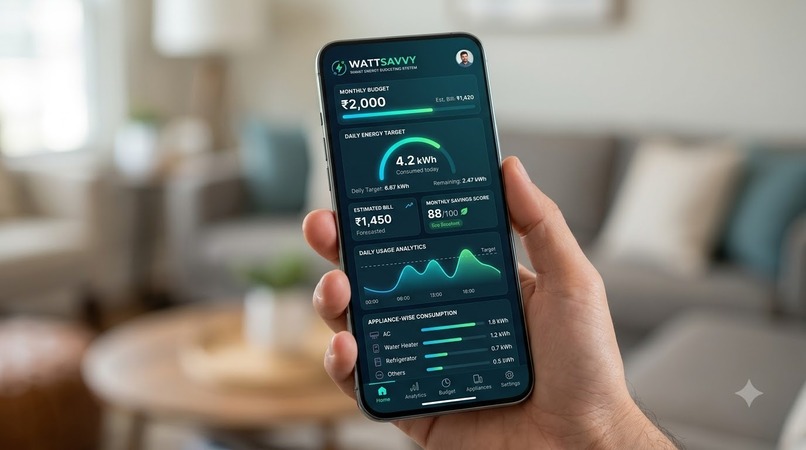
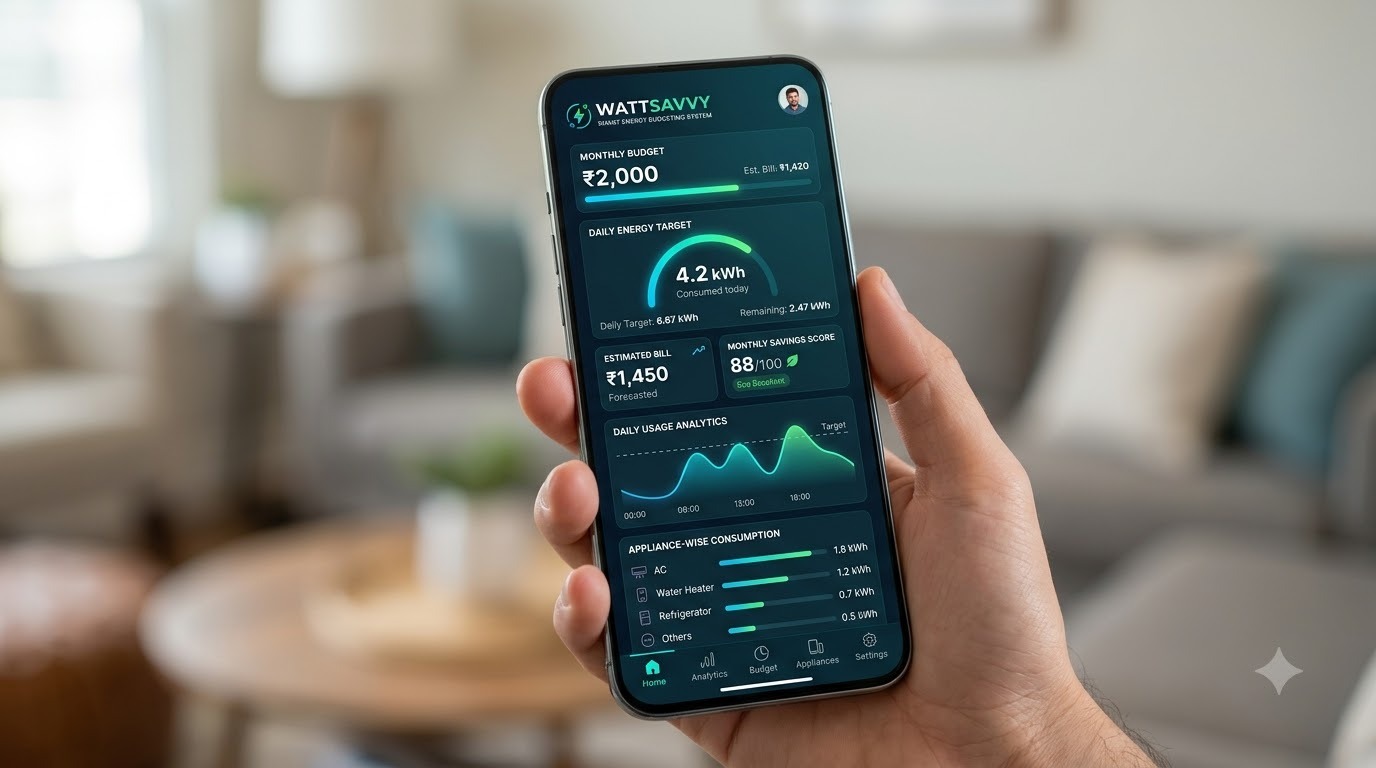
WattSavvy mobile application
-
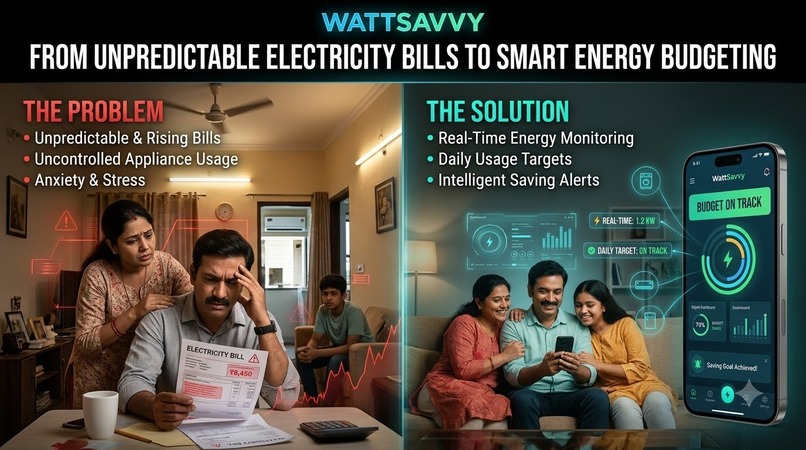
Before WattSavvy vs After WattSavvy
-
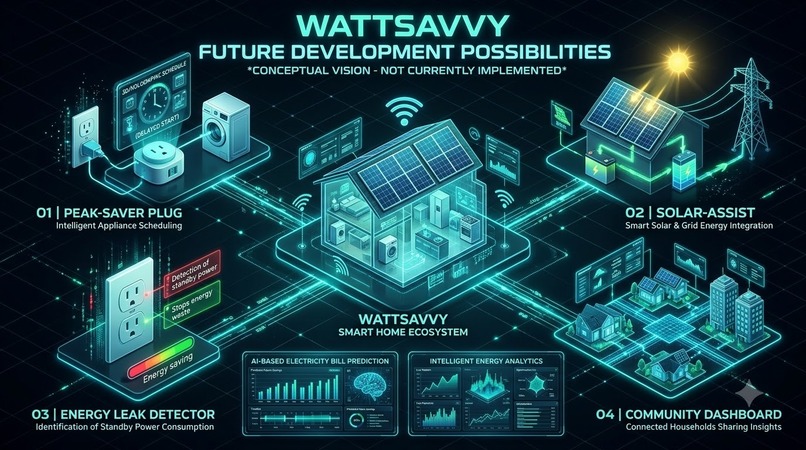
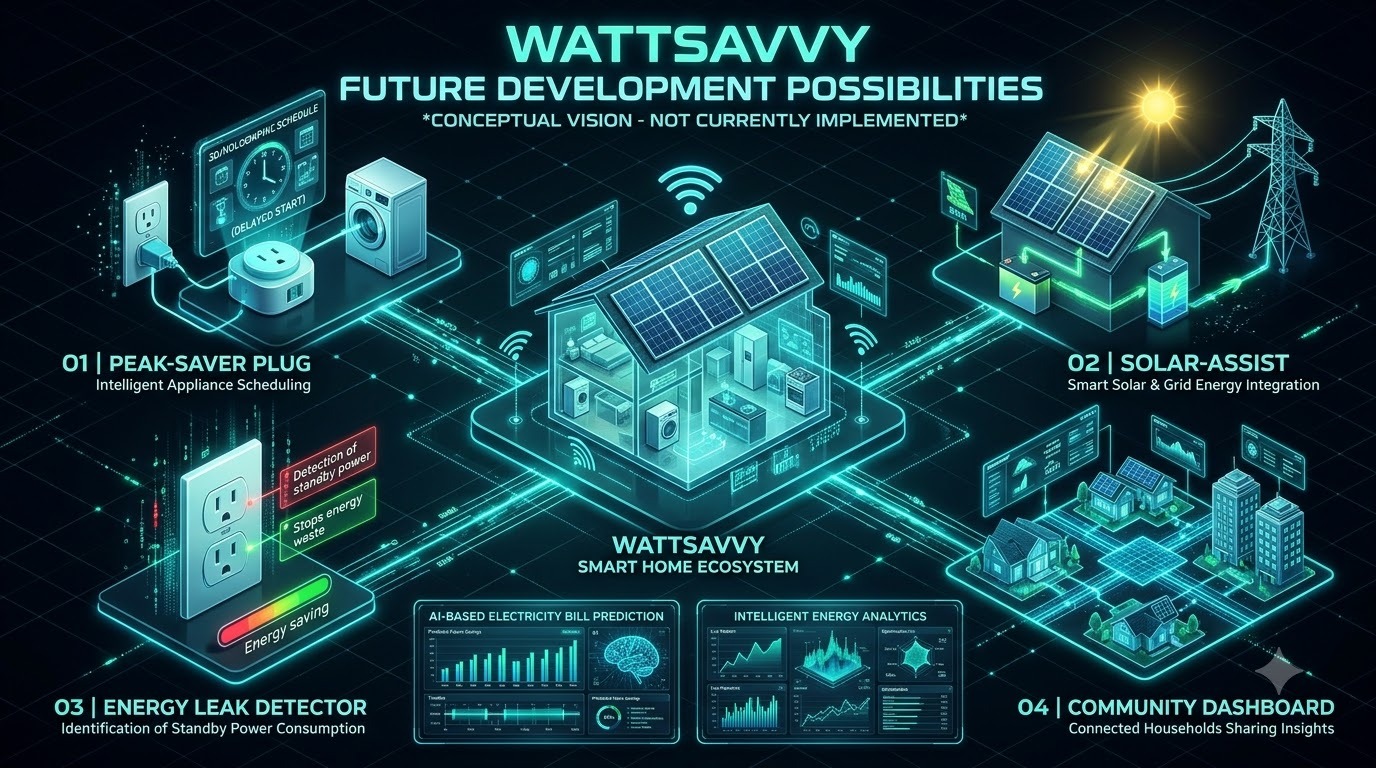
Future improvements of WattSavvy

Inspiration :
The idea for WattSavvy came from a simple thought during one of my computer science classes. While discussing a question related to whether something was static or dynamic, the word “static” immediately reminded me of static electricity. That small connection made me start thinking about how electricity is consumed in our everyday lives. Later that evening, I came across news and discussions about the significant increase in electricity bills in Tamil Nadu, with many households experiencing unexpectedly high bills. Around the same period, I also came across a video from VJ Siddhu Vlogs, where he spoke about his electricity bill reaching a very high monthly amount, reportedly around ₹10,000–₹20,000. This made me realize that high electricity consumption can become a significant financial burden for households. This led me to a simple question: What if people could monitor their electricity consumption before receiving the bill, rather than discovering the problem only after the bill arrives? That thought became the foundation of WattSavvy
What it does :
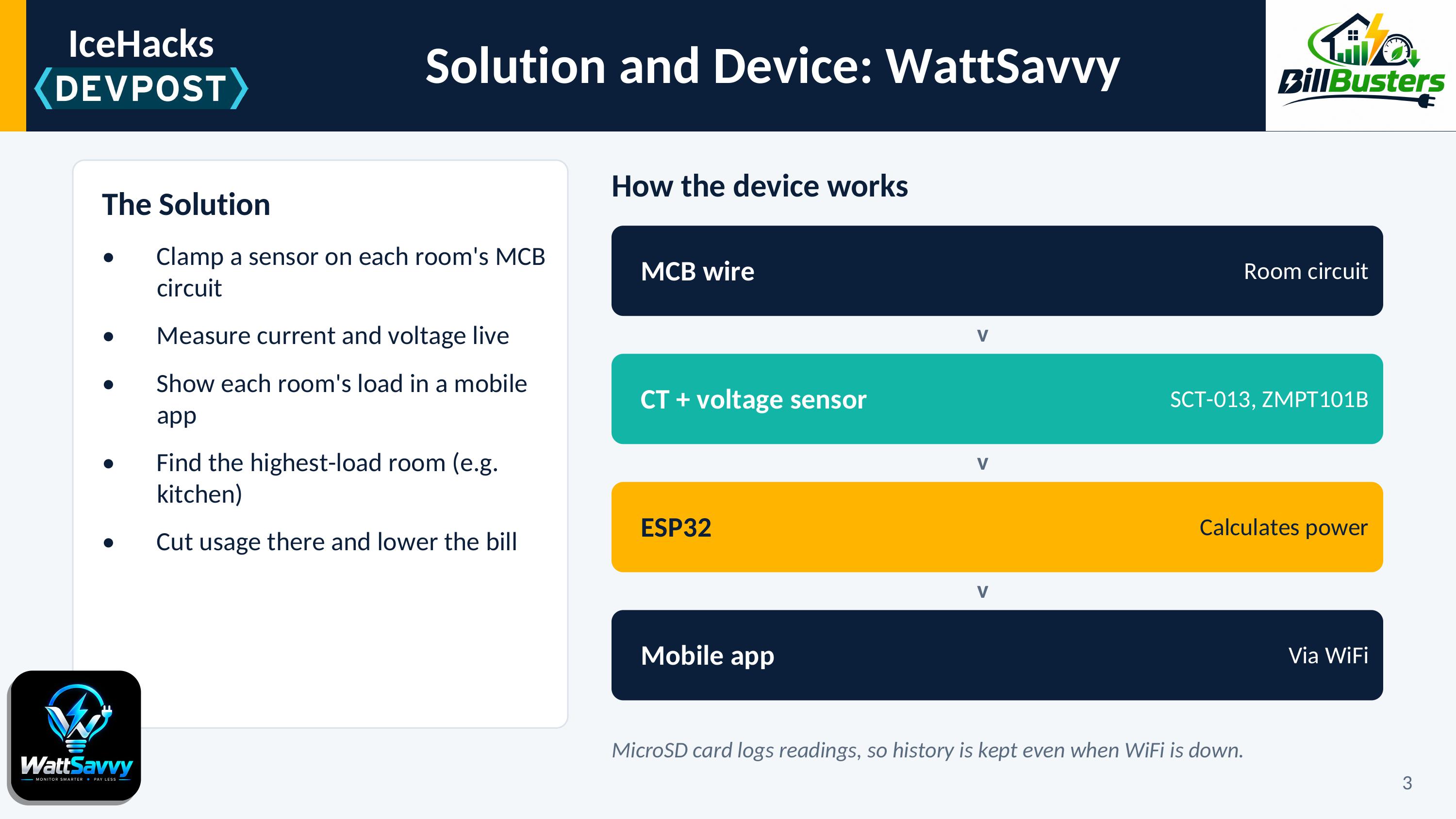
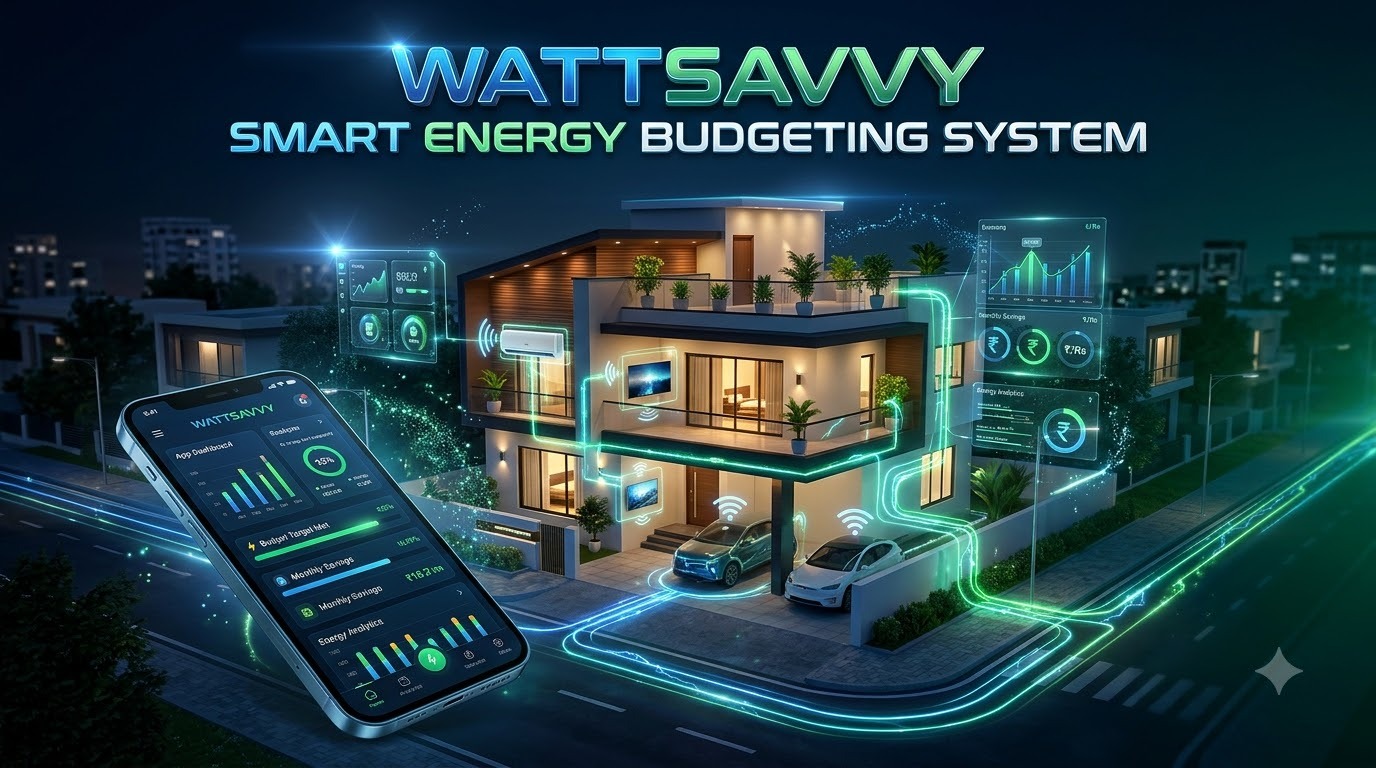
WattSavvy is a smart electricity-monitoring system that helps households track and manage their power consumption. A current sensor is installed for each MCB to measure how much current it is consuming. The sensor sends the readings through an ESP32 to the WattSavvy mobile app, where users can monitor the consumption of each MCB. The main feature is AI-powered budget planning. At the beginning of the month, users can set a target electricity bill, for example ₹2,000. Based on the target, WattSavvy analyzes the consumption and suggests how much electricity should be used daily and across different MCBs to help the user stay close to the chosen monthly budget. In simple words: WattSavvy helps users know how much electricity they are using and guides them on how to stay within their planned electricity bill.
How we built it :
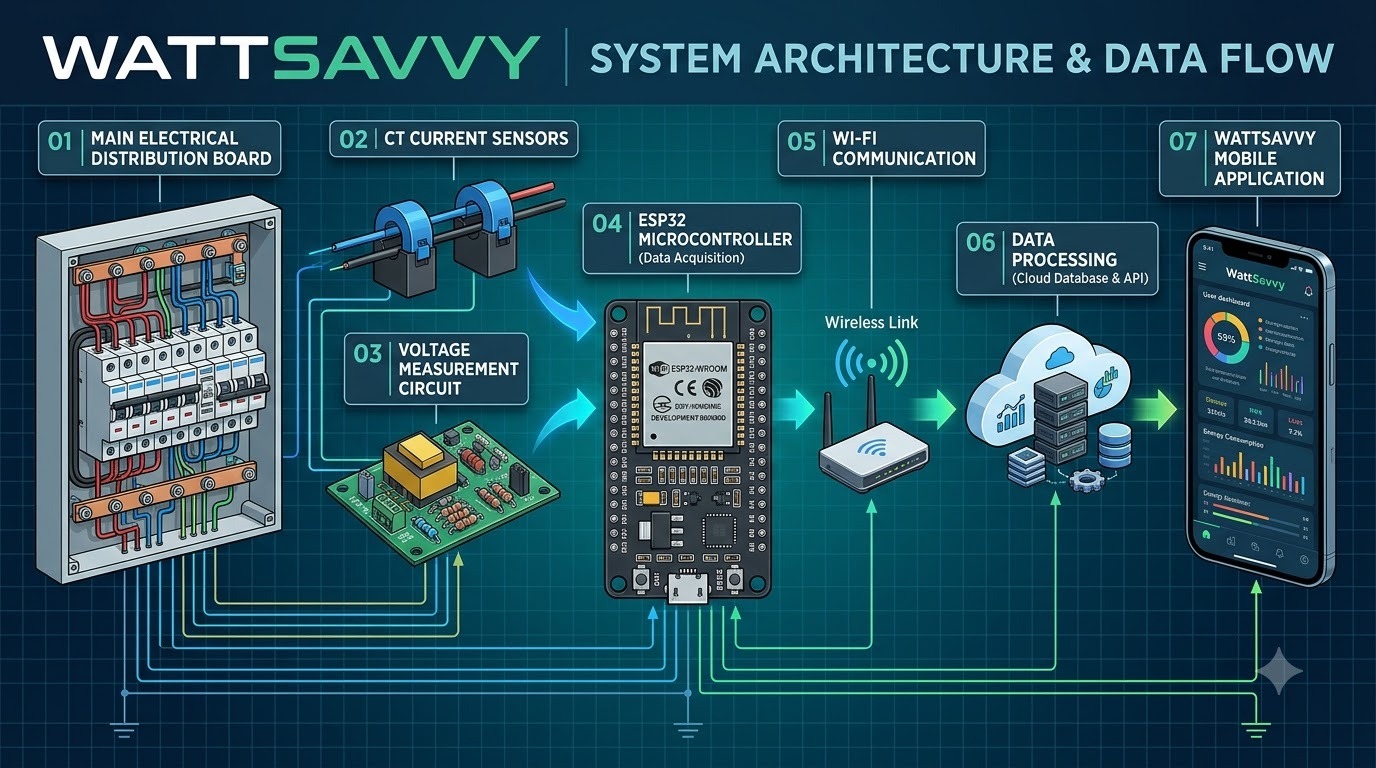
Components Used
- ESP32 Wi-Fi development board
- 6 × 30A AC current sensors – one for each MCB
- 6-MCB distribution board/enclosure
- AC-to-DC power supply module for the control circuit
- 16GB–32GB USB flash drive for storing consumption data
- USB storage interface/adapter for connecting the storage to the controller
- PCB or terminal board for connections
- Electrical wires, connectors and terminal blocks
- WattSavvy mobile application
- Cloud/database storage (optional) for remote access and backup
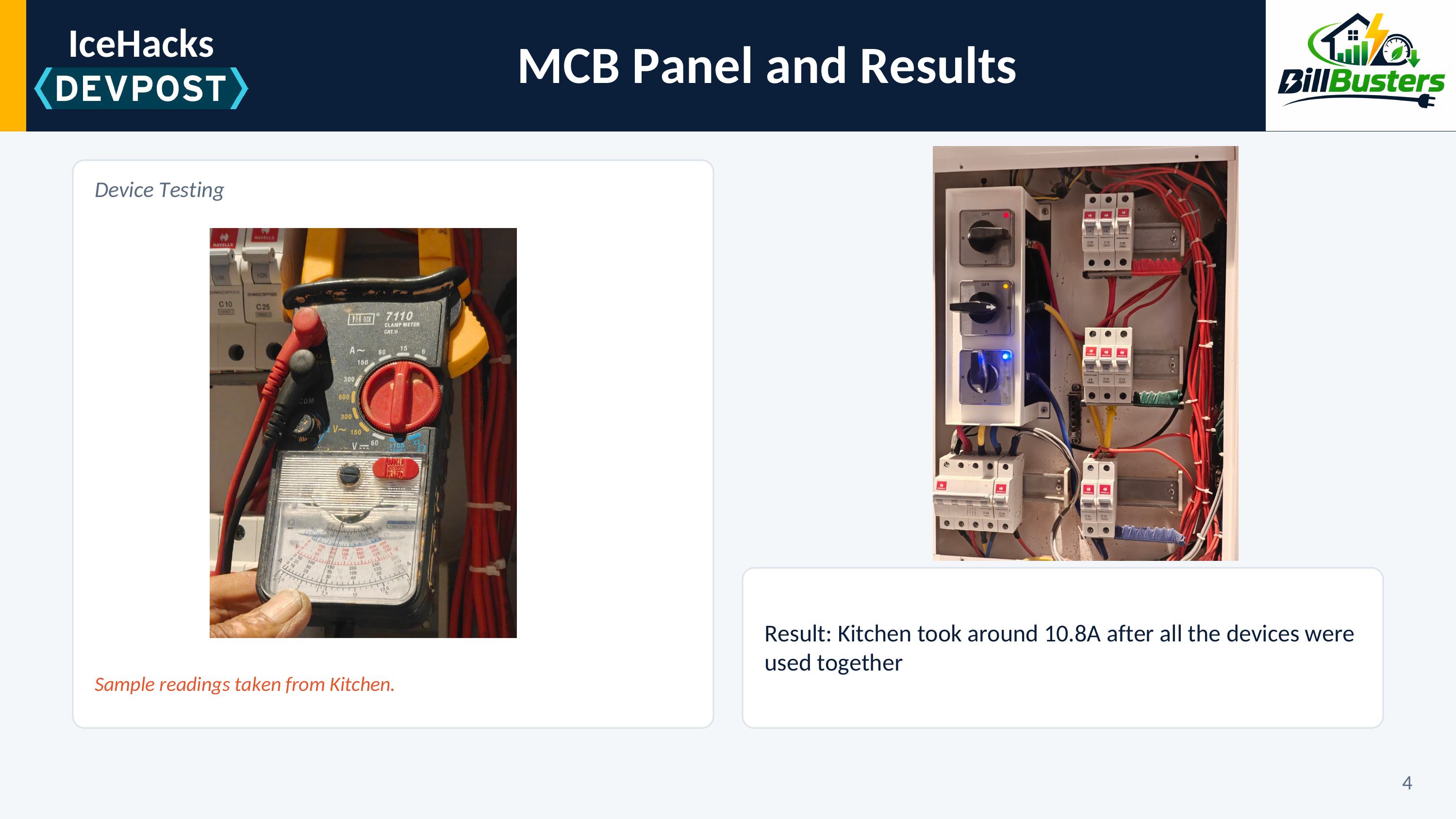
How We Built It WattSavvy is built by installing one current sensor on each of the six MCB circuits. These sensors continuously measure the current flowing through each circuit. The sensor readings are collected by the ESP32, which processes the data and sends it through Wi-Fi to the WattSavvy mobile application. The consumption history is also stored locally using 16GB–32GB storage, allowing the system to maintain historical readings for later analysis. The mobile app displays the consumption of each MCB and helps users identify which circuits are using more electricity. Users can set a monthly bill target, such as ₹2,000. WattSavvy then analyzes the consumption data and uses AI to suggest how much electricity can be used daily and across different MCBs to help the user stay close to the selected monthly budget. The system therefore combines real-time monitoring, historical data storage, mobile connectivity, and AI-based electricity planning in one solution.
Challenges we ran into :
One of our biggest challenges was hardware planning and implementation. Initially, we planned to place an individual sensor on every appliance. However, this approach required a large amount of wiring, increased the cost, and made installation difficult, especially when appliances were located far apart. We also realized that placing a NodeMCU/ESP32 at a central location would not be practical because some appliances could be several meters away. Connecting every appliance through wires would make the system expensive and difficult to install. To overcome this challenge, we changed our approach. Instead of monitoring every appliance separately, we decided to install the current sensors at the MCB level, where the electrical circuits are already organized. By placing a sensor on each MCB, we can monitor the electricity consumption of an entire circuit with fewer sensors and significantly less wiring. Another challenge was that our team comes from a Computer Science background, so working with electrical wiring, sensors, MCBs, and hardware was new to us. We initially faced doubts about whether a CSE team could successfully build a hardware-based solution. However, we learned the required concepts, discussed the design as a team, and gradually developed our approach. This experience taught us that the biggest challenge was not just building the software, but finding a practical, affordable, and scalable way to connect the hardware with real household electrical systems. Our goal is to make electricity consumption understandable for everyday families. People often know that using more appliances increases their electricity bill, but they don't know exactly how much each circuit is contributing. WattSavvy aims to make that invisible consumption visible, helping families understand their usage, plan their expenses, and make better decisions about electricity consumption.
Accomplishments that we're proud of
Making of hardware device from CSE made possible.
What we learned :
As the team lead, one of my biggest learning experiences was understanding how to coordinate different team members and divide responsibilities effectively. I assigned tasks based on each member's strengths and worked with the team to ensure that the work progressed on time. Since we come from a Computer Science background, working with hardware and electrical components was a completely new experience for us. We went beyond our usual software work, researched the required components, visited stores to purchase the hardware, and started learning how to integrate everything into our system. The project is currently in its initial development stage. We have purchased the required components and started building and testing the prototype. Our goal is to complete the working prototype within the next two months. Through WattSavvy, I have learned not only about hardware and electricity monitoring, but also about team coordination, leadership, time management, problem-solving, and turning an idea into a practical solution.
What's next for WattSavvy :
- Appliance-Level Monitoring: In the future, wireless sensors can be added to monitor individual appliances and identify exactly how much electricity each appliance consumes.
- AI-Based Bill Prediction: WattSavvy can predict the user's upcoming electricity bill based on their current consumption pattern and provide early warnings if the bill is likely to exceed the target.
- Personalized AI Recommendations: The AI can suggest how much electricity each MCB or appliance should consume daily to help the family stay within their monthly budget.
- Long-Term Consumption Analysis: Users can compare their electricity usage across days, weeks, and months to identify unnecessary consumption and changes in their usage patterns.
- Smart Alerts: The app can notify users when an MCB's consumption suddenly increases or when the household is approaching its monthly electricity budget.
- Solar Energy Integration: WattSavvy can be integrated with rooftop solar systems to monitor both electricity consumption and solar generation.
- Scalable Deployment: The system can be expanded from individual homes to apartments, hostels, schools, offices, and other buildings.
- Energy-Saving Recommendations: Based on usage patterns, WattSavvy can recommend practical ways to reduce electricity consumption without affecting the user's normal lifestyle.
Our long-term vision is to make WattSavvy a complete household energy-management platform that helps families understand, plan, and reduce unnecessary electricity expenses.

