-
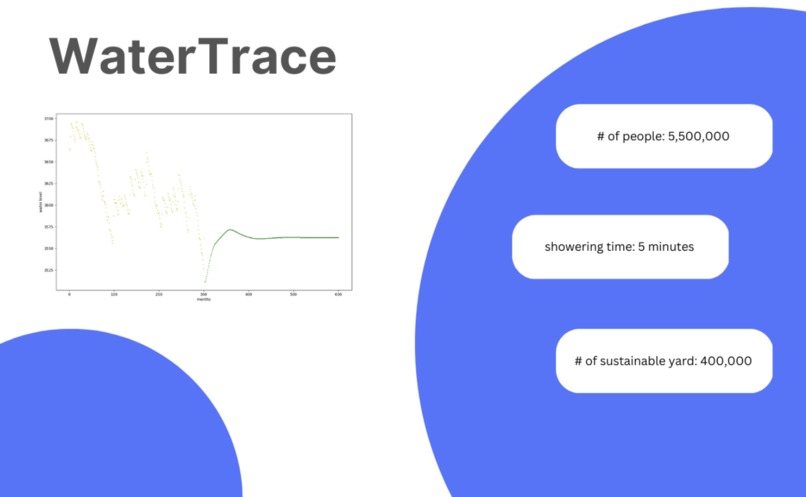
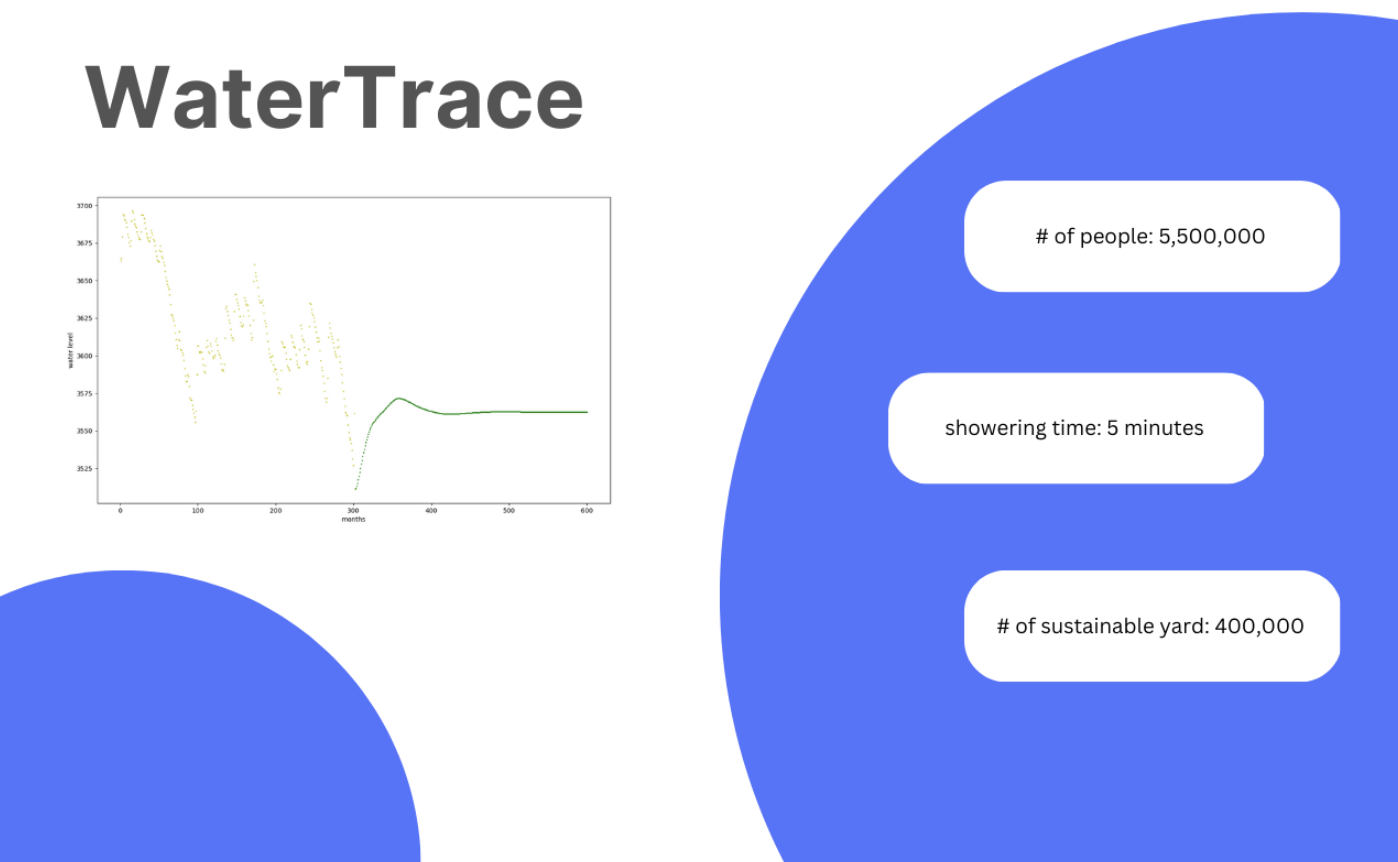
Homepage design
-
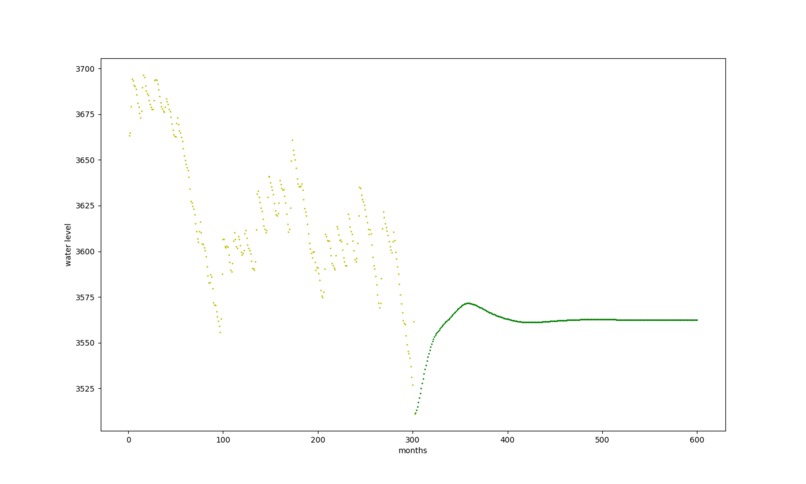
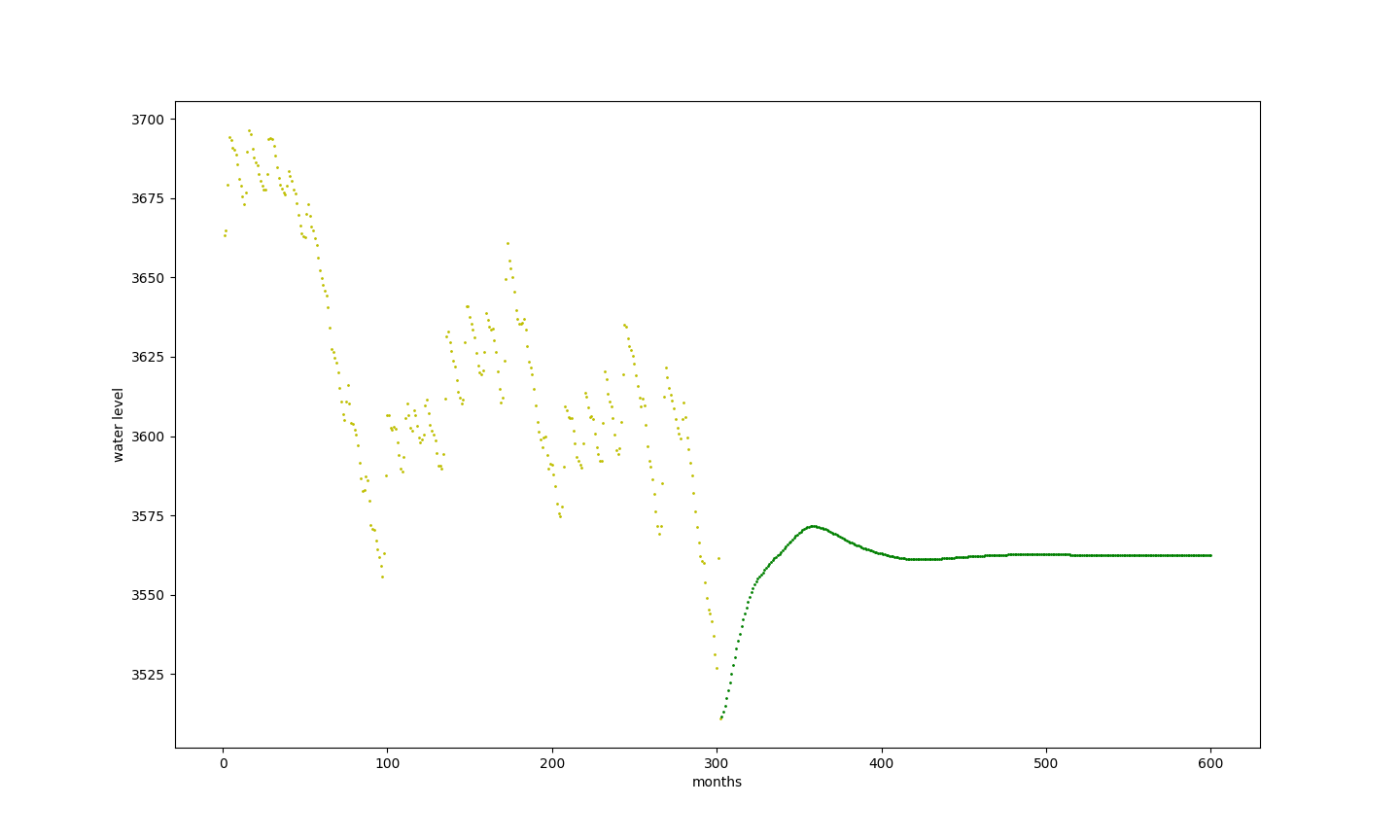
Final Prediction graph ~ green is future prediction
-
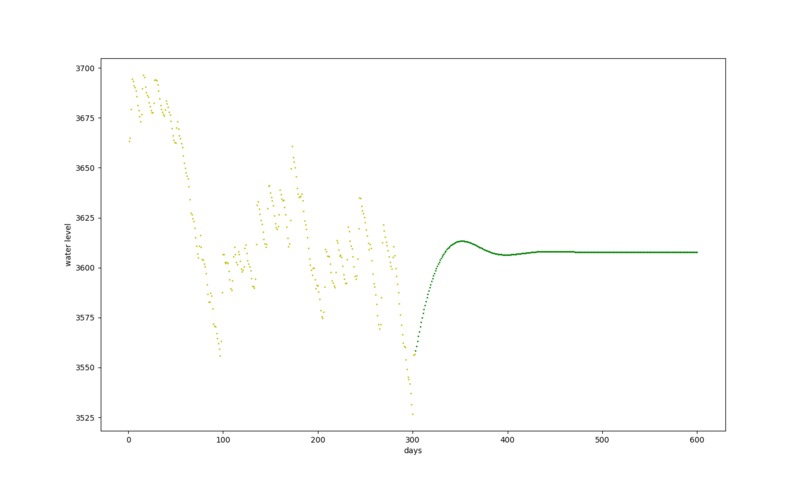
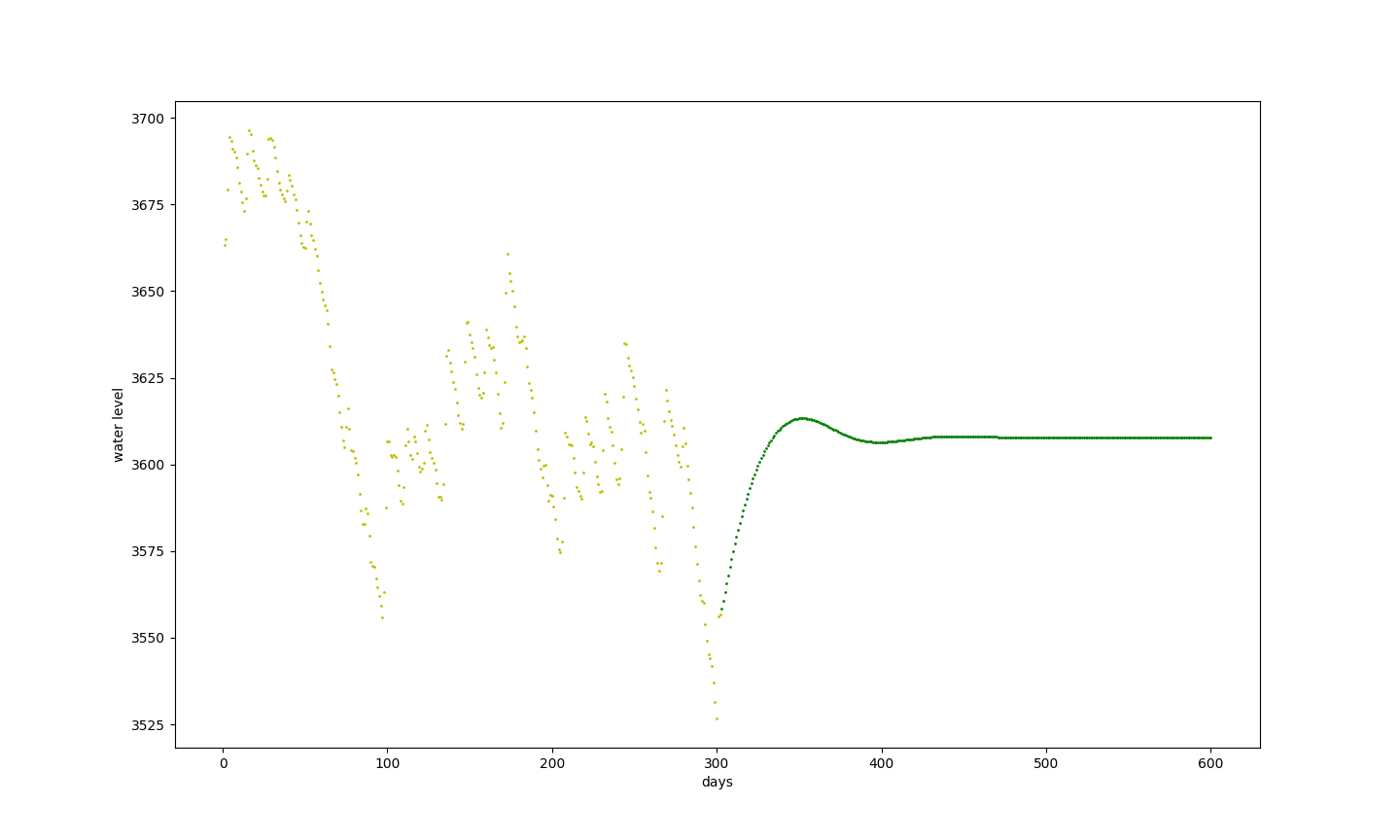
Initial Prediction attempt
Inspiration
Growing up in Salt Lake City, summer vacations were always spent fishing and camping around Lake Powell. Today, it is one of the fastest shrinking reservoirs in the US leaving millions of people without sustainable power and thousands more without safe drinking water.
What it does
WaterTrace utilizes machine learning to predict the future water level of Lake Powell. It seeks to help people visualize the water crisis in Lake Powell and how their actions today can affect water levels in the coming years.
How we built it
It was built primarily using Python's Matplot library as well as ChatGPT to help with implementing a LSTM time series prediction algorithm.
Challenges we ran into
One of the key challenges we ran into was learning how to use the Matplot library as well as how to integrate the python aspects of the code with the frontend website.
Accomplishments that we're proud of
We are proud of implementing and integrating a robust AI algorithm that utilizes data augmentation to help produce accurate predictions. Moreover, we are proud of our ability to quickly learn different APIs we have never encountered before such as Matplotlib.
What we learned
As undergraduate freshmen, we got our toes wet with artificial intelligence for the first time as well as data science and how best to frame data in a way that can be processed.
What's next for WaterTrace
The next steps for WaterTrace include creating user engagement tools to help users model and visualize how sustained changes to water usage habits could affect the water levels of Lake Powell.
Built With
- chatgpt
- css
- html
- javascript
- python

Log in or sign up for Devpost to join the conversation.