-
-
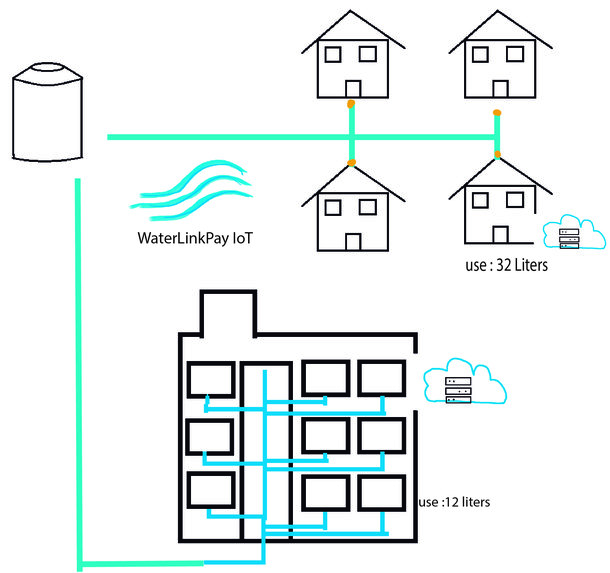
WaterLinkPay IoT
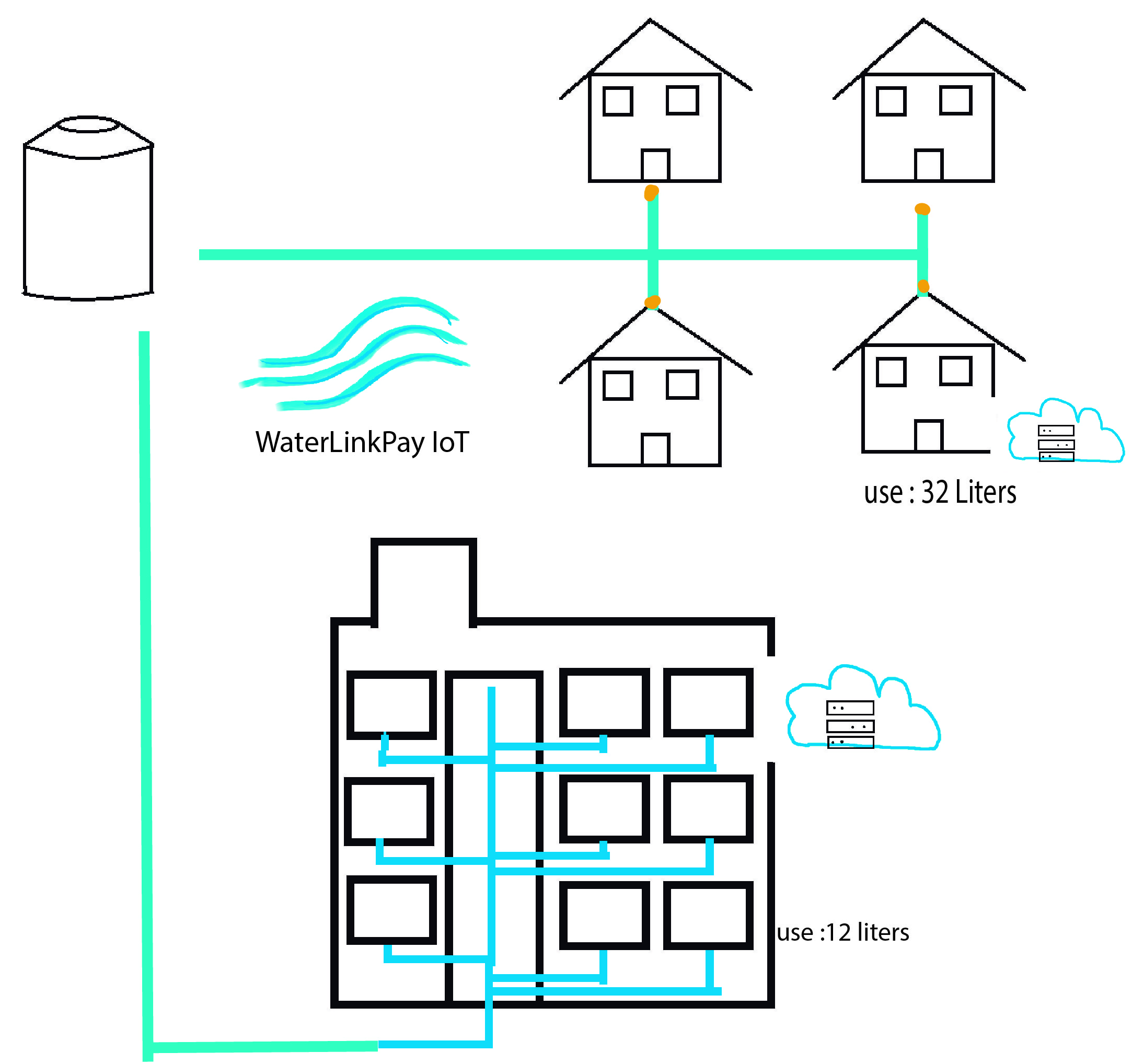
Inspiration
- What inspired me was that some services take longer than necessary and so we can also control the use of water as this can monitor who is wasting more and who has to pay for it, this can help us to better control the use of water.
What it does
- It measures the liters spent in a certain amount of time and when the amount of time is reached, payment must be made so that the valve can be opened again.
How we built it
was built using a flow sensor to record the amount of water used and send it to the API so that chainlink functions can be used to access the data and update it from time to time. esp32: to count the flow of water and make requests to API valve: to close and open the water flow Serverless REST API: saving water data chainlink Automation : update data
Challenges we ran into
- The challenges encountered were to find where to store the information of the liters spent in a specific amount of time in order to have easy access using the esp32 chip as well as how to make the HTTP GET request methods and to be able to use Chainlink Automation to connect the API. ## Accomplishments that we're proud of
to be able to build a device that can show how much water a person has consumed and that can pay for his consumption from his computer and using his wallet
What we learned
learn how to build API
use chanlink functions for accessing API data
use Chainlink Automation to update the status of the payment and valve
What's next for WaterLinkPay IoT
-Implement it in small apartments and test how efficient it is and if it is accepted by consumers, also add a sensor to detect water leaks and if you can disable the flow of water, if it is detected that the leak has lasted a long time to make a fine and pay for the great waste of water.
Built With
- c++
- esp32
- javascript
- mongodb
- react
- remix
- sensorflow
- solidity


Log in or sign up for Devpost to join the conversation.