Inspiration
The BMC supplies roughly 4,000 million litres of water a day, but 25-30% of it is lost as non-revenue water through leaks, bursts, and infrastructure failure. That's about 1,000-1,200 million litres a day, worth ₹1,000-1,200 crores annually, and enough to serve 4-5 million additional people. Detection today is reactive and manual, so leaks can go unnoticed underground for weeks or months before they're even found. That's why I built WaterwAIs, a project using AI to make water infrastructure smarter, safer, and more efficient. It explores three use cases: leak and anomaly detection, water demand forecasting, and energy optimisation.
What it does
WaterwAI shows that AI can support smarter water infrastructure in three ways, flagging anomalies that may point to leaks, forecasting demand with real accuracy, and optimising pump energy through decision-based control.
How we built it
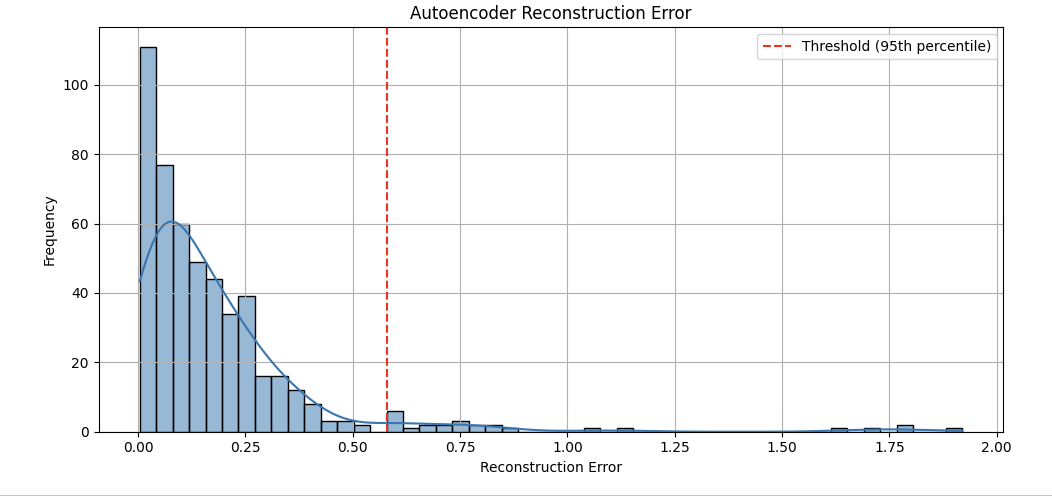
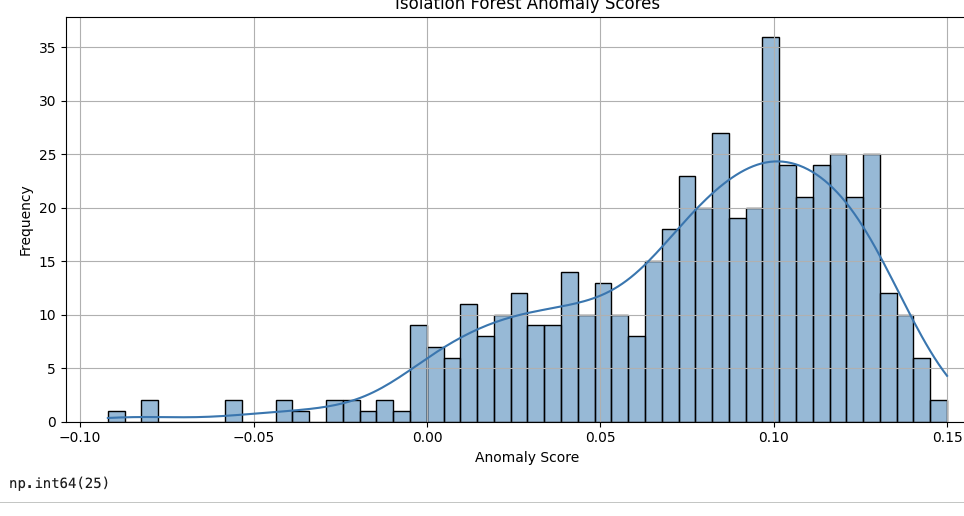
I used numerical pipe features like age, length, diameter, and pressure as inputs to three unsupervised anomaly detection models. Isolation Forest and an autoencoder each flagged 25 anomalies; One-Class SVM flagged 31. I also tried a supervised approach, SMOTE combined with XGBoost, to predict acoustic leaks directly. It reached 85% overall accuracy, but had zero recall on the actual leak class, which told me I'd need more leak-positive examples and better feature engineering before this could go into production.
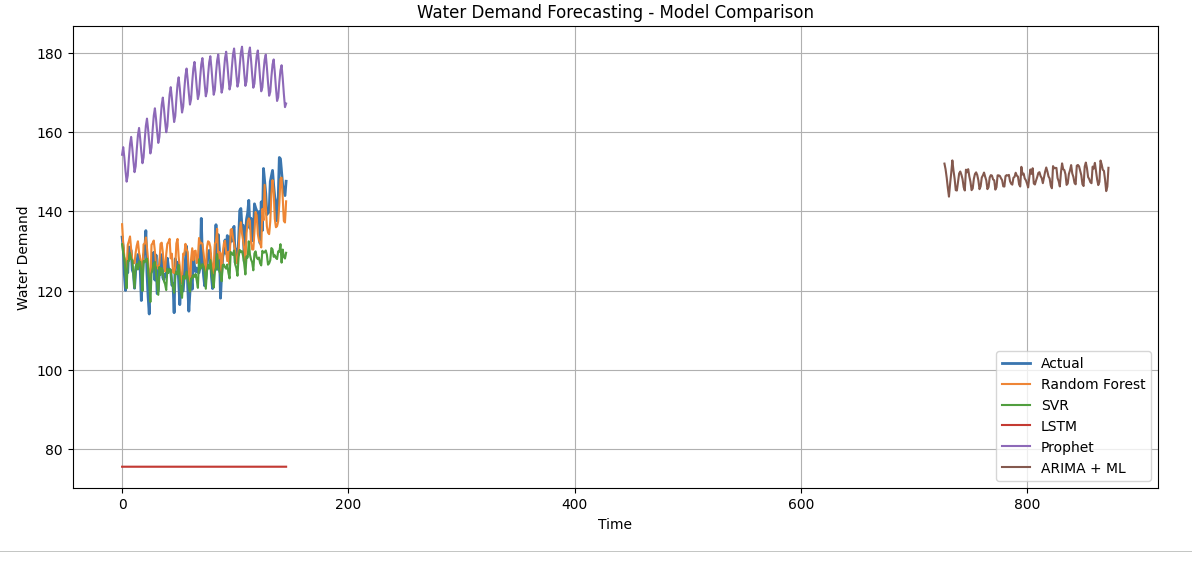
Next, demand forecasting. Using variables like temperature, rainfall, population, day of week, and lagged demand values, I trained and compared five models: LSTM, Random Forest, SVR, Prophet, and an ARIMA-plus-machine-learning hybrid. Random Forest was the clear winner, with a mean absolute error of 4.33 and an R² of 0.65, meaning it could genuinely help utilities plan pumping and storage decisions ahead of time. SVR came in second, while LSTM, Prophet, and the ARIMA hybrid all underperformed on this dataset.
Challenges I ran into
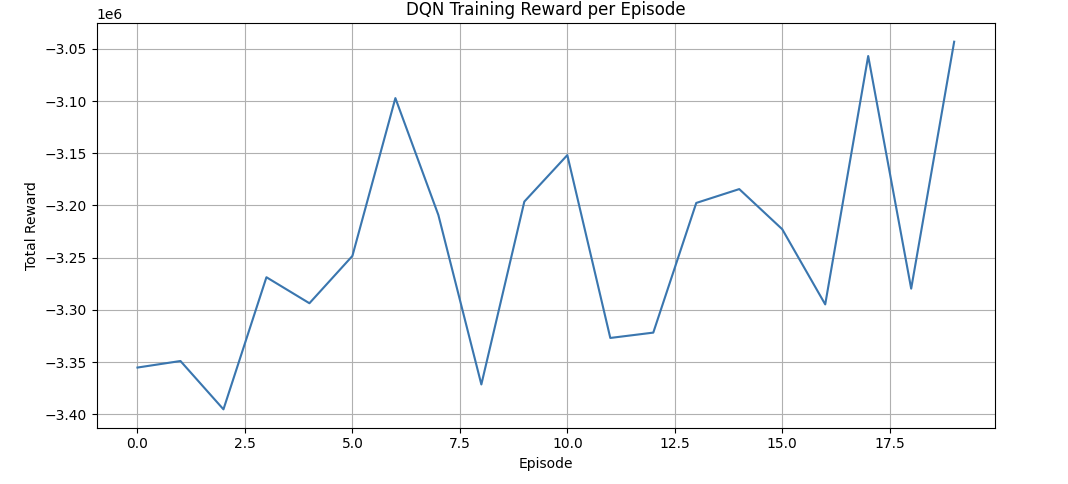
When, I started building an energy optimisation module for pumping stations, a simulated environment where an RL agent decides how much water to pump based on current demand and storage levels. Its reward function penalises both excess energy use and unmet demand, mirroring the real-world goal utilities actually care about: keeping service reliable while minimising cost. I came across problems with this dynamic but was able to solve it.
Accomplishments that I'm proud of
The strongest result so far is the demand forecasting module, and the leak detection models give a solid starting point for spotting suspicious pipe behaviour. This result was extremely satisfying and I am really proud of it.
What's next for Water wAIs
With more data, better labelling, and a completed pump optimisation dataset, WaterwAIs could become a genuine decision-support tool, not just for Mumbai, but for ageing water networks anywhere in the world.

Log in or sign up for Devpost to join the conversation.