-
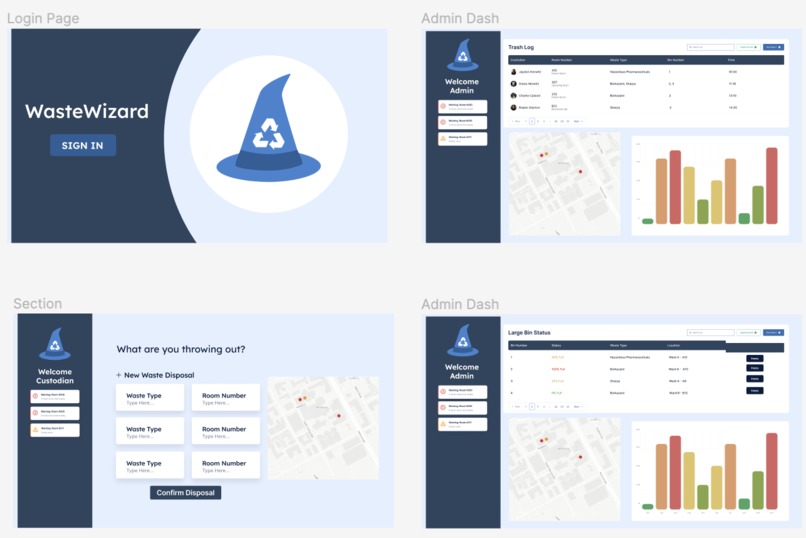
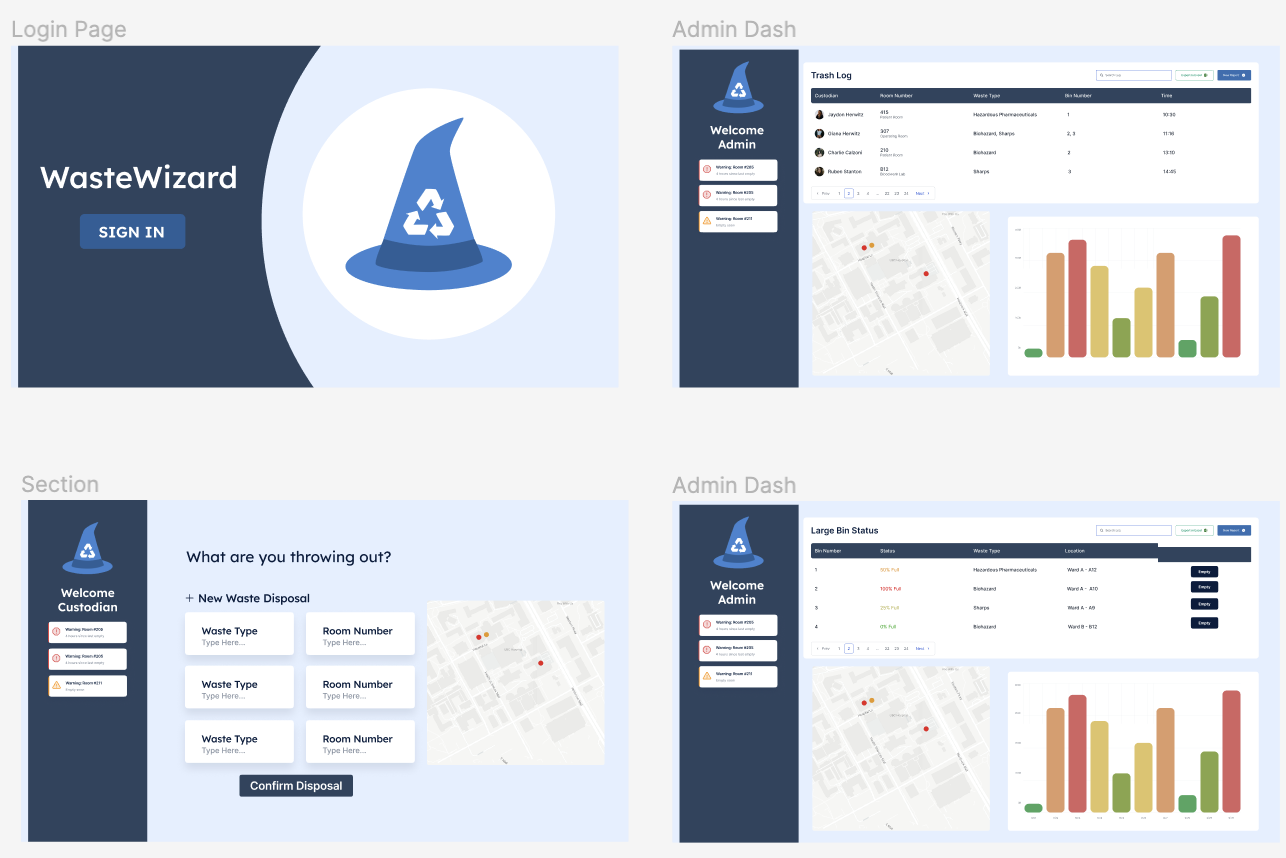
Figma Layout
-
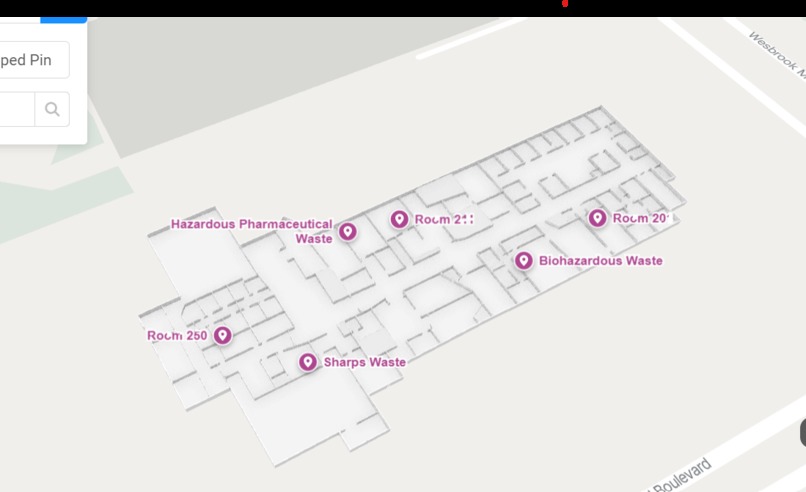
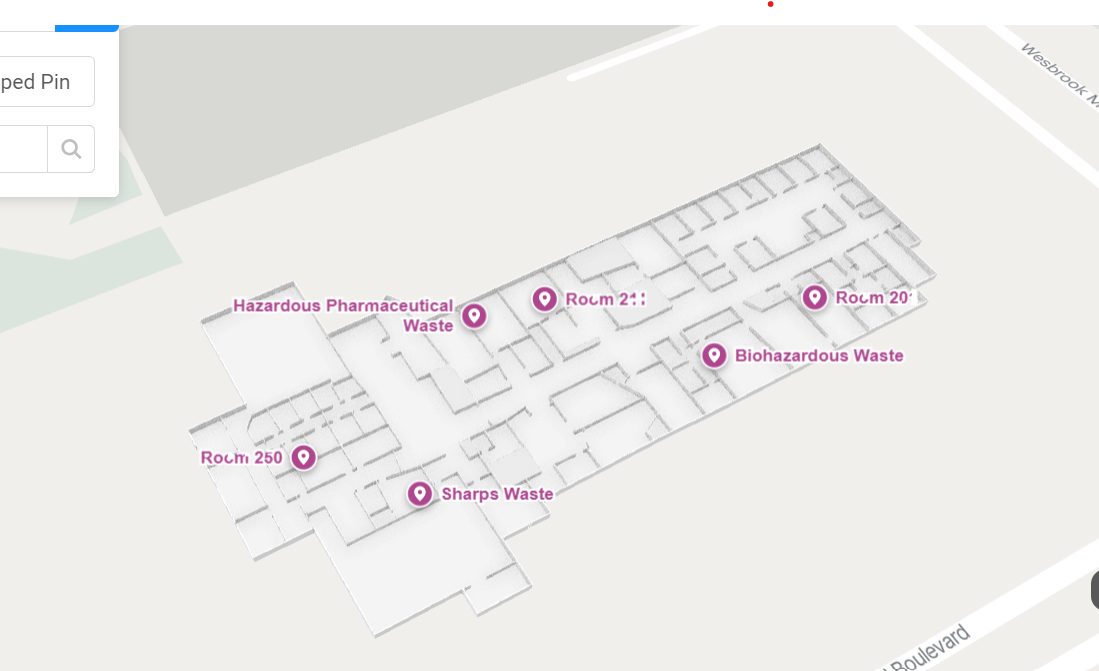
Our MappedIn SDK hospital layout
-
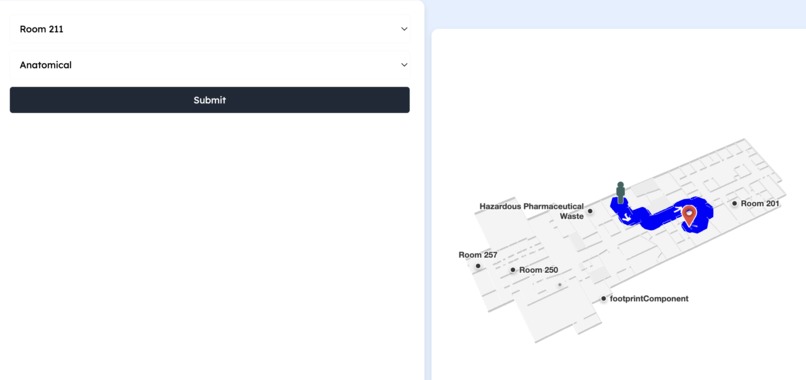
Bin Locator using MappedIn SDK
-
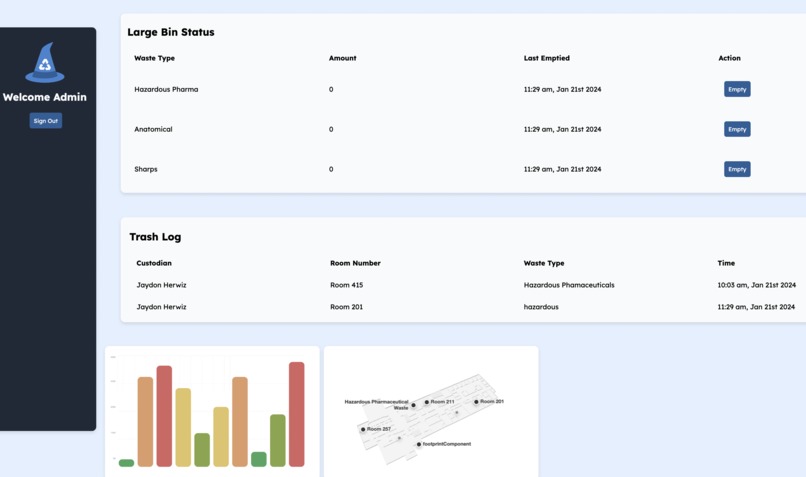
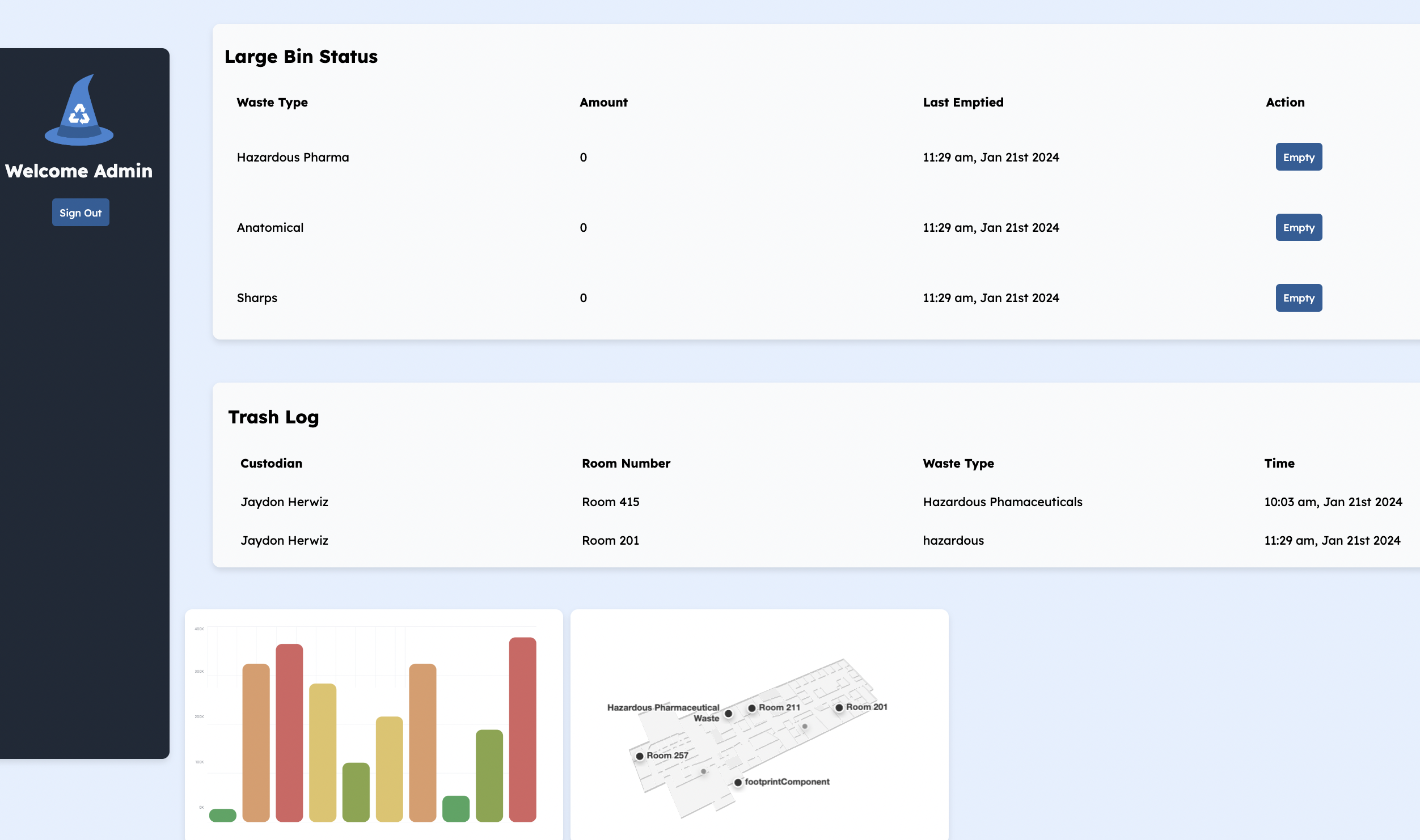
Admin Dashboard
-
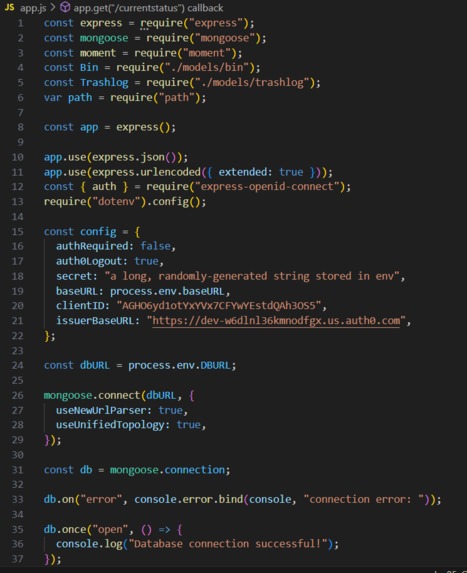
Sample Backend Code


Inspiration
We were inspired to create a health-based solution (despite focusing on sustainability) due to the recent trend of healthcare digitization, spawning from the COVID-19 pandemic and progressing rapidly with increased commercial usage of AI. We did, however, want to create a meaningful solution with a large enough impact that we could go through the hackathon, motivated, and with a clear goal in mind. After a few days of research and project discussions/refinement sessions, we finally came up with a solution that we felt was not only implementable (with our current skills), but also dealt with a pressing environmental/human interest problem.
What it does
WasteWizard is designed to be used by two types of hospital users: Custodians and Admin. At the custodian user level, alerts are sent based on timer countdowns to check on wastebin statuses in hospital rooms. When room waste bins need to be emptied, there is an option to select the type of waste and the current room to locate the nearest large bin. Wastebin status (for that room) is then updated to Empty. On the admin side, there is a dashboard to track custodian wastebin cleaning logs (by time, location, and type of waste), large bin status, and overall aggregate data to analyze their waste output. Finally, there is also an option for the admin to empty large garbage bins (once collected by partnering waste management companies) to update their status.
How we built it
The UI/UX designers employed Figma keeping user intuitiveness in mind. Meanwhile, the backend was developed using Node.js and Express.js, employing JavaScript for server-side scripting. MongoDB served as the database, and Mongoose simplified interactions with MongoDB by defining schemas. A crucial aspect of our project was using the MappedIn SDK for indoor navigation. For authentication and authorization, the developers used Auth0 which greatly enhanced security. The development workflow followed agile principles, incorporating version control for collaboration. Thorough testing at both front-end and back-end levels ensured functionality and security. The final deployment in Azure optimized performance and scalability.
Challenges we ran into
There were a few challenges we had to work through:
- MappedIn SDK integration/embedding: we used a front-end system that, while technically compatible, was not the best choice to use with MappedIn SDK so we ended up needing to debug some rather interesting issues
- Front End development, in general, was not any of our strong suits, so much of that phase of the project required us to switch between CSS tutorial tabs and our coding screens, which led us to taking more time than expected to finish that up
- Auth0 token issues related to redirecting users and logging out users after the end of a session + redirecting them to the correct routes
- Needing to pare down our project idea to limit the scope to an idea that we could feasibly build in 24 hours while making sure we could defend it in a project pitch as an impactful idea with potential future growth
Accomplishments that we're proud of
In general, we're all quite proud at essentially full-stack developing a working software project in 24 hours. We're also pretty proud of our project idea, as our initial instinct was to pick broad, flashy projects that were either fairly generic or completely unbuildable in the given time frame. We managed to set realistic goals for ourselves and we feel that our project idea is niche and applicable enough to have potential outside of a hackathon environment. Finally, we're proud of our front-end build. As mentioned earlier, none of us are especially well-versed in front-end, so having our system be able to speak to its user (and have it look good) is a major success in our books.
What we learned
We learned we suck at CSS! We also learned good project time management/task allocation and to plan for the worst as we were quite optimistic about how long it would take us to finish the project, but ended up needing much more time to troubleshoot and deal with our weak points. Furthermore, I think we all learned new skills in our development streams, as we aimed to integrate as many hackathon-featured technologies as possible. There was also an incredible amount of research that went into coming up with this project idea and defining our niche, so I think we all learned something new about biomedical waste management.
What's next for WasteWizard
As we worked through our scope, we had to cut out a few ideas to make sure we had a reasonable project within the given time frame and set those aside for future implementation. Here are some of those ideas:
- more accurate trash empty scheduling based on data aggregation + predictive modelling
- methods of monitoring waste bin status through weight sensors
- integration into hospital inventory/ordering databases As a note, this can be adapted to any biomedical waste-producing environment, not just hospitals (such as labs and private practice clinics).
Built With
- auth0
- azure
- css
- express.js
- figma
- html
- javascript
- mappedin
- mongodb
- node.js
- vscode


Log in or sign up for Devpost to join the conversation.