About the Project: WasteWise
Inspiration
The WasteWise project was inspired by the growing need for sustainable consumption and waste reduction. With the increasing amount of waste generated globally, we wanted to create a platform where people could buy and sell eco-friendly, recycled, and upcycled products. This project aims to raise awareness about waste management and promote a circular economy by giving new life to used materials.
What We Learned
Throughout this journey, we gained a deeper understanding of:
- Sustainable Practices: The importance of using recycled and upcycled materials to reduce waste.
- Circular Economy: How reusing and recycling materials can help minimize environmental impact.
- Web Development: We learned advanced HTML and CSS techniques to create a responsive and visually appealing eCommerce platform.
- User Experience: We realized the importance of user-friendly design in encouraging customers to make sustainable choices.
How We Built It
- Frontend Development: The project was built using HTML and CSS. We used simple yet effective layout techniques, such as flexbox and grid systems, to ensure the website was responsive across different screen sizes.
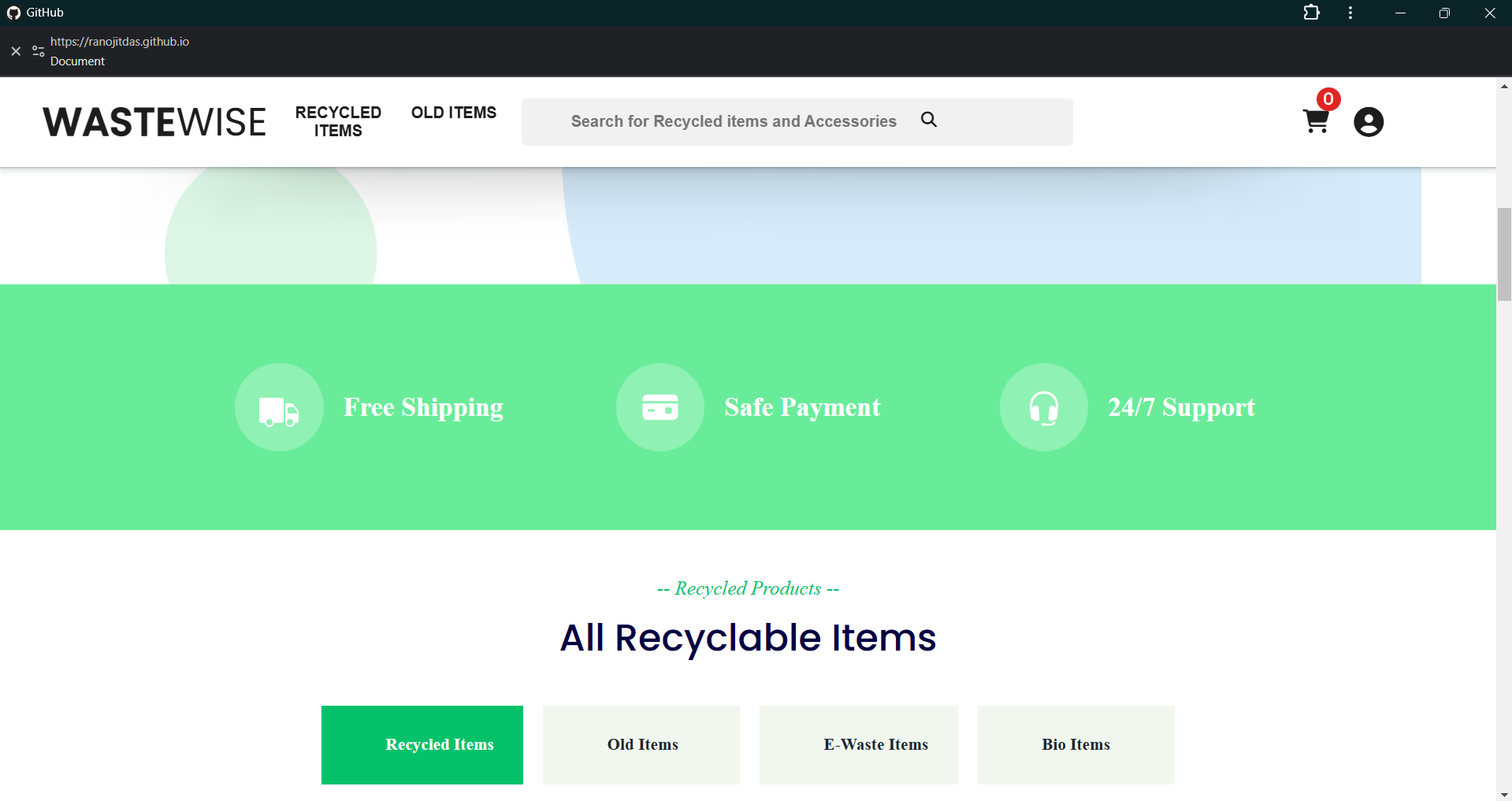
- Design: We focused on creating a clean and minimalist design to highlight eco-friendly products, making it easy for users to navigate through categories like home decor, fashion, and accessories made from recycled materials.
- Responsive Design: We used media queries to ensure the website was mobile-friendly, providing an optimal browsing experience on both desktop and mobile devices.
Challenges We Faced
- Design Consistency: Ensuring that the design was consistent across all pages while maintaining the eco-friendly aesthetic was a challenge. We had to experiment with color palettes and typography to get the right balance.
- Product Validation: Since we are selling recycled and upcycled goods, validating the authenticity of these products and ensuring their sustainability was a major hurdle. Although this was not fully implemented in this version, it remains a key consideration for future versions.
- Performance Optimization: As the project grew, ensuring that the website loaded efficiently across devices without compromising on visual elements was challenging. We optimized images and minimized CSS files to improve loading times.
Conclusion
This project was an exciting challenge that taught us not only about sustainable practices but also about front-end web development. By combining creativity with purpose, we were able to build a platform that encourages eco-conscious consumption and makes it easier for people to make a positive environmental impact through their purchases.


Log in or sign up for Devpost to join the conversation.