-
-
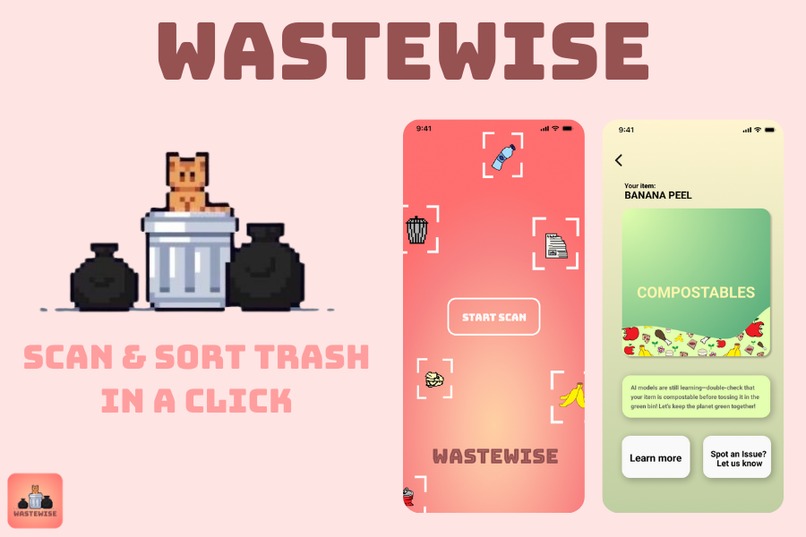
WasteWise Intro
-
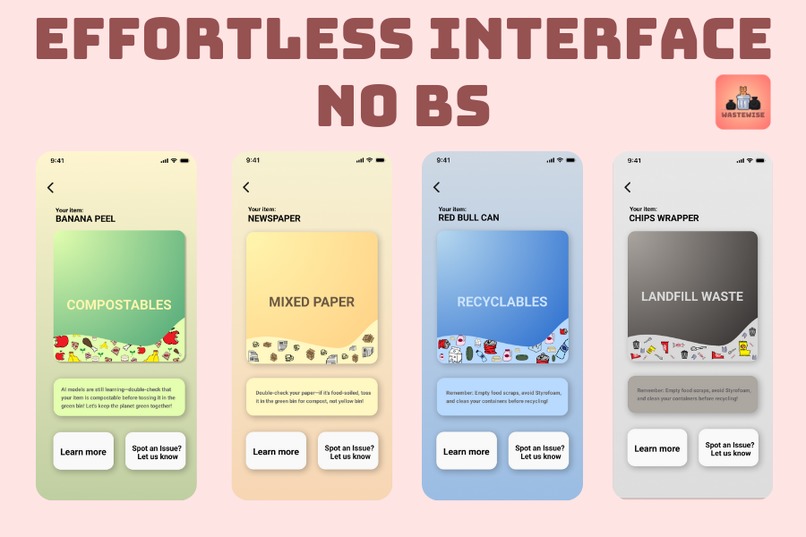
WasteWise Interface Advantage
-
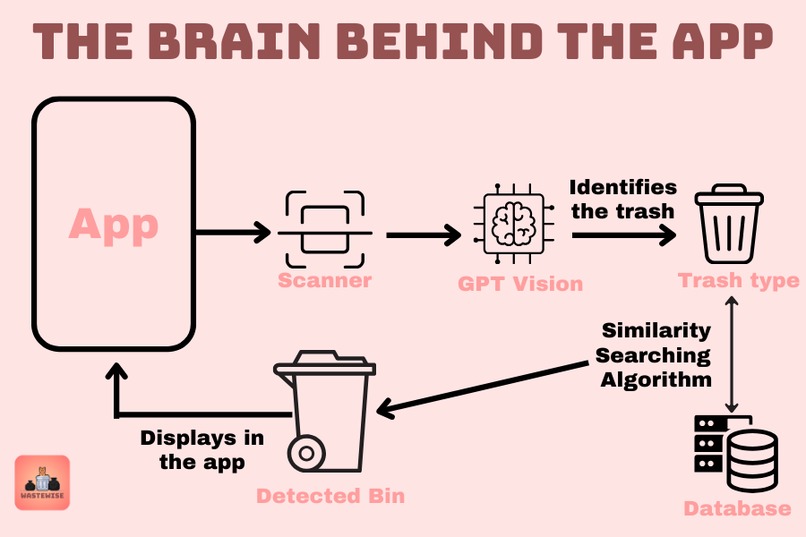
WasteWise App Explanation
-
WasteWise Future Updates
-
WasteWise User Feedback
-
WasteWise Future Implementation
-
WasteWise Future Implementation
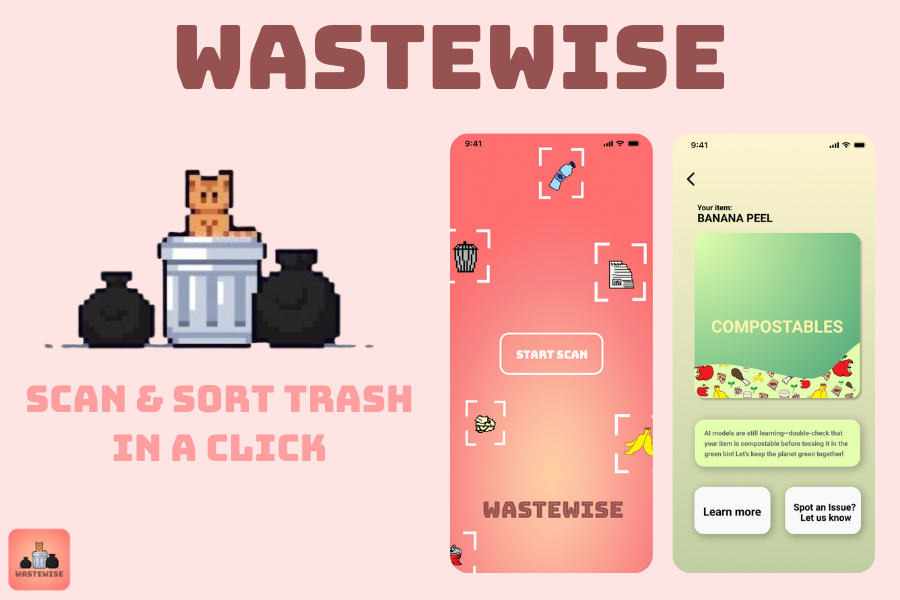
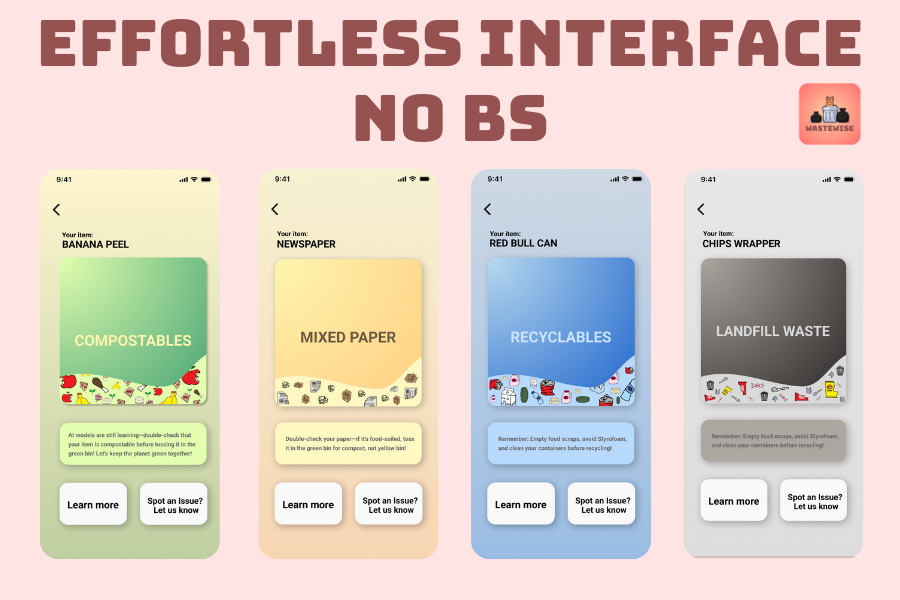

Our project was inspired by the need to make recycling easier and more efficient using technology. Living in Burnaby, where we have four different types of recycling bins, we saw an opportunity to create an app that could help both individuals and commercial users sort waste more accurately. Initially, we built the app using React Native and integrated TensorFlow for object detection. However, we faced challenges with native camera integrations and long build times, which made us rethink our approach. 🌱📱
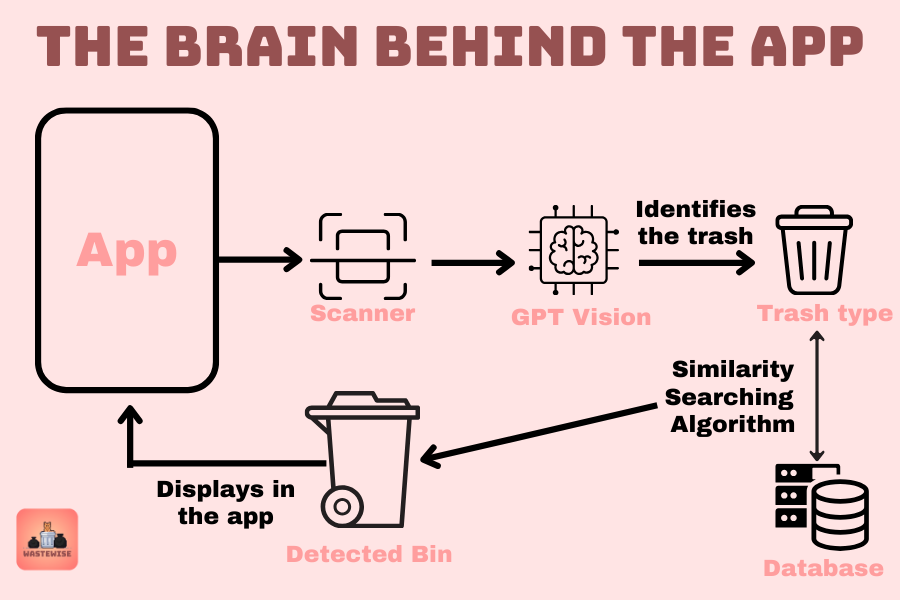
As we encountered these technical obstacles, especially with optimizing TensorFlow for mobile, we decided to pivot to a React web app. This allowed us to simplify the development process while still maintaining core functionality. By leveraging browser-based APIs for camera access, we dramatically reduced build times and improved app performance. The flexibility of React enabled us to seamlessly transition to the web, and with this change, the app became faster and more accessible to users, making it a more viable solution for both personal and commercial use. 💻⚡
To further improve object detection, we switched from using TensorFlow to a GPT-based cloud API, which allowed us to simplify the architecture and reduce processing time. This change made the app more reliable in recognizing objects and suggesting the correct bin for sorting. With four recycling bins in Burnaby, this app could make a significant impact on commercial waste management, helping businesses sort more efficiently, recycle better, and save time in the process. We learned a lot from adapting to these challenges and are excited about how technology can promote more sustainable practices. 🌍✨
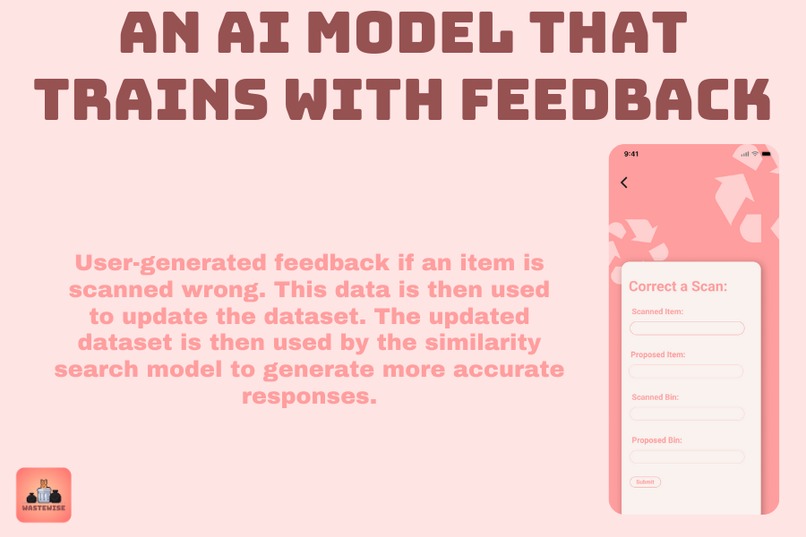
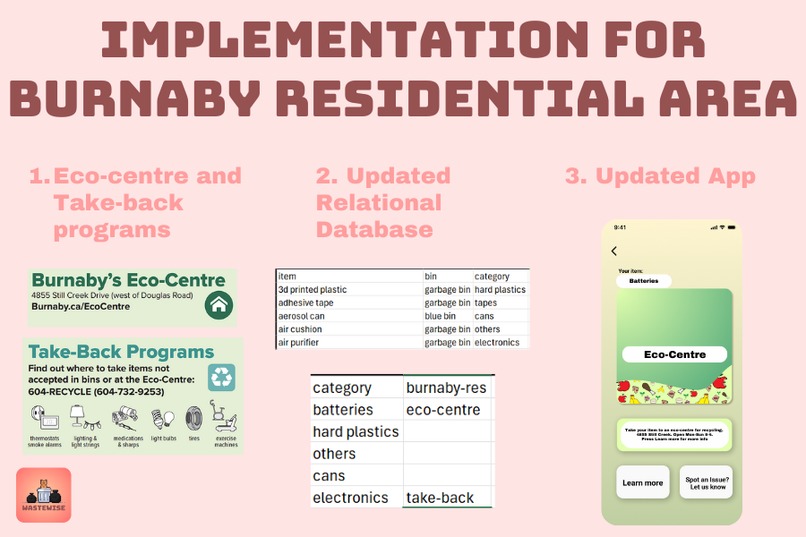
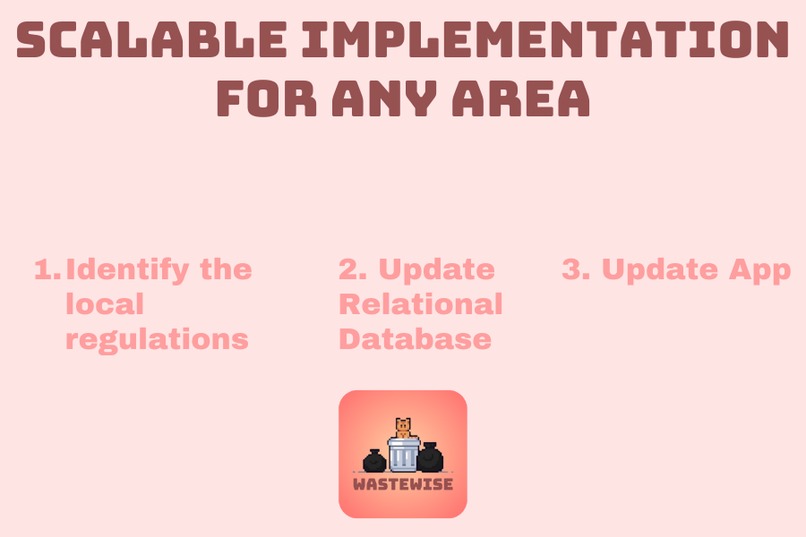
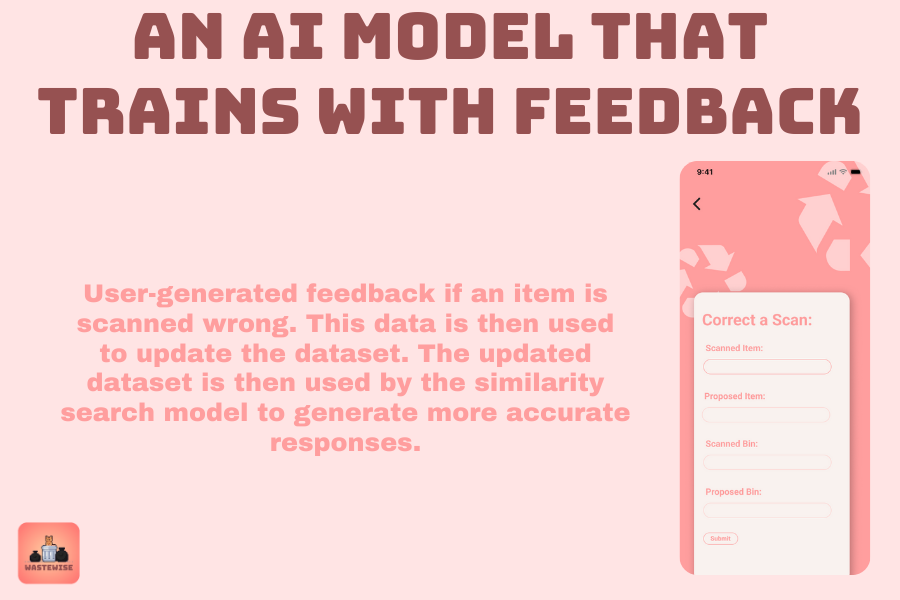
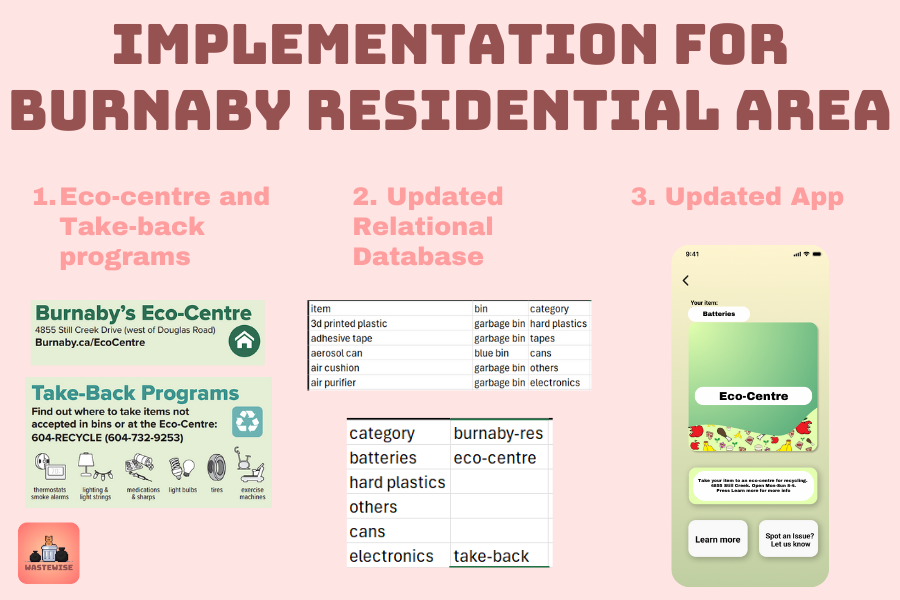
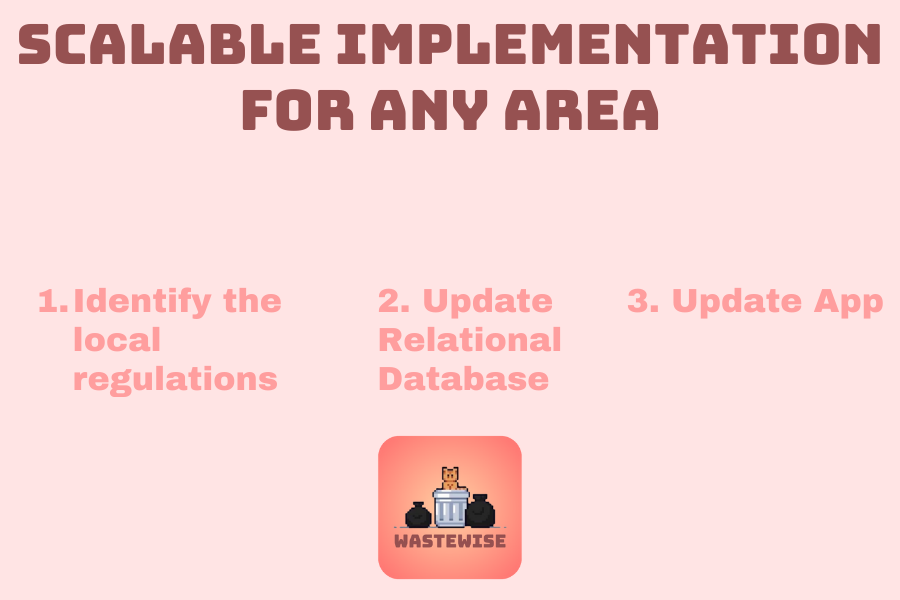
Future Plans: What we’ve essentially done is minimized friction for the user with the clever use of existing technologies and simple, minimalist UI. What makes our project stand out, however, is what we have planned for the future of this project. The dataset that we have built can be used as the base for implementing this in all new areas. We would do this with a relational database that contains additional fields for the dataset that allows it to adhere to the local regulations. Overtime, with more fields and more items along with user-generated feedback, we hope to refine the database to a point where the model being trained by it is fully accurate. All that remains then is adding data fields for individual cities, which can be done by coordinating with the local governments. As we achieve economies of scale, this process is going to be faster with every iteration, and we hope to make it Canada-wide if we are to implement it properly.
Built With
- css
- faiss
- html
- javascript
- langchain
- react
- react-native


Log in or sign up for Devpost to join the conversation.