-
-
Logo
-
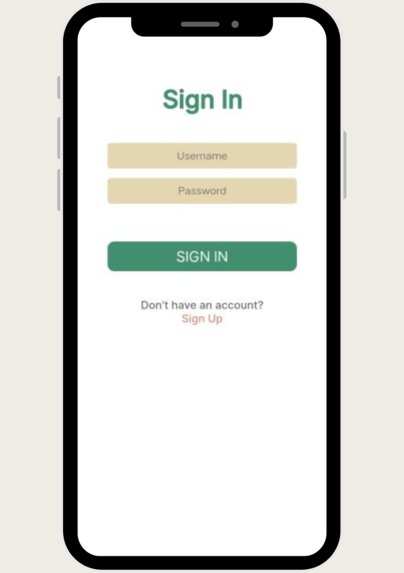
Sign In Page
-
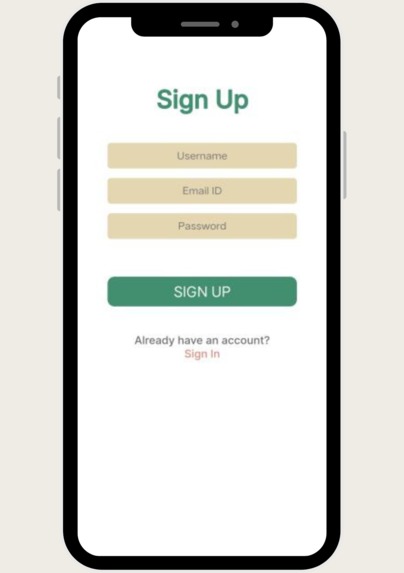
Sign Up Page
-
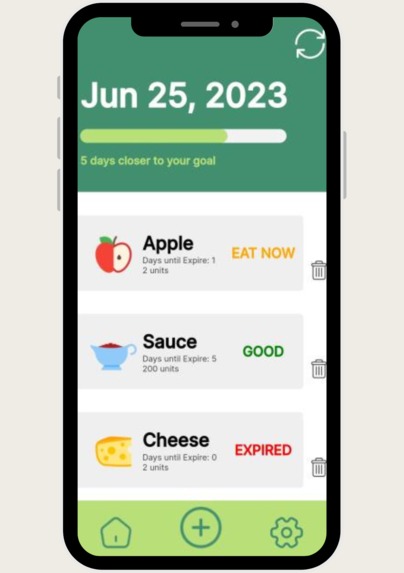
Home Page- displays information about each food item in the order of their expiry dates.
-
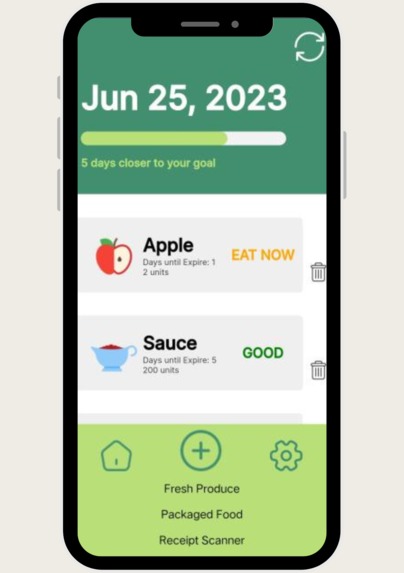
Menu to access the three input options- Fresh Produce Scanner, Bar Code Scanner and Receipt Scanner
-
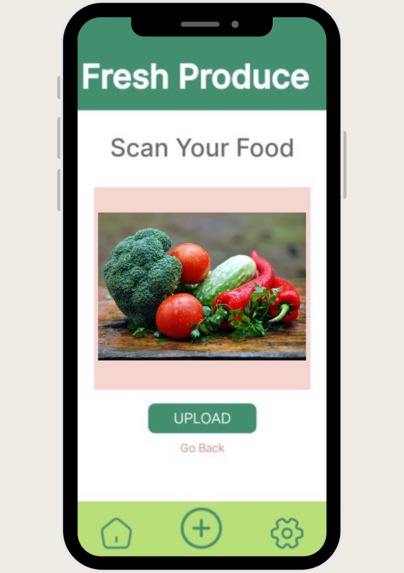
Fresh Produce Scanner- detects the fresh produce items
-
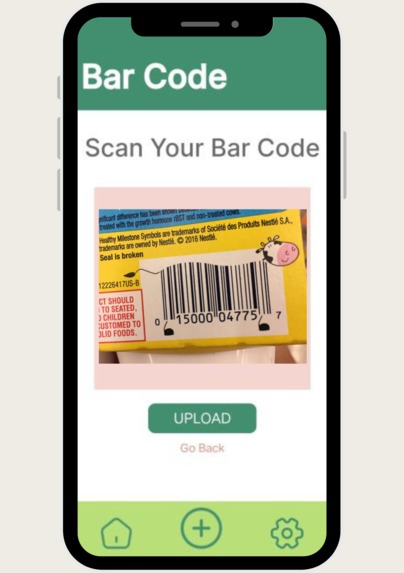
Bar Code Scanner- extract item's name and expiry date from the photo.
-
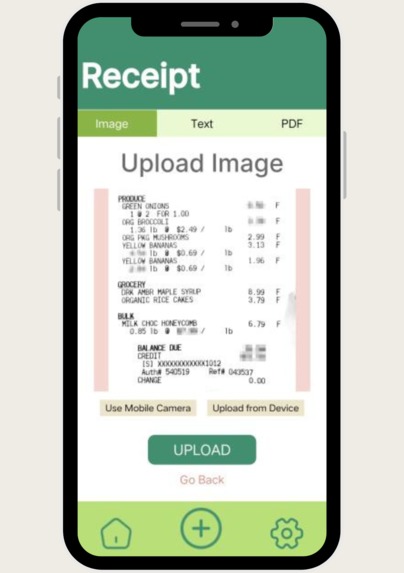
Receipt Scanner- option to upload image or take photo. The Receipt OCR would extract item names and quantity form it.
-
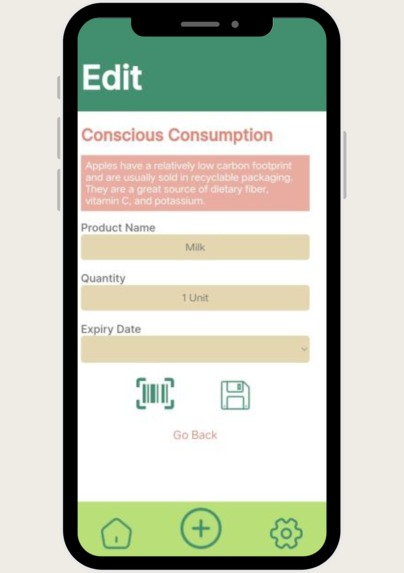
Edit Menu- to edit name, expiry date and quantity. It also displays interesting facts about the carbon footprint for that particular item.
-
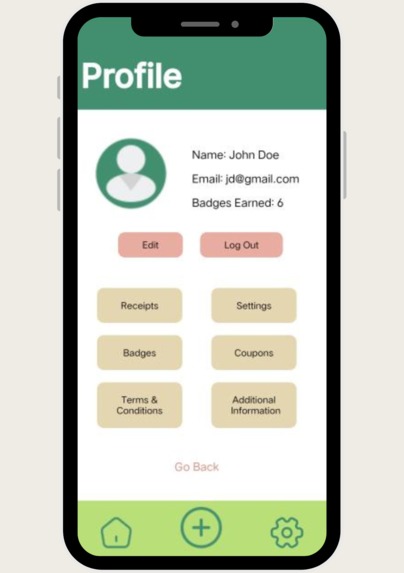
Profile Menu- has options to view past receipts, badges, coupons, setting and more. It also has authentication information.


Inspiration
The inspiration behind WasteNot stems from two main sources. First, on a personal level, we observed our own food wastage habits and identified a significant portion of waste resulting from forgetting about the expiration period of fresh produce items. Often, these items do not have expiration dates explicitly mentioned, leading to their neglect and eventual disposal. We recognized the need for a solution that would help users manage their inventory effectively and minimize food waste.
Second, on a global level, we were inspired by the United Nations Sustainable Development Goals (SDGs), particularly the goal of achieving zero hunger. We researched and found that 20% of food waste is attributed to expiration dates. This data highlighted the critical impact that effective management of expiration dates can have in reducing food waste and tackling hunger-related challenges.
Combining these personal and global inspirations, we embarked on the journey to develop WasteNot, a sustainable expiry date tracker. By leveraging technology and innovative features, we aim to empower individuals to make informed decisions about their food consumption, minimize waste, and contribute to a more sustainable future.
What it does
WasteNot is a web application that serves as a Sustainable Expiry Date Tracker. It leverages cutting-edge technologies such as computer vision, natural language processing, and OCR to provide users with a seamless and user-friendly experience in managing their fresh produce inventory. The application offers several key features to achieve this goal:
- Fresh Produce Detection: Users can easily upload images of fruits and vegetables, and a Convolutional Neural Network (CNN) analyzes the images to identify and add the items to the inventory automatically.
- Custom-Built Barcode Scanner API: The application incorporates a custom-built barcode scanner API that utilizes computer vision and NLP technologies. It extracts item names and expiry information from scanned barcodes, ensuring accurate and efficient data entry.
- Receipt Scanner with OCR: WasteNot includes a receipt scanner feature that utilizes OCR technology to extract a list of grocery items from uploaded receipts. This streamlines the process of adding purchased items to the inventory, further enhancing efficiency.
- Push Notifications for Expiry Reminders: To prevent food waste, the application sends push notifications to users, reminding them to consume food items before they expire. These reminders help users plan their meals effectively and reduce the likelihood of forgetting perishable items.
- Fresh Produce Date Estimation: WasteNot provides estimated expiry dates for fresh produce items based on credible datasets from trusted sources. Users can access reliable information regarding the shelf life of various fruits and vegetables, eliminating the need for manual input of expiry dates and reducing concerns about freshness.
- Reward-Based System: The application incorporates a reward-based system to incentivize and engage users in sustainable food management practices. Users earn rewards through coupons or other incentives for successfully managing their inventory, reducing waste, and achieving sustainability goals.
- Carbon Footprint Information: WasteNot provides users with interesting facts and information about the carbon footprint associated with different food items. This feature raises awareness about the environmental impact of food production and consumption, encouraging users to make more sustainable choices.
- User-Friendly UI: The application features a clean, bright, and easy-to-navigate user interface developed using ReactJS and CSS. The UI prioritizes usability, ensuring that users can easily access and interact with the various features of the application. ## How we built it The WasteNot web application was built using a combination of frontend and backend technologies. The frontend was developed using React and CSS, providing a user-friendly interface that allows users to interact with the various features seamlessly. The backend was implemented using Node.js, Express.js and FastAPI, enabling efficient data processing and communication between the frontend and the database.
The database used for WasteNot is MongoDB Atlas, which stores the user's inventory and related information. This allows for efficient retrieval and management of the data.
To implement the key features of the application, several technologies were utilized. Computer vision technologies such as PyTorch, Tensorflow, Keras, and OpenCV were employed for fresh produce detection. OCR Asprise API was utilized for extracting information from uploaded receipts. Additional APIs, such as the Open Food Fact API and langchain, were integrated to provide reliable data on estimated expiry dates and carbon footprint information.
Challenges we ran into
During our development process, we encountered several challenges that we successfully addressed. One notable challenge was when one of our API keys got leaked, which required immediate action to secure the project and replace the compromised key. Additionally, customizing the user interface using CSS proved to be a time-consuming and exhaustive task as we aimed to achieve a high level of customization and visual appeal. We also faced difficulties in setting up Tensorflow, navigating between PyTorch and Tensorflow, and resolving MongoDB path setup issues. Despite these challenges, we demonstrated resilience, problem-solving skills, and a commitment to delivering a robust and user-friendly application.
Accomplishments that we're proud of
Throughout the development of WasteNot, our team achieved several significant accomplishments that we are proud of. We successfully integrated multiple cutting-edge technologies such as computer vision, natural language processing, and OCR to create a comprehensive and user-friendly solution. This allowed us to provide accurate and efficient features like fresh produce detection, custom barcode scanning, receipt scanning, and push notifications for expiry reminders.
Additionally, we successfully implemented a reward-based system and provided valuable information on carbon footprints, promoting sustainable choices and raising awareness about the environmental impact of food consumption. We efficiently utilized GitHub as our collaborative platform, enabling us to distribute work efficiently and work on multiple features simultaneously. Despite the challenges of managing a diverse team spread across different time zones, our dedication, teamwork, and commitment to creating a valuable and impactful application allowed us to effectively coordinated efforts and leveraged our diverse perspectives and skills to deliver a cohesive and successful project.
What we learned
Developing WasteNot provided us with valuable insights and learning experiences. We gained a deeper understanding of the challenges associated with food waste and the potential of technology to address this issue. Throughout the project, we learned how to leverage advanced technologies such as computer vision and OCR to automate processes and enhance user experiences. Integrating various APIs and datasets enabled us to provide accurate and reliable information to our users. Additionally, the incident involving the leaked API key served as a crucial reminder of the significance of robust security practices and the need for prompt response and mitigation measures.
What's next for WasteNot
WasteNot has laid a strong foundation for addressing food waste and promoting sustainability, and we have exciting plans for its future development:
- Incorporating text and PDF input: To enhance convenience and flexibility, we aim to incorporate text and PDF input capabilities into WasteNot. This will allow users to manually input item information, expiry dates, and inventory details directly from text-based sources or uploaded PDF documents such as shopping lists or meal plans.
- Retraining the Computer Vision Model on YOLO Pre-trained weights: To accurately identify multiple fresh produce items from the image.
- Develop a better Receipt Scanner: To scan quantity on top of names.
- Providing insights into carbon reduction: We recognize the importance of showcasing the positive impact of using WasteNot. Therefore, we plan to incorporate a feature that provides users with insights into the carbon reduction achieved through their sustainable food management practices. By quantifying and visualizing the environmental benefits, users can gain a better understanding of their contribution to carbon footprint reduction.
- More gamification: To further engage and motivate users, we aim to enhance the gamification elements of WasteNot. By introducing challenges, achievements, and leaderboards, we can create a competitive and rewarding experience that encourages users to actively participate in sustainable food management practices.
- Seeking sponsors: As WasteNot is a project with a cause, we plan to reach out to potential sponsors who align with our mission. By partnering with sustainability-focused companies and organizations, we can secure support and resources to expand the application's features and promote its adoption on a larger scale. Sponsors can also contribute to the reward-based system by providing additional incentives and benefits for users.
By implementing these future plans, WasteNot will become even more engaging, impactful, and user-friendly. We are excited about the potential to make a significant difference in reducing food waste and promoting sustainability, and we look forward to continuing this journey with the support of our users and sponsors.


Log in or sign up for Devpost to join the conversation.