-
-
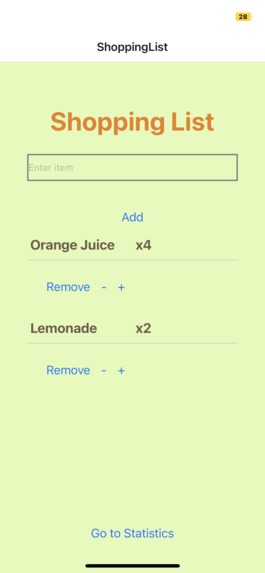
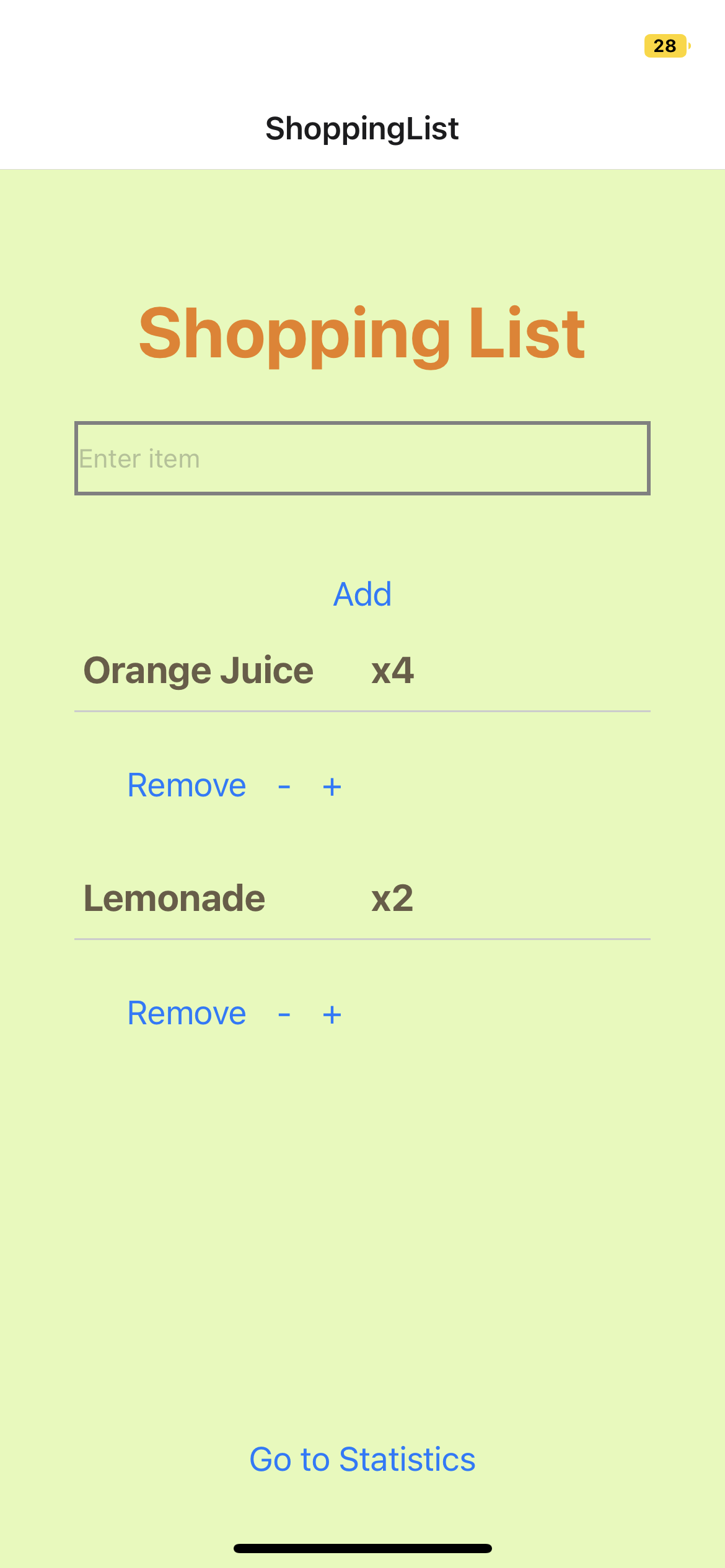
Shopping list for items to buy
-
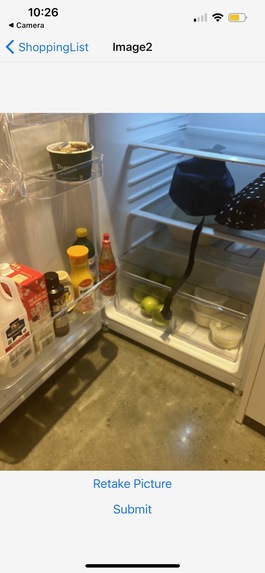
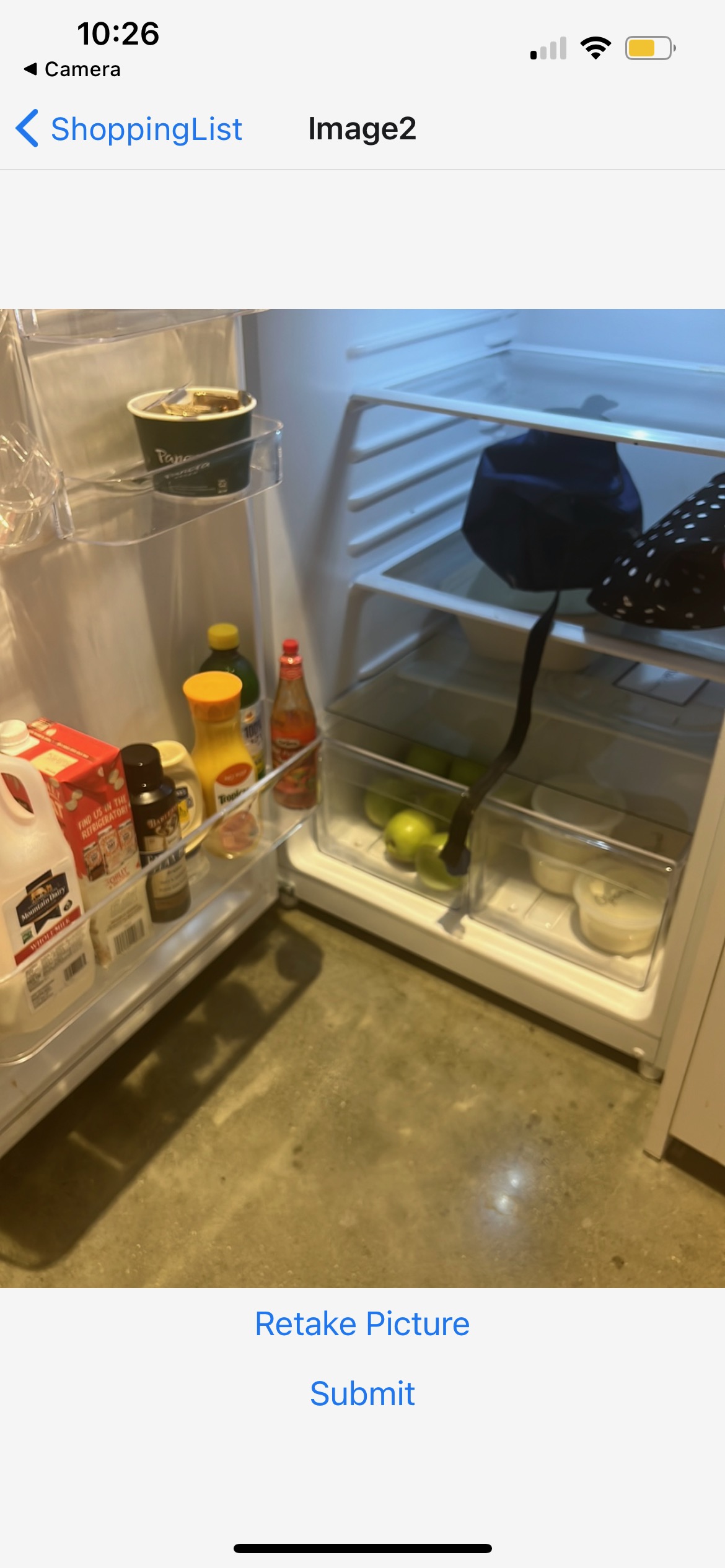
Taking an image of the fridge
-

Uploading an image
-
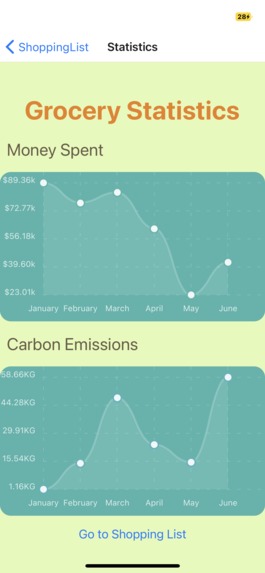
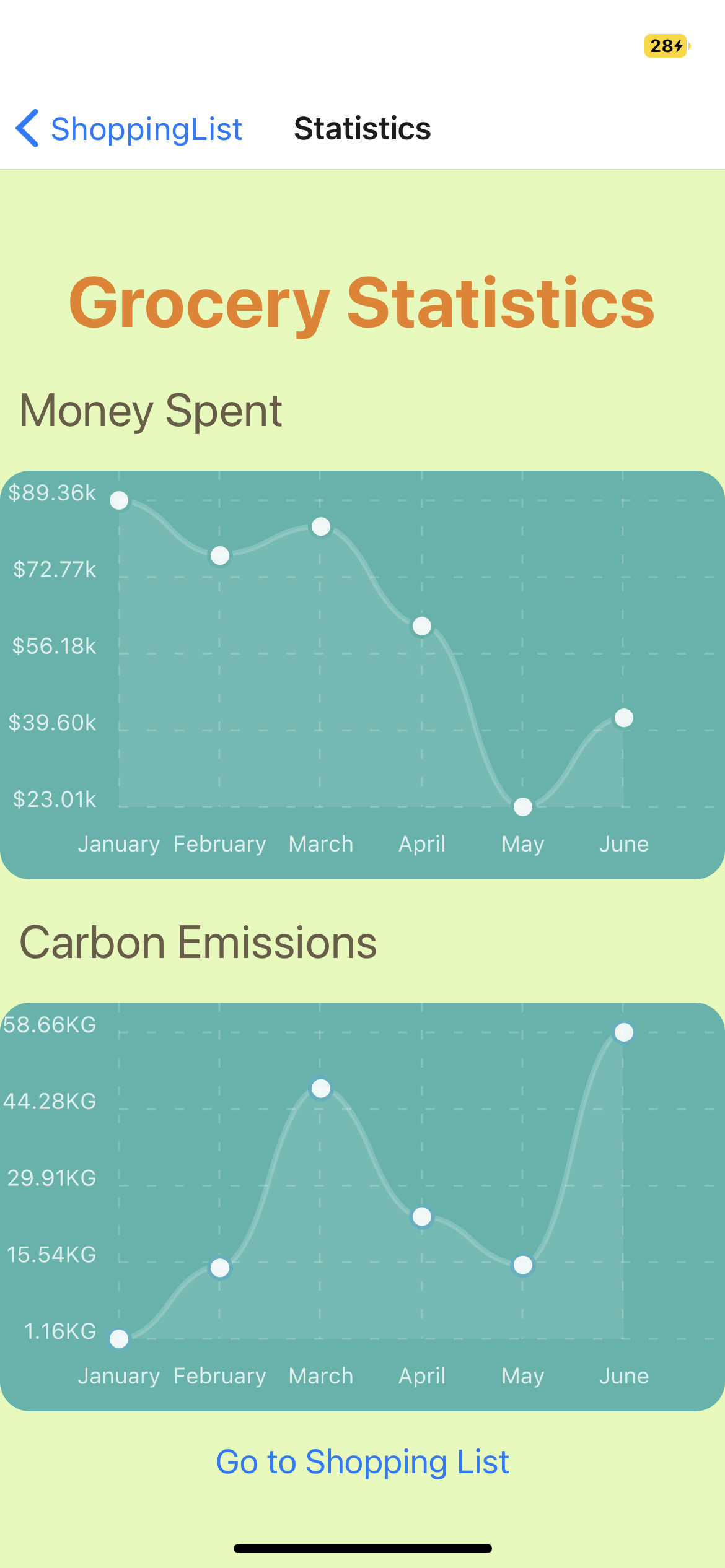
Statistics for money spent and carbon emissions

Inspiration
On our train ride to Yale, a team member just realized that they had forgotten to throw away a carton of spoiled milk. That got us to think about how much food just goes to waste because of our consumerist culture. Pair this with what we were learning about behavioral economics in class, and you end up with our mission: to rationalize grocery purchasing and minimizing waste.
How we built it
Half of our team started by building a front-end on Expo CLI with a React Native framework and its respective APIs/modules. This serves to integrate the phone camera, display the data fetched from the backend, and create a table to display refrigerator items. Meanwhile, the other half of the team used integrated Flask for API endpoint calling and supabase to store our consumers' habits.
Challenges we ran into
This was our first time using React Native, so learning the tech stack, integrating the camera into React Native, getting GPT-4 visualization to work for fridges containing many items, importing Supabase without conflicts with current packages, and debugging our app visualization on Expo CLI.
Accomplishments that we're proud of
Connecting React Native with Flask, integrating supabase, prompt engineering (for GPT Vision), camera integration, and having a functional application.
What we learned
How to develop a mobile app that connects to a custom database (to track grocery information) and backend server
What's next for WasteLess
-Training our own image recognition model (with YoloV8 or Google Cloud Vision) that specializes in refrigerated goods -Integrating a recommendation algorithm for suggested products that further reduce carbon emissions -Adding more insights about user’s consumption habits -Factor for products consumed and products that were simply unused/expired/thrown away -Nutritional insights
Built With
- flask
- javascript
- machine-vision
- python
- react-native
- supabase


Log in or sign up for Devpost to join the conversation.