-
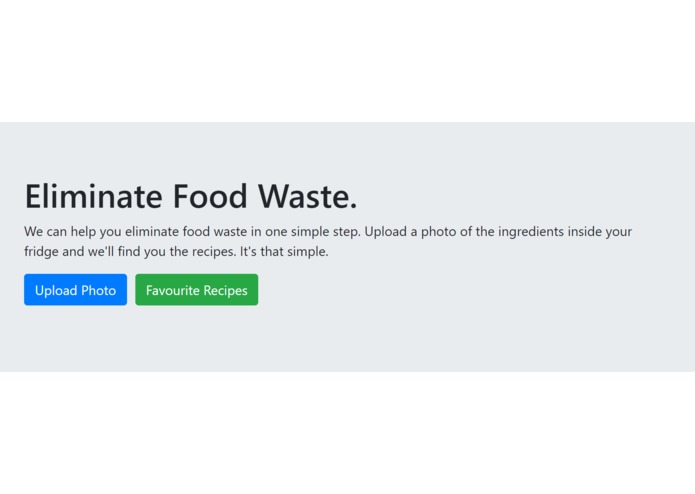
Main page
-
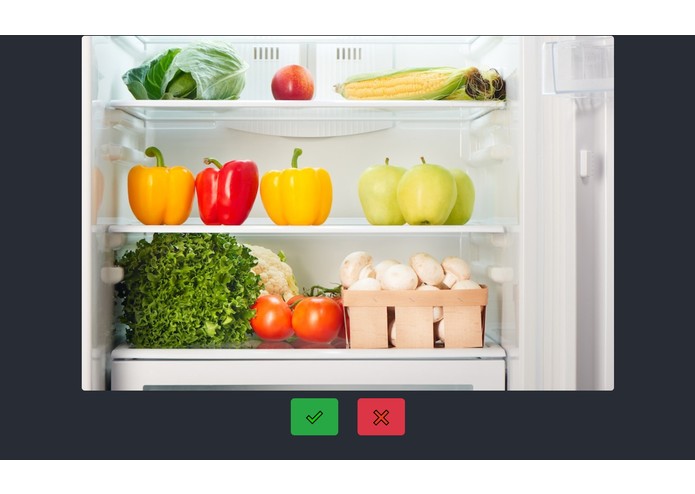
Upload an image
-
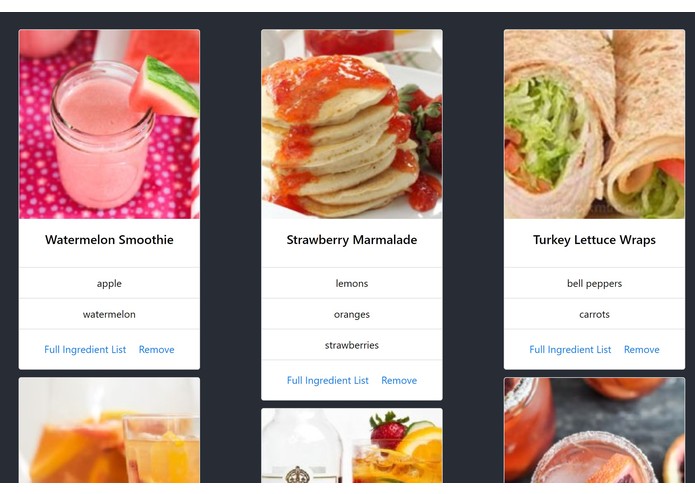
Save your favorite recipes

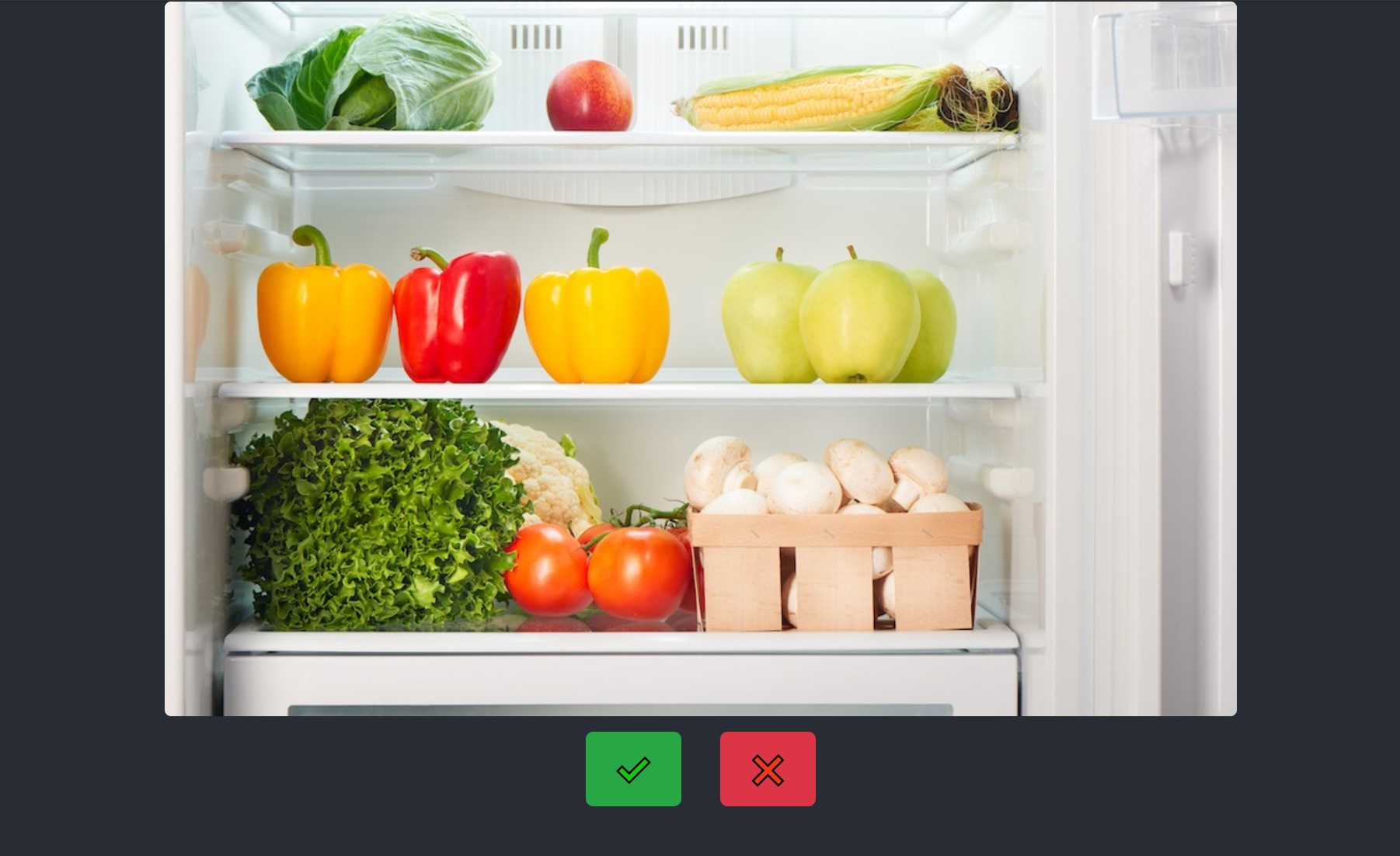
Inspiration
As students in second year, we have all recently started cooking for ourselves. Very quickly, we discovered the challenges of grocery shopping and cooking everything we bought before it goes bad. To solve this problem we came up with a hack.
What it does
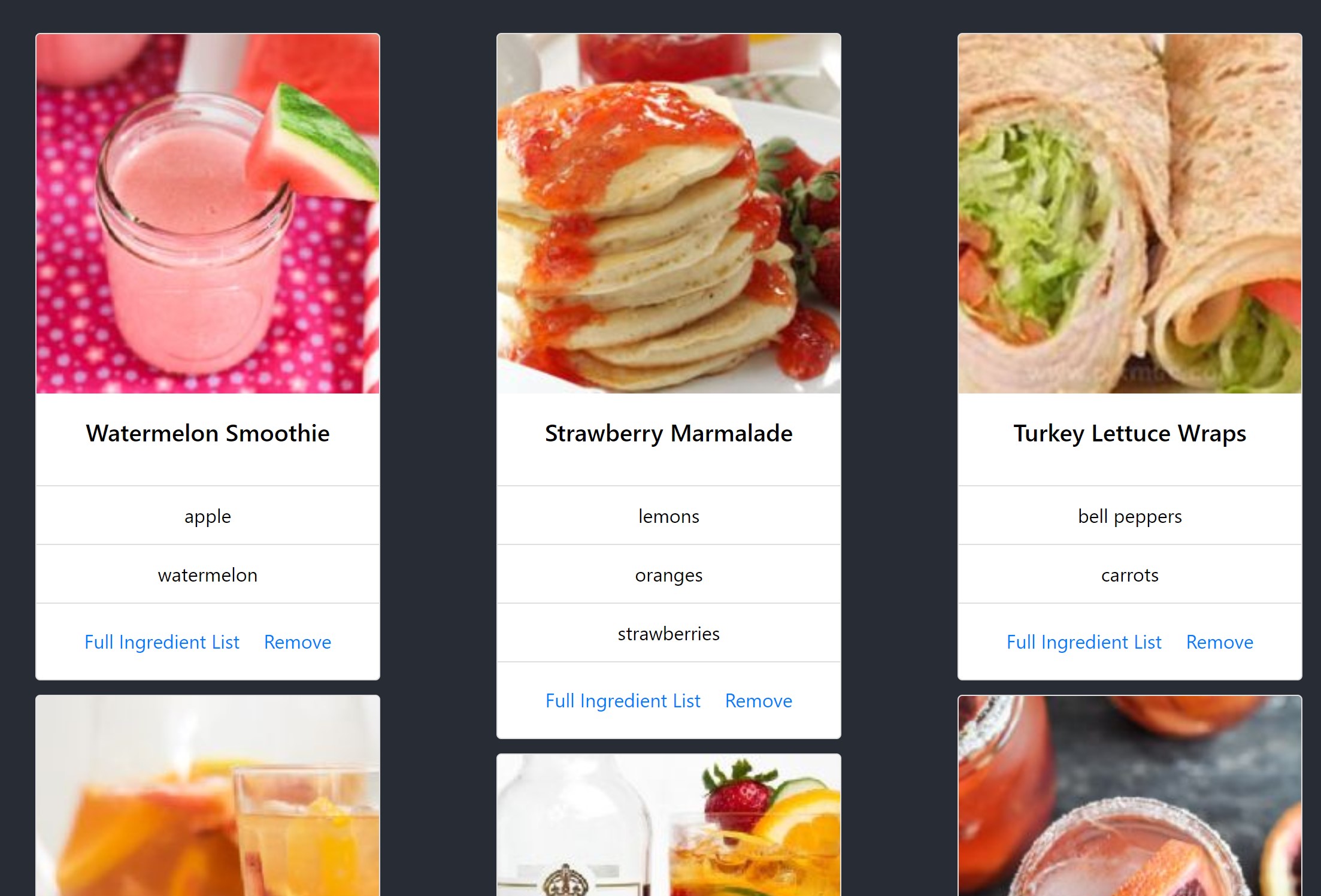
WasteLess allows the user to take a picture of the food inside their fridge and put it onto our web-app. The web-app then processes all the items inside the fridge and populates different recipes that the user could follow. This helps people all across the world efficiently use groceries and effectively waste less.
How we built it
The web application is built using the popular MERN stack (Mongo, Express, React, Node) and utilizes Google's Cloud Vision API for image recognition and Firebase Database for storage. The web application also utilizes other third party API's for recipe information. To ensure a smooth and thought out user experience, we used Figma to make design mock-ups before coding.
Challenges we ran into
As new programmers it was difficult to work with asynchronous programming concepts. As well, our team ran into challenges with git for version control and workload distribution.
Accomplishments that we're proud of
We're really excited to have a finished product ready for demo and use! As fairly inexperienced programmers, we're really happy we were able to work so well together and overcome our issues.
What we learned
As a team, we learned a lot about asynchronous programming in JavaScript, node and express for backend, and git. As well, it was our first time working with Firebase's services and we learned a lot about the difference functionalities provided.
What's next for WasteLess
The next step for WasteLess would be to use machine learning and tell the user different ways they could be more efficient with their groceries and using their produce.

Log in or sign up for Devpost to join the conversation.