-
-
-
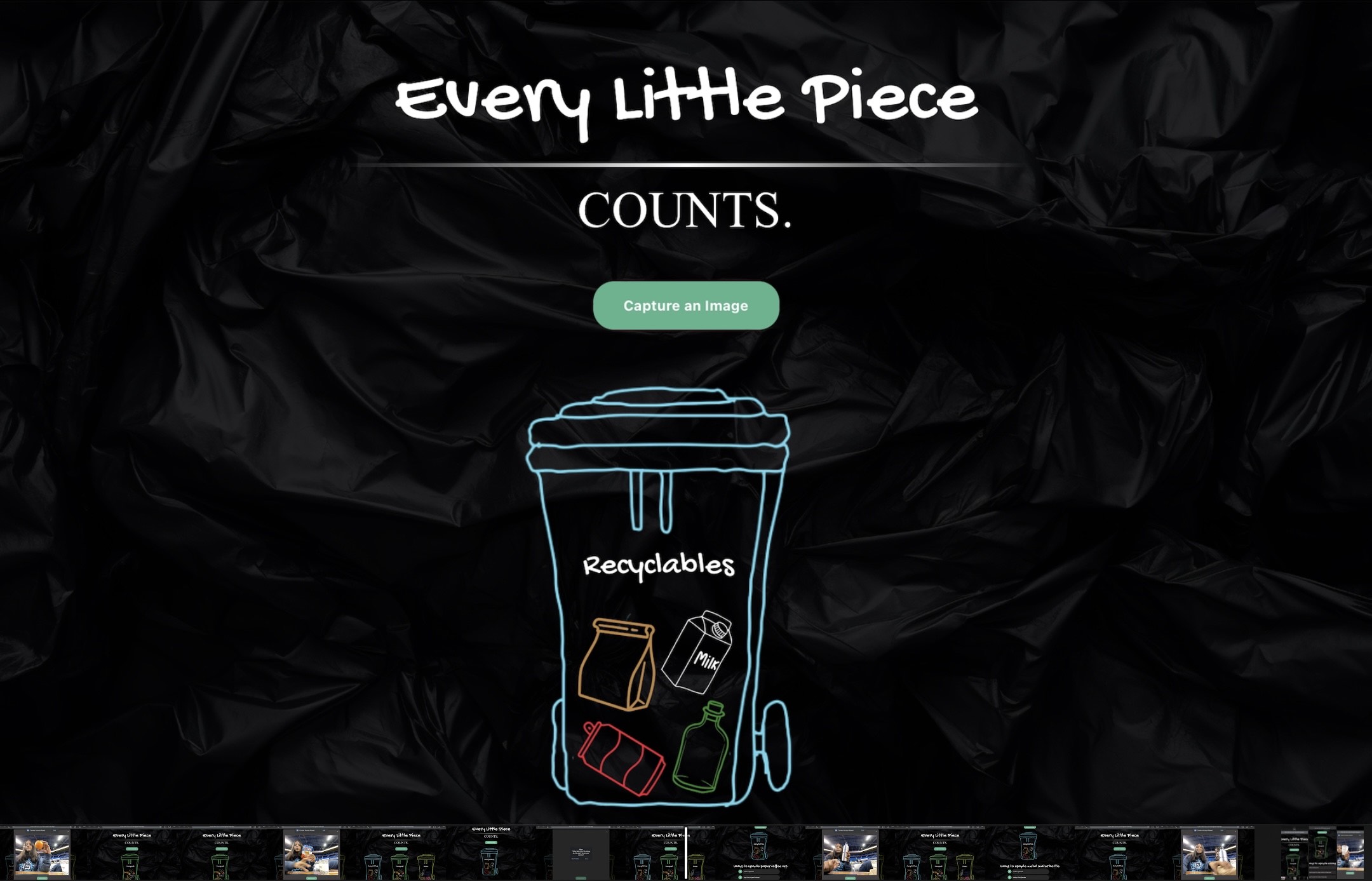
Home Page
-
-
-
Inspiration
Recycling is a key part of sustainable waste handling. This weekend, we saw students around us and even ourselves have a difficult time with recycling, mis-sorting items and putting them in the wrong bin. This means that items that could have been recycled into new materials end up in our air, water, and earth as litter and landfill. 60% of all plastics end up in our environment this way each year.
Beyond the individual, efficient waste sorting at the business level is important in reducing labor and time costs, allowing us to better handle waste systematically and expand the impact of our recycling.
Our team’s AI image classification of waste items could be used by both individuals and businesses to help streamline waste sorting, provide recycling guidance, and suggest upcycling options.
What it does
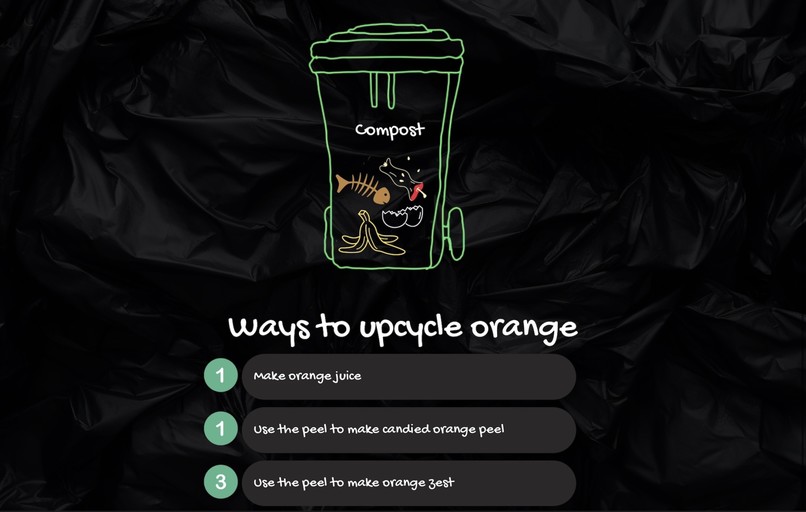
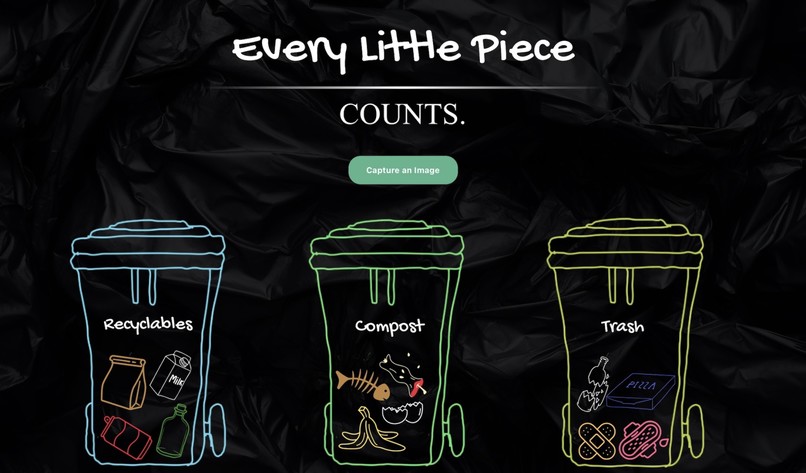
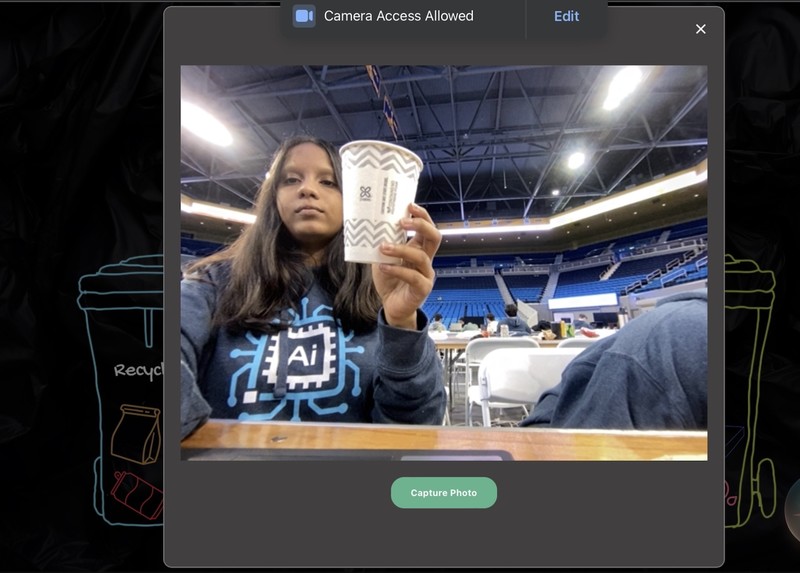
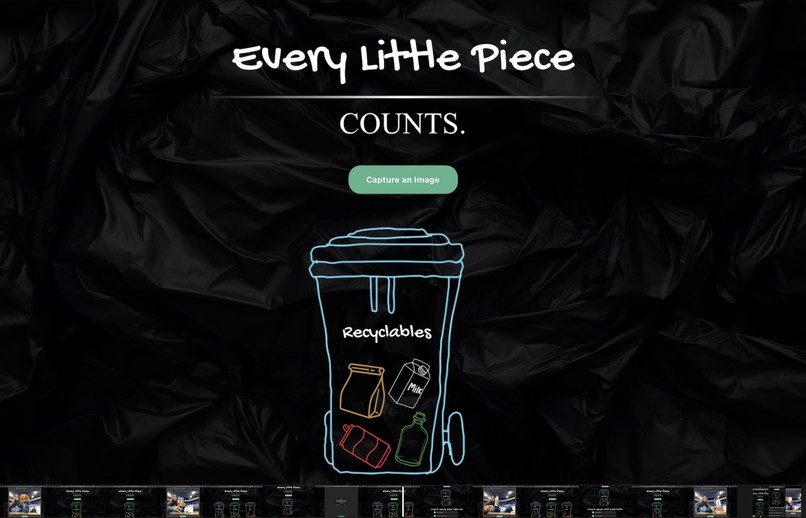
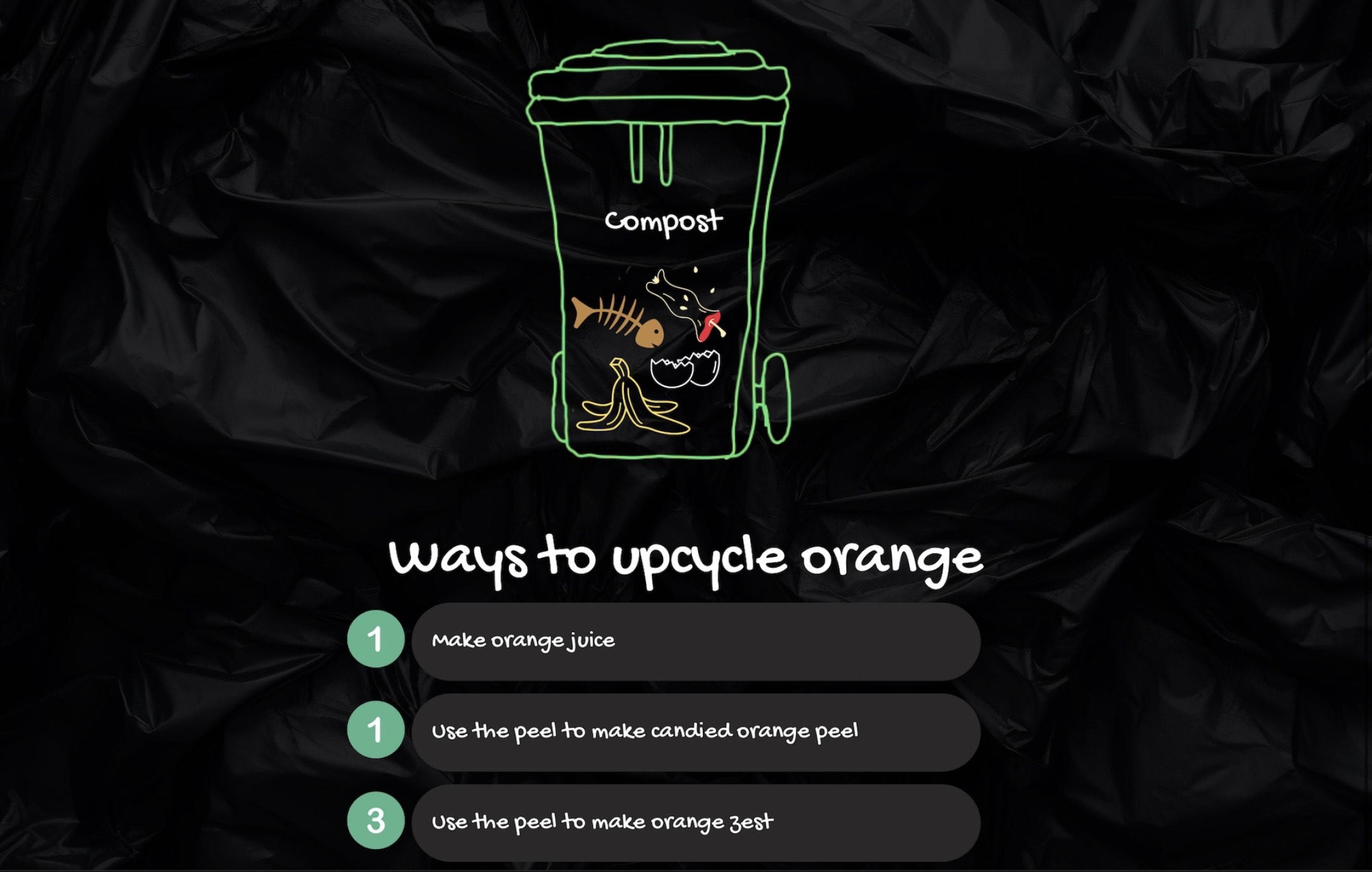
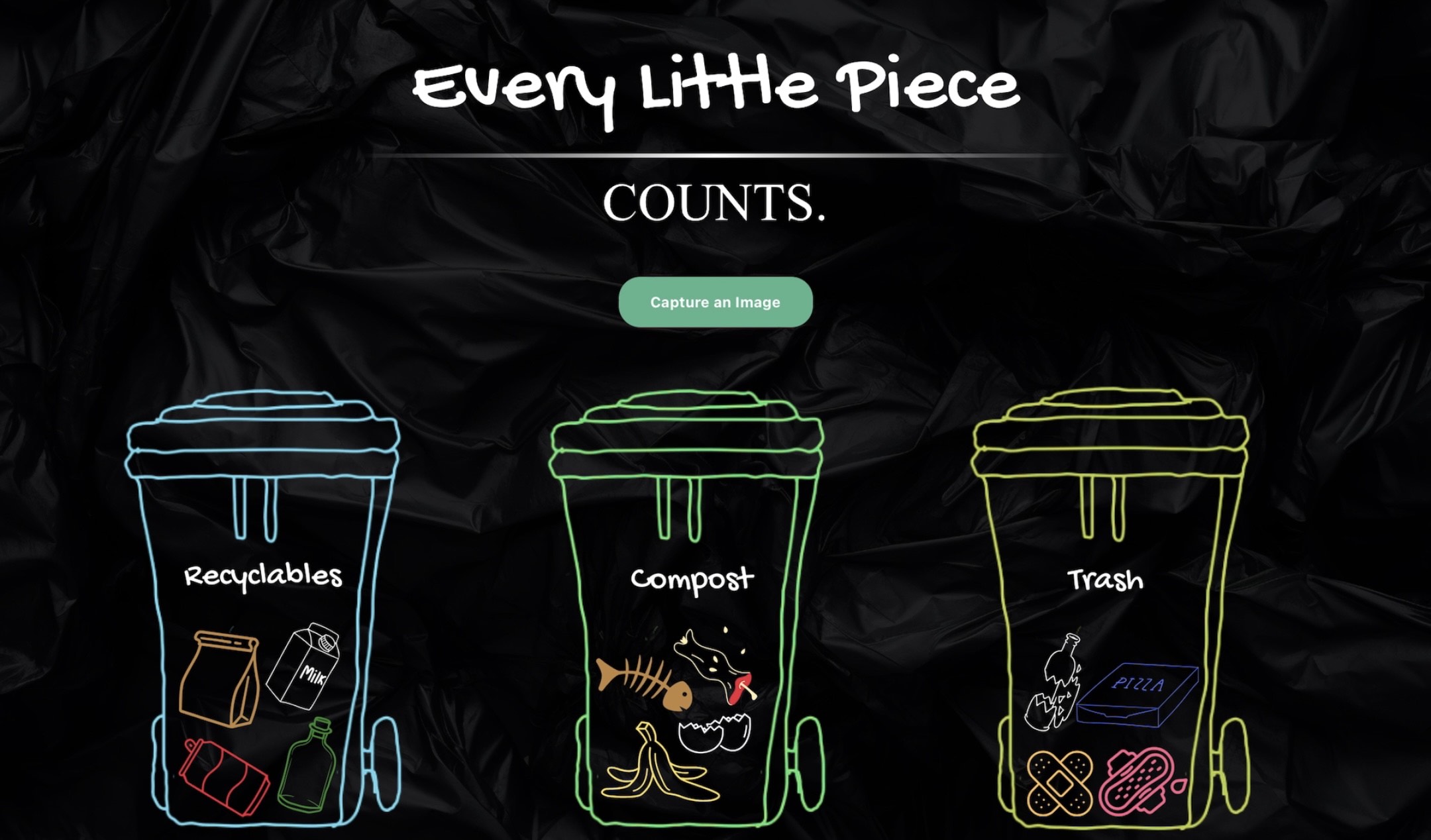
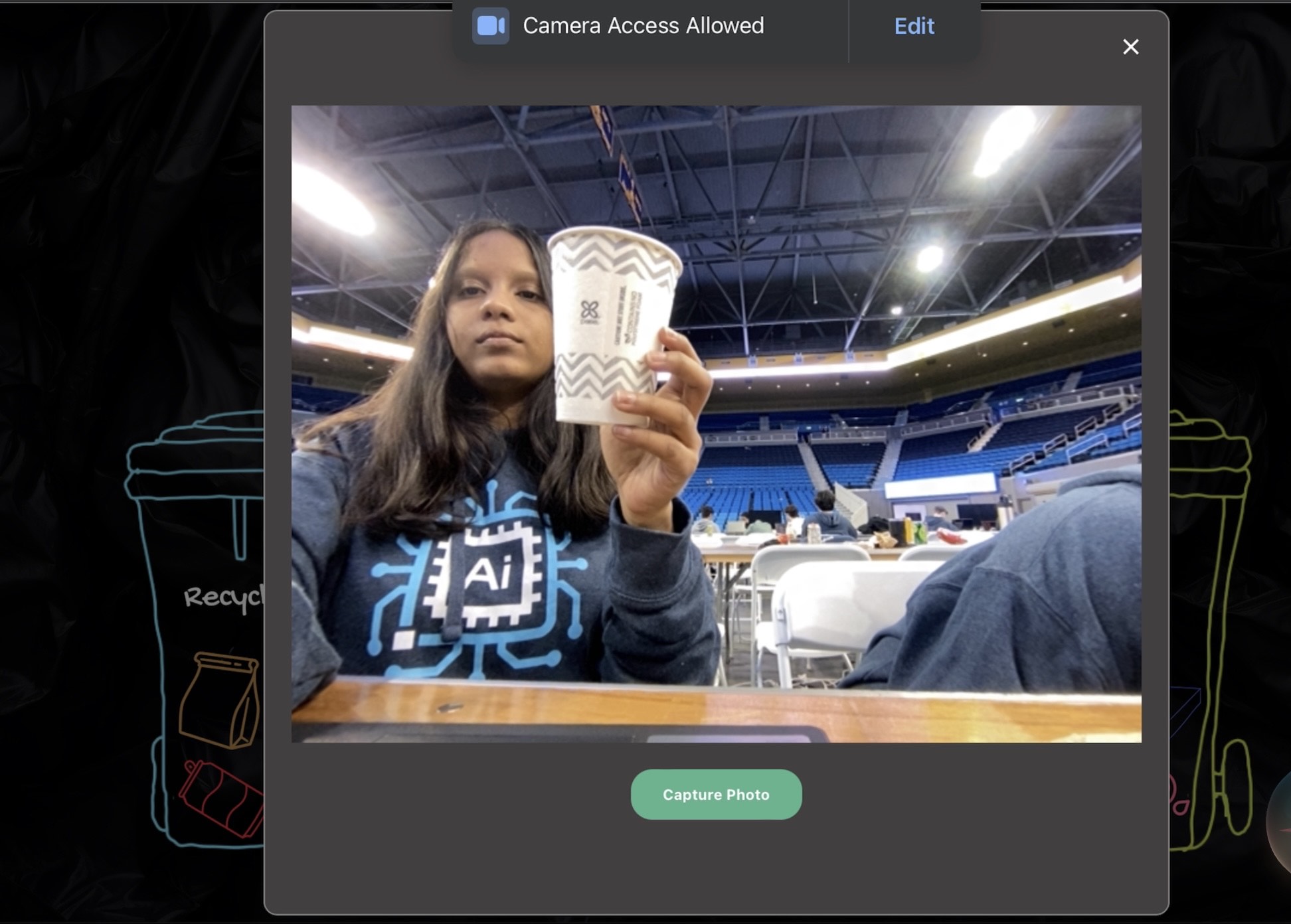
Our application uses Gemini AI to power waste sorting. Waste objects are detected in images from uploads and camera captures, then classified into categories, such as plastics, paper, food waste, etc. According to each object’s classification, users are suggested the recycling method (bin color where the item should go), and potential ways to upcycle the item as an alternative to recycling.
How we built it
The application was built with a Flask backend that creates prompts for and resolves responses from Gemini AI to classify waste objects. Classification and recycling suggestions are converted to JSON, then served to the UI through HTTP requests.
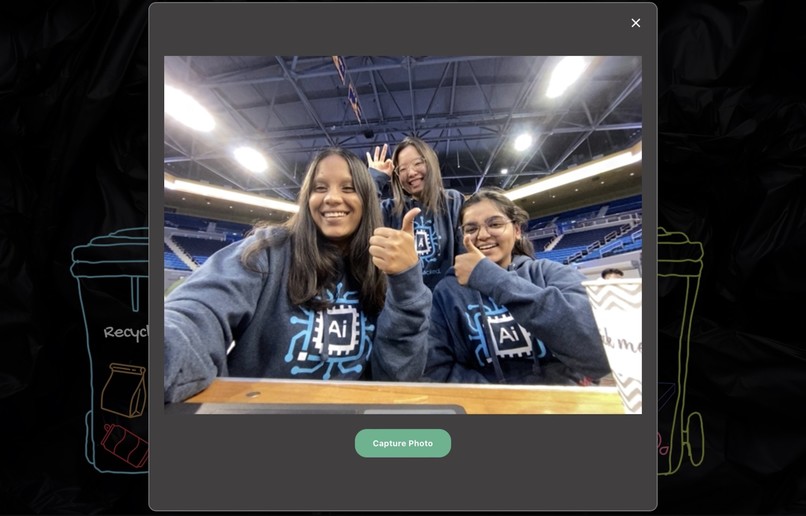
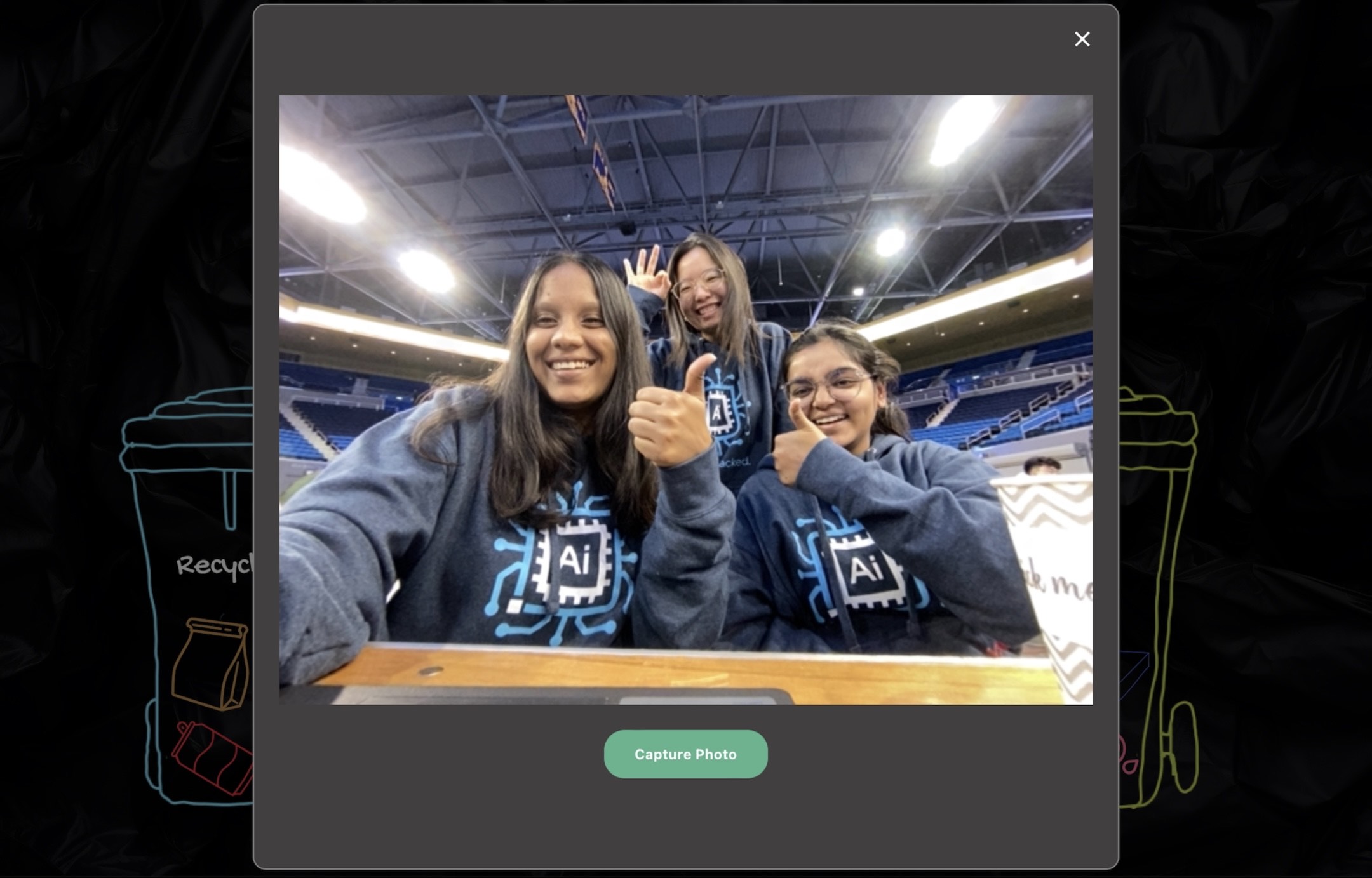
The UI, including animations and styling, was built in Javascript, HTML, and CSS. Images are captured using Javascript’s video stream capture and sent to the backend for classification. By building the application as a web app, we will be able to capture images across multiple devices.
App deployment was done using Intel Developer Cloud using Intel’s VM and ngrok.
Challenges we ran into
We ran into deployment challenges on Intel Developer Cloud, including troubleshooting ssh authentication keys, connecting to the server, and integrating ngrok tunneling with our existing flask application.
Accomplishments that we're proud of
We are proud that our application is end-to-end, our UI is clean and user-friendly, our integration of the Gemini API works well, and the application is fully deployed.
What we learned
This is the first time we have worked with an AI model, and we learned how to use Gemini to carry out image recognition in an application. Our team has also never worked with cloud deployment before, and we learned a lot about the deployment process. Finally, we learned about the vast impact and challenges of recycling.
What's next for Waste Management
We hope to extend our application by fine-tuning the AI classification with additional data. For example, some objects may have multiple parts or labels that must be recycled differently. By refining our application, we can handle these more complex cases of recycling. We would also like to incorporate credits, whether monetary or not, for people each time they recycle to incentivize recycling even more.
Get ready to turn your trash into treasure! We’re rolling out a super snazzy feature that pays you 10 cents for every piece of trash you snap and scan. It’s our way of putting a little cha-ching in your recycling routine and sparking a trash-tossing revolution. Let’s make greener choices the new cool and fill those bins wisely!
Built With
- css
- flask
- geminiai
- google-generativeai
- html
- intel-developer-cloud
- javascript
- python
- smallvm


Log in or sign up for Devpost to join the conversation.