-
-
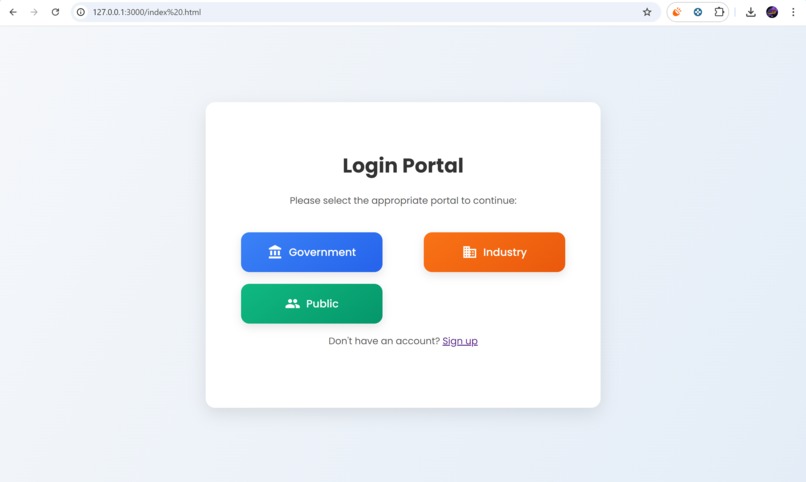
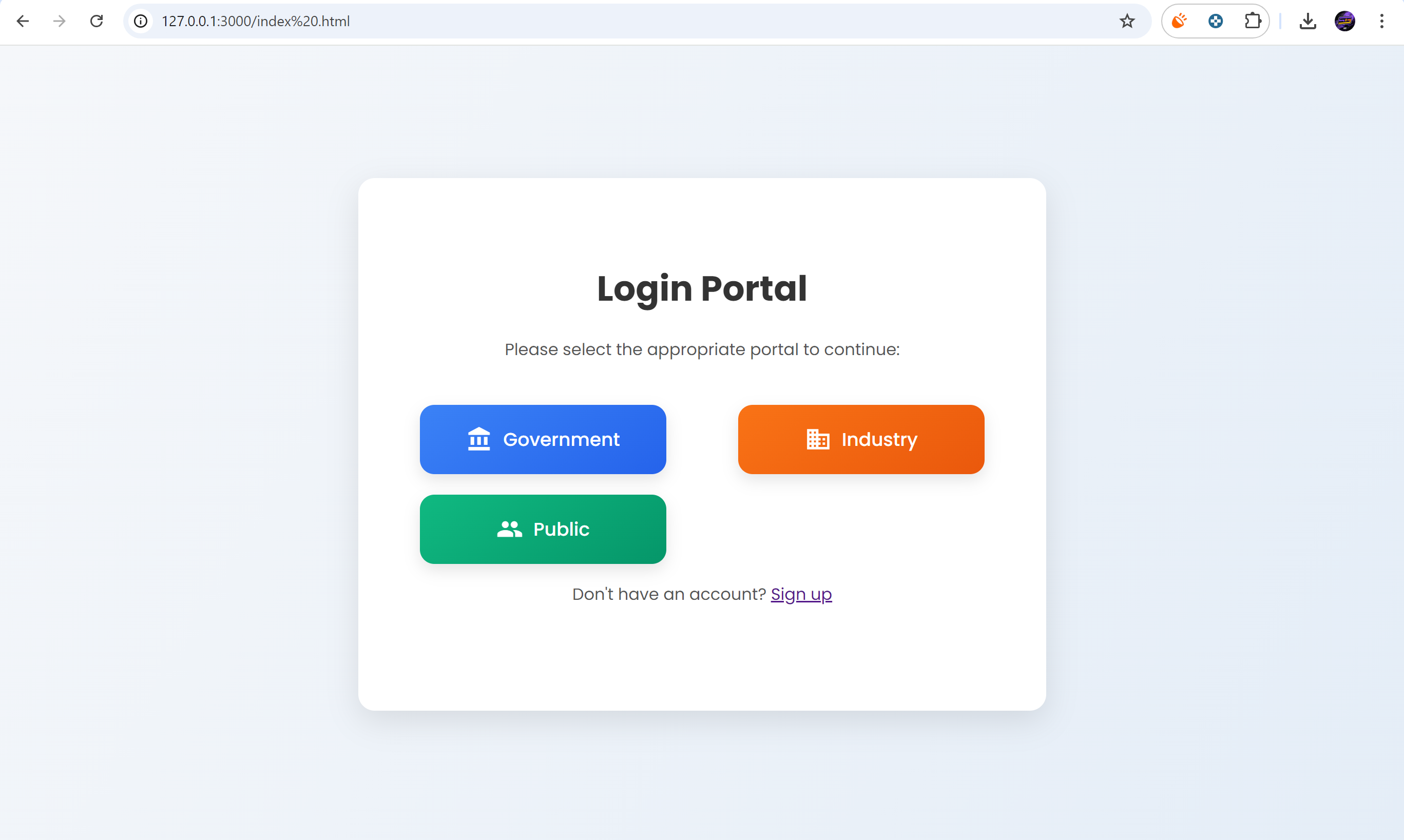
login page
-
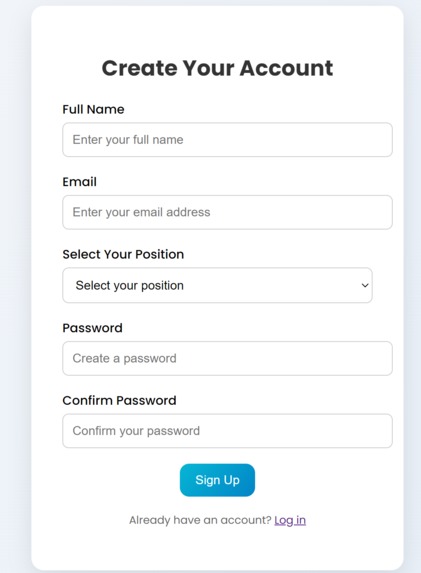
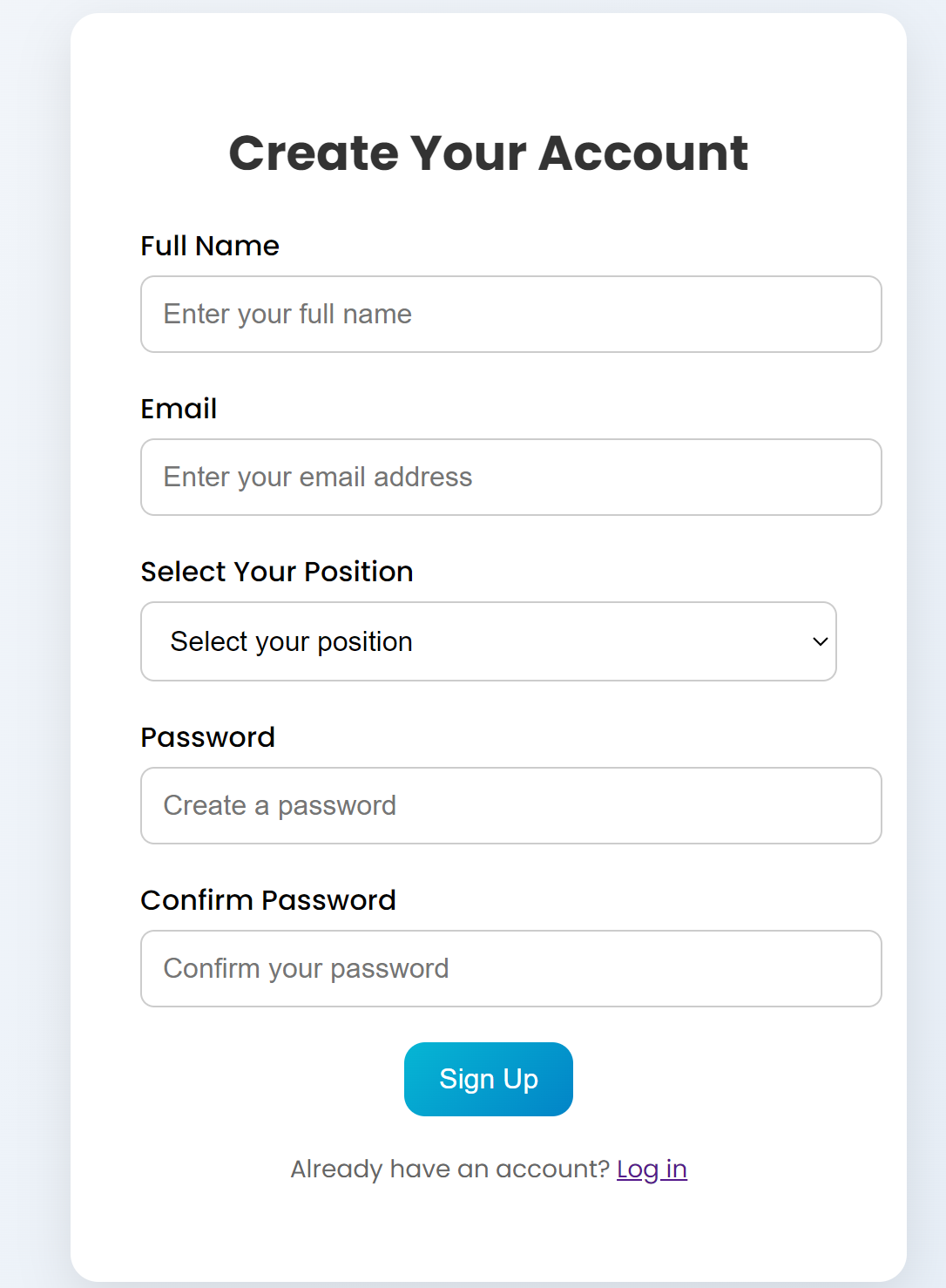
signup
-
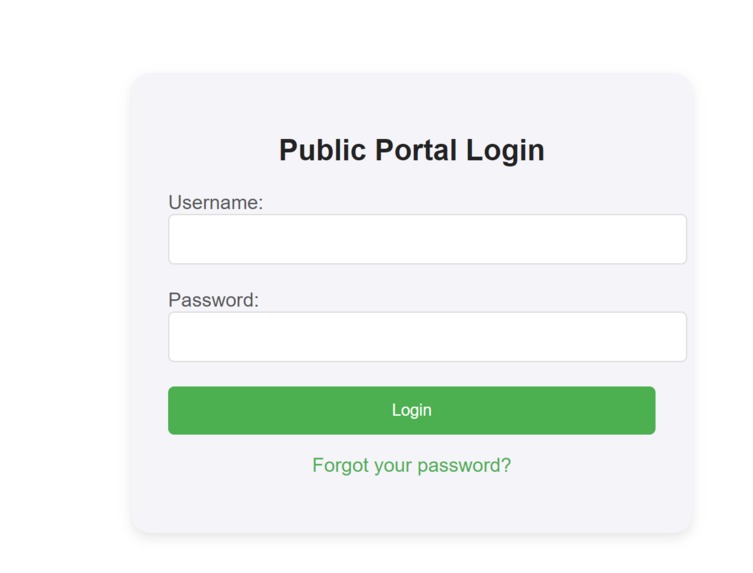
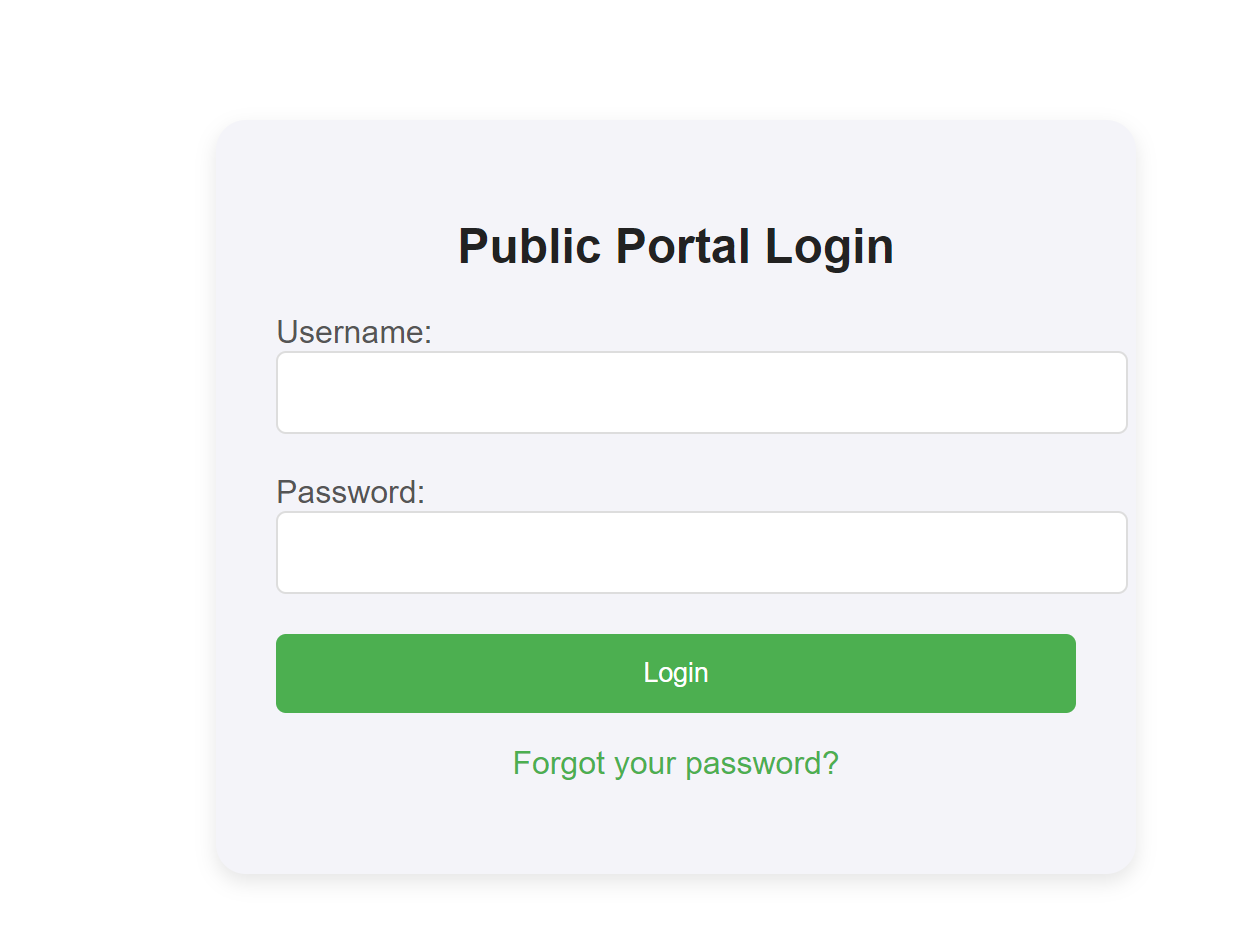
public login
-
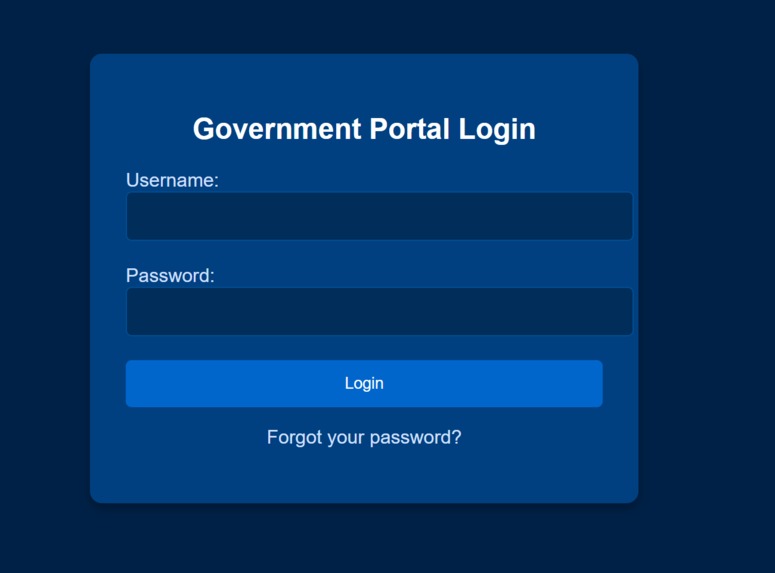
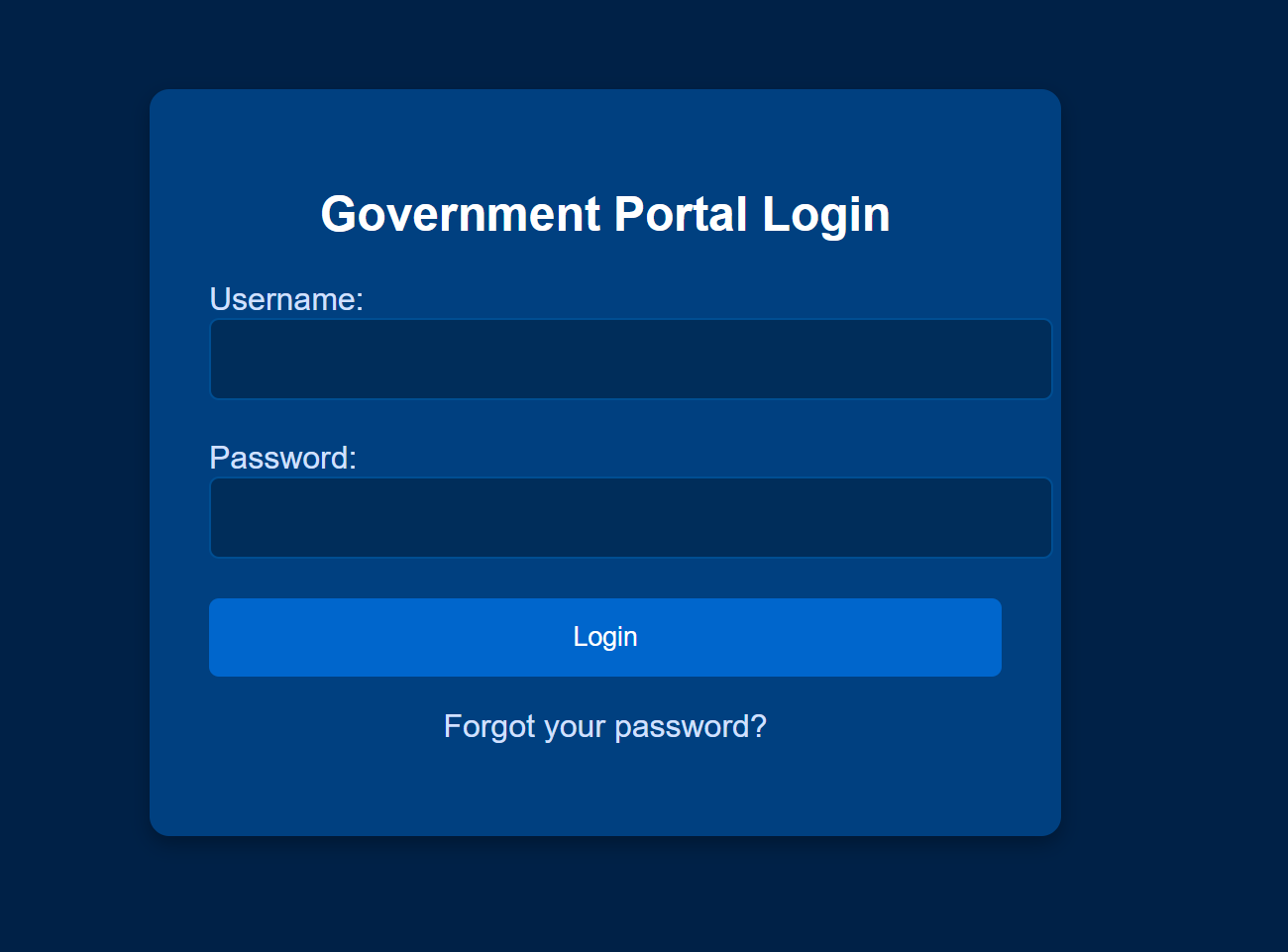
government login
-
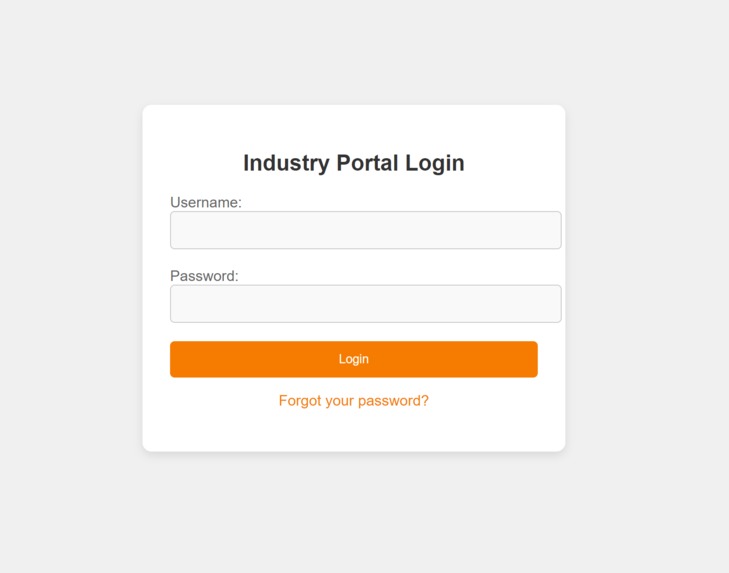
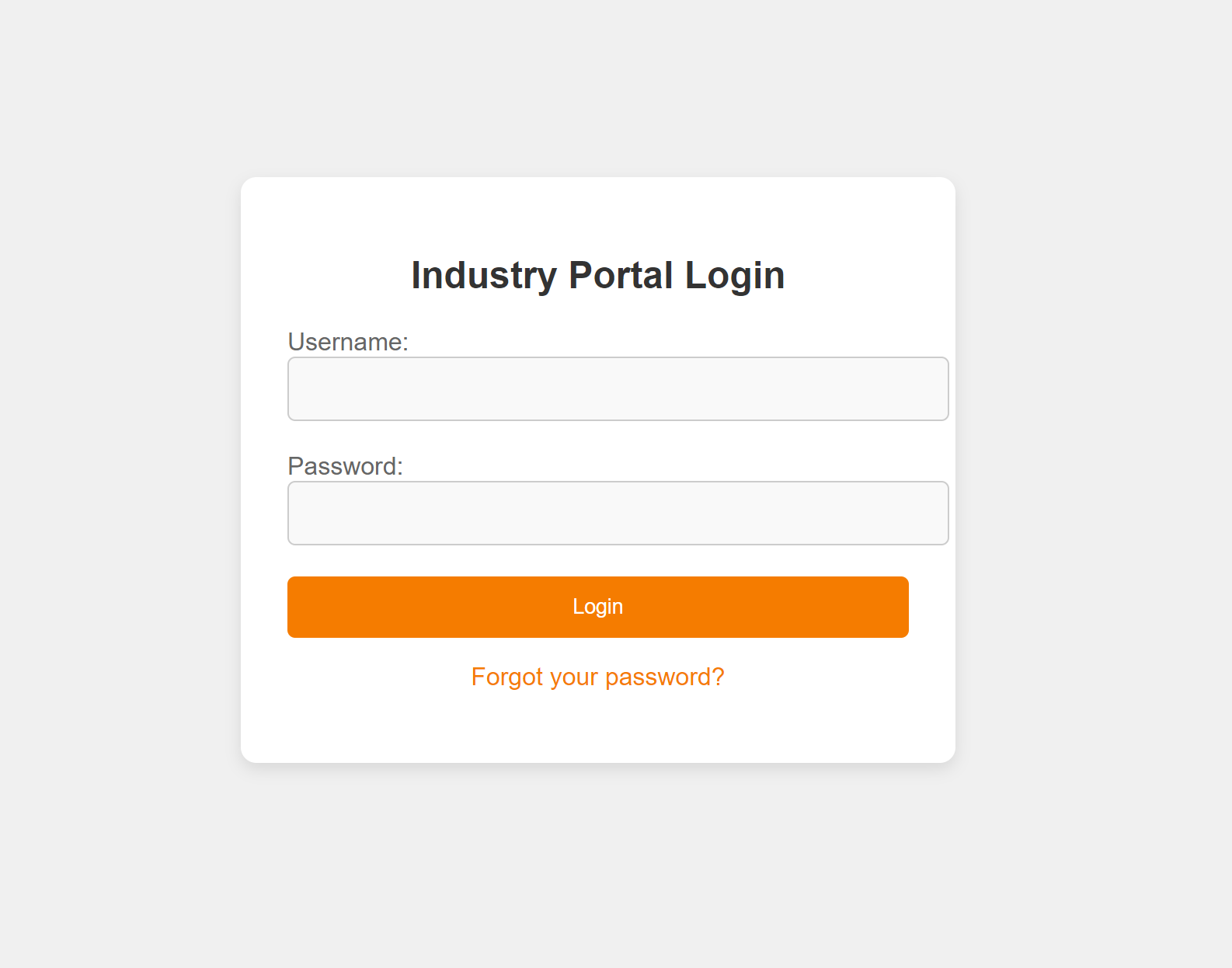
industry login
-
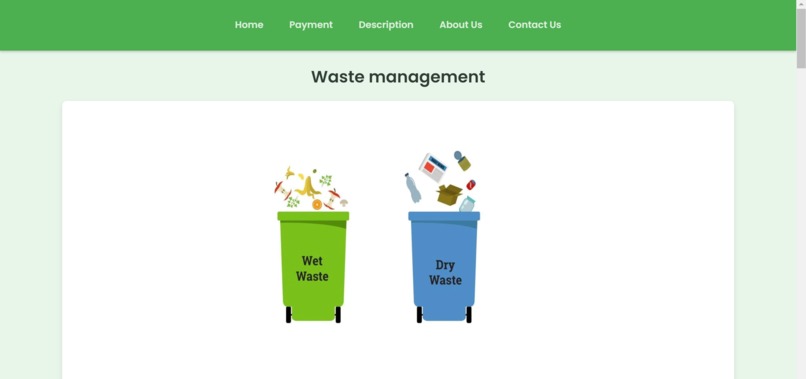
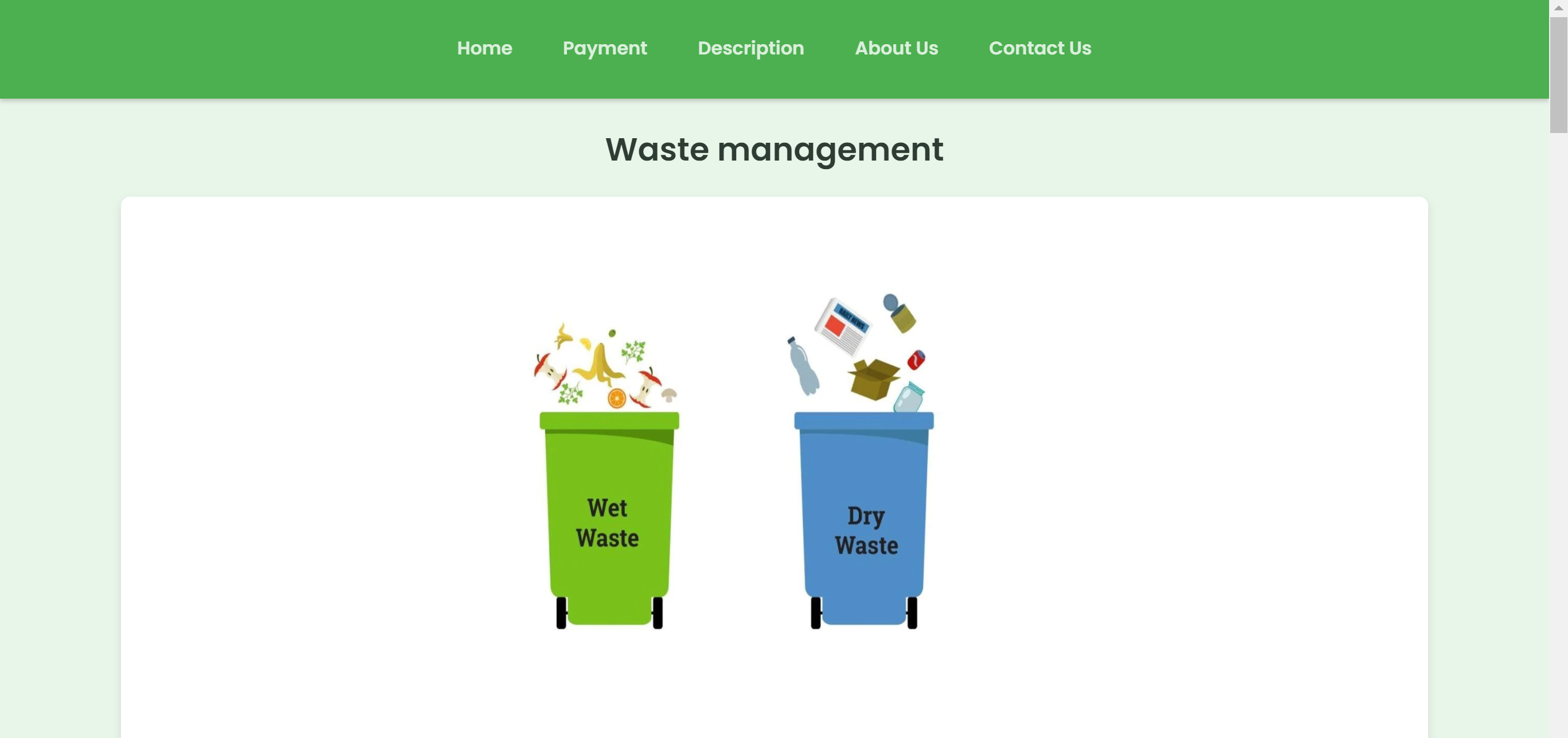
home page
-
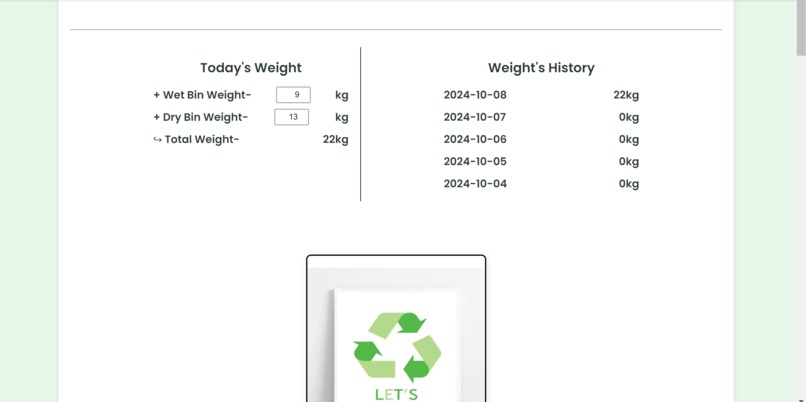
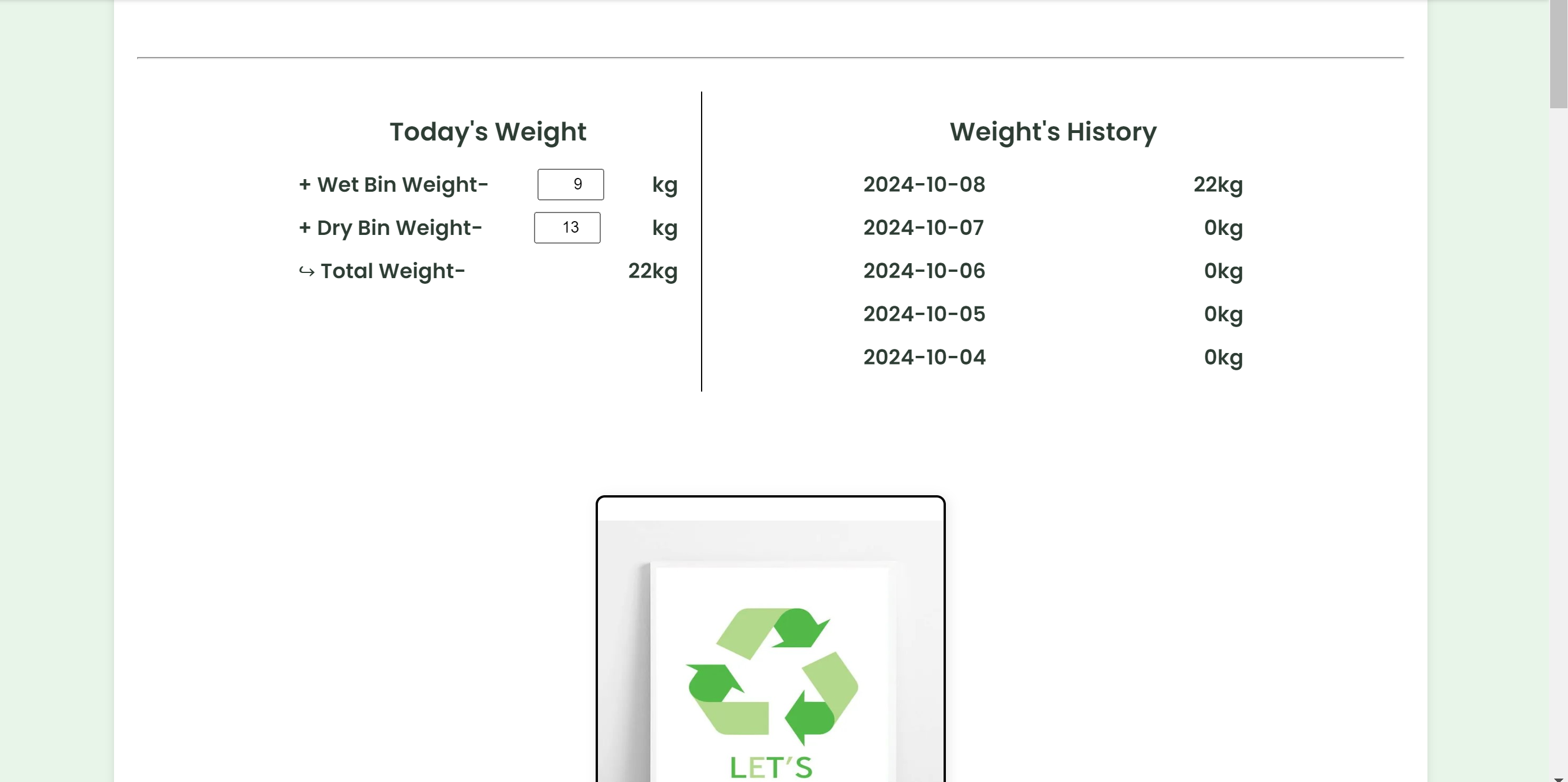
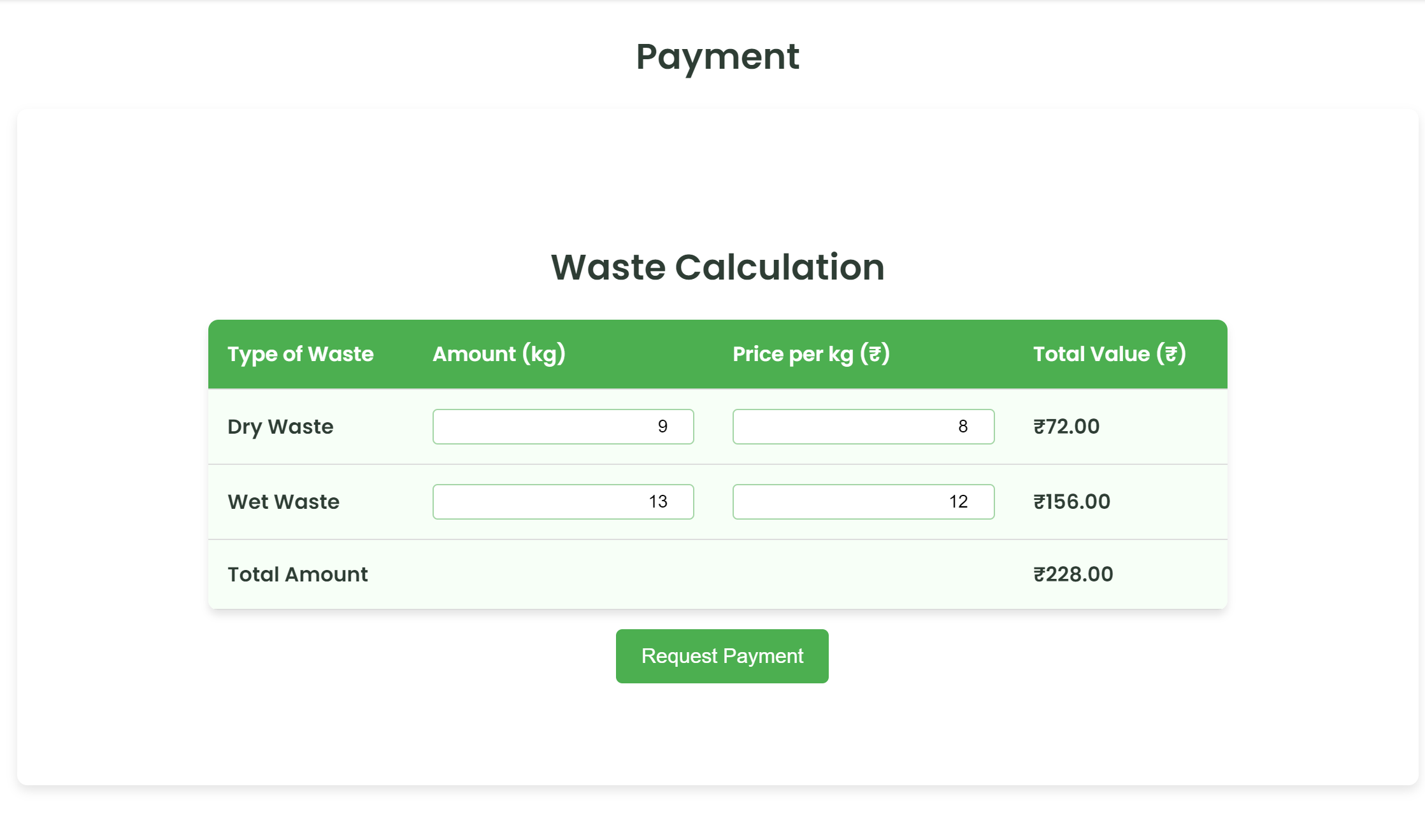
waste details
-
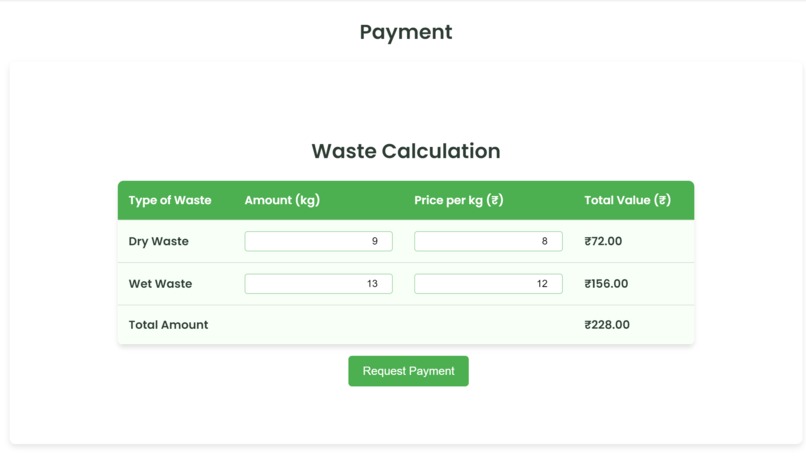
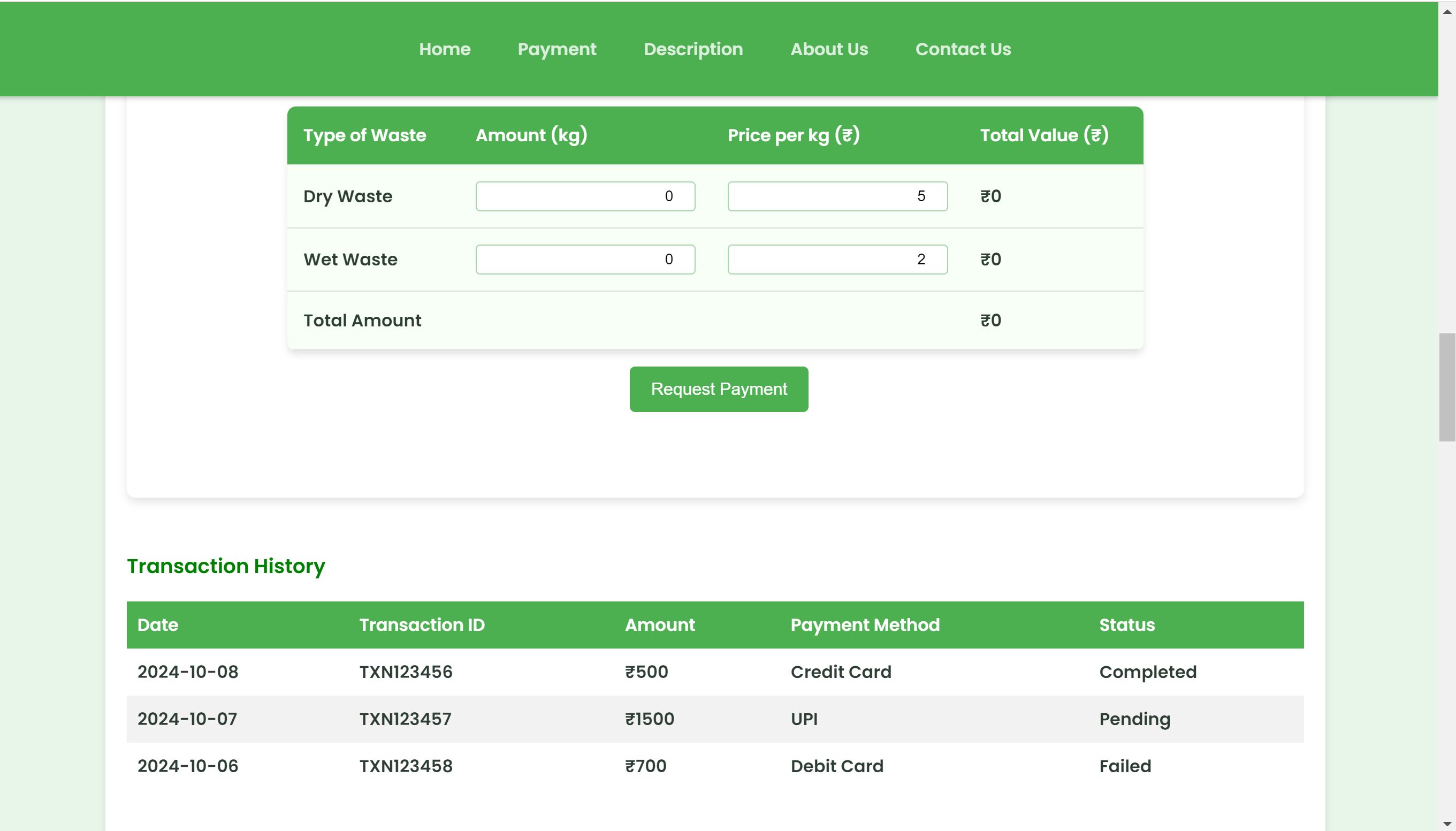
payment
-
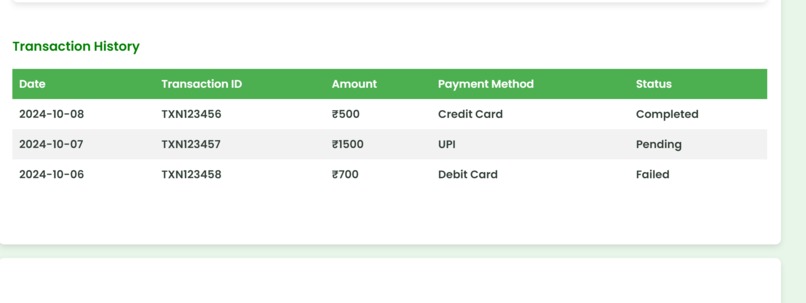
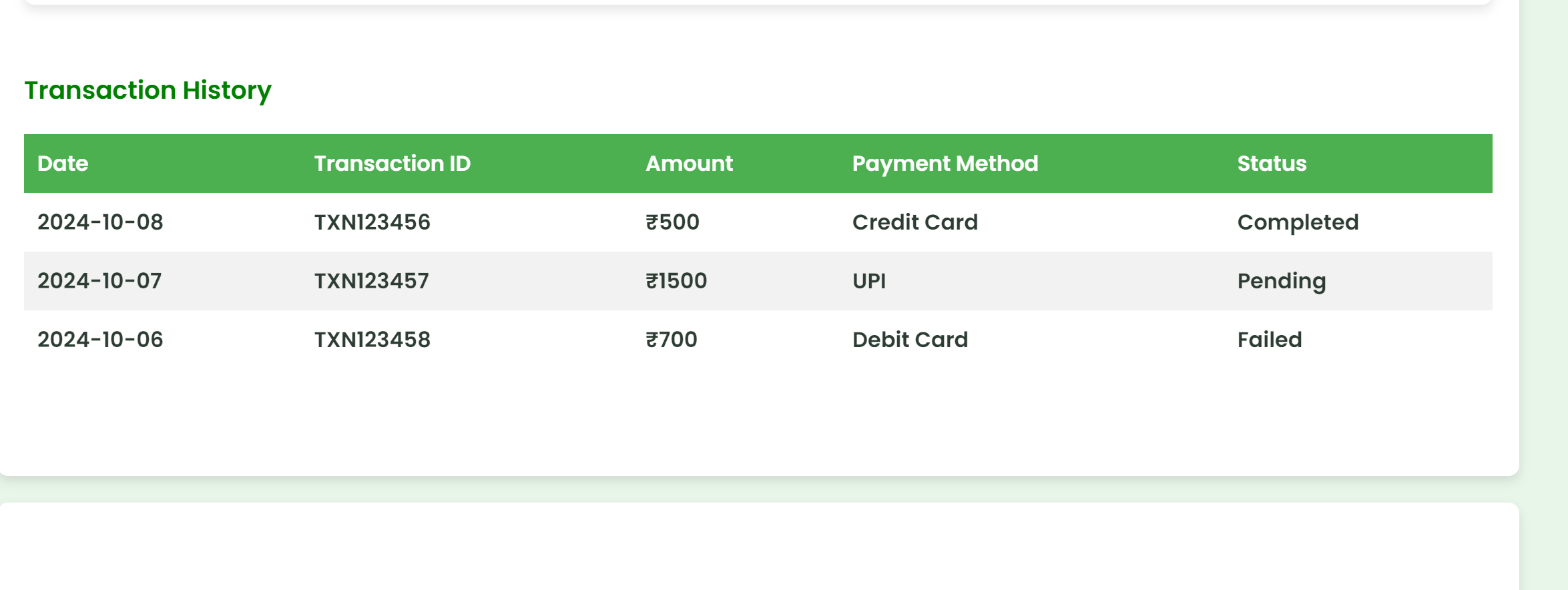
transition history
-
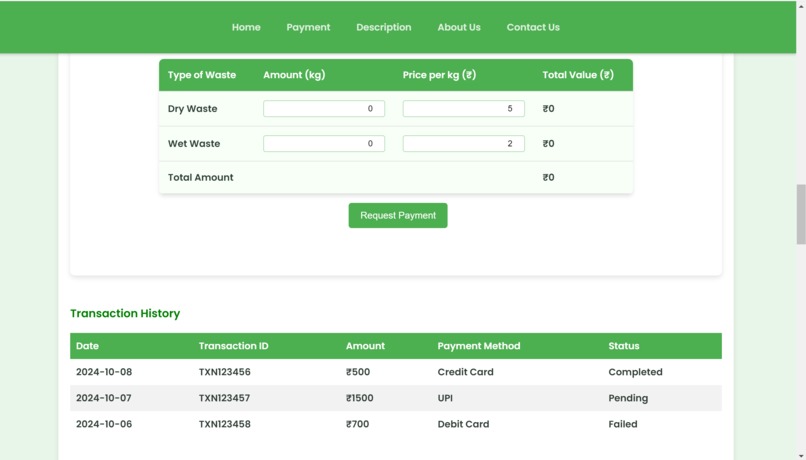
payment page
-
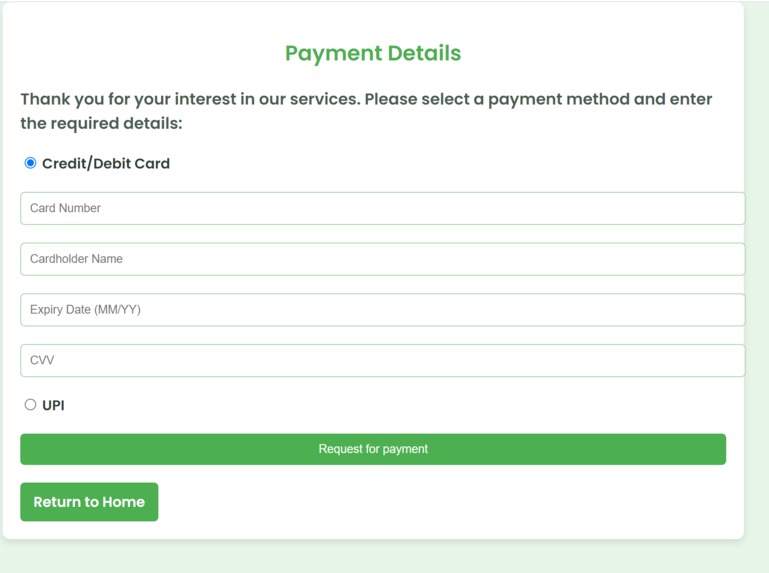
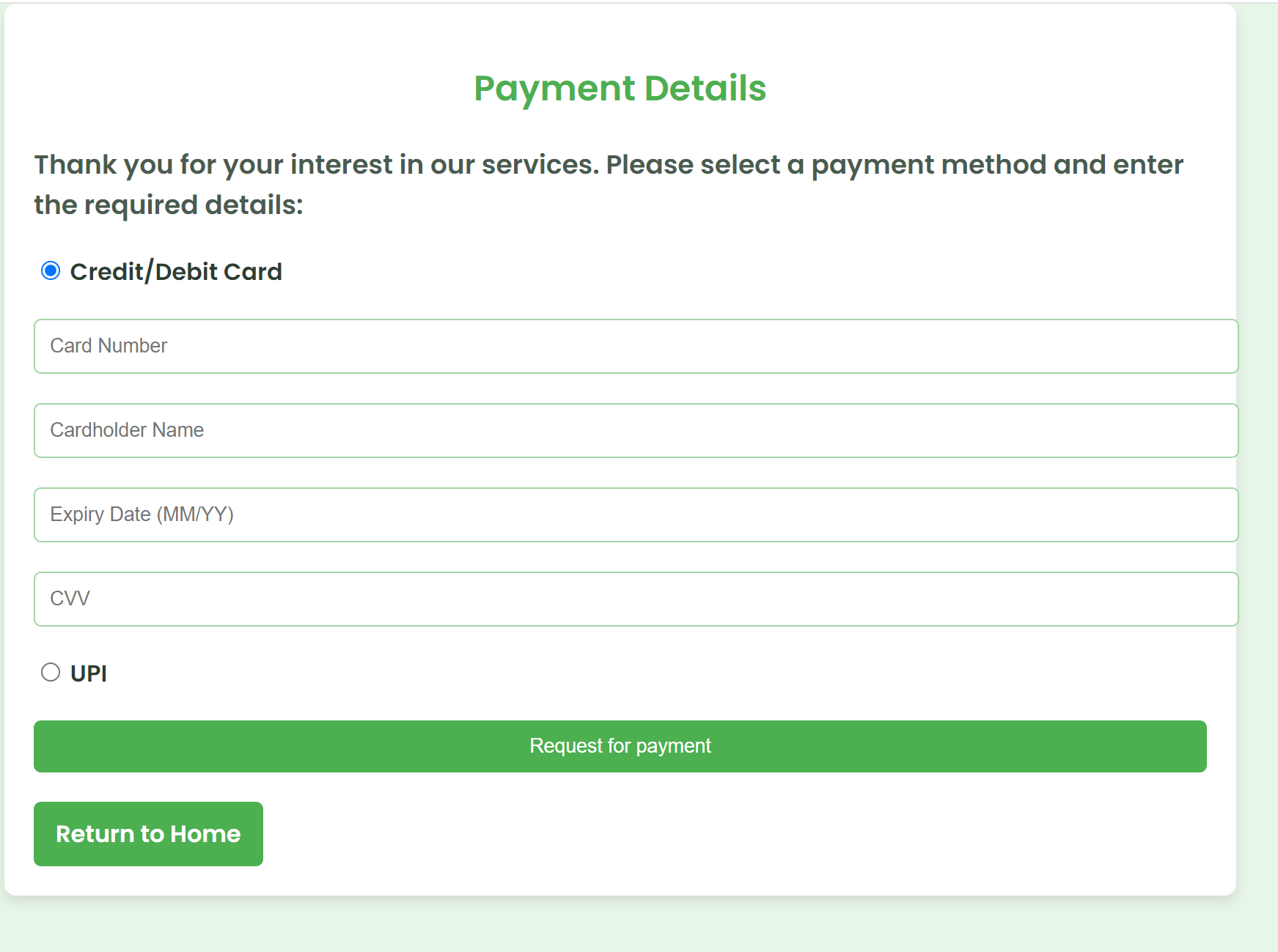
payment details
-
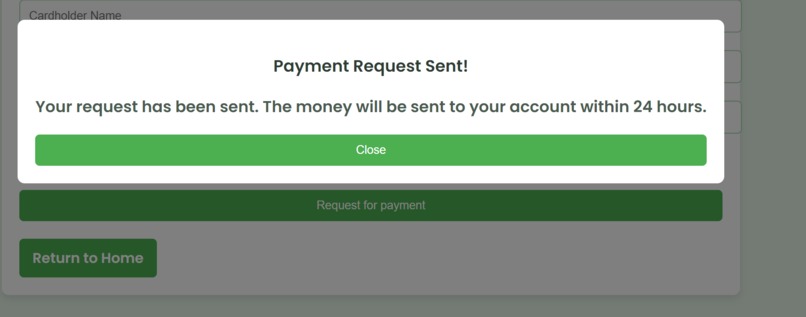
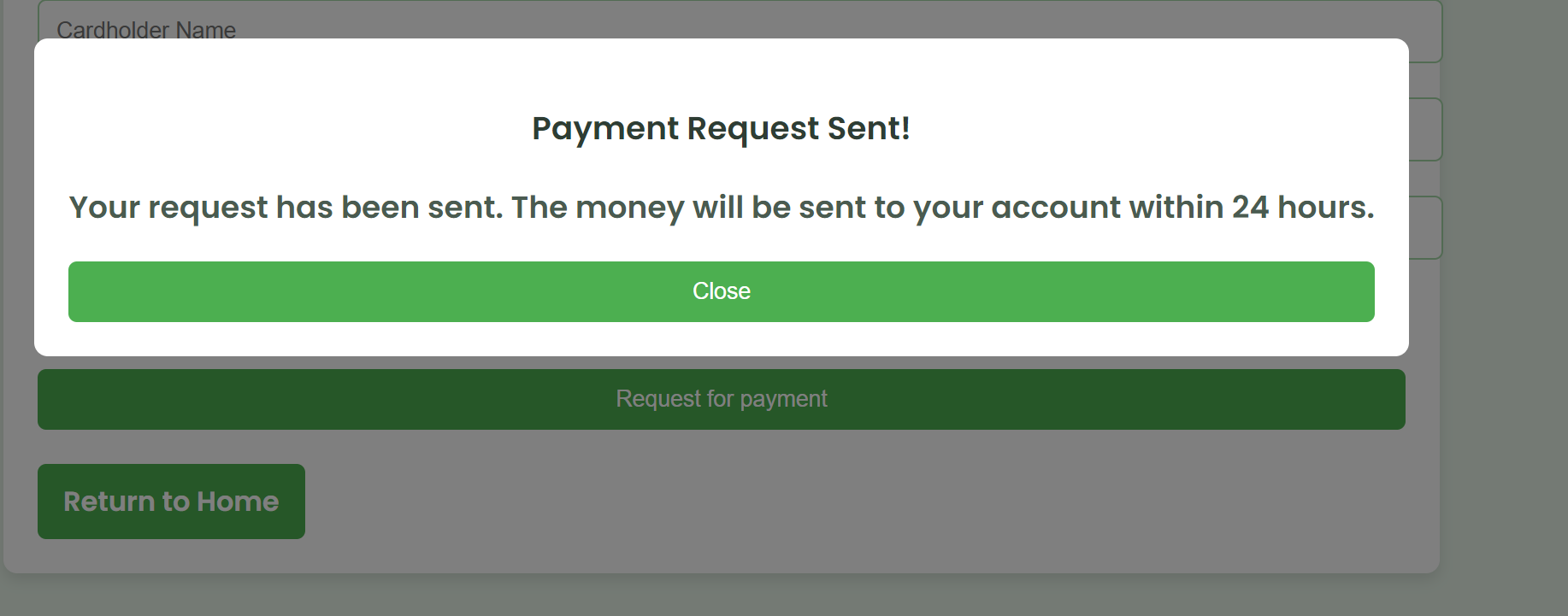
payment request sent
-
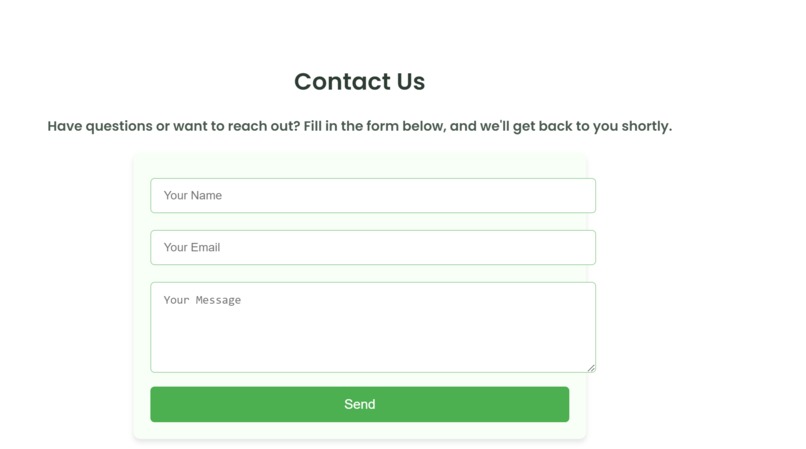
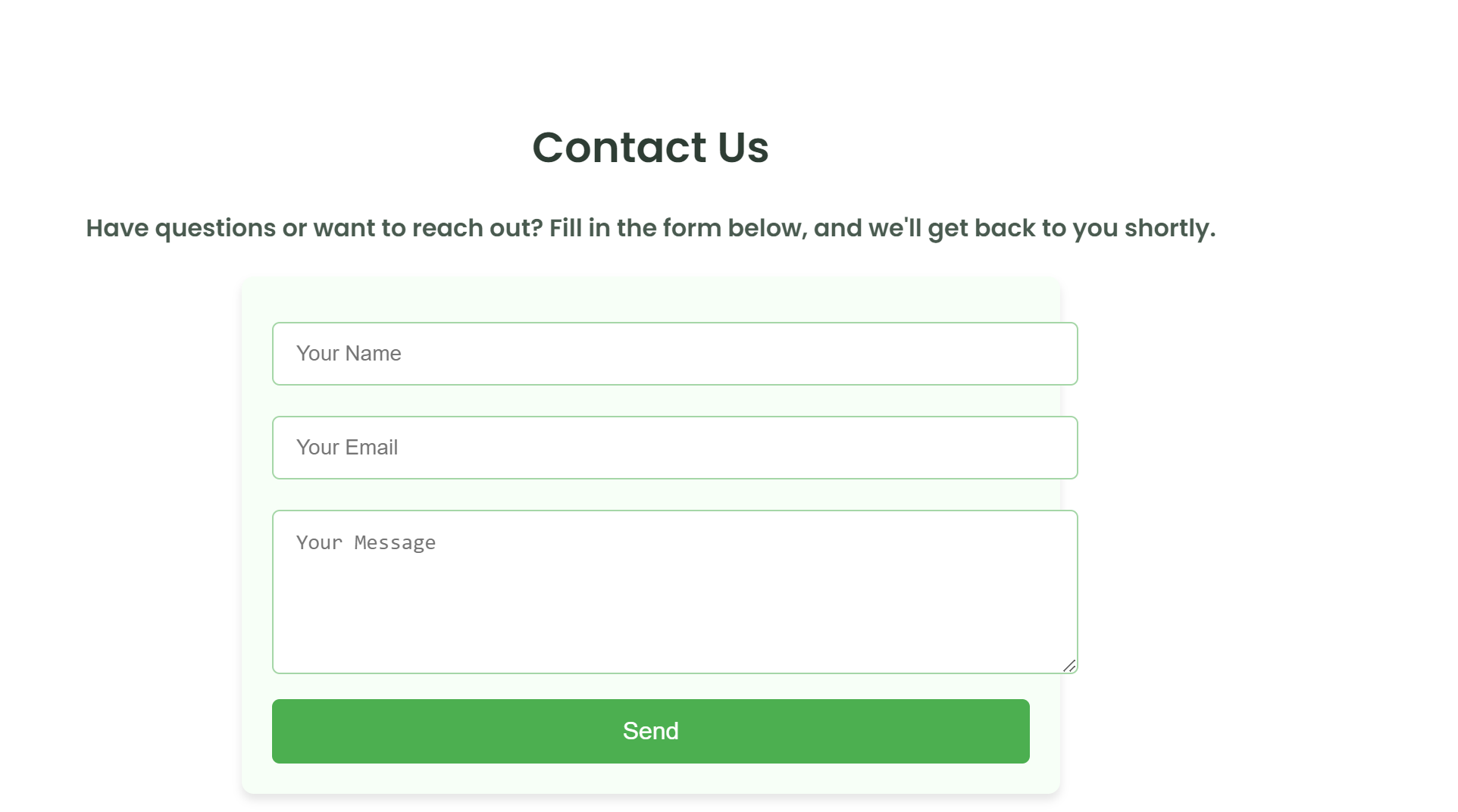
contact us
Inspiration
The inspiration for this project arose from the pressing cleanliness issues faced in India. As a citizen, I often witnessed the overflowing garbage in streets, public places, and even neighborhoods. The stark reality of inefficient waste management and disposal troubled me deeply. I realized that to create a cleaner nation, we needed a comprehensive system that not only promotes waste segregation but also incentivizes citizens to actively participate in waste management.
What it does
The Waste is Gold initiative is designed to transform waste management in India through an innovative and efficient system that focuses on waste segregation, recycling, and community engagement. Here’s how it works:
Dual-Bin System: Each participating household receives two bins—one for wet waste (like food scraps) and one for dry waste (such as plastics and paper). This encourages residents to separate their waste at the source, making recycling more effective.
Barcode Scanning: Each bin is equipped with a barcode scanner. Residents scan their unique barcodes when disposing of waste, which allows the system to track their contributions accurately. This technology ensures accountability and transparency in waste management.
Real-Time Waste Tracking: The collected data from barcode scans and the weighing systems in collection vans are integrated into a central database. This real-time tracking helps monitor participation rates, waste volumes, and the efficiency of the collection process.
Incentives for Participation: The initiative features a reward system that compensates residents based on the amount of segregated waste they contribute. This financial incentive motivates individuals to participate actively in waste segregation, turning trash into a source of income.
Partnerships with Industries: Segregated waste is sold to local recycling facilities and industries, creating a sustainable market for the collected materials. This not only supports the recycling economy but also reduces the amount of waste sent to landfills.
Community Education and Engagement: The initiative includes educational campaigns and workshops aimed at raising awareness about the importance of waste management and sustainable practices. By fostering a culture of environmental responsibility, the program empowers communities to take charge of their waste.
Environmental Impact: By promoting effective waste segregation and recycling, the initiative helps reduce landfill waste, conserves resources, and lowers greenhouse gas emissions. This contributes to a cleaner and healthier environment for everyone.
In summary, the Waste is Gold initiative transforms the way waste is managed in India by integrating technology, incentivizing participation, and fostering community engagement, ultimately turning waste into a valuable resource and paving the way for a sustainable future.
How we built it
The Waste is Gold initiative was built through a systematic approach that began with extensive research on waste management systems, leading to the design of a dual-bin system for households to separate wet and dry waste. We collaborated with local tech experts to develop a barcode scanning system that tracks waste contributions in real time. A pilot program was launched in a selected neighborhood, accompanied by community workshops to educate residents on proper waste segregation. Partnerships with municipalities and recycling facilities were established to ensure a sustainable market for the collected waste. Finally, we implemented a reward system to incentivize participation, continuously monitoring and refining the initiative based on community feedback. This comprehensive approach set the foundation for a more efficient and sustainable waste management system in India.
Challenges we ran into
Despite the enthusiasm, I faced several challenges during the project development:
Public Awareness: One of the most significant challenges was raising awareness about the importance of waste segregation among residents. Many were unaware of the environmental impact and the benefits of participating in the program.
Technology Integration: Developing a user-friendly website for barcode scanning and waste tracking proved to be more complex than anticipated. Ensuring that the technology worked seamlessly with the weighing systems on collection vans required substantial technical expertise.
Logistical Issues: Coordinating the collection schedules, maintaining the integrity of the collected waste, and ensuring that the waste was sent to the right processing facilities posed logistical hurdles.
Behavioral Change: Encouraging residents to change their habits and invest time in segregating waste was initially met with resistance. To overcome this, I implemented community engagement initiatives, including workshops and informational campaigns, to highlight the direct benefits of the system.
Accomplishments that we're proud of
that we have complete this project and it will help the government also to make the environment waste free
What we learned
Through my research, I learned about the significant environmental impact of waste mismanagement. I discovered that wet waste, such as kitchen scraps, can be composted to enrich soil, while dry waste, including plastics and paper, can be recycled into new products. However, the biggest hurdle is the lack of segregation at the source. I also learned that behavioral change among citizens is crucial; without tangible benefits, people are often reluctant to change their habits.
What's next for Waste is Gold - The Most Efficient Waste Management System
As we look to the future of the Waste is Gold initiative, our next steps focus on scaling our pilot program to additional neighborhoods, enhancing technology with a mobile app for tracking waste contributions, and fostering partnerships with industries and local governments. We plan to implement a robust incentive system to encourage residents to actively participate in waste segregation and conduct educational campaigns to raise awareness about the importance of sustainable waste management. Regular monitoring and evaluation will help us refine our approach based on community feedback, while initiatives like community composting and upcycling programs will further promote sustainability. By turning waste into a valuable resource, we aim to create a cleaner, greener future for India, transforming the narrative around waste and empowering communities to contribute to a healthier environment.
Built With
- chatgpt
- css
- fetch
- fetchai
- html
- javascript
- python


Log in or sign up for Devpost to join the conversation.