-
-
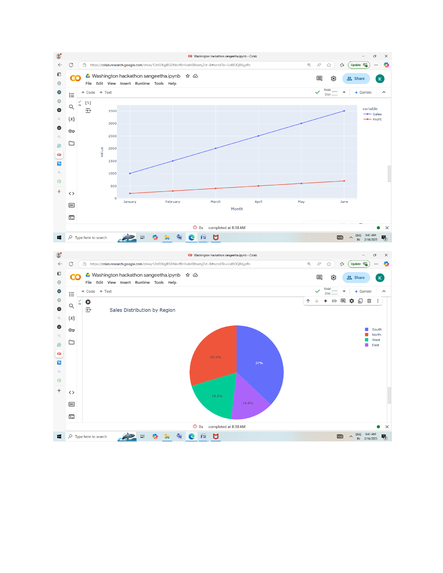
Washington hackathon 1
-
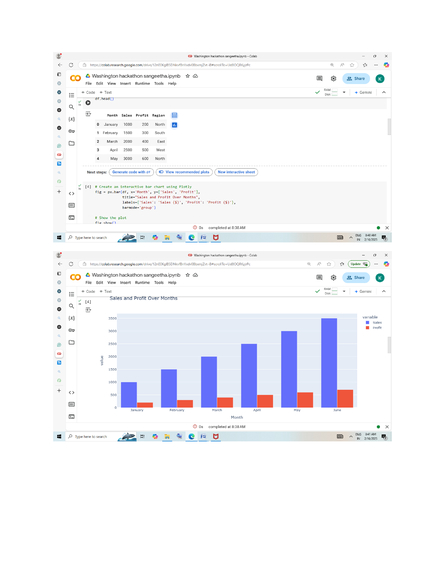
Washington hackathon 2
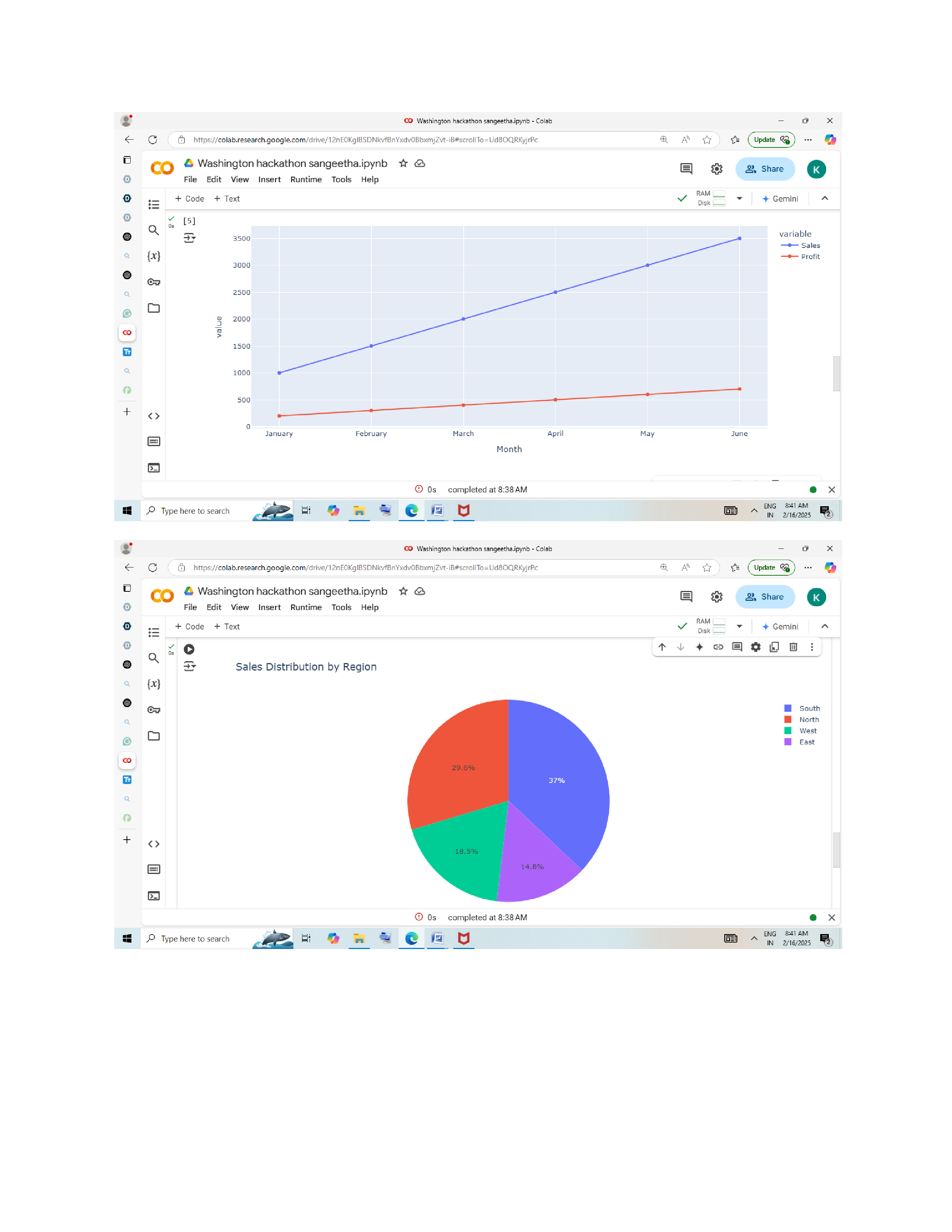
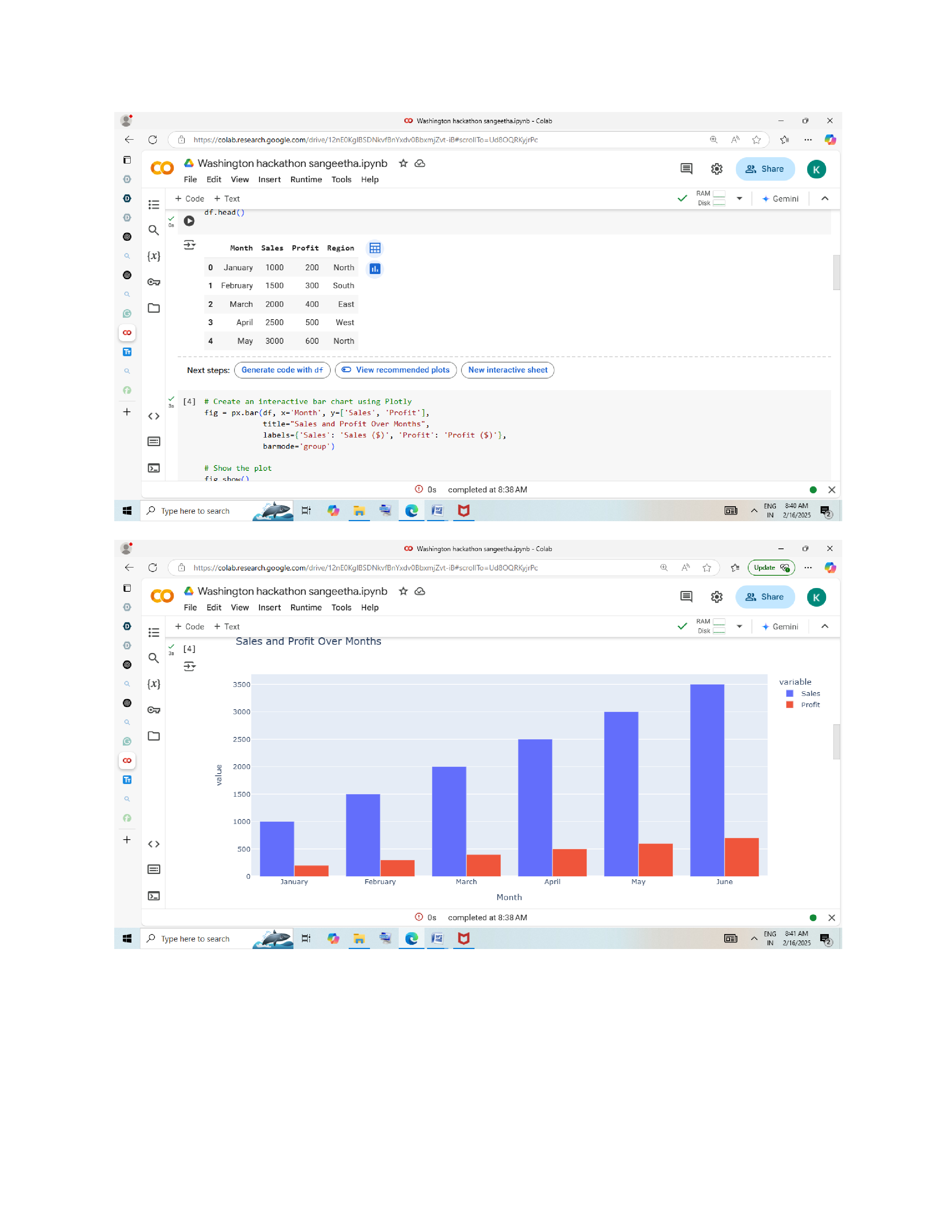
Inspiration: I were inspired by the growing need for accessible, impactful solutions that can make a difference in the world. During hackathons, participants often face challenges in quickly turning ideas into working solutions. We wanted to create a tool that streamlines this process, allowing everyone—whether a beginner or seasoned developer
What it does:
Our project, Hackathon Helper, is an allinone Pythonbased tool designed to assist participants throughout the hackathon journey. It enables you to quickly:
Scrape data from websites using BeautifulSoup and requests for easy data extraction.
Build web APIs with Flask for rapid backend development.
Analyze data using Pandas and create visualizations with Matplotlib.
Implement machine learning models with Scikitlearn for classification, regression, and clustering tasks.
Create interactive chatbots using NLTK for basic conversational interfaces.
Develop 2D games with Pygame for creative and fun hackathon submissions.
With this tool, hackathon participants can focus on innovation without getting bogged down by technical setup, accelerating development and fostering creativity.
How we built it:
I built Hackathon Helper using Python and its powerful ecosystem of libraries. The tool was designed to be modular, with separate components for data scraping, API development, machine learning, and game creation. The structure is flexible, so participants can use one or multiple features based on their needs.
Web scraping was implemented with BeautifulSoup and requests to parse HTML and extract useful information.
API setup was made easy with Flask, allowing us to create RESTful services quickly.
Data analysis and visualization were powered by Pandas for data manipulation and Matplotlib for visual insights.
Machine learning models were built using Scikitlearn to make predictive models.
Chatbot functionality was created with NLTK, enabling conversational interactions based on user input.
Game development was done using Pygame, where we focused on simplicity and interactivity.
Challenges we ran into: Integration of multiple components: Initially, we faced challenges in integrating different features (e.g., data scraping, machine learning, and web APIs) into a cohesive and userfriendly tool. Ensuring compatibility across libraries and maintaining a simple interface for users was difficult. Time management: As with most hackathons, time constraints made it challenging to refine every feature. We had to prioritize core functionalities and work around the clock to ensure key components were working smoothly. Testing for all skill levels: Designing a tool that would be accessible to beginners while still powerful enough for more advanced developers was tricky. Striking the right balance between simplicity and functionality took some iterations.
Accomplishments that we're proud of: Modular and flexible design: We were able to create a versatile tool that serves a wide variety of hackathon challenges, making it easy for users to pick and choose which features they need. Userfriendly interface: Despite integrating complex technologies, we made the tool intuitive enough for entrylevel participants to get started quickly, which was a major win. Seamless functionality: By the end of the hackathon, we had a fully functional tool where all components—web scraping, machine learning, chatbots, and game development—worked smoothly together. This was a huge accomplishment considering the complexity of the project.
What we learned for WAForge Hackathon: The power of collaboration: We learned that hackathons are a great environment for learning from others. The exchange of ideas and feedback helped us iterate quickly and improve our project. Time management is crucial: While we built a lot of cool features, we realized that balancing feature development and testing is key to ensuring quality in a short amount of time. Simplifying complexity for beginners: We discovered that simplifying advanced technologies for new developers was a valuable learning experience. We learned to focus on core functionalities and make sure the basics were covered before diving into more complex tasks. Iterate fast and stay flexible: Finally, we learned that being adaptable is essential in a hackathon. We had to pivot several times based on feedback and testing, and that helped us deliver a project that was both functional and impactful.
Built With
- learning
- machine
- python


Log in or sign up for Devpost to join the conversation.