-
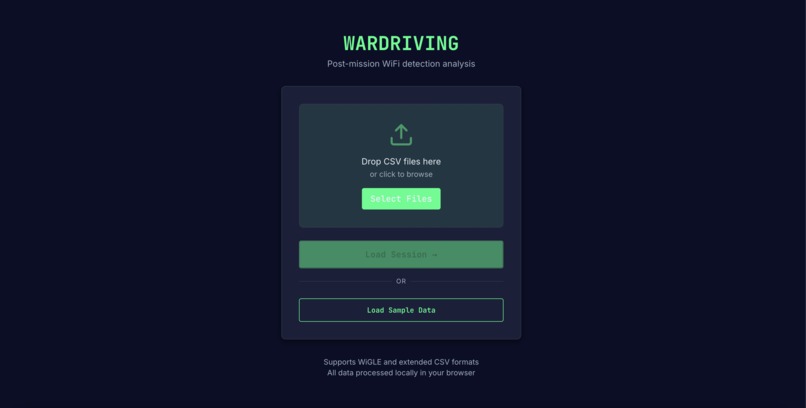
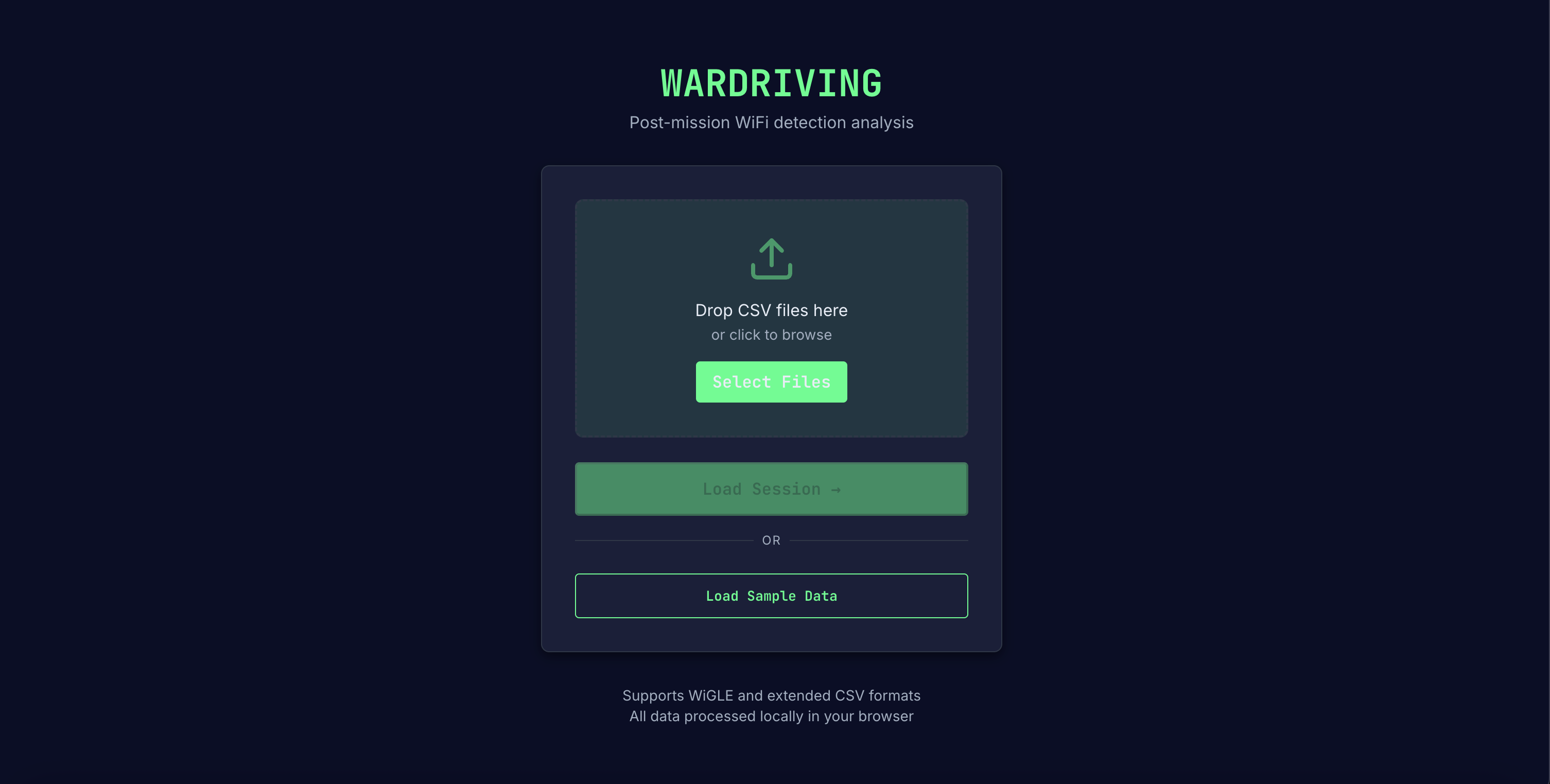
Initial interface
-
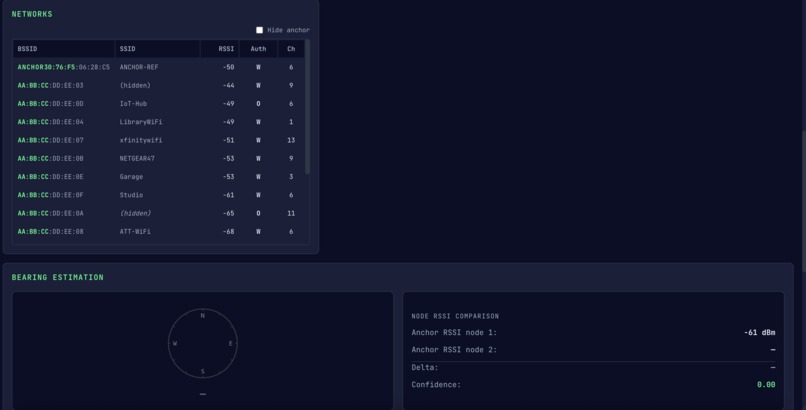
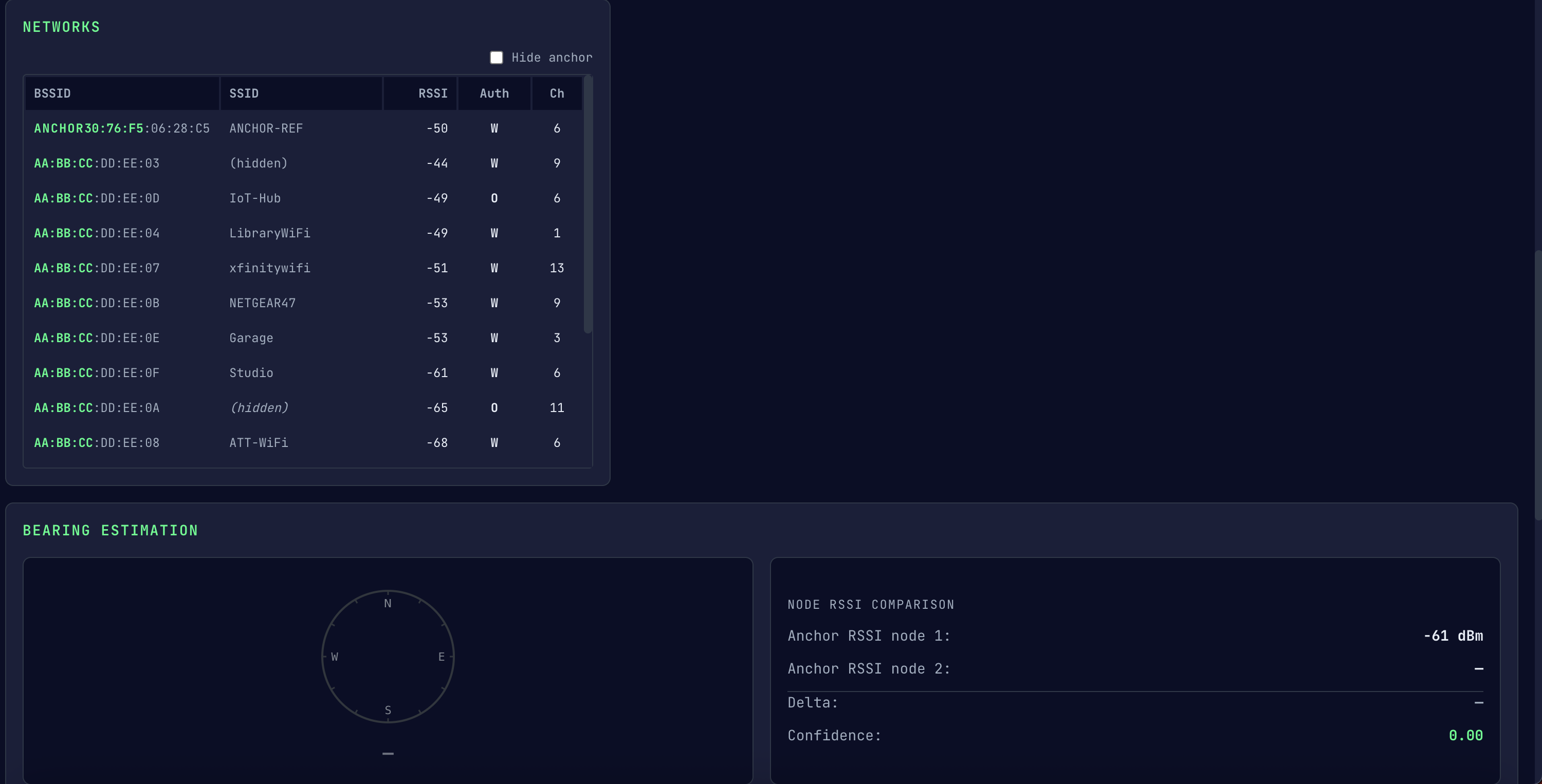
Analyzing data
Our Inspiration
Hearing about similar projects involving wardriving made us want to create an interface that could display this info in a way that is simple and easy to use.
What it does
Our project is a cybersecurity tool that scans and analyzes nearby networks to identify potential threats. Wardriving is also used to perform penetration tests, map network coverage, or identify rogue access points. An example use case is finding hidden cameras in a building.
How we built it
We built our project using VS Code and PlatformIO as our development environment. We used AI tools like Claude Code, GitHub Copilot, Cursor, and ChatGPT to write most of the code and help with debugging.
Challenges we ran into
Some of the challenges we faced include converting the frontend from Tailwind to regular CSS modules due to formatting errors, as well as an unreliable connection between the ESP32 and Arduino R4 WiFi.
What we learned
We learned how to build an integrated environment that connects hardware (ESP32) with a web-based dashboard to display and visualize network data. We gained experience using AI coding tools like Copilot and Cursor and we also learned how cybersecurity tools detect and analyze network threats using raw sensor data.
Our Goal
The goal of this project is to make network security more accessible by automatically detecting and analyzing potential threats in nearby networks. We also aim to educate people of the dangers involved in insecure Wi-Fi networks and devices associated with them and help them understand cybersecurity risks better.
Fun Fact
The term “wardriving” was coined in the early 2000s as Wi‑Fi became more common.
Built With
- arduino
- c++
- esp32
- next.js
- node.js
- typescript


Log in or sign up for Devpost to join the conversation.