-
-

Wander logo
-
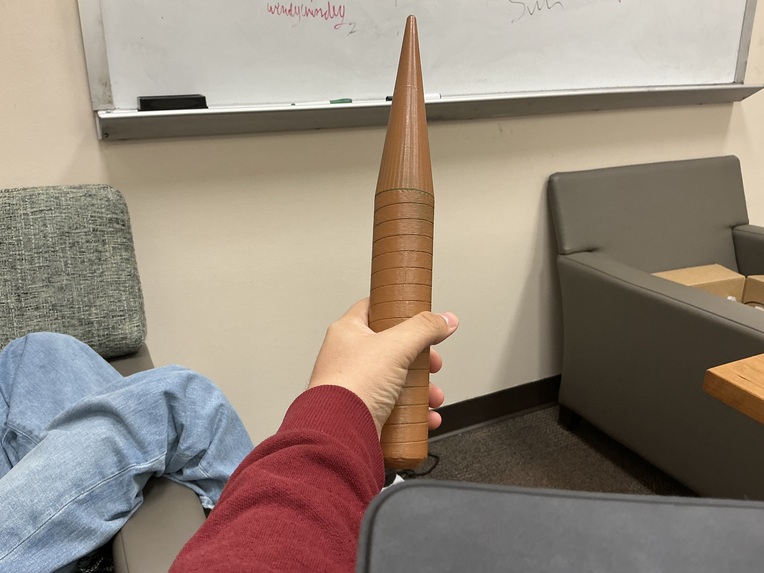
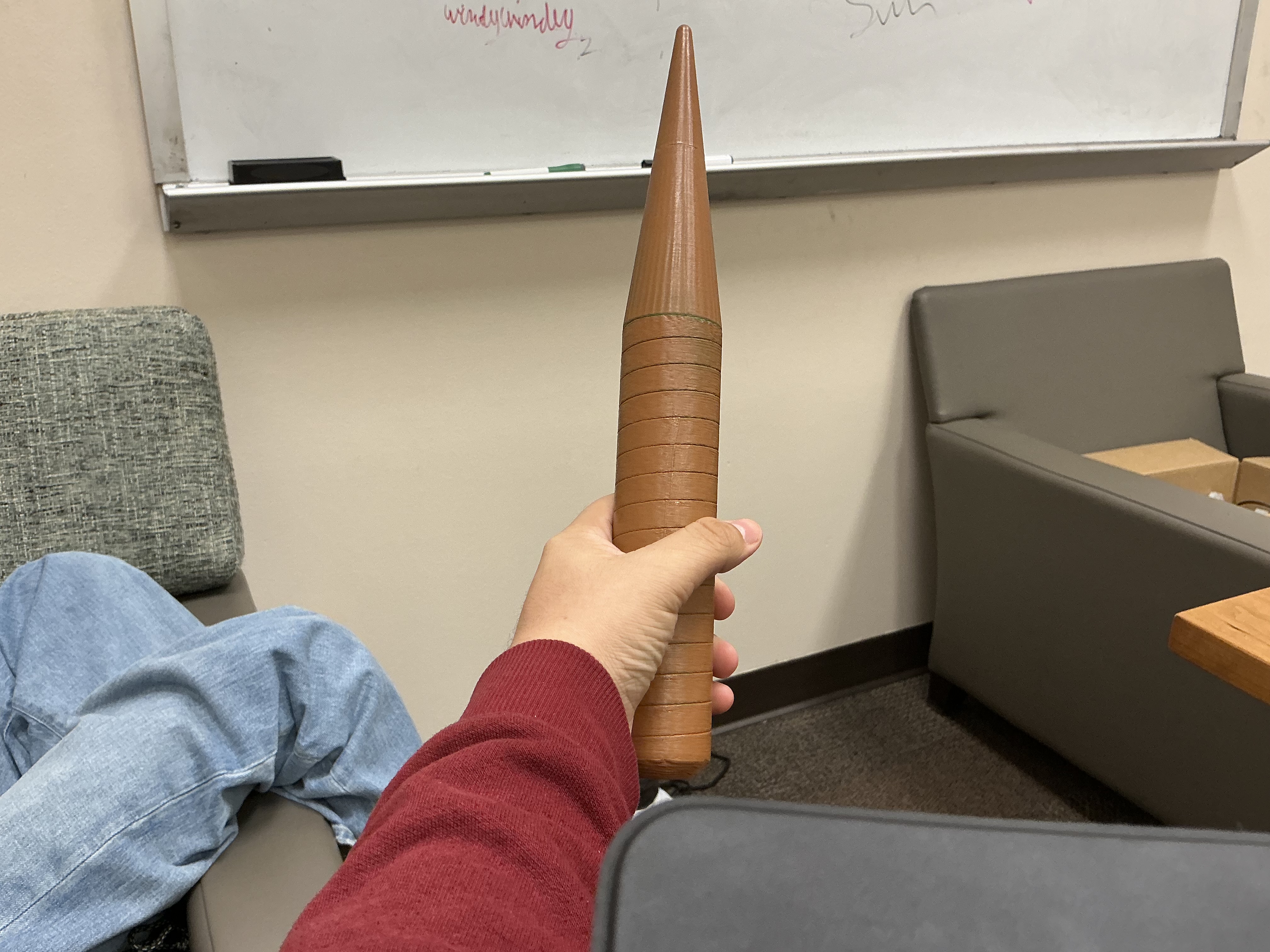
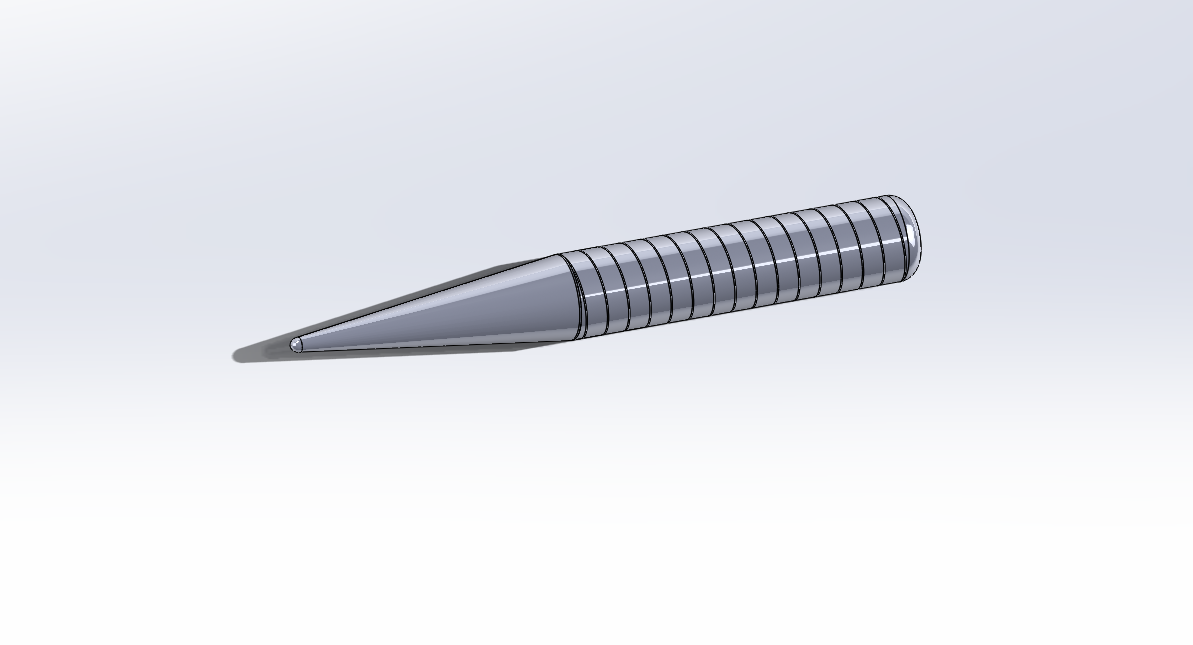
Wand exterior
-
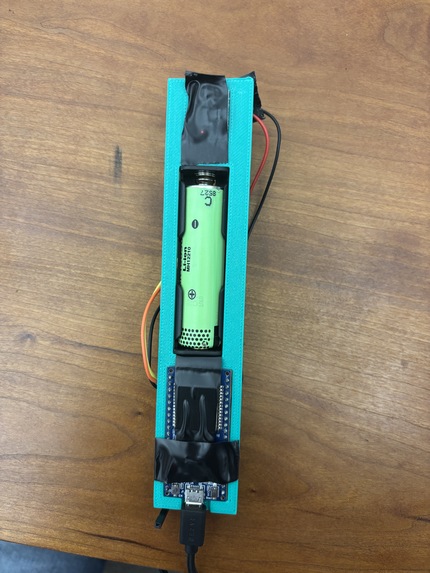
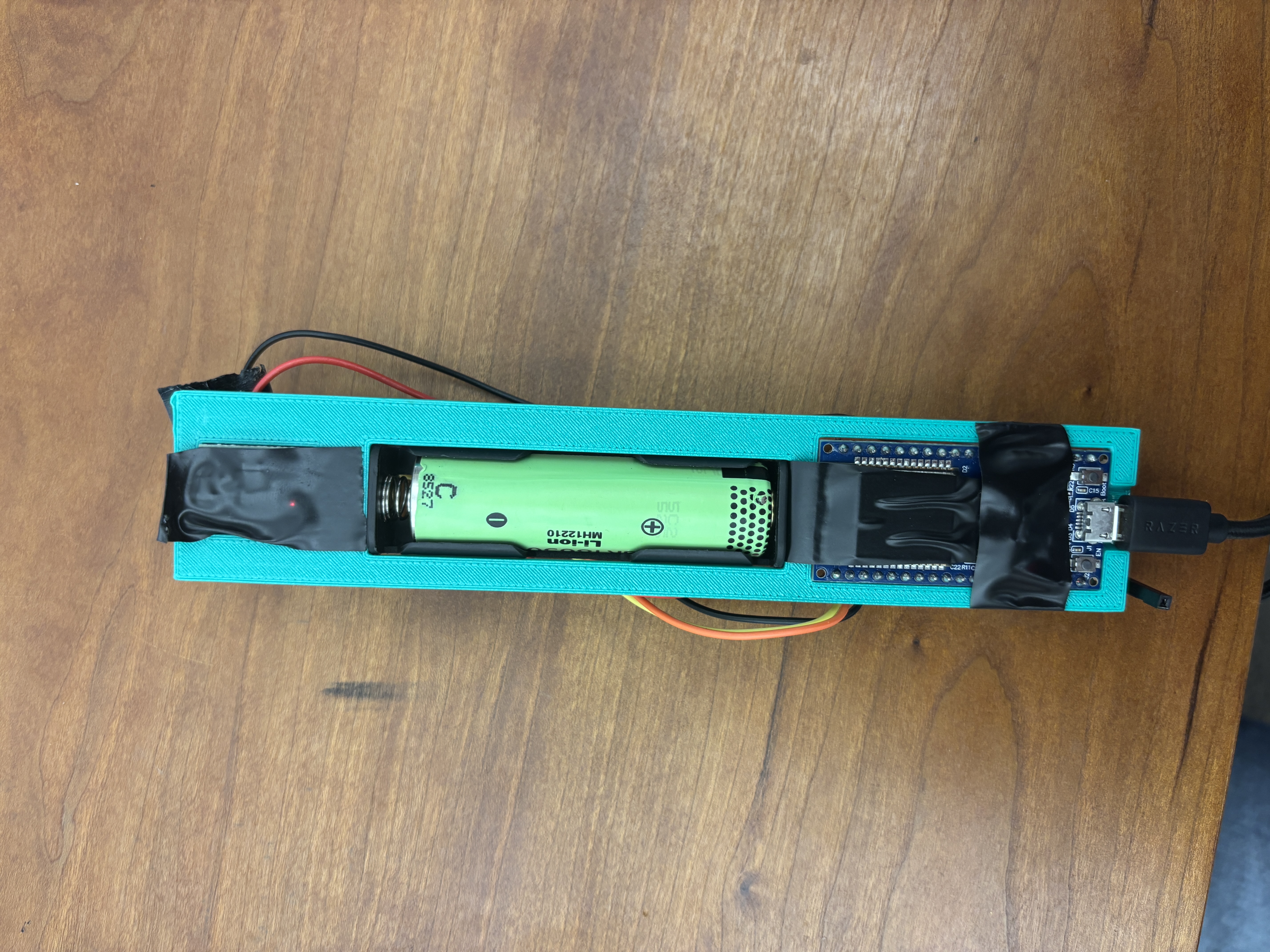
Wand interior: ESP32, IMU Sensor, 1860 Battery Cell
-
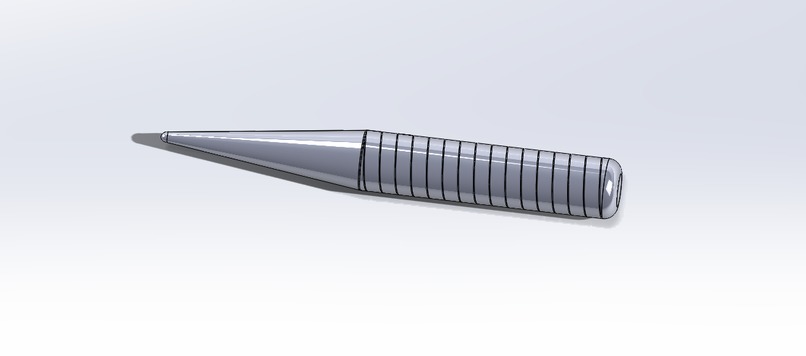
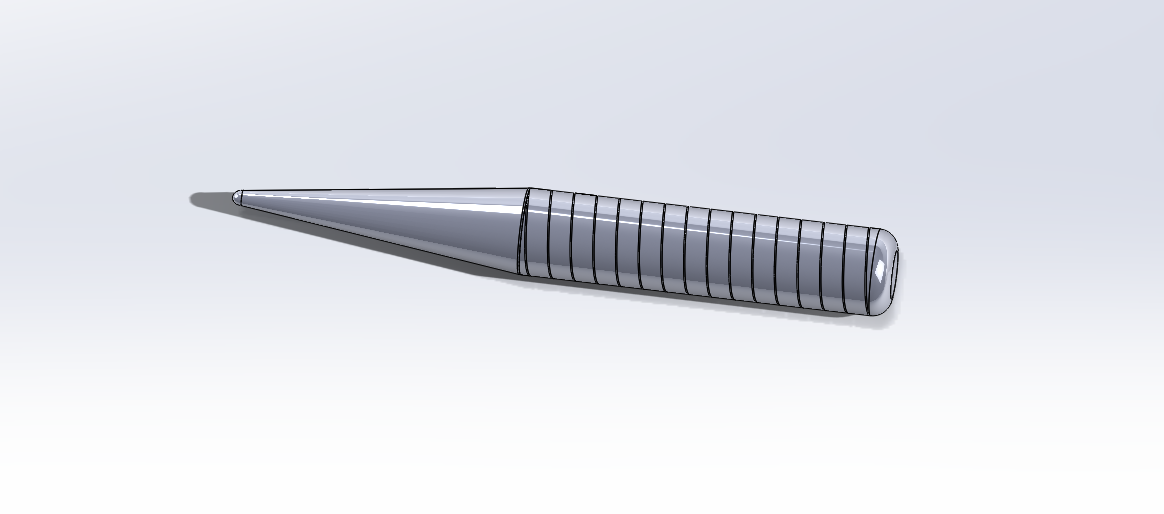
Wand CAD
-
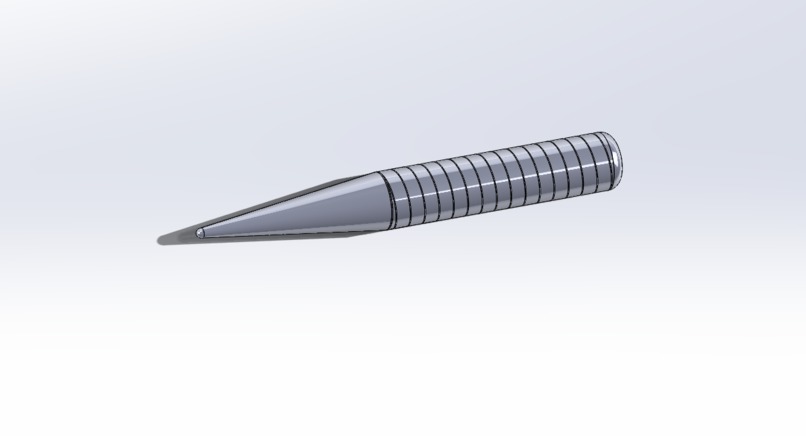
Wand CAD 2
-
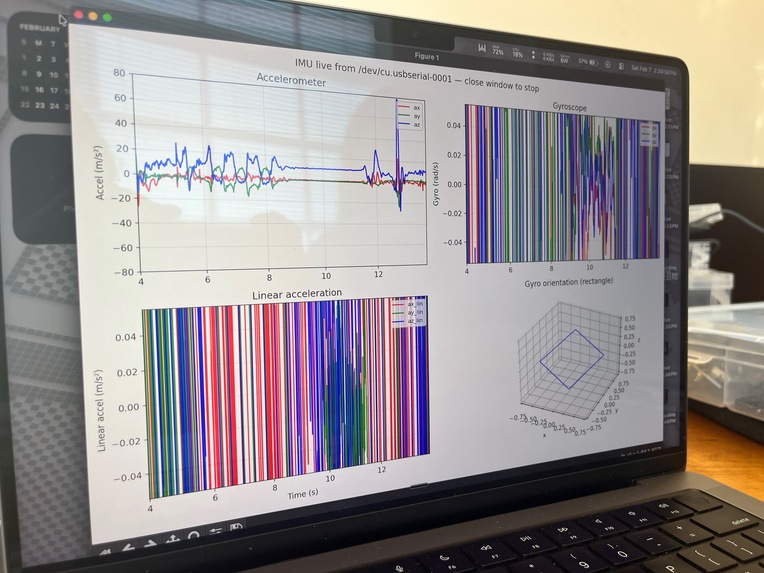
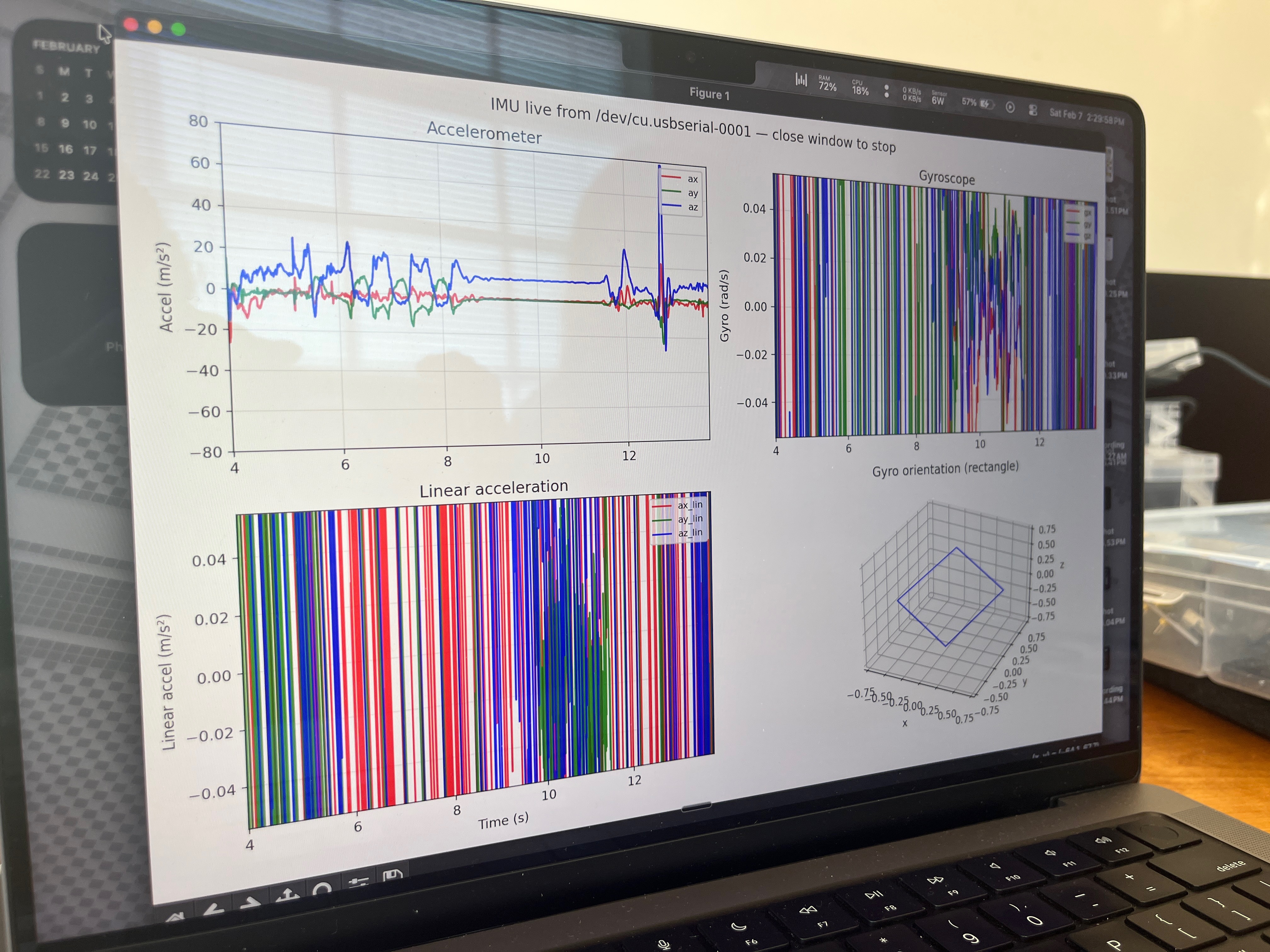
IMU live data read
-
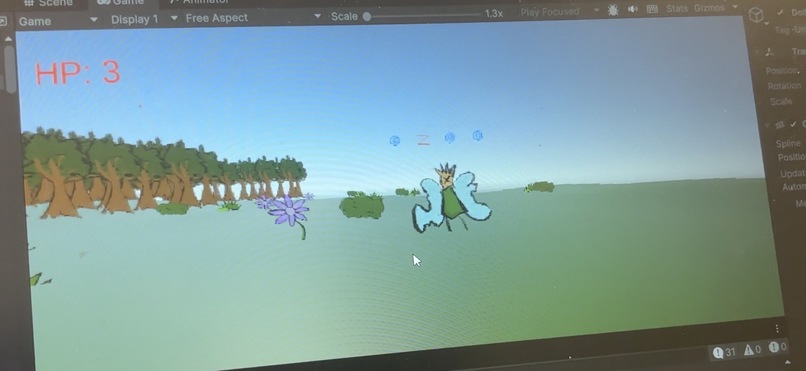
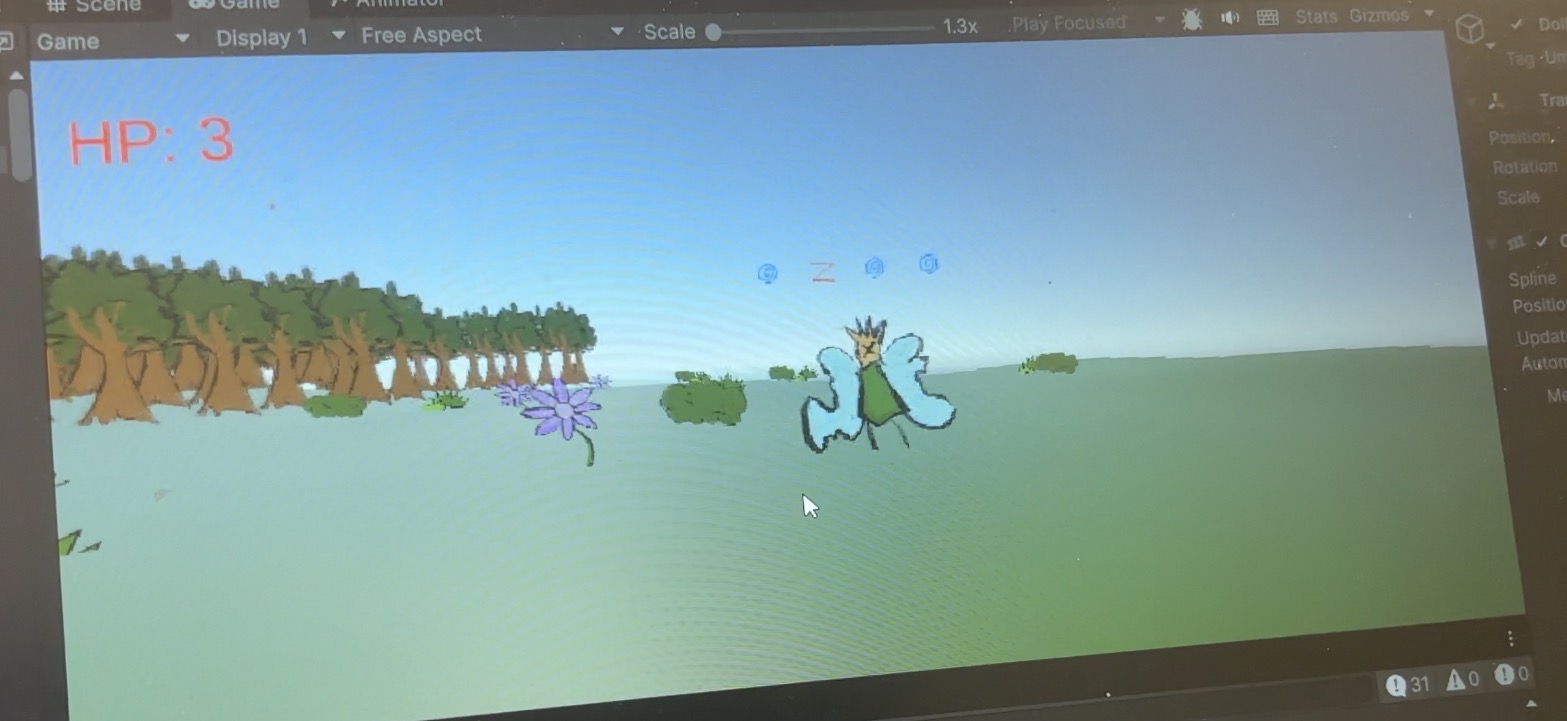
Gameplay Screen Capture
-
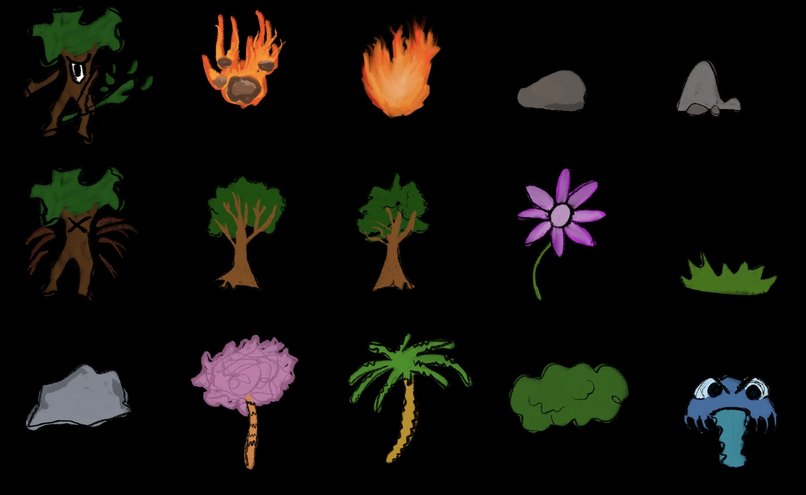
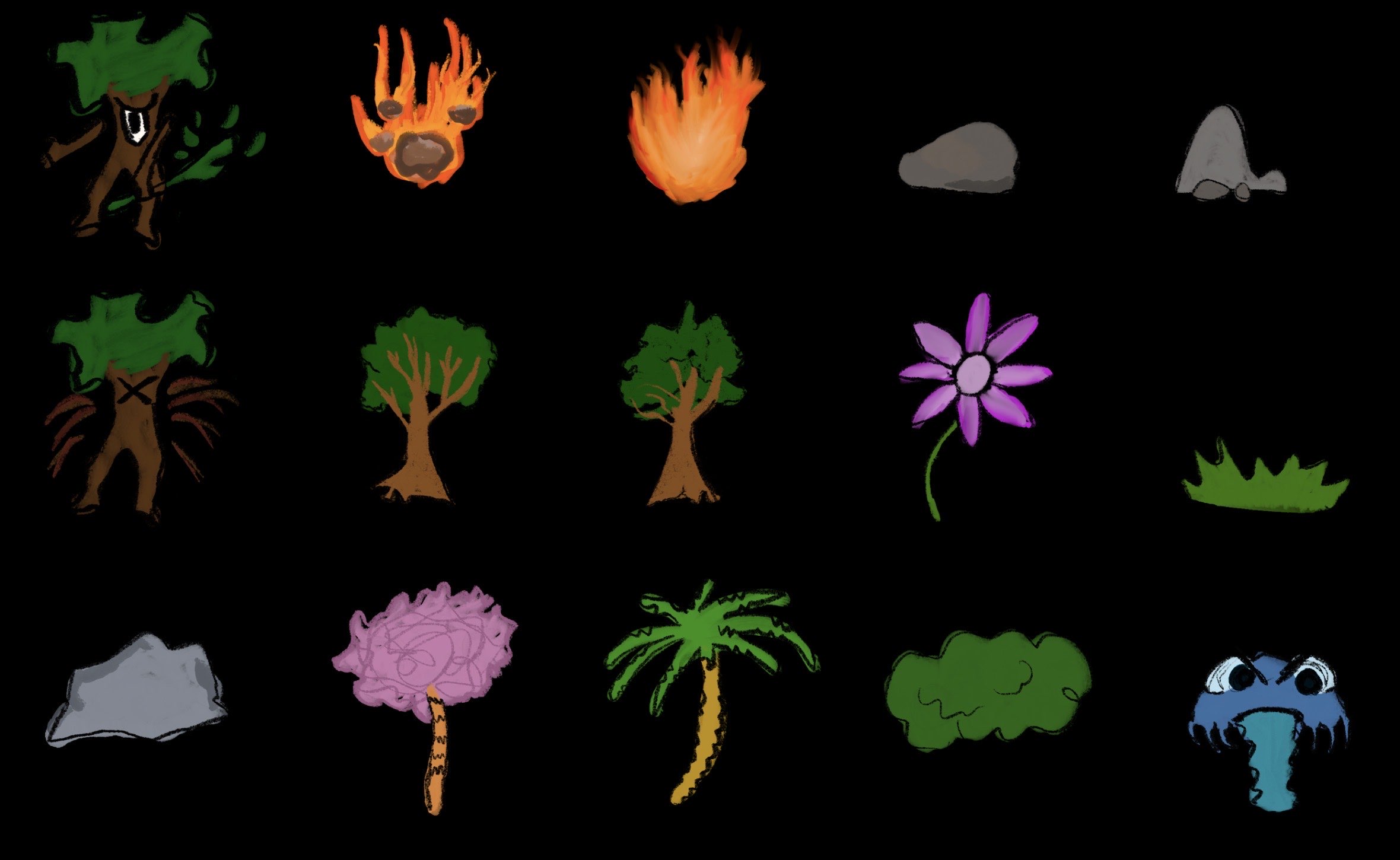
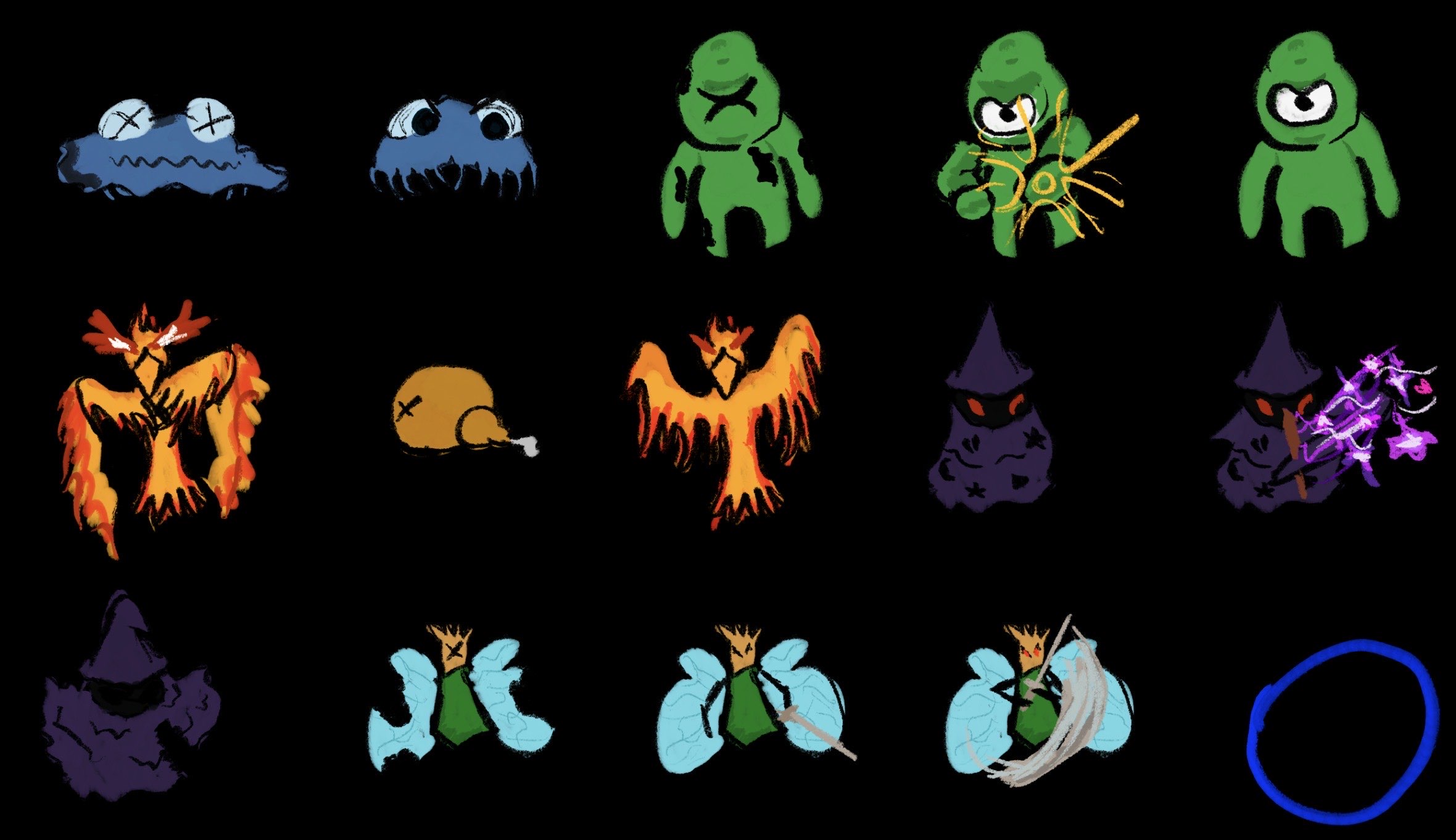
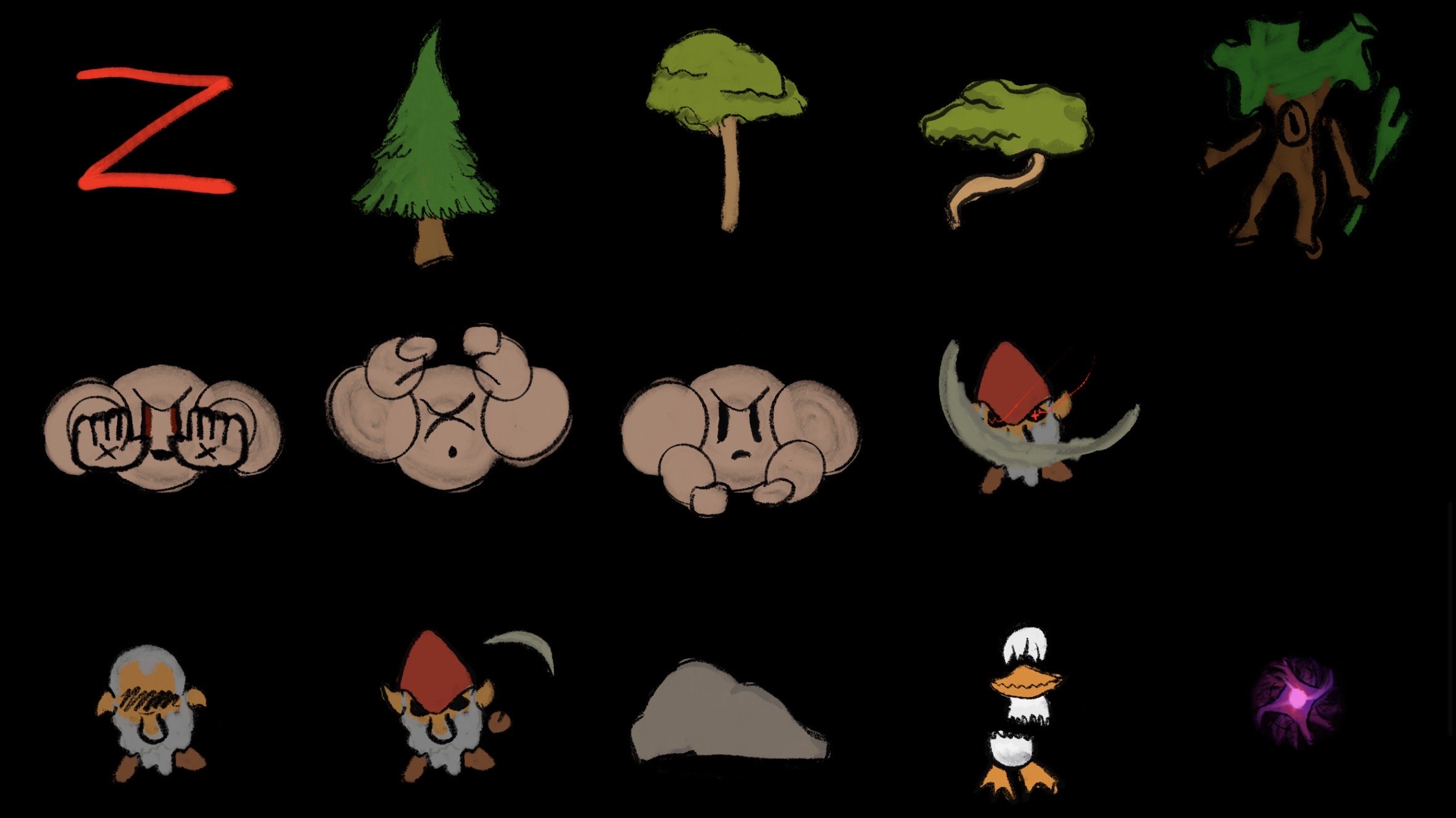
Game Objects 1-15
-
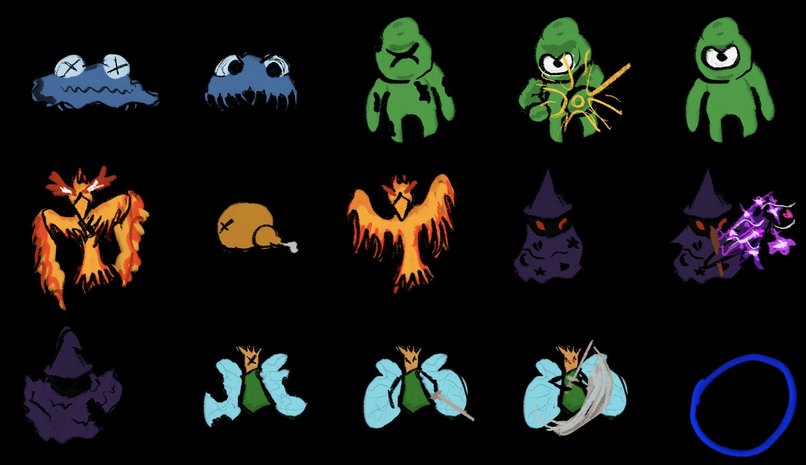
Game Objects 16-30
-
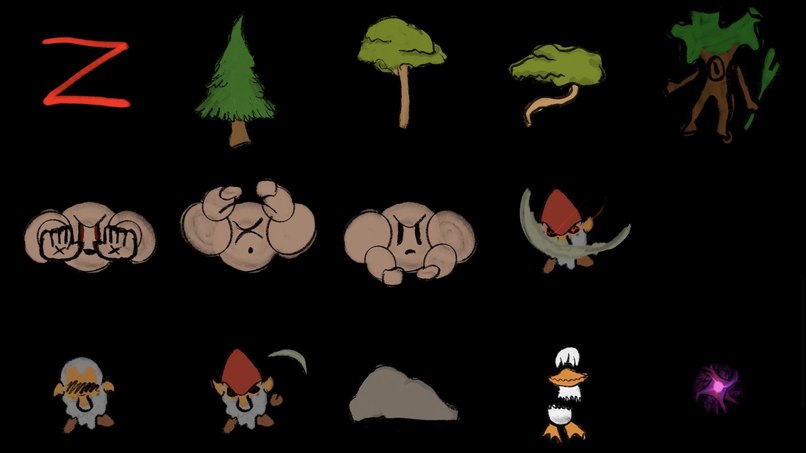
Game Objects 31-45
-

Game Objects 46-47


Inspiration
We wanted to push beyond traditional controllers and create a game where the player physically feels like part of the world. Inspired by arcade shooters like House of the Dead and spell-casting mechanics such as the Google Halloween Doodle, we imagined a magical experience where gestures replace buttons. We wanted to create it so that casting spells felt as natural as waving a wand?
What it does
Wander is a 3D arcade-style magical game where players eliminate enemies by drawing spells in the air. Using a custom-built, wireless wand, players perform gesture-based patterns that the game recognizes as spells. Each correct spell defeats targets in the environment, creating an immersive and interactive gameplay experience that blends motion, magic, and fast-paced action.
How we built it
We designed and CADed and 3D printed a Wand to house our electronics. Inside the wand is an ESP32 connected to an IMU sensor, which continuously collects motion data. That data is transmitted wirelessly and interpreted to recognize specific gesture patterns.
The game itself was built entirely in Unity as a 3D experience. Gesture data from the wand is processed and compared against learned movement patterns, similar to how the Google Halloween game recognizes drawn shapes. Every sprite, prop, and visual asset in the game was hand-drawn by a team member, and we also created a full 3D landscape for the world the game takes place in.
Challenges we ran into
One of our biggest challenges was learning game development from scratch—none of us had prior experience with Unity or game design. Building a reliable classification model was a major challenge for us because the dataset we collected was very small, and inference had to run on an ESP32, which significantly limits performance—so we used TensorFlow and converted the model to a TensorFlow Lite Micro model to deploy it on the device.
On the hardware side, CADing around real electronics required careful planning, and making the wand fully wireless introduced constraints that limited the number of spells we could reliably recognize. Balancing hardware, software, and gameplay—all within a 36 hour timeframe—was a constant challenge.
Accomplishments that we're proud of
We’re incredibly proud that we built a fully functional 3D game with a custom interactive controller in such a short time. Overcoming every obstacle was a huge win for our team. Seeing the wand, the game, and the spell system all come together into a cohesive experience was especially rewarding.
What we learned
Throughout this project, we gained hands-on experience with circuits, electronics, IMU data processing, CAD, 3D printing, wireless communication, and game development. Beyond technical skills, we learned how to design game mechanics, create a game story, plan features under time pressure, and collaborate effectively as a team.
What's next for Wander
For Wander, we wish to implement deeper immersion. We plan to improve gesture recognition, expand the number of spells, refine gameplay mechanics, and enhance the connection between the player and the game world. Long-term, we want to push the wand’s capabilities even further and turn Wander into a truly magical, next-level interactive experience.


Log in or sign up for Devpost to join the conversation.