Inspiration
I love designing puzzle games that challenge players to think critically. With this project, I set out to merge puzzle mechanics with tactile action. The spark for this idea came from an unexpected moment: watching my kid arrange toothpicks into all kinds of shapes on the kitchen table. Looking at those little sticks, I suddenly saw them as obstacles for a ball. I started sketching out combinations, tracing imagined trajectories with my finger, and immediately rushed to my computer to bring the game to life.
What it does
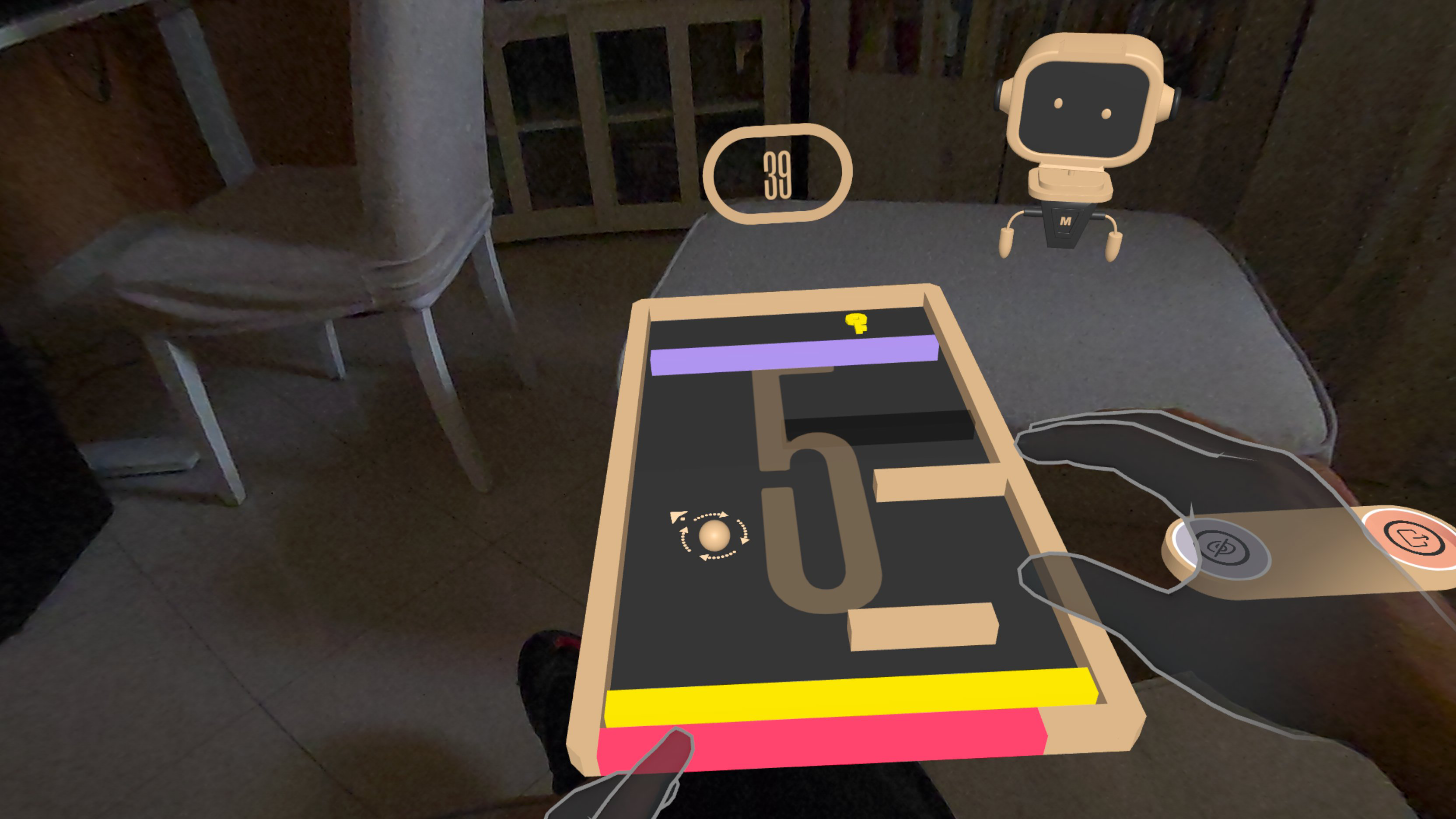
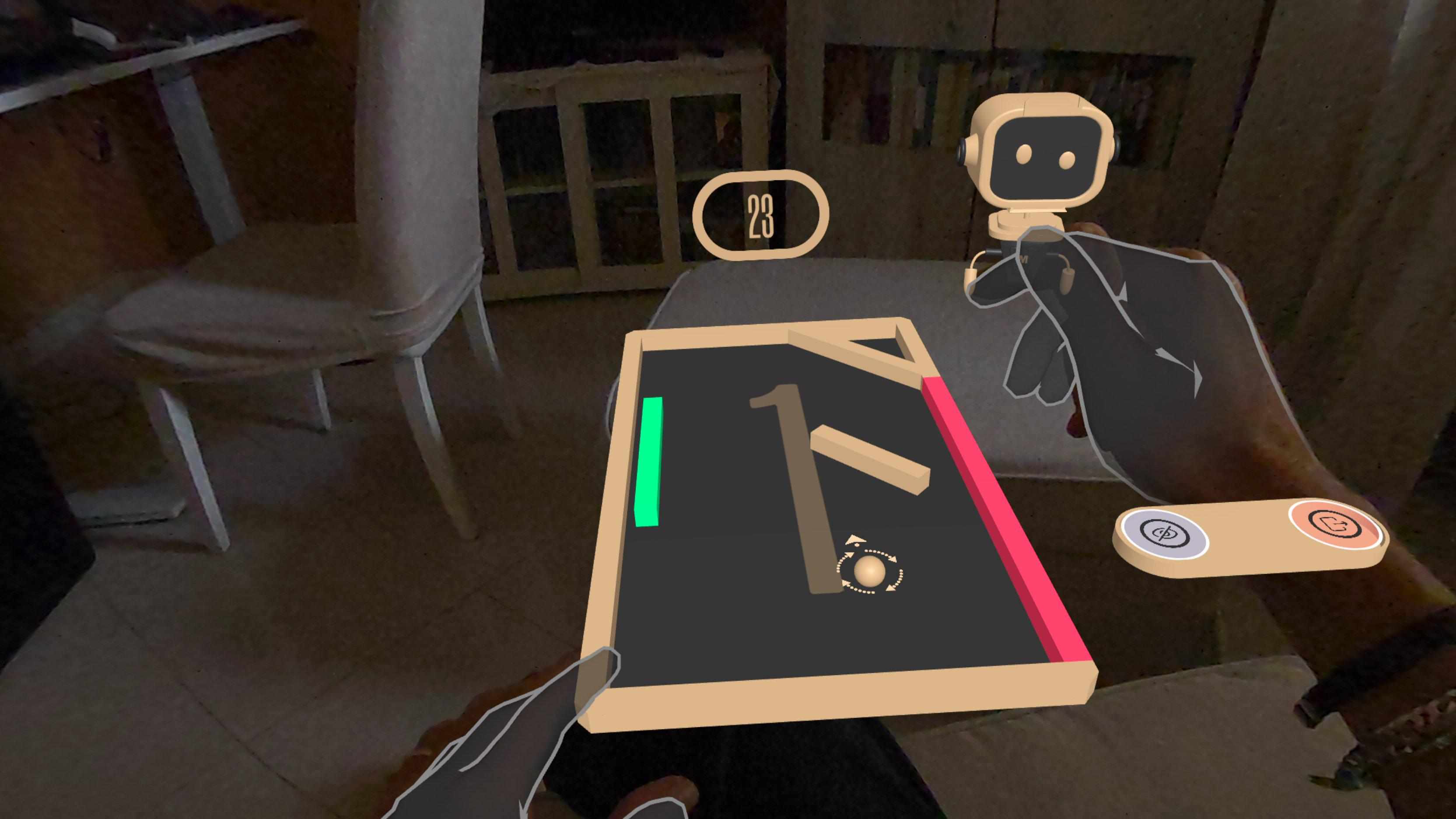
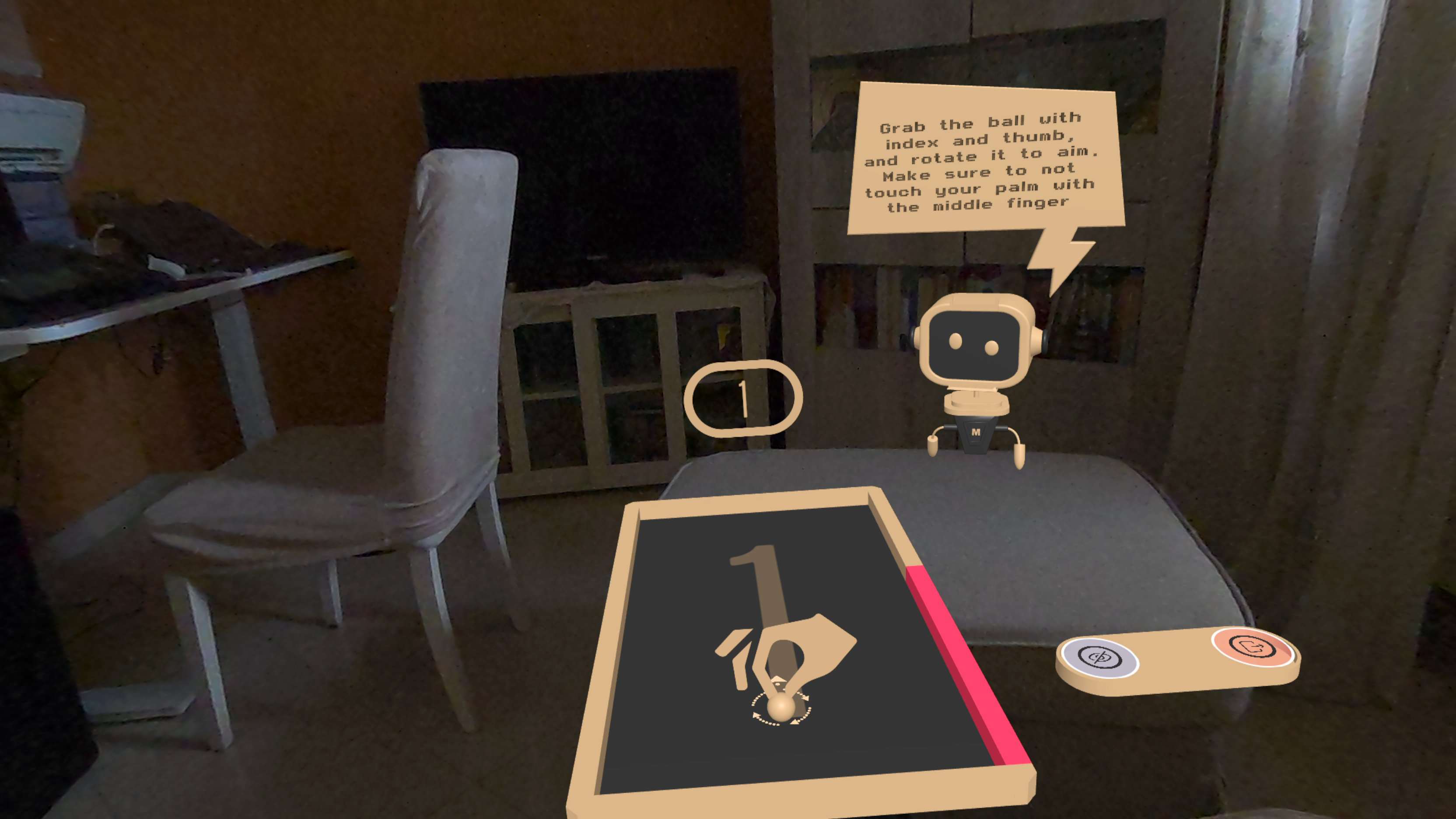
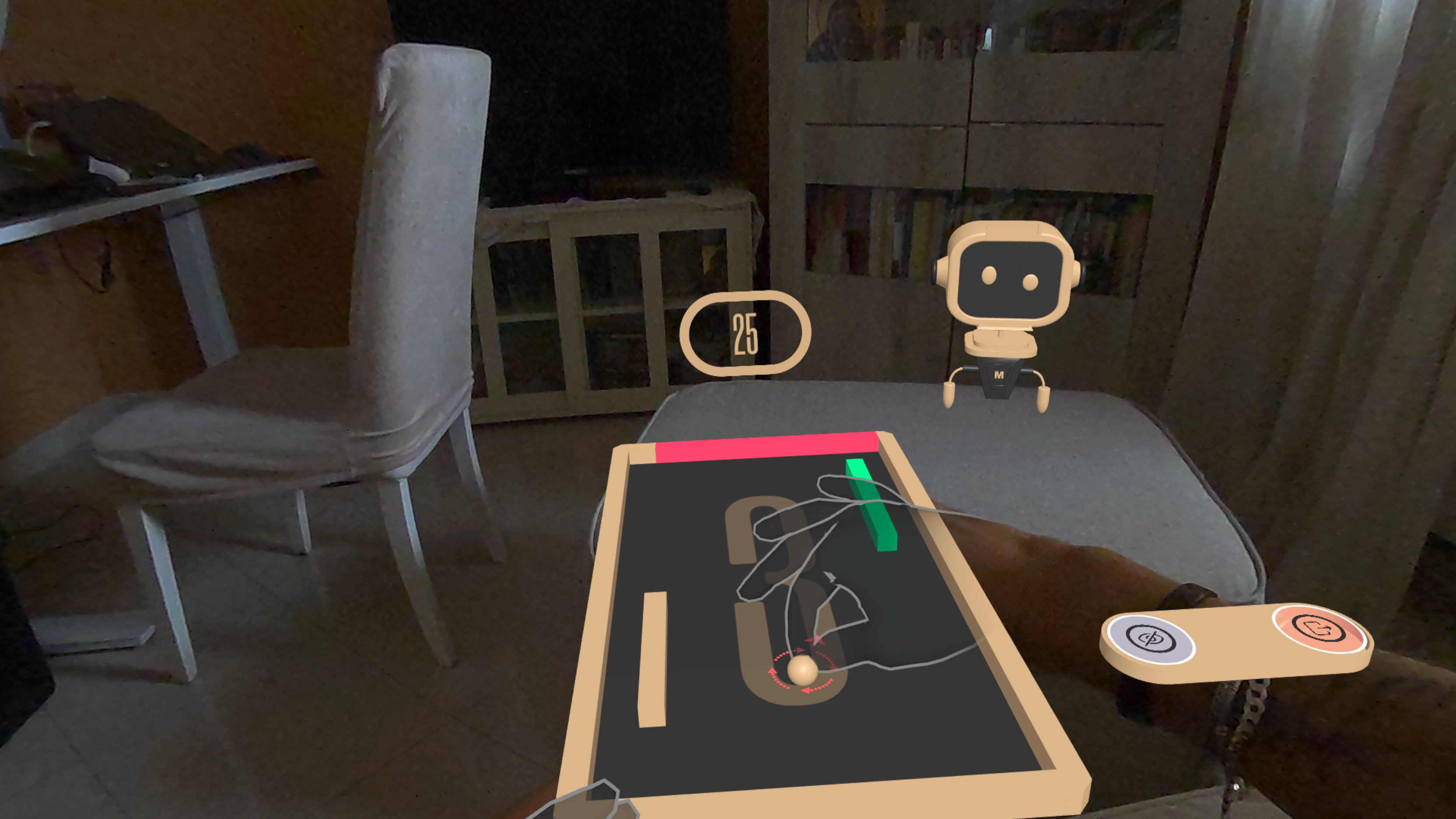
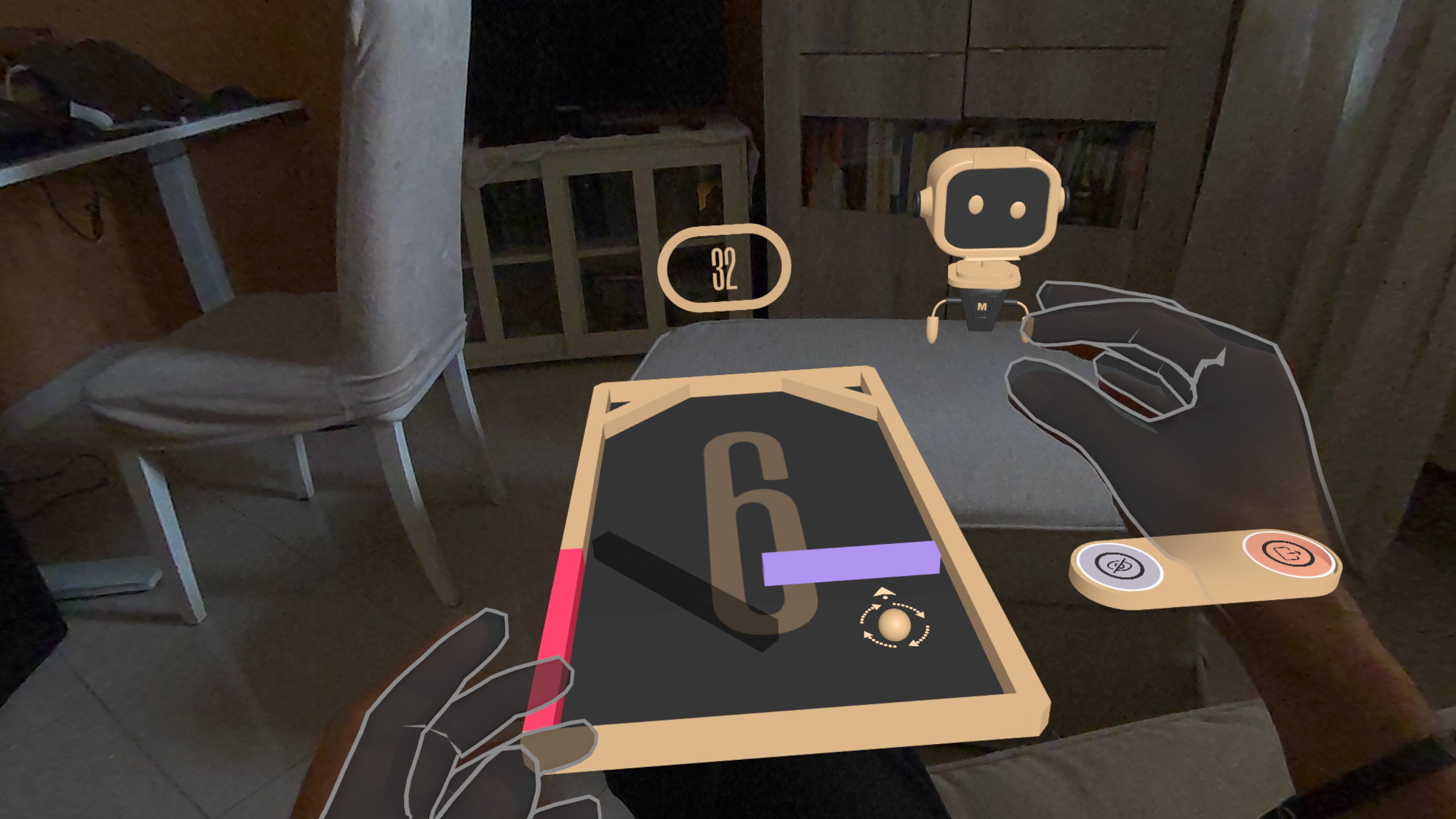
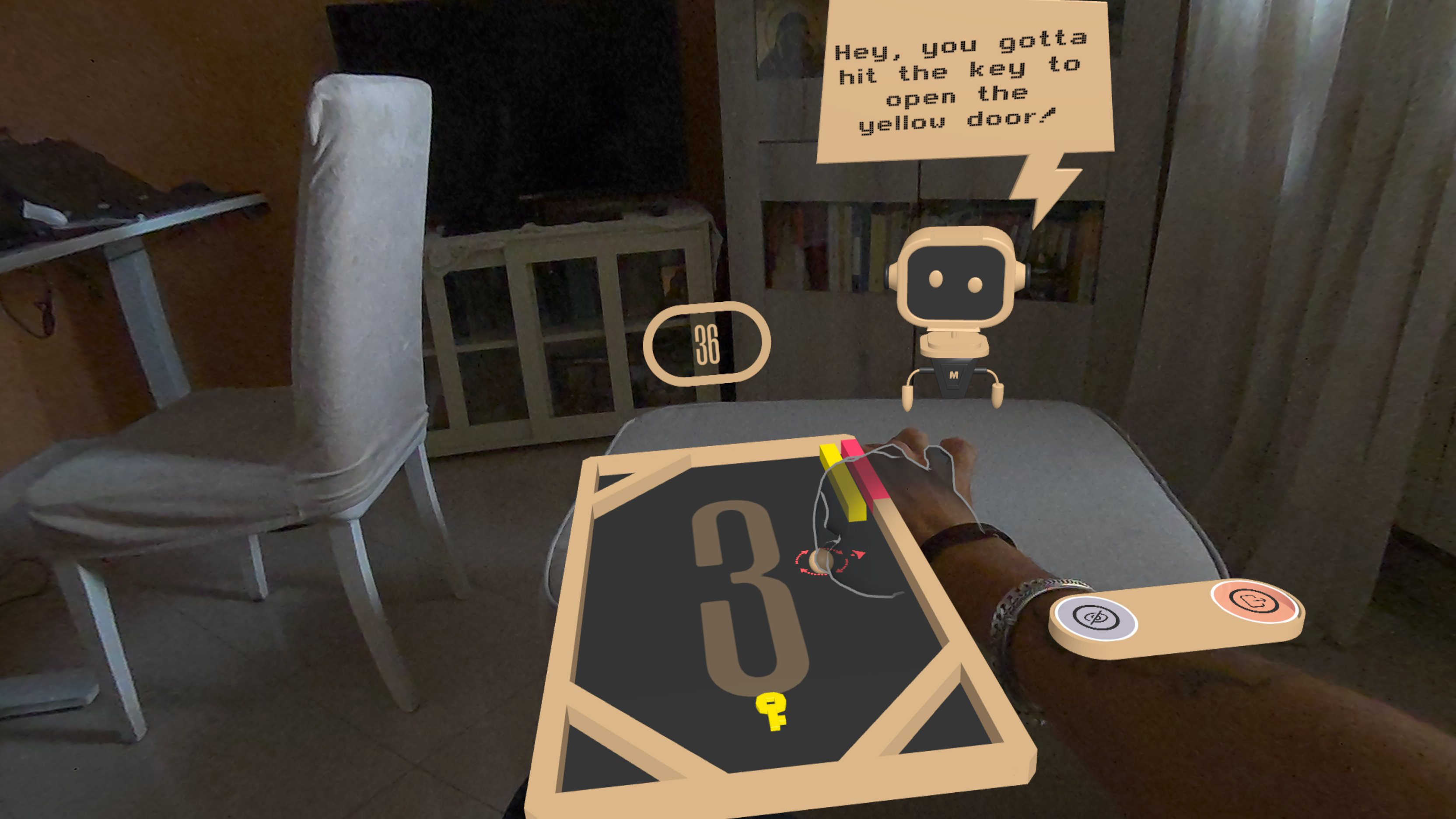
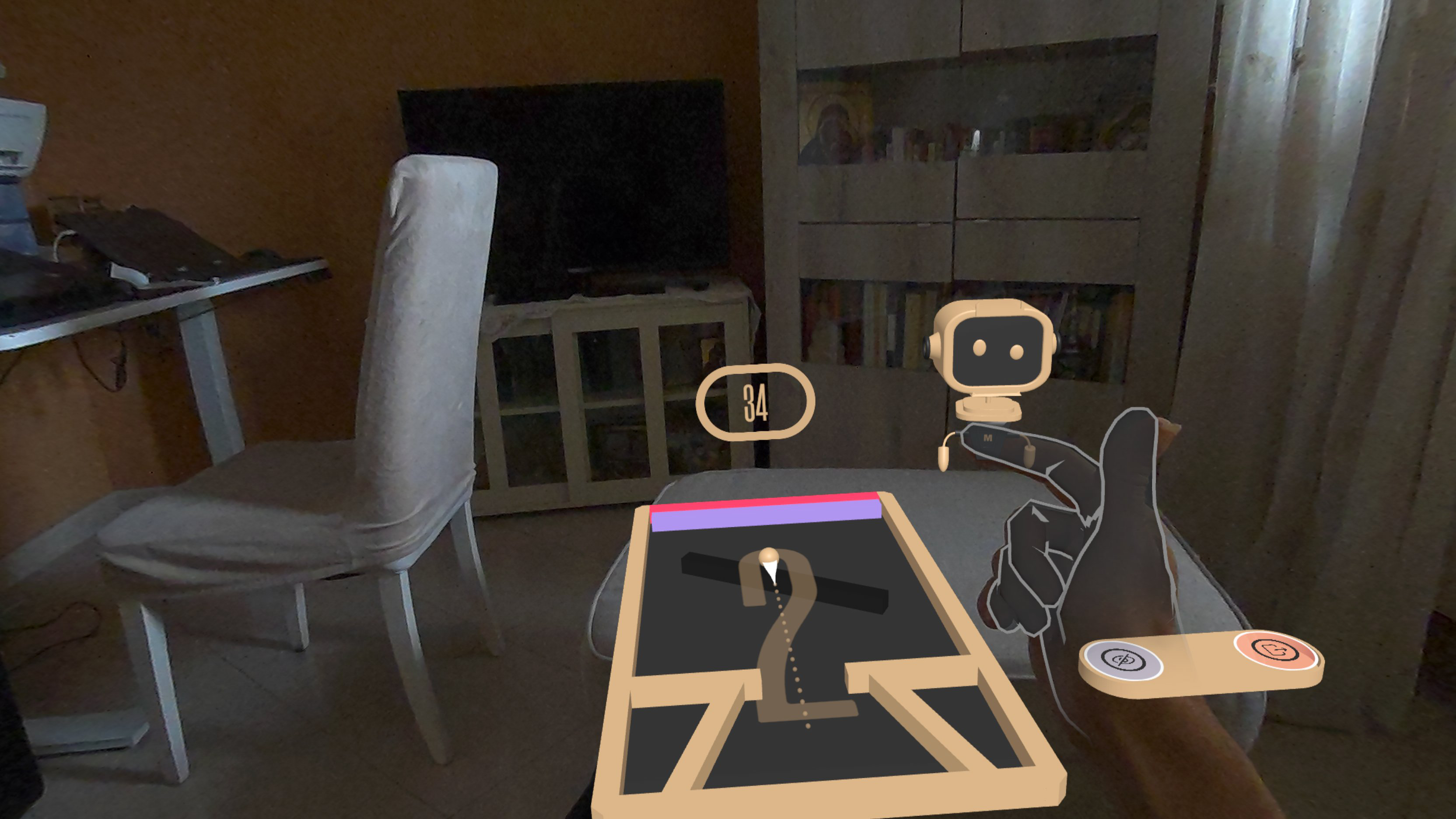
The gameplay is simple to pick up: rotate the ball to aim, then snap your finger to launch it . Your goal is to reach the exit, but there's a catch— the ball must bounce off the walls an exact number of times to drop the final barrier. One bounce too few, and the exit stays locked; one bounce too many, and it's game over! Success comes down to calculating precise trajectories. To keep things challenging, you'll encounter moving and disappearing walls, rotatable tiles, and mysterious ghost walls.
How I built it
Developing this game solo in just one month was definitely a wild ride. Working late into the night with Unity and Blender, I created a wide variety of levels and mechanics. To refine the gameplay, I had my older son playtest the levels along the way to ensure the puzzles hit the sweet spot.
Challenges I ran into
Because the ball relies entirely on pure physics rather than code-driven movement, getting it to behave correctly was my first major challenge. Also, balancing a steady ramp-up in difficulty took a ton of trial and error —developing for VR is a whole different beast compared to standard flat-screen games.
What I'm proud of
Building 50 pure physics levels in just one month was quite a ride — especially while keeping the low-poly aesthetic sharp and running any possible gameplay test. But the result is something I'm truly proud of: the game is fully playable by hands, requiring zero controllers. I produced the entire trailer, code, and graphics completely on my own. While there's always room to expand with new levels and challenges, this build runs seamlessly. I treated this challenge with the rigor of a real, commercial product from day one rather than just a quick hackathon prototype.
What I learned
Developing pure physics mechanics involved plenty of trial and error, careful code iteration, and a good amount of research to get everything feeling just right. I've also become more familiar with the Meta Quest SDK, which is a very useful tool to build VR games in Unity.
What's next for Spherax
A few people playtested the game before I submitted it to the hackathon, and they were hooked right from level one! At 50, I still fondly remember playing with real glass marbles on wooden boards full of holes when I was a kid. That nostalgia drives me to keep going—I’d love to add new obstacles, fresh challenges, and maybe even a custom level editor so players can build their own stages.


Log in or sign up for Devpost to join the conversation.