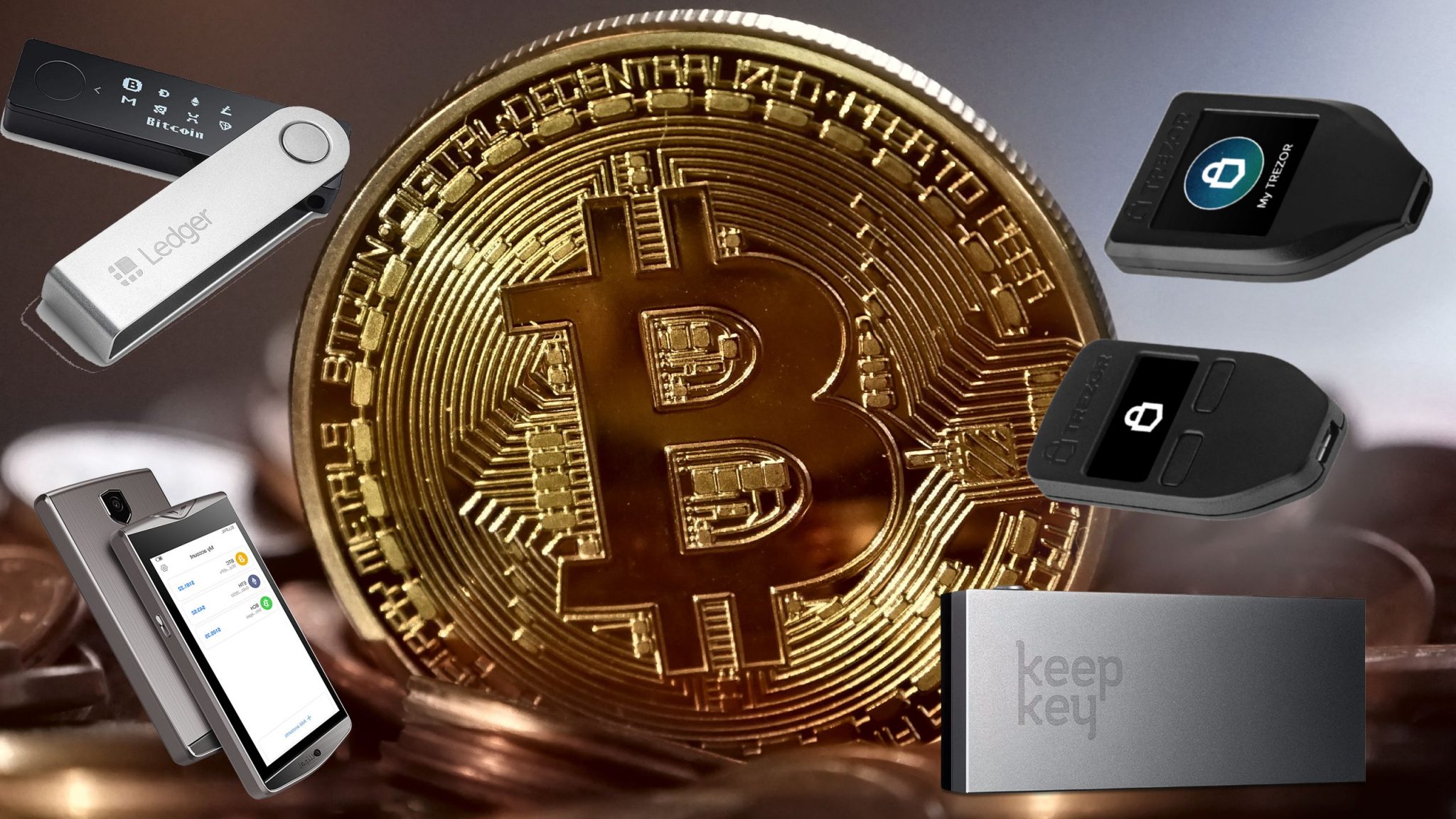
What Does A Cryptocurrency Wallet Entail?
A cryptocurrency wallet is a software program designed to securely store, manage and transfer digital currencies. It provides a secure digital location to store private and public keys, which are used to receive, send and store digital currencies like Bitcoin, Ethereum, and others. These wallets interact with various blockchain networks to enable users to securely send and receive transactions, track their balance, and manage their digital assets. They come in various forms including desktop, mobile, hardware, and web-based wallets, each offering varying levels of security and convenience. Choosing a suitable wallet depends on the user's needs, such as the type and number of cryptocurrencies they hold, the frequency of transactions, and the level of security they require.
Types of Crypto Wallets
There are several types of cryptocurrency wallets, including:
Desktop Wallets: These are software programs that can be downloaded and installed on a desktop computer. They offer a higher level of security and control over funds, but are more susceptible to hacking if the computer is not properly secured.
Mobile Wallets: These are smartphone applications that allow users to access and manage their digital assets on-the-go. They are convenient but may not offer the same level of security as desktop or hardware wallets.
Hardware Wallets: These are physical devices designed to store digital currencies offline. They provide an added layer of security, as the private keys are stored on the device and not vulnerable to hacking or malware.
Web-based Wallets: These are hosted on a remote server and accessible through a web browser. They are convenient, but may not offer the same level of security as other types of wallets, as the private keys are stored on the server and vulnerable to hacking or theft.
Paper Wallets: These are physical representations of a user's public and private keys, often printed on paper or generated as a QR code. They provide a high level of security, as the keys are stored offline and not connected to the internet, but are also more vulnerable to physical damage or loss.
A crypto cold wallet, also known as a cold storage wallet, is a type of cryptocurrency wallet that is not connected to the internet and stores the user's private keys offline. The purpose of cold storage is to provide an added layer of security, as the offline storage eliminates the risk of hacking or theft of digital assets. Cold wallets can come in the form of hardware wallets, paper wallets, or even USB drives. Cold wallets are typically used to store large amounts of digital assets for long periods of time, as they offer a secure and convenient way to protect digital assets from potential cyber threats.
What Drives the Development of Cryptocurrency Wallets?
The need for cryptocurrency wallet development arises from the increasing popularity and adoption of digital currencies. Cryptocurrency wallets provide a secure and convenient way for individuals and businesses to store, manage, and transfer digital assets. The following are some of the reasons why there is a need for cryptocurrency wallet development:
Increased Adoption of Digital Currencies: As more people use and invest in digital currencies, the demand for secure and user-friendly wallets continues to grow.
Need for Security: Cryptocurrency wallets protect users' private keys and digital assets from theft, hacking, and other cyber threats.
Convenience: Cryptocurrency wallets allow users to easily send, receive, and track their digital assets from anywhere in the world, making it easier to manage their investments.
Integration with Blockchain Technology: Cryptocurrency wallets provide seamless integration with blockchain technology, enabling users to access the benefits of blockchain-based transactions, such as fast and secure transactions.
Growing Demand for Decentralized Finance (DeFi) Applications: As the demand for decentralized finance (DeFi) applications grows, cryptocurrency wallets will play a crucial role in enabling users to access and participate in DeFi markets.
Overall, the development of cryptocurrency wallets is crucial to meet the growing demand for secure, convenient, and accessible solutions for managing digital assets.
What is the Process for Establishing a Cryptocurrency Wallet?
Creating a cryptocurrency wallet is a straightforward process that involves the following steps:
Choose a wallet type: Choose a type of wallet that fits your needs, such as a desktop, mobile, hardware, web-based, or paper wallet.
Download or Purchase the Wallet: For software wallets, download the wallet from the provider's website or through an app store. For hardware wallets, purchase the device from a reputable vendor.
Set up the Wallet: Follow the instructions provided by the wallet provider to set up the wallet, which may include creating a password, writing down a seed phrase, and confirming the setup process.
Fund the Wallet: Transfer digital currencies from an exchange or another wallet to the newly created wallet.
Secure the Wallet: Make sure to properly secure the wallet by setting up two-factor authentication, backing up the seed phrase, and storing the device or paper wallet in a secure location.
Start Using the Wallet: Use the wallet to send and receive digital currencies, track your balance, and manage your digital assets.
It's important to choose a reputable wallet provider and follow best practices for securing your digital assets. Additionally, it's always recommended to thoroughly research and compare different wallet options before making a final decision.
Critical Components to Consider When Designing a Cryptocurrency Wallet Application
When designing a cryptocurrency wallet application, it is important to consider the following key features to provide a secure, user-friendly, and functional experience for users:
Security: The wallet should have robust security features, such as encrypted private keys, two-factor authentication, and seed phrase backup options to protect users' digital assets.
User-friendly Interface: The wallet should have a simple and intuitive interface that makes it easy for users to manage their digital assets.
Multiple Coin Support: The wallet should support multiple digital currencies to provide users with greater flexibility in managing their investments.
Easy Transfers: The wallet should allow users to easily send and receive digital currencies with minimal fees and fast transaction times.
Real-time Price Updates: The wallet should provide real-time price updates for the digital currencies supported to help users track the value of their investments.
Integration with Decentralized Finance (DeFi) Applications: The wallet should have seamless integration with decentralized finance (DeFi) applications to enable users to access and participate in DeFi markets.
Customer Support: The wallet provider should have a dedicated customer support team available to assist users with any questions or issues they may encounter.
By including these key features in a cryptocurrency wallet application, users can have peace of mind knowing their digital assets are secure and easily accessible.
Built With
- cryptocurrency

Log in or sign up for Devpost to join the conversation.