
Inspiration
As fellow students currently attending UC Berkeley, we often are put into situations of potential danger or harm when walking back from class late at night or attending a fun party. We face over 200 "WarnMe" emails sent to students each semester, signaling prevalent safety concerns. As well as, considering that UC Berkeley ranks in the top 10% of universities with safety concerns nationally its no wonder that over 40% of students resort to carrying pepper spray, sirens, and other self-defense tools for peace of mind. 60% of students hesitate to call friends late at night for company, fearing they might disturb them.
What it does
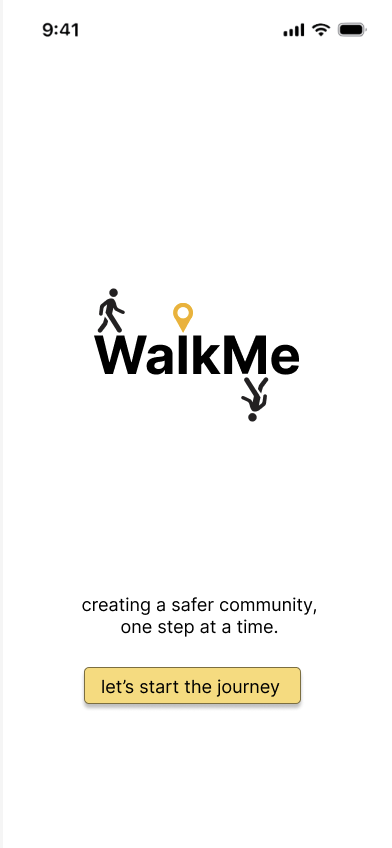
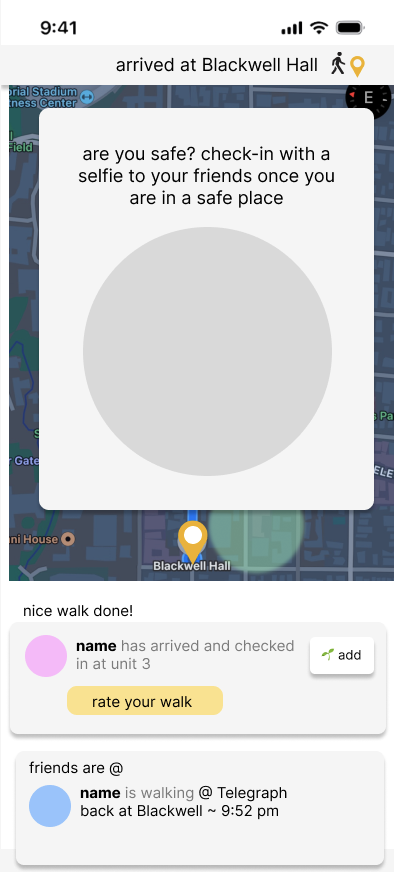
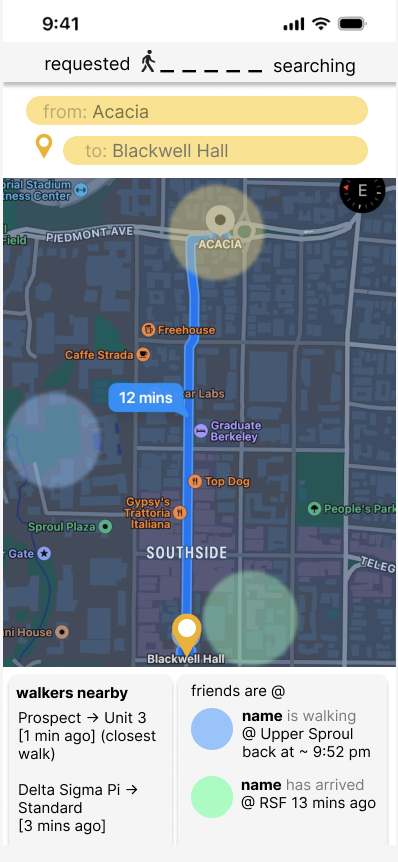
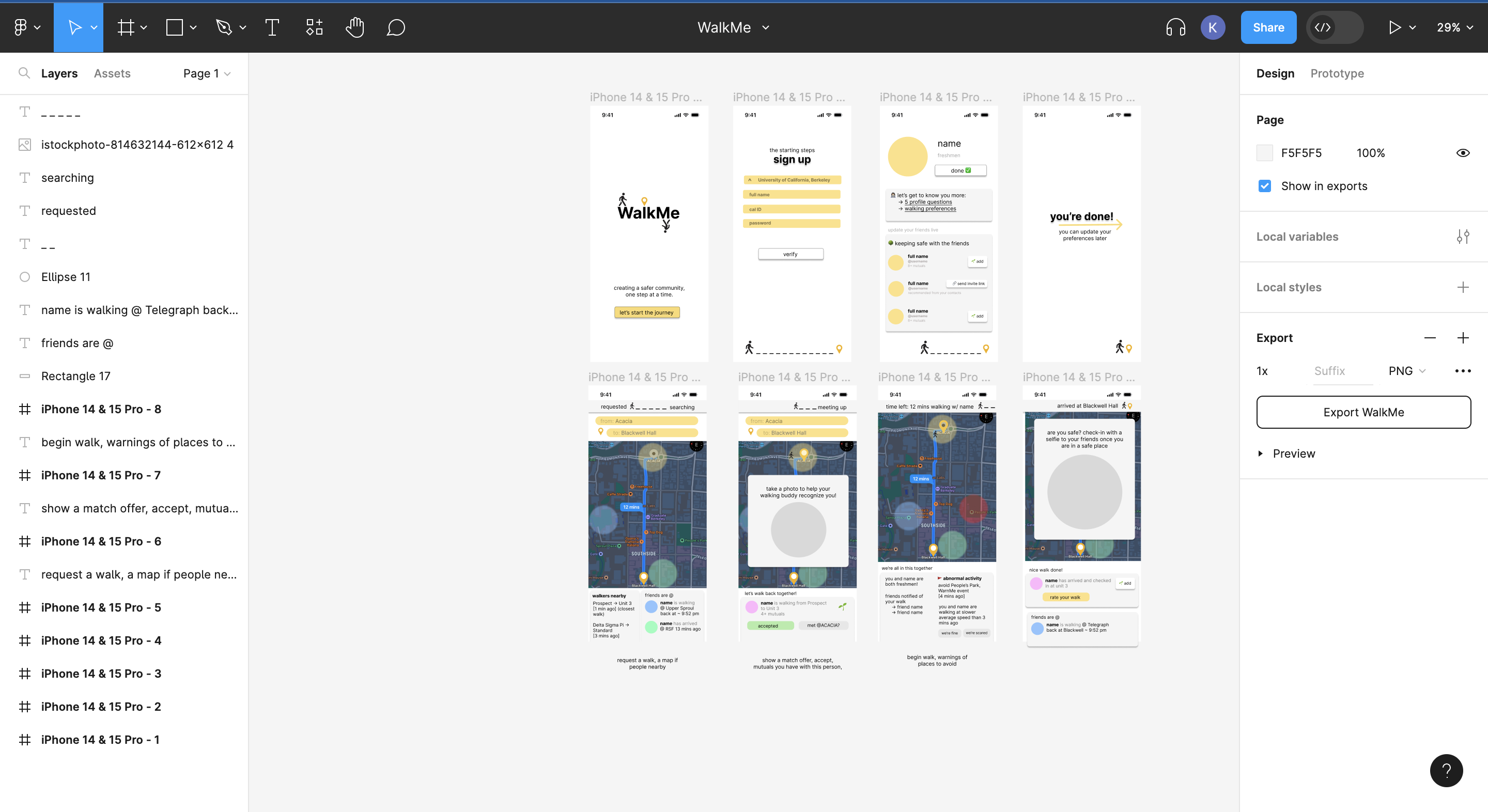
We've crafted a solution tailored to the unique needs of our UC Berkeley community. A platform where real-time matching connects students instantly, not just based on proximity or destination or where they're headed, but also on shared interests and mutual friends. This isn't just an app; it's a verified community. Every user undergoes a mandatory student ID verification, ensuring that the connections made are genuine and exclusive to our campus.
How we built it
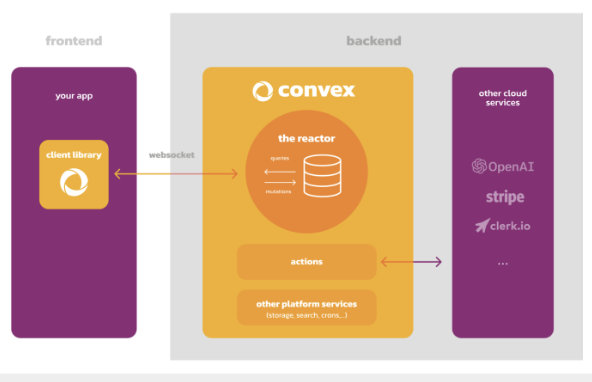
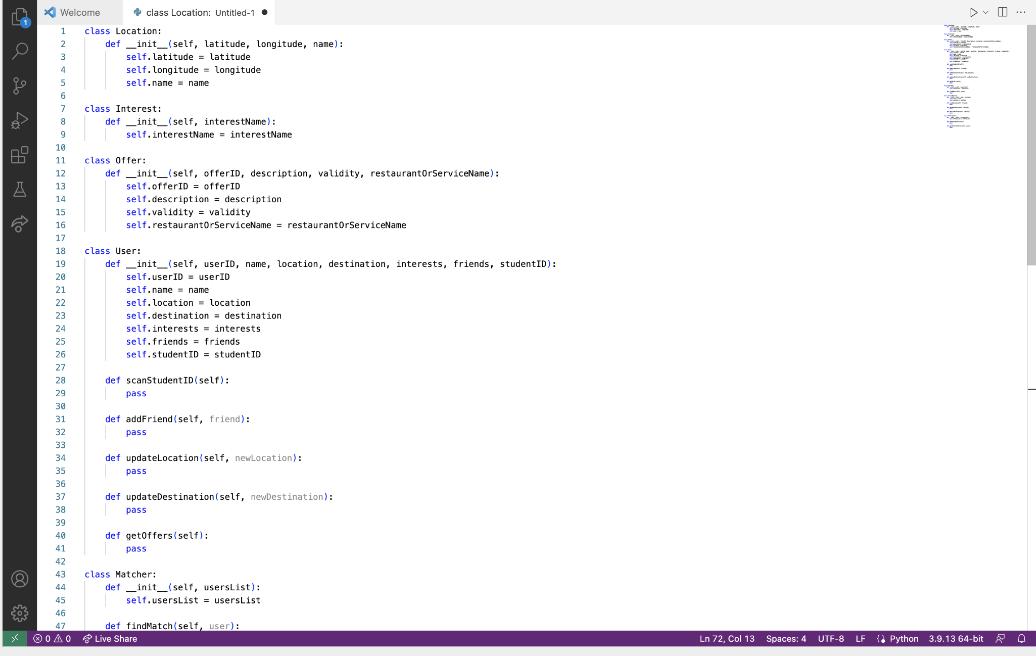
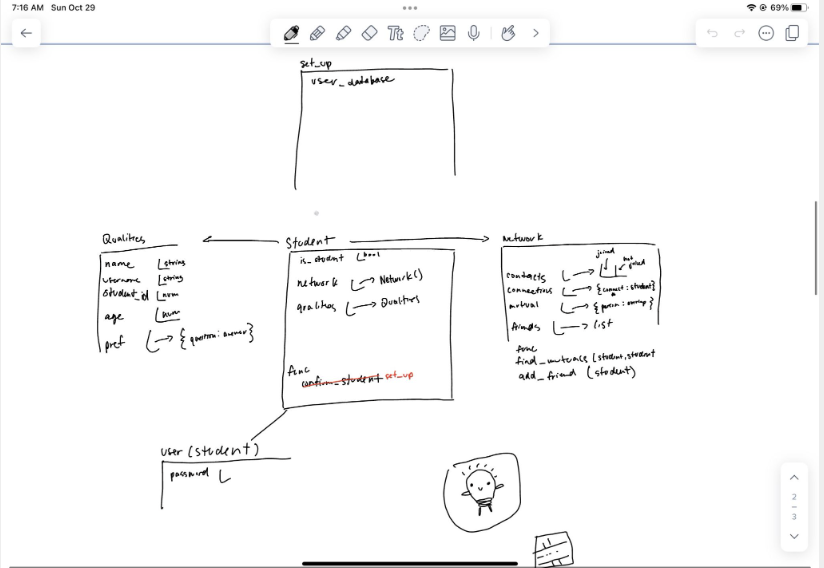
As a team of beginner-level hackers, we started off with the objected oriented knowledge we learned from UC Berkeley courses such as CS 61A. We wrote some skeleton python code in visual studio code, where we We drew diagrams and found the relationships between different objects in our backend. Through Convex’s built-in database, we planned our design through constructing our database schema in typescript and server functions in javascript. Thus, our server-side database queries would automatically cache and subscribe to data, powering a real-time useQuery hook in Convex’s Python client.
Challenges we ran into
The complexity of our idea made it hard to incorporate full stack development technologies in a short timeframe. Additionally, we had to learn new programming languages and techniques in order to implement our solution as well.
Accomplishments that we're proud of
We are most proud of our idea, which solves a problem that UC Berkeley students face everyday. However, we are also proud of our proof of concept and our structure for future plans. Lastly, we are proud of the memories, connections/friends, and learning experiences we gained here at Cal Hacks.
What we learned
Within the realms of our own project, we learned how to implement full stack development technologies with backend database servers. We learned new programming languages and techniques, including Convex, Javascript, Cockroach DB, Flutter, and Figma. Additionally, we learned more about the ideation process and how to collectively create a solution that aligns with the vision of a team. From the Cal Hacks itself, we learned more about all the sponsors and their company visions, while also grasping extensive knowledge through the seminars and workshops.
What's next for WalkMe
Integrating UC Berkeley's "BearWalk" with the "Warn Me" email system offers a promising avenue to significantly enhance student safety. Imagine, each time a "Warn Me" email is dispatched, the BearWalk app immediately extracts the location and nature of the warning. This data then color-codes the app's map, with areas of recent incidents highlighted in red, potential concerns in yellow, and safe or patrolled zones in green. This dynamic system not only visually informs students of high-risk areas but also suggests alternative, safer routes for their journey.
Furthermore, if a student happens to be near a high-risk zone and requests a BearWalk companion, the system can give their request priority, ensuring they receive assistance promptly. This integration ensures that the BearWalk companion is also well-informed of risk zones, guiding students through the safest possible routes.
Built With
- cockroachdb
- convex
- figma
- flutter
- javascript
- python

Log in or sign up for Devpost to join the conversation.