-
-
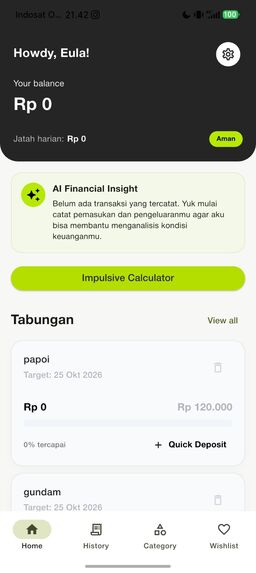
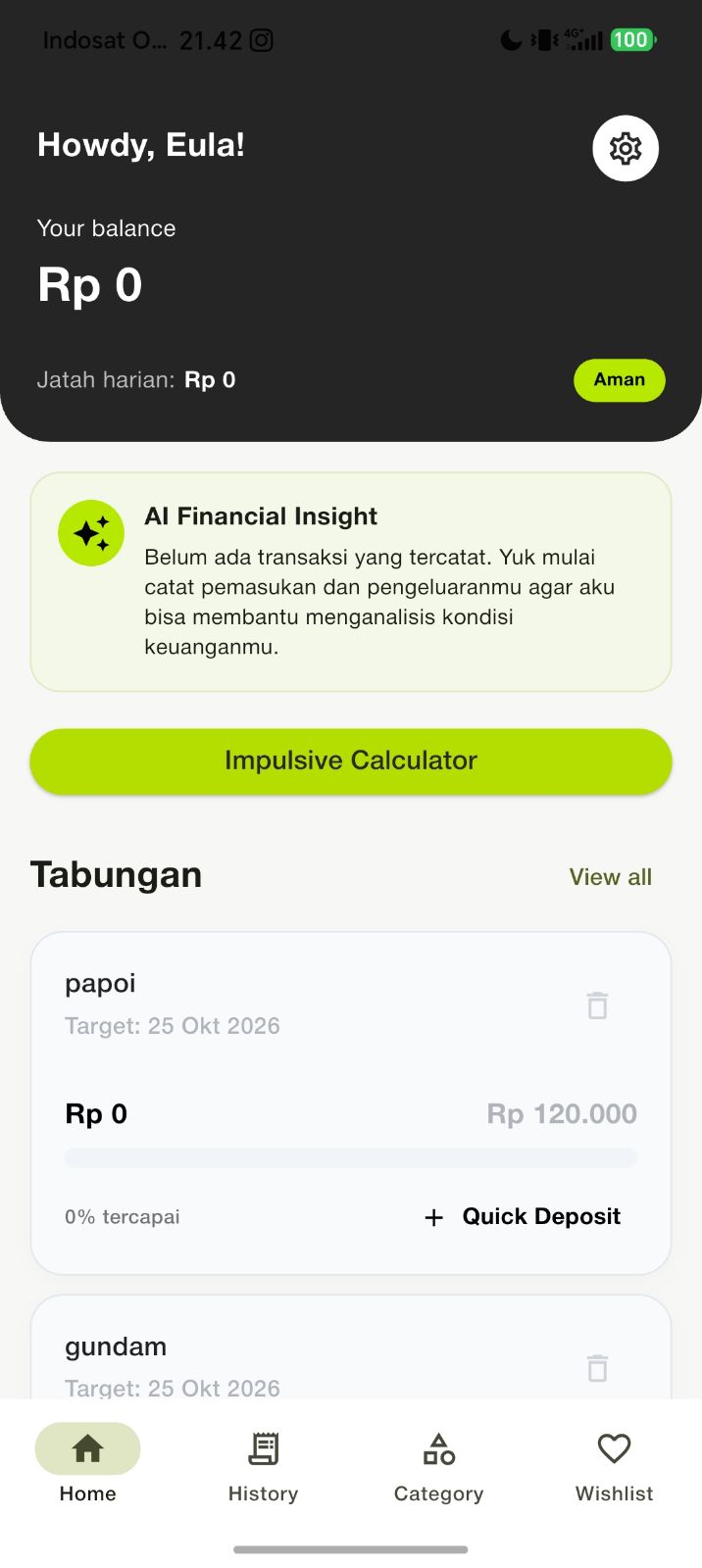
Home screen
-
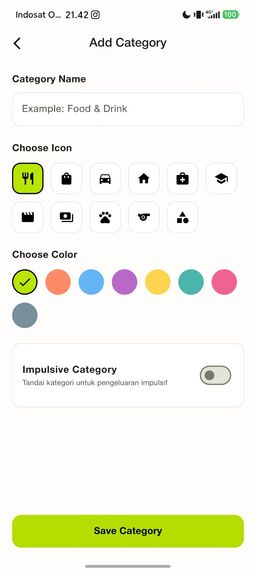
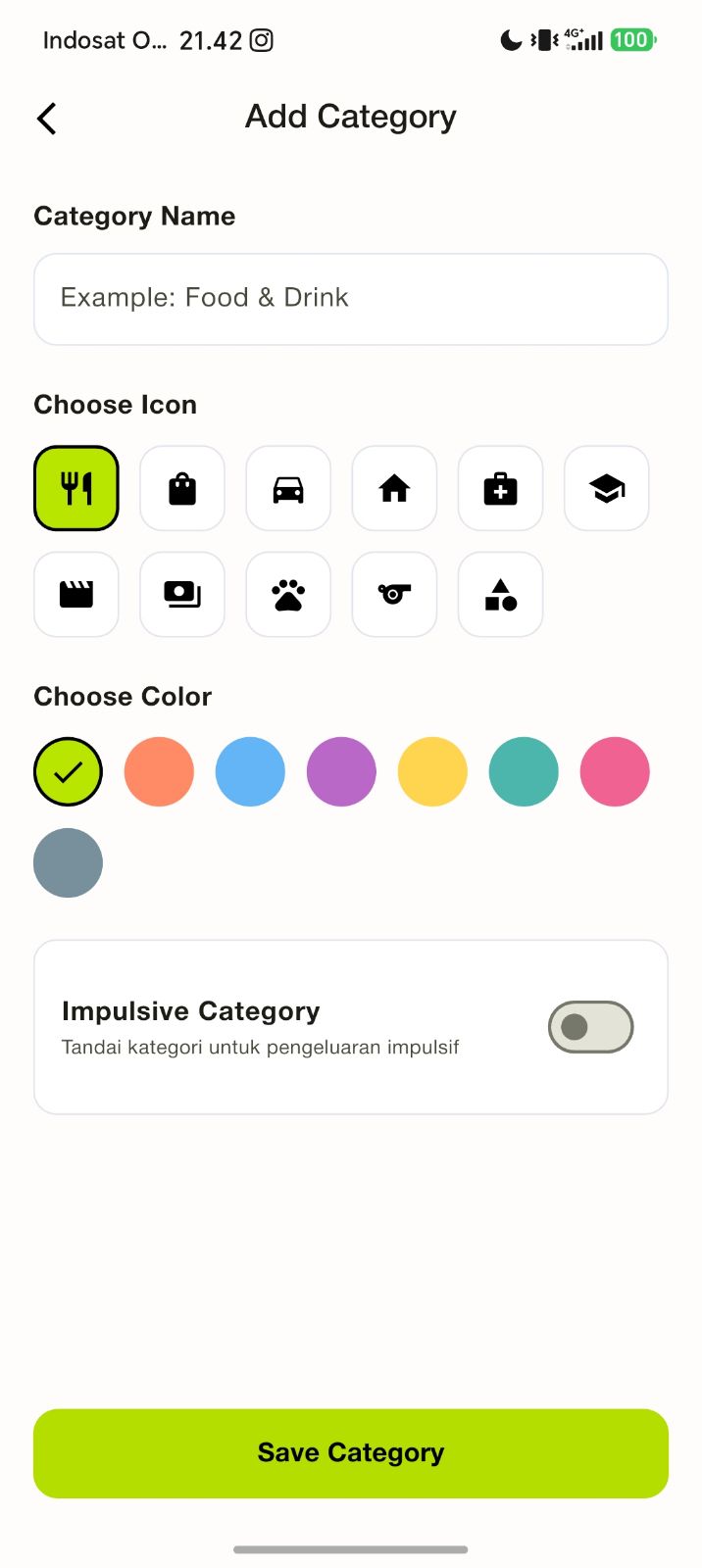
Add Category Screen
-
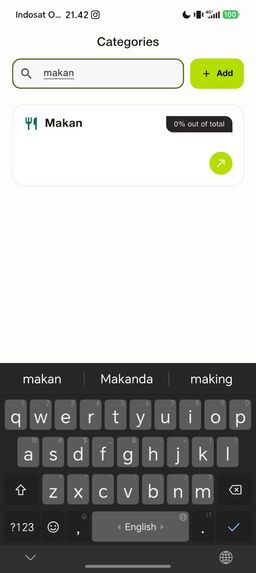
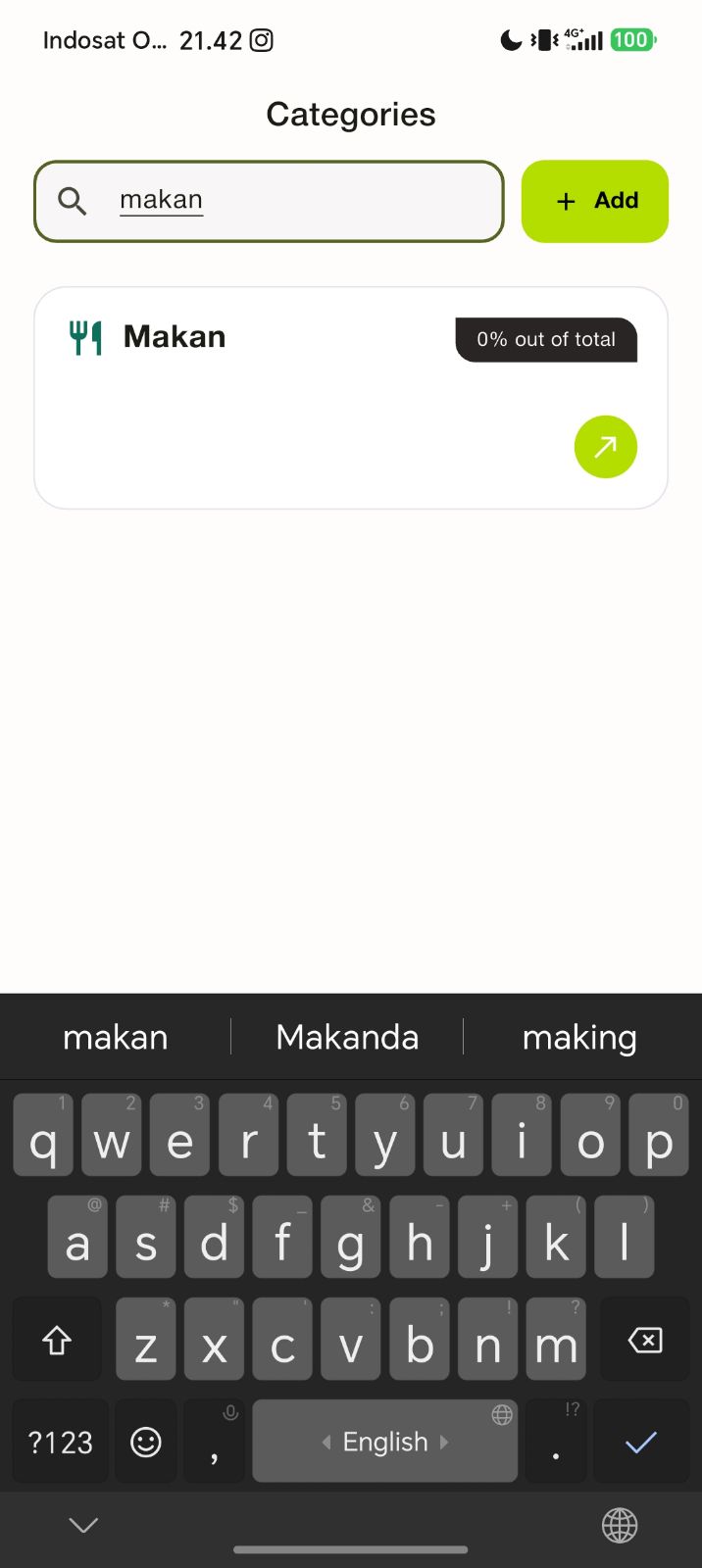
Search Bar
-
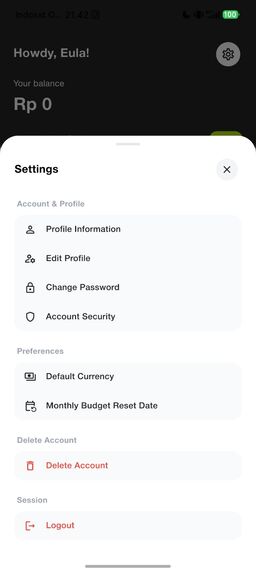
Setting Sheet
-
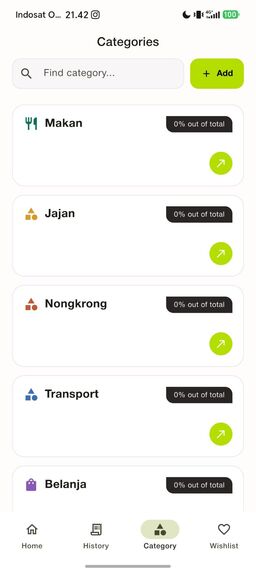
Category Screen
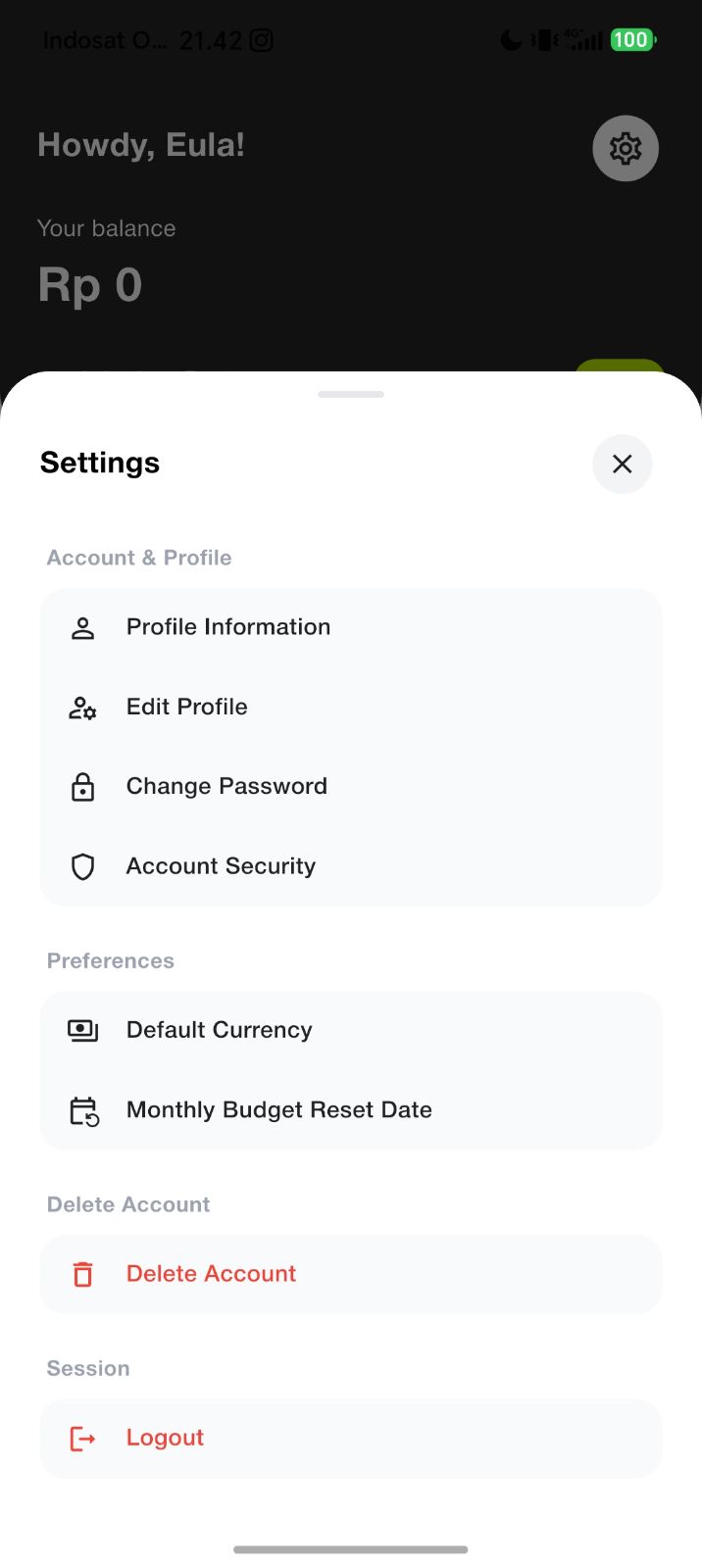
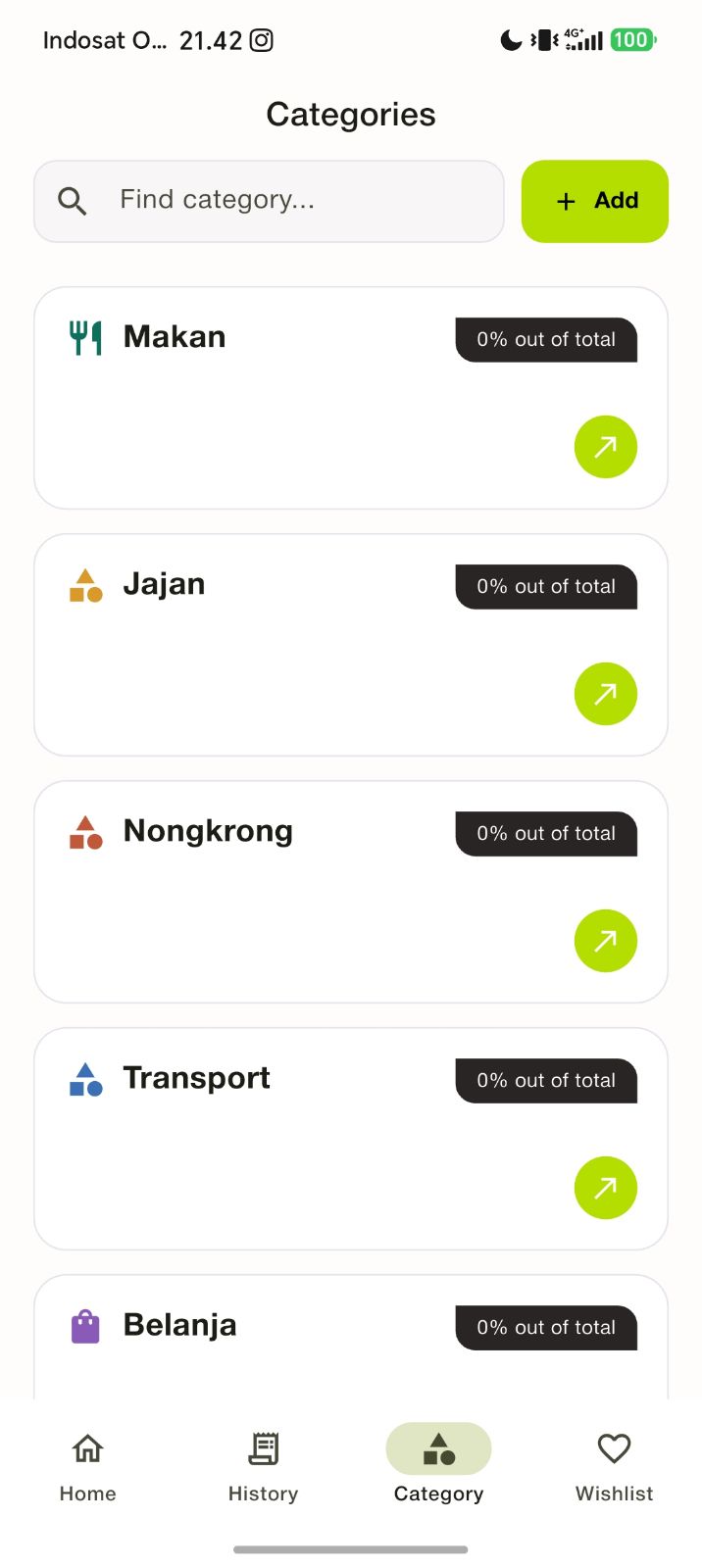
Inspiration
Being a university student living independently (anak kos) is financially tough. We initially thought students struggle because they don't know how to budget. However, after conducting direct user interviews with real students, we discovered a paradox: students don't go broke because of luxury purchases, but because of "micro-expense leaks"—tiny, impulsive daily buys (like a $2 coffee or a quick snack) that accumulate unnoticed.
Our interviewees also revealed they suffer from the "Ostrich Effect." When their balance gets low, they get anxious and actively avoid opening traditional banking apps. Furthermore, they hate manual tracking apps because of the friction, and warnings at the checkout line are often too late to stop an impulsive purchase. We realized Gen Z doesn't need a passive ledger; they need a proactive, empathetic financial survival guide.
What it does
Walee is an AI-powered anti-impulsive wallet and financial wellness app designed specifically for Gen Z students.
- Zero-Friction AI Tracking: No more manual logging. Users can just scan a receipt or type casually (e.g., "I just bought a $2 street food") and the AI structures it into expense data.
- Auto-Categorization & Leak Detection: By integrating with PayPal, Walee analyzes transaction histories to highlight "micro-leaks," warning users exactly where their money is silently draining.
- Pre-Purchase Simulator ("Cek Ombak"): Instead of warning users at the checkout, Walee allows them to input a desired item beforehand. The AI immediately simulates how this purchase will reduce their daily food budget for the rest of the month.
- Survival Mode Dashboard: Instead of showing a scary total balance, it displays a "Daily Survival Quota." When funds are critically low, the AI provides actionable survival advice (e.g., "You have $10 left for 4 days. Buy a loaf of bread and oats to survive.").
How we built it
- Frontend: We built a highly responsive, fluid mobile app using Flutter (Dart). We designed a modern stacked-card UI (using
AlignandStackwidgets) to make it feel less like a boring banking app and more like a Gen Z lifestyle tool. - Backend & Fintech API: We utilized the PayPal Developer API (Sandbox) to fetch transaction data, proving our concept for frictionless, automated expense tracking and categorization.
- AI Engine: We integrated a Large Language Model (LLM) API to act as the brain. The AI processes raw PayPal JSON data to detect impulsive spending patterns, extracts structured data from natural language "chats," and generates empathetic financial advice.
Challenges we ran into
We faced two major hurdles. First, a Technical & Infrastructure Pivot: We originally planned to deploy on a different cloud provider for another hackathon but ran into severe regional credit card verification blocks for Indonesian developers. We quickly pivoted to the PayPal AI Hackathon, which perfectly aligned with our core theme of "Financial Wellness."
Second, we had Version Control issues. During rapid prototyping, we accidentally pushed unready code directly to our main GitHub branch instead of the development branch. We had to quickly learn advanced Git commands (stash, reset --hard, and force push) to recover our codebase without overwriting our teammates' work.
Accomplishments that we're proud of
- User-Driven Pivot: We are proud that we didn't just build what we thought was right. We listened to our user interviews and completely redesigned our "Impulsive Warning" feature into a "Pre-Purchase Simulator" based on their honest feedback.
- Agility: Successfully pivoting our entire hackathon strategy, backend infrastructure, and overcoming major Git conflicts within a very tight deadline.
- Bridging AI & Fintech: We successfully transformed raw, dry PayPal transaction data into engaging, actionable, and empathetic insights for a younger demographic.
What we learned
We learned the incredible value of the Empathize-Define-Ideate framework. Talking to real users taught us that the best AI features are useless if they trigger user anxiety (the Ostrich Effect) or have too much friction. Technically, we leveled up our Flutter UI layout skills and gained a deep understanding of managing branching strategies in Git for collaborative projects.
What's next for Walee
We plan to fully integrate the PayPal Checkout API to create an "AI-Gated Checkout"—a feature that dynamically adds friction (like a double-confirmation prompt) to the payment button if the AI detects the purchase will ruin the user's monthly budget. We also want to add an AI-powered Split Bill feature for shared dorm expenses, eventually bringing Walee to the App Store and Google Play to help millions of students achieve financial wellness.
