-
-
Working UI of app.
-
Working UI of app 2.
-
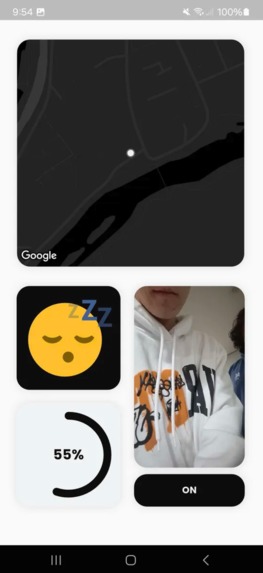
In-App working view.
-
Inspiration
We wanted a real-life application of our interest in Artificial Intelligence / Machine Learning, front-end development using Flutter and API deployment in the form of Auth0 and Google Maps API.
What it does
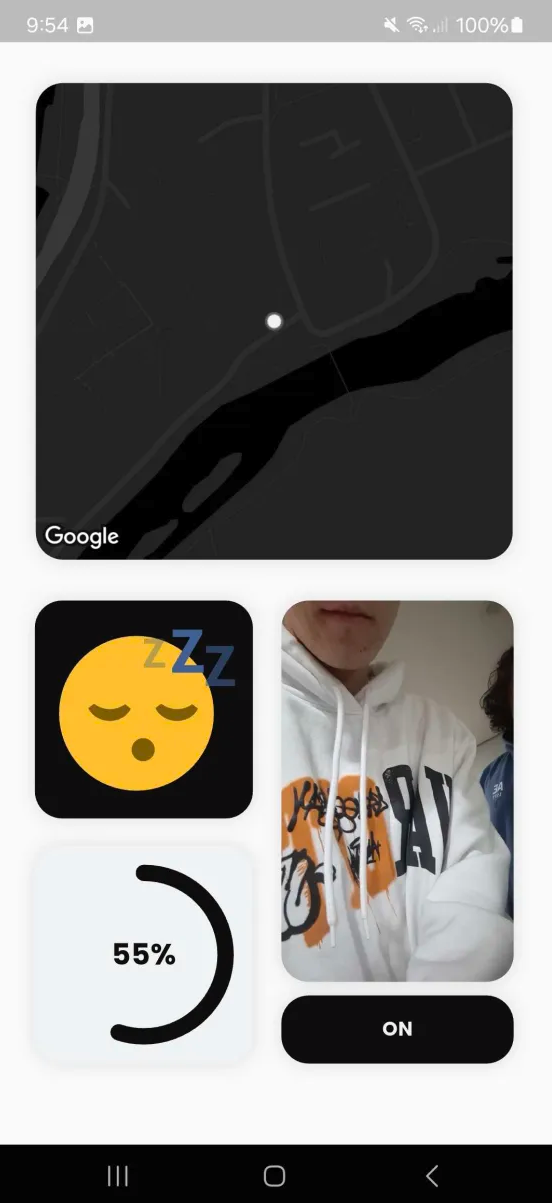
Using the live feed of the camera as a constant input stream for a custom-made model based on MobileNetV2, it is able to tell and figure out if a user is drowsy or awake while driving. Implementing these probabilities as percentages, we are able to warn the user to keep the driver safe and away from danger.
How we built it
We were able to build it by separating the three big tasks among us: Machine Learning / Model work, Front-End work with Flutter and API integration and implementation via Flutter / dart.
Challenges we ran into
- Originally, the model was designed on VGG16, which, although a very strong and robust model, was very heavy and was not suited for real-time android applications.
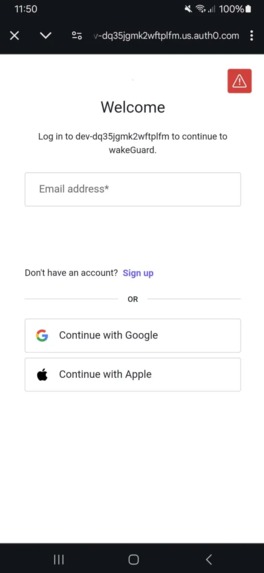
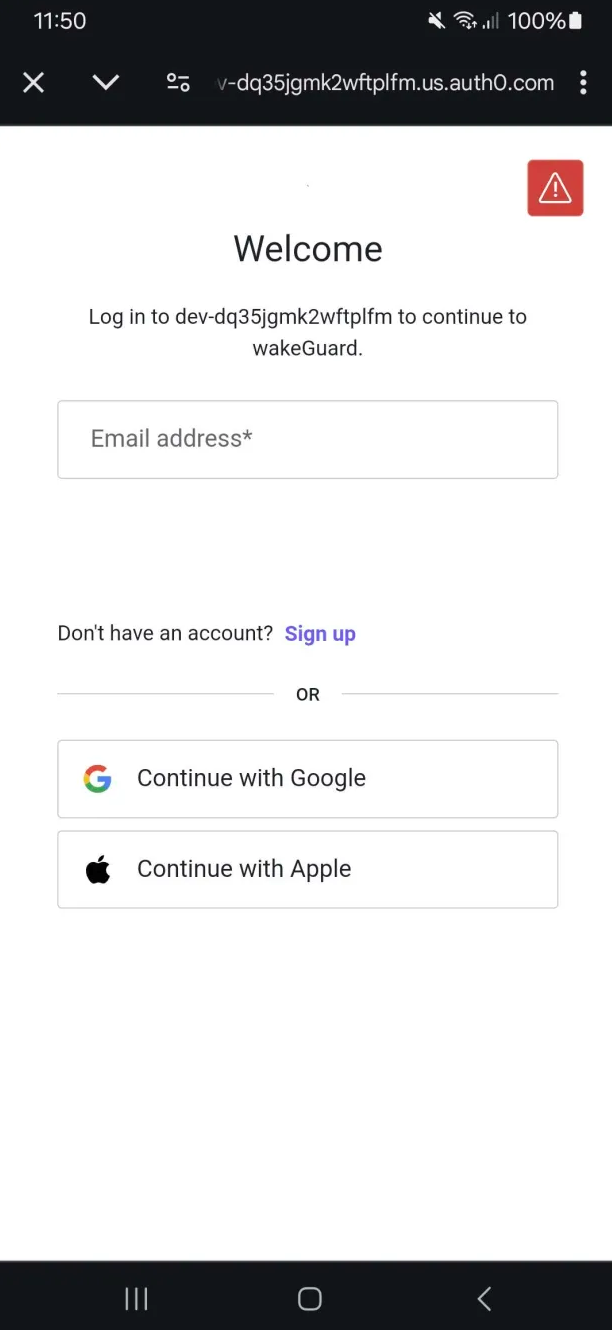
- We had a very hard time implementing Auth0 to allow the user to login via google, apple id and custom to the user.
- Since one of the necessary methods needed to implement our tensorflow lite model with the Flutter UI was deprecated and removed from the library, we had to find a workaround in order to make it work. ## Accomplishments that we're proud of This is our first Hackathon, so we are very proud of the effort, the quality and the overall performance of the application. ## What we learned We've all learned how to code and communicate under pressure, how to use github efficiently, and how to adapt under pressure when things don't go as planned. ## What's next for WakeGuard We plan on adding new features such as:
- UI implementation for smartwatches, with blood pressure check, O2 check.
- If awakeness percentage falls below 20%, use the Google Maps view to recommend the user to spend the night in the closest hotel / motel near him.


Log in or sign up for Devpost to join the conversation.