Inspiration
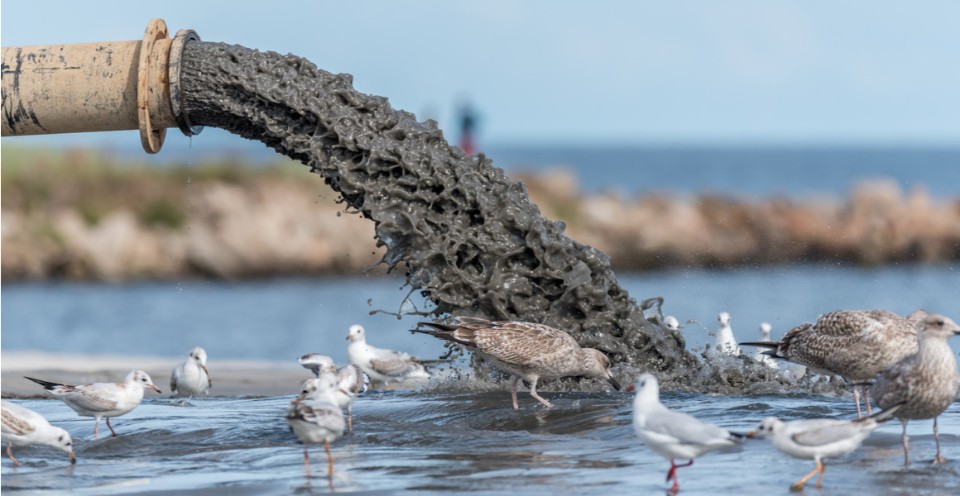
The UK's sewer network does not have the capacity to store sewage to treat during storms, and so legally Thames Water releases untreated sewage water into nearby soil and waterways. This pollutes waterways with dangerous bacteria such as E-Coli, endangering aquatic life and swimmers. We wanted to build a prediction model to help Thames Water indentify discharge points where storage and treatment infastructure improvements should be prioritised.
What it does
The model estimates rainfall to spill volume using rainfall data and comparing the amount of spillage produced to the amount of sewage treated a day. Using this, it predicts when there are spillages at discharge points and thus the concentration of bacteria in the surrounding waterways. The concentration of bacteria in waterways is then displayed on a heatmap, visualising the most vulnerable points.
How we built it
We chose 22 discharge points around Oxford and used Claude to find the relevant data points within the datasets and clean the data. We then created a model for the data, using AI to test its validity and improve on it. When then creating the UI for the bacteria concentration heatmap.
Challenges we ran into
There is no data for spillage volume, so it was something we needed the model to also work out given the available data.
Accomplishments that we're proud of
We're proud of the quality of our teamwork and our ability to work through hiccups with good communication, whilst all having good fun.
What we learned
We learnt to cooperate effectively on a project on Github and integrate AI use into our workflow. We also learnt how insufficient the sewage system in the UK is.
What's next for wAIsted
We scale the model to include discharge points across the UK and potentially pose it to UK water companies to help them keep our waterways clean.


Log in or sign up for Devpost to join the conversation.