-
-
-
-
-
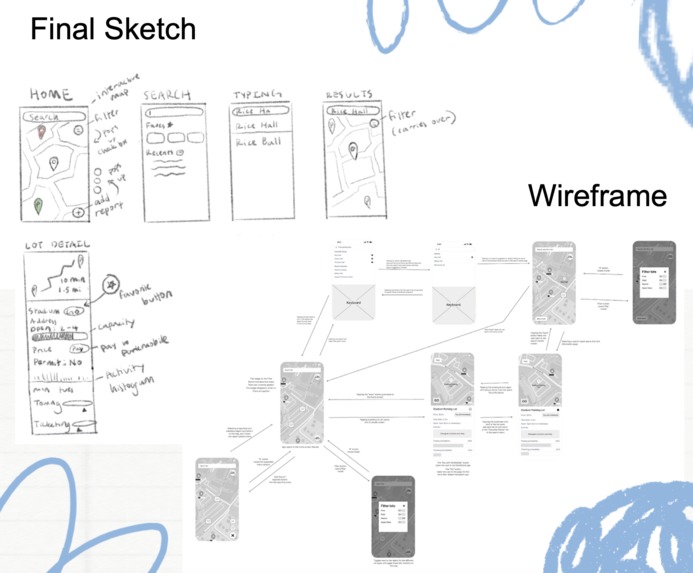
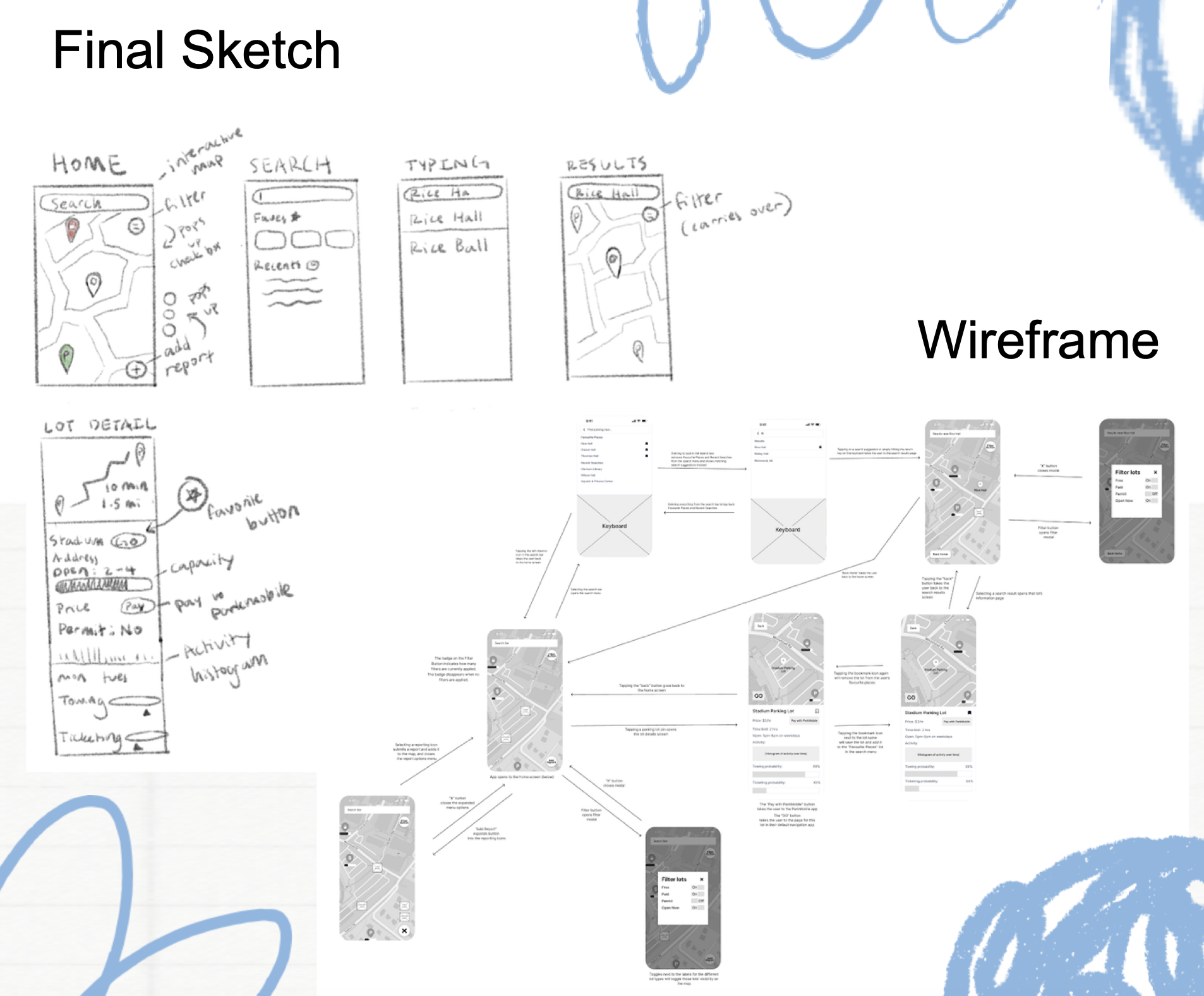
Sketches and Wireframe
-
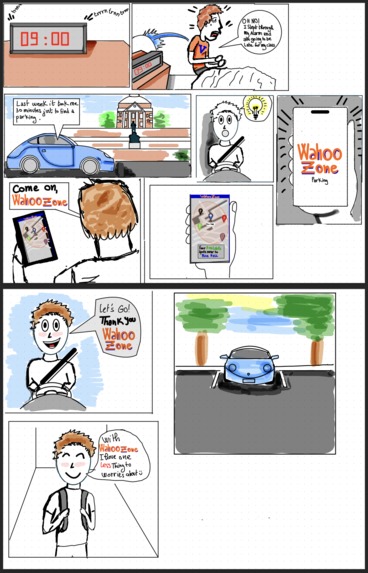
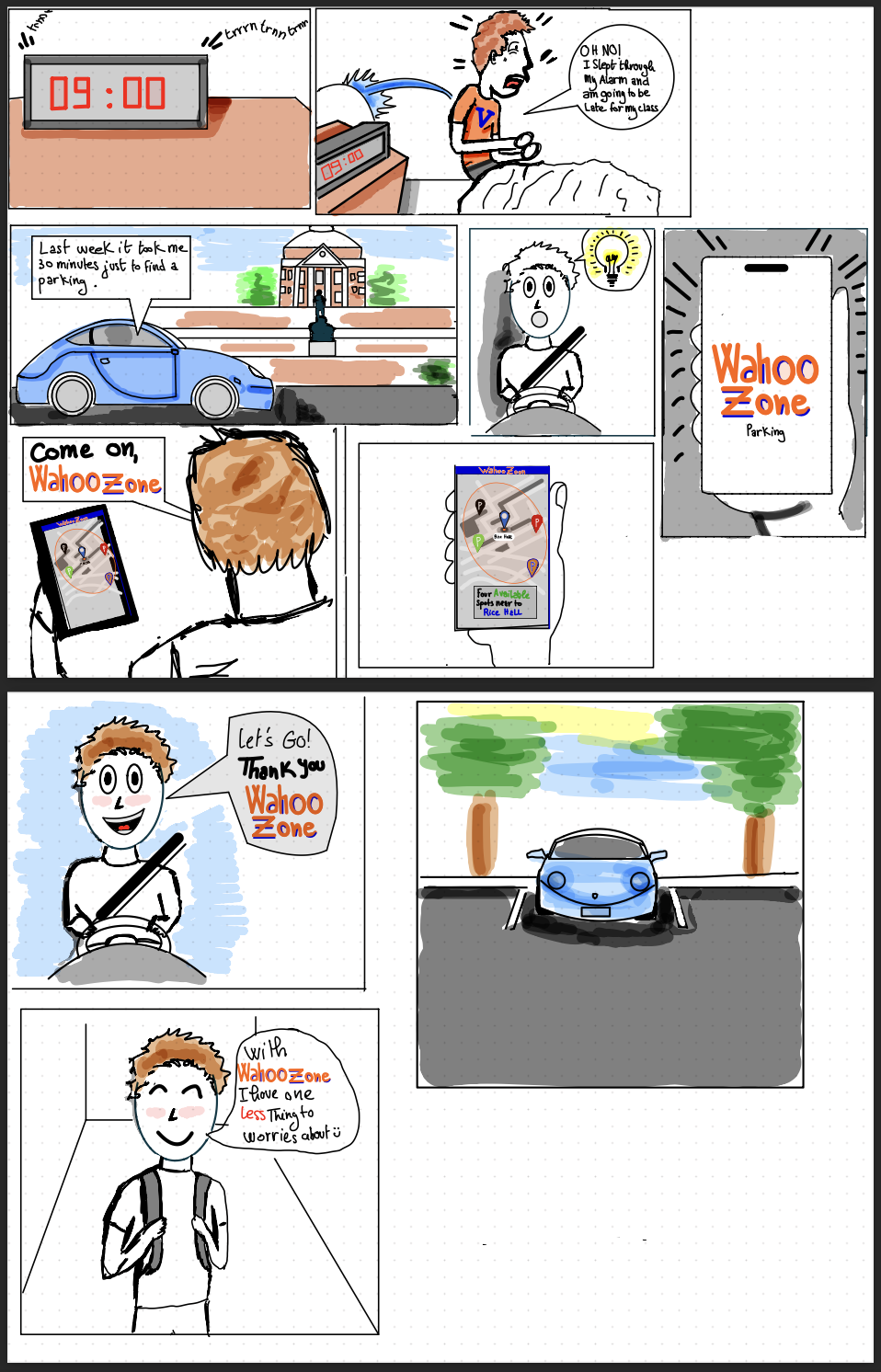
storyboards
-
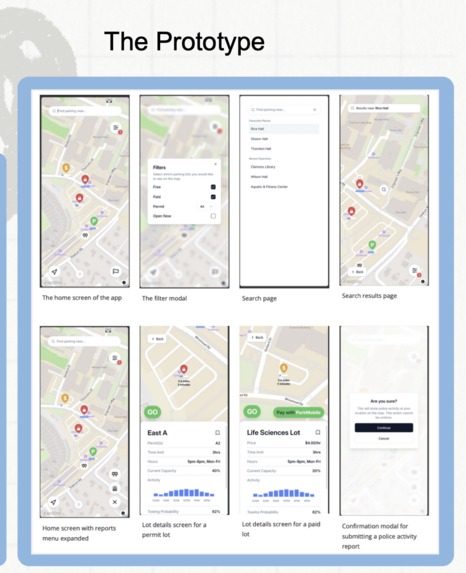
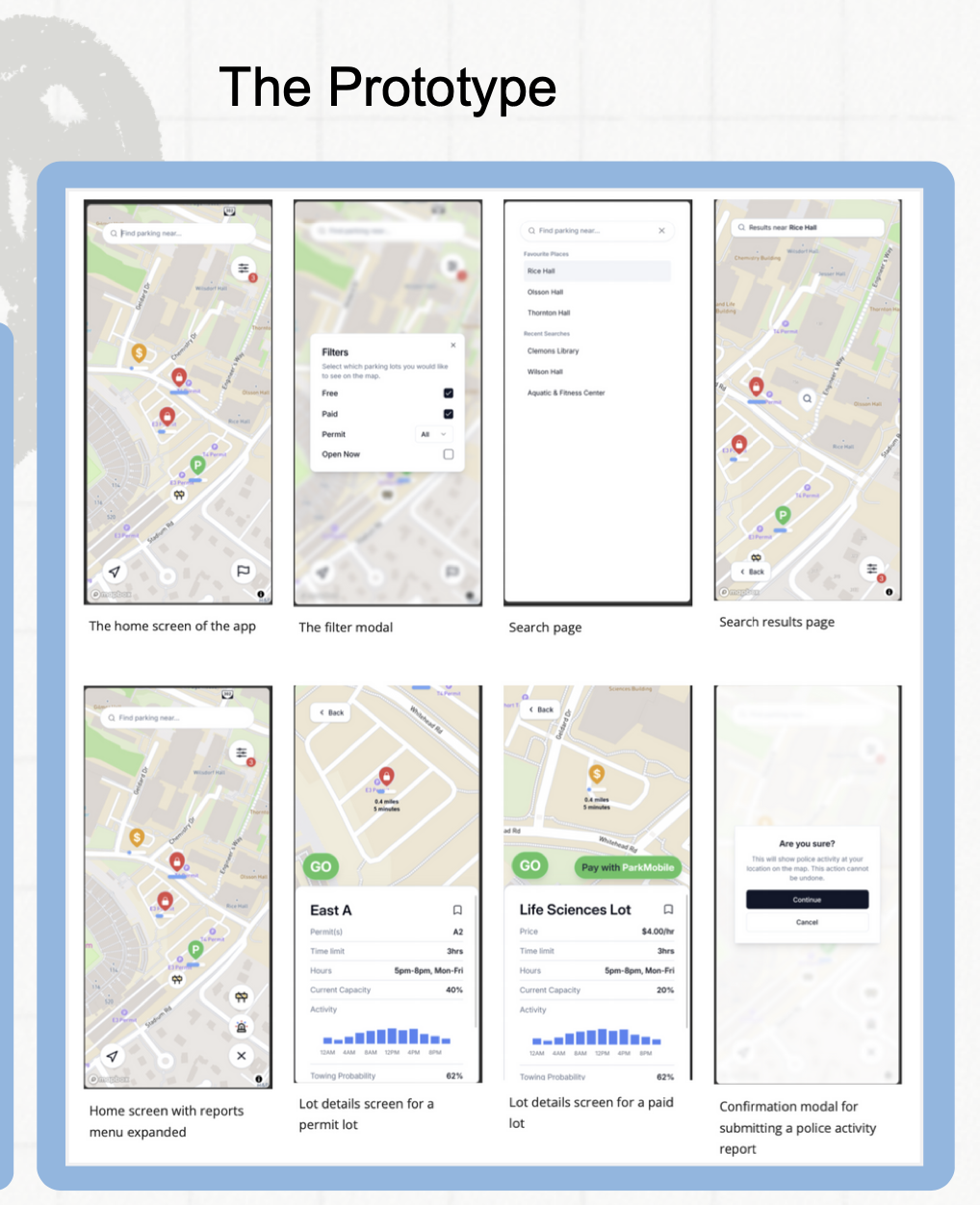
The prototype interfaces
WahooZones: Revolutionizing Campus Parking
About the Project
In the heart of the University of Virginia, a group of innovative minds—Jordan Burton, Rythama Chevendra, Alex Foster, and Ciel Park—set out to tackle a persistent problem within the Charlottesville community: the elusive quest for parking. Our journey began with a simple meeting that ignited a semester-long odyssey, culminating in the creation of WahooZones, a mobile app prototype designed to alleviate the parking plight of students, faculty, and visitors alike.
Inspiration
Our story unfolded in a brainstorming session where ideas flew like sparks in a forge. As we navigated through the myriad of issues faced by our community at UVA, we found a recurring theme: the arduous task of finding free and pass-specific parking spots. The concept of WahooZones was born from a collective realization that we could engineer a solution to this urban conundrum.
The Learning Curve
The development of WahooZones was both a technological and an educational journey. We learned not just about code and design, but about the intricate dance of user needs and the harmonious balance between functionality and aesthetics.
Building WahooZones
Our approach was methodical, segmented into four critical phases:
Phase 1: Rapid Spin
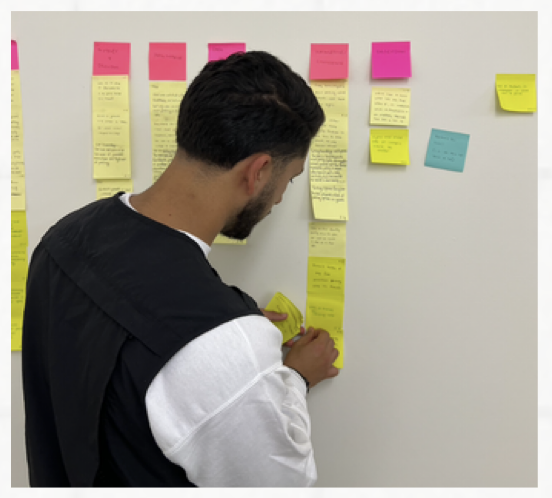
- Research: Delving into the problem, we sought to understand user needs through surveys, interviews, and data analysis.
- Design: User flow diagrams and initial app interface sketches were crafted to map out the user's journey.
- Analysis: Critical feedback sessions led to the iteration and refinement of our initial concepts.
Phase 2: Contextual Inquiry & Analysis
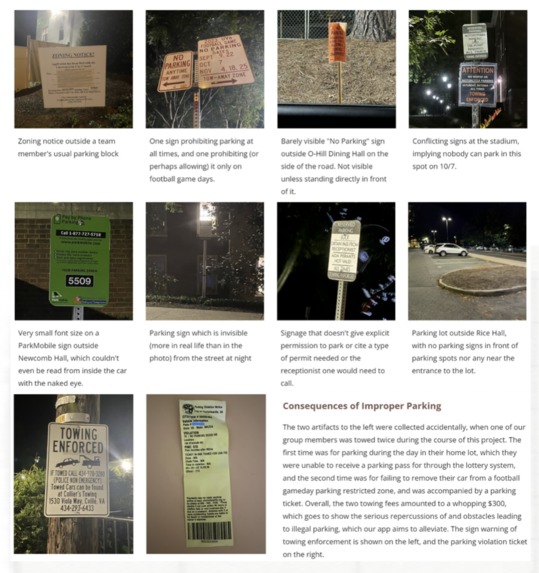
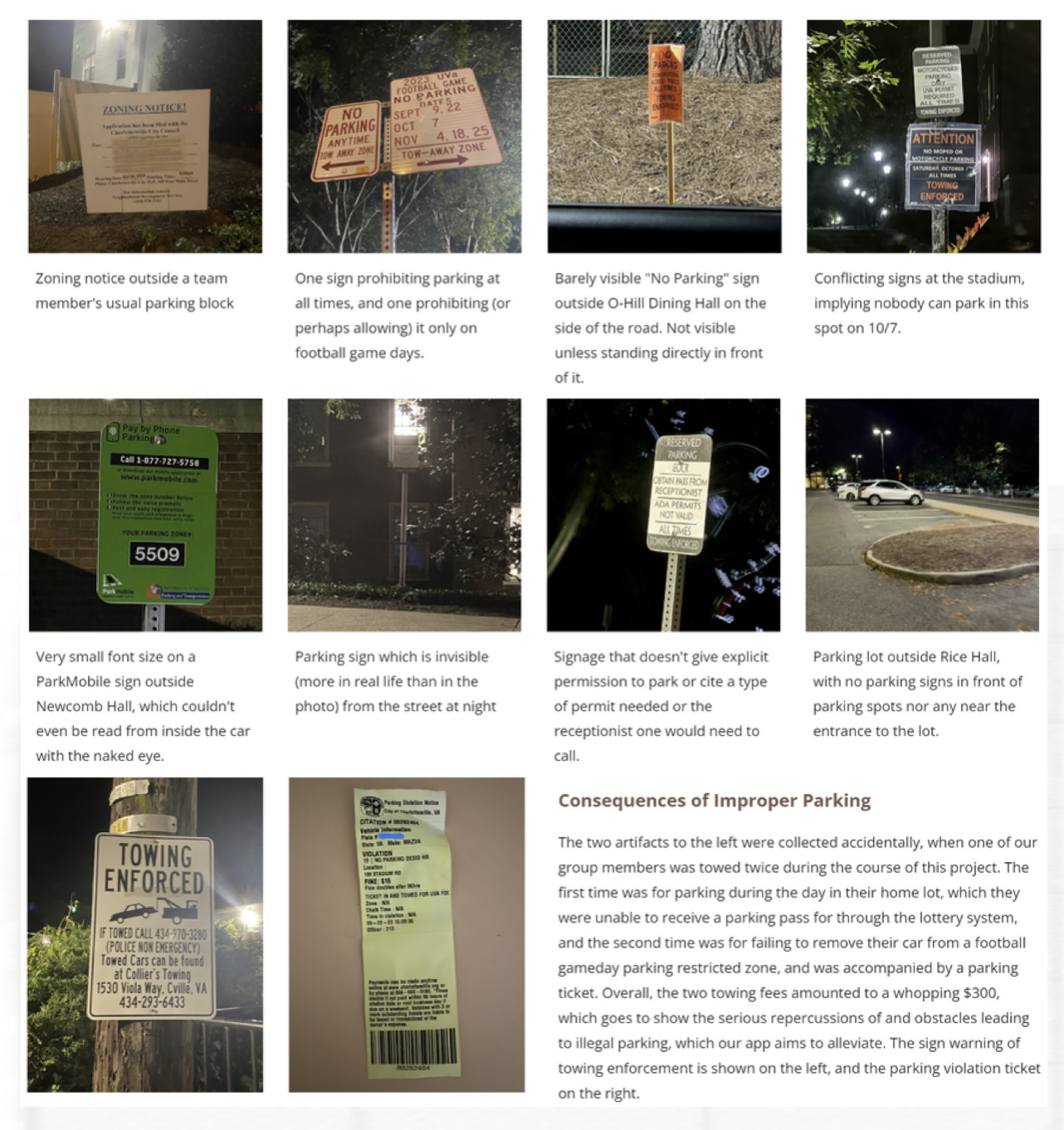
- Observing the app's natural habitat, we documented real-world parking patterns.
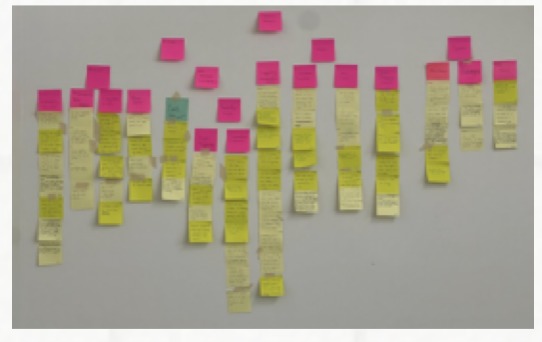
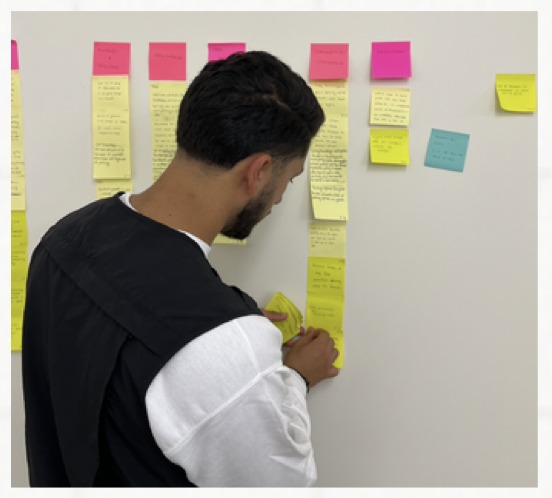
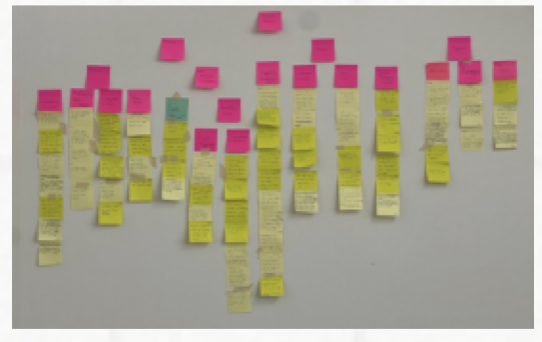
- User requirements were distilled from this data, driving the features of WahooZones.
- Prioritization of this information informed subsequent design decisions.
Phase 3: Design
- Primary Persona: 'Diana Driver' emerged as a beacon to guide user-centered design choices.
- Final Sketch and Wireframe: The scaffolding of WahooZones took shape, providing a blueprint for our solution.
Phase 4: Prototype and Evaluation
- The Prototype: Transitioning from Figma to a React-based interactive prototype, thanks to Alex Foster's expertise.
- Notable Results: Rigorous user testing yielded invaluable feedback that shaped the evolution of our app.
Challenges Faced
Embracing a gamut of challenges, from synchronizing our visions to the technical intricacies of React, we not only built an app but also a robust team dynamic. Each obstacle was a stepping stone towards a more refined solution.
Built With
- figma
- react

Log in or sign up for Devpost to join the conversation.